
Barefoot shoes are now becoming more and more popular. One of the main reasons why this is happening, I believe is the spreading idea that having the feet, seated in a tight box all day, is not so beneficial. So, what can be beneficial about going around barefoot? Or having barefoot shoes? Well, the foot is made up of 20 muscles, and 30 ligaments. That’s a lot for such a small body portion. Now, in order to have those muscles working and the ligaments playing their function, to hold the joint together and allow the joint stability to be efficient, both those 2 groups of body connective fibres have to be stimulated. So, that’s where the tight box fails. Having rigid shoes on all day, with or without a high heel, is not supportive, it is actually numbing the muscles. Said so, it is true that shoes can protect the feet from damage. In certain environments, shoes, especially rigid protective shoes are mandatory, like in the construction industry or in a factory. But even through that, we don’t spend all day at work, isn’t it? Are you saying that barefoot wearing is for everyone? No, I am not saying that. There are specific conditions, that may not allow you to wear barefoot shoes. But, if you are in doubt about what’s the right thing to do, I would get in touch with a podiatrist, and he specific if you are in Melbourne I would contact Andy. I did that myself. My journey actually started in 2018 when I was in Thailand studying with Pichest. He always points out students about their feet and wrinkled toes. He would refer to shoes and Sox as cages for feet. In Thailand, there is no need for shoes, as is really hot, he would be barefoot or use flip-flops all day. ( I then realise that not even flip flop is a solution, anyway). Said so, once I left Chiang Mai back then I did decide to start using sandals all year round. Even though I have to say that occasionally in winter, I did wear closed shoes. The years did pass by and I did notice my pinky toes were not changing shape after all these years compared to the other 4 toes. The pinky toes were still seating quite close to the 4th toes and would not go out straight. Simultaneously, my Instagram account did start to come up more frequently with posts of barefoot shoes and barefoot sandals. From there then, I did realise that wearing sandals with a narrow front was not going to make much of a difference. Also, the sandals I was wearing, were quite rigid anyway. So that would basically not make much difference for my foot, I found out later. How did I get to wear barefoot shoes? That’s when I went to see Andy, in Feb ’22. Andy is a really carrying and smiling man. I like his approach to the question I was asking and took a quiet pragmatic approach to my feet/body presentation. After several assessments on the spot, I was told that wearing barefoot was not going to be a problem. And actually, another thing that I was told was that my left foot, which is flat compared to the right was not a problem either. And that was the main reason I went to see Andy actually. To find out how I could fix that flat foot. And with my surprise, I was told that flat foot is there because the body compensates for structural scoliosis. So If I was going to change my left foot shape, probably I would create an issue then in my back or hip. In conclusion, since Feb 22 I start wearing barefoot shoes. I did opt for Vivo barefoot. So far, can’t complain. I can see my feet changing shape, and even when I go for hikes and long walks I have no foot pain or discomfort. I don’t see myself going back to wearing conventional shoes any soon. And since then I start recommending to my client too about barefoot wearing. I always suggest them having a chat with Andy or a podiatrist who can see the potential of barefoot wearing, and for those who took up the change, so far, haven’t heard any complaints but only good stories. Another way to dig more about barefoot wear is also visiting SoleMechainc, a shoe shop down in Hampton, where you can find a broad range of barefoot wear and fantastic client service. In conclusion, if you are foot is in pain, massage therapy would still help. But as often happen, massage therapy by itself is not enough, so exercise, and change habits.
Monthly Archives: July 2022

Blog
Facet Joint Irritation and Muscle Weakness: What You Need To Know
In my experience as a Clinical Myotherapist at Melbourne Massage and Treatment Myotherapy and Lymphoedema [...]
Continue readingOct
Blog
Chronic Pain: What it is, and what can you do about it?
Pain is something that we all experience, and it can start after an injury, during [...]
Continue readingOct
Blog
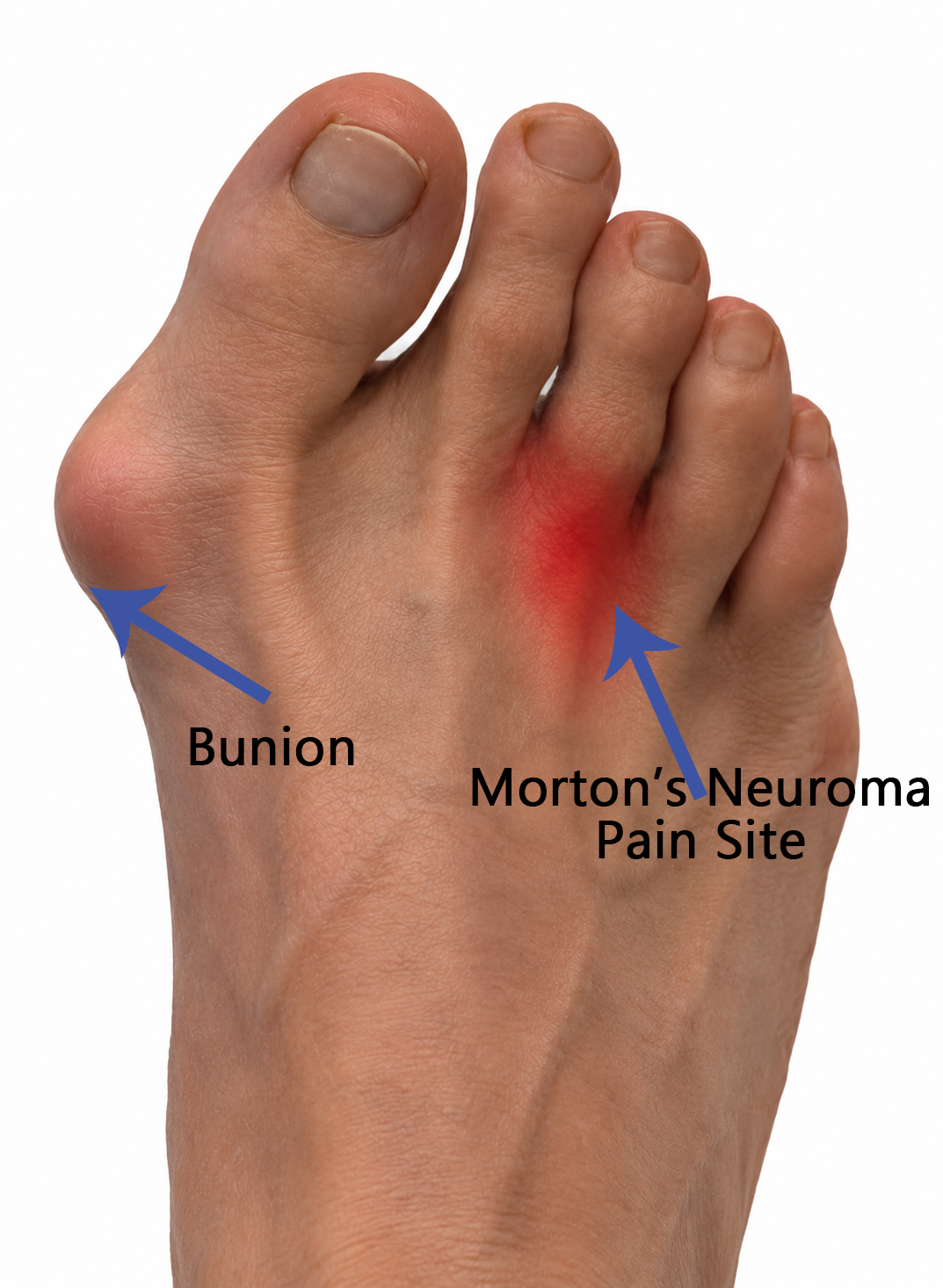
Bunion and Morton’s Neuroma: Can a Bunion Affect Neuroma Recovery?
While a bunion and a Morton’s neuroma are two different foot conditions, if they are [...]
Continue readingSep
Blog
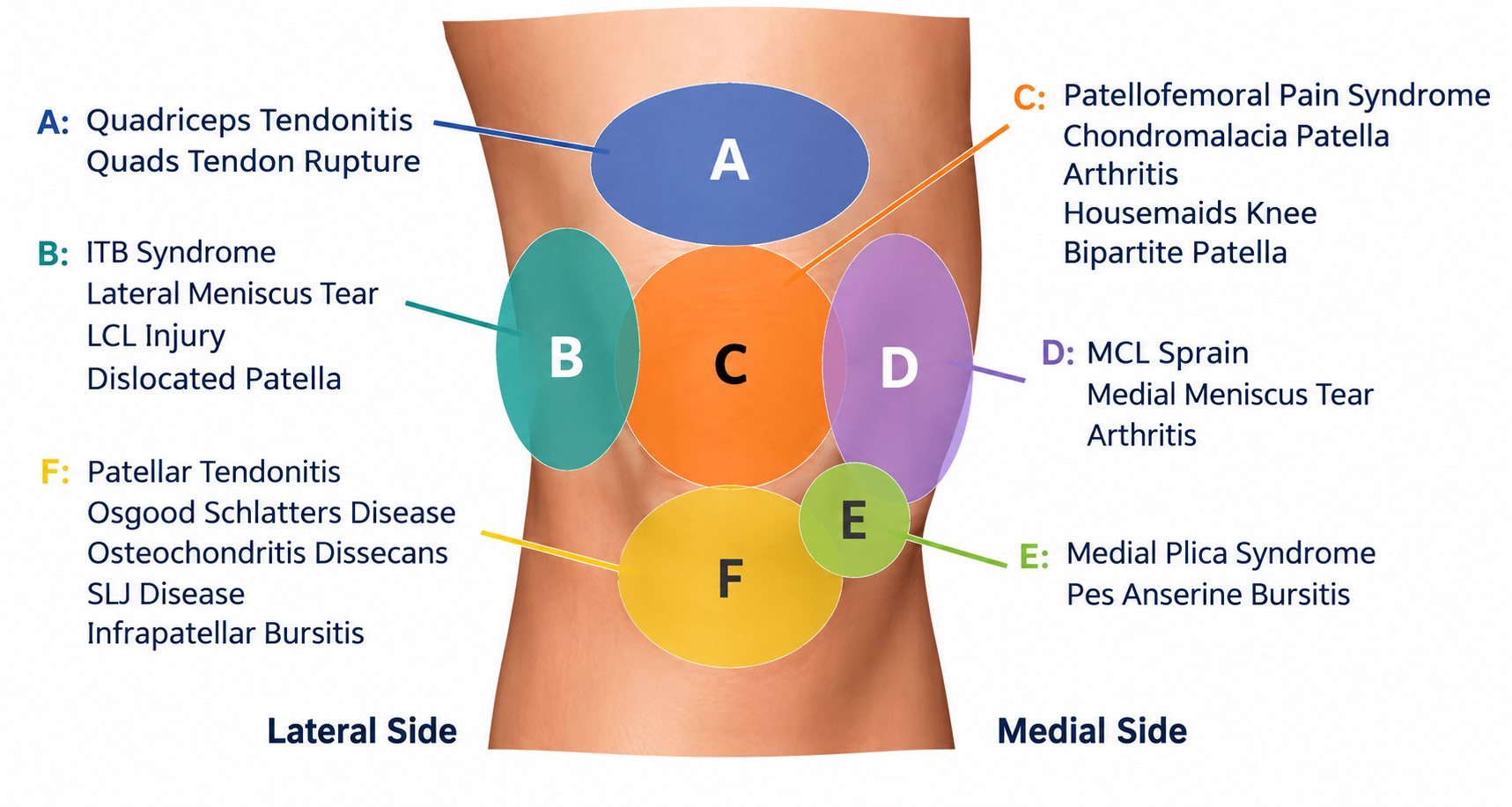
Knee Pain in Coburg
Knee pain is a common form of injury and can affect people of all ages [...]
Continue readingSep

Blog
Post-Surgery MLD Melbourne – Vodder MLD Therapist
Any form of surgery is an invasive procedure for the body to deal with, and [...]
Continue readingSep
Muscle and Tendon are two types of fibres that connect bonds, allowing the joint to be moved by contracting or extending. Muscles and Tendons characteristics. A muscle consists of fibres of muscle cells covered by fascia, bundled with many more fibres, surrounded by thick protective tissue. So each muscle fibre is covered in the fascia, then wrapped as a whole muscle in more fascia. A tendon is a high-tensile-strength band of dense fibery connective tissue. Indeed tendons can transmit the mechanical forces of muscle to the skeletal system. Tendons, as per ligaments, are made of collagen fibres. Compared to a tendon, a muscle is elastic and sits in between 2 tendons parts which keep the muscle itself connected to bonds. So yes, muscles are not directly connected to bond themself. Luckily, there is to say, because if this was the case, it would be really easy to suffer from injuries like a muscle tear. Said so, it is now easy to understand that tendons are capable of holding more force. Injury type Due to the consistency of the tendon and its functionality, we can now understand why a tendon tear or rupture is a severe injury that requires surgical intervention and months of rehabilitation. On the other hand, often, after months of rehabilitation, still, the tendon would not go back to its original state. A common tendon rupture is Achille’s tendon. Achille’s tendon connects the lower part of the Gastrocnemius and Soleus to the foothill. Repetitive movement and repetitive partial load on this tendon are the leading cause of injury. Healthy muscle and tendon Simple and gentle exercises are a good way to keep your muscle and tendon out of trouble. The key points of these types of exercises are: Consistency Resisted load (by using rubber bands) Starting with light weight to then building up with time heavier load Good posture doing the exercises Have a day of rest from exercises once a week Avoid exercises that aggravate your pain. Said so, other critical points for muscle and tendons good health seating into: Having a good night’s rest Eating more fresh food than overprocessed food Regarding recovery from an injury, as previously mentioned in the ice pack and/or heat pack posts, the usage of temperature is recommended based on the stage of the injury and the pain experienced with it. Even though on an inflamed tendon, never apply a heat pack. Are you in need of treatment? Don’t look any further, and book your initial consultation by clicking here.
Jul
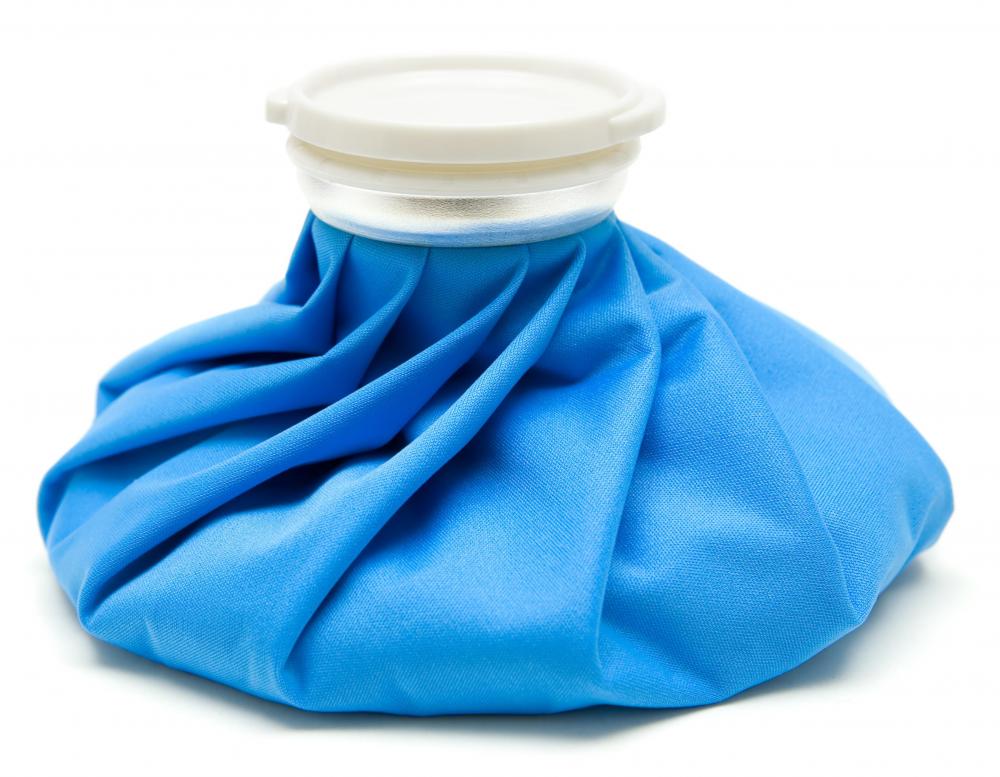
Along my experience as Myotherapist here at Melbourne Massage and Treatment in Coburg, I often get asked if after an injury ice pack is a good idea. In another blog, we did talk about the heat pack and when and how to use heat on the body post-injury. In this other blog, we are going to look into the use of Ice and ice packs for injury and body recovery. What is an ice pack? An Ice pack, as the name says, is a cold (icy) bag. As better explained in this study, an ice pack is something that can be applied to an acute injury to prevent swelling and reduce pain, but it can’t be used for too long. As with a heat pack, an ice pack can burn the skin, and that’s one reason why its usage has to be short (10 to 15mins at a time). In contrast to a heat pack, extended exposure to icy temperatures reduces blood flow around the injured tissue and can also damage nerves. Ice Pack usage recommendation: There are a few things to look into before thinking that applying ice to your injury site would help: You have a new injury or aggravation of an existing condition, and the pain is above 7 out of 10. Where you want to prevent swelling to keep you mobile later. How deep is the injury? Is ice actually going to work? There are different types of Ice packs: Home-made one: ice from the freezer wrapped in a towel. Gel pack Ice Bag (as per the photo) Instant one – most of the time found in the first aid kit. Snap it, and a chemical reaction occurs in the bag and freezes the bag. Those last ones are efficient, as you can store them anywhere safely and use them as you need them. The cold lasts for about 20 minutes. Don’t use them if they are broken. On the other hand, if you’re running out of ideas for what to use as a Cold pack, you can even use a bag of frozen food. It would still do the work. We have the ice bath and the cold show related to this topic. I did experience cold showers myself, most of the time not of my choice, but because of a limited supply of hot water, and I have to say that even on this topic, there are a series of debates on how that works and if it’s beneficial. So far, a cold shower, compared to a hot shower, is better for dry skin. This is because the heat of the water combined with soap can wash away the good oils of the skin. Then the benefit of an Ice bath can be more of a placebo effect. What we know so far, on the other hand, is that ice baths for men and women should be regulated to different icy temperatures, as women have a different perception of cold temperature biologically, and don’t need cold temperature as much as a man can experience. This is due to the layer of fat we have under the skin. Ice pack after a Massage? As mentioned above, ice packs are suggested after an acute injury. So, after a Remedial Massage or a Myotherapy session, I would definitely avoid the use of an ice pack on any sore site, as this would slow down, at least in the most superficial area, the inflammatory response we stimulate to initiate a healing process of the targeted tissue. FAQ Ice Pack

Jul
Applying a heat pack or ice pack to the body after an injury or when we are in pain is a widespread practice, and often there is a bit of confusion about which method to use for different types of injury. But as science has moved forward, we now know that not all the popular habits have a real benefit, and in some cases, can even do some harm. In this blog post, we are going to look into when to use a heat pack, what not to do with the heat pack, and when it can be more harmful than beneficial. What is a Heat Pack? A Heat Pack is a heat source, most often a fabric bag filled with grains (like wheat or barley), that you microwave for 1 or 2 minutes (or until it is warm enough). On the other hand, you can buy heat packs at the pharmacy, which are chemical-based. Those are the snap-and-heat type of bag. What are the benefits of a Heat Pack? Behind the concept of adding heat to the body, there is the idea that more heat can: Stimulate the blood flow around the painful or restricted area Improve mobility Pain Relief and all of those benefits are real, but what people often don’t know is that you want to limit the time you hold the heat on your body. We will talk about that in a minute; let’s first look into how heat applied to the body works. How does a Heat Pack work? When applying an H.P., the blood vessels beneath the tissue dilate, consequently increasing blood flow. As a result, more healing elements such as oxygen, vitamins, minerals and so on can reach the area needing attention. On the other hand, heat is a short-term solution for releasing tension. In the longer term, massage therapy such as Remedial Massage, Thai Massage, Myotherapy, or MLD would be recommended to improve your ability to move and reduce the pain, but exercises and movement would be the ultimate approach to strengthen the area and get you back to do what you love to do. For how long should I use a heat pack? As mentioned above, most people use the heat pack without a time limit, or often they leave it on till the time it gets cold. While you can use the heat on the injured area more than once a day, leaving it there for longer than that 15-minute time frame may risk overheating the area and either burning the skin or, anyway, attracting too much blood to the area and over-inflaming the injury site. So yes, in brief, do not fall asleep with your heat pack on; 10 to 15 minutes at a time is enough. What type of HP are there? Fabric one stuffed with grains. Heat patch Hot Bottle Wet bag The wheat bag is most often found in clinic settings. The bags contain a gel, and it sits in hot water all the time. For home use, a fabric one works just as well; you can heat it in the microwave or the oven. In any case, handle it with care, as it can get really hot. When to use and heat pack? Heat packs are suggested to be used when: You have low-level pain, like 1-5 out of 10; You have joint stiffness and poor range of motion; You have muscle tightness that limits your mobility. How I use a heat source at Melbourne Massage and Treatment Myotherapy and Lymphoedema Clinic At my Coburg clinic, I rarely use a heat pack while I am treating a client. The reasons are different, but simply, I don’t want to risk overinflaming a painful area by adding heat and then doing massage on it. Other reasons include that, with some injuries, like and ACL rupture or tendinopathy, the heat transferred from a heat pack source would not be enough to penetrate the skin and other tissue to actually reach the site of pain. So, as a form of pain relief, I see heat working well on muscle pain areas, like your neck, back or shoulder muscles. That said, I would strongly avoid using heat when someone presents with Lymphoedema. This is because lymphoedema patients, on the affected limb, have an increased load of protein-rich fluid, and applying heat to it could easily: overinflame the area; if any cut is present, increase the risk of infection; if the area is numb, the person may not realise the burning of the skin In conclusion, a heat pack can be useful with the right setting, but is not a long-term fix for pain and aches. FAQ Heat Pack
Jul
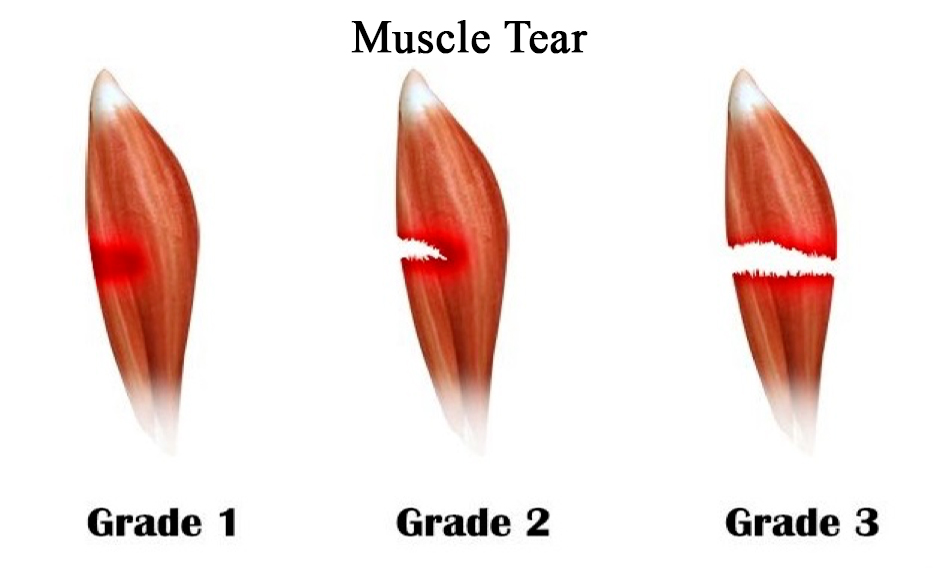
A muscle tear is an acute injury caused by a laceration of the muscle cells/fibres and or tendon to which the muscle is attached to. How can happen a muscle tear? A muscle tear happens when a muscle is weak and don’t activate at the right time. Weak muscles are common in repetitive movement or when a muscle overcompensates due to a fragile pattern. For example, tearing a hamstring is expected when the Gluteal Firing pattern is incorrect. This type of injury is common in sports activities. Still, it can also happen within a home environment by lifting a box incorrectly or during garden activities. The three grades of muscle tear. Grade 1 muscle tear is the mildest one. As per this case, only a few muscle cells have been torn. Symptoms are like: mild pain, moderate swelling, none or light bruising. In grade 2, a moderate amount of muscle cells have been damaged. Symptoms are like: Bruising is now more evident as per the swelling You must luckily hear a sound as the tear happens More severe pain, especially when trying to use that muscle. Grade 3 is the worst-case scenario. In grade 3 muscle tear, the muscle has fully torn. Still, a pop or a sound would happen as the tear happens. On the opposite side of where the muscle did lacerate, you will notice a bulge as the muscle coiled up after tearing. Weakness in using the limb where the muscle got torn. In case of a Grade 3 muscle tear, surgery is needed to reattach the muscle. How to treat a muscle tear? The immediate appliance of heat or cold packs is highly debated. A cold pack would numb the area and help with the pain symptoms. As mentioned in the “Ice Pack” blog post, that is actually recommended. On the other hand, a heat pack would help stimulate blood circulation in the affected area, reduce swelling, and boost recovery. It’s important to note that applying a heat pack too soon after an injury can actually make things worse. It’s best to wait until the acute phase has passed, which typically takes around 48 hours. At that point, heat therapy can be a helpful way to alleviate pain and promote healing. Regarding massage treatments, MLD can be the only technique used as soon as the tear happens. Indeed MLD would be highly recommended for boosting the recovery, especially in case of a tear in 3rd grade, where operation is needed. In case of a 3rd-grade muscle tear, the first thing to do is see a doctor. Other massage techniques, such as Myotherapy, Remedial Massage and Thai Massage, are still valuable for muscle tears. On the other hand, either Myotherapy, Remedial or Thai Massage can only be practised after 48 hours of rest are passed after the incidents. Indeed that 48 h is considered the acute phase of the muscle tear. How to prevent a muscle tear? More the body moves, the less the chance of injury. Making sure to do simple exercises involving basic body movement can help in muscle tear prevention. but not only. Keeping the joint moving is another essential aspect of injury prevention. How can massage help? Along with a massage treatment, the area of focus will be the torn muscle and surrounding area. Initially, the technique used with a massage treatment, especially for the injured area, would be MFTT and passive movement/mobilisation. That would help muscle recovery and facilitate joint mobility, reducing the muscle’s load. Going ahead with the treatments, techniques such as MET, a resisted muscle force technique, can be used. This would allow the muscle to gain elasticity. Book your next session by clicking here if you are suspicious of a muscle tear and need treatment.