
There is no worse way to start the day than with a wry neck. Wry neck is a common term used to describe a painful neck that limits the way you can move. Medically speaking, we call the same presentation acute torticollis. At my Myotherapy clinic in Coburg, Melbourne Massage and Treatment, I get to hear clients often telling me: “This has happened on and off for years.” And this is the first piece of the clinical history that tells me we’re probably not dealing with a simple muscle spasm, and that’s where we start looking for why the neck keeps becoming irritated in the first place. Wry Neck Is Often Acute on Chronic The first misconception we need to clear away is that wry neck comes out of nowhere. The reality of the fact is that many people have developed underlying dysfunction over months or years. Therefore, the neck has been compensating until one day something relatively small, sleeping awkwardly, reaching for something, reversing the car or even sneezing, is enough to trigger the painful episode. The acute pain is simply the last straw that broke the camel’s back. So the million-dollar question is: Why did your neck become vulnerable in the first place? That’s where an initial consultation is important, and that’s why I spend my time investigating during an assessment. A Previous Whiplash Injury Could Still Be Affecting You A common overlooked cause for wry neck that I get to see here at my clinic is a previous whiplash injury. Indeed, while someone may recover fine from this type of incident, others develop subtle changes in how their neck moves and how the muscles coordinate movement. So yes, it can be either a physical strain or irritation of the ligaments, or even neurodegeneration at the muscle level. That’s why, even years later, the body may continue protecting certain joints while overloading others. Research by Woodhouse and Vasseljen (2008) has shown that people with chronic whiplash often demonstrate altered cervical motor control, reduced movement quality and persistent dysfunction long after the original injury. That’s why, if you’ve ever had a rear-end collision, even if it happened ten years ago, even if it was due to a contact sport injury, it’s worth mentioning during your assessment, as it is an important piece of information. Hypermobility Can Also Play a Role Another presentation that I come across in my clinic, for people who suffer from wry neck, is hypermobility. Indeed, being flexible isn’t always an advantage. This is because if some joints move excessively, your muscles have to work much harder to provide stability. Over time, these muscles become overworked and fatigued, especially around the neck and upper back, which is an area where muscles already work hard most of the time, as they have to ensure we can stay straight while we stand or sit. When stability can’t keep up with mobility, the body often responds by developing muscle guarding. That’s when the neck suddenly “locks.” On the other hand, the lack of stability also creates an overload of joints, which may get easily irritated, and then initiate the pain response. Your Neck Doesn’t Work Alone Another important thing to be aware of is that we should stop focusing only on where the pain is, as the source of the problem. In fact, the cervical spine is part of a much larger movement system. So, poor movement through the upper back, reduced thoracic mobility, rib restrictions, shoulder dysfunction or altered control through the lower spine can all change the workload placed on the neck. And this is a long time game, not something that happen in one night of bad sleep. A way to conceptualise this is: If one link in a chain doesn’t move well, another link has to move more than it should, and eventually that overloaded area becomes painful. That’s why my assessment as a myotherapist doesn’t stop at your neck. I look at how your entire spine works together. The goal is to improve the balance between mobility, where mobility is needed, and stability, where stability is required. And this can only be done and maintained via exercises. Can a Better Pillow Fix a Wry Neck? I did already dedicate a full blog post about the pillow topic, but it is worth it to touch base about it even here, as this is probably one of the most common questions I get when talking about wry neck. A supportive pillow can certainly help reduce stress on your neck while you sleep; however, a pillow doesn’t: Change how your joints move. Improve muscular control. Restore stability. Correct movement patterns that have developed over the years. Therefore, think of a good pillow as something that is improving the environment rather than fixing the cause. If the underlying issue is poor movement control or spinal dysfunction, changing pillows alone usually won’t stop the episodes from returning, and it can end up being an expensive search. Your Workstation Might Be Causing the Problem Another issue that I get to see mostly with office workers is for those who work with multiple screens, like two or even three computer screens. This setup becomes a problem when the main screen isn’t positioned directly in front of you, and you end up spending eight or more hours each day with your head slightly rotated toward one side or the other. Now, try to think about what that means for your joints and muscles on that side. Until you repeat that position every day for months or years. The muscles on one side of the neck become overloaded because they are constantly contracted, while the muscles on the other side are constantly stretched. One of the simplest changes you can make is ensuring your primary monitor sits directly in front of your body, or if that’s not an option, then make sure to swap your screen software-wise. So you end up having even days looking at right, and uneven days, looking to the […]
Tag Archives: neck pain

Blog
Facet Joint Irritation and Muscle Weakness: What You Need To Know
In my experience as a Clinical Myotherapist at Melbourne Massage and Treatment Myotherapy and Lymphoedema [...]
Continue readingOct

Blog
Chronic Pain: What it is, and what can you do about it?
Pain is something that we all experience, and it can start after an injury, during [...]
Continue readingOct
Blog
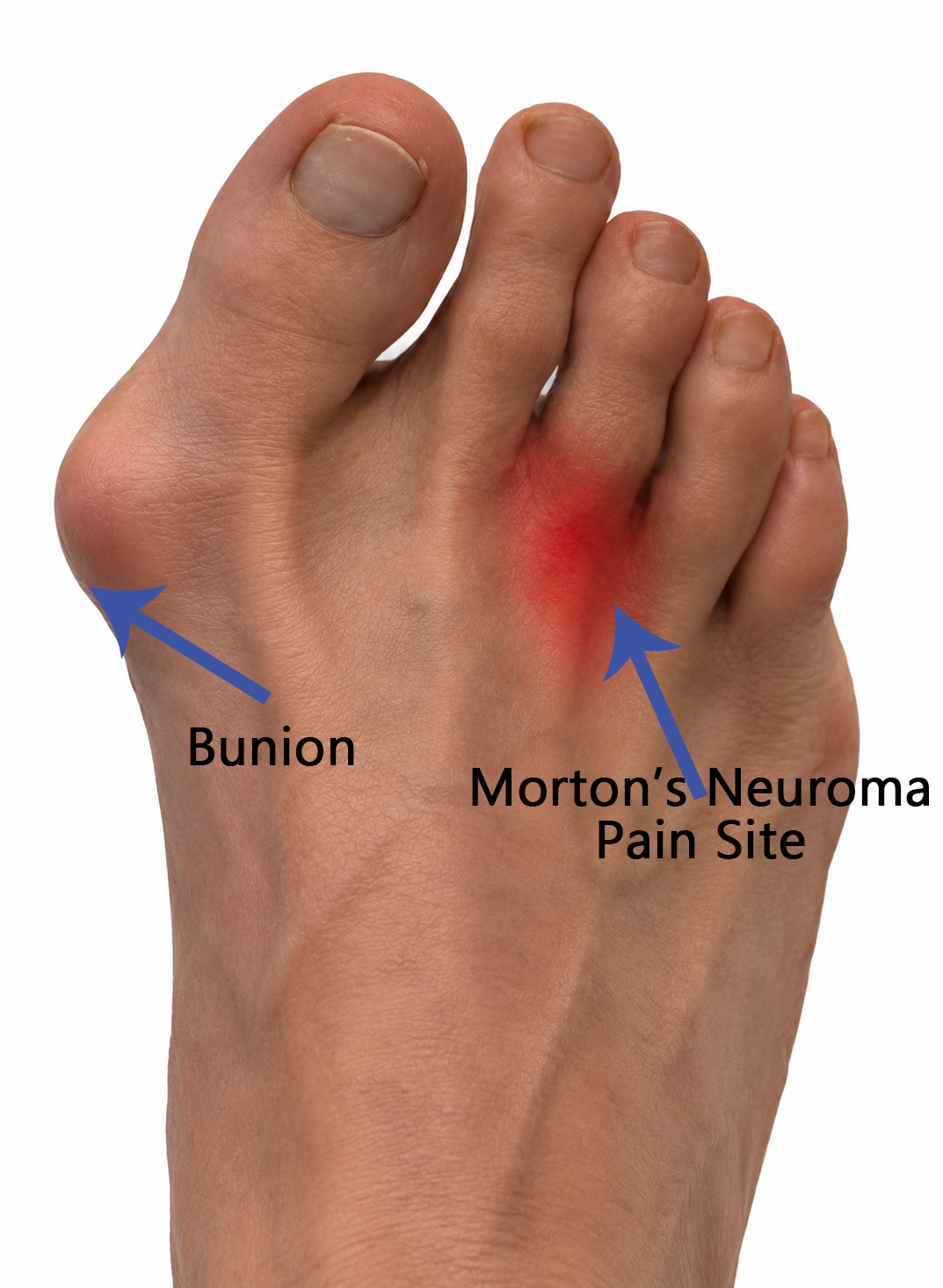
Bunion and Morton’s Neuroma: Can a Bunion Affect Neuroma Recovery?
While a bunion and a Morton’s neuroma are two different foot conditions, if they are [...]
Continue readingSep
Blog
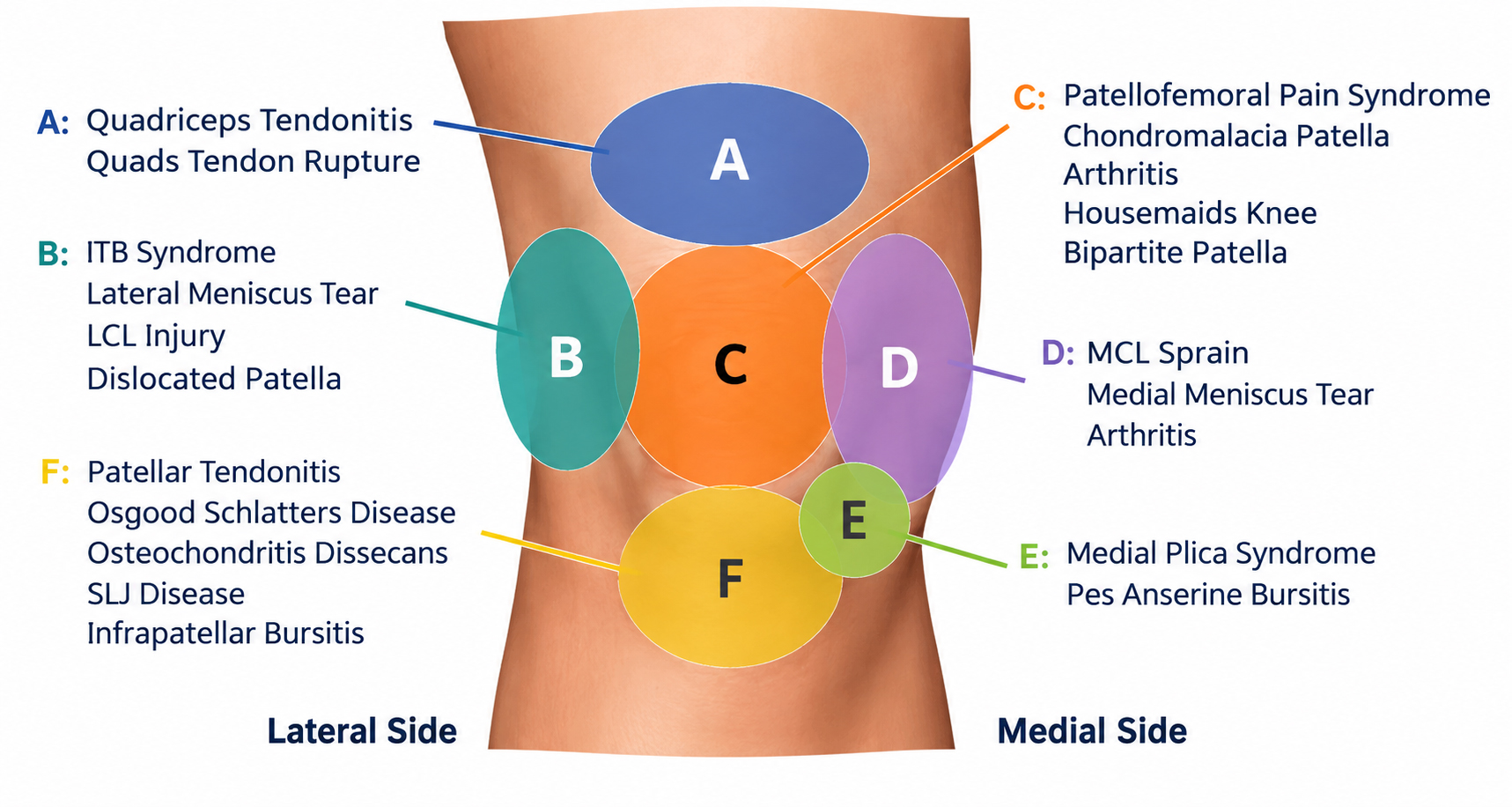
Knee Pain in Coburg
Knee pain is a common form of injury and can affect people of all ages [...]
Continue readingSep

Blog
Post-Surgery MLD Melbourne – Vodder MLD Therapist
Any form of surgery is an invasive procedure for the body to deal with, and [...]
Continue readingSep
Jun
When treating someone for neck pain, a common question I get asked is: “Should I change my pillow?” or “I slept badly, my pillow is not good”. In fact, there is a common belief that a pillow or a bad night’s sleep is the cause of constant neck pain. While pillow comfort matters, clinical experience in myotherapy in Melbourne shows that pillows are rarely the root cause of ongoing neck pain. At a clinical level, neck pain is usually driven by: movement dysfunction poor spinal cervical stability previous injury history and reduced muscular control Therefore, a good pillow can support symptoms, but it does not fix the underlying issues that drive your pain. Coburg Myotherapy Insight: What Actually Causes Neck Pain? At Melbourne Massage and Treatment, a myotherapy clinic in Coburg, I consistently see neck pain linked to five key factors. 1. Spine Mobility and Stability Dysfunction The neck’s vertebrae are part of a full kinetic chain involving the thoracic spine, shoulders, and rib cage. Under this aspect, indeed, we should look into the lack of thoracic mobility which may cause the stable portion of your cervical (C3-C7) to seek that mobility capacity. But as we well know, a stable joint can’t act as a mobile, and vice versa. In more detail, poor spinal mechanics lead to: muscle overload in the neck joint irritation tension during rest and sleep And about the pillow, it is an object that cannot restore spinal movement or control. Isn’t it? 2. Whiplash History and Incomplete Rehabilitation Other patients with chronic neck pain may have a history of whiplash that was never fully rehabilitated. Indeed, a whiplash accident, as a result of a car crash or even during a contact sport incident, can lead to chronic neck pain, especially if not rehabilitated correctly. This happens because during a whiplash, the cervical joints get put under extreme force and can lead to a torn ligament or laxation. However, without structured rehab, long-term changes in: deep neck flexor control proprioception postural endurance can persist for years, or even show up after years of post-injury. So again, no pillow can change these symptoms or help you recover from such an injury. 3. TMJ Dysfunction and Jaw Tension Temporomandibular joint (TMJ) dysfunction is another underlying cause of neck pain. By following the kinetic joint chain we discussed earlier, we see that the TMJ is the next joint in the chain, after the cervical one. Therefore, Jaw clenching and TMJ irritation can: increase suboccipital muscle tension contribute to forward head posture amplify cervical joint stress That’s where you may wake up with more neck pain than during the daytime. The clantching can be heavily responsible for that. This is why neck pain is often worse under stress or during sleep. 4. Hypermobility and Joint Instability Following the concept of a torn ligament, as per a whiplash incidence, joint hypermobility is clearly another underlying issue for neck pain. This happens because there is a lack of stability and control in those cervical ligaments. This leads to: reliance on passive ligament support early muscle fatigue poor tolerance of sustained sleeping positions A “supportive pillow” alone may not solve instability and can sometimes reinforce dependency on external support rather than active control. 5. Neck Strength and Motor Control (8–12 Week Rehab Window) In my experience, this is the big issue. Most people don’t even think about the strength of their neck or upper shoulder muscles, and this is where things can go really wrong. Indeed, one of the most effective long-term treatments for neck pain is a structured strengthening program that targets: deep cervical flexors scapular stabilisers postural endurance muscles As per many exercise programs that intend to strengthen the body structure, we look at 8–12 weeks of progressive exercise-based rehabilitation. This is why many patients searching for neck pain treatment in Melbourne benefit more from rehab than passive support strategies. What the Research Says About Pillows and Neck Pain To support with evidence, why a pillow is not going to change in the long term, your neck pain, we can look at a systematic review from Pang J. et al. (2021), which found: Some pillow designs may reduce symptoms But long-term structural or functional improvements are limited and inconsistent Therefore, pillows may improve comfort, but they do not fix the underlying cause of neck pain. And yes, the pillow consistency can make a difference, but, again, it does not fix the neck pain, nor would it cause neck pain. Melbourne Myotherapy Approach: What Actually Works At Melbourne Massage and Treatment – Myotherapy Clinic in Coburg, I focus on evidence-based management of neck pain. Indeed, my approach to a client who presents with neck pain is structured as follows: Detailed analysis of clinical history – including previous history of injury and past/current sport activities Clinical assessment – active and passive range of motion, and neurological test where/when needed Outline your short-term and long-term treatment – what you want to achieve in today’s session and in the upcoming weeks/months, and what you are ready to do about it (exercise-wise) Treatment plan outline – what I believe could be a tailored treatment plan given the results of the above findings, including your short/long-term goals In all of these, Remedial Massage plays a crucial initial role to relax the nervous system, reduce initial pain and discomfort, promote healing and movement, but even techniques like mobilisation are ideal for treating neck pain and improving the initial outcome. But again, hands-on treatment is only the first step of the journey, and along with other myotherapy sessions that follow the initial consultation, exercises have to be the main focus. Exercises for the neck, for the shoulders and for your back. In summary, here is a dot point list of what a treatment plan aims for: cervical + thoracic mobility restoration deep neck flexor strengthening scapular control TMJ and jaw tension management (if needed) graded load tolerance programs These interventions address the true drivers of pain rather than just […]

Apr
Neck pain and or upper back pain often originates from a disbalance of mobility and stability joints along the spine, including poor scapula-thoracic joint stability and thoracic mobility. Indeed, a hypermobile scapula can lead to instability, muscular imbalances, and chronic tension in either the shoulder joints or the cervical. Therefore, assuming that neck pain is only a neck issue is a bit limiting. We need to look at the bigger picture and target the right reason why you are in pain. In this blog, we are going to look at how scapular stabilisation exercises can restore balance, enhance posture, and reduce neck pain. Understanding Scapular Stability and Hypermobility The scapula, or shoulder blade, plays a vital role in upper-body movement and stability. It acts as the foundation for arm motion, connecting the humerus to the thorax through the scapulothoracic joint. When control is compromised, which is common for those with general hypermobility or for those who have scapular hypermobility, the result can be excessive movement and discomfort. Consequences of having a hypermobile scapula are: Neck and shoulder pain Reduced athletic performance Increased injury risk Muscle fatigue and tension As is often recommended, we need to look at strengthening as a way to improve muscular control of the joint, and in this case, we would look at: rhomboids, trapezius (upper, middle and lower), and latissimus dorsi, which is essential for restoring balance and function. Mobility Comes First: The Foundation of Stability As already mentioned in so many other blogs, and as I educate my clients all the time, before introducing strengthening exercises, mobility must be addressed. A stiff thoracic spine forces the scapula to compensate for many shoulder movements, leading to muscles originating and or inserting in the scapula to be overused, leading to pain and discomfort. Essential Thoracic Mobility Exercises There are some really easy exercises that you can do to pick up on thoracic mobility. Here is a short list: Foam Roller Thoracic Extensions Open Book Rotations Thread-the-Needle Cat-Cow Mobility Drill Diaphragmatic Breathing Exercises Those exercises would help in restoring thoracic mobility, preparing the groundwork for effective scapulothoracic stability exercises. Key Muscles for Scapular Stabilisation Now we can look at the muscle that we would need to strengthen to create a better scapular stabilisation. Rhomboids Function: Scapular retraction and stabilisation. Importance: Provide postural support and control during pulling movements. Recommended Exercises: Resistance Band Rows Prone T Raises Seated Cable Rows All those exercises can be easily delivered at home, with some decent resistance bands, or with light weights. But don’t let the simplicity of these rhomboid exercises fool you, as prone T raises, to start with, are enough even with no weights, as the weight of your arm is already enough. Trapezius (Upper, Middle, and Lower) Function: Elevation, retraction, and upward rotation of the scapula. Each fibre group has a different role regarding the scapula movement.Importance: The lower trapezius is essential for shoulder stability and posture. Recommended Exercises: Prone Y Raises Wall Angels Face Pulls Shoulder Shrugs Again, those exercises don’t require a full gym set-up, but some strong resistance bands and light weights would do. Latissimus Dorsi Function: Shoulder extension, adduction, and thoracic stability.Importance: Connects the upper limbs to the trunk and supports efficient movement. Recommended Exercises: Straight-Arm Pulldowns Lat Pulldowns Assisted Pull-Ups Resistance Band Pulldowns Scapular Stabilisation Exercises for a Hypermobile Scapula Now that we have looked at which exercises are ideal for what muscle or muscle group, we can look at a combination of those based on generic fitness levels. Those exercise lists are obviously a generic recommendation, and unless we have already done some work and assessment, I would not suggest picking and choosing an exercise routine and trying your best to sort out your pain. Beginner Level Scapular Setting Exercises Wall Slides Isometric Holds Against a Wall Serratus Anterior Punches Intermediate Level Prone Y and T Raises Resistance Band Pull-Aparts Face Pulls Incline Dumbbell Rows Advanced Level Landmine Presses Farmer’s Carries Overhead Carries Pull-Ups with Controlled Scapular Movement Furthermore, these exercises for scapular stability enhance neuromuscular coordination and are particularly beneficial for individuals with hypermobility. How Scapular Stability Reduces Neck Pain While we can’t directly associate hypermobility of the scapula with neck pain, we also know that poor scapular control often leads to overactivation of the upper trapezius and cervical muscles, contributing to neck pain. By strengthening the stabilisers of the scapulothoracic joint, mechanical stress on the neck is reduced. Therefore, here is a list of the benefits of scapular stabilisation exercises: Improved posture Reduced neck and shoulder pain Enhanced thoracic control Increased muscular endurance Better movement efficiency Lower risk of injury How We Support Scapular Stabilisation at Melbourne Massage and Treatment At Melbourne Massage and Treatment, in Coburg, the treatment of scapular stabilisation starts from a tailored assessment of your presentation, looking at: Overall hypermobility Your clinical history Past and present sports activities Site of pain Pain time frame That and more information are essential to understand what your experience is, and what we can do about it. Hands-on treatment, like remedial massage or myotherapy, would be the first step to relax the body and allow you to feel and move better. The next step from that would be guiding you throughout exercises that you can deliver at home or at the gym, at your own time, so that you can take control of your pain and your presentation. All of this can be easily delivered along a treatment plan. And to simplify the whole process, I also offer a FREE 15-minute Online Consultation, where we can start looking into your presentation and understand what has been done till now and what needs to be done at this stage.
Mar
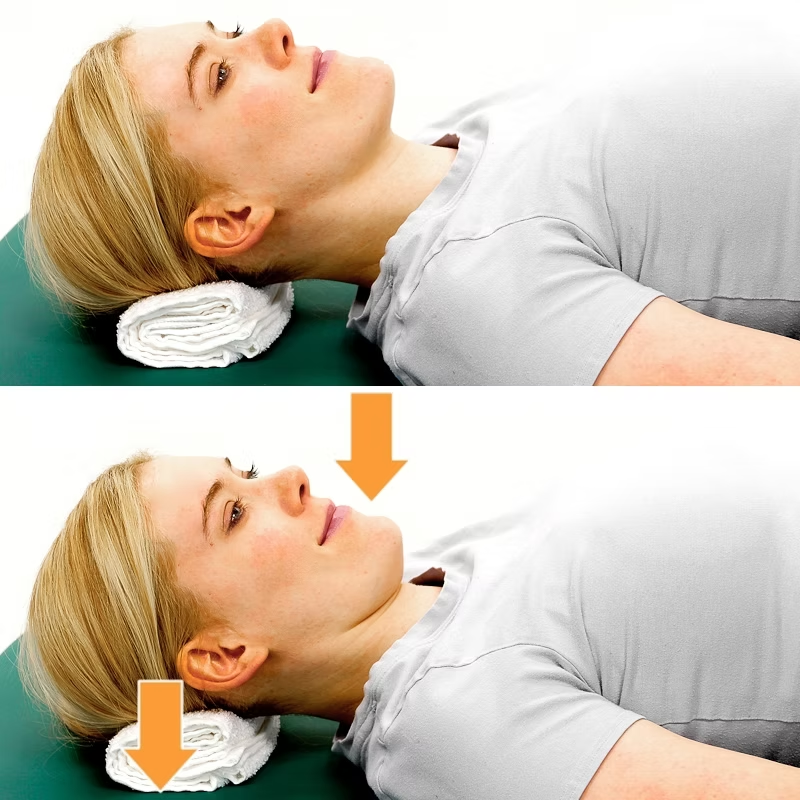
Neck pain is such a common presentation, and often I have to hear from my clients that it is due to them storing stress in their neck or shoulder. I can’t think of how many times I heard this, and how many times I than have to ask questions like: “When was the last time you did some neck-strengthening exercises or movement for your neck?” “If you work in an office, how many screens do you have in front of you, and which one do you look at more often?” “Have you ever had a whiplash? And if yes, have you done anything about it?” As you would imagine, the answers are anticipated by a moment of silence, thinking and then in order of question: “I never do neck strengthening exercises, at best I do some stretching”. “2 or 3 screens and I look at the one on one side most of the time”. “Yes, but it was xx years ago, and I haven’t done anything about it, as I was too young to care about it”. Now, I believe that those answers are already going to give you an idea of where that pain may come from. In fact, the neck isn’t just tight, it’s often weak and poorly controlled. To fix that, we need to understand how the neck actually works and how we can strengthen it. Why Neck Strengthening Matters (Mobility vs Stability) Each cervical spine is unique, and we can all present with different needs and capacities for movement. Indeed, a hypermobile person may find their neck to be really mobile and easy to twist and turn. Hypermobility, as discussed many times, is an advantage for flexibility, but it comes with the cons of joint weakness and a higher risk of joint injuries. So, when looking at the cervical area, we may notice that it sits at the top of the joint chain, meaning everything from your shoulders to your lower back influences it. Specifically, the cervical is made of 2 joint sessions: The upper neck (C1-C2) is built for mobility (turning, nodding) The lower neck (C2-C3) is built for stability (supporting your head) When that balance is off, you’ll often notice: Neck stiffness Headaches “Poor posture” (forward head position) Ongoing discomfort Fortunately, those statements are backed up by recent research that shows how strengthening deep neck muscles improves pain, posture, and neuromuscular control, especially when mobility and stability training are combined. Chin Tucks (Deep Neck Flexor Strengthening) Chin Tucks are simple and effective neck strengthening exercises that I often prescribe for neck pain. Let’s then look at a series of progressions for this type of exercise: Chin-Tuck in all four: Position yourself in all four, with hands under the shoulder, and knees under the hips You will be looking at the floor where you have placed an object, right between your hands. Now retract the chin, while you keep looking at the object between your hands. Release the chin and repeat. This version of chin tuck is ideal for: Early rehab. People with pain or poor control. Learning correct movement without compensation. Chin-Tuck in sitting or standing position: Sit or stand upright (standing is the ultimate progression). Gently pull your chin straight back (like making a double chin). Keep your eyes level. Anyhow, you are going to do these exercises, ensure to do them slowly, and take your time doing them. 4 to 5 second tempo. Why Chin Tuck Works for Your Neck Strengthening This exercise activates your deep cervical flexors, which are the stabilising muscles that support your neck. Those muscles can be defined as stabilisers as they go from the thoracic vertebrae to the upper cervical vertebrae, for the longus capitis, which originates in the lower portion of the cervical (C3-C6) and inserts at the basilar portion of the occipital bone. When these muscles are weak: Your head shifts forward Larger muscles overcompensate (SCM) Pain builds over time Isometric Neck Exercises (Build Stability in All Directions) Isometric exercises are an optimal exercise that places major focus on tendons and ligaments, and are ideal for acute symptoms and warm-up pre-training. How to do it: Place your hand on your forehead and gently push into it (no movement) Repeat on: Back of your head Left side Right side Hold each for 5–10 seconds Perform 5 reps per direction This form of exercise can be applied in any direction of movement, such as flexion, extension, lateral flexion, rotation and mixed movement, like flexion on the diagonal side. Why it works: Isometric exercises are applied to pain-free range of motions, so while you move and contract the tissues, you are not experiencing pain, your brain gets triggered to be safe while the body moves, and your musculoskeletal tissues get looked after as they get activated and contract. This would help in improving joint stability and control. Shoulder Shrugs – Let’s Make Those Muscles Work Shoulder shrugs are a simple but effective way to build neck stability through the upper trapezius, which plays a key role in supporting the cervical spine as part of the broader joint chain. How to do it: Take in your hands a pair of weights, or an elastic band, which would you make pass under your feet. Gently lift your shoulders up toward your ears, pause briefly, then lower them with control. Why it works: Shoulder shrugs exercise does work by placing shared-load capacity between the neck and shoulders, reducing the strain on the cervical spine. On the other hand, when working on the cervical joints, it is ideal to intervene also on joints that are muscle-connected to the cervical itself, by adding global muscular support, which is essential for everyday loads. How These Exercises Fit Into the Joint Chain Your neck doesn’t work alone. As mentioned in many other blogs, all the body’s joints are part of a bigger system, the joint chain of mobility and stability. Therefore, if you present with: Tight shoulders A stiff thoracic spine Lack of movement […]

Dec
As previously spoken in another blog post, sitting on the floor and working at the pc would be a better anatomical position than sitting on a chair. Why does sitting on the floor work better than sitting on a chair? Sitting on a chair is uncomfortable, especially in the long term. As a massage therapist, most of my clients are people who have cervical pain or suffer from headaches. Sitting at a desk for hours does more damage than you may realise. So, let’s start with the lower body portion. Staying seated on a chair does direct pressure on the thigh, and by doing so, muscles like the hamstring and gluteus muscles get compressed. By compressing this group of muscles, they get weak and stop functioning as they should. In addition, direct pressure is also applied to the sciatica nerve, the main nerve of the lower body portion. The piriformis often compresses the Sciatica nerve. This muscle runs beneath the Gluteus Max and connects the medial portion of the sacrum to the greater trochanter of the femur. So, the deactivation of those muscles would then manifest itself when we try to walk or, in any case, extend the leg. As the “firing pattern” blog post shows, the hamstring and gluteus max muscles are crucial in leg extension and help prevent lower back pain. This is what happens to the muscle part of the lower body portion. But this is not the only issue the body faces with so many hours sitting on a chair. There is more. So sitting on a chair does limit the body’s movement. The decline of the body’s movement creates a cascade of side effects, including mobility reduction in joints like the Hip, Ankle, Feet, and Thoracic. As all those joints don’t move, there is also a diminish in the proprioception body/brain. Another issue is the compensation of the stability joint over the mobility joint. Indeed, when a mobility joint gets stiff, the stability joint above and below would try to compensate. What’s a common finding pain-wise with sitting on a chair for long hours? The prevalent finding is a sore neck. The sore neck happens as the thoracic stuff up. Indeed the lower cervical portion of the vertebrae, which are stability joints, try to compensate for the thoracic stiffness and, in the long term, would cause neck pain, shoulder pain and headaches. Sitting on the floor can improve mobility. Sitting on the floor can help improve your mobility by allowing you to move your body in many different ways without the need to stand up. That movements are what your body needs as mobility exercises. That movement is your body’s way of improving its posture. Indeed, movement is a crucial component in pain prevention. And this doesn’t happen on a chair. How to switch habits? As for all the habit changes, this has to be gradual and not radical. So, start sitting on the floor for 1 hour a day. Give yourself the time to adapt to the change. Slowly you can incorporate more hours, but not in a row. Maybe one hour in the morning and one in the afternoon. Also, incorporate some standing time to sitting on the chair and floor. Implement change, too, within your training. You are doing something new, and your body needs to adapt. As shown in this clip, start, start implementing a habit of sitting on the floor by doing step-by-step movements: Step 1: Move one leg forward, and bend down the other knee. Step 2: Bring both knees down Step 3: Swing the lower leg to the side (either Lx or Rx) Step 4: Let your body weight go, and sit down Step 5: Now let your lower leg come forward and sit cross-leg. Step 6: Do from step 5 to step 1 in reverse By clicking here, and here you will find the links to a Thai Yoga exercise that can help a lot with improving hip mobility.

May
When experiencing pain around the head, we talk about Headaches. Headache is a common condition, and for most cases, is not considered a serious illness. Migraine and headache. 4.9 million Australians experience migraine. Migraine is a specific type of headache, so consider that the number stated above is still a small figure. Headache and muscle. If you ever experience a headache, you may notice that the pain sensation does start from your cervical area. Or, by confronting yourself with who is around you, your headache pain pattern, is consistent, but it is different from the one of someone else. On the other hand, you may associate headaches to the result of a heavy drinking night, or of lack of water (which is why you get headaches after a heavy drinking night, by the way), but often headaches are there because of cervical muscle tightness. Wait, what? Yes, you did read right. How can we define then if the headaches come from muscle tension? So in order for this to happen, the muscle responsible for referring its pain up to the head must be tight or stretched out, and loaded with trigger points. As massage therapists, especially in the first consultation session, we would ask about headaches and if there are any, “where about do you feel the headache”? Indeed, the answer to this question is most luckily the giveaway to know which muscle is may responsible for your headaches. To confirm the suspicions, we would then assess your posture, looking for any muscular-skeletal unbalance, and then we would assess the Range of Motion (ROM). If the ROM show up to be limited on the muscle that we believe is responsible for the pain in the head, then most luckily we are halfway through the solution. I do say halfway through, a single massage session either Myotherapy, Remedial Massage, Thai Massage, or MLD is maybe not enough to release all the tension that is in needs to be alleviated to eradicate the headache. Said so, no journey starts, without doing the first step, isn’t it? When a headache is a Red Flag? For red flags, we refer to symptoms that may be present due to serious illness or condition. Some example includes clients who had a clinical history of stroke and or brain cancer, a recent car accident or recent head trauma, or blurred vision. If that’s the case, the next step is referring the client to a GP immediately for further investigation. What about the cervical muscle tension headaches type of presentation? As already mentioned in another blog post, the Occipital muscle can have headache type of pain in the lower section of the posterior side of the skull. If we then look into the area of the skull that seat above the ear, could be more tension from the Upper trap or Levator Scapulae. By keep moving more medially and above the head, Splenius cervis can refer to the medial superior side of the head and Splenius capitis to the middle top side of the head. Sternocleidomastoid, indeed, can refer to the frontal lobe of the skull. Now, all these muscles are sitting on the neck and throat and from above the shoulder. So, ensuring that those areas are free or not overloaded with tension can help in staying headache-free. Now, in this blog post, we are keeping the headache presentation type of pain to its simple aspects. On the other hand, the topic can be further discussed in person with Giovanni during your next massage appointment. Book now your next massage session, if you are trying to get to sort out your headache presentation. Other approaches to a headache-free life, out of massage therapy. There is a series of things that complimentary massage can help with to relieve headache pain. Exercises Keep yourself hydrated Good posture when seating and standing Good variety of food as diet intake Wearing glasses if needed. Meditation for stress management In conclusion, headache is a really common problem for all Australians, for both women and men. Don’t wait for your symptoms to get worse; you may not need to take medicine all the time if you have a headache, as the medicine will just numb the symptom but will not sort out the problem. If you are keen to learn more about where your headache may be coming from, book your next Massage Session today.

Apr
A Scap-Off Load is a special test or functional test that we use to evaluate the implication of Lev Scapular and Up. Trap in Cercival Rotation. As previously mentioned, in cervical rotation, we got a fair bit of muscle working towards this action. As many clients come in with cervical pain, it’s time to explain in more detail what’s going on there. Cervical Rotation. How does it happen? So, when we rotate our head, either right or left, the muscle on the same side of the rotation movement is contracting. If a muscle along those is weak, we may reproduce pain in rotation along the same side. To thin down which muscle is responsible for the limited ROM, we have to safely deactivate some of them to see if the left behind one can deliver the expected movement. Here is an example of how scap offload works. If a client comes in with 30° Cervical rotation on the R and pain on top of the scapula, that could be an indication that its levator scapulae is the muscle to target. To confirm this hypothesis, I would ask the client to shrug their shoulders and flex their elbow (the client is sitting on a stool). After that, I will make my way behind the client, and I will support their shoulder weight with my forearm and hands. As the client relieves the shoulder tension, that lev scapulae and up. Traps. are now deactivated. The next thing would be to ask the client to perform the cervical rotation. Ideally, I would like to see the client have a full range of motion (80° to 90°). If this post talks to you, book your next massage session by clicking here. That would tell me that the only muscles that are limiting the cervical rotation are the lev scap. and up trap. On the other hand, what could happen, is that the cervical rotation is, yes improved, but still limited, compared to the ROM expected. In this case, the muscles involved in the stiff range of motions are not only lev scap. and or upper trap. In fact, what is causing the limitation is the cervical occipital muscles. And yes, spending long hours at the computer or looking at the phone doesn’t help. After this test, to narrow down even more which other muscles are involved in the stiffness of the cervical area, I do run another series of tests. Those tests would look into joint areas like C0-C1, which would refer to Obliquus Capitis Superior muscle, and the C1-C2 test, which would look at tension for Obliquus Capitis Inferior. Furthermore, for the other facet joints that make up the lower cervical region (C3 to C8), I would analyze each facet joint individually. These series of tests are indeed part of my Myotherapy training. Last would be then the usage of the joint mobilisation technique. In this case, we would look into what joint has lost mobility or which one has an excess of it. Strengthening the cervical. In order to improve the presentation, massage on its own is not enough. As per any condition so far, the strengthening of the muscle, in this case, the cervical and upper thoracic one, would allow to prevent further pain and discomfort. The work that the cervical muscle has to do daily is considerably high, giving the natural weight of the skull. So exercising a chin tag in a supine position can help. Ideally, we would do these exercises in the supine position (lying down face up) so that we have gravity to fight back as we train our deep flexors. To further improve the strengthening, once the chin tag is not enough, we can start using a soft rubber band to create resistance. Said so, be mindful that the cervical area is a delicate area to work on too, and those exercises are best practice under the supervision of an expert trainer or massage therapist.

Mar
When someone presents at the clinic in pain or with difficulties in moving, the first thing we assess is their Range of Motion. Range of motion is the movement of a joint within a 3-dimensional space, and for each joint we expect to see a certain degree of movement, with comfort and no pain. If pain or limitations are present, then we can start investigating more about why those restrictions are present, and if there is anything that can be done to improve them. Different types of Range of Motion When talking about ROM, we have to be specific about the different types. Active Range of Motion If we get the client to do their own movement, with no assistance, we are looking at Active Range of Motion (AROM). In this type of movement, we are assessing the client’s capacity of delivering a movement, and here is a list of things that we look for: Pain – 0 to 10 Quality of movement – Good or Poor Distance reached – More or less than expected That information, put together, starts giving us an idea of why the client may be in pain, or why the client may not be able to reach a complete movement. Passive Range of Motion (PROM) PROM are ROM that we, as therapists, deliver ourselves by moving the client’s joints, without their assistance. This type of movement can be delivered only when the patient is not opposing any resistance to our force. It is not always easy to deliver, as someone in pain may find it difficult to relax enough to be guided in a ROM that may be painful. What we are looking at with PROM is to differentiate between muscle pain and joint pain. Indeed, if the pain occurs only when the client is delivering AROM and not PROM, we are most likely looking at tendon or muscle pain, as when the joint is isolated in its movement, no pain occurs. Resisted Range of Motion (RROM) RROM are ROM delivered under a practitioner’s resistance. The resistance is placed in 2 or 3 different phases, such as a light, medium and strong resistance. This type of testing is delivered with the intention of reproducing the client’s symptoms of pain, but not only. Indeed, a form of RROM is the Myotome. Myotomes are specific RROMs for the upper and lower body that we apply to assess nerve impingement or motor deficits caused by nerve damage. Specific movements are going to give us an idea of which nerve root may be involved at the spine level. Clinical reasoning has to be a summary of the results we obtained not only from the ROM in all its forms, but also by including the mechanism of injury, clinical history, previous injury and much more information. So ROM in all their forms are just a starting point for our understanding of the client’s reason for being in pain. When to use a range of motion evaluation. Before performing a Myotherapy, Remedial Massage, or a Thai massage session, we check for a Range of Motion, also known as ROM. Checking for ROM is to establish the functionality of the joint and the muscles that surround it. For example, when a client walks in complaining of cervical pain, the first thing we look at too after the postural assessment is the ROM. A postural assessment is an evaluation of the skeletal structure. After that, we ask the client to do specific movements with their head. Like Rotation side to side, flexion, extension, and lateral flexion. Indeed, these are the basic range of motion for the cervical area. What can this range of motion tell us? Well, depending on the essential mobility of the person, we expect a minimum and maximum range. Let’s say that the client has average mobility; we expect the range of motion of their cervical to be: Flexion (able to flex the head forward and leave a gap of 3cm between the chin and the sternum) Extension: we look in too 70° of movement Lateral rotation: we look in too 80° of rotation (the chin is nearly in line with the shoulder) Lateral Flexion we look in too 45°. If this post talks to you, book your next massage session by clicking here. Is the range of motion the same for everyone? A person with a hypermobile joint range may have about 10° less ROM than this. Indeed, a person who has a hypermobile joint range can reach 10° more. That’s why every person needs his evaluation. Moving forward, if the range of motion is limited, it could be muscle tightness or a joint mobility issue. The best approach for improving joint mobilisation is the Myotherapy treatment or Thai Massage. Both techniques relieve muscle tension and improve muscle tone and joint mobility. The release of tension from the muscle would improve the ROM. On the other hand, when we ask a client to do a ROM, we don’t look only for the length of movement. Quality of movement. For the quality of movement, we refer to how smooth the movement is. Is the client trying to compensate for the cervical rotation by flexing the head? Is the client compensating for the flexion by shrugging the shoulder? Indeed, the movement of a joint is the key to understanding what muscle is responsible for the pain, discomfort or limited ROM. Once we individualise the key muscle/s, we can address the issue. Different types of ROM. In conclusion, the ROM can be active, passive and resisted. The client itself does active ROM. Passive are ROM done by the therapist with no assistance in controlling the movement by the client. Reisted is ROM active done by the client, with a resistance force applied by the therapist again the client’s movement. Each of this ROM can tell us something different about the joint. Active is about muscle lengthening. Passive is about joint mobility (ligament and tendon) Resisted is about the strength of the […]

Feb
Neck pain is something that we all experience at some point in life, and it is not fun. Neck pain can manifest for very different reasons; it can be chronic, it can come and go, and it can debilitate our day. In this blog, we are going to look at the different aspects of neck pain. Cervical Anatomy – What’s In Your Neck? Firstly, we should understand neck anatomy. The neck is formed by the cervical vertebrae, which run from C0 to C7. Upper Cervical The first 3, so C0, C1, and C2, are a bit unique, given their position and to the muscle that they connect, they can be considered the upper portion of the cervical. Along those 3 vertebrae, we find the Occipital Muscle Group, which we discussed in this blog post. Lower Cervical From C3 to C7, indeed, we have the lower portion of the neck. Along those vertebrae, we find different muscle groups. Some of those connect cervical vertebrae to the thoracic ones, like Splenius Cervicis. Others connect the vertebrae to the scapula or to the skull, like Levator Scapulae and Splenius Capitis. Lastly, we have the upper portion of the Erector Spinae group, which connects the rib cage to the Cervical and Skull area. Like, Longissimus Capitis, Longissimus Cervis, Illiocostalis Cervis and Semispinalis Capitis. Not only muscles On top of all the muscles we mentioned above, the neck is also a busy junction of veins, arteries, nerves and ligaments. So now you may start to understand that neck pain is not only an issue that is muscle-related, but it could be from a combination of reasons. What Can You Do About It? Being in pain is not a fun thing. I can be debilitating and change your mood for the day. If you are experiencing neck pain or any type of pain, always consider this: Pain can be a result of inflammation. An inflammation that lasts 24 to 72 hours is just a body response that is under control. If pain lasts more than 72 hours, it is time to seek help. How Can I Help With Neck Pain? If your neck pain is not settling and you need help, choosing the right type of therapist can really change how your neck feels. At Melbourne Massage and Treatment, in Coburg, when I get someone who presents with neck pain, the first thing I will do is go through their medical history, and I will look at a possible mechanism of action that leads to the neck pain being there in the first place. Once we have an idea, or more awareness of why neck pain manifests, we can consider what the best treatment plan is to go for. Is Massage Enough to Fix Your Neck Pain? Massage, or any form of hands-on treatment, including cupping, dry-needling, and even MLD, is a wonderful technique that can help in settling your symptoms and relieve the initial discomfort. But to really change the presentation and ensure that the neck pain is not a recurring presentation, we need to look into it a bit further, and most luckily, intervene with some form of mobility and strength exercises. Below is a brief breakdown of things that we may want to investigate and how we will address them. Mobility-Stability Joint Chain As mentioned above, the cervical area is composed of two groups of cervical C0-C2 and C3-C7, which are correspondingly mobile and stable joints Below your cervical, we then have the Thoracic portion of your spine, which is a mobile joint (T1-T12). Lack of mobility in this section would then put a lot of stress on your cervical stable portion (C3-C7), which would try to act as mobile, leading to facet joint irritation. History of Whiplash Whiplash is a form of trauma that can affect your cervical joint for years, unless proper rehabilitation is done. To restore your neck pain from a whiplash presentation, we will have to assess the chronicity of the presentation, which may start with some hands-on treatment, like mobilisation and deep tissue massage, and move on to strengthening exercises for the neck and mobility for the thoracic. Neck Pain And Headache Muscular tension headaches are a real thing, and they can affect your daily life, impairing your functionality and ability to deliver a task. Muscular tension headaches are not migraine, and hands-on treatment and exercises have the potential to get you out of pain and restore your well-being. Muscular tension headaches are a result of tension accumulating in your cervical and upper shoulder muscles, which refer pain to a specific spot on your head. FAQs
Jan
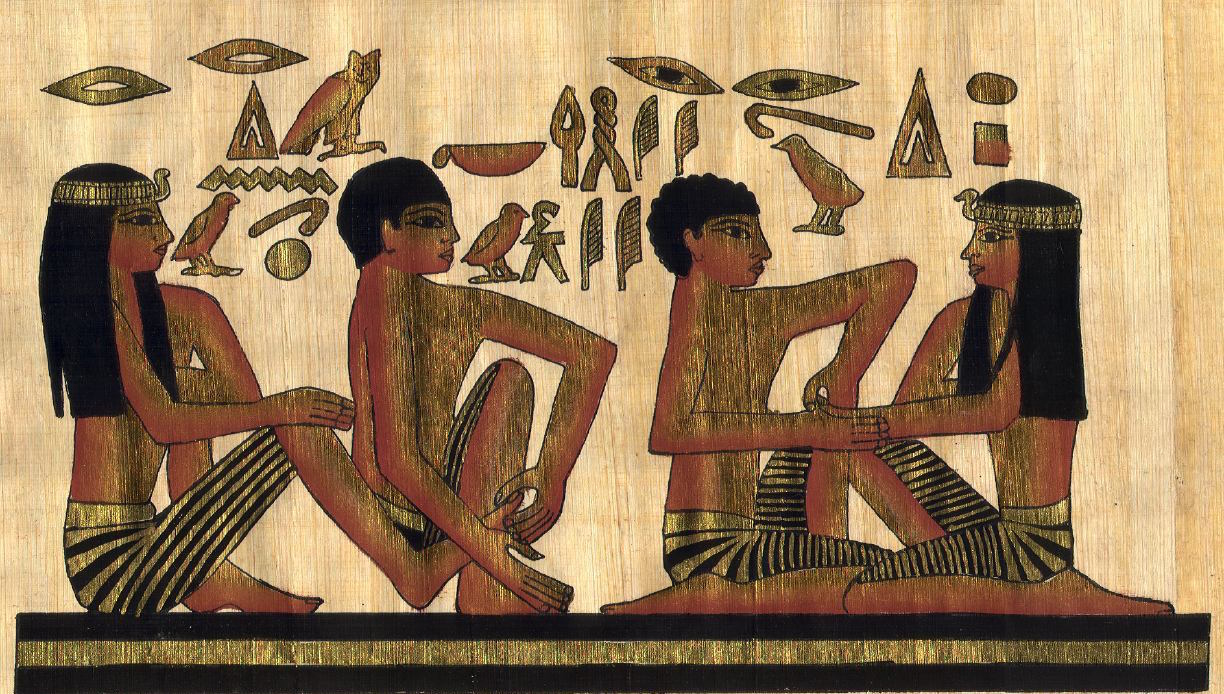
Massage History. Massage history dates back many centuries ago. The association between touch and healing is longer than what you may expect. In fact, the history of massage goes back to 5000 years ago. As per the result of the first finding, the first appearance of massage as a healing technique is founded in India. Is the Ayurveda history then that can be pushed so far. Along the millennia and centuries, this healing technique gets spread all around. Firstly the massage approach spreads to China ( 2700BCE ) and is here that the technique starts to be mixed with martial arts and spiritual yoga. Indeed, this will create the base for Chinese Medicine. From China then, the massage techniques and knowledge moved to Japan, and that’s when Shiatsu was born. Shiatsu is a technique that regulates and strengthens organs by moving energy levels through the stimulation of pressure points aiming to bring natural resistance to illness. If this post is talking to you, book your next massage session by clicking here. Along with the eastern culture, let’s not forget the Thai Massage. About this specific technique, I did dedicate a full blog post. In regards to the western culture were Egyptians the first who start practising massage then influence the Greeks and the Romans (800BCE). As per result, the Greeks put the base for western medicine. Thanks to the passion and devotion to sports (Olympics game) figures like Hippocrates start to associate facts with time in nature, music, rest, good food, and massage as a good practice for the body and essential for healing. Hippocrates can be considered the father of modern medicine. In regards to the Romans, made massage was a popular practice. The reach people could get a massage as a private service, whereas, everybody else would have a massage at the public bath. The Roman public bath is the precursor of the modern SPA. Timepass by and massage lose its popularity, especially in the western world. We have to wait till the 19th century. Is then when a Swedish doctor Per Henrik Ling, developed the base for the Sweedish massage or better known as relaxation massage. From this time onward than all the modern medicine techniques start developing. Remedial Massage (19th century) Myotherapy (1970) Osteopathy (1874) MLD (1930) In conclusion, several are the technique of massage available today. There is a massage that works better than others? Possibly yes, like some massage techniques can work more deeply than others. Said so, depending on the need of the person and the body conditions that may a specific technique is recommended more than others.
- 1
- 2