If you live in Coburg or the surrounding area, you’ve probably come across both Myotherapy and Remedial Massage. Have you ever wondered what the difference is? While those treatment modalities share some techniques, they have different goals. Therefore, choosing the right treatment depends on whether you’re dealing with pain, recovering from an injury, improving your movement, or simply looking to relax. At Melbourne Massage and Treatment in Coburg, I do offer both services and understanding the difference can help you get the most appropriate care for your needs. Quick Look at Remedial Massage and Myotherapy Differences Myotherapy Remedial Massage Pain & injuries Relaxation & recovery Assessment Massage Exercise prescription No rehabilitation program Long-term function Short-term muscle relief Acute & chronic conditions General muscle tightness Healthcare treatment Therapeutic massage What is Remedial Massage? Remedial Massage focuses on relieving muscle tension, improving circulation, and promoting relaxation. Although it can help reduce muscle soreness and stiffness, the primary aim is to help your body recover from everyday stress or physical activity rather than managing complex injuries. Remedial Massage is an excellent choice if you want to: Relax tight muscles Recover after exercise or sporting events Prepare muscles before competition Reduce general muscular tension Improve flexibility Support overall wellbeing Many active people also include regular Remedial Massage as part of their maintenance routine to help manage training loads. What is Myotherapy? Myotherapy is a treatment modality, evidence-based, offered by a healthcare professional who focuses on: Assessing, Treating, Managing musculoskeletal pain and movement dysfunction. As a Clinical Myotherapist in Melbourne, I also tend to specify that Myotherapy as per TAFE education and a Bachelor of Health Science is different. Goes without saying that someone who trained in a bachelor setting has better knowledge and clinical reasoning than someone who trained at TAFE level. Back to what Myotherapy is about, it is not only treating sore muscles, but it aims to identify why your pain or injury has developed. Then, treatment often includes a combination of hands-on techniques movement assessment exercise prescription education to help improve long-term outcomes. Myotherapy is suitable for people experiencing: Acute injuries Chronic pain Sporting injuries Neck and back pain Headaches related to muscle tension Tendinopathies Shoulder, hip, or knee pain Reduced mobility Muscle weakness following injury Indeed, the goal isn’t simply to reduce pain today, but the goals are: Short term: reduce the pain and possibly improve range of motion Long term: become stronger, and reduce the likelihood of the problem returning. The Main Difference The biggest difference between Remedial Massage and Myotherapy is the treatment goal. Remedial Massage essentially focuses on relieving muscle tightness and promoting recovery and relaxation through massage techniques. This is possible because while we massage a body part, we stimulate the nervous system and other body systems, which react with biological responses such as mild inflammation and relaxation. Myotherapy, on the other hand, focuses on understanding the cause of pain or movement limitations and creating a treatment plan that may include exercise, rehabilitation, and education alongside hands-on treatment. Therefore, if your goal is to overcome an injury, improve movement, or build strength, Myotherapy is generally the better option. If your goal is to unwind, recover after exercise, or enjoy a therapeutic massage, Remedial Massage may be exactly what you’re looking for. Now, Myotherapy May Be the Better Choice If You Have: Ongoing neck or back pain A recent sporting injury Tendon pain Joint stiffness Recurring muscle strains Pain affecting work or daily activities Weakness after an injury Goals of returning to sport or exercise safely Where treatment during a Myotherapy session may include: Soft tissue therapy Joint mobilisation Dry needling Trigger point therapy Exercise prescription Strength and rehabilitation programs Movement assessment Education about your condition So, to conclude about what Myotherapy is about, Myotherapy is to improve function, not just reduce symptoms. Remedial Massage May Be the Better Choice If You Want To: Relax after a busy week Reduce muscle soreness after training Prepare for a sporting event Recover following a marathon or competition Reduce general muscular tightness Enjoy regular maintenance treatments Therefore, when we look at Remedial Massage, we are looking at a treatment modality that helps your muscles feel looser and more comfortable while supporting recovery from physical activity. Can You Have Both? Of course you can. As mentioned earlier, while we do deliver a Myotherapy session, we will still use hands-on treatment, the same treatment option that we would use for Remedial Massage. And indeed, many of my clients here at Melbourne Massage and Treatment use both services throughout the year. For example: You may see a Myotherapist while recovering from a shoulder injury. Once you’re pain-free, you may continue with regular Remedial Massage to help maintain muscle health and recover from training. The two treatments complement each other well depending on your goals. Which Treatment Does Giovanni Recommend? At Melbourne Massage and Treatment in Coburg, I recommend treatment based on your goal, not only on my opinion. If you’re experiencing persistent pain, recurring injuries, reduced strength, or difficulty moving, Myotherapy is usually the most appropriate starting point. If you’re feeling generally tight after work, training, or simply want to help your body recover and relax, Remedial Massage is often the better choice. And if you are unsure which service is right for you, please do not hesitate to ask Giovanni what would work best for you. During your initial consultation, we’ll discuss your symptoms, assess your movement, and recommend the treatment that best suits your needs. My goal, as an Allied Health practitioner, is to help my clients move more and live well. And this can start with a massage, and move on too exercises and fitness class. Myotherapy vs Remedial Massage Coburg Cost and Prices Cost and prices of Myotherapy or Remedial Massage at Melbourne Massage and Treatment, for simplification, are the same. Find below a table with the prices: Myotherapy vs Remedial Massage Coburg – Price Initial consultation – 60 mins – $125 Return consultation – 45 mins – $115 […]
Tag Archives: remedial massage

Blog
Facet Joint Irritation and Muscle Weakness: What You Need To Know
In my experience as a Clinical Myotherapist at Melbourne Massage and Treatment Myotherapy and Lymphoedema [...]
Continue readingOct

Blog
Chronic Pain: What it is, and what can you do about it?
Pain is something that we all experience, and it can start after an injury, during [...]
Continue readingOct
Blog
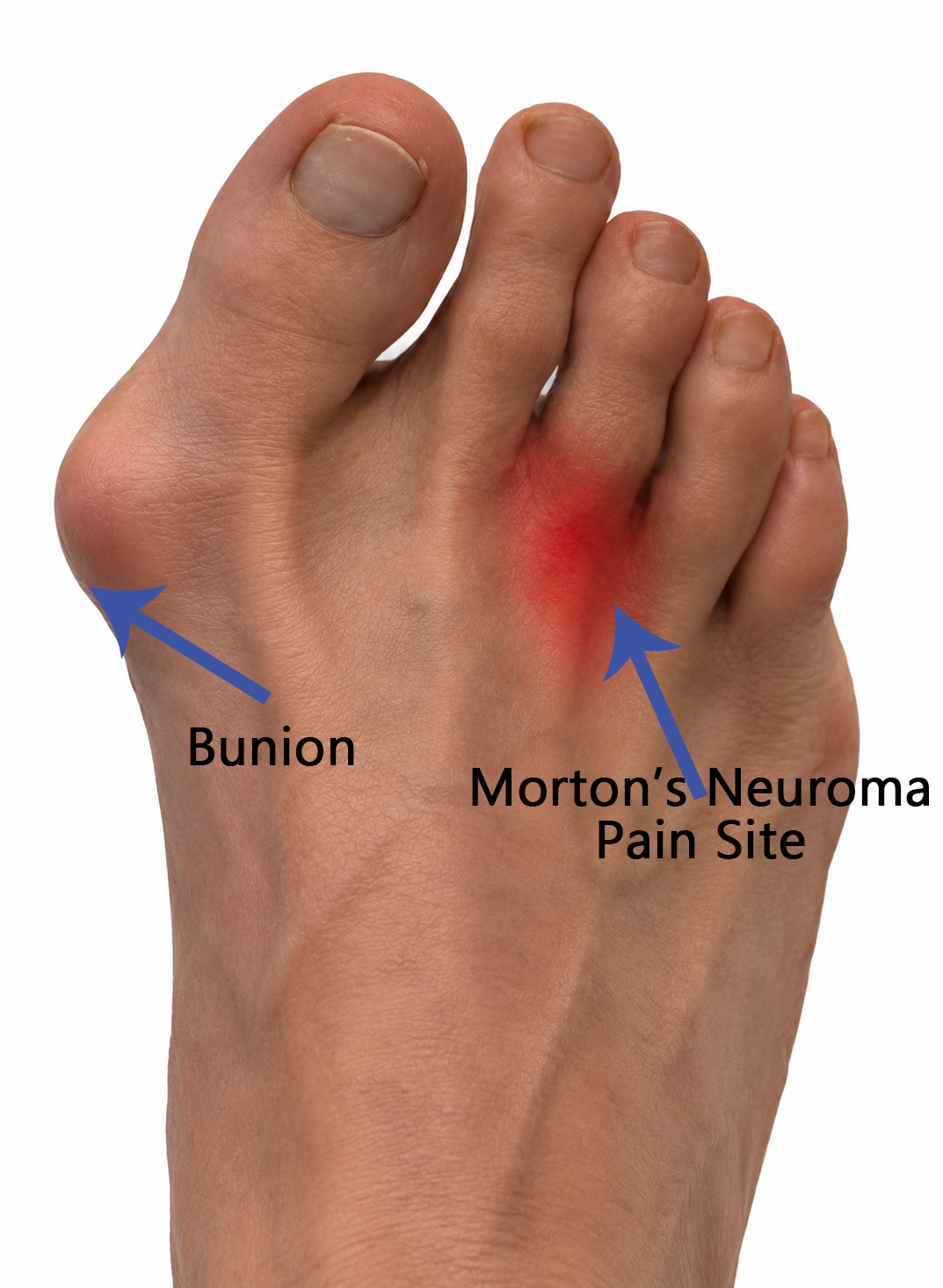
Bunion and Morton’s Neuroma: Can a Bunion Affect Neuroma Recovery?
While a bunion and a Morton’s neuroma are two different foot conditions, if they are [...]
Continue readingSep
Blog
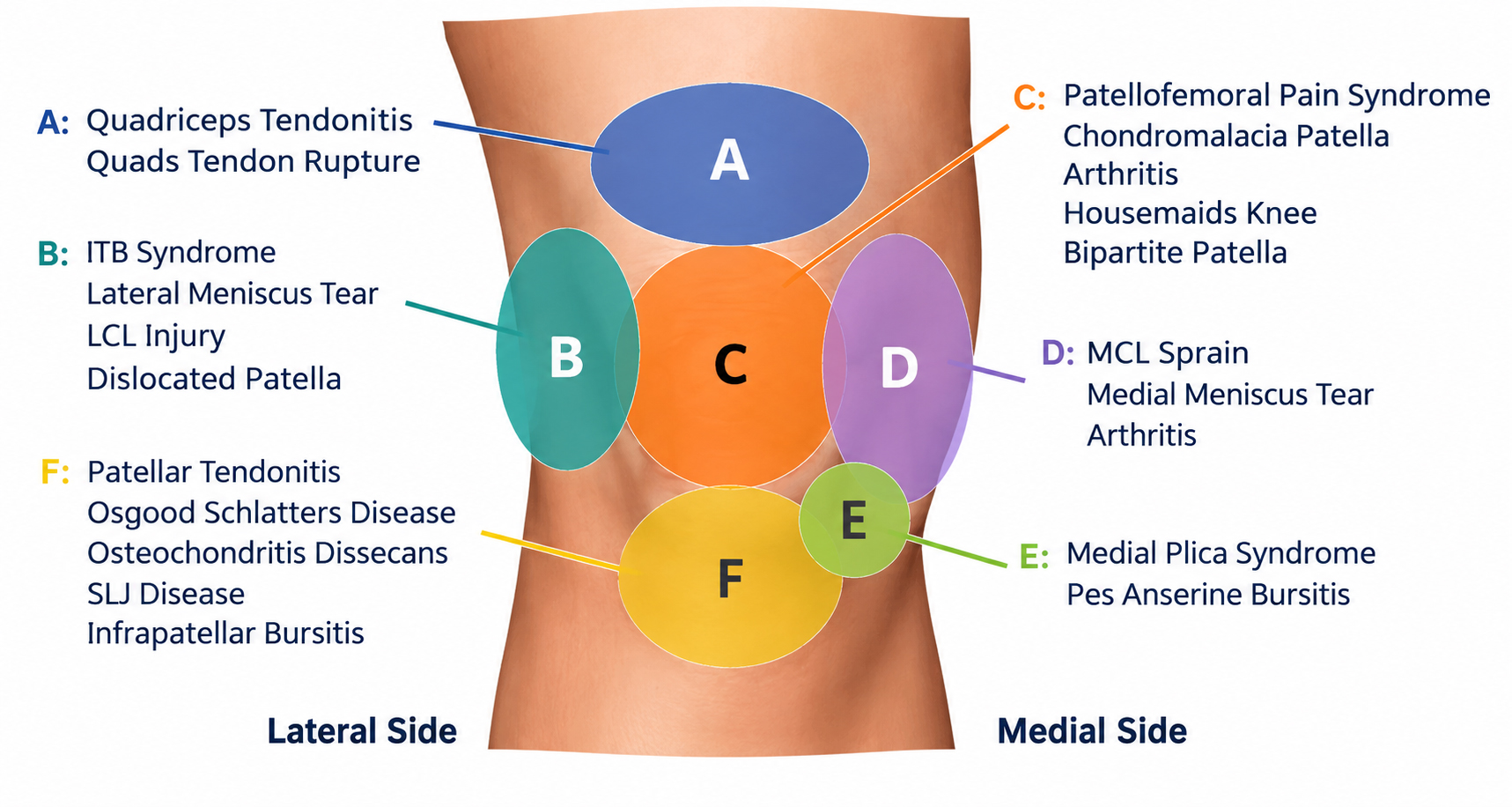
Knee Pain in Coburg
Knee pain is a common form of injury and can affect people of all ages [...]
Continue readingSep

Blog
Post-Surgery MLD Melbourne – Vodder MLD Therapist
Any form of surgery is an invasive procedure for the body to deal with, and [...]
Continue readingSep
After two wonderful years in Fitzroy North, I am now ready to announce that Melbourne Massage and Treatment is officially relocating back to Coburg from 1 July 2026. This move marks an exciting new chapter for my clinic, moving into a larger, dedicated treatment space at: 325A Moreland Road, Coburg, VIC, 3058 The new location gives Melbourne Massage and Treatment, Myotherapy and Lymphoedema clinic, the opportunity to grow independently in a space designed specifically for client care, wellbeing, and long-term community connection. A New Space In Coburg for Your Well-Being While Fitzroy North has been an important part of my clinic’s journey, the move back to Coburg comes with exciting opportunities. To start with, the location is a shop-front, and so it provides more visibility. There are still plenty of options to reach the clinic via public transport, and greater potential for the clinic to continue growing. Having a standalone clinic also means clients will now be visiting a dedicated wellness space rather than a room inside a GP clinic. This allows for a calmer and more personalised treatment environment focused entirely on massage, myotherapy, recovery, and movement. At this stage, Melbourne Massage and Treatment will continue operating as a single-practitioner clinic, yes, still only me, but ensuring the same personalised care and attention clients have always received. And you are a Melbourne Massage and Treatment client, you know the effort I put in my work. Thank You to the Fitzroy North Community The support from the Fitzroy North community over the past two years has been genuinely appreciated. Every returning client, referral, conversation, and recommendation has helped Melbourne Massage and Treatment grow. Although relocating back to Coburg was ultimately the right decision for the clinic’s future, the connection with the Fitzroy North community will always remain an important part of the business journey. And luckily, the distance between the old and new locations is only a few minutes by car, or a short public transport journey. Services Available at the New Coburg Clinic All current services will continue to be offered at the new Coburg location, including: Clinical Myotherapy Remedial Massage Fitness Classes Manual Lymphatic Drainage (MLD) Lymphoedema Management Lipoedema Management Thai Massage Thai Yoga Importantly, there will be no price increases to any services following the relocation. Clinic Opening Hours In the new location in Coburg, Melbourne Massage and Treatment will maintain the regular operating hours: Monday to Friday: 9:00 am – 7:00 pm Saturday: 10:00 am – 7:00 pm As I currently work by myself, bookings are highly recommended. However, walk-ins are still welcome whenever availability allows. Clients can check live availability through the online booking system. Parking and Public Transport Now, of course, how can you get there? Well, getting to the new clinic is simple, whether driving or using public transport. Parking 1-hour parking is available directly in front of the clinic: Monday to Friday: 8:00 am – 6:00 pm Saturday: 8:00 am – 4:00 pm There is also plenty of unrestricted parking available on Haig Avenue, located directly next to the clinic. Public Transport Options The clinic is well connected by bus, tram, and train services: Bus 510 – Shamrock St/Moreland Rd stop directly in front of the clinic Tram 19 – Stop 28 (Moreland Rd/Sydney Rd), approximately 10 minutes’ walk Tram 6 – Stop 133 (Moreland Station/Moreland Rd), approximately 10 minutes’ walk Tram 58 – Stop 40 (Moreland Rd/Melville Rd), approximately 11 minutes’ walk Moreland Station – Approximately 10 minutes’ walk Accessibility Information The new clinic space in Coburg is larger and more comfortable; however, please note that the premises currently do not have disabled toilet access. Clients with accessibility concerns are encouraged to get in touch before attending so arrangements and suitability can be discussed. Looking Ahead Returning to Coburg feels like coming home for Melbourne Massage and Treatment. The move represents a fresh start, greater independence, and an opportunity to continue building a trusted local clinic focused on high-quality treatment and personalised care. From clinical myotherapy and remedial massage to lymphatic care and Thai massage, Melbourne Massage and Treatment looks forward to welcoming both returning and new clients to the new Coburg location from 1 July 2026. FAQ

Jun
When treating someone for neck pain, a common question I get asked is: “Should I change my pillow?” or “I slept badly, my pillow is not good”. In fact, there is a common belief that a pillow or a bad night’s sleep is the cause of constant neck pain. While pillow comfort matters, clinical experience in myotherapy in Melbourne shows that pillows are rarely the root cause of ongoing neck pain. At a clinical level, neck pain is usually driven by: movement dysfunction poor spinal cervical stability previous injury history and reduced muscular control Therefore, a good pillow can support symptoms, but it does not fix the underlying issues that drive your pain. Coburg Myotherapy Insight: What Actually Causes Neck Pain? At Melbourne Massage and Treatment, a myotherapy clinic in Coburg, I consistently see neck pain linked to five key factors. 1. Spine Mobility and Stability Dysfunction The neck’s vertebrae are part of a full kinetic chain involving the thoracic spine, shoulders, and rib cage. Under this aspect, indeed, we should look into the lack of thoracic mobility which may cause the stable portion of your cervical (C3-C7) to seek that mobility capacity. But as we well know, a stable joint can’t act as a mobile, and vice versa. In more detail, poor spinal mechanics lead to: muscle overload in the neck joint irritation tension during rest and sleep And about the pillow, it is an object that cannot restore spinal movement or control. Isn’t it? 2. Whiplash History and Incomplete Rehabilitation Other patients with chronic neck pain may have a history of whiplash that was never fully rehabilitated. Indeed, a whiplash accident, as a result of a car crash or even during a contact sport incident, can lead to chronic neck pain, especially if not rehabilitated correctly. This happens because during a whiplash, the cervical joints get put under extreme force and can lead to a torn ligament or laxation. However, without structured rehab, long-term changes in: deep neck flexor control proprioception postural endurance can persist for years, or even show up after years of post-injury. So again, no pillow can change these symptoms or help you recover from such an injury. 3. TMJ Dysfunction and Jaw Tension Temporomandibular joint (TMJ) dysfunction is another underlying cause of neck pain. By following the kinetic joint chain we discussed earlier, we see that the TMJ is the next joint in the chain, after the cervical one. Therefore, Jaw clenching and TMJ irritation can: increase suboccipital muscle tension contribute to forward head posture amplify cervical joint stress That’s where you may wake up with more neck pain than during the daytime. The clantching can be heavily responsible for that. This is why neck pain is often worse under stress or during sleep. 4. Hypermobility and Joint Instability Following the concept of a torn ligament, as per a whiplash incidence, joint hypermobility is clearly another underlying issue for neck pain. This happens because there is a lack of stability and control in those cervical ligaments. This leads to: reliance on passive ligament support early muscle fatigue poor tolerance of sustained sleeping positions A “supportive pillow” alone may not solve instability and can sometimes reinforce dependency on external support rather than active control. 5. Neck Strength and Motor Control (8–12 Week Rehab Window) In my experience, this is the big issue. Most people don’t even think about the strength of their neck or upper shoulder muscles, and this is where things can go really wrong. Indeed, one of the most effective long-term treatments for neck pain is a structured strengthening program that targets: deep cervical flexors scapular stabilisers postural endurance muscles As per many exercise programs that intend to strengthen the body structure, we look at 8–12 weeks of progressive exercise-based rehabilitation. This is why many patients searching for neck pain treatment in Melbourne benefit more from rehab than passive support strategies. What the Research Says About Pillows and Neck Pain To support with evidence, why a pillow is not going to change in the long term, your neck pain, we can look at a systematic review from Pang J. et al. (2021), which found: Some pillow designs may reduce symptoms But long-term structural or functional improvements are limited and inconsistent Therefore, pillows may improve comfort, but they do not fix the underlying cause of neck pain. And yes, the pillow consistency can make a difference, but, again, it does not fix the neck pain, nor would it cause neck pain. Melbourne Myotherapy Approach: What Actually Works At Melbourne Massage and Treatment – Myotherapy Clinic in Coburg, I focus on evidence-based management of neck pain. Indeed, my approach to a client who presents with neck pain is structured as follows: Detailed analysis of clinical history – including previous history of injury and past/current sport activities Clinical assessment – active and passive range of motion, and neurological test where/when needed Outline your short-term and long-term treatment – what you want to achieve in today’s session and in the upcoming weeks/months, and what you are ready to do about it (exercise-wise) Treatment plan outline – what I believe could be a tailored treatment plan given the results of the above findings, including your short/long-term goals In all of these, Remedial Massage plays a crucial initial role to relax the nervous system, reduce initial pain and discomfort, promote healing and movement, but even techniques like mobilisation are ideal for treating neck pain and improving the initial outcome. But again, hands-on treatment is only the first step of the journey, and along with other myotherapy sessions that follow the initial consultation, exercises have to be the main focus. Exercises for the neck, for the shoulders and for your back. In summary, here is a dot point list of what a treatment plan aims for: cervical + thoracic mobility restoration deep neck flexor strengthening scapular control TMJ and jaw tension management (if needed) graded load tolerance programs These interventions address the true drivers of pain rather than just […]

Feb
Shoulder pain is one of those presentations that can stop you from enjoying your day. Rolling in bed becomes difficult; carrying shopping or even sitting there and doing nothing can be frustrating. At Melbourne Massage and Treatment, I got to see many clients who complained of shoulder pain for a variety of reasons. Although one thing that is common with those different types of pain is the imbalance in the mobility stability joint chain, especially in people who do physical labour, repetitive overhead work, or intense gym training. Therefore, while many people expect me to focus only on the sore spot in the shoulder, my myotherapy approach is always broader and more thorough. Yes, I treat the shoulder as the primary concern, but effective, long-term relief comes from understanding why your shoulder is overloaded in the first place. That means looking beyond the glenohumeral joint and assessing thoracic mobility, scapular control, and thoraco-scapular stability, which are key components that are often overlooked but critical for shoulder health and to help you fix the shoulder pain. Why Shoulder Pain Often Persists The Shoulder is a joint characterised by a great amount of mobility and not much stability, which puts it at high risk of injury and so pain. When your shoulder hurts, it’s rarely because the shoulder itself is “weak” or “damaged” in isolation. Indeed, to arrive to the pain response, either you had a severe trauma, like a fall on the shoulder or more commonly, the shoulder is compensating for: Poor thoracic spine mobility Weak or poorly coordinated scapular stabilisers Faulty movement patterns under load Repetitive strain from work or training And let’s be clear, we are all different, so two individuals who do the exact same job or sport may end up having different pain and presentation due to basic anatomical differences in the shoulder. That said, here are some common presentations that can lead to shoulder pain: If the thoracic spine doesn’t move well, the shoulder is forced to work harder. If the scapula doesn’t stabilise properly, the ac joint gets overloaded Genetically, the space between bonds (Humerus and Acromioclavicle joint) is narrower than the norm My Clinical Assessment Process For Shoulder Pain When you come to my Myotherapy Clinic in Coburg for shoulder pain, I don’t just ask where it hurts, but I would assess: Thoracic spine mobility (especially rotation and extension) Cervical movement in active and passive motion Scapular positioning and control Shoulder range of motion under load Training or work-related movement demands Previous injuries or recurring pain patterns This is particularly important if you: Work in trades or manual labour Train heavily in the gym or sport Perform repetitive overhead movements Have had recurring or long-term shoulder pain A tailored assessment, such as the above one, allows me to not only pinpoint why the shoulder is in pain and what further investigation may be needed to confirm the findings but also address these factors, allowing us to understand the underlying drivers of your pain. The Role of Thoracic Mobility in Shoulder Pain The thoracic spine (mid-back) plays a massive role in how your shoulder functions. This is because the thoracic section of the spine is the mobile portion that anticipates the stable scapula-thoracic joint in the mobility, stability chain. Limited thoracic mobility can lead to: Reduced the overhead range Increased strain on the rotator cuff Poor scapular mechanics Neck and shoulder tension As part of the myotherapy treatment protocol for shoulder pain, I often combine manual therapy, joint mobilisation, and movement-based rehab to restore thoracic movement.When the thoracic spine moves better, the shoulder doesn’t have to overwork, pain reduces, and then we can increase the strength by increasing the load. A classic example of the thoracic shoulder relation is a cricket player. The thoracic rotation along the throwing action is essential to optimise the force imprinted during the throwing action. In fact, imagine the thrower in a cricket game, using only the shoulder, and not rotating that thoracic joint chain. The shoulder load would be excessive, and in a short time, it would cause overload injury and so shoulder pain. Scapular Stability: The Missing Link Your scapula (shoulder blade) is the foundation for shoulder movement. Indeed, the scapula-thoracic joint is the stable joint between the thoracic and the glenohumeral mobile joints. But not only that, indeed, the scapula is the origin point of the rotator cuff muscles, a group of muscles that control the positioning of your humeral head in the glenoid fossa. If it lacks stability or control: The shoulder joint becomes vulnerable Tendons are placed under excessive stress Pain persists despite “strengthening” exercises As a Clinical Myotherapist, I focus on improving thoraco-scapular stability, ensuring the shoulder blade moves smoothly and supports the arm during load, lifting, and rotation. This is especially crucial for people involved in: Weightlifting Cross-training Construction or trade work Sports requiring throwing or overhead movement To strengthen the stability of the scapula, we then have to work on the rhomboid muscles and the trapezius (upper, mid, and lower), but even the levator scapulae. So yes, it is not a quick fix to restore shoulder functionality and remove shoulder pain, but there is a step-by-step journey that can be taken, and it is your choice to start walking along this path. I am here only to help you understand what the right path is for your presentation and ensure we take the right route. Hypermobility and Shoulder Pain One often overlooked factor in shoulder pain is hypermobility. Hypermobility means your joints move more than the norms which isn’t always a bad thing, but it significantly increases injury risk when stability is lacking, particularly in the shoulder. For hypermobile individuals: Ligaments provide less passive support Muscles must work harder to stabilise joints Poor scapular stability leads to shoulder overload When hypermobility exists alongside poor thoraco-scapular stability, shoulder pain becomes far more likely. In these cases, treatment isn’t about increasing flexibility; instead would be the opposite: Improving neuromuscular control Enhancing scapular stability […]

Jul
The term “inflammation” originates from the Latin word “inflammare”, meaning “to set on fire” or “to ignite”. And this is why it may sound scary, and sounds like a bad thing to go through, but in the initial phase of an injury, the inflammation is actually a necessary part of healing. Indeed, this initial step is how your body signals that something is wrong and starts the repair process. On the other hand, if the injury is not looked after, especially when we talk about major injury, the inflammatory process can become problematic. In this blog, we are going to look into what the steps are to take when going through an injury, which can be a sprained ankle, recovering from surgery, or managing chronic pain, in order to have the best recovery. The 0–72 Hour Rule: Respect the Acute Phase When going through the initial phase of an inflammation, which is the first 72 hours post-injury, the body enters the acute inflammatory phase, and this is absolutely normal and necessary for the body to start taking action towards safe healing. In this process, the immune system rushes white blood cells and inflammatory mediators to the area to begin cleanup and repair. Things to avoid: Avoid anti-inflammatories (NSAIDs or corticosteroids): As this process is needed from the body to understand what has happened and to clear up the area from eventual pathogens, taking something that suppresses the process is not ideal. Avoid ice: Ice is a vessel restrictor, which means it would slow the amount of blood that is sent to the area. Yes, it may reduce the swelling, but that swelling is innoquos compare to the consequence of not having blood rushing to the area with the nutrience and substance needed to start the healing process. Things you can do: Protect and rest the area. Avoid using the injured area and place weight on it. Rest it and where possible do really some minimal movement that may not cause pain or disconfort. Compression and elevation help reduce fluid buildup. If your goal is to reduce swelling, you can apply compression and keep the area elevated. After 72 Hours: Shift to Recovery Support Past the first 72 hours, the inflammatory response was meant to be settled. If that’s not the case, that’s when it ok to take anti-inflammatories. That would help manage the pain in the long term and allow you to start moving freely. That said, before you take any medication, always consult your GP or pharmacist. Moving forward, this second phase of the injury recovery is called remodelling and repair. In this phase, it is the time to: Introduce gentle movement and rehabilitation exercises – most often isometric hold, which we spoke about in another blog. Use anti-inflammatory agents (if needed) under professional guidance. Massage therapy and heat packs become helpful — they promote circulation, lymphatic drainage, and tissue flexibility. While the remodelling and repair phase starts past the 72h post injury, the recovery itself may last weeks or months, depends on the type of injury. For more details about the healing process of different tissues, read this blog. What Are The Symptoms of Inflammation Post-Injury You may notice that soon after an injury the body has a really specific way to respond to what just happened. This response include: Swelling – more blood is sent to the area; Skin redness Pain to touch or movement Those are some of the visible or more noticeable aspects of an inflammatory response post injury, but on the macroscopic level, there is more happening, such as the rush of white cells to the injured area, and the increase of blood clotting cells, if the skin is cracked. Food, Fats, and Chronic Inflammation: The Lymphatic Link An inflammation is not a process that comes only from an injury. The food and drinks that we intake are a significant source of chronic, low-grade inflammation, especially when they include excessive amounts of long-chain fatty acids found in ultra-processed foods, deep-fried items, and fast food. Given the chemical structure of those fats, which are made from a chain of 16 carbon atoms (therefore long-chain), they can be absorbed directly by the capillary of the bloodstream, due to the narrow passage at the capillary end. Indeed, those fats would get absorbed by the lymphatic system, which capillaries have a wider aperture. That said, once the fat is travelling along the lymphatic system, it would be recognised as an external element and attacked by immune cells such as macrophages, and this is an inflammatory response. Now, when the lymphatic system becomes overburdened with inflammatory fats, it can lead to chronic inflammation. This is also why some people feel bloated, puffy, or in pain even without any injury. This also explains why, when seeing people with Lymphoedema, we refer them to a GP to discuss an anti-inflammatory diet. Given the excess load of the lymphatic system along this presentation, it is better not aggravating it. And to loop back on the topic of this blog, even when you hurt yourself badly with a major injury, or you may be suffering from chronic pain, a balanced diet rich in veggies and fruit, grain and fresh food, is recommended over junk food and inflammatory meals. Top Pro-Inflammatory Foods to Watch Out For: Highly refined vegetable oils Fried foods High-sugar snacks and drinks Ultra-Processed meats How Massage Therapy Helps (and Why Sometimes Hurts) Many forms of massage, especially those where you may experience discomfort and pain, like Remedial Massage or Thai Massage, or even technique like Dry Needling, aim to reproduce microinflammatory response, and that’s why they are effective in helping you with recovery. Indeed, that pain response, is an alarm for your nervous system, which is pushed to send nutrience to the area affected by the pain. Now, what is important is to understand the time frame of healing, the subjective history of the patient we are working with and the level of injury they are presenting with. Massage helps by: […]

Jun
Bone fractures are a common injury, but with proper care and rehabilitation, bones can heal and regain strength. Strength exercise is a crucial component of this healing process, aiding in bone regeneration and restoring mobility and function. How can a bone fracture? Bones can fracture when placed under a load or force that they can’t tolerate. The load tolerance is subjective, person to person, and can vary based on the individual medical presentation and clinical history. Age it is only a circumstance that at the current moment in our society is seen as an increase the chance of fracture, but if we learn to age by keeping our feet via strength training, age would not be anylonger a risk component. Indeed, during the aging process, the bone can become weaker if not stimulate to positive stress, such as load active loads. The less load they received, the less the bone would keep regenerating, due to a slower metabolism. Therefor, as explained in other blogs, strength training is a key to longevity and better health. How can bone fractures heal? When a bone fractures, the body initiates a complex healing process involving several stages: Inflammation: Immediately after the fracture, blood clots form, initiating the healing process. Soft Callus Formation: Fibrocartilaginous tissue begins to bridge the fracture gap. Hard Callus Formation: The soft callus is replaced by a hard bony callus made of woven bone. Remodelling: The bone gradually remodels into its original shape and structure. This process can take several weeks to months, depending on factors like age, overall health, previous clinical history, medication intake and the severity of the fracture. Even though there is nothing that can speed up the recovery, as this is a body’s natural process, there are things that can be done to assist the recovery and ensure that the healing happens as smoothly as possible. Exercises are one of those factors that are part of the healing journey, but have to be incorporated under supervision, to ensure not to aggravate the presentation. The Role of Exercise in Bone Regeneration As mentioned above, and in other blog exercises, specifically strengthening exercises are a positive load for the body tissues, including bone, which can help stimulate the regeneration of those tissues. Obviously, different phases of healing require and can accept different types of strength exercises. So yes, you would not start with a single-leg jump on a broken tibia Stimulates Bone Formation: Mechanical stress from exercise promotes osteoblast activity, leading to new bone formation. Enhances Strength and Flexibility: Regular movement prevents joint stiffness and muscle atrophy. Improves Balance and Coordination: Reducing the risk of future falls and fractures. A systematic review by Kuijlaars et al. (2019) highlighted that physical therapy exercises, whether home-based or supervised, significantly improve functional mobility and strength post-fracture. Recommended Exercises for Recovery At Melbourne Massage and Treatment, I offer assistance with bone fracture recovery exercises throughout the Myotherapy and Fitness class treatment plan. What I would focus on, too, when aiming for recovery, would be: Weight-Bearing Exercises: Including walking or gentle jogging (if we are talking about lower limb injury), to stimulate bone growth; Resistance Training: Using bands or light weights to strengthen muscles supporting the bone, or the joint to which the bone is attached. Flexibility and Balance Exercises: Again, using weights and machinery, we aim to strengthen the muscles that control your overall equilibrium and stability to prevent further falls and reduce the risk of injury. Plyometrics which is most often towards the end of a recovery process from anytype of injury, where we focus on motion that are more close to return to daily activity, and we load your tendon as springs, as per can be doing jumping on the spot or repetitive explosive motions with arms. Clinical Evidence Supporting Exercise in Recovery from Bone Fractures Research, as already mentioned in the Kuijlaars et al. (2019) systematic review, shows the benefits of incorporating exercise into fracture rehabilitation, and below we look into more details about what exercises have to offer in terms of recovery: Improved Healing Rates: Patients engaging in structured physical therapy often experience more robust bone healing (Song, 2022). Reduced Complications: Regular movement decreases the risk of complications like deep vein thrombosis or joint stiffness (Ruan et al., 2023). Enhanced Quality of Life: Maintaining physical activity levels improves overall well-being and independence (Mahindru et al., 2023). What to consider when doing exercises post-bone fractures. While exercise is beneficial, it is always important to approach the recovery process with care: Follow Medical Advice: Always adhere to the guidelines provided by healthcare professionals. Avoid Overexertion: Pushing too hard can hinder healing or cause re-injury. Going hard or going home is not how recovery works. Monitor Pain Levels: Some discomfort is normal, but sharp or persistent pain should be addressed immediately. Pain-wise, on a scale of 0 to 10, we usually aim to get you to experience a comfortable discomfort, based on your worst pain experienced as a maximum threshold. Recovery from an injury, including a bone fracture, is a personal journey, and therefore is unique to everyone, in terms of how quickly it can be and what considerations to take into place during the exercise recovery. FAQs – Bone Fractures Recovery and Strength Training 1. How do bones fracture?Bones can fracture when exposed to forces they cannot tolerate. This tolerance varies from person to person, depending on factors like health history, bone density, and physical condition. While age is often seen as a risk factor, it’s more about reduced activity levels. With consistent strength training, the risk of fractures can be lowered significantly, regardless of age. 2. How does a fractured bone heal?Bone healing occurs in four key stages: Inflammation: Blood clots form to protect and initiate healing. Soft Callus Formation: Fibrous tissue bridges the fracture. Hard Callus Formation: New bone begins forming. Remodelling: The bone reshapes to its original form.This process varies in duration based on the severity of the fracture and individual health factors. 3. Can exercise speed […]
Sep
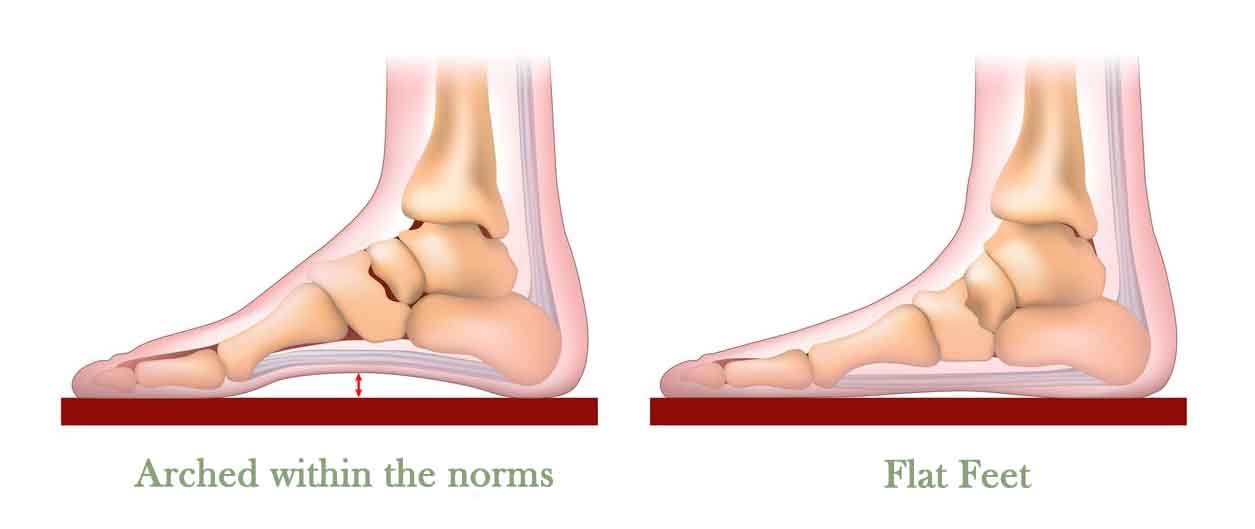
Fallen arches, or Flat Feet, are often misunderstood and can be a source of concern for many. However, as a Clinical Myotherapist, I want to reassure you that flat feet are not inherently problematic. In fact, they can be pretty standard and, in many cases, don’t require any treatment at all. Let’s learn why. Understanding Flat Feet (FF) When the feet’ arch presents as flat, what is occurring is a flat foot, resulting in the entire sole of the foot making contact with the ground. What you may not have noticed yet is that this presentation can be triggered by being on your feet, as in standing on it, and not by lying down or in a seated position with the feet off the ground. This is what we would call structural FF. What are Structural Flat Feet? Structural FF also known as rigid FF , involve an anatomical abnormality where the arch does not form properly. This “malformation” could be caused by genetic factors or developmental issues. What the arch would look like is lower than usual or absent entirely, which is often a lifelong condition. Now, despite their appearance, structurally flat feet are less likely to lead to pain or discomfort. The body, indeed, as it is a functional bio-machine, would easily adapt well to this anatomical variation, and many people with structural flat feet can lead active and healthy lives without any special interventions. Different is the anatomical presentation for functional flat feet, and let’s see why. Functional Flat Feet Functional FF on the other hand, result from how the foot functions rather than an inherent structural issue. In this case, the foot arch may appear flat when standing or walking due to excessive strain or an imbalance in the muscles and tendons that support the arch. When the foot is not bearing weight, the arch may appear normal. Potentially, you could also have one flat foot and one that isn’t when having a functional presentation. This is a common one for those who suffer from structural scoliosis. The main reasons why you may present with functional FF is due to muscle Imbalance, within the foot and ankle. This might be due to overuse, poor posture, or repetitive stress. Other reasons include conditions such as overpronation or excessive weight. Addressing these underlying issues can often alleviate the problem. What can be done for Functional Flat Feet? Changing in foot wear, could be an option. Based on the activity that you are doing on a daily basis life, certain types of footwear may help more than others. Orthotics, which are custom or over-the-counter arch supports, can provide temporary relief and improve function, but these often are over-estimated tools that get prescribed at random. Exercises: Strengthening exercises for the feet and lower legs can help improve muscle balance and support the arch, reduce the pain and improve motor function. In some cases, as explained in this study by Sanchez-Rodriguez et al. (2020), exercises can change the shape of the feet for the better if the intervention is done at an early age; in others, it can help maintain the feet pain-free. When Should You Worry? Most people with flat feet experience no symptoms, and if that’s the case, you do not need to worry about changing the presentation, as it could lead to pain and discomfort. If you are experiencing pain, on the other hand, is worth it to consult an health care practitioner, that can be a podiatrist, or book an appointment at Melbourne Massage and Treatment, where we are going to evaluate if the pain is due to the flat feet it self, or to other conditions such as plantar fasciitis, shin splints, or other pathologies. The Bigger Picture It’s essential to remember that FF are just one of many variations of normal foot anatomy. They do not necessarily indicate a health problem or affect your overall well-being. For most individuals, flat feet are simply a characteristic of their body and do not require any special treatment. In conclusion, whether you have structural or functional flat feet, it’s essential to focus on how you feel and function rather than the appearance of your feet. In many cases, flat feet are perfectly normal and do not pose any significant health risks.
Aug
At Melbourne Massage and Treatment, we specialise in providing tailored remedial massage therapies designed to alleviate chronic pain. These therapies are meticulously designed to target the root causes of pain, fostering relief and recovery through specialised techniques. Our expert therapists are committed to assisting individuals in reclaiming their comfort and mobility, paving the way for a healthier, more active lifestyle. Key Takeaways: Tailored Approach: Each treatment is customised to address specific pain areas, enhancing effectiveness. Professional Expertise: Our therapists are highly trained in a variety of techniques to offer optimal relief. Holistic Benefits: Beyond pain relief, enjoy improved mobility and reduced stress. The Power of Remedial Massage Remedial massage is not just about relaxation; it’s a potent therapeutic tool for chronic pain management. By manipulating the soft tissues of the body, remedial massage helps in breaking down knots and improving blood circulation. This process not only alleviates pain but also enhances the healing process of the muscles and tissues. For individuals with conditions like arthritis, fibromyalgia, and back pain, a regular remedial massage can be a cornerstone of effective management. How Remedial Massage Works Pain Relief: Through techniques such as kneading and pressure, remedial massage relieves muscular tension and pain. Improves Circulation: Enhanced blood flow aids in faster recovery of sore, overworked muscles. Increases Mobility: Regular sessions help in restoring flexibility and range of motion. Addressing Chronic Pain Conditions with Remedial Massage Remedial massage not only provides immediate relief but also long-term benefits to those suffering from chronic pain conditions. By focusing on specific areas of tension and imbalance within the muscular system, remedial therapy can significantly alleviate the symptoms associated with chronic musculoskeletal conditions. For individuals dealing with repetitive strain injuries or postural problems, remedial massage provides essential relief that is both healing and preventive. By increasing tissue elasticity and fluidity, the therapy ensures less tension in the muscles, which is often the root cause of ongoing pain and stiffness. Individualised Treatment Plans Our approach at Melbourne Massage and Treatment is deeply rooted in understanding the unique conditions and needs of each client. During the initial consultation, our therapists perform a thorough assessment to determine the most effective treatment strategy. This personalised plan is aimed at not only addressing the pain but also at promoting recovery and preventing future issues. Each session is adapted to progress with the client’s recovery, ensuring the most beneficial outcome. Techniques and Therapies Remedial massage incorporates a variety of techniques, each chosen for its ability to target different issues: Deep Tissue Massage: Focuses on deeper layers of muscles and connective tissue, helpful in releasing chronic muscle tension. Myofascial Release: Targets the fascia, the connective tissue around muscles, alleviating tension and restoring mobility. Trigger Point Therapy: Aims at specific areas of tight muscles that cause pain in other parts of the body, often described as ‘knots’. Benefits Beyond Pain Relief The benefits of remedial massage extend beyond the direct treatment of pain. Regular sessions contribute to: Enhanced Recovery: Speeding up the recovery process from injuries and surgeries. Improved Posture: Regular massage helps in correcting posture and muscle imbalances. Stress Reduction: The relaxation aspect of massage helps reduce stress levels, which is often a contributor to chronic pain. Real Client Success Stories At Melbourne Massage and Treatment, we’ve seen remarkable transformations in our clients’ health. For instance, a client with chronic back pain, who had tried various treatments without significant improvement, found relief after a series of targeted remedial massage sessions. This individual story is just one of many that exemplify the healing potential of dedicated remedial massage treatment. Integrating Remedial Massage into Your Health Regimen Incorporating remedial massage into your regular health care routine can profoundly affect your overall well-being. It’s recommended for anyone suffering from chronic pain to consider setting up a routine with our skilled therapists. This not only helps in managing pain but also enhances general health and prevents the recurrence of injuries. Expert Care at Melbourne Massage and Treatment Our team of therapists at Melbourne Massage and Treatment is not only skilled in a variety of massage techniques but also in assessing the needs of our clients. They continually update their skills and knowledge to include the latest in remedial massage research and techniques. This commitment ensures that our clients receive the highest standard of care currently available in the field of massage therapy. Understanding Chronic Pain Management Chronic pain is a complex condition that affects every aspect of an individual’s life. At Melbourne Massage and Treatment, we believe in a multidisciplinary approach to pain management. Remedial massage is a cornerstone of this approach, but it is most effective when combined with other treatments and lifestyle adjustments. Our therapists often work in conjunction with physiotherapists, chiropractors, and doctors to provide a comprehensive treatment plan that addresses all aspects of the client’s health. Lifestyle and Remedial Massage Incorporating lifestyle changes alongside regular remedial massage sessions can dramatically improve outcomes for individuals with chronic pain. Simple adjustments like improving ergonomic setups at work, maintaining a balanced diet, and regular physical activity can complement the effects of massage therapy. Our therapists provide guidance on these aspects, offering a holistic approach to managing chronic pain. Education as a Tool for Empowerment Knowledge is power when it comes to managing chronic pain. Our therapists ensure that clients are educated about their conditions and the mechanics of pain, which empowers them to make informed decisions about their health. This education includes understanding how various massage techniques work to alleviate pain and how they can actively participate in their recovery process. The Role of Regular Assessment Regular assessments are crucial to the success of any treatment plan. By consistently evaluating a client’s progress, therapists can adjust treatments as needed, ensuring that each session is as effective as possible. These assessments look at pain levels, functionality, and overall mobility, adjusting the course of treatment to match the changing needs of the client. Conclusion At Melbourne Massage and Treatment, we understand the debilitating nature of chronic pain. Our remedial […]
Aug
Remedial massage offers a therapeutic approach to easing pain and hastening recovery from injuries, blending traditional techniques with tailored treatments to suit individual needs. At Melbourne Massage and Treatment, we specialise in this intricate therapy, aiming to not only alleviate pain but also to restore function and enhance overall well-being. Key Takeaways: Remedial massage provides targeted pain relief, enhancing comfort during recovery. This therapy promotes increased circulation, aiding the body’s natural healing process. Regular treatments can improve flexibility and mobility in affected areas. The therapy also supports mental well-being, helping reduce stress associated with injuries. How Remedial Massage Can Help in Recovering from Injuries Direct Impact on Injury Sites: Remedial massage techniques are adept at targeting the specific tissues affected by an injury. By applying controlled pressure to the injured area, these techniques help break down scar tissue and adhesions that can restrict movement and cause pain. As a result, the direct manipulation of these tissues stimulates healing and the restoration of healthy function. Enhancing Lymphatic Drainage: One of the lesser-known but critical benefits of remedial massage is its ability to stimulate the lymphatic system, which is pivotal in reducing swelling and inflammation often associated with injuries. Improved lymphatic drainage not only alleviates pain but also enhances immune system function, which is crucial in fighting off potential infections that can complicate the recovery process. Stimulation of Endorphin Release: The process of remedial massage helps in stimulating the body’s production of endorphins, the natural ‘feel good’ hormones. These hormones act as natural painkillers, reducing the perception of pain and promoting a sense of well-being. This psychological boost is essential, as it can significantly impact one’s motivation and enthusiasm for continuing with the rehabilitation process. Restoring Muscular Balance and Posture: Injuries often disrupt the normal muscular balance within the body, leading to compensatory movements and postures that can themselves lead to further discomfort or injury. Remedial massage helps to identify and correct these imbalances. By easing the tension in overused muscles and stimulating underactive ones, the body can return to a more natural posture and reduce the risk of recurring injuries. Preventative Measures for Future Injuries: Beyond just aiding in recovery, remedial massage serves a preventative function. Regular sessions can identify and mitigate risk factors associated with injuries, such as tightness in certain muscles or limited joint mobility. This proactive approach not only helps to prevent future injuries but also enhances overall physical performance and endurance. Integrating Remedial Massage into Recovery Plans Integrating remedial massage into an injury recovery plan should be done with consideration to the individual’s specific needs and medical history. Collaboration with healthcare professionals can ensure that massage techniques are effectively aligned with other treatment modalities, such as physical therapy or medication, for optimal recovery. Customised Treatment Approaches: Every injury is unique, and thus, every remedial massage session should be tailored to the specific needs of the individual. Experienced therapists at Melbourne Massage and Treatment assess each client’s condition and create a personalised treatment plan. Long-Term Health Benefits The benefits of remedial massage extend far beyond immediate injury recovery. Regular sessions contribute to maintaining a healthy musculoskeletal system, reducing the risk of injury by keeping muscles loose and flexible and improving joint mobility and stability. Furthermore, the relaxation benefits of massage can help manage stress, which is a common factor in many chronic health conditions. Holistic Approach to Well-being: Melbourne Massage and Treatment promotes a holistic approach to health, where remedial massage is integrated with other wellness practices. This might include guidance on nutrition, exercise, and mental health strategies to support a well-rounded recovery and maintain long-term health and well-being. Empowering Clients: Educating clients about their body and the healing process is a critical component of the service provided. By understanding the mechanics of their recovery and the role remedial massage plays, clients are better equipped to take proactive steps towards their health, further enhancing the effectiveness of their treatment. Enhancing Mental and Emotional Well-being An often overlooked aspect of remedial massage is its capacity to improve mental and emotional health. The stress of dealing with an injury can be overwhelming, leading to anxiety and depression. Remedial massage helps mitigate these issues by promoting relaxation and reducing stress levels. The soothing effect of hands-on therapy provides a therapeutic escape from the constant concern over injury and recovery, which in turn can accelerate the physical healing process. Optimal Circulatory Health Improved blood circulation is another significant benefit of remedial massage. By enhancing blood flow, more nutrients and oxygen are delivered to damaged tissues, which is crucial for repairing injuries. Additionally, better circulation helps to remove waste products and toxins from the body, which can accumulate around injury sites and slow down the healing process. This aspect of remedial massage is essential for those recovering from muscular injuries and strains, as it ensures that tissues receive the necessary components for swift recovery. Flexibility and Strength Remedial massage plays a crucial role in enhancing flexibility and strength, particularly post-injury. Techniques like stretching and kneading increase the elasticity of muscle fibers, preventing stiffness and increasing range of motion. This is particularly beneficial for individuals who are recovering from joint or muscle injuries, as it aids in gradually restoring strength without adding undue stress on the recovering tissues. Synergy with Other Therapies For comprehensive recovery, remedial massage often works best when combined with other therapeutic approaches. For instance, integrating massage with physiotherapy or chiropractic care can provide a more holistic recovery plan. Each therapy complements the other, with massage easing muscle tension and improving flexibility, while other treatments focus on alignment and functional improvement. Educating Clients on Self-Care At Melbourne Massage and Treatment, we believe in empowering our clients with knowledge about self-care techniques that complement their in-clinic massage sessions. Simple strategies, such as regular stretching, proper hydration, and stress management techniques, are shared to enhance recovery and prevent future injuries. This education is crucial, as it helps clients maintain the benefits of massage between sessions and builds a foundation for lasting health. […]

Aug
Exercise is the cure for pain, and it is an underestimated medicine that could sort out many of our bodies’ aches. Strengthening exercise, such as exercising under load or resistance, can be done at home or the gym, and it should be part of our weekly routine. It is never too late to start exercising; everyone can benefit from it. At Melbourne Massage and Treatment, we always encourage our patients to make a treasure of the exercises we show, and if you have any questions about it, do not hesitate to ask. Exercises as Medicine. Exercise can be considered a potent medicine, offering many benefits beyond physical fitness. Regular physical activity has been scientifically proven to reduce the risk of chronic diseases such as heart disease, type 2 diabetes, and certain cancers. It also helps manage weight, improve mood, and enhance mental well-being by reducing symptoms of anxiety and depression. Additionally, exercise strengthens muscles and bones, improves sleep quality, and boosts overall energy levels. Its ability to promote longevity and quality of life underscores its role as an indispensable component of preventive healthcare, highlighting the transformative power of exercise as medicine (Ruegsegger & Booth, 2018). How Exercises can help: Mechanotherapy. Mechanotherapy is the therapeutic application of mechanical forces to tissues and cells to promote healing and enhance physiological function. This approach harnesses the body’s innate response to physical stimuli, such as exercise, massage, and physical therapy, to stimulate tissue repair, reduce inflammation, and improve overall tissue resilience. By strategically applying mechanical forces, mechanotherapy aims to optimize biomechanical properties, restore normal tissue function, and alleviate symptoms associated with musculoskeletal injuries or chronic conditions. This therapeutic modality underscores the importance of tailored physical interventions in healthcare, offering a holistic approach to rehabilitation and wellness that complements traditional medical treatments. How many days a week? Ideally, you would like to exercise 3 to 5 times a week for 45 minutes to 1 hour daily, with 1 to 2 days of rest. The reason behind this is covered by the scientific research and data that we have in hand nowadays, which reveal the importance of loading the body with resistance and weights to grow and regenerate the body components, like muscle, tendons, ligaments, etc… and also the fact that, once the body has been put under load, it also needs time to rest and repair itself, which is crucial for maintaining optimal physical and mental health (Lee et al., 2017). Indeed, if we look at the effect of exercises on muscles, the muscles present with micro tears and micro damage post-exercise, which, the day after the training, reproduce pain, better known as DOMS ( Delayed Onset Muscle Soreness ). Time is needed to allow those microtears to recover. How long should DOMS last? As per all the inflammatory responses, DOMS can last between 24 to 72 hours. During this time frame, the body supplies extra blood to the muscles in order to implement a recovery process. During this time frame, to reduce discomfort and aches, you can use a heat pack (remember, no longer than 15 minutes), massage the area with oil, and do gentle movement. Avoid taking anti-inflammatories, as those would slow down the inflammatory response put in place by your body to heal. If pain persists longer than 72 hours, you can book a consultation or refer to a GP for advice on meds or scans. Can exercises be DOMS-free? Yes, exercises don’t have to reproduce pain every time. When you don’t feel that your muscles have been working that hard, it means that you haven’t pushed them to their limits, and therefore, they are not developing new fibres. Is this a bad thing? No, not necessarily. It is all about what you are aiming for. Indeed, if you are aiming to recover from an injury or you are training for a competition, then yes, you would aim to feel the DOMS the day after, especially if you are at the start of your training journey. On the other hand, if you are happy with the level of strength achieved, you can keep the current presentation by doing general training, without pushing your body close to its limit, by exercising twice a week only and by not increasing the load of resistance/weights as weeks pass by. Exercises and muscle bulk. Doing regular exercise is not going to make you bulky unless you are keen to be hyper-disciplined about the type of exercise, timing, and nutrition. But let’s see in more detail what happens to the muscle cells during exercise. Firstly, we have to understand that hypertrophy. Hypertrophy refers to the increase in the size of muscle cells due to the rise in their component proteins. There are two primary types of hypertrophy: myofibrillar hypertrophy and sarcoplasmic hypertrophy. Myofibrillar Hypertrophy: This type of hypertrophy involves increased size and number of myofibrils within muscle fibres. Myofibrils are the contractile units responsible for muscle contraction. Training focusing on heavy resistance and lower repetitions (e.g., weightlifting) typically induces myofibrillar hypertrophy, increasing muscle strength and density. Sarcoplasmic Hypertrophy: Sarcoplasm is muscle cells’ fluid and energy storage area. Sarcoplasmic hypertrophy involves an increase in the volume of sarcoplasm within the muscle fibres. This type of hypertrophy is often associated with higher repetition ranges and moderate resistance (e.g., bodybuilding workouts). It results in larger, more visually noticeable muscles but with less emphasis on maximal strength gains compared to myofibrillar hypertrophy. Mechanism of Muscle Growth: During exercise, particularly resistance training, muscle fibers experience microscopic tears. In response to these tears, the body initiates a repair process that involves synthesising new proteins to rebuild and strengthen the muscle fibers. Over time, with consistent exercise and adequate nutrition, this repair process leads to an increase in muscle size and strength. Importance of Nutrition: Proper nutrition is crucial for supporting muscle growth. Adequate protein intake is essential as proteins are the building blocks of muscle tissue. Carbohydrates provide energy for workouts, while fats contribute to overall health and hormone regulation. Additionally, sufficient […]