
Any form of surgery is an invasive procedure for the body to deal with, and finding yourself with oedema post-surgery, pain, sensitivity, stiff scars and/or fibrosis is a natural process and consequence. Those presentations indeed are also the result of a temporary effect on the body’s tissues and the lymphatic system. This is one reason Manual Lymph Drainage (MLD) may form part of a post-operative recovery plan. But there is an important distinction that is often missed: MLD is not simply a “lymphatic massage”. Indeed, when I work with clients who specifically have undergone procedures such as liposuction, abdominoplasty, breast surgery, body contouring and other cosmetic procedures, I have to explain that MLD is performed using the Dr Vodder method, which gently stimulates the swollen areas to direct the fluid towards the nearest lymph node. And not just pressing hard or applying some oil on the skin and starting to massage it in the hope of some relaxation. Because if you are someone who is recovering from cosmetic surgery, that difference matters. What happens to the lymphatic system after cosmetic surgery? Surgery is a controlled injury to the body. As a consequence of this procedure, tissues may experience inflammation, disruption of small blood and lymphatic vessels, changes in tissue pressure and temporary impairment of normal fluid clearance. Post-operative oedema is therefore not necessarily a sign that something has gone wrong. In fact, swelling is a normal part of the body’s healing response, although the amount and duration can vary considerably between individuals and procedures. Recent research has highlighted postoperative oedema as a common consequence of aesthetic surgery and has also drawn attention to the need to better understand lymphatic complications following these procedures. That’s where, as a clinician, I don’t only think of: “How do I get rid of the swelling?” But I also look into: “What is happening to this person’s tissues and lymphatic drainage at this stage of recovery?” And that’s where clinical assessment becomes important. MLD is not about squeezing swelling away As cosmetic surgery is becoming more and more popular, and many Melburnians are heading overseas to get their surgery done, I was quite shocked the first few times I had someone call for MLD post-cosmetic surgery and asked how I would push the liquid out of their body. My response was as clear as it could be: MLD is not about squeezing liquid out of your body. This is not only a dangerous and illegal procedure here in Australia, but it is definitely not how Dr Vodder MLD is designed to work. The original Dr Vodder method uses gentle, specific skin-stretching techniques applied with appropriate pressure, direction and speed. The technique is intended to assist lymph flow and drainage of tissues. This is particularly relevant after surgery because recently operated tissues are not the same as healthy, uninjured tissue. In fact, more pressure is not necessarily better. That’s where post-operative treatment needs to respect the stage of healing and the condition of the tissues being treated. Why the treatment cannot be exactly the same for everyone No single “post-cosmetic surgery MLD protocol” fits everyone. Consider the difference between someone recovering from: liposuction of the abdomen abdominoplasty breast surgery a combination of procedures body contouring liposuction of the thighs or arms The surgical areas, incisions, tissue trauma and areas of swelling can all be different. And after a few years of experience, I can tell you, I got to work with people who did a few of those surgeries all at once, and coming up with a clinical reasoning on how to move the fluid was a good challenge. On the other hand, there is to consider that there can be variation between patients, based on their general wellbeing and health status. Two people may have the same procedure but very different presentations. One person may have relatively mild swelling and good tissue mobility. Another may have significant oedema, restricted movement, areas of tenderness or developing tissue firmness. This is why post-operative MLD should be individualised rather than treated as a routine massage sequence. What Do We Look At As a Vodder Therapist? Before commencing an MLD treatment, even with a returning client, we start with more than simply locating the swollen area. First thing first, we consider the person’s overall presentation and the stage of recovery. Depending on the situation, this may include considering: The procedure What surgery was performed? Which tissues were affected? Where are the incisions and treated areas? The stage of healing Post-operative tissues change considerably over time. A technique that is appropriate at one stage may not be appropriate at another. The distribution of swelling Swelling is not always confined to the area that was operated on. The lymphatic pathways MLD is based on understanding lymphatic anatomy and drainage pathways rather than simply rubbing towards the closest lymph node. The condition of the skin and tissues Changes in tissue texture, sensitivity, mobility and firmness can provide useful information about how recovery is progressing. The person’s symptoms and function Pain, tightness, restricted movement and discomfort may influence how treatment is approached. Compression and movement MLD is not necessarily an isolated treatment. Depending on the individual’s situation, compression, appropriate movement and other elements of recovery may also be relevant. And again, this is one reason why seeing a therapist with specific lymphatic training can be different from booking a generic “lymphatic massage”. Why the direction of MLD matters The lymphatic system is a complex network, not a simple pipe running directly from the swollen area to the nearest lymph node. Indeed, when performing MLD, we use specific manual techniques and treatment sequences to influence lymphatic drainage. Our aim as MLD therapists is to direct the fluid from the congested area, away from and across the watershed (an imaginary line that divides the body into quadrants, from which the lymphatic system vessels start), aiming for the fluid to reach the lymphatic duct (the connection between the lymphatic system and the bloodstream in the […]
Tag Archives: Lymphatic System

Blog
Facet Joint Irritation and Muscle Weakness: What You Need To Know
In my experience as a Clinical Myotherapist at Melbourne Massage and Treatment Myotherapy and Lymphoedema [...]
Continue readingOct

Blog
Chronic Pain: What it is, and what can you do about it?
Pain is something that we all experience, and it can start after an injury, during [...]
Continue readingOct
Blog
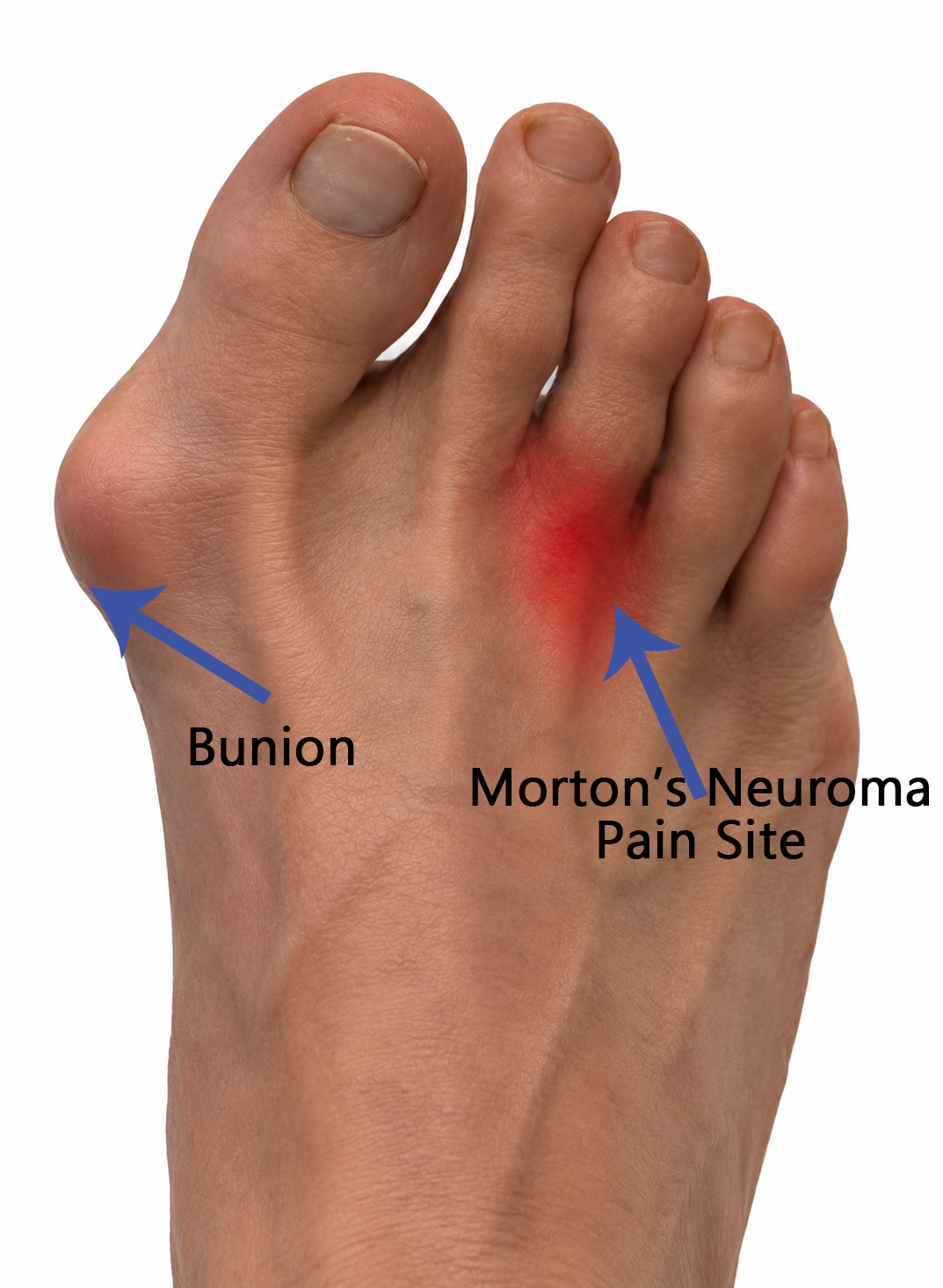
Bunion and Morton’s Neuroma: Can a Bunion Affect Neuroma Recovery?
While a bunion and a Morton’s neuroma are two different foot conditions, if they are [...]
Continue readingSep
Blog
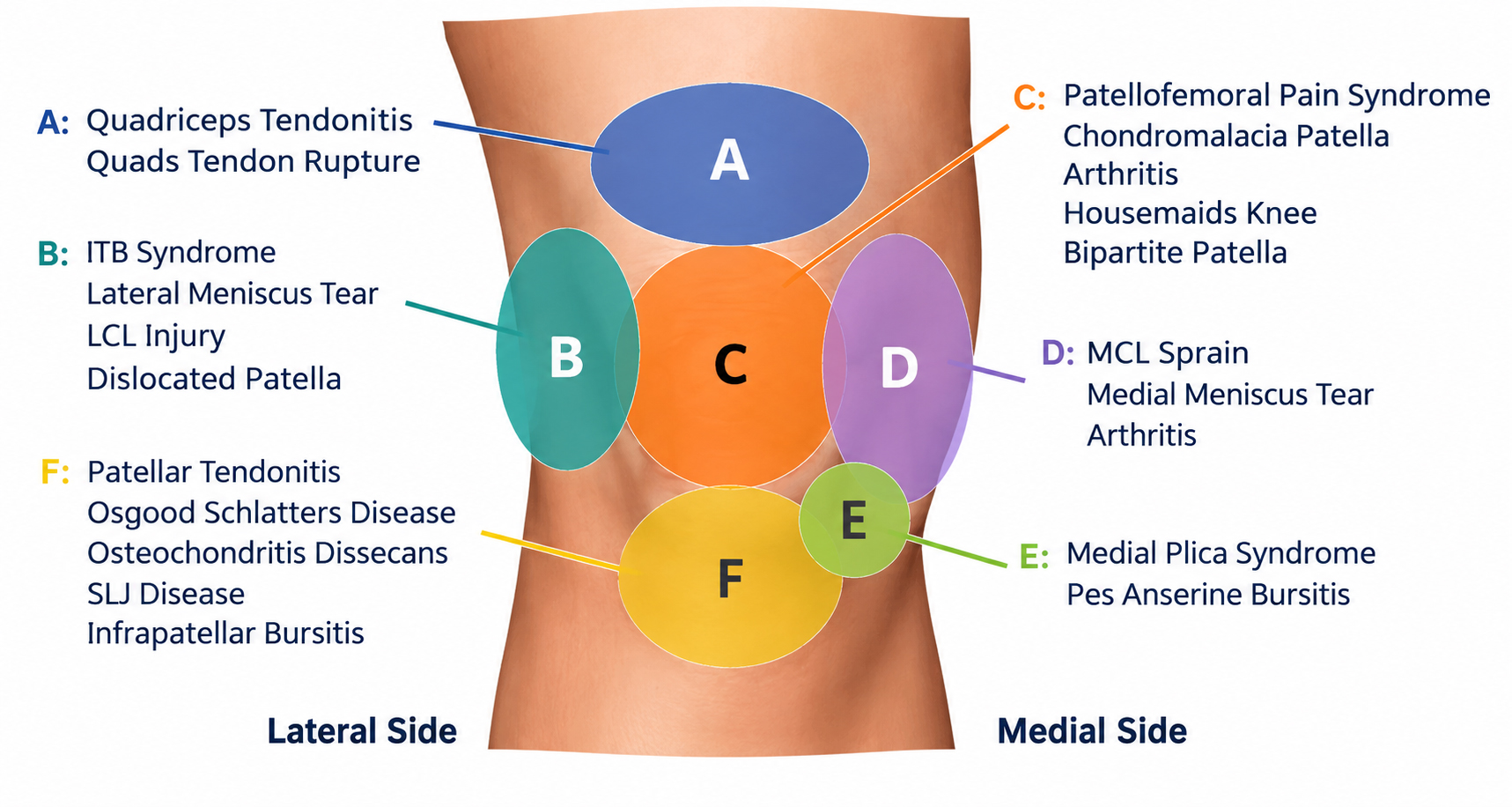
Knee Pain in Coburg
Knee pain is a common form of injury and can affect people of all ages [...]
Continue readingSep

Blog
Post-Surgery MLD Melbourne – Vodder MLD Therapist
Any form of surgery is an invasive procedure for the body to deal with, and [...]
Continue readingSep

Aug
Lymphatic Walking is another trend that you really don’t need to overthink. But let me introduce myself first. My name is Giovanni, and I am a clinical myotherapist specialised in Manual Lymphatic Drainage (MLD). I work with client who has an intact Lymphatic system but even with client who have Lymphatic System pathology, like Lymphoedema. In this blog, I am going to share the basic knowledge and explanation of why Lymphatic walking is a nonsense term, but you should still walk. Walking is good for you. It gets your muscles moving, supports cardiovascular health, improves fitness and can be an easy way to stay active. But recently, you may have heard of lymphatic walking. Your lymphatic system is already working, no matter what. So no, you don’t normally need a special walking technique to “switch it on.” The lymphatic system is a complex transport network that continuously moves fluid, proteins, fats and immune cells through the body. Lymphatic vessels have their own pumping mechanisms, while movement of surrounding tissues, breathing, and other mechanical forces can also influence lymph transport. Does walking increase lymph flow? Yes. And with this, we already gave enough credit to this trend. Any form of movement can help the lymphatic system work more and can help your body feel less bloated and tight. This is because any form of muscle contraction is going to directly stimulate your lymphatic system capillaries to collect more liquid and therefore move more fluid. Now, walking is a perfectly reasonable activity for supporting normal circulation and lymph transport, because the primary movers in the body for walking are your legs. Legs contain the biggest muscle group of the body, and are a body area where the fluid has to travel the most, in a proximal direction, to reach the clavicle, where the lymphatic fluid is then dumped into the bloodstream (at the subclavian veins). But again, there is nothing particularly magical about “lymphatic walking.” Again, your lymphatic system responds to many forms of movement. Walking, cycling, swimming, resistance training, climbing stairs and ordinary daily activities all involve muscular contractions and changes in pressure that can contribute to lymph movement. In other words: You don’t need to learn a special walking pattern to make your lymphatic system work. But what I really want to make sure we all understand is that there is nothing inherently wrong with doing them. Just don’t confuse a different walking technique with a medically necessary way of “activating” your lymphatic system. Do you need to boost your lymphatic system? Ok, this is another big topic that I often find myself talking to my clients about here at Melbourne Massage and Treatment in Coburg. If, overall, you are a healthy person, no, you don’t need to boost your lymphatic system. And the reason is quite simple. Your lymphatic system, like many body systems, works fine just by you doing the right thing. If you keep yourself in motion- yes, in this case, even just walking- your lymphatic system works even stronger than usual. This is why phrases such as: “Your lymph is stagnant” “You need to activate your lymph” “Your lymphatic system is blocked from sitting” “Do this walk to detox your lymph” “You need to flush your lymph” should be treated with some scepticism, as are a bunch of nonsense words. That said, there are, of course, genuine lymphatic disorders. People with conditions such as lymphoedema can experience impaired lymphatic transport and may require appropriate assessment and management. Exercise and movement can form part of lymphoedema management, but that is very different from saying that everybody needs to perform a special walking routine to prevent their lymphatic system from becoming “stagnant.” What if you have lymphoedema? This is where we need to sit and talk. Medically talk, no social media trend chat. If someone has lymphatic dysfunction, simply telling them to “walk more to boost their lymph” is not an adequate treatment plan. In fact, exercise can be beneficial for people with lymphoedema. But when someone presents with Lymphoedema, we need to take into consideration the bigger picture, which is their medical and clinical history. Therefore, management of lymphoedema may involve several components, depending on the individual, including exercise, compression, skin care, education, self-management and appropriate manual techniques. That is very different from following a social-media video promising to “flush out toxins.” Lymphatic massage is not the same as Manual Lymphatic Drainage Something that I already touched on is the topic of lymphatic massage and what’s the difference between Lymphatic Massage and MLD. A massage advertised as “lymphatic” is not automatically Manual Lymphatic Drainage (MLD). MLD is a specific manual technique with particular principles and techniques. It should not simply be used as a marketing label for any gentle massage that claims to “drain toxins.” Understanding this distinction is particularly important if you are looking for treatment for an actual lymphatic condition. But also, if you are looking to find a therapist who can tell you more about your lymphatic system needs, if any, and not just grab your money promising a healthy trend. So, what is MLD? Manual Lymphatic Drainage is a specialised, gentle manual technique that increases lymphatic fluid transport. Vodder Academy is the world academy that has a patent for MLD as a technique and treatment modality. That’s the academy I studied with for my Applied MLD, Lymphoedema Management and Cosmetic Surgery recovery specialisation. That said, there are other schools that offer training for other lymphatic treatment, but personally, with extended research, I found that the Vodder Academy was the best school to study with. Not only because they hold the gold standard for Lymphoedema treatment, but also because the training doesn’t stop at the course; there is a real network of teachers and students who spend time sharing resources and experiences from all over the world. Can healthy people have MLD? Yes, of course they can. If you are overall healthy and not suffering from any lymphatic condition, you can still receive […]
Jul
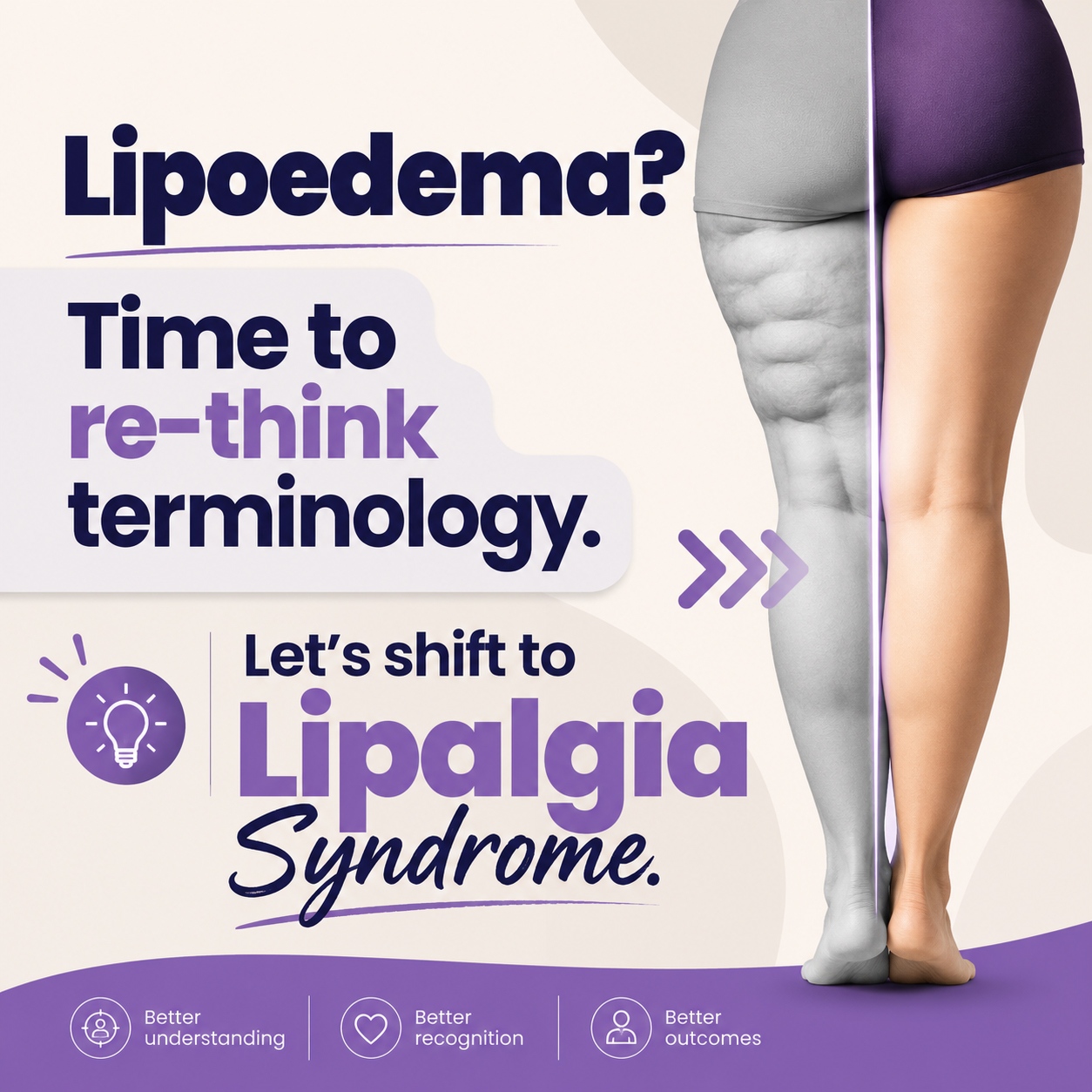
Lipalgia Syndrome is a name for a condition that most often, and more commonly, we all call Lipoedema. But why so? And why Lipalgia Syndrome would be more accurate than Lipoedema? My name is Giovanni, and I am a Myotherapy and Lymphoedema therapist who runs Melbourne Massage and Treatment in Coburg. Here at my clinic, I get to work often with clients who have been diagnosed with Lipoedema or clients who are suspicious of having Lipoedema. That said, it can happen that the client themself, are confusing one condition (Lipaglia Syndrome or Lipoedema) for something else, and that’s also because they see oedema in their limb, and associate that with having Lipoedema. But we now know that oedema is not a symptom of Lipoedema unless we are looking at Lipo-Lymphoedema, a really advanced stage of the syndrome, which is not as common as we think. Let’s break down the names: Lipoedema and Lipalgia Syndrome The term Lipoedema combines the Greek word lipo (fat) with oedema (swelling). Unfortunately, as mentioned above, this terminology can be misleading. This happens because by reading the name, we think we have to see an oedema in this presentation, where an oedema, actually, should not be. Because an oedema is caused by a dysfunctional lymphatic system, which is not what we look at when talking about Lipoedema. In fact, Lipoedema is actually a chronic, painful disorder of abnormal adipose (fat) tissue. This is why an increasing number of clinicians have suggested that the condition would be more accurately described as Lipalgia Syndrome, meaning Lip (fat) algia (pain), therefore, painful fat. Then, all this said, to clarify what’s going on with the lymphatic system, there are several investigations that look into the exact role of the lymphatic system in lipoedema, and by now, it is well established that lipoedema is a different condition from lymphoedema. This is because the lymphatic system is generally intact in the early and moderate stages of lipoedema, although secondary lymphatic overload can develop in advanced disease, leading to lipolymphoedema. This distinction is important because the diagnosis, because the treatment approach is different for lipoedema than for lipolymphoedema. Pain Is the Hallmark Symptom for Lipalgia Syndrome One symptom that can be used to mark the difference between Lipalgia Syndrome (or Lipoedema) and other conditions is pain. Patients commonly describe their legs, hips, buttocks or arms as: aching heavy tender to touch painful even with light pressure bruising easily feeling constantly sore without a clear injury In fact, unlike obesity, where enlarged fat tissue is usually painless, Lipalgia presents with diffuse, persistent pain throughout the affected tissues. If someone presents with some of the above symptoms and with a body that mimics the look of Lipoedema, but they don’t experience any pain, well, they don’t have Lipoedema. And again, that’s why we should call it Lipalgia Syndrome, because what we have to look for, is not oedema, but pain, as main symptom. That said, this pain often limits exercise tolerance and significantly affects quality of life. Current research consistently identifies pain as one of the defining characteristics that separate lipoedema from obesity and many other fat disorders. Therefore, from a clinical perspective, this symptom (pain) is essential to diagnose someone with Lipalgia Syndrome (Lipoedema). On the other hand, if a patient presents with enlarged legs or arms without pain, it is worth carefully considering whether the diagnosis is truly Lipalgia Syndrome (Lipoedema). Other conditions may be more likely, including: obesity with disproportionate fat distribution lipohypertrophy lymphoedema chronic venous disorders mixed presentations involving more than one condition Therefore, don’t try to self-diagnose with social media or a simple Google or AI search, as the reality of facts is way more complicated. Why the Name “Lipalgia” Makes More Sense The use and understanding of language influence how diseases are understood. In fact, the word lipoedema understandably directs attention towards swelling and fluid accumulation, when in fact the most disabling symptom for many patients is pain. That’s where the term Lipalgia shifts the focus towards what patients actually experience every day: chronic painful adipose tissue tenderness heaviness impaired movement reduced quality of life Although Lipalgia has not yet become the internationally accepted medical terminology, many clinicians believe it better reflects the clinical presentation and may help reduce confusion with lymphoedema. What Is Lipohypertrophy? One of the conditions that is often mistaken for Lipoedema is Lipohypertrophy, because both conditions involve a symmetrical increase in subcutaneous fat, particularly in the legs and sometimes the arms. The key difference is that Lipohypertrophy is generally not painful. So yes, those conditions are really similar, and the people with lipohypertrophy usually have enlarged limbs but do not experience the diffuse tenderness, aching, easy bruising and persistent discomfort that characterise Lipalgia. For this reason, recognising the presence or absence of pain is one of the most valuable aspects of the clinical assessment. And again, an accurate diagnosis is important because management strategies differ depending on the underlying condition. Assessment at Melbourne Massage and Treatment At Melbourne Massage and Treatment in Coburg, I provide comprehensive assessments (not diagnoses) for people experiencing leg or arm enlargement, chronic pain, lymphatic conditions and soft tissue disorders. What I refer to as assessment, and not diagnosis, is the fact that I don’t have the clinical possibility to diagnose anyone with anything, but I can point you in the direction of further investigations to get to understand what is happening to your body. Further investigation can involve talking to your GP about specific tests or referral to a specialist, who can assist you in understanding what your body is going through. Every assessment aims to distinguish between conditions such as Lipalgia (Lipoedema), Lipohypertrophy, obesity-related fat accumulation and lymphoedema so that treatment can be tailored to your individual presentation. Early recognition, education and appropriate management can significantly improve comfort, mobility and long-term outcomes. On my end, I can still offer MLD to overcome pain and where present oedema, and Fitness Class to help you and your body get stronger […]

May
As a therapist who offers Manual Lymphatic Drainage in Melbourne, I am blown away by how many people come and seek MLD for general wellbeing, and ask me questions like: “What about tapping my body?” “Should I do guasha?” “I have been told my Lymphatic System is sluggish” Indeed, if you’ve spent any time on social media lately, you’ve probably seen endless content about the lymphatic system, and of course, the more time you spend watching them, the more you will be offered. Dry brushing. Guasha. Detox teas. Essential oils. I call those “Social Media, Lymphatic hacks.” They belong only to social media, not to reality and/or science. As someone who practises Manual Lymphatic Drainage in Melbourne (MLD), I think it’s important to explain what the lymphatic system actually does, what MLD is really useful for, and why people often overcomplicate something that the body already does naturally. And honestly, for many healthy people, one of the best things you can do for your lymphatic system is simply go for a walk. What Is the Lymphatic System? To start with, the lymphatic system is part of your body’s immune and fluid regulation system. Its job is to: Help manage fluid balance Support immune function Transport waste products Assist with inflammation and healing It consists of: Lymph vessels Lymph nodes Lymphatic organs Lymph fluid Unlike the blood circulation, the lymphatic system does not have a pump like the heart, and another difference is that the lymphatic system is capable of absorbing substances that are, molecularly speaking, bigger than what the blood stream can do, simply because the capillaries of the lymphatic system have a bigger aperture than those of the blood stream. Then, regarding how the lymphatic system pumps fluid around the body, it is based on the fact that the internal vessel contraction occurs. The more the vessel contracts, the more liquid moves. And those vessels are sensitive to their surroundings, in fact: Muscle contractions Breathing Changes in pressure Everyday movement Those are all factors that stimulate the lymphatic system to work faster. That’s why movement is so important. And consider that in the human Lymphatic System, contraction rates are typically around 1 to 2 times per minute, at rest, where when doing intense visceral activity, it can jump up to 15 contractions per minute. Why Walking Helps Your Lymphatic System Now, we can than easily understand that every time we walk, our muscles gently contract and relax, and specifically, the calf muscles are the ones that work the most, and are the ones responsible for assisting both the lymphatic and blood systems to push liquid upwards, against gravity. So, walking acts like a natural pump for lymphatic flow, and it can help with: Encourage fluid movement Support circulation Reduce stiffness Improve breathing mechanics Support general recovery and wellbeing Reduce stress Your body evolved to move lymph through normal human movement. Not through expensive “detox” products. Not through aggressive scraping tools. Not through viral wellness trends. Simple movement works remarkably well. What About Dry Brushing and Guasha? Ok, I will be honest on this one: this is where social media often exaggerates things. There is currently no strong scientific evidence showing that dry brushing or guasha creates a special lymphatic drainage effect in healthy individuals. And I want this message to be clear: we are talking about healthy individuals, who are the vast majority of us. That doesn’t mean people cannot enjoy those practices, because they still have a meaning and a use. Indeed, any skin gentle stimulation would still have a major impact on the nervous system, specifically the parasympathetic (rest and digest one), which means it can still have a relaxation effect. Therefore, dry brushing may: Exfoliate the skin Increase temporary circulation at the surface Feel relaxing Guasha may: Feel relieved of muscle tension – and again, this is a nervous system response Temporarily increase local blood flow But neither appears to “detox” the body or dramatically improve lymphatic drainage in the way social media often claims, and most importantly, none of the effects mentioned above last for a long time, nothing like or in comparison to a good walk or exercise time. So let’s be clear about what does what, and let’s remember that the human body already has highly sophisticated systems for managing waste and fluid balance: The lymphatic system The liver The kidneys The lungs The digestive system And again, most healthy people do not have a “blocked” lymphatic system. What science says about those tools? Interestingly, even some of the more positive research around guasha comes with important limitations that are often ignored on social media. Indeed, a study published by Sun‐hee A. et al (2025) that looked at facial roller massage and guasha found some short-term improvements in facial contour measurements, muscle tone, and skin elasticity. However, the researchers themselves acknowledged several limitations, including: The small sample size – only 34 participants The short 8-week duration – already longer than other studies They only looked at temporary aesthetic outcomes rather than meaningful health changes to the lymphatic system itself In fact, the study did not demonstrate that guasha “detoxifies” the body or improves lymphatic drainage in healthy individuals. In other words, while these techniques may temporarily affect appearance, circulation, tissue tension, or relaxation, that is very different from the dramatic claims often made online about “flushing toxins” or “resetting” the lymphatic system. Where Manual Lymphatic Drainage (MLD) Can Be Helpful Ok, if you got this far in the blog, it means you are actually serious about your wellbeing. Great! As a Clinical Myotherapist and Vodder MLD therapist, I am with you. Now, it is important to separate evidence-based treatment from wellness marketing. Manual Lymphatic Drainage (MLD) is a gentle, specialised treatment approach designed to support lymphatic flow and fluid movement. MLD can be beneficial for people experiencing: Lymphoedema Lipoedema Chronic venous insufficiency Post-surgical swelling Scar recovery Chronic inflammation Swelling after injury Sunburn recovery MLD may also support general well-being because it is deeply […]

Jan
In Victoria, Lymphoedema patients are entitled to access the SWEP program (State Wide Equipment Program), a government-funded program that provides funding for garment wear on an annual basis. As a Myotherapist and Lymphoedema therapist working in Coburg, I can help you overcome the bureaucracy and understand how to access the SWEP incentives and where to go and purchase the garments. What Is the SWEP Program? The SWEP or State-Wide Equipment Program is a Victorian government-funded scheme that provides subsidised or fully funded medical equipment to eligible individuals living with permanent or long-term conditions, and Lymphoedema is one of these conditions. For those who live with a chronic condition like lymphoedema, the SWEP can significantly reduce the financial burden of compression garments, which are an essential, not optional, part of lymphoedema management. So yes, SWEP is not a treatment program but an equipment funding pathway. Why Compression Garments Are Essential for Lymphoedema Lymphoedema is a lifelong condition, and unfortunately, in most cases, it is not curable. For managing this presentation, therapies like Manual Lymphatic Drainage (MLD) and Complete Decongestive Therapy (CDT) can help reduce the swelling, and then compression is what maintains results. Without appropriate compression: Swelling returns Tissue becomes heavier and more fibrotic Skin integrity is compromised Infection risk (cellulitis) increases This is why access to properly fitted garments through programs like SWEP is so important. What Lymphoedema Items Can Be Funded Through SWEP? The SWEP may assist with funding for: Compression garments (flat knit or circular knit, based on clinical need) Wrap systems Custom-made garments when off-the-shelf options are unsuitable The funding is based on: Medical necessity Functional impact Long-term condition status Financial eligibility The SWEP does not automatically cover all the costs, as approval depends on correct documentation and assessment, and that’s where I can assist you. Below you will find a section dedicated to the cost covered by SWEP via the Lymphoedema Compression Gargments Program (LCGP). SWEP and Lymphoedema Compression Garment Program (LCGP) In Victoria, patients with lymphoedema can access the Lymphoedema Compression Garment Program (LCGP) via SWEP. Indeed, SWEP and LCGP are 2 separate programs, but it is SWEP that took control of the LCGP in 2017, and this is how it works. LCGP is funded by the Department of Health and provides subsidised compression garments and wrap systems for eligible individuals diagnosed with primary, secondary, or sub-clinical lymphoedema affecting the limbs. What Is Funded Under the LCGP? From the day of submission to the SWEP for the garment wear, you have 12 months to get funding for: Adults 4 sets of compression garments per affected limb, or 3 sets of compression garments and 1 kit of Adjustable Wrap Systems (AWS) per affected limb, or 2 kits of Adjustable Wrap Systems (AWS) per affected limb 1 donner (once off) Children under 18 years of age 6 sets of compression garments per affected limb, or 5 sets of compression garments and 1 kit of Adjustable Wrap Systems (AWS) per affected limb, or 2 kits of Adjustable Wrap Systems (AWS) per affected limb 1 donner (once off) Available Subsidies Those above are the number of garments you get funding for, and each garment is subsidised as follows: Ready to Wear (RTW):$150 per set of garments per affected limb Made to Measure (M2M):$300 per set of garments per affected limb where RTW is not compatible with limb size, shape, or required compression class Adjustable Wrap Systems (AWS) kit:$150 per kit Donner (once off):$60 Who Is Eligible for State Wide Equipment Program? To be eligible for SWEP in Victoria, you must: Are a permanent Victorian resident, hold a temporary or permanent protection visa, or are an asylum seeker Have a long-term condition or disability, and/or are frail aged Do not receive other government funding for compression garments Are not an inpatient of a public or private hospital, or a permanent resident of a residential care facility Cannot claim garments through private health insurance Have not been discharged from a public hospital or extended care centre within the last 30 days, where garments relate to the hospital admission Further assistance with determining your eligibility can be obtained via this link, which directs you to the SWEP website’s Check Eligibility page. My Role in Supporting SWEP Applications At my Lymphoedema clinic in Coburg, I regularly support patients by: Performing comprehensive lymphoedema assessments Identifying the correct compression type and class Providing clinical justification for garments Working alongside GPs and specialists for referrals Ensuring garments align with the patient’s stage of lymphoedema and lifestyle needs As a lymphedema practitioner, I trained with the Vodder Academy for Lymphoedema Management, so I do understand the importance of precise garment selection, not just eligibility. On the other hand, I am also a member of the Australasian Lymphology Association (ALA), and I stay aligned with current best-practice standards when recommending compression solutions. SWEP Is Not a Substitute for Treatment Another important point that I want to emphasise again is that SWEP does not replace therapy. What this means is that for the best outcomes, compression garments should be used alongside: Manual Lymphatic Drainage (MLD) Complete Decongestive Therapy (CDT) Skin care Movement and load management Ongoing review and garment reassessment In fact, compression works best after swelling has been optimally reduced, not as a standalone solution. This is because compression, applied to a non-managed Lymphoedema, may be hard to apply, can crack the skin (which would lead to infections), and it may also be painful. SWEP in Coburg At Melbourne Massage and Treatment, Myotherapy & Lymphoedema clinic in Coburg, I support patients with evidence-based care, practical guidance, and individualised planning, so you can manage lymphoedema with confidence. If you’d like support with SWEP-related compression, assessment, or ongoing lymphoedema management, use the button below to book a FREE 15-minute online consultation (Option 9).

Dec
As a therapist who works with Lymphatic Massage in Coburg and with post-cosmetic-surgery patients, I often get asked, “What’s the difference between MLD and Brazilian lymphatic drainage?” To answer this question, I often have to give people a background of my training as a Lymphatic Drainage therapist and what is happening to their body post-liposuction. What are the differences between Vodder MLD and Brazilian Lymphatic Drainage? Vodder MLD, which is the therapy I offer for post-cosmetic surgery and also Lymphoedema management, is a very light, rhythmical, skin-stretching technique. It has about 100 years of history, and it has a strong research base for lymphedema management and is useful in postoperative recovery, either in cosmetic or orthopedic surgery. Brazilian lymphatic drainage, on the other hand, tends to be firmer, more continuous, and pragmatically geared toward reducing swelling and bruising after cosmetic procedures, but it has less scientific evidence to support any benefits. For post-cosmetic surgery lymphatic massage (liposuction, abdominoplasty, facelifts, tummy tuck…) I would strongly recommend gentle Vodder-style MLD, and here is why: Any surgery, including cosmetic surgery, is highly invasive for the body, and therefore, you will present post-surgery with High skin sensitivity Swelling and bruising Pain A gentle approach, such as Vodder MLD, would allow: Reduce the swelling with a pain-free approach The takeaway exceeds inflammation Help reinforce skin sensitivity As the healing process progresses and you move from the acute to the sub-acute healing phase (week 2 to week 3), we can start applying stronger pressure to break down fibrosis. What people call “Brazilian Lymphatic Drainage” “Brazilian lymphatic drainage” (BLD) is a manual therapy that is getting famous thanks to social media presence and some influencers talking about it. It is a practice which often refers to faster, more continuous wave-like movements and sometimes firmer pressure than Vodder MLD, and involves the usage of oil too. Those who offer Brazilian Lymphatic Drainage claim a faster recovery after aesthetic procedures (reducing bruising, local oedema, and tissue stiffness), even though clinical literature that looked into BLD in aesthetic and post-op settings, like randomised trials, describes this technique as debatable, and furthermore, the evidence of its efficacy is limited compared with Vodder studies. What does the research say? Systematic reviews on MLD (Vodder used often) show MLD is commonly used for decongestive therapy in Lymphoedema patients. The quality of the evidence varies, while effect sizes are moderate for some outcomes. Randomised trials that compare Vodder MLD with other modalities (e.g., compression, pneumatic compression) report benefit for symptoms and arm volume in breast cancer-related lymphedema and postoperative swelling in some surgical contexts. An early RCT explicitly used the Vodder technique and showed benefits in arm lymphedema management. Recent reviews and clinical articles regarding plastic surgery literature highly support the use of postoperative lymphatic massage. The recommendations are to receive MLD one to three times a week, in the early recovery phase, for reducing swelling, pain, fibrosis and improving comfort. That said, often that information is shared by the surgery clinic staff after the surgery; therefore, it’s always better to choose a clinic that is clear and transparent about the post-surgery recovery, and not only about the surgery itself. When looking for studies about the Brazilian Lymphatic Drainage massage, it is hard to find something that is specific enough about this technique, and that doesn’t mix data and trials with other techniques, like bandaging and exercises. Therefore, it’s hard to evaluate the quality of this technique in terms of the RCT protocols. MLD – What works for what? Practical comparison For lymphedema (medical swelling after lymph node removal/cancer). When someone presents with lymphedema, the best choice is Vodder-style MLD as part of complete decongestive therapy. I don’t do this recommendation only because I offer this service, and I know its potential, but also because Most RCTs and meta-analyses have evaluated MLD (in Vodder style) as the safest and evidence-based treatment that has enough relevance for this type of presentation. For early post-operative care after cosmetic procedures (e.g., liposuction, abdominoplasty, facelifts, tummy tuck). In any given surgery, along the acute phase, the body is a high state of inflammation and the site of surgery would be delicate to touch for several weeks post surgery, indeed a gentle approach to the area is highly recommended, so Vodder-style MLD is way safer compare to Brazilian Lymphatic Drainage, because the tissues are fragile; MLD at this stage in time, it would helps reduce oedema and bruising and promotes comfort. Many plastic surgeons recommend MLD early and frequently in the first 2–6 weeks. Later phase (2–6+ weeks): While healing is progressing and you step into a sub-acute phase of recovery from the post-cosmetic surgery, firmer or more targeted techniques, which recall what Brazilian Lymphatic Drainage can be used to address residual fibrosis/stiffness, always with the surgeon’s clearance. That said When dealing with post-cosmetic surgery fibrosis, even Vodder MLD would include firm pressure. That’s how fibrosis is broken down. For general wellbeing, detox/relaxation, cellulite or fluid retention Gentle MLD (Vodder) is great for relaxation, reducing mild fluid retention, and supporting circulation without soreness. Good for regular wellness maintenance. Brazilian-style DLM is often used in aesthetic clinics for body contouring and cellulite care; people report feeling less heaviness and faster visual improvement, but high-quality evidence is more limited, and outcomes vary with practitioner technique. MLD Safety & Contraindications – What You Need To Know In my practice, I am selective about who I offer MLD, especially after cosmetic surgery, and here is what I would look out for: Active infection Uncontrolled heart failure Acute deep vein thrombosis (DVT) Untreated cancer without clearance Fever Recent major bleeding or unstable medical conditions Liver or Kidney conditions After cosmetic surgery, you have to make sure to follow the surgeon’s recommendation about antibiotic intake, and or other medications. MLD can not start unless you are cleared of all the above. So, which do I recommend, Vodder or Brazilian Lymphatic Drainage? It is now quite clear that at Melbourne Massage and Treatment, for MLD, […]
Dec
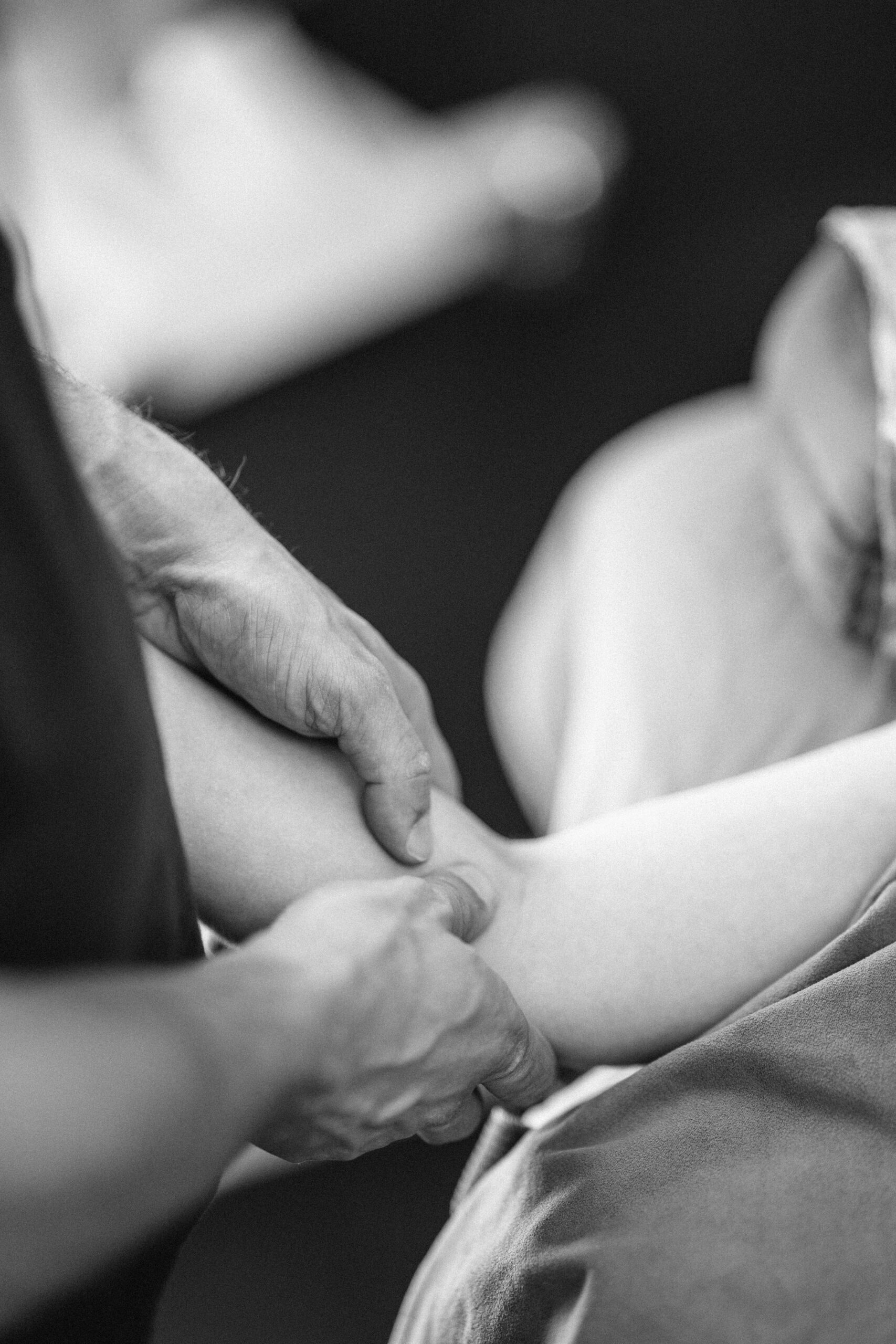
Liposuction interventions are on the rise, driven by the enormous influence of social media on how we look and by the abundance of cheap clinics worldwide. While liposuction surgery removes stubborn fat deposits, the recovery period from this type of intervention is often underestimated. As a clinical myotherapist specialised in Manual Lymphatic Drainage (MLD) Vodder style, I regularly work with clients who are navigating the post-operative process, and I often get to hear clients who haven’t been fully informed about the post-surgery care needed, and the timeframe of recovery. Indeed, many patients who have undergone Liposuction surgery are surprised to learn that MLD plays a supportive role in the recovery process, and not by “boosting” healing, but by complementing your body’s natural ability to manage swelling, fluid congestion, and fibrosis. Below, I explain what liposuction involves, why MLD is recommended before and after surgery, and what you can expect during the healing timeline. What Exactly Is Liposuction? Liposuction is a surgical procedure that aims to remove excess fat from targeted areas of the body. There are different ways in which liposuction can be delivered, but what they all have in common is the usage of a cannula to break down and suction fat from beneath the skin. Once the surgery is delivered, and the fat is removed, the body experiences trauma in the form of: Swelling Fluid accumulation Tissue inflammation Disruption to lymphatic pathways Development of fibrosis (hardened or rope-like scar tissue) Superficial blood cloth Manual Lymphatic Drainage (MLD) is a manual therapy that can make a significant difference for all those presentations. How Manual Lymphatic Drainage Supports the Healing Process MLD is a non-invasive, gentle manual technique that stimulates the movement of lymphatic fluid toward functioning lymph nodes. Compared to a regular massage (Remedial Massage, Deep Tissue, Thai Massage…), it does involve the usage of oil or creams and does not aim to reproduce any pain or inflammatory response. In fact, it is the opposite; it aims at taking away excessive inflammation, as this is one of the many roles of the lymphatic system, and the technique I used is Vodder style, which is clinically recognised for its rhythmic, directional, and methodical application. Here’s how MLD supports recovery after liposuction: Reducing Post-operative Swelling As with any surgery, even Liposuction leads to significant swelling as the body implements an inflammatory response post-trauma (the physical damage of cutting the skin open and removing body tissue). MLD helps guide the fluid that builds up due to the inflammatory response back into the lymphatic circulation, easing pressure and discomfort. Minimising the Formation of Fibrosis Fibrosis is the body’s natural response to invasive body intervention and to sudden skin dilatation; indeed, it is a common presentation in Lymphoedema too. The fibrotic tissue is a common concern after liposuction, and without proper care, tissue can become firm and lumpy, affecting the final aesthetic result.Here is how MLD supports the breakdown and prevention of fibrosis: Increasing lymph flow Softening congested areas In the fibrotic area, we apply strong pressure (still pain-free) to break fibrosis down Encouraging natural tissue remodelling That’s where more frequent treatment is most helpful. To break and manage fibrosis at its best. Preparing the Body Before Surgery The reason why MLD should be considered as a pre-operative intervention too, lies in the fact that a stimulated Lymphatic System place you in an advantageous position along the recovery process, by improving lymphatic circulation, creating better conditions for tissue recovery after surgery. When Should You Start MLD After Liposuction? Once the surgery has been delivered, the ideal time to begin MLD is as soon as you have finished your course of antibiotics, as long as: All open wounds are closed, and No infection is present. The above are essential precautions to prevent the spread of infections. Also, the early start of MLD practice would ensure the best outcome post-surgery. What To Expect from MLD Treatment Post-Liposuction While many patients find out about MLD only after they receive the surgery, and this often happens when they have their surgery overseas, in countries like Turkey, Thailand, Bali, they are still not sure till the time they meet me, what MLD treatment would be about for their post-surgery recovery. In this case, I always explain in detail what the treatment is going to be about, starting with and overview of: What is the lymphatic system How we stimulated What you should expect post-treatment, and what to do and not to do Healing time frame Other topics I had to share and reassure my patients about are: MLD is not painful There is no body fluid extraction I am not going to push liquid out of your incision Yes, you need to drink plenty of water post-treatment I found that patients who undergo liposuction, especially in Turkey, come back with tough stories about acute post-surgery care, where they get their incision reopened, and liquid milked out from there. THIS IS A DANGEROUS PRACTICE AND IS NOT MLD AND IS NOT WHAT I OFFER ANYWHERE UNDER ANY CIRCUMSTANCES. How Should You Prepare Yourself for and MLD Treatment? Here is a list of things to be aware of before you go for and MLD treatment: Food and water – You can eat a light meal a few hours before your treatment and ensure you drink only water before and after the treatment. Strictly avoid alcohol – Avoid any form of intoxication before and after treatment, as this can make you really sick and unwell Medication and Clinical History – In the initial consultation form, you must declare any medication you are taking or have taken and your clinical history, to ensure no contraindications for MLD are present. Avoid cream or lotion – Application of cream or lotion on the skin would make the skin slippery and more difficult to stretch, impairing then the stimulation of the lymphatic system Post Treatment – MLD is extremely relaxing. Ensure to have some time off after your session, in case you feel like a nap or not doing […]

Sep
Within the last few years, cosmetic surgeries have been on the rise in Australia. These types of interventions can be helpful for quick body changes. Still, the recovery process post-surgery is often underestimated and misinterpreted, especially when, past a couple of days or just a few weeks, the body’s response to surgery leaves behind hard lumps, thick skin, and reduced sensitivity. The thickened skin and lumps are simply fibrosis, and the reduced sensitivity results from damaged nervous system endings. At Melbourne Massage and Treatment in Coburg, I specialise in Manual Lymphatic Drainage (MLD) using the Vodder technique, helping clients reduce swelling, assisting with recovery, and breaking down fibrosis post-cosmetic surgery, safely and effectively. If you’re looking for post-surgery care in Coburg or Melbourne, here’s how MLD can support your recovery and improve your results. What is Fibrosis After Cosmetic Surgery? Fibrosis formation post-cosmetic surgery is the result of tissue damage that occurred during the surgery. When going for an intervention like liposuction, where fat is removed from the body (either at the abdominal level, arms, legs or elsewhere), the body, to replace the void left by the fat removal, builds up fibrotic tissue. The fibrotic tissue is mainly made of collagen. While this reaction is natural, it can often cause: Hard lumps or nodules under the skin; Uneven skin contour or texture; Tightness or restricted mobility; Tenderness or discomfort. There is no real way around those types of side effects post-liposuction, at least in the short term, and the body would take weeks to recover fully (up to 3 months). That said, everybody reacts differently to this type of intervention, and based on the type of intervention received, the recovery process can vary. Who Benefits Most From Lymphatic Drainage Massage After Cosmetic Surgery? Here is a short list of cosmetic surgery interventions that are going to leave you with fibrosis in the post-surgery time, and that would benefit from Lymphatic Drainage Massage intervention: Liposuction (abdomen, thighs, arms, chin) – This includes liposuction for Lipoedema management too. Tummy tuck – Either due to post-liposuction or from severe weight loss. Breast surgery (augmentation, reduction, reconstruction) – If this is due to breast cancer, one should be aware of any risk of Lymphoedema development. Facelifts and neck lifts Brazilian Butt Lift (BBL) – This type of intervention requires fat to be removed from other body parts, as the abdomen, and that’s where fibrosis would build up. How MLD Helps Reduce Fibrosis Manual Lymphatic Drainage (MLD) is a gentle, specialised technique that stimulates the lymphatic system to clear excess fluid, reduce swelling, and assist with the healing process. After surgery, your lymphatic system could be damaged and can struggle to keep up with its work, and that’s where MLD makes a big difference. Indeed, the stimulation of the Lymphatic System, via MLD therapy, can help in assisting your recovery and ensure that the fibrotic tissue gets absorbed and dismissed, restoring freedom of movement and leaving you soon after treatment in a deep relaxation state. I trained in the MLD with the Vodder style; therefore, I can provide precise, tailored treatments that are safe for sensitive post-operative tissue. Book your post-surgery lymphatic drainage in Coburg today to safely reduce fibrosis. When can I start MLD treatment post-cosmetic surgery? Generally, MLD is safe to start as soon as the antibiotic cycle is completed post-cosmetic surgery. Given the light touch of this type of therapy, we aim to cause no pain during the treatment, so we can work close to the surgical site without affecting the recovery process. On the other hand, I found myself occasionally referring patients to the local nurse or GP, as their recovery immediately post-surgery was compromised by misleading suggestions and procedures offered by overseas cosmetic surgery clinics. If you are not sure about what’s going on with your recovery, please, before placing a booking for an MLD treatment, talk to your GP about your recovery state, and if you have any questions regarding MLD treatment, you can always reach out to me via the contact page. How Many MLD Sessions Do I Need To Reduce The Fibrosis? As mentioned earlier, everyone responds differently to cosmetic surgery, but in my experience, it would take at least 4 to 6 weeks to start seeing a significant difference in fibrous tissue presence. That said, the number of sessions and the length of the sessions can vary based on the area where you received the surgery. Abdominal surgery only: I will recommend 2 to 3 treatment per week for the first 3 weeks. Within the first week, we may spend 1 hour per session, and from the 2nd week onwards, we reduce the treatment to 45 minutes. Multiple liposuction sites: as there are multiple areas where you received surgery, we may need to extend the time of treatment up to 1 and a half hours initially, or go for multiple sessions, each for a different area. The first few treatment may take longer, as we want to spend some extra time trying to break down the fibrosis with a gentler touch, due to the high sensitivity of the body, which is high due to post-surgery. As the sensitivity decreases and we can apply further pressure, we can achieve the same result in fibrosis reduction in less time. If you are not sure what works best for you, you can book a 15-minute free online consultation, so we can discuss your needs and work out a treatment plan in accordance with them. MLD Prices in Coburg All my services are offered at the same rate and are as follows: 90 mins – $175 1 hour – $125 45 mins – $ 115 30 mins – $90 All those prices are inclusive of GST. The 90-minute option is available only if required and not via the booking system. Why Choose MLD at Melbourne Massage and Treatment in Coburg? Not all lymphatic massage techniques are safe after surgery. I have been working with MLD since November 2021, and […]

Aug
As a Lymphoedema therapist, I often get asked what the difference is between Lymphoedema and Lipedema. In this blog, we will explore the differences, the similarities, and what can be done for prevention, management and treatment of those presentations. Furthermore, we will look into how Lipoedema can degenerate into a Lipo-Lymphoedema, and why this is not the case for everyone. What is Lipoedema? Lipoedema is a chronic adipose tissue disorder that primarily affects women. On a global scale, we know that about 11% of women are affected by this presentation, and it often runs in families as it has a strong genetic component. The major characteristics of Lipoedema are an abnormal and symmetrical accumulation of fat around the hips, buttocks, thighs, and legs, and upper arms. On the leg area, the fat appears in abundance in the medial side of the knee, too. Where feet are completely untouched by the fat accumulation, this fat is resistant to diet and exercise and is often painful to touch. The pain is due to the cutaneous nerve entrapped in the fatty tissue, and so delivers a pain response when stimulated. Other Lipoedema key features: Often triggered or worsened by hormonal changes Symmetrical fat distribution Soft, nodular, or lumpy tissue Pain and easy bruising – as per the pain, bruising is due to blood capillary compression from the fat, and so, is easily damaged by touch No skin thickening or pitting in the early stages Nowadays, there is increasing awareness about this presentation, and more and more women find benefit from a management protocol that is not only about cardio and exercise. Part of the Lipoedema management includes: Movement Compression stocking Antiinflammatory diet Skin care Where and if needed, cosmetic surgery intervantion What is Lymphoedema? Lymphoedema, on the other hand, is a condition where lymphatic fluid builds up in the tissues due to a malfunctioning lymphatic system, causing chronic swelling. Compared to Lipoedema, Lymphoedema is strictly related to the Lymphatic system. It can be primary (congenital or hereditary) or secondary (due to trauma, surgery, radiation, or infection affecting the lymphatic system). Lymphoedema characteristics: Unilateral or asymmetrical swelling (though it can be bilateral) Pitting edema – It consists of deep indentation (pitting) left behind on the skin when pressure is applied Skin changes over time (fibrosis, hyperkeratosis, papillomatosis) Affects feet and hands as well – primary lymphedema would start from the extremity Heaviness or tightness in the affected area – can potentially be pain-free, but the limb/s may feel very heavy It does affect men and women – only primary lymphedema has a genetic component Lymphoedema Management The management of Lymphoedema is more tricky than lipoedema, as everyone may react differently to the management, it can be related to other health issue which needs to be considered, and requires the patient to be active in the management side of things. At Melbourne Massage and Treatment, I treat different types of lymphedema, as per the upper and lower body, focusing on an initial reduction of the swelling via a combination of Manual Lymphatic Drainage (MLD) and compression with Combined Decongestive Therapy (CDT). The management of this presentation can take anywhere between 3 and 5 or more appointments, depending on the severity of the presentation. The treatments are better done in close proximity, 24 to 48 hours one after the other, so that we give no time to the body to accumulate fluid back under the skin. Once the combination of treatment allows us to achieve the desired result, which is bringing the limb/s to a thinner size, you will be scheduled for a custom garment wear compression, which will guarantee to maintain the results achieved. This is usually done at other clinics, like Sigvaris or Juzo clinics. Those clinics are specialised in the making of garment wear. Custom garments wear last about 6 months, so twice a year, you will need to change them, and if needed, because the limb/s may start swelling again (especially in summer, when there is a change of atmospheric pressure, due to the heat), a short series of MLD and CDT therapy may be needed. Key Differences between Lymphoedema and Lipoedema Feature Lipedema Lymphoedema Cause Abnormal fat metabolism Lymphatic dysfunction Gender prevalence Almost exclusively women Affects both sexes Onset Often at puberty, pregnancy, or menopause Can be congenital or triggered by injury/surgery Distribution Symmetrical, lower limbs and arms Can be asymmetrical; any body part Feet/Hands Spared Usually involved Pain Tender, painful fat Often painless, heavy feeling Skin texture Soft, nodular fat Skin thickens over time (fibrosis) Pitting Rare (early) Common (early) Response to elevation Minimal improvement Often improves with elevation (if early stage) Bruising Common Not typical Common Characteristics of Lymphoedema and Lipoedema As seen above, the characteristics of Lipoedema and Lymphoedema are different, but, both conditions share chronic swelling, potential functional limitations, and a need for long-term management: Both can cause leg discomfort, heaviness, and swelling Both may lead to reduced mobility Neither condition improves with calorie restriction or exercise alone – it is more about stop the intake of inflammatory food Compression therapy is often used for both Both can have a progressive nature if not managed properly – especially lymphoedema Misdiagnosis is common, often delaying effective treatment When Lipedema Becomes Lipo-Lymphoedema If we stick to a vision of Lipoedema progression, that is possible when no management is put in place, this presentation can degenerate into secondary lymphatic impairment, resulting in a combined condition known as Lipo-Lymphoedema. How this happens: As the fat keeps accumulating under the skin, and there is an increase in inflammation, the lymphatic vessels are put under major load and potential damage Over time, this leads to fluid retention and swelling due to the lymphatic system failing to do its job As the lymphatic system becomes overwhelmed, the person may start experiencing lymphedema symptoms (Example: swelling in the extremities, feet and or hands) Patients now experience both fat deposition and fluid buildup, making treatment more complex Signs that Lipedema has progressed: Swelling starts in the feet […]

Jul
The term “inflammation” originates from the Latin word “inflammare”, meaning “to set on fire” or “to ignite”. And this is why it may sound scary, and sounds like a bad thing to go through, but in the initial phase of an injury, the inflammation is actually a necessary part of healing. Indeed, this initial step is how your body signals that something is wrong and starts the repair process. On the other hand, if the injury is not looked after, especially when we talk about major injury, the inflammatory process can become problematic. In this blog, we are going to look into what the steps are to take when going through an injury, which can be a sprained ankle, recovering from surgery, or managing chronic pain, in order to have the best recovery. The 0–72 Hour Rule: Respect the Acute Phase When going through the initial phase of an inflammation, which is the first 72 hours post-injury, the body enters the acute inflammatory phase, and this is absolutely normal and necessary for the body to start taking action towards safe healing. In this process, the immune system rushes white blood cells and inflammatory mediators to the area to begin cleanup and repair. Things to avoid: Avoid anti-inflammatories (NSAIDs or corticosteroids): As this process is needed from the body to understand what has happened and to clear up the area from eventual pathogens, taking something that suppresses the process is not ideal. Avoid ice: Ice is a vessel restrictor, which means it would slow the amount of blood that is sent to the area. Yes, it may reduce the swelling, but that swelling is innoquos compare to the consequence of not having blood rushing to the area with the nutrience and substance needed to start the healing process. Things you can do: Protect and rest the area. Avoid using the injured area and place weight on it. Rest it and where possible do really some minimal movement that may not cause pain or disconfort. Compression and elevation help reduce fluid buildup. If your goal is to reduce swelling, you can apply compression and keep the area elevated. After 72 Hours: Shift to Recovery Support Past the first 72 hours, the inflammatory response was meant to be settled. If that’s not the case, that’s when it ok to take anti-inflammatories. That would help manage the pain in the long term and allow you to start moving freely. That said, before you take any medication, always consult your GP or pharmacist. Moving forward, this second phase of the injury recovery is called remodelling and repair. In this phase, it is the time to: Introduce gentle movement and rehabilitation exercises – most often isometric hold, which we spoke about in another blog. Use anti-inflammatory agents (if needed) under professional guidance. Massage therapy and heat packs become helpful — they promote circulation, lymphatic drainage, and tissue flexibility. While the remodelling and repair phase starts past the 72h post injury, the recovery itself may last weeks or months, depends on the type of injury. For more details about the healing process of different tissues, read this blog. What Are The Symptoms of Inflammation Post-Injury You may notice that soon after an injury the body has a really specific way to respond to what just happened. This response include: Swelling – more blood is sent to the area; Skin redness Pain to touch or movement Those are some of the visible or more noticeable aspects of an inflammatory response post injury, but on the macroscopic level, there is more happening, such as the rush of white cells to the injured area, and the increase of blood clotting cells, if the skin is cracked. Food, Fats, and Chronic Inflammation: The Lymphatic Link An inflammation is not a process that comes only from an injury. The food and drinks that we intake are a significant source of chronic, low-grade inflammation, especially when they include excessive amounts of long-chain fatty acids found in ultra-processed foods, deep-fried items, and fast food. Given the chemical structure of those fats, which are made from a chain of 16 carbon atoms (therefore long-chain), they can be absorbed directly by the capillary of the bloodstream, due to the narrow passage at the capillary end. Indeed, those fats would get absorbed by the lymphatic system, which capillaries have a wider aperture. That said, once the fat is travelling along the lymphatic system, it would be recognised as an external element and attacked by immune cells such as macrophages, and this is an inflammatory response. Now, when the lymphatic system becomes overburdened with inflammatory fats, it can lead to chronic inflammation. This is also why some people feel bloated, puffy, or in pain even without any injury. This also explains why, when seeing people with Lymphoedema, we refer them to a GP to discuss an anti-inflammatory diet. Given the excess load of the lymphatic system along this presentation, it is better not aggravating it. And to loop back on the topic of this blog, even when you hurt yourself badly with a major injury, or you may be suffering from chronic pain, a balanced diet rich in veggies and fruit, grain and fresh food, is recommended over junk food and inflammatory meals. Top Pro-Inflammatory Foods to Watch Out For: Highly refined vegetable oils Fried foods High-sugar snacks and drinks Ultra-Processed meats How Massage Therapy Helps (and Why Sometimes Hurts) Many forms of massage, especially those where you may experience discomfort and pain, like Remedial Massage or Thai Massage, or even technique like Dry Needling, aim to reproduce microinflammatory response, and that’s why they are effective in helping you with recovery. Indeed, that pain response, is an alarm for your nervous system, which is pushed to send nutrience to the area affected by the pain. Now, what is important is to understand the time frame of healing, the subjective history of the patient we are working with and the level of injury they are presenting with. Massage helps by: […]