

When treating someone for neck pain, a common question I get asked is: “Should I change my pillow?” or “I slept badly, my pillow is not good”. In fact, there is a common belief that a pillow or a bad night’s sleep is the cause of constant neck pain. While pillow comfort matters, clinical experience in myotherapy in Melbourne shows that pillows are rarely the root cause of ongoing neck pain. At a clinical level, neck pain is usually driven by: movement dysfunction poor spinal cervical stability previous injury history and reduced muscular control Therefore, a good pillow can support symptoms, but it does not fix the underlying issues that drive your pain. Coburg Myotherapy Insight: What Actually Causes Neck Pain? At Melbourne Massage and Treatment, a myotherapy clinic in Coburg, I consistently see neck pain linked to five key factors. 1. Spine Mobility and Stability Dysfunction The neck’s vertebrae are part of a full kinetic chain involving the thoracic spine, shoulders, and rib cage. Under this aspect, indeed, we should look into the lack of thoracic mobility which may cause the stable portion of your cervical (C3-C7) to seek that mobility capacity. But as we well know, a stable joint can’t act as a mobile, and vice versa. In more detail, poor spinal mechanics lead to: muscle overload in the neck joint irritation tension during rest and sleep And about the pillow, it is an object that cannot restore spinal movement or control. Isn’t it? 2. Whiplash History and Incomplete Rehabilitation Other patients with chronic neck pain may have a history of whiplash that was never fully rehabilitated. Indeed, a whiplash accident, as a result of a car crash or even during a contact sport incident, can lead to chronic neck pain, especially if not rehabilitated correctly. This happens because during a whiplash, the cervical joints get put under extreme force and can lead to a torn ligament or laxation. However, without structured rehab, long-term changes in: deep neck flexor control proprioception postural endurance can persist for years, or even show up after years of post-injury. So again, no pillow can change these symptoms or help you recover from such an injury. 3. TMJ Dysfunction and Jaw Tension Temporomandibular joint (TMJ) dysfunction is another underlying cause of neck pain. By following the kinetic joint chain we discussed earlier, we see that the TMJ is the next joint in the chain, after the cervical one. Therefore, Jaw clenching and TMJ irritation can: increase suboccipital muscle tension contribute to forward head posture amplify cervical joint stress That’s where you may wake up with more neck pain than during the daytime. The clantching can be heavily responsible for that. This is why neck pain is often worse under stress or during sleep. 4. Hypermobility and Joint Instability Following the concept of a torn ligament, as per a whiplash incidence, joint hypermobility is clearly another underlying issue for neck pain. This happens because there is a lack of stability and control in those cervical ligaments. This leads to: reliance on passive ligament support early muscle fatigue poor tolerance of sustained sleeping positions A “supportive pillow” alone may not solve instability and can sometimes reinforce dependency on external support rather than active control. 5. Neck Strength and Motor Control (8–12 Week Rehab Window) In my experience, this is the big issue. Most people don’t even think about the strength of their neck or upper shoulder muscles, and this is where things can go really wrong. Indeed, one of the most effective long-term treatments for neck pain is a structured strengthening program that targets: deep cervical flexors scapular stabilisers postural endurance muscles As per many exercise programs that intend to strengthen the body structure, we look at 8–12 weeks of progressive exercise-based rehabilitation. This is why many patients searching for neck pain treatment in Melbourne benefit more from rehab than passive support strategies. What the Research Says About Pillows and Neck Pain To support with evidence, why a pillow is not going to change in the long term, your neck pain, we can look at a systematic review from Pang J. et al. (2021), which found: Some pillow designs may reduce symptoms But long-term structural or functional improvements are limited and inconsistent Therefore, pillows may improve comfort, but they do not fix the underlying cause of neck pain. And yes, the pillow consistency can make a difference, but, again, it does not fix the neck pain, nor would it cause neck pain. Melbourne Myotherapy Approach: What Actually Works At Melbourne Massage and Treatment – Myotherapy Clinic in Coburg, I focus on evidence-based management of neck pain. Indeed, my approach to a client who presents with neck pain is structured as follows: Detailed analysis of clinical history – including previous history of injury and past/current sport activities Clinical assessment – active and passive range of motion, and neurological test where/when needed Outline your short-term and long-term treatment – what you want to achieve in today’s session and in the upcoming weeks/months, and what you are ready to do about it (exercise-wise) Treatment plan outline – what I believe could be a tailored treatment plan given the results of the above findings, including your short/long-term goals In all of these, Remedial Massage plays a crucial initial role to relax the nervous system, reduce initial pain and discomfort, promote healing and movement, but even techniques like mobilisation are ideal for treating neck pain and improving the initial outcome. But again, hands-on treatment is only the first step of the journey, and along with other myotherapy sessions that follow the initial consultation, exercises have to be the main focus. Exercises for the neck, for the shoulders and for your back. In summary, here is a dot point list of what a treatment plan aims for: cervical + thoracic mobility restoration deep neck flexor strengthening scapular control TMJ and jaw tension management (if needed) graded load tolerance programs These interventions address the true drivers of pain rather than just […]
Tag Archives: strenghening
Blog
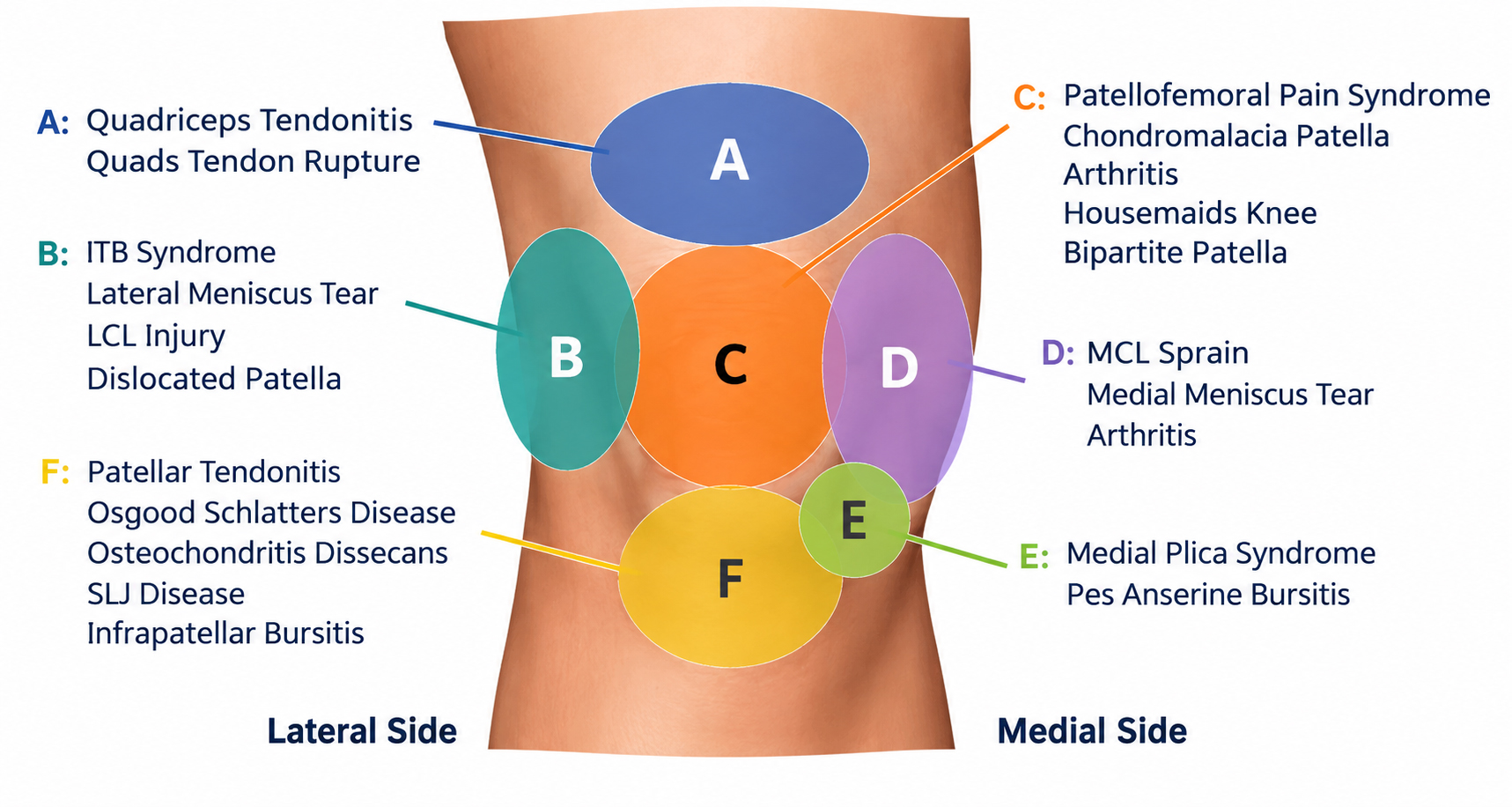
Knee Pain in Coburg
Knee pain is a common form of injury and can affect people of all ages [...]
Continue readingSep

Blog
Post-Surgery MLD Melbourne – Vodder MLD Therapist
Any form of surgery is an invasive procedure for the body to deal with, and [...]
Continue readingSep
Blog
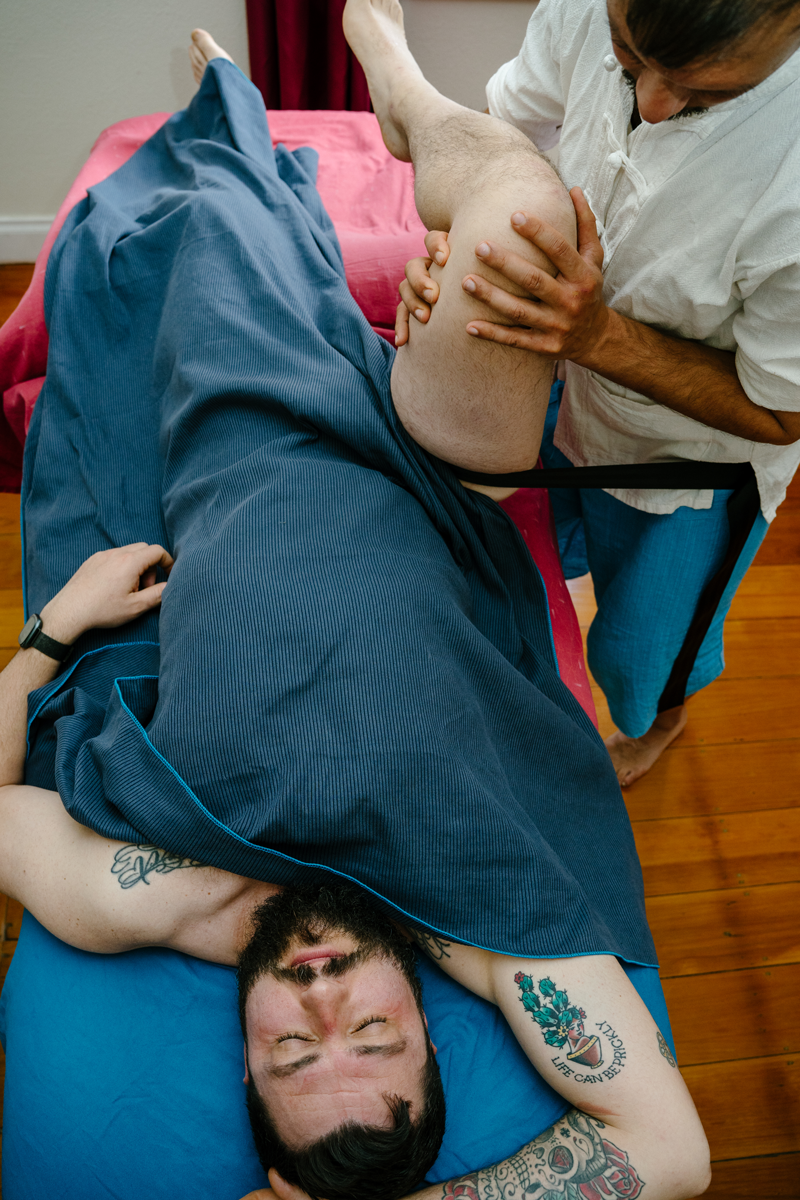
Hip Pain in Coburg: Causes, Symptoms & Treatment
In the many presentations I get to see here at Melbourne Massage and Treatment in [...]
Continue readingSep

Blog
Lymphatic Walking: Let Me Tell You Why It Is Another Trend
Lymphatic Walking is another trend that you really don’t need to overthink. But let me [...]
Continue readingAug

Blog
Shoulder Pain in Coburg: Myotherapy Can Help You
Shoulder pain is a common presentation I get to see and treat here at my [...]
Continue readingAug
Mar
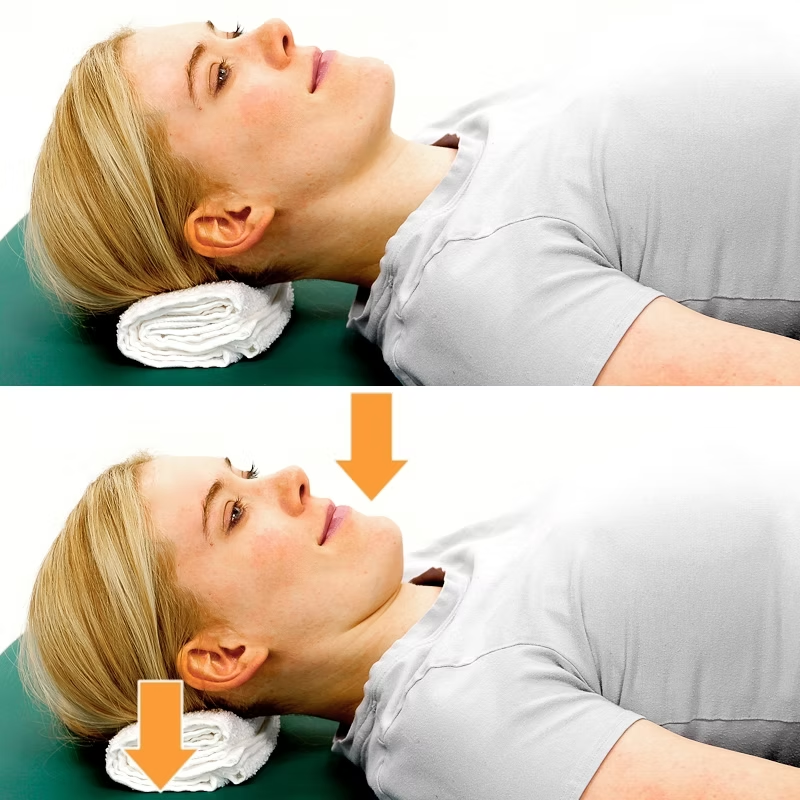
Neck pain is such a common presentation, and often I have to hear from my clients that it is due to them storing stress in their neck or shoulder. I can’t think of how many times I heard this, and how many times I than have to ask questions like: “When was the last time you did some neck-strengthening exercises or movement for your neck?” “If you work in an office, how many screens do you have in front of you, and which one do you look at more often?” “Have you ever had a whiplash? And if yes, have you done anything about it?” As you would imagine, the answers are anticipated by a moment of silence, thinking and then in order of question: “I never do neck strengthening exercises, at best I do some stretching”. “2 or 3 screens and I look at the one on one side most of the time”. “Yes, but it was xx years ago, and I haven’t done anything about it, as I was too young to care about it”. Now, I believe that those answers are already going to give you an idea of where that pain may come from. In fact, the neck isn’t just tight, it’s often weak and poorly controlled. To fix that, we need to understand how the neck actually works and how we can strengthen it. Why Neck Strengthening Matters (Mobility vs Stability) Each cervical spine is unique, and we can all present with different needs and capacities for movement. Indeed, a hypermobile person may find their neck to be really mobile and easy to twist and turn. Hypermobility, as discussed many times, is an advantage for flexibility, but it comes with the cons of joint weakness and a higher risk of joint injuries. So, when looking at the cervical area, we may notice that it sits at the top of the joint chain, meaning everything from your shoulders to your lower back influences it. Specifically, the cervical is made of 2 joint sessions: The upper neck (C1-C2) is built for mobility (turning, nodding) The lower neck (C2-C3) is built for stability (supporting your head) When that balance is off, you’ll often notice: Neck stiffness Headaches “Poor posture” (forward head position) Ongoing discomfort Fortunately, those statements are backed up by recent research that shows how strengthening deep neck muscles improves pain, posture, and neuromuscular control, especially when mobility and stability training are combined. Chin Tucks (Deep Neck Flexor Strengthening) Chin Tucks are simple and effective neck strengthening exercises that I often prescribe for neck pain. Let’s then look at a series of progressions for this type of exercise: Chin-Tuck in all four: Position yourself in all four, with hands under the shoulder, and knees under the hips You will be looking at the floor where you have placed an object, right between your hands. Now retract the chin, while you keep looking at the object between your hands. Release the chin and repeat. This version of chin tuck is ideal for: Early rehab. People with pain or poor control. Learning correct movement without compensation. Chin-Tuck in sitting or standing position: Sit or stand upright (standing is the ultimate progression). Gently pull your chin straight back (like making a double chin). Keep your eyes level. Anyhow, you are going to do these exercises, ensure to do them slowly, and take your time doing them. 4 to 5 second tempo. Why Chin Tuck Works for Your Neck Strengthening This exercise activates your deep cervical flexors, which are the stabilising muscles that support your neck. Those muscles can be defined as stabilisers as they go from the thoracic vertebrae to the upper cervical vertebrae, for the longus capitis, which originates in the lower portion of the cervical (C3-C6) and inserts at the basilar portion of the occipital bone. When these muscles are weak: Your head shifts forward Larger muscles overcompensate (SCM) Pain builds over time Isometric Neck Exercises (Build Stability in All Directions) Isometric exercises are an optimal exercise that places major focus on tendons and ligaments, and are ideal for acute symptoms and warm-up pre-training. How to do it: Place your hand on your forehead and gently push into it (no movement) Repeat on: Back of your head Left side Right side Hold each for 5–10 seconds Perform 5 reps per direction This form of exercise can be applied in any direction of movement, such as flexion, extension, lateral flexion, rotation and mixed movement, like flexion on the diagonal side. Why it works: Isometric exercises are applied to pain-free range of motions, so while you move and contract the tissues, you are not experiencing pain, your brain gets triggered to be safe while the body moves, and your musculoskeletal tissues get looked after as they get activated and contract. This would help in improving joint stability and control. Shoulder Shrugs – Let’s Make Those Muscles Work Shoulder shrugs are a simple but effective way to build neck stability through the upper trapezius, which plays a key role in supporting the cervical spine as part of the broader joint chain. How to do it: Take in your hands a pair of weights, or an elastic band, which would you make pass under your feet. Gently lift your shoulders up toward your ears, pause briefly, then lower them with control. Why it works: Shoulder shrugs exercise does work by placing shared-load capacity between the neck and shoulders, reducing the strain on the cervical spine. On the other hand, when working on the cervical joints, it is ideal to intervene also on joints that are muscle-connected to the cervical itself, by adding global muscular support, which is essential for everyday loads. How These Exercises Fit Into the Joint Chain Your neck doesn’t work alone. As mentioned in many other blogs, all the body’s joints are part of a bigger system, the joint chain of mobility and stability. Therefore, if you present with: Tight shoulders A stiff thoracic spine Lack of movement […]
Mar
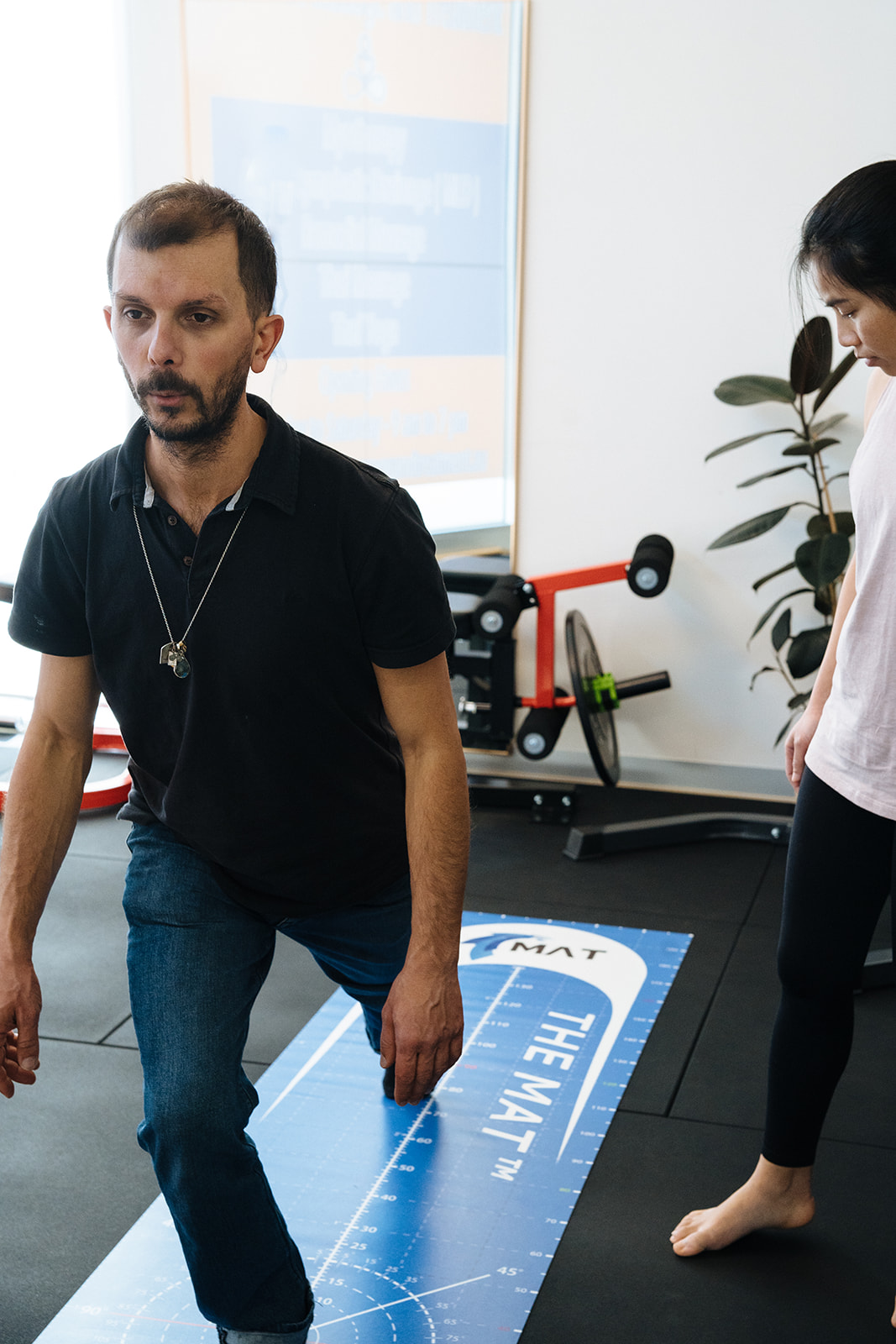
At Melbourne Massage and Treatment in Coburg, as a clinical Myotherapist, I am enthusiastic to offer 1:1 fitness class that aim to improve your wellbeing and body strength. And one thing that I will never stop surprising my clients with is that it is never too late to start working on their strengths, no matter their age, gender, and capacity. Whether you’re recovering from injury, managing persistent pain, navigating age-related changes, or simply want more energy and confidence, personalised fitness is transformative. Why Starting Now A 1:1 Fitness Class Matters? Strength Training Improves Physical Health at Any Age Have you ever heard an older person wishing to be weaker? No, don’t you? That’s why strength and resistance training aren’t just for elite athletes or bodybuilders; they’re essential for everyone. As we age, our body’s natural capacity to regenerate, including regenerating muscle mass and strength, bone density, and other body tissues, naturally declines, which can affect balance, mobility, fall risk, and independence. Resistance training reverses this decline and improves functional outcomes. A systematic review by Kashi K. S. et al. (2023) found that resistance training significantly improved muscle strength, physical function, and reduced symptoms of depression in older adults. Exercise Matters for Mental Health Too Exercises are not only the best way to maintain physical health but also have an immense impact on our mental health. And that is a 1:1 fitness class or a group class, regular exercises can really change how you feel within your head. Infact, we have plenty of evidence from Recent Research that looks into this: A review by Ayaz A. et al. (2026) highlights how aerobic, resistance, and mind-body exercise modalities have psychological benefits, from improved mood to reduced stress and anxiety. Study by Ma Y. and Mumtaz S. (2025) finds that structured exercise programs improve mental well-being by activating neurobiological and psychosocial pathways. Meta-analysis by Rossi E. (2024) showed that strength training has moderate and significant antidepressant effects in adults with depressive symptoms. So yes, your workouts aren’t just changing your body, but they’re changing your brain. Why 1:1 Fitness Classes Are Especially Effective While training is beneficial for everyone, for physical and mental health, personalised training, like a 1:1 fitness class, makes a huge difference, and here’s why: Training Tailored to You Everyone has different goals when starting a fitness journey, or while they are training, and everyone has different needs and capacities, on which the goal is shaped. Therefore, a 1:1 fitness class session allows for customised programming that matches your goals, health history, injury status, and movement patterns, which generic videos or crowded group classes rarely provide. Expert Guidance Prevents Injury At Melbourne Massage and Treatment, I am proud of the studies I done (a Bachelor in health science clinical myotherapy, and following courses like the KLT training) and the effort I put in place to improve my fitness and communication skills, which led me to offer a tailored program for any of my clients. For people with pain, past injuries, or chronic conditions, this is crucial. Motivation and Accountability I often come across clients who don’t feel confident enough in themselves, who don’t like the gym and think that strength training for them is not a thing. And that’s when I can’t stop thinking about how powerful it is to change their mind by showing them how a few minutes of well-done movement, either with or without load, can change everything. That’s when I get them in for Fitness Class here in Coburg, and I help them achieve their goals. Personalised Follow-up On top of a tailored 1:1 fitness class in person, what makes the difference in terms of service here at Melbourne Massage and Treatment, when I show some exercises, I will send you a PDF file with the picture and the description of the exercises, to ensure you will be bale to replicate those exercises anywhere you are ay your own time and comfort. Fitness Class Comes With An Added Bonus — Better Bone and Cardiovascular Health The action of lifting weights and lifting heavy is seen from your body as a positive stress, which creates a concatenation of benefits. Along those we find: Bone regeneration – increase of bone density Maintaining metabolic health Improving markers related to heart disease and diabetes Improve or maintain optimal equilibrium – poor equilibrium is the major cause of falls. And more… All the benefits a fitness class can deliver are crucial as we age. No one, as they age, wishes that their health gets more and more compromised, isn’t it? Start Where You Are — It’s Not About Perfection Whether you’ve never stepped foot in a gym before, you’re returning after an injury, or you’re trying to break a cycle of inactivity, the best time to start was yesterday. The next best time is now. It is never too late to start working on your strength, and this is the most important message I find myself passing on to my clients. The body can always adapt to load. And no matter if you have just started or you are a pro, you will always have to face some challenges. Therefore, start working on your mobility, improve the way your body can move, let’s than load it a little at the time, and build your own journey into wellbeing day by day, fitness class after fitness class. Final Thoughts You don’t need to be “fit enough” to start a 1:1 fitness class, and it’s absolutely never too late. Here’s the truth I’ve seen in across many clients: People in their 40s, 50s, 60s, and beyond see meaningful gains, both physically and mentally. Individualised guidance accelerates progress safely. Strength and structured exercise improve both quality of life and mental well-being. If you’ve been thinking about starting a fitness journey, come and talk to us at Melbourne Massage and Treatment, Coburg. For those who decide to commit to a change, a positive change, for their well-being, there are 5 or 10 class packages […]

Oct
In the world of fitness and wellness, stretching has long been hailed as a crucial component of any exercise regimen. But what if we told you that the benefits of traditional stretching might not be as clear-cut as we’ve been led to believe? At Melbourne Massage and Treatment in Coburg, we believe it’s essential to examine the science behind standard practices. Let’s dive into why the traditional notion of stretching might be more myth than fact. The Stretching Paradigm For decades, stretching has been touted as the go-to method for improving flexibility, preventing injury, and enhancing performance. From pre-workout rituals to post-exercise cooldowns, the idea is ingrained in our fitness culture. However, recent research suggests that many of these beliefs may lack substantial scientific backing. Limited Evidence for Injury Prevention One of the primary arguments for stretching is its role in preventing injuries. Yet, numerous studies have indicated that static stretching (holding a stretch for a period) before exercise may not effectively reduce injury risk. In fact, some research shows that static stretching can temporarily weaken muscles, potentially leading to decreased performance, especially in sports requiring strength and power. Flexibility: A Double-Edged Sword While flexibility is important, excessive stretching can sometimes lead to hypermobility, which can be just as problematic as tightness. Hypermobile individuals may experience joint instability, increasing their risk of injury. Instead of focusing solely on stretching, a balanced approach that includes strength training and stability work may offer a more effective solution. The Case for Dynamic Movement Instead of traditional stretching, consider incorporating dynamic movements into your warm-up. Activities like leg swings, arm circles, and bodyweight exercises can effectively prepare your muscles for activity without the potential drawbacks of static stretching. Dynamic movements increase blood flow and activate muscles, leading to better performance without the risk of overstretching. If you are not sure what movement fit your needs, think about what exercises or sports acitiviy you are about to perform. An example would be a soccer match. Soccer involve running, quick change of direction, hip flexion and more lower body work. So what about doing some calf raises to warm up your calf muscles, which are going to be ready to make your run? Go for some squats that can focus on glute activation and quods activation, based on the type of squat that you are performing. Lunges that would ensure your quods warm up and your knees take some load. Plyometrics are a good way to warm up, too, such as skipping the rope or explosive squat. The Role of Massage and Other Therapies At Melbourne Massage and Treatment, we emphasize the benefits of massage therapy, myofascial release, and other treatments that promote muscle recovery and relaxation. These techniques can enhance flexibility and range of motion without the risks associated with excessive stretching. By addressing muscle tension and improving circulation, these therapies can provide a holistic approach to wellness. Tendons and Ligaments: The Stretching Sensitivity Tendons and ligaments are essential components of our musculoskeletal system, providing stability and support to our joints. Unlike muscles, which are designed to stretch and contract, tendons and ligaments are less pliable and don’t respond well to excessive stretching. When stretched beyond their natural limits, they can become overstressed, leading to micro tears or even injury. This lack of elasticity is why it’s crucial to approach flexibility with caution—overstretching can compromise the integrity of these structures, increasing the risk of strains and sprains. Instead of focusing on prolonged stretching, prioritizing strength and stability can help maintain healthy tendons and ligaments, ensuring that your body remains resilient and injury-free. What indeed our tendons and ligaments prefer as a form of activation are the isometric exercises. Conclusion While stretching may have its place, it’s crucial to question its effectiveness as a one-size-fits-all solution. Instead of defaulting to stretching, consider a more integrated approach that combines dynamic movement, strength training, and bodywork therapies. At Melbourne Massage and Treatment in Coburg, we’re here to help you develop a personalized plan that prioritizes your health and well-being, and to start your journey book now a 15 minf free consultation for a treatment plan. Remember, wellness isn’t about following trends; it’s about finding what truly works for your body. Let’s move beyond the myths and embrace a more science-backed approach to fitness and recovery. FAQ Q: Why has stretching been considered important in fitness for so long? A: Stretching has been viewed as essential for improving flexibility, preventing injuries, and enhancing athletic performance, leading to its widespread adoption in pre- and post-workout routines. Q: Is there scientific evidence supporting the claim that stretching prevents injuries? A: Recent research indicates that static stretching before exercise may not effectively reduce injury risk. In fact, it can temporarily weaken muscles, potentially decreasing performance, especially in strength and power sports. Q: Can excessive stretching be harmful? A: Yes, excessive stretching can lead to hypermobility, which may cause joint instability and increase the risk of injury. A balanced approach that includes strength training is often more beneficial. Q: What are dynamic movements, and why are they preferred over static stretching? A: Dynamic movements, such as leg swings and arm circles, effectively prepare muscles for activity by increasing blood flow and activating muscles. They help improve performance without the drawbacks associated with static stretching. Q: How can I warm up effectively for specific sports? A: Tailor your warm-up to the activity. For example, before a soccer match, you might include calf raises, squats, and lunges to activate the necessary muscle groups and prepare your body for movement. Q: What role does massage therapy play in fitness and recovery? A: Massage therapy and myofascial release enhance muscle recovery and relaxation, improving flexibility and range of motion without the risks of excessive stretching. Q: How do tendons and ligaments respond to stretching? A: Tendons and ligaments are less pliable than muscles and can become overstressed when stretched excessively. This can lead to microtears or injury, making it important to approach flexibility with caution. Q: […]

Oct
As a clinical myotherapist who sees clients regularly seeking help for injuries and chronic pain, which are often related to sports or gym injuries, if there is one thing that I never stop telling my clients, it is: Before you start lifting weights, look into your mobility capacity. In this blog, I will run through the concept of Mobility Joint, Stability Joint and Strengthening. This is the order in which anyone who is interested in their well-being and sport performance should approach their physical activity. Therefore, Mobility is the degree to which a joint can move before being restricted by surrounding tissues. Not all the joints taught are considered mobility joints. Indeed, some are considered stable joints. The Mobility and Motility Joints Theory As it is clear now, the body is made of two types of joints when we look at their functionality and not conformity. Starting from the big toe joint and moving up the body to the upper cervical joints, we can count one by one a mobility joint alternating with a stability joint. So this would be like this: Big toes – Mobile Metatarsal – Stable Ankle – Mobile Knee – Stable Hip – Mobile Lumbar -Stable Thoracic – Mobile Lower Cervical (C3-C7) – Stable Upper Cervical (C1-C2) – Mobile Shoulder (AC joint) – Mobile Elbow – Stable Wrist – Mobile Hand Tarsal – Stable Fingers – Mobile Basic Differences Between Mobile and Stable Joints Mobile joints move in more planes than stable ones Stable joints are designed to prioritise support Mobile joints are more prone to dislocation, given their more exposed structure, and this is more likely when muscles surrounding those joints are weak The body’s optimal movement is a balance between mobile and stable joint individual capacities. What to Train First? If we are planning to start a fitness journey, for whatever reason, the first thing I always suggest to my clients is to check and evaluate their mobility. This can be done with a few simple tests, and improved (to a maximum extent, which is different for each individual) with mobility exercises. Indeed, someone may present with a restricted capacity at their mobile joints, as their natural consistency of ligaments is really stiff. This is what we call someone hypomobile. On the other hand, the opposite presentation would be hypermobility. Two individuals who present with those basic capacities of movement would need to start with a different approach to training, and possibly, even along the way, two different ways to warm up, before they start to lift heavy. Beighton Score – Let’s Look Into Your Mobility Capacity When I want to assess a client’s capacity for mobility, or overall hypomobility, I use the Beighton Score, where each joint that we test can refer to 1 point if it responds with hypermobility (maximum 9 points): Passive dorsiflexion of the middle or index finger >90° 1 point each side (2 points total) Passive thumb apposition to the forearm Thumb can touch the forearm 1 point each side (2 points total) Elbow hyperextension >10° 1 point each side (2 points total) Knee hyperextension >10° 1 point each side (2 points total) Forward flexion of the trunk with knees straight Palms flat on the floor (1 point) Interpretation: 0–3 points: Generally considered within normal mobility range 4–5 points: Increased joint laxity (depends on age, sex, and population) ≥6 points: Generalised joint hypermobility (commonly used threshold in adults) What to be aware of: One thing to be aware of when using this test is that the Beighton Score measures laxity, not necessarily functional mobility. Someone can score high but still have poor movement control or stability in other specific joints (for example, lack of thoracic rotation). Therefore, as a clinical myotherapist, I do combine this test with: Active ROM assessment Strength testing Joint control/stability tests Functional movement screening (squat, lunge, overhead movement) How To Improve Your Mobility? In order to improve mobility, we need to focus on mobility exercises. Often these types of exercises are simple and possible to do in any environment. A basic example would be opening the book for thoracic rotation or a cat and cow for spine flexion and extension. Other mobility exercises include the ankle passive dorsiflexion on an inclined plane. The aim of these exercises is not to cause inflammation and tissue growth, but to stimulate your joints to get to a greater range of motion. That said, in an adult, it is not always possible to reach optimal mobility because of some bone prominences or previous injury. So we do our best to get to where we can, and we work with that. Mobility exercises can be practised daily, and for those who are hypomobile, it would probably become a mandatory warm-up routine, pre-heavy lifting. If Mobility Is Not The Issue, The Next Step Is Stability Training If mobility is not a limitation, then we can start looking into training your stability joints. Training the stability joint is not a direct training of the joint per se, but it is the strengthening of the muscle that cuts across that joint. So let’s use the knee as an example. The knee joint is considered a stable joint; indeed, it is capable of mainly 2 direction movement: flexion and extension (from a flexed pose). There is some rotation, but it’s really limited. Now, in order to train its stability, we want to put effort on the quads muscles, on the hamstrings, and on the calf muscles. In this last case, specifically the gastrocnemius. Indeed, all those muscles or muscle groups originate and insert on the opposite side of the knee position when looking at its longitudinal line. Indeed, they all originate proximal to the knee and insert distally to the knee. This ensures the knee is wrapped within those muscle fibres, and its ligaments, ACL, PCL, MCL, LCL, are supported in their job, especially if lax or even missing. An effective and easy way to train those muscles is: Quad curl for quadriceps […]