

Cosmetic surgeries have become increasingly common, with procedures such as liposuction, tummy tucks, facelifts, and breast augmentations helping people achieve their desired aesthetic goals. However, while the surgical aspect gets most of the attention, what often goes under-discussed is the importance of post-operative care, especially Manual Lymphatic Drainage (MLD) in promoting faster, smoother recovery and reducing the risk of ending with fibrosis tissue build up underneath the skin. What Is Manual Lymphatic Drainage (MLD)? MLD is a gentle, rhythmic massage technique designed to stimulate the lymphatic system and encourage the natural drainage of lymph fluid. The lymphatic system plays a crucial role in immune function and fluid balance. After cosmetic surgery, lymphatic flow can become disrupted due to inflammation, surgical trauma, or temporary damage to lymph vessels. While the first few days post-surgery are dedicated to acute recovery and the taking of Antibiotic to reduce the risk of infection post-surgery, as soon as this risk is passed, that’s when you want to start your MLD journey. Why Is MLD Important After Cosmetic Procedures? Cosmetic surgeries often cause swelling, bruising, and fluid accumulation (known as seroma or edema). This is due to the body reacting to an invasive procedure and removing tissue beneath the skin. MLD helps: ✅ Reduce post-surgical swelling ✅ Accelerate the removal of metabolic waste and excess fluid ✅ Improve skin texture and reduce fibrosis (hardened tissue) ✅ Speed up visible results by enhancing contour definition ✅ Decrease discomfort by reducing pressure from trapped fluids As with any surgery, when lymphatic drainage massage is applied, no pain is to be experienced. While I treat someone with MLD I always pass this information up front, to ensure that if they experience any type of pain, I get told about it, so that I can go lighter with pressure. Which Procedures Benefit Most from Lymphatic Drainage? MLD is commonly recommended after: Liposuction (including 360 lipo or Brazilian Butt Lift – BBL) Tummy tucks (abdominoplasty) Facial surgeries (rhinoplasty, facelifts, blepharoplasty) Breast augmentation or reduction Body contouring procedures As a Lymphoedema therapist, I do get surgeons referring me patients to assist them with post-op management, especially when swelling or fibrosis is a concern. When Should You Start Lymphatic Drainage? As briefly explained above, the ideal time to begin MLD is as soon as you stop your antibiotic cycle, and is your surgeon or GP call to when you are safe to do so. On the other hand: Typically, MLD is started 3 to 5 days post-surgery, once acute inflammation has settled and the incision sites are closed or protected. A full course may include 6–10 sessions spaced out over a few weeks for optimal results. Always follow the advise of the surgeon about post surgery, but, when you safe to do, the more movement we add to Lymphatic Draiange, the better the recovery would go. Is MLD Safe post-cosmetic surgery? When performed by a qualified lymphatic therapist, lymphatic drainage is non-invasive, safe, and effective. It’s gentle enough for delicate post-op tissue and can significantly improve comfort and healing time. My qualification in Lymphatic Drainage was done with the Vodder Academy whicg holds the gold standards for MLD practice, and is worldwide well known for the quality of their practice. On the other hand, I also hold a qualification in Clinical Myotherapy, which allows me to help people recover from injury and stick to their fitness goals via training and exercises. When Can I Book My Appointment for Post-Cosmetic Surgery Recovery? My studio, Melbourne Massage and Treatment, is located in Coburg. I work Monday to Saturday, and to book an appointment, you can just head online to the booking page and choose the best time/days that work for you. Given the number of session needed for this type of work, I always suggest to book a series of session in a raw, from to 3 session per week for the first 2 weeks. Session by session we do evaluate together the progress, and chose together what’s the next step. If you have any questions, please do not hesitate to contact me. FAQs – Cosmetic Surgery & Lymphatic Drainage
Tag Archives: fitzroy
Blog
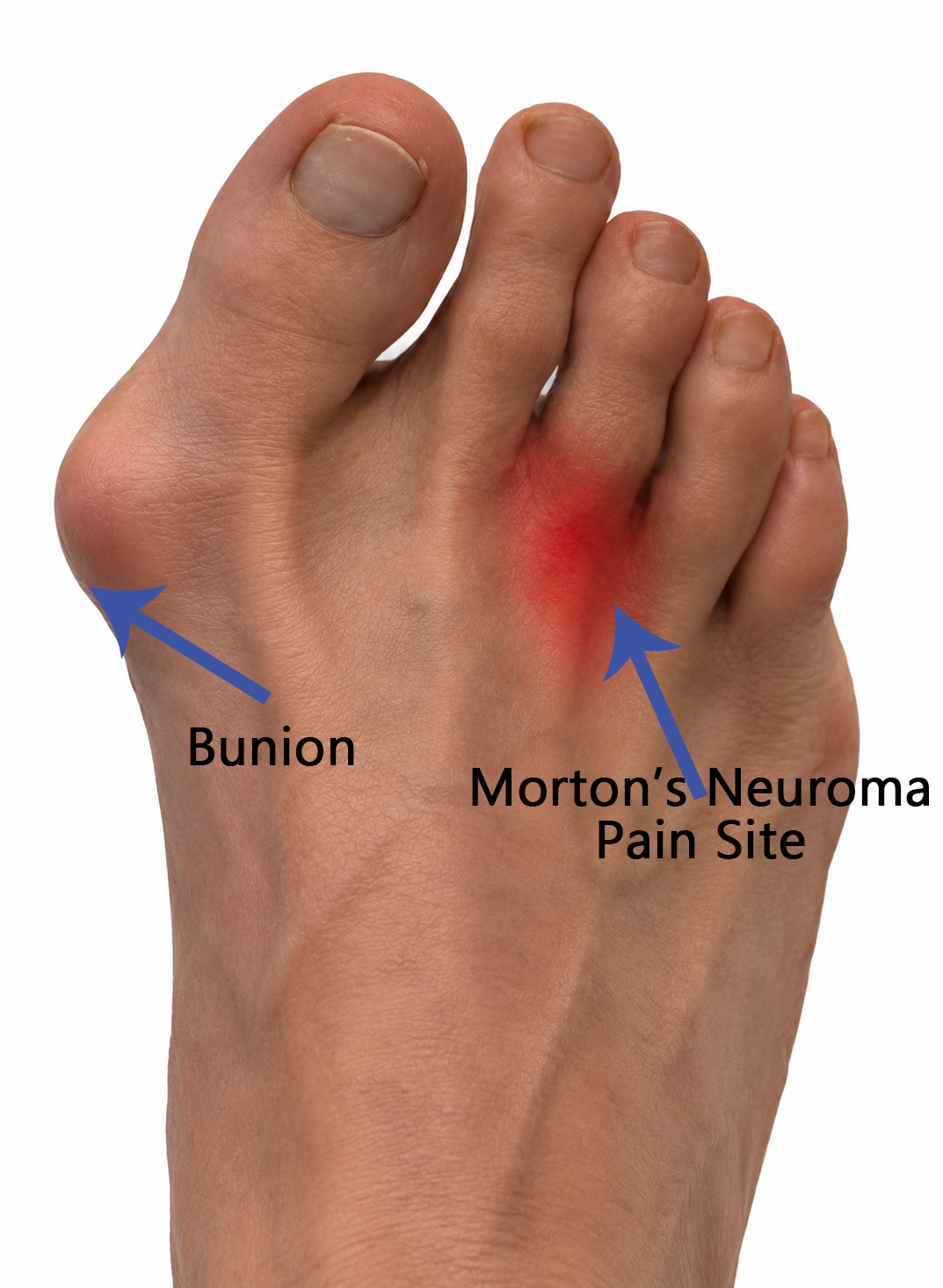
Bunion and Morton’s Neuroma: Can a Bunion Affect Neuroma Recovery?
While a bunion and a Morton’s neuroma are two different foot conditions, if they are [...]
Continue readingSep
Blog
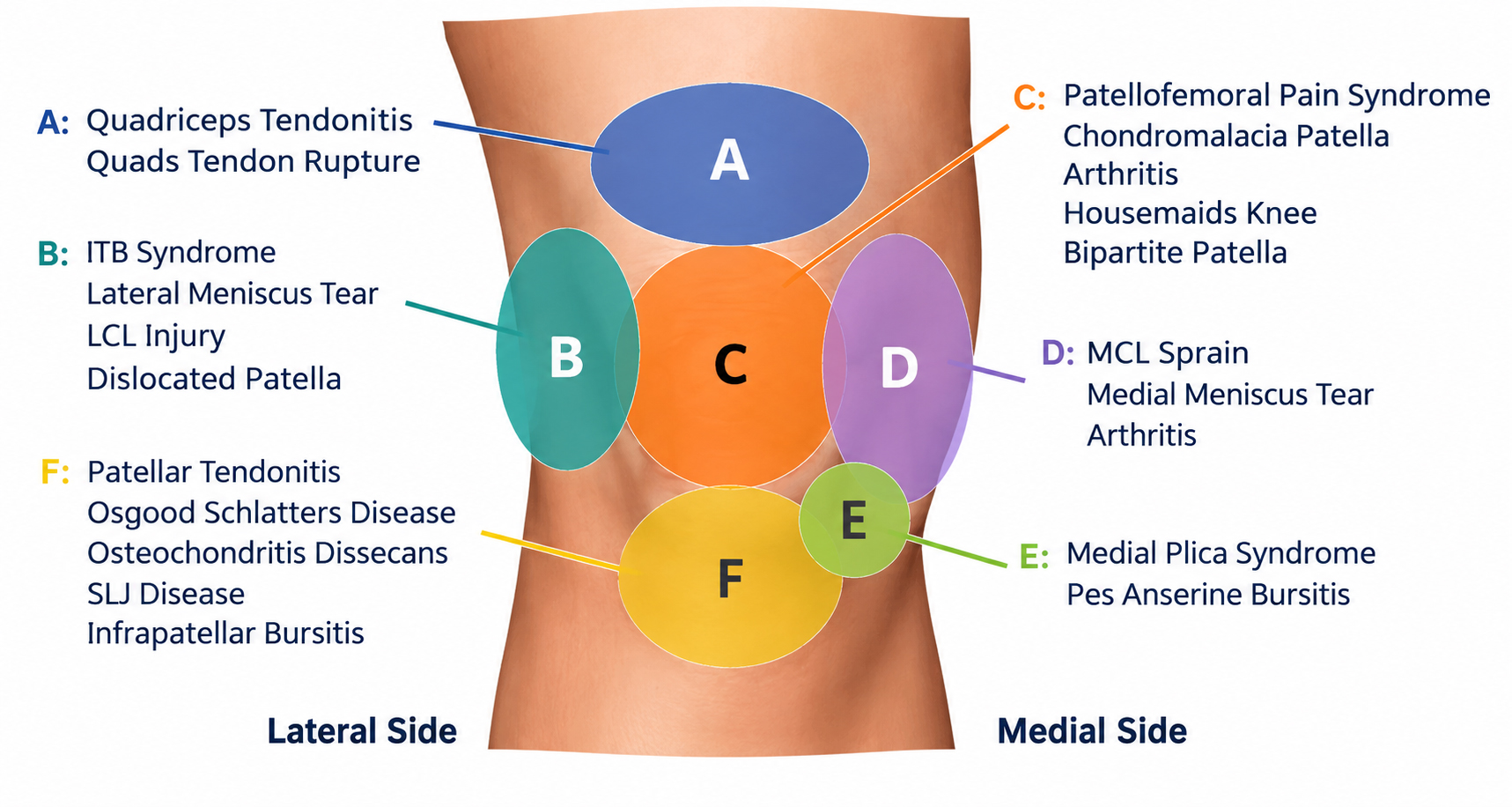
Knee Pain in Coburg
Knee pain is a common form of injury and can affect people of all ages [...]
Continue readingSep

Blog
Post-Surgery MLD Melbourne – Vodder MLD Therapist
Any form of surgery is an invasive procedure for the body to deal with, and [...]
Continue readingSep
Blog
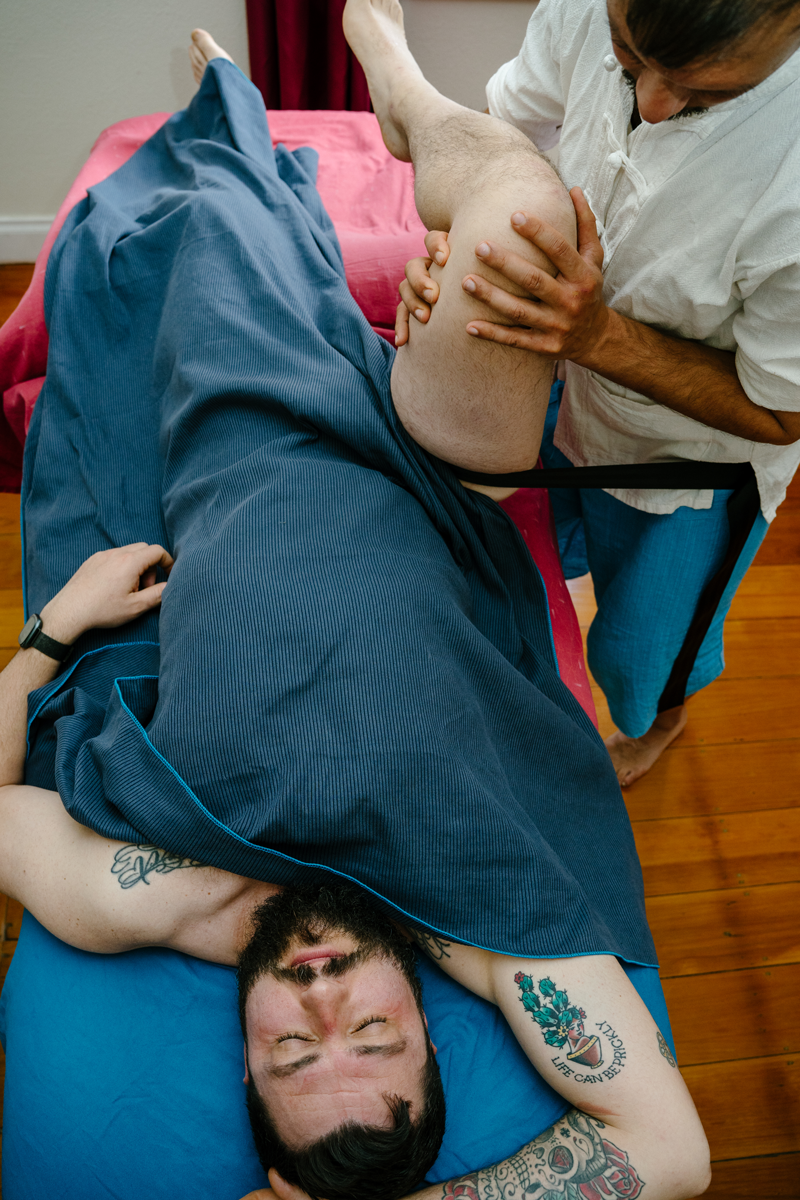
Hip Pain in Coburg: Causes, Symptoms & Treatment
In the many presentations I get to see here at Melbourne Massage and Treatment in [...]
Continue readingSep

Blog
Lymphatic Walking: Let Me Tell You Why It Is Another Trend
Lymphatic Walking is another trend that you really don’t need to overthink. But let me [...]
Continue readingAug

Jun
Bone fractures are a common injury, but with proper care and rehabilitation, bones can heal and regain strength. Strength exercise is a crucial component of this healing process, aiding in bone regeneration and restoring mobility and function. How can a bone fracture? Bones can fracture when placed under a load or force that they can’t tolerate. The load tolerance is subjective, person to person, and can vary based on the individual medical presentation and clinical history. Age it is only a circumstance that at the current moment in our society is seen as an increase the chance of fracture, but if we learn to age by keeping our feet via strength training, age would not be anylonger a risk component. Indeed, during the aging process, the bone can become weaker if not stimulate to positive stress, such as load active loads. The less load they received, the less the bone would keep regenerating, due to a slower metabolism. Therefor, as explained in other blogs, strength training is a key to longevity and better health. How can bone fractures heal? When a bone fractures, the body initiates a complex healing process involving several stages: Inflammation: Immediately after the fracture, blood clots form, initiating the healing process. Soft Callus Formation: Fibrocartilaginous tissue begins to bridge the fracture gap. Hard Callus Formation: The soft callus is replaced by a hard bony callus made of woven bone. Remodelling: The bone gradually remodels into its original shape and structure. This process can take several weeks to months, depending on factors like age, overall health, previous clinical history, medication intake and the severity of the fracture. Even though there is nothing that can speed up the recovery, as this is a body’s natural process, there are things that can be done to assist the recovery and ensure that the healing happens as smoothly as possible. Exercises are one of those factors that are part of the healing journey, but have to be incorporated under supervision, to ensure not to aggravate the presentation. The Role of Exercise in Bone Regeneration As mentioned above, and in other blog exercises, specifically strengthening exercises are a positive load for the body tissues, including bone, which can help stimulate the regeneration of those tissues. Obviously, different phases of healing require and can accept different types of strength exercises. So yes, you would not start with a single-leg jump on a broken tibia Stimulates Bone Formation: Mechanical stress from exercise promotes osteoblast activity, leading to new bone formation. Enhances Strength and Flexibility: Regular movement prevents joint stiffness and muscle atrophy. Improves Balance and Coordination: Reducing the risk of future falls and fractures. A systematic review by Kuijlaars et al. (2019) highlighted that physical therapy exercises, whether home-based or supervised, significantly improve functional mobility and strength post-fracture. Recommended Exercises for Recovery At Melbourne Massage and Treatment, I offer assistance with bone fracture recovery exercises throughout the Myotherapy and Fitness class treatment plan. What I would focus on, too, when aiming for recovery, would be: Weight-Bearing Exercises: Including walking or gentle jogging (if we are talking about lower limb injury), to stimulate bone growth; Resistance Training: Using bands or light weights to strengthen muscles supporting the bone, or the joint to which the bone is attached. Flexibility and Balance Exercises: Again, using weights and machinery, we aim to strengthen the muscles that control your overall equilibrium and stability to prevent further falls and reduce the risk of injury. Plyometrics which is most often towards the end of a recovery process from anytype of injury, where we focus on motion that are more close to return to daily activity, and we load your tendon as springs, as per can be doing jumping on the spot or repetitive explosive motions with arms. Clinical Evidence Supporting Exercise in Recovery from Bone Fractures Research, as already mentioned in the Kuijlaars et al. (2019) systematic review, shows the benefits of incorporating exercise into fracture rehabilitation, and below we look into more details about what exercises have to offer in terms of recovery: Improved Healing Rates: Patients engaging in structured physical therapy often experience more robust bone healing (Song, 2022). Reduced Complications: Regular movement decreases the risk of complications like deep vein thrombosis or joint stiffness (Ruan et al., 2023). Enhanced Quality of Life: Maintaining physical activity levels improves overall well-being and independence (Mahindru et al., 2023). What to consider when doing exercises post-bone fractures. While exercise is beneficial, it is always important to approach the recovery process with care: Follow Medical Advice: Always adhere to the guidelines provided by healthcare professionals. Avoid Overexertion: Pushing too hard can hinder healing or cause re-injury. Going hard or going home is not how recovery works. Monitor Pain Levels: Some discomfort is normal, but sharp or persistent pain should be addressed immediately. Pain-wise, on a scale of 0 to 10, we usually aim to get you to experience a comfortable discomfort, based on your worst pain experienced as a maximum threshold. Recovery from an injury, including a bone fracture, is a personal journey, and therefore is unique to everyone, in terms of how quickly it can be and what considerations to take into place during the exercise recovery. FAQs – Bone Fractures Recovery and Strength Training 1. How do bones fracture?Bones can fracture when exposed to forces they cannot tolerate. This tolerance varies from person to person, depending on factors like health history, bone density, and physical condition. While age is often seen as a risk factor, it’s more about reduced activity levels. With consistent strength training, the risk of fractures can be lowered significantly, regardless of age. 2. How does a fractured bone heal?Bone healing occurs in four key stages: Inflammation: Blood clots form to protect and initiate healing. Soft Callus Formation: Fibrous tissue bridges the fracture. Hard Callus Formation: New bone begins forming. Remodelling: The bone reshapes to its original form.This process varies in duration based on the severity of the fracture and individual health factors. 3. Can exercise speed […]

Apr
Menopause is a natural phase in every woman’s life, but it comes with a variety of physical, emotional, and mental challenges. As hormone levels shift, particularly estrogen, progesterone, and testosterone, many women experience symptoms like hot flashes, mood swings, sleep disturbances, and weight gain. Fortunately, for managing menopause symptoms, various lifestyle changes can be put in place, such as exercise, a balanced diet, improved sleep hygiene, and stress management techniques. In this blog, we will explore how adopting a healthier lifestyle can significantly improve your menopausal experience. Exercise and Physical Activity For Managing Menopause Symptoms Exercise is again the best recommendation for health improvement that can be offered here. Of course, implementing exercises alone without following any other changes or advice (where needed) is not going to do the trick. But let’s start from here. Exercises can improve overall health and have specific benefits that help ease common issues like weight gain, mood swings, and hot flashes. But not only that. Indeed, exercises, and in particular strength training, are positive stress, which allows the body to regenerate and ensure the slowing down of bone and muscle mass, which is one of the main issues that a woman going through menopause is going to face. Here is a list of exercise routines that you could focus on. But keep in mind that if you really want to choose, I would strongly suggest Strength Training. Aerobic Exercise:Walking, swimming, cycling, or jogging would help in improving circulation, promote heart health, and relieve stress (for the last one, especially if done in open-air environment). Regular aerobic exercise has also been shown to reduce the frequency and intensity of hot flashes. Plus, it aids in weight management, especially during menopause when metabolism slows. Strength Training:Engaging in strength training exercises, such as weightlifting or resistance band workouts, helps preserve muscle mass and improve bone density, which decreases as estrogen levels decline. This is essential for reducing the risk of osteoporosis and maintaining strong bone and muscle mass. Yoga or Pilates:Both yoga and Pilates are great for improving flexibility, balance, and muscle strength while reducing stress and anxiety. These low-impact exercises help maintain your physical health and mental well-being, both of which can be affected by hormonal fluctuations during menopause. Tai Chi or Qigong:These ancient practices involve slow, deliberate movements and deep breathing. They are excellent for enhancing balance, reducing stress, and promoting relaxation—especially helpful for managing mood swings and anxiety. Eating an Anti-Inflammatory Diet A nutrient-rich diet can significantly help in managing menopause symptoms. By incorporating specific foods and avoiding certain triggers, you can reduce inflammation, balance hormones, and support your body’s needs during this transition. Phytoestrogens:Phytoestrogens are plant-based compounds that mimic estrogen in the body and can help alleviate symptoms like hot flashes and night sweats. Foods rich in phytoestrogens include soy products (tofu, tempeh, edamame), flaxseeds, lentils, chickpeas, and whole grains. Calcium and Vitamin D:As estrogen levels decline, the risk of bone loss and osteoporosis increases. To support bone health, incorporate calcium-rich foods such as leafy greens (kale, broccoli, sesame seeds), fortified plant-based milks, and dairy products. Vitamin D is crucial for calcium absorption, so get it from sun exposure or foods like fatty fish (salmon, mackerel) and fortified foods. Vitamin D is cumulative, so during the longer days of the year, ensure to spend some extra time in the sun. But of course, do so during the safest hours and not at UV light pick time. Regarding Vitamin D and Calcium supplements, there is a strong debate about whether they are good or what potential side effects they have, so you’d better talk to your GP about the specifications. Healthy Fats:Omega-3 fatty acids found in fatty fish, flaxseeds, chia seeds, and walnuts have anti-inflammatory properties that can help reduce joint pain and inflammation during menopause. These healthy fats also support heart health, which is increasingly important as estrogen levels drop. Whole Grains and Fibre:Fibre helps stabilise blood sugar levels and improves digestion, which can be helpful as metabolism slows. Incorporate fiber-rich foods like whole grains (brown rice, oats, rye), fruits, vegetables, and legumes to support digestive health and reduce bloating. In the case of beans and grain, ensure that they are soaked when needed to reduce the bloat side effect. Limit Sugary and Processed Foods:Foods high in sugar and processed carbs can cause blood sugar spikes and crashes, leading to irritability and fatigue. This is where having a variety of fresh food is a key component. So yes, no one wants you to overstress about what you eat or not, but, generally speaking, if you have never looked into a balanced anti-inflammatory diet, it is time to do so. Reducing Alcohol and Inflammatory Foods Both alcohol and inflammatory foods can exacerbate menopause symptoms, so limiting or avoiding them can provide significant relief. Limit Alcohol:While alcohol might seem like a way to unwind, it can actually trigger hot flashes, disrupt sleep, and contribute to mood swings. Moderation is key—try limiting your alcohol intake to no more than one drink per day, and if possible, reduce it further to see if it improves your symptoms. Alcohol is a substance that the body does not recognise, and it has quite a hard time breaking it down. Avoid Inflammatory Foods:Highly processed foods, refined sugars, and trans fats can increase inflammation in the body and worsen menopause symptoms like joint pain, fatigue, and mood swings. Instead, focus on anti-inflammatory foods such as berries, leafy greens, fatty fish, and nuts to support your body during this phase. Inflammatory foods are all those that contain Omega-6 fatty acids, which are long-chain fatty acids, that would get collected in your Lymphatic System at first, and attacked by the macrophages (white cells), inciting an inflammatory response. Caffeine:Excessive caffeine can disrupt sleep and worsen hot flashes. If you find that caffeine aggravates your symptoms, consider reducing your intake or cutting back on coffee and other caffeinated beverages, especially in the afternoon or evening. Here is a great podcast from ZOE podcast about […]
Sep
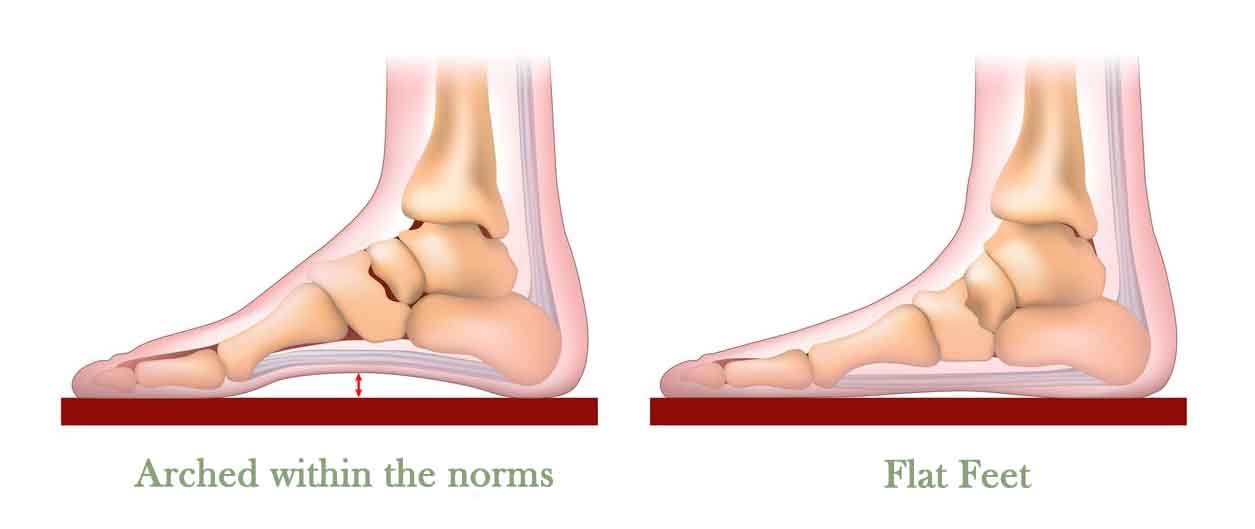
Fallen arches, or Flat Feet, are often misunderstood and can be a source of concern for many. However, as a Clinical Myotherapist, I want to reassure you that flat feet are not inherently problematic. In fact, they can be pretty standard and, in many cases, don’t require any treatment at all. Let’s learn why. Understanding Flat Feet (FF) When the feet’ arch presents as flat, what is occurring is a flat foot, resulting in the entire sole of the foot making contact with the ground. What you may not have noticed yet is that this presentation can be triggered by being on your feet, as in standing on it, and not by lying down or in a seated position with the feet off the ground. This is what we would call structural FF. What are Structural Flat Feet? Structural FF also known as rigid FF , involve an anatomical abnormality where the arch does not form properly. This “malformation” could be caused by genetic factors or developmental issues. What the arch would look like is lower than usual or absent entirely, which is often a lifelong condition. Now, despite their appearance, structurally flat feet are less likely to lead to pain or discomfort. The body, indeed, as it is a functional bio-machine, would easily adapt well to this anatomical variation, and many people with structural flat feet can lead active and healthy lives without any special interventions. Different is the anatomical presentation for functional flat feet, and let’s see why. Functional Flat Feet Functional FF on the other hand, result from how the foot functions rather than an inherent structural issue. In this case, the foot arch may appear flat when standing or walking due to excessive strain or an imbalance in the muscles and tendons that support the arch. When the foot is not bearing weight, the arch may appear normal. Potentially, you could also have one flat foot and one that isn’t when having a functional presentation. This is a common one for those who suffer from structural scoliosis. The main reasons why you may present with functional FF is due to muscle Imbalance, within the foot and ankle. This might be due to overuse, poor posture, or repetitive stress. Other reasons include conditions such as overpronation or excessive weight. Addressing these underlying issues can often alleviate the problem. What can be done for Functional Flat Feet? Changing in foot wear, could be an option. Based on the activity that you are doing on a daily basis life, certain types of footwear may help more than others. Orthotics, which are custom or over-the-counter arch supports, can provide temporary relief and improve function, but these often are over-estimated tools that get prescribed at random. Exercises: Strengthening exercises for the feet and lower legs can help improve muscle balance and support the arch, reduce the pain and improve motor function. In some cases, as explained in this study by Sanchez-Rodriguez et al. (2020), exercises can change the shape of the feet for the better if the intervention is done at an early age; in others, it can help maintain the feet pain-free. When Should You Worry? Most people with flat feet experience no symptoms, and if that’s the case, you do not need to worry about changing the presentation, as it could lead to pain and discomfort. If you are experiencing pain, on the other hand, is worth it to consult an health care practitioner, that can be a podiatrist, or book an appointment at Melbourne Massage and Treatment, where we are going to evaluate if the pain is due to the flat feet it self, or to other conditions such as plantar fasciitis, shin splints, or other pathologies. The Bigger Picture It’s essential to remember that FF are just one of many variations of normal foot anatomy. They do not necessarily indicate a health problem or affect your overall well-being. For most individuals, flat feet are simply a characteristic of their body and do not require any special treatment. In conclusion, whether you have structural or functional flat feet, it’s essential to focus on how you feel and function rather than the appearance of your feet. In many cases, flat feet are perfectly normal and do not pose any significant health risks.
Aug
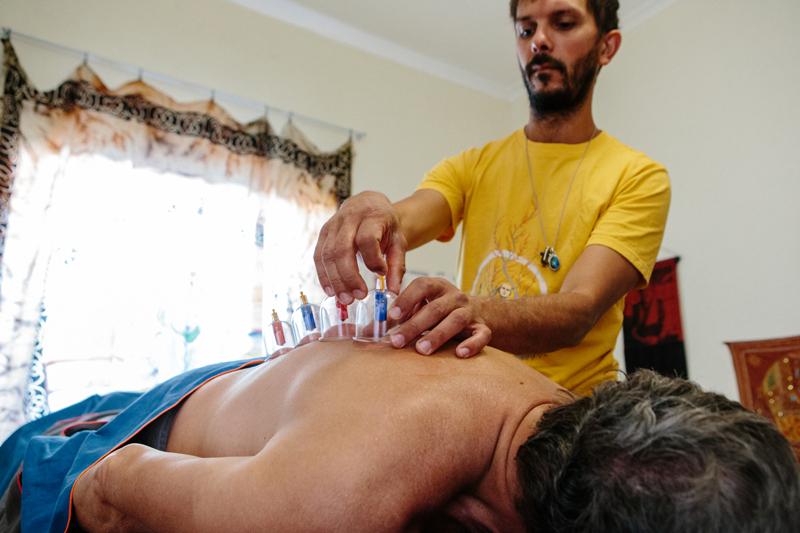
At Melbourne Massage and Treatment, we specialise in providing tailored remedial massage therapies designed to alleviate chronic pain. These therapies are meticulously designed to target the root causes of pain, fostering relief and recovery through specialised techniques. Our expert therapists are committed to assisting individuals in reclaiming their comfort and mobility, paving the way for a healthier, more active lifestyle. Key Takeaways: Tailored Approach: Each treatment is customised to address specific pain areas, enhancing effectiveness. Professional Expertise: Our therapists are highly trained in a variety of techniques to offer optimal relief. Holistic Benefits: Beyond pain relief, enjoy improved mobility and reduced stress. The Power of Remedial Massage Remedial massage is not just about relaxation; it’s a potent therapeutic tool for chronic pain management. By manipulating the soft tissues of the body, remedial massage helps in breaking down knots and improving blood circulation. This process not only alleviates pain but also enhances the healing process of the muscles and tissues. For individuals with conditions like arthritis, fibromyalgia, and back pain, a regular remedial massage can be a cornerstone of effective management. How Remedial Massage Works Pain Relief: Through techniques such as kneading and pressure, remedial massage relieves muscular tension and pain. Improves Circulation: Enhanced blood flow aids in faster recovery of sore, overworked muscles. Increases Mobility: Regular sessions help in restoring flexibility and range of motion. Addressing Chronic Pain Conditions with Remedial Massage Remedial massage not only provides immediate relief but also long-term benefits to those suffering from chronic pain conditions. By focusing on specific areas of tension and imbalance within the muscular system, remedial therapy can significantly alleviate the symptoms associated with chronic musculoskeletal conditions. For individuals dealing with repetitive strain injuries or postural problems, remedial massage provides essential relief that is both healing and preventive. By increasing tissue elasticity and fluidity, the therapy ensures less tension in the muscles, which is often the root cause of ongoing pain and stiffness. Individualised Treatment Plans Our approach at Melbourne Massage and Treatment is deeply rooted in understanding the unique conditions and needs of each client. During the initial consultation, our therapists perform a thorough assessment to determine the most effective treatment strategy. This personalised plan is aimed at not only addressing the pain but also at promoting recovery and preventing future issues. Each session is adapted to progress with the client’s recovery, ensuring the most beneficial outcome. Techniques and Therapies Remedial massage incorporates a variety of techniques, each chosen for its ability to target different issues: Deep Tissue Massage: Focuses on deeper layers of muscles and connective tissue, helpful in releasing chronic muscle tension. Myofascial Release: Targets the fascia, the connective tissue around muscles, alleviating tension and restoring mobility. Trigger Point Therapy: Aims at specific areas of tight muscles that cause pain in other parts of the body, often described as ‘knots’. Benefits Beyond Pain Relief The benefits of remedial massage extend beyond the direct treatment of pain. Regular sessions contribute to: Enhanced Recovery: Speeding up the recovery process from injuries and surgeries. Improved Posture: Regular massage helps in correcting posture and muscle imbalances. Stress Reduction: The relaxation aspect of massage helps reduce stress levels, which is often a contributor to chronic pain. Real Client Success Stories At Melbourne Massage and Treatment, we’ve seen remarkable transformations in our clients’ health. For instance, a client with chronic back pain, who had tried various treatments without significant improvement, found relief after a series of targeted remedial massage sessions. This individual story is just one of many that exemplify the healing potential of dedicated remedial massage treatment. Integrating Remedial Massage into Your Health Regimen Incorporating remedial massage into your regular health care routine can profoundly affect your overall well-being. It’s recommended for anyone suffering from chronic pain to consider setting up a routine with our skilled therapists. This not only helps in managing pain but also enhances general health and prevents the recurrence of injuries. Expert Care at Melbourne Massage and Treatment Our team of therapists at Melbourne Massage and Treatment is not only skilled in a variety of massage techniques but also in assessing the needs of our clients. They continually update their skills and knowledge to include the latest in remedial massage research and techniques. This commitment ensures that our clients receive the highest standard of care currently available in the field of massage therapy. Understanding Chronic Pain Management Chronic pain is a complex condition that affects every aspect of an individual’s life. At Melbourne Massage and Treatment, we believe in a multidisciplinary approach to pain management. Remedial massage is a cornerstone of this approach, but it is most effective when combined with other treatments and lifestyle adjustments. Our therapists often work in conjunction with physiotherapists, chiropractors, and doctors to provide a comprehensive treatment plan that addresses all aspects of the client’s health. Lifestyle and Remedial Massage Incorporating lifestyle changes alongside regular remedial massage sessions can dramatically improve outcomes for individuals with chronic pain. Simple adjustments like improving ergonomic setups at work, maintaining a balanced diet, and regular physical activity can complement the effects of massage therapy. Our therapists provide guidance on these aspects, offering a holistic approach to managing chronic pain. Education as a Tool for Empowerment Knowledge is power when it comes to managing chronic pain. Our therapists ensure that clients are educated about their conditions and the mechanics of pain, which empowers them to make informed decisions about their health. This education includes understanding how various massage techniques work to alleviate pain and how they can actively participate in their recovery process. The Role of Regular Assessment Regular assessments are crucial to the success of any treatment plan. By consistently evaluating a client’s progress, therapists can adjust treatments as needed, ensuring that each session is as effective as possible. These assessments look at pain levels, functionality, and overall mobility, adjusting the course of treatment to match the changing needs of the client. Conclusion At Melbourne Massage and Treatment, we understand the debilitating nature of chronic pain. Our remedial […]
Aug
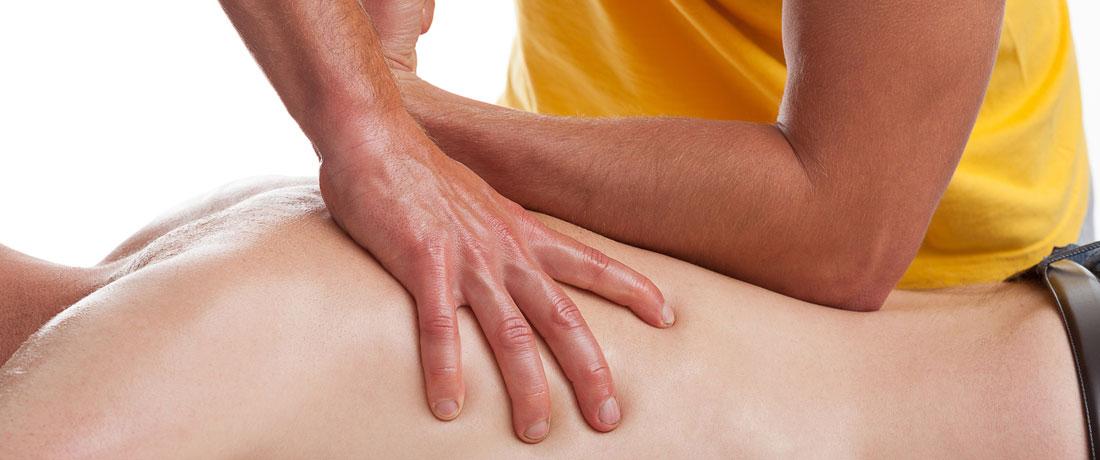
Remedial massage offers a therapeutic approach to easing pain and hastening recovery from injuries, blending traditional techniques with tailored treatments to suit individual needs. At Melbourne Massage and Treatment, we specialise in this intricate therapy, aiming to not only alleviate pain but also to restore function and enhance overall well-being. Key Takeaways: Remedial massage provides targeted pain relief, enhancing comfort during recovery. This therapy promotes increased circulation, aiding the body’s natural healing process. Regular treatments can improve flexibility and mobility in affected areas. The therapy also supports mental well-being, helping reduce stress associated with injuries. How Remedial Massage Can Help in Recovering from Injuries Direct Impact on Injury Sites: Remedial massage techniques are adept at targeting the specific tissues affected by an injury. By applying controlled pressure to the injured area, these techniques help break down scar tissue and adhesions that can restrict movement and cause pain. As a result, the direct manipulation of these tissues stimulates healing and the restoration of healthy function. Enhancing Lymphatic Drainage: One of the lesser-known but critical benefits of remedial massage is its ability to stimulate the lymphatic system, which is pivotal in reducing swelling and inflammation often associated with injuries. Improved lymphatic drainage not only alleviates pain but also enhances immune system function, which is crucial in fighting off potential infections that can complicate the recovery process. Stimulation of Endorphin Release: The process of remedial massage helps in stimulating the body’s production of endorphins, the natural ‘feel good’ hormones. These hormones act as natural painkillers, reducing the perception of pain and promoting a sense of well-being. This psychological boost is essential, as it can significantly impact one’s motivation and enthusiasm for continuing with the rehabilitation process. Restoring Muscular Balance and Posture: Injuries often disrupt the normal muscular balance within the body, leading to compensatory movements and postures that can themselves lead to further discomfort or injury. Remedial massage helps to identify and correct these imbalances. By easing the tension in overused muscles and stimulating underactive ones, the body can return to a more natural posture and reduce the risk of recurring injuries. Preventative Measures for Future Injuries: Beyond just aiding in recovery, remedial massage serves a preventative function. Regular sessions can identify and mitigate risk factors associated with injuries, such as tightness in certain muscles or limited joint mobility. This proactive approach not only helps to prevent future injuries but also enhances overall physical performance and endurance. Integrating Remedial Massage into Recovery Plans Integrating remedial massage into an injury recovery plan should be done with consideration to the individual’s specific needs and medical history. Collaboration with healthcare professionals can ensure that massage techniques are effectively aligned with other treatment modalities, such as physical therapy or medication, for optimal recovery. Customised Treatment Approaches: Every injury is unique, and thus, every remedial massage session should be tailored to the specific needs of the individual. Experienced therapists at Melbourne Massage and Treatment assess each client’s condition and create a personalised treatment plan. Long-Term Health Benefits The benefits of remedial massage extend far beyond immediate injury recovery. Regular sessions contribute to maintaining a healthy musculoskeletal system, reducing the risk of injury by keeping muscles loose and flexible and improving joint mobility and stability. Furthermore, the relaxation benefits of massage can help manage stress, which is a common factor in many chronic health conditions. Holistic Approach to Well-being: Melbourne Massage and Treatment promotes a holistic approach to health, where remedial massage is integrated with other wellness practices. This might include guidance on nutrition, exercise, and mental health strategies to support a well-rounded recovery and maintain long-term health and well-being. Empowering Clients: Educating clients about their body and the healing process is a critical component of the service provided. By understanding the mechanics of their recovery and the role remedial massage plays, clients are better equipped to take proactive steps towards their health, further enhancing the effectiveness of their treatment. Enhancing Mental and Emotional Well-being An often overlooked aspect of remedial massage is its capacity to improve mental and emotional health. The stress of dealing with an injury can be overwhelming, leading to anxiety and depression. Remedial massage helps mitigate these issues by promoting relaxation and reducing stress levels. The soothing effect of hands-on therapy provides a therapeutic escape from the constant concern over injury and recovery, which in turn can accelerate the physical healing process. Optimal Circulatory Health Improved blood circulation is another significant benefit of remedial massage. By enhancing blood flow, more nutrients and oxygen are delivered to damaged tissues, which is crucial for repairing injuries. Additionally, better circulation helps to remove waste products and toxins from the body, which can accumulate around injury sites and slow down the healing process. This aspect of remedial massage is essential for those recovering from muscular injuries and strains, as it ensures that tissues receive the necessary components for swift recovery. Flexibility and Strength Remedial massage plays a crucial role in enhancing flexibility and strength, particularly post-injury. Techniques like stretching and kneading increase the elasticity of muscle fibers, preventing stiffness and increasing range of motion. This is particularly beneficial for individuals who are recovering from joint or muscle injuries, as it aids in gradually restoring strength without adding undue stress on the recovering tissues. Synergy with Other Therapies For comprehensive recovery, remedial massage often works best when combined with other therapeutic approaches. For instance, integrating massage with physiotherapy or chiropractic care can provide a more holistic recovery plan. Each therapy complements the other, with massage easing muscle tension and improving flexibility, while other treatments focus on alignment and functional improvement. Educating Clients on Self-Care At Melbourne Massage and Treatment, we believe in empowering our clients with knowledge about self-care techniques that complement their in-clinic massage sessions. Simple strategies, such as regular stretching, proper hydration, and stress management techniques, are shared to enhance recovery and prevent future injuries. This education is crucial, as it helps clients maintain the benefits of massage between sessions and builds a foundation for lasting health. […]

Sep
Preeclampsia is a condition that can affect pregnant women. Preeclampsia is a severe condition of pregnancy, most of the time characterised by: high blood pressure protein in the urine severe swelling Most women who suffer from preeclampsia are unaware of this condition, which is why continuous monitoring during pregnancy is so important. There is no cure for this condition, and the only step it can be taken to prevent the death of the mother the baby is to deliver the baby by opting for a C-section birth. What happens during preeclampsia? What does happen during preeclampsia is that the blood pressure increase to a dangerous level. The consequences can be catastrophic for both the mother and the baby. Indeed, the mother’s organs, such as the liver, kidney, heart and brain, are in great danger. The increase of protein in the urine also cand puts the kidney and liver in danger. How can MLD help with a preeclampsia presentation? In this case, MLD would not be applied to reduce preeclampsia. Still, it can be used when the baby is delivered, and there is a need to reduce the swelling postpartum that eventually would build up in the legs and abdominal area after the C-Section. On the other hand, MLD would also help scar healing by moving fluid away from the scar tissue and reducing the swelling around the scar itself. Said so, as you may already read in other blog posts about MLD, liver and kidney failure are absolute contraindications, and condition as high blood pressure too can be a partial contraindications. Indeed, before starting any treatment, the “good to go” from the doctor would be needed in this case. How would MLD be applied after the C-section? In regards to the type of approach needed in this case, the MLD session would start by: Working on the neck and terminus area Applied MLD on the abdominal area to clear off the Cisterna Chyli And finally, MLD along both leg A simple sequence would be used because a wound is still there when doing MLD on the legs. I would not recommend that the client lies in a side position, which could hurt the wound. So when should I come in for my first session? If the doctors reckon that your liver and kidney are functioning at 100% and your blood pressure has decreased since giving birth, you can start receiving MLD immediately. I already had a client, who had preeclampsia, and thanks to the suggestion of the nurses they book in their session just 10 days after the birth. After just one session, they realised how the swelling was reducing. Said so, it can take longer to reduce the swelling down to the desired level. What else can be done in combination with MLD? In combination with MLD, I am walking and staying active help. Also, lots of water is always highly recommended, especially after an MLD session. In conclusion, if you need an MLD treatment due to Preeclampsia or other body swellings, and you have no Liver or kidney conditions or DVT, MLD is the treatment that does for you. Then click here to book your next session. Or click here if you have any enquiries about MLD or Melbourne Massage and Treatment services.