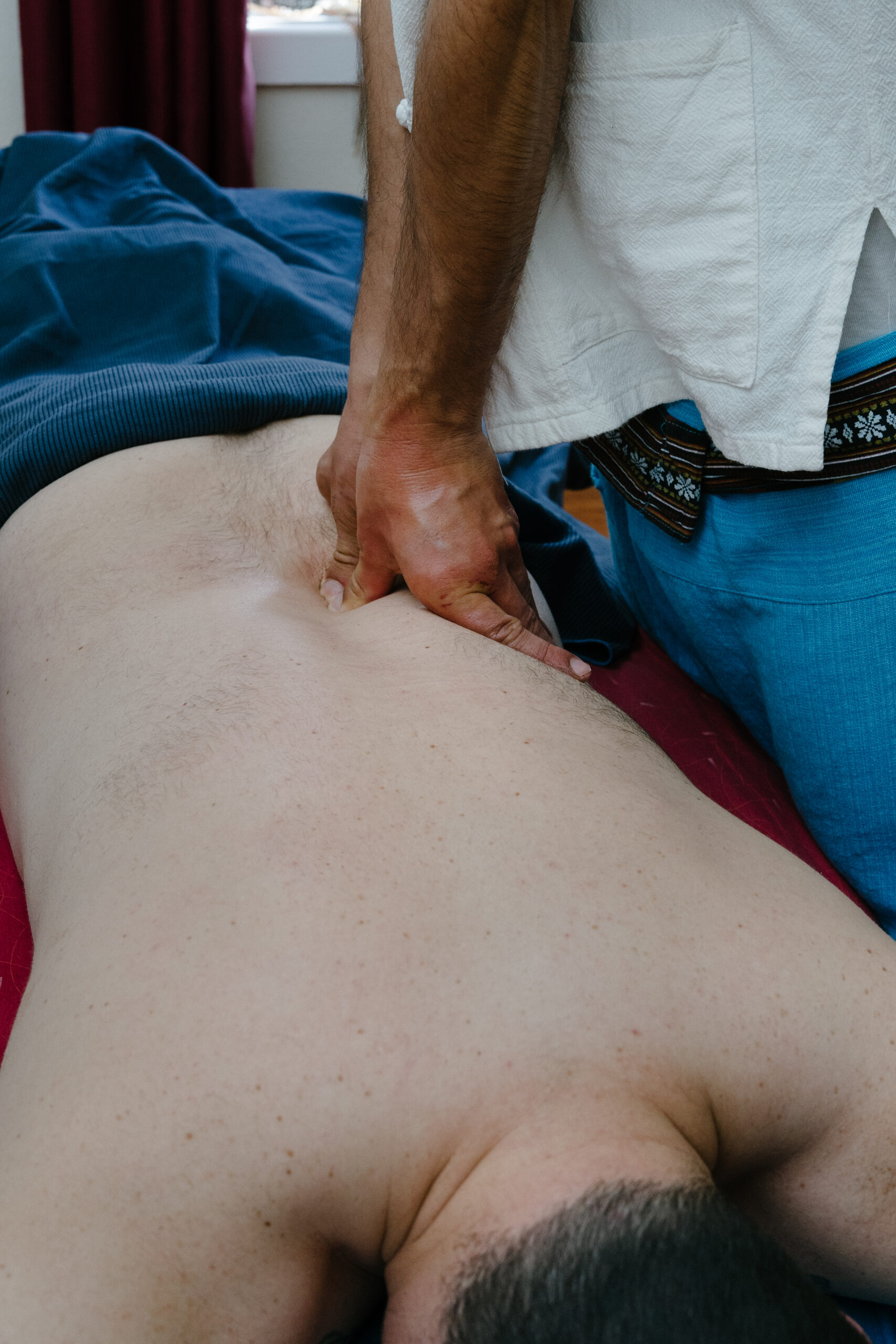
Persistent back pain and sciatica can disrupt every part of daily life, from sitting comfortably to walking or sleeping. Many people turn to temporary fixes, but lasting relief often requires addressing the underlying muscular and nerve dysfunction. At Melbourne Massage and Treatment, our qualified myotherapists combine evidence-based manual therapy and corrective techniques to relieve pain, restore function, and promote long-term spinal health. Key Takeaways Myotherapy addresses the root causes of sciatica and back pain Techniques include massage, dry needling, and corrective exercises Regular sessions promote long-term mobility and nerve health Postural correction prevents recurring pain and stiffness A personalised plan ensures results tailored to each client’s condition Understanding Sciatica and Back Pain To appreciate how myotherapy helps, it’s useful to understand what’s really going on with back pain and sciatica. Sciatica: Sciatica refers to pain that radiates along the path of the sciatic nerve, which runs from the lower back, through the buttocks, and down each leg. It’s not a condition on its own, but a symptom caused by something irritating or compressing the nerve. Common causes include: A herniated or bulging disc pressing on the sciatic nerve Tight gluteal or piriformis muscles trapping the nerve as it passes through the hip area Degenerative changes in the spine or joints The pain can range from a dull ache to a sharp, burning, or shooting sensation. It may also cause tingling, numbness, or weakness in the leg. Back Pain: General lower back pain often stems from muscle tension, poor posture, or strain from repetitive activities, such as sitting too long, lifting incorrectly, or overdoing it at the gym. This is where myotherapy can help by addressing both the muscular and neural components contributing to your pain. What Exactly Is Myotherapy? Myotherapy (from the Greek words “myo” meaning muscle and “therapy” meaning treatment) focuses on assessing, treating, and managing musculoskeletal pain and movement issues related to the soft tissues, muscles, fascia, and nerves. A qualified myotherapist uses a mix of techniques such as: Deep tissue massage and trigger point therapy Dry needling (similar to acupuncture, but targeted at specific muscle points) Myofascial release Stretching and joint mobilisation Cupping and corrective exercise advice Unlike a regular massage, myotherapy is more clinical and evidence-based. It aims to identify why pain is occurring, whether it’s from postural imbalance, nerve compression, muscle dysfunction, or repetitive strain, and to create a treatment plan tailored to your specific needs. How Myotherapy Helps Treat Sciatica and Back Pain? Myotherapy approaches pain holistically, by looking not just at the site of discomfort but at how the whole body is functioning. 1. Relieving Muscle Tension and Spasm One of the first steps in treating sciatica or back pain is to reduce muscle tightness that might be compressing nerves or restricting movement. A myotherapist will use deep tissue massage and trigger point therapy to release knots and deactivate overactive muscles. This helps: Improve blood flow and oxygen to the area Decrease inflammation and stiffness Reduce referred pain from tight gluteal or lower back muscles In cases where the piriformis muscle is pressing on the sciatic nerve, releasing that tension can bring almost immediate relief. 2. Improving Nerve Mobility If the sciatic nerve is being compressed or irritated, a myotherapist may perform neural mobilisation techniques to gently glide the nerve through its pathway. This can help restore normal nerve function and reduce the sharp, shooting pain associated with sciatica. 3. Correcting Postural Imbalances Poor posture, especially from sitting for long hours, can put excessive strain on the lower back. Myotherapists assess how your body moves, looking for muscular imbalances, misalignments, or weaknesses that might be contributing to pain. They’ll often prescribe corrective exercises, such as gentle stretches, core activation drills, and hip mobility movements, to strengthen supportive muscles and prevent future flare-ups. 4. Reducing Inflammation and Promoting Healing Techniques like dry needling or myofascial release can help increase circulation and stimulate the body’s natural healing response. This not only eases pain but also promotes tissue repair and reduces chronic inflammation in the affected area. 5. Encouraging Relaxation and Stress Reduction Let’s not underestimate the role of stress. When you’re tense, your muscles tighten, your posture suffers, and your pain often worsens. Myotherapy sessions often incorporate relaxation techniques to calm the nervous system, helping your body release tension more effectively. What to Expect During a Myotherapy Session for Sciatica and Back Pain? If you’ve never been to a myotherapist before, here’s what typically happens: Assessment and History: The therapist will ask about your pain, lifestyle, posture, and medical history. Physical Examination: They’ll perform movement and range-of-motion tests to pinpoint which muscles or nerves are involved. Treatment Plan: Based on their findings, they’ll use a combination of hands-on techniques (massage, dry needling, etc.) to target the problem areas. Aftercare Advice: You’ll likely be given simple at-home exercises, stretches, and ergonomic tips to support your recovery. Most people notice improvement after just a few sessions, though chronic conditions may take longer. The Benefits of Myotherapy for Sciatica and Back Pain While the main goal of myotherapy is to relieve pain, it also helps improve overall wellbeing. Clients often report: Pain Reduction – Relieves nerve compression and muscle tension. Improved Mobility – Enhances range of motion through soft tissue release. Postural Support – Corrects muscular imbalance and spinal alignment. Preventative Care – Strengthens the back and reduces future risk. Drug-Free Relief – Offers a natural approach without dependency on pain medication. Back pain is one of the leading causes of disability in Australia, affecting nearly 4 million people each year. Myotherapy provides a clinically proven, hands-on solution that can significantly reduce this burden. When to Seek Professional Help? If your back pain or sciatica doesn’t improve within a couple of weeks, or if it’s affecting your daily activities, it’s worth seeing a qualified myotherapist. They can work alongside your GP to provide a well-rounded treatment approach. Always seek urgent medical care if you experience: Severe pain that comes on suddenly Numbness or weakness in your legs […]
Monthly Archives: October 2025
Blog
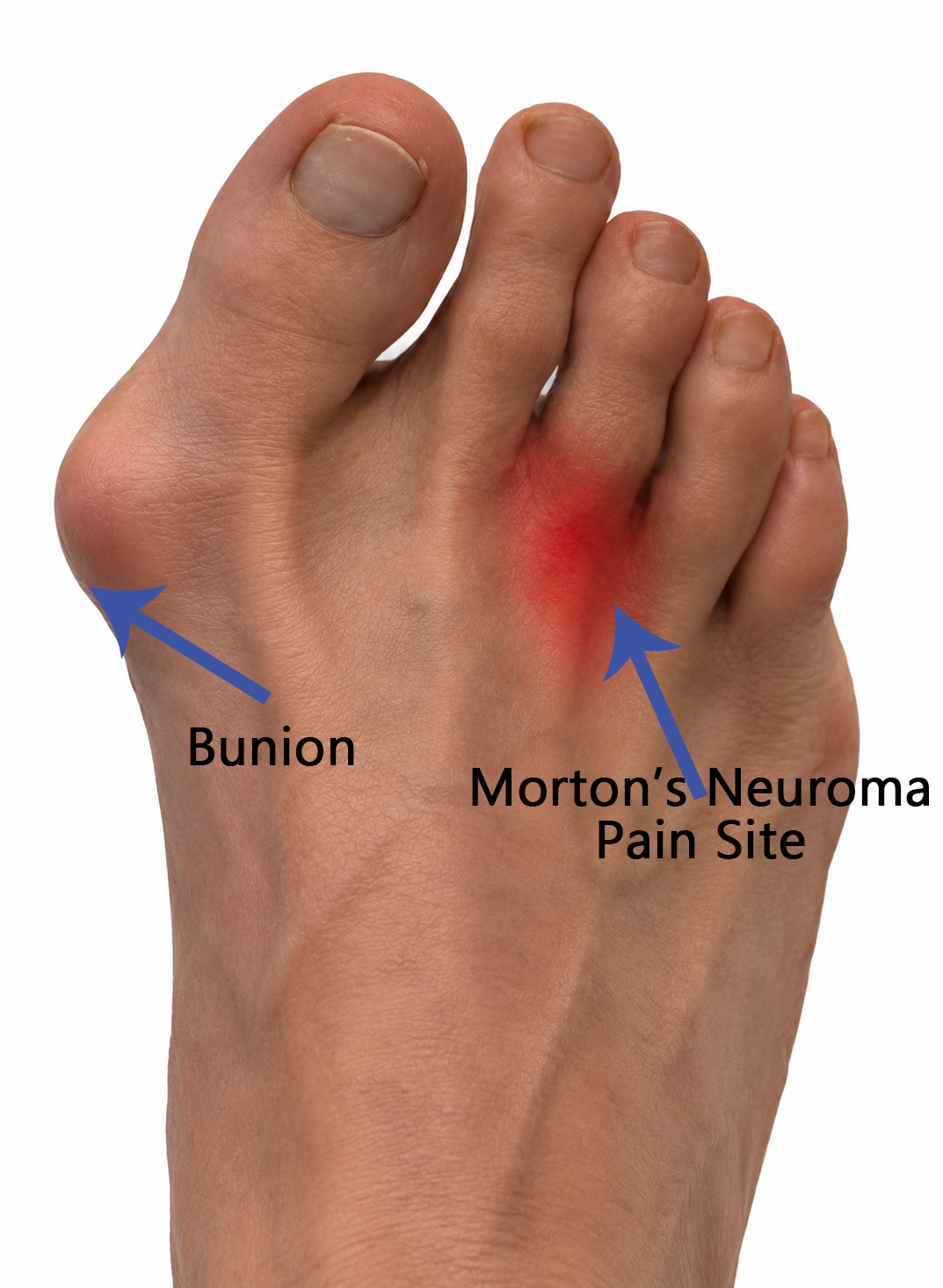
Bunion and Morton’s Neuroma: Can a Bunion Affect Neuroma Recovery?
While a bunion and a Morton’s neuroma are two different foot conditions, if they are [...]
Continue readingSep
Blog
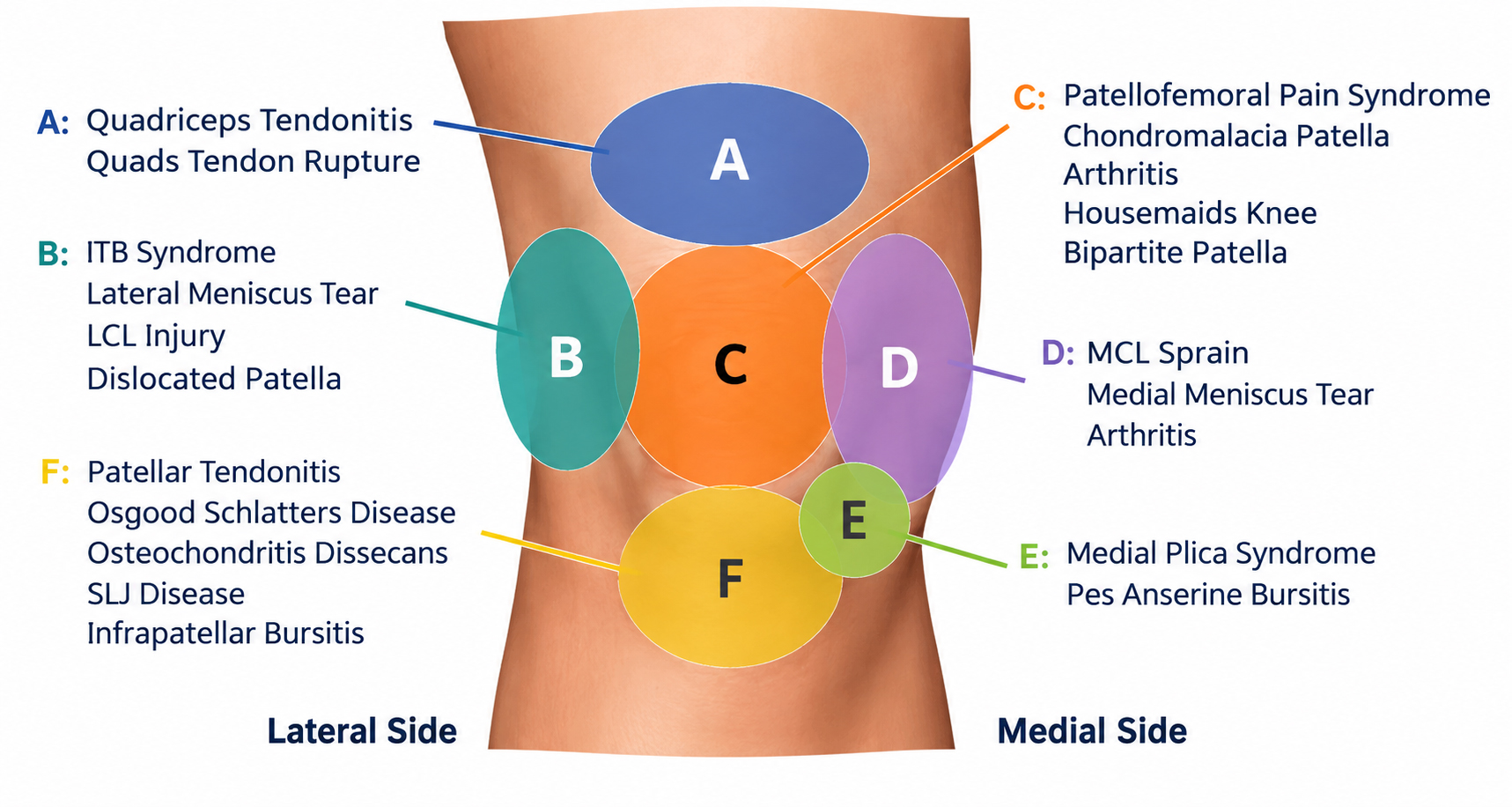
Knee Pain in Coburg
Knee pain is a common form of injury and can affect people of all ages [...]
Continue readingSep

Blog
Post-Surgery MLD Melbourne – Vodder MLD Therapist
Any form of surgery is an invasive procedure for the body to deal with, and [...]
Continue readingSep
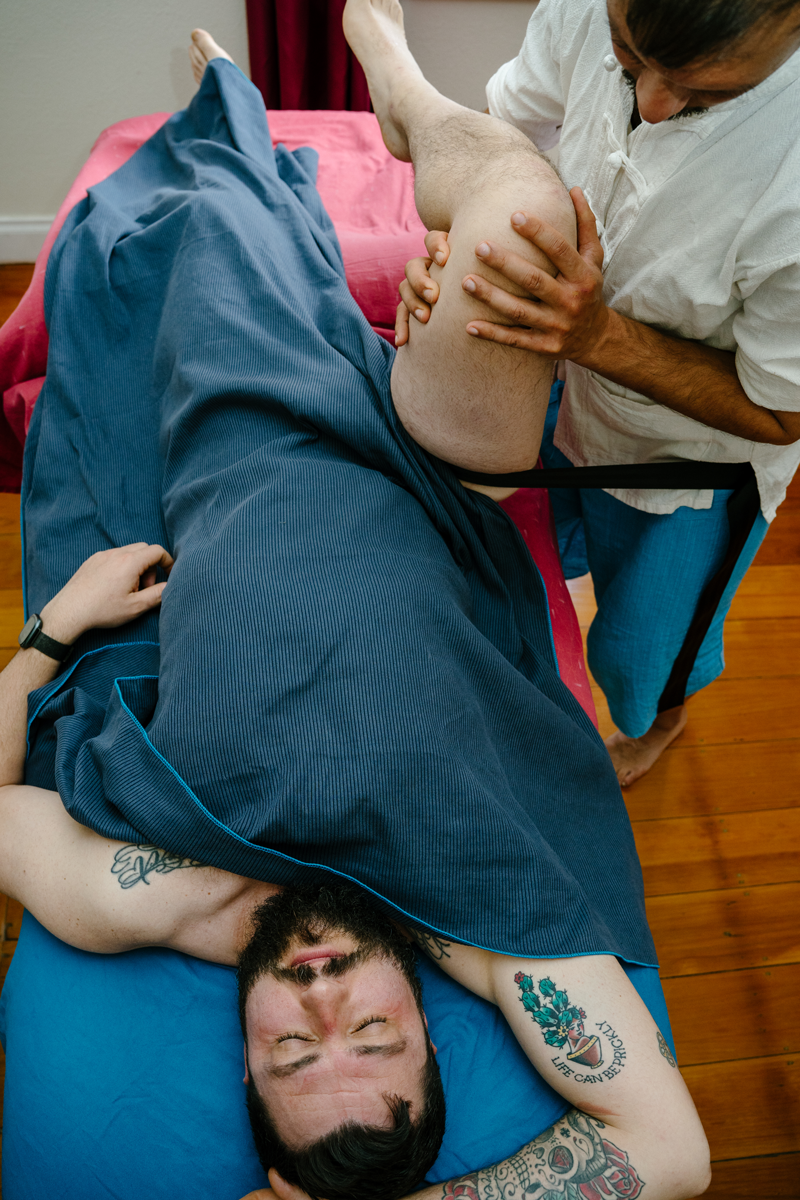
Blog
Hip Pain in Coburg: Causes, Symptoms & Treatment
In the many presentations I get to see here at Melbourne Massage and Treatment in [...]
Continue readingSep

Blog
Lymphatic Walking: Let Me Tell You Why It Is Another Trend
Lymphatic Walking is another trend that you really don’t need to overthink. But let me [...]
Continue readingAug

Oct
After an injury or surgery, swelling and discomfort can slow recovery and affect mobility. Managing this inflammation safely and effectively is essential for healing. At Melbourne Massage and Treatment, our Myotherapists use Manual Lymphatic Drainage (MLD), a specialised therapy designed to reduce swelling, support the body’s natural detox process, and promote faster tissue repair. Key Takeaways MLD promotes fluid drainage and reduces swelling naturally It’s beneficial for post-surgical, sports, and chronic edema recovery Gentle techniques improve circulation and reduce pain MLD supports immunity and tissue repair Professional treatment ensures safe, effective results Understanding the Lymphatic System Before diving into Manual Lymphatic Drainage (MLD) itself, it helps to understand what the lymphatic system actually does. The lymphatic system is part of your body’s immune and circulatory systems. It’s a vast network of vessels, nodes, and ducts that transport lymph, a clear fluid containing white blood cells, proteins, and waste materials, throughout the body. Its main jobs are to: Remove waste and toxins from tissues Maintain fluid balance Support immune function by fighting off infections Unlike the heart, which pumps blood, the lymphatic system relies on muscle movement, breathing, and body motion to move fluid around. When this system slows down, due to surgery, injury, or illness, lymph can accumulate in tissues, causing swelling (oedema), discomfort, and restricted mobility. That’s where MLD comes in. What Is Manual Lymphatic Drainage (MLD)? Manual Lymphatic Drainage is a gentle, rhythmic therapy that stimulates the lymphatic system, a vital part of your immune and circulatory network. This system helps remove waste, toxins, and excess fluid from tissues. When it becomes sluggish due to injury, surgery, or illness, fluid can build up, leading to swelling, pain, and delayed healing. MLD works by guiding lymphatic flow through light, precise movements that improve circulation and encourage drainage. It’s particularly effective for: Post-surgical swelling Sports or soft-tissue injuries Chronic edema or lymphedema Post-infection or inflammation recovery How MLD Helps Reduce Swelling and Oedema? Oedema (sometimes spelled edema) occurs when fluid builds up in the tissues, leading to puffiness, tightness, and sometimes pain. It can happen after an injury, following surgery, or from chronic conditions like lymphoedema or venous insufficiency. Manual Lymphatic Drainage can help by: Encouraging Lymph Flow: MLD gently pushes stagnant lymph fluid toward the lymph nodes, where it can be processed and eliminated. Reducing Fluid Build-Up: It helps drain excess water and waste products from the affected area, easing swelling and pressure. Improving Circulation: By supporting the lymphatic and venous systems, MLD boosts overall blood flow, which promotes healing. Relieving Discomfort: Many people report a lighter, less tense feeling after just one session. For those dealing with post-surgical or post-injury swelling, MLD can make a huge difference in reducing that tight, swollen sensation and in speeding up recovery. MLD Supporting Post-Injury Recovery After an injury, whether it’s a sprained ankle, a torn ligament, or bruising, the body naturally triggers inflammation. While this is a normal part of healing, too much fluid in the area can cause pain and slow down recovery. MLD supports post-injury healing by: Reducing Inflammation: Gentle stimulation of the lymphatic system helps clear out excess inflammatory fluid and waste. Minimising Scar Tissue: Encouraging healthy fluid flow can improve tissue regeneration and reduce fibrous scar formation. Improving Mobility: Less swelling means better joint movement and less stiffness. Enhancing Tissue Repair: With better circulation and nutrient delivery, the body can heal more efficiently. For athletes, MLD can also help speed up muscle recovery after intense training or competition. By flushing out lactic acid and metabolic waste, it can reduce body muscle fatigue and soreness, helping you get back to your sport sooner. Benefits of MLD After Surgery Post-surgical swelling is one of the most common reasons people seek out MLD. It’s frequently recommended by surgeons and physiotherapists after cosmetic or reconstructive procedures, joint replacements, or lymph node removal. Post-operative benefits of MLD include: Reducing fluid build-up and swelling Decreasing bruising and inflammation Promoting tissue healing and comfort Supporting scar recovery and reducing tightness Because MLD is so gentle, it can be safely performed even when the surgical area is tender or healing, as long as it’s cleared by your doctor. What to Expect in an MLD Session? During your first MLD session, your therapist will assess your condition, medical history, and any areas of swelling or discomfort. You’ll typically lie comfortably on a massage table while the therapist performs a series of light, rhythmic strokes and pumping motions across specific parts of the body. Unlike other massages, MLD doesn’t involve oil or deep pressure, it’s designed to stimulate the skin and underlying lymph vessels, not the muscles. Most clients find it deeply relaxing, often drifting off to sleep during the session. A single session may last 45–60 minutes, though chronic or post-surgical cases may require a series of treatments to achieve lasting results. After your session, your therapist might recommend: Gentle movement or stretching to encourage ongoing lymph flow Drinking plenty of water helps flush out toxins Compression garments or wraps, if needed for oedema management Is MLD Right for You? Manual Lymphatic Drainage is safe for most people, but there are a few conditions where it may not be suitable, such as acute infections, untreated heart failure, or blood clots. That’s why it’s important to see a qualified therapist who can assess your suitability and adjust the treatment accordingly. If you’re recovering from surgery, managing swelling, or dealing with chronic fluid retention, MLD can be an excellent complementary therapy alongside medical or physiotherapy care. Who Can Benefit from MLD? MLD is ideal for individuals recovering from: Orthopaedic or sports injuries Plastic or reconstructive surgery Chronic conditions like lymphedema or lipedema Swelling following infection or immobility High-intensity training or repetitive strain At Melbourne Massage and Treatment, we customise each Manual Lymphatic Drainage session based on your medical background and current symptoms. Aftercare Tips for Best Results Supporting your lymphatic system doesn’t stop after therapy. You can enhance results by: Staying Hydrated – Water helps flush toxins […]

Oct
Functional movement is all those types of movement that you may have been training at the gym, like a squat, but really, those movements are what we are designed to deliver daily. Per the squat, think about sitting. Now, if you are young and fit, you may not need a great deal of mobility to sit on a chair, but as we get older, if we don’t train to maintain this form of mobility, things can really get difficult, and the risk of injury would increase. That’s where Myotherapy can really help you to understand which joints need more work in terms of mobility, but also which muscle groups you need to train to keep your stability at doc, so that your functional movement, especially when done under load, is going to be safe and with less risk of injury. What Is Myotherapy? Myotherapy is a form of manual therapy that focuses on assessing, treating, and managing musculoskeletal pain and dysfunction. At Melbourne Massage and Treatment in Coburg, I use techniques such as deep tissue massage, joint mobilisation, myofascial release, dry needling, and corrective exercise to restore normal movement and prevent pain from returning. What I love about being a Clinical Myotherapist is that when working with my clients, I have to deliver a tailored treatment plan, as everyone is different and everyone presents with a unique body, which may need a different approach to reach the same goal. All this, starting from joint mobility and stability. Why Joint Mobility and Stability Matter Let’s start by defining what mobility and stability are: Mobility: the ability to move through a full range of motion Stability: the control that keeps your joints aligned to the body plane and supported To move well under load and deliver safe exercises, you must have good mobility and stability where needed. For example, if your hips lack mobility, your lumbar spine might compensate, creating discomfort and increasing the injury. Furthermore, a lack of mobility, it means you can not fully engage your muscle fibres, as less movement means less contraction or elongation of the muscle fibres involved in that movement, so less power and less growth. On the other hand, lack of stability is given from your lumbar area, which is not able to support a heavy load, and that’s how you can hurt your back. How Myotherapy Enhances Functional Movement Here at my clinic in Coburg, as a clinical myotherapist I focus on helping you restoring balance through a whole-body approach. Here’s how Myotherapy helps: Comprehensive Movement AssessmentLet’s start with assessing posture, joint range of motion, and functional movement patterns to identify restrictions or weaknesses. Addressing the Root Cause of PainPain is central nervous system response to something that doesn’t work at is best. It may be an injury, or it may be a sensitization of the area. As a clinical myotherapist I help you break the cycle of compensation and discomfort, allowing more efficient, pain-free movement. Improving Joint MobilityUsing targeted soft tissue therapy, myofascial release, and gentle joint mobilisation, we help reduce tightness and restore freedom of movement across affected joints and muscles. Building Joint StabilityOnce mobility is restored, we focus on improving control and strength. Personalised exercises activate stabilising muscles, enhancing balance and coordination to prevent re-injury. Long-Term Support and EducationAfter every appointment I ensure to leave a detailed PDF file with the exercises we look into, so that you are able to reproduce our work at home or at your gym. But for every question, and for your progressions, I am always here ready to help. Who Can Benefit From A Myotherapy Session? Myotherapy is suitable for people of all activity levels. At our Coburg practice, I regularly help clients dealing with: Muscle tightness or restricted joint movement Neck, shoulder, or lower back pain Postural strain from office work Sports or exercise-related injuries Limited flexibility affecting daily performance The Takeaway on Myotherapy and Functional Movement To improve your functional movement starts working on the right balance between joint mobility and stability. Myotherapy offers a targeted, evidence-based way to achieve that balance, and I am here helping you move better, feel stronger, and prevent future injuries. If you’re ready to enhance your movement and reduce pain, book a Myotherapy session at Melbourne Massage and Treatment, Coburg today. Let’s get your body moving the way it’s meant to. And if you have any question, please use the form below to reach me out:

Oct
Exercise is the ultimate medicine for longevity and well-being. That said, there are different ways to exercise, and you should choose which one based on your goals and needs. Ultimately, even if you will prioritise one type of exercise over others, training in different ways, it is the best option to build resilience, strength and obtain the best results. But what are these main ways of training? Well, in this blog, we are talking about Strength Training and Hypertrophy. At Melbourne Massage and Treatment in Coburg, I help people achieve this goal, with tailored injury recovery Myotherapy plans that may start with hands-on treatment but aim to get the person moving and moving under load. What Is Strength Training? Strength training, in its pure form, is a type of training that aims to improve the body’s ability to produce maximal force. This is possible by optimising the nervous system’s capacity to communicate to the muscles what action has to be delivered when placed under load. In fact, the goal isn’t necessarily to make muscles bigger, but to make them stronger. Here is a breakdown of what a strength training session would be like: Typical rep range: 1–6 repetitions per set Load: Heavy (80–100% of your one-rep max) Rest periods: Longer (2–5 minutes) Primary outcome: Improved neural efficiency — your brain and muscles learn to work together more effectively. This type of training benefits everyone, from athletes to everyday movers, by: Enhancing joint stability Improving bone density Increasing functional power for daily tasks. What Is Hypertrophy Training? Now, we will examine another form of training that aims to increase muscle size. Indeed, hypertrophy focuses on creating controlled muscular fatigue that stimulates growth in the muscle fibres. Here’s how it works: Typical rep range: 6–12 repetitions per set Load: Moderate (60–80% of your one-rep max) Rest periods: Shorter (30–90 seconds) Primary outcome: Increased muscle cross-sectional area (growth). Hypertrophy is popular for aesthetic goals, but it also has significant benefits for: Joint support Posture Injury prevention, especially when paired with proper mobility and recovery practices like myotherapy. Who Would Benefit from Strength and Hypertrophy Training? Let’s be clear that both styles of resistance training can benefit a wide range of people — not just athletes or bodybuilders. But here is a clearer breakdown of which training belongs to which goals: You’ll benefit from strength training if you: Want to improve performance in sports or daily activities that require lifting, pushing, or pulling. You are seeking to increase bone density and joint stability, especially as you age. This is a big one for menopausal women. Need to enhance posture and core control to reduce the risk of back or shoulder pain. Are recovering from injury and looking to restore functional movement patterns safely under guidance. You’ll benefit from hypertrophy training if you: Want to build muscle mass for aesthetics, strength, or body composition. You are addressing muscle imbalances or weaknesses identified during myotherapy assessments. Need more joint support and stability through improved muscular structure. Aim to boost metabolism and energy expenditure through increased muscle tissue. At Melbourne Massage and Treatment, I often integrate tailored exercise advice with fitness class sessions, helping clients find the right balance between strength, mobility, and recovery for their individual goals. Massage Therapy, Dry Needling, and the Role of Passive Treatment Massage therapy, dry needling, and other forms of passive therapy are valuable tools during the recovery phase of an injury or when pain and tension are high. They help by: Reducing muscle tension and spasm Improving blood flow and assisting with tissue healing Calming the nervous system and reducing protective muscle guarding Restoring short-term mobility to prepare the body for movement At my Coburg clinic, these treatments are often used early in a client’s recovery journey to reduce pain and restore comfort. However, while these therapies are excellent for short-term relief and acute recovery, they must eventually be paired with movement under load to create lasting change. Why Movement Under Load Is Essential for Long-Term Wellness Passive treatments can help you feel better, but loaded movement enables you to function better. When you progressively load muscles, tendons, and joints, your body adapts and becomes stronger and more resilient. This is what keeps pain away in the long term. Here is a practical and simplified explanation: “You have to think that the body, while it does age, it does slow down in any form of its metabolism, including the regeneration of tissues, which gets worn down, and finds it difficult to be regenerated. This is where movement under load plays a crucial role. Movement under load indeed, it is the stimulus that the central nervous system needs to maintain the body’s regeneration active and effective”. A further breakdown of why movement under load matters beyond recovery: Builds tissue resilience: Strengthens muscles and connective tissue to handle daily demands. Supports nervous system retraining: Teaches your body to move efficiently and safely. Improves joint health and posture: Strengthens stabilising muscles that protect joints. Reduces recurrence of pain: Prevents the same issues from returning by addressing root causes, not just symptoms. Another way I would express the difference between passive therapy and exercises (under load) to my patient is: “Massage and needling help you feel good now, but movement under load helps you stay good later.” That’s why our approach combines hands-on therapy to relieve pain with movement education and strengthening to keep you moving well long after your treatment. How Myotherapy Complements Strength and Hypertrophy Training Myotherapy is a form of manual therapy that aims to improve the performance of any individual who has gone through an injury or someone who wants to maintain functionality and wellbeing. In a Myotherapy session, we would start with some form of testing to evaluate the person’s capacity in mobility and strength and from there we create a treatment plan that aims to improve the current presentation. A treatment plan may include: Soft tissue therapy Corrective exercise Movement assessment Goals of myotherapy: Address muscular imbalances from repetitive […]

Oct
Experiencing a vertebral fracture can be an overwhelming and challenging experience to recover from, but this doesn’t mean there is no safe protocol and successful treatment pathway out there. At Melbourne Massage and Treatment, I am here to assist you in this complex journey, which could be by offering MLD treatment, Myotherapy or Fitness Class. But let’s first understand what fractured vertebrae mean, and what we have to be aware of when working with this type of injury. Spinal Damage vs. No Spinal Damage Let’s start to look into what difference makes to have a spinal fracture where the spinal cord was injured and where it was not. With spinal cord damage, a fracture may injure the spinal cord or nerves, leading to severe symptoms such as numbness, weakness, or paralysis. These cases are medical emergencies requiring hospital care. The rehabilitation process for someone who encounters spinal damage varies based on the severity of the injury. Surgery may be necessary to repair the nerve, but there is also the fact to consider that there may not be a recovery option and life paralysis (quadriplegic or paraplegic) as an outcome. Without spinal cord damage, it is a result of a bone fracture only, without affecting the cord. These are painful but often managed with an initial period of rest and bracing and gradual rehabilitation. At our Coburg clinic, Giovanni carefully assesses your needs and works alongside your medical team to provide safe and effective rehabilitation. Cervical, Thoracic, and Lumbar Vertebrae Your spine has three main regions, and fractures behave differently depending on location: Cervical (neck): Mobile but delicate; fractures here can have severe consequences. Thoracic (mid-back): Stabilised by the rib cage, but injuries here often come from higher-energy impacts. Lumbar (lower back): These vertebrae carry the body’s weight, so fractures here cause significant pain and restricted movement. Based on where the fracture is, the treatment and recovery options and plans differ. Scans for Diagnosis To properly understand the type of fracture and the severity of the fracture itself, scans are essential. Here is a short list of what diagnostic scans are available and which are most commonly used, and why: X-ray: The first step to confirm a fracture. This type of test is good to see the fracture at the bond level; it is quick, but as a downside, it exposes you to radiation. CT scan: Provides detailed 3D imaging to assess the fracture’s stability. The downside of a CT scan is that, as it is based on X-Ray technology, it can still expose you to radiation, and it can take longer to be delivered, and it is essential to be lying down while receiving the scan. MRI scan: Compared to X-Ray technology, MRI scan would not expose you to radiation, and is used to detect any involvement of nerves, discs, or the spinal cord along the fracture, as this type of scan is used for water-based tissue in the body, and not bones. These scans help guide safe rehabilitation, ensuring the right treatment approach from day one. Something else to keep in mind from the result of the scan is that not everything that a scan shows must impact your life. Indeed, a building disk may show in your scan, but that doesn’t mean that that specific pathology is something related to your spine fracture (it may have been there already before), and that doesn’t mean the body would not look after it while you are recovering from the spine injury. Types of Vertebral Fracture Common fracture types include: Compression fracture – vertebra collapses, often linked to osteoporosis (also called a wedging fracture). Burst fracture – bone shatters outward, sometimes threatening the spinal cord. Flexion-distraction fracture – usually from high-speed accidents where the spine bends suddenly. Fracture-dislocation – bone and soft tissues are displaced, often requiring surgery. Avulsion – It is a type of stress fracture, characterised by a small piece of bone pulled away from the main bone by a muscle or ligament (typical along the transverse process). Mechanism of Injury Fractures can occur from: High-energy trauma – car accidents, falls, sports collisions. Low-energy stress – in osteoporosis, even coughing or bending can trigger a fracture. Scheuermann’s disease – in this specific condition, the vertebrae may grow at different heights compared to the sagittal plane. A meticulous clinical history intake can help in figuring out he chance of you suffering from a vertebral fracture. Healing Time and Recovery As per all non-complex bone fractures, most vertebral fractures take 8–12 weeks to heal, even if recovery varies depending on age, bone health, and whether surgery was required. What we know is that nothing can actually boost the healing, but different therapies, active and passive, can help in assisting the healing process, ensuring a positive outcome. What then can be done during the recovery time is: Early phase: Pain management and protection of the fracture. Rehabilitation phase: Gentle guided movement, strengthening, and improving mobility. With myotherapy support, clients can return to safe daily activities while minimising the risk of re-injury. What to Avoid in the Early Stages of a Vertebral Fracture As mentioned earlier, in the early stage of vertebral fracture, it is important to prevent further damage to the spine and wear a corset that helps in stabilising the spine, while the body is starting the calcification of the bone. Even though you may wear a support, you will want to avoid: Heavy lifting, twisting, or bending movements. Prolonged sitting without support. High-impact exercise or activities. Movement is still recommended, as it can still promote fluid movement and relaxation. Therefore, it is possible to go for walks, move your arms, and move your legs even if in a seated position. Manual Lymphatic Drainage Massage in the Early Phase of a Vertebral Fracture At Melbourne Massage and Treatment, I got to offer MLD as a form of treatment for relaxation, which can have a positive impact on pain perception and tension relief from the spine area. MLD is a gentle touch, […]