
Experiencing a vertebral fracture can be an overwhelming and challenging experience to recover from, but this doesn’t mean there is no safe protocol and successful treatment pathway out there. At Melbourne Massage and Treatment, I am here to assist you in this complex journey, which could be by offering MLD treatment, Myotherapy or Fitness Class. But let’s first understand what fractured vertebrae mean, and what we have to be aware of when working with this type of injury. Spinal Damage vs. No Spinal Damage Let’s start to look into what difference makes to have a spinal fracture where the spinal cord was injured and where it was not. With spinal cord damage, a fracture may injure the spinal cord or nerves, leading to severe symptoms such as numbness, weakness, or paralysis. These cases are medical emergencies requiring hospital care. The rehabilitation process for someone who encounters spinal damage varies based on the severity of the injury. Surgery may be necessary to repair the nerve, but there is also the fact to consider that there may not be a recovery option and life paralysis (quadriplegic or paraplegic) as an outcome. Without spinal cord damage, it is a result of a bone fracture only, without affecting the cord. These are painful but often managed with an initial period of rest and bracing and gradual rehabilitation. At our Coburg clinic, Giovanni carefully assesses your needs and works alongside your medical team to provide safe and effective rehabilitation. Cervical, Thoracic, and Lumbar Vertebrae Your spine has three main regions, and fractures behave differently depending on location: Cervical (neck): Mobile but delicate; fractures here can have severe consequences. Thoracic (mid-back): Stabilised by the rib cage, but injuries here often come from higher-energy impacts. Lumbar (lower back): These vertebrae carry the body’s weight, so fractures here cause significant pain and restricted movement. Based on where the fracture is, the treatment and recovery options and plans differ. Scans for Diagnosis To properly understand the type of fracture and the severity of the fracture itself, scans are essential. Here is a short list of what diagnostic scans are available and which are most commonly used, and why: X-ray: The first step to confirm a fracture. This type of test is good to see the fracture at the bond level; it is quick, but as a downside, it exposes you to radiation. CT scan: Provides detailed 3D imaging to assess the fracture’s stability. The downside of a CT scan is that, as it is based on X-Ray technology, it can still expose you to radiation, and it can take longer to be delivered, and it is essential to be lying down while receiving the scan. MRI scan: Compared to X-Ray technology, MRI scan would not expose you to radiation, and is used to detect any involvement of nerves, discs, or the spinal cord along the fracture, as this type of scan is used for water-based tissue in the body, and not bones. These scans help guide safe rehabilitation, ensuring the right treatment approach from day one. Something else to keep in mind from the result of the scan is that not everything that a scan shows must impact your life. Indeed, a building disk may show in your scan, but that doesn’t mean that that specific pathology is something related to your spine fracture (it may have been there already before), and that doesn’t mean the body would not look after it while you are recovering from the spine injury. Types of Vertebral Fracture Common fracture types include: Compression fracture – vertebra collapses, often linked to osteoporosis (also called a wedging fracture). Burst fracture – bone shatters outward, sometimes threatening the spinal cord. Flexion-distraction fracture – usually from high-speed accidents where the spine bends suddenly. Fracture-dislocation – bone and soft tissues are displaced, often requiring surgery. Avulsion – It is a type of stress fracture, characterised by a small piece of bone pulled away from the main bone by a muscle or ligament (typical along the transverse process). Mechanism of Injury Fractures can occur from: High-energy trauma – car accidents, falls, sports collisions. Low-energy stress – in osteoporosis, even coughing or bending can trigger a fracture. Scheuermann’s disease – in this specific condition, the vertebrae may grow at different heights compared to the sagittal plane. A meticulous clinical history intake can help in figuring out he chance of you suffering from a vertebral fracture. Healing Time and Recovery As per all non-complex bone fractures, most vertebral fractures take 8–12 weeks to heal, even if recovery varies depending on age, bone health, and whether surgery was required. What we know is that nothing can actually boost the healing, but different therapies, active and passive, can help in assisting the healing process, ensuring a positive outcome. What then can be done during the recovery time is: Early phase: Pain management and protection of the fracture. Rehabilitation phase: Gentle guided movement, strengthening, and improving mobility. With myotherapy support, clients can return to safe daily activities while minimising the risk of re-injury. What to Avoid in the Early Stages of a Vertebral Fracture As mentioned earlier, in the early stage of vertebral fracture, it is important to prevent further damage to the spine and wear a corset that helps in stabilising the spine, while the body is starting the calcification of the bone. Even though you may wear a support, you will want to avoid: Heavy lifting, twisting, or bending movements. Prolonged sitting without support. High-impact exercise or activities. Movement is still recommended, as it can still promote fluid movement and relaxation. Therefore, it is possible to go for walks, move your arms, and move your legs even if in a seated position. Manual Lymphatic Drainage Massage in the Early Phase of a Vertebral Fracture At Melbourne Massage and Treatment, I got to offer MLD as a form of treatment for relaxation, which can have a positive impact on pain perception and tension relief from the spine area. MLD is a gentle touch, […]
Tag Archives: bone

Blog
Facet Joint Irritation and Muscle Weakness: What You Need To Know
In my experience as a Clinical Myotherapist at Melbourne Massage and Treatment Myotherapy and Lymphoedema [...]
Continue readingOct

Blog
Chronic Pain: What it is, and what can you do about it?
Pain is something that we all experience, and it can start after an injury, during [...]
Continue readingOct
Blog
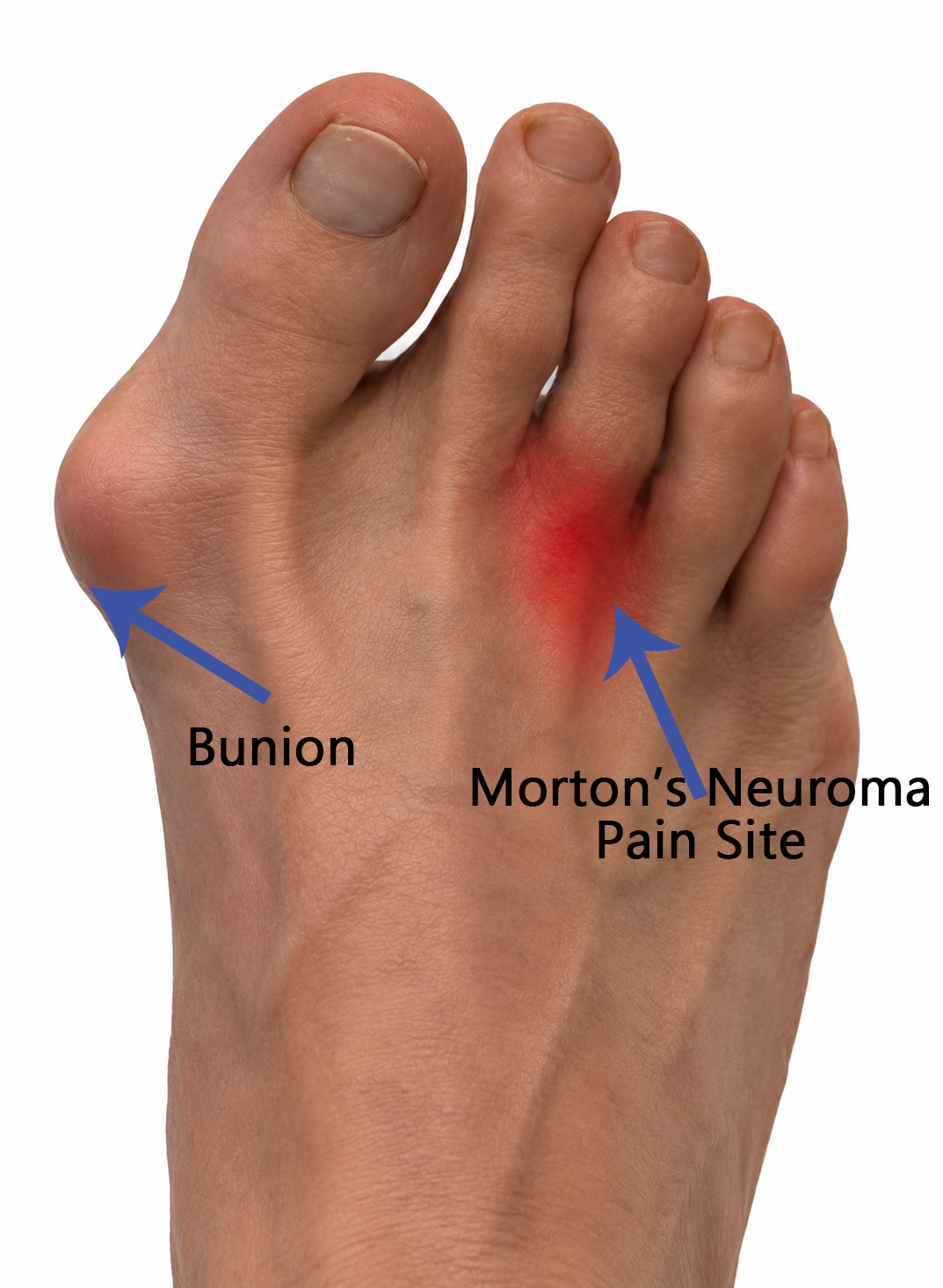
Bunion and Morton’s Neuroma: Can a Bunion Affect Neuroma Recovery?
While a bunion and a Morton’s neuroma are two different foot conditions, if they are [...]
Continue readingSep
Blog
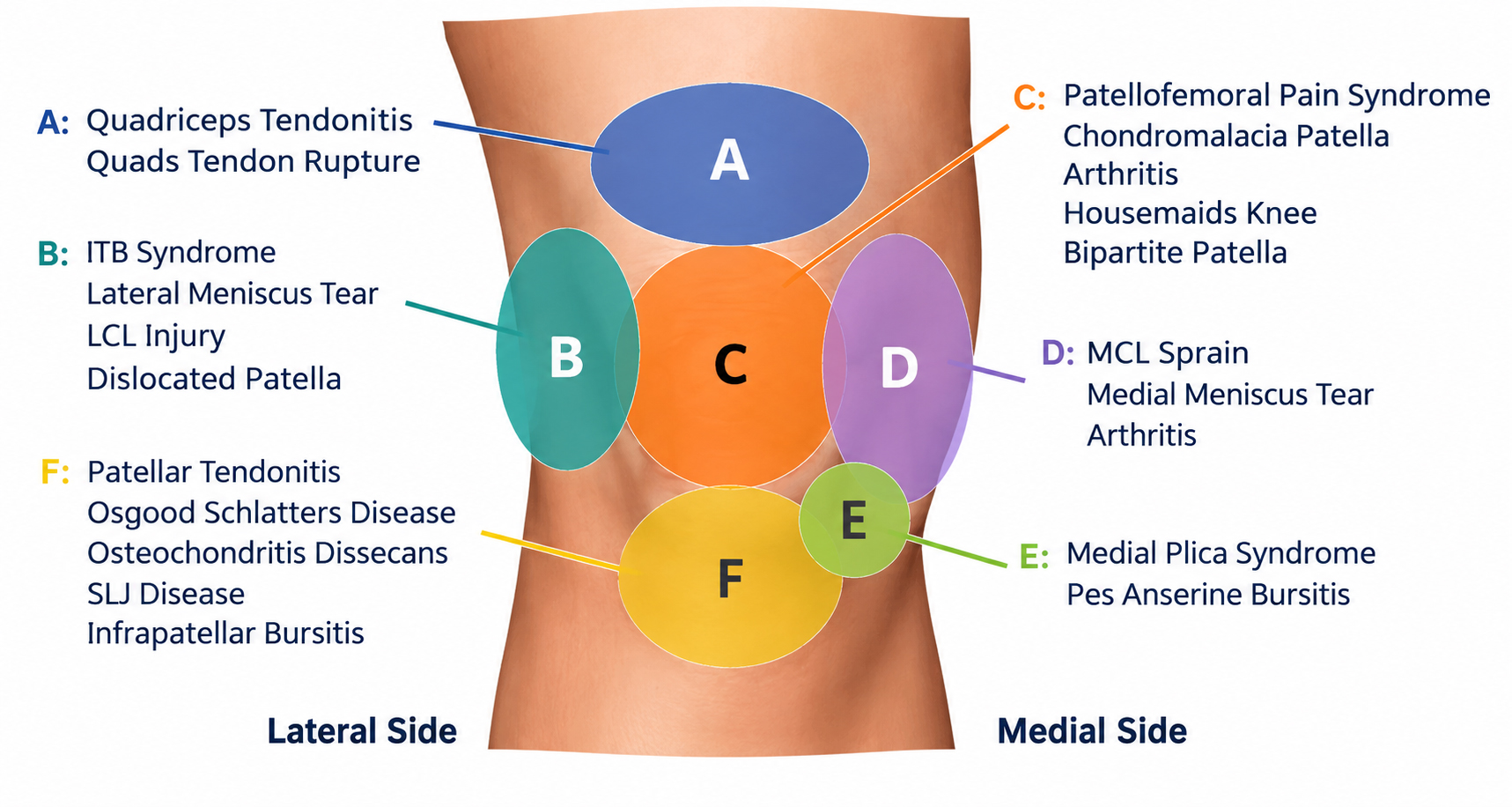
Knee Pain in Coburg
Knee pain is a common form of injury and can affect people of all ages [...]
Continue readingSep

Blog
Post-Surgery MLD Melbourne – Vodder MLD Therapist
Any form of surgery is an invasive procedure for the body to deal with, and [...]
Continue readingSep

Mar
As already mentioned earlier MLD is a fantastic manual technique that can be used to improve the healing of many conditions. Along with the conditions that MLD is useful for there is bone fracture. Said so, in order to understand how MLD can help to speed up the recovery from a bone fracture we have to analyse what’s happening within the body when such trauma happens. A bone fracture is an injury that can happen at any age, due to an accident or trauma. The main type of bone fractures are: Displaced Angulated Shortened Rotate Symptoms of bone fracture Pain Swelling Bruising Deformity Inability to use the limb. The fracture so can be a crack side to side or in the middle of the bone. Eventually, the bone can crumble too, or break in multiple areas. At the worst, the bone can also cut the skin, and come out of the body. If this post is talking to you, book your next massage session by clicking here. Depending on where the fracture is, and what type of fracture it is, surgery could be required. Independently if surgery is required or not, still MLD can help to boost the recovery. Indeed, when a fracture happens the body recognises a trauma to its system. As long as the body won’t know exactly what the trauma is, and if the trauma does involve a skin crack or not, to prevent infections and external bacteria or pathogens to enter the body, the vein, capillaries and the lymphatic system around the trauma area get restricted. As per result, the body does swell. In fact, this explains why, when oedema happens the body does swell. It is an automatic body response to prevent further damage to happen. As the body then, realise what the issue is, slowly does reactivate the lymphatic system, and does fully reopen veins and capillaries, so that the blood can start circulating again freely. But the time that the body can reduce the swelling by itself, with a lymphatic system that works at regular speed (about 7 to 8 bits per minute) it would take a while to reduce the swelling. Furthermore, when I bone is broken that body part would have to stay still for a while, weeks or months. As per result, the blood and lymph flow would be slower than usual. And here is where MLD comes to be useful. If by reading this post, you feel like MLD is what you need now to recover from your injuries, click here to book now your next session. As MLD therapists indeed, we would check that there is no acute infection in the area where we want to apply MLD. If that’s the case, then, we can start our work. By boosting the lymphatic system, up to 3 to 4 times its normal ratio, we can quickly reduce the swelling. And what about if the area affected is covered with a plaster cast? Well, let’s not forget that the lymphatic system works as a vacuum and the area of loads is below the clavicle. So, stimulating the Lymphatic system at the top can actually already improve its suction ability till down the feet. For example, if the fracture is at the foot, initially MLD can be applied at the neck, to open the Lymphatic System duct that reverses in the veins, and secondly can be applied to the abdominal level and down the legs, just before the foot. Now, that swelling reduction, come’s with many benefits. For example, in the area treated, there is a transaction of extra oxygen, protein, vitamins, blood and other essential elements useful for the bone to heal. And occasionally, depending on the type of fracture is not only the bone the one that has to heal. In fact, along with a bone fracture, the body part fractured stays steel for weeks and months. That would create a weakness in the muscle that would then require rehabilitation. As a Remedial Massage therapist, I would have to refer the client to a Physiotherapist for rehabilitation. Even so, as a Remedial Massage therapist, I can still deliver massage services that can help in restoring muscle functionality. In conclusion, MLD can help with: reducing the swelling along a bone fracture; help in speeding up the recovery of the skin damaged by the fracture and or by the operation; Speeding up the healing of muscles and soft tissue around the fracture; Ultimately, by increasing relaxation, MLD is also useful to keep the humour of the person at ease, as often happens that after a trauma such as a bone fracture, the person can feel anxious and demoralised due to poor mobility and difficulties in moving.
Dec
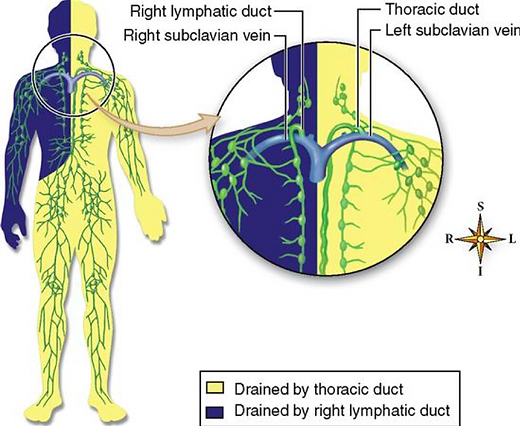
A Watershed is an imaginary line that divides the body and the Lymphatic System into quadrants. Each quadrant has its lymphatic liquid collection canal, and the lower quadrants, as per the two legs, sends the liquid to the cisterna kili, a gland that sits deep behind the belly button that is connected to the upper left duct within the upper left quadrant. Some genetic variation, seeing the thoracic duct connecting to the right lymphatic duct. What does the watershed division look like? The main watersheds are four. A vertical one divides the body into two equal vertical halves. A horizontal one divides the body into the upper and lower body at the inguinal level. Other horizontal watersheds are parallel to each other and are located at: The clavicle line runs through the belly button on top of the iliac crest. In doing so, we have six quadrants: upper, medial, and lower. Other watersheds run vertically within the body. Those are located on the arms and on the upper leg. The importance of watersheds. As we dig more and more within the functionality of the Lymphatic System and MLD as a Lymphatic Drainage technique, we can see that in these specific quadrants, there are bundles of Lymph nodes that get loaded from the lymph vessels connected to them. The watershed division allows the liquid to be directed to a specific body area where lymph nodes are found. Indeed, the lymph nodes are the ones that clean up the lymph fluid, also called obligatory lymph load. When we treat a patient, we have to make sure where we direct the liquid because we want to ensure that the lymph fluid gets sent to the lymph nodes, where it will be processed and then transferred to the lymph/vein duct at the base of the cervical area. This is extremely important when we treat Lymphoedema, where we may bypass the watersheds, where the lymphatic system has been damaged or is missing, to transport the lymphatic fluid from a stagnant area to an active one. How to bypass a watershed To bypass a watershed and transfer the lymphatic fluid from one side of the body to the other side, we have to stimulate the anastomoses, which are the alternative pathways of the lymphatic system. Unless those pathways are stimulated, we can not transfer the fluid side to side along the horizontal or vertical lines. An example would be a person who went through a mastectomy and has a unilateral Lymphoedema. In that case, we need to stimulate the upper anastomosis to transfer the fluid side to side. In the drawing beside, you can notice the upper anterior and posterior anatomoses drawn in thick green lines. The upper watershed and the duct. After the obligatory lymph load reaches the upper watershed (the one running along the clavicle), it gets passed to the venous system. This happens after the obligatory lymph load travels with the trunk collector and passes through the duct. The duct is the last portion of the lymph trunk that connects to the venous system. In conclusion, we want to specify that the lower quadrants (R leg and L leg) and the upper L quadrant drain in the L thoracic duct within the L subclavian vein. Where the R upper quadrant drains into the R duct connected to the R subclavian vein. Below here, is a list of blog posts that talk about conditions where MLD can be beneficial: Bone fracture Sunburn Preeclampsia TMJ Chronic Pain Fibromyalgia Melbourne Massage and Treatment and Lymphatic Drainage Massage At Melbourne Massage and Treatment, Lymphoedema Clinic, I am specialised in Applied MLD and Lymphoedema management. I did train with the Vodder academy for my Lymphatic Drainage practice, and I have a clinical approach to this type of work. If you are in need of manual lymphatic drainage treatment, do not hesitate to book your next appointment now. A 15-minute Online free consultation is also available for those who suffer from Lymphoedema or Lipedema.