
Pain is something that we all experience, and it can start after an injury, during an illness, following surgery, or even without an obvious cause. Indeed, pain is not always related to body damage, like a muscle tear or a broken bone. In support of this, to better understand pain, modern science shows us that pain is a complex experience produced by the nervous system. It is influenced by information coming from the body, but also by previous experiences, expectations, emotions, stress, sleep and the context in which the pain occurs. The International Association for the Study of Pain (IASP) defines pain as an unpleasant sensory and emotional experience associated with, or resembling that associated with, actual or potential tissue damage. What we have to understand, to start with, is that pain can occur even when there is little or no ongoing tissue damage. That’s really important when we talk about chronic pain. What is chronic pain? By definition, chronic pain is described as pain that persists or recurs for more than three months. That said, this doesn’t mean that an injury has remained damaged for such a long time. In fact, in some people, pain initially begins because of an injury or another physical problem but continues after the original tissue has had enough time to heal. This is where chronic pain can develop, because the nervous system has become more sensitive to signals from the body. So yes, even after such a long time and with physical damage repaired, the nervous system is still in alert mode, creating a signal of pain, where actually nothing physical npothing is wrong. This is one reason why treating chronic pain is often more complicated than simply finding a damaged muscle, tendon or joint and treating that structure. Chronic pain can involve different mechanisms, including nociceptive, neuropathic and nociplastic pain, and more than one mechanism can be present at the same time. Pain does not always equal damage When I treat patients who suffer from chronic pain, including pain that recurs after years, I have to ensure I explain how pain actually works, and that pain and tissue damage are not always directly proportional. Indeed, we are all aware that we all have different pain tolerance, and that someone can have significant pain with relatively little tissue damage, while another person can have substantial structural changes with surprisingly little pain. This does not mean that the pain is imaginary, or that you have to feel crazy to be in constant pain. Unfortunately, the pain is real. But what this means is that we need to create a management program to change how your nervous system is dealing with pain management and response. Because at the base of it all is that when pain persists for a long time, the sensitivity of the pain system can change. This can contribute to increased sensitivity to pressure, movement or other normally tolerable stimuli. It is like an alarm that went on every day for weeks, and then months, and out of nowhere, any stimulus can trigger it. So yes, this is one of the reasons why chronic pain needs to be approached as more than a local problem in a muscle or joint. Why can pain continue after an injury has healed? After an initial injury, or a nociceptive stimulus, pain can hang around even when no stimulus of major level is left. A stimulus that could give you pain is getting spiked with a needle, for example, when doing a blood test. If that same experience is then associated with a major stressor, like a trauma- think of pain that started after a severe car accident- the pain can be more challenging, because your central nervous system is now associating the pain not only with a physical injury (a needle penetrating the skin) but to a severe car accident. That trauma, that intense experience, can now wire your nervous system to be in alert mode constantly and therefore constantly fire a pain response, even though the physical damage is repaired. Other factors can also influence pain processing, including: Higher level of stress Poor sleep Previous pain experiences Fear of movement Expectations about what a particular movement might do to the body. So yes, you now can also understand that avoiding movement completely is not always the best long-term solution, because that fear of movement can increase the pain expectation and experience. Can hands-on treatment help chronic pain? This is another topic I find myself sharing constantly with my clients. Hands-on treatment, yes, is extremely helpful with chronic pain, and here is why. Manual therapy, that is, Remedial Massage or MLD, can provide a strong sensory input to the nervous system. Any form of touch therapy, indeed, is simply a stimulation to the nervous system. The trust built with my clients and the nervous system touch stimulation create a positive cycle that can help modulate the pain response for the better. In more detail, touch, pressure and movement stimulate sensory receptors and provide the brain with new information about the area being treated. This can influence how pain is processed and may temporarily reduce pain sensitivity. A systematic review and meta-analysis of physical therapy interventions in people with chronic musculoskeletal pain found improvements in some measures associated with pain processing, including temporal summation and conditioned pain modulation. The authors concluded that physical therapy may have a modest effect on altered pain processing, although the results differed between treatment approaches. But even if science backed up the benefit of hands-on treatment for chronic pain, we have to remember that massage can only provide pain modulation, and no one, with their hands, can actually fix a problem or heal you. And I can stress this enough to my clients. In fact, I always explain to them that I see hands-on treatment as one part of a broader treatment plan, rather than the entire solution. The temporary reduction in pain can be useful because it may make it […]
Tag Archives: chronic pain

Blog
Facet Joint Irritation and Muscle Weakness: What You Need To Know
In my experience as a Clinical Myotherapist at Melbourne Massage and Treatment Myotherapy and Lymphoedema [...]
Continue readingOct

Blog
Chronic Pain: What it is, and what can you do about it?
Pain is something that we all experience, and it can start after an injury, during [...]
Continue readingOct
Blog
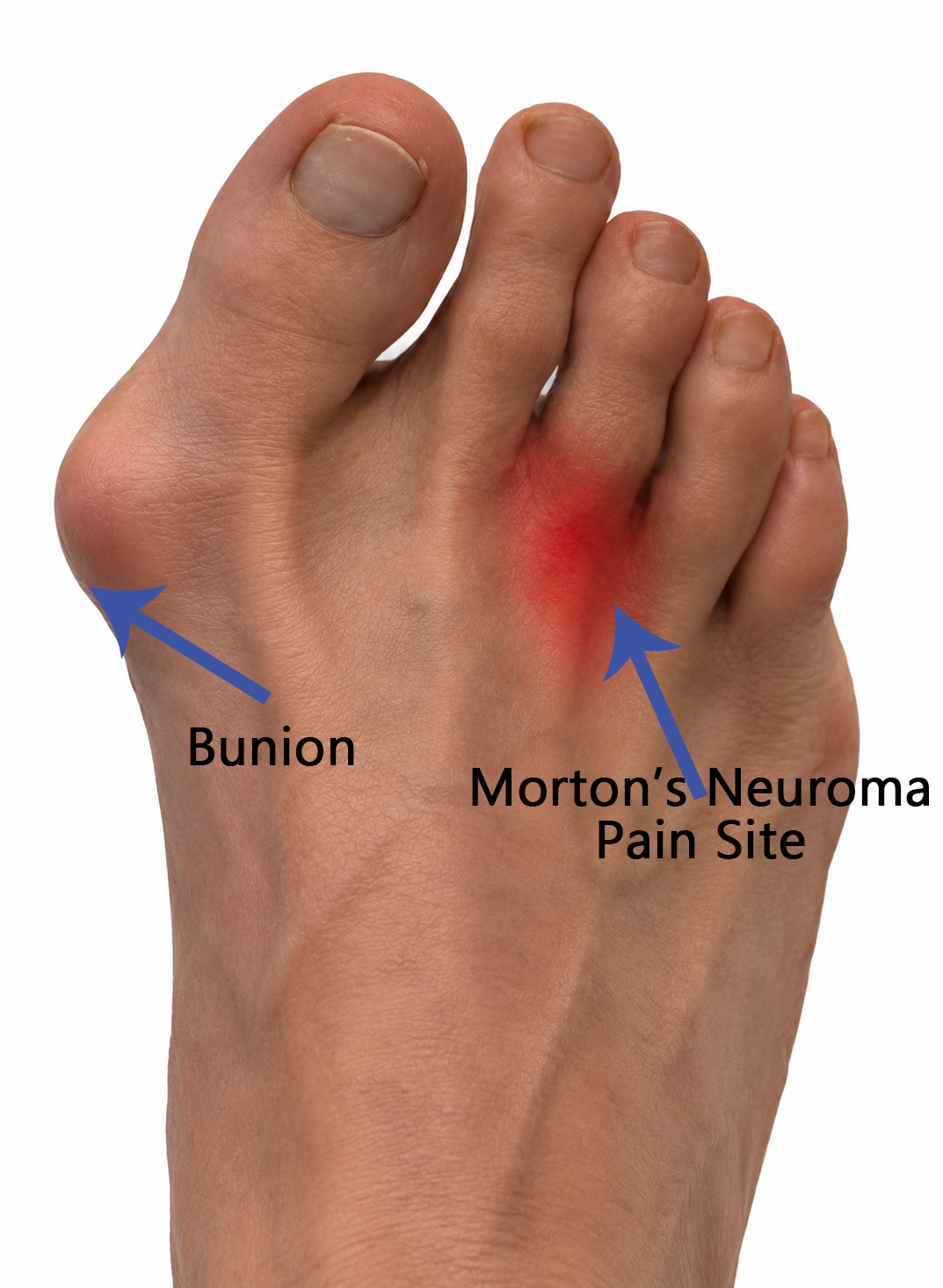
Bunion and Morton’s Neuroma: Can a Bunion Affect Neuroma Recovery?
While a bunion and a Morton’s neuroma are two different foot conditions, if they are [...]
Continue readingSep
Blog
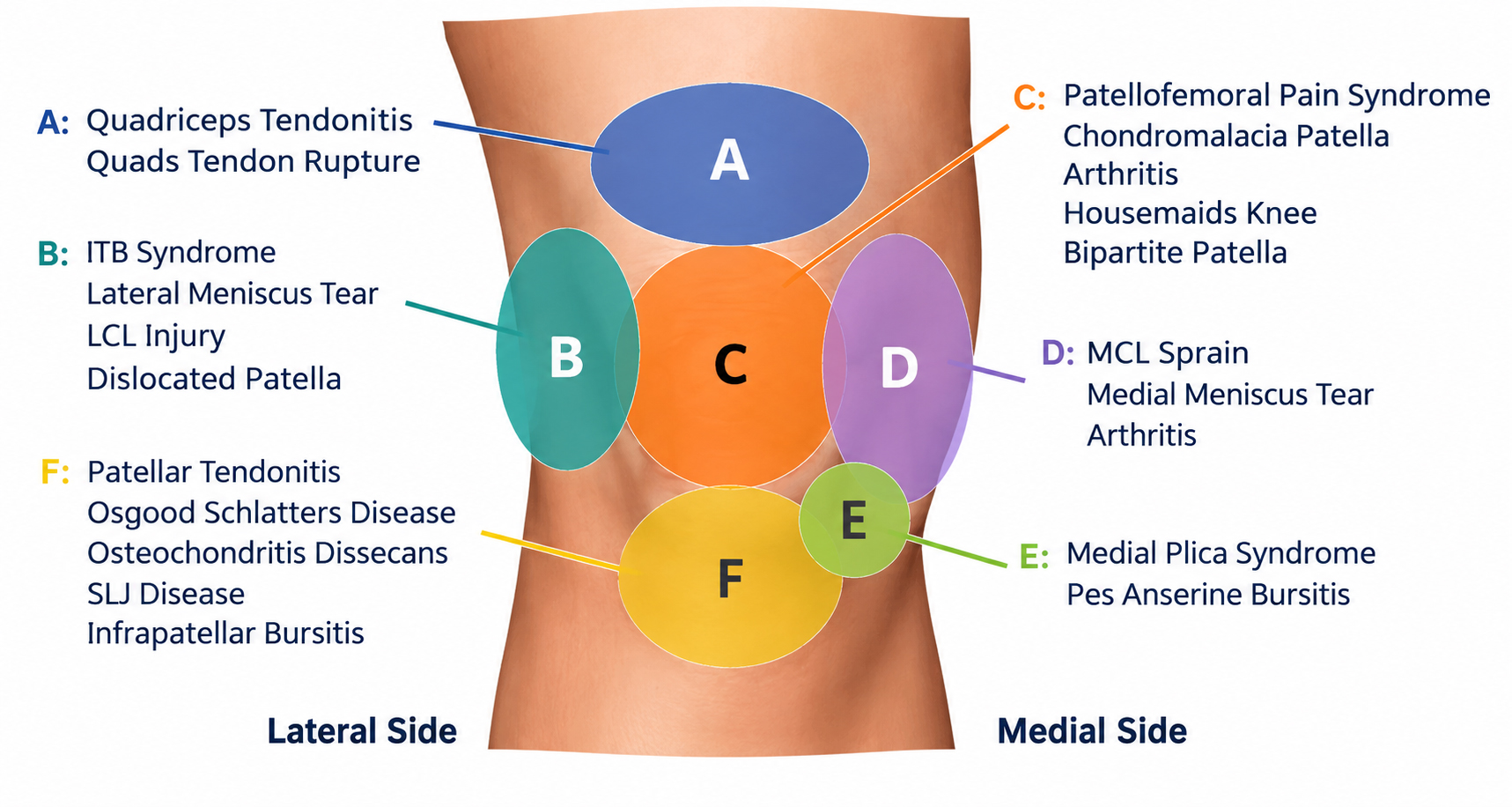
Knee Pain in Coburg
Knee pain is a common form of injury and can affect people of all ages [...]
Continue readingSep

Blog
Post-Surgery MLD Melbourne – Vodder MLD Therapist
Any form of surgery is an invasive procedure for the body to deal with, and [...]
Continue readingSep
Apr
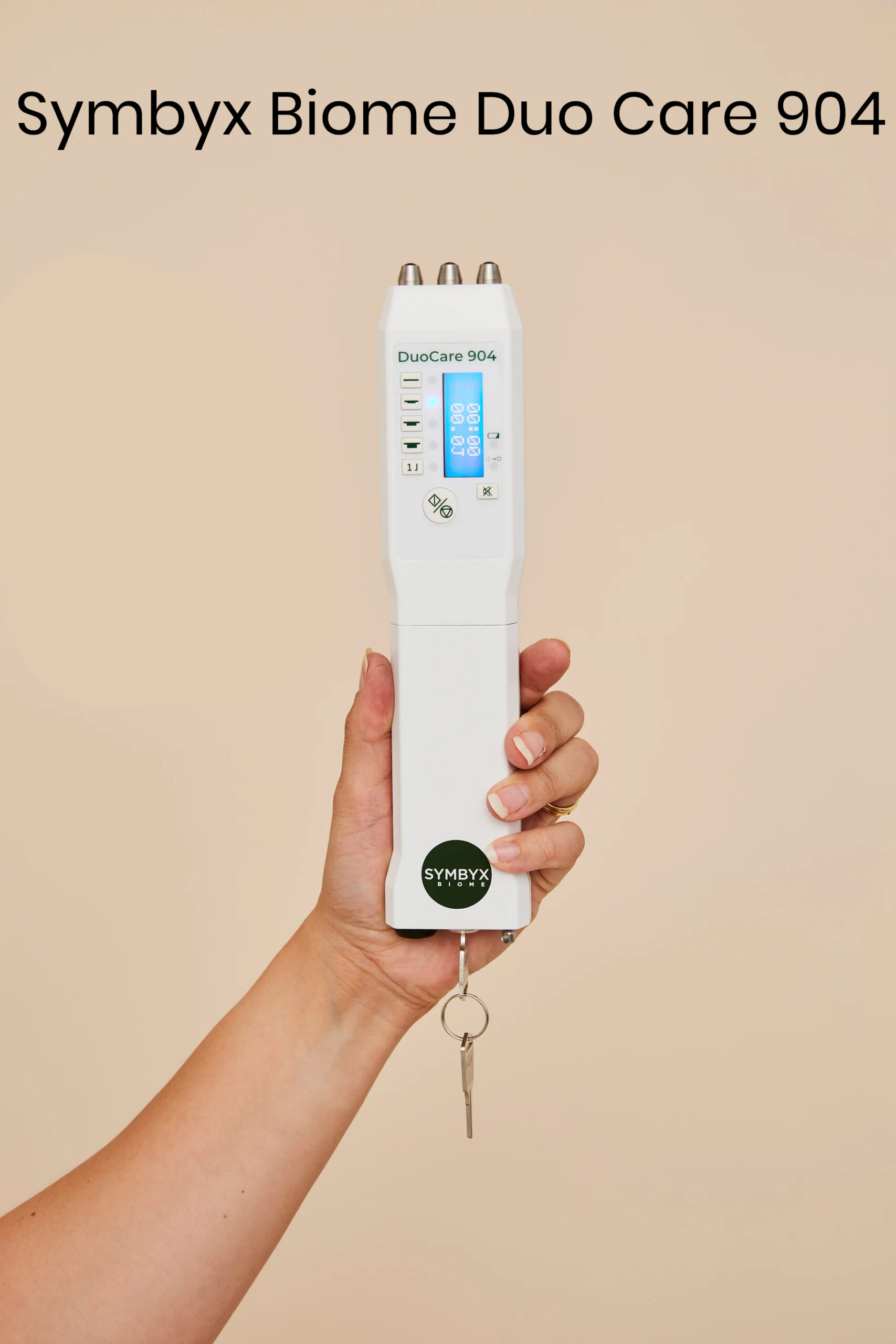
If you have been at the clinic most recently, you may have heard me talk about LLLT (Low-Level Laser Therapy). LLLT is one of those tools that quietly adds a lot of value to any treatment modalities I get to offer, without making a big fuss, and without increasing the service fees. So yes, in this blog, we are going to look into why I use it, what the science says, and, most importantly, what it can do for you. First Things First: What Is Low-Level Laser Therapy? The simplest explanation I can share is that LLLT (also called photobiomodulation) uses specific wavelengths of light to stimulate your body at a cellular level. Indeed, LLLT is not a hot or burning type of laser, but it is a low-intensity, non-invasive light that interacts with your tissues to encourage healing and reduce pain. This is possible because LLLT stimulates the cell in producing more ATP energy (cell energy) which than can be used for the cell to replicate. Simply, it helps your body do what it’s already trying to do, just more efficiently. What Does the Science Say About Low-Level Laser Therapy? As a practitioner who offers his service based on scientific recommendations, I’m very particular about what I bring into the clinic. If it’s not backed by solid research, it doesn’t stay. Therefore, here’s what recent PubMed evidence tells us: Pain Reduction In a systematic review by Diaz et al. (2025), they looked at 44 randomised clinical trials and found that LLLT can reduce pain by 60–70% in certain musculoskeletal conditions (in this case, TMJ) while also improving function. When a systematic review shows such results, it is considered strong evidence. Supports Injury Recovery & Reduces Inflammation When looking at Lawrence J. Sorra K., (2024) review, that did focus on Low-Level Laser Therapy (LLLT) for Acute Tissue Injury or Sport Performance Recovery the highlighted facts about LLLT are: Modulate inflammation Improve tissue repair Support recovery after injury All with minimal risk or side effects. That said, in this review, it is also highlighted how, in acute injury, there is a lack of evidence for LLLT effectiveness. In conclusion, than, is shown how no side effects are present and how LLLT is a safe therapy to be add to other modalities, especially fitness classes. Works Best as an Add-On (Not a Replacement) About this last statement, that LLLT is not a substitute for other modalities, we have a meta-analysis by Awotidebe A. et al. (2019), which shows how LLLT can provide additional short-term pain relief when combined with exercise or therapy, even if it doesn’t always change long-term function on its own. And this is the key point most people miss. LLT is not magic; It’s a multiplier. Exercises are the medicine. Why I Use LLLT at Melbourne Massage and Treatment? I decided to invest in the usage of Low-Level Laser Therapy SymbyxBiome DuoCare 904, which operates in a wavelength range consistent with what research suggests is effective (typically around 800–900nm), as it can be an effective treatment modality to help my patient feel better, reduce their inflammation and pain, so that they can move better and be able to deliver exercises without bein in too much pain. And here is another important part: I don’t charge extra for it. Why? The answer is simpler than you may think. LLLT is not a “standalone service” in my philosophy; it’s a value-add. If it can: Reduce your pain faster Help your tissues recover better Improve your overall outcome Then, as with any other therapy, it belongs inside your session, not on top of your invoice. What LLLT Does Feel Like? When telling people what LLLT feels like, I respond with: “Drop your expectation”. In fact, you will feel: No heat No discomfort No downtime And yet, underneath the surface, your cells are being stimulated to: Produce more energy (ATP) Improve circulation Reduce inflammatory markers That’s where the real magic happens. It is a way to make your body do what it does normally, only faster. And there is no side effect. What Condition Can Benefit Best From LLLT? Conditions where LLLT is recommended for are: Persistent muscle pain Tendinopathies Jaw pain (TMJ) Post-injury recovery Fibrosis Scar tissue Any presentation would need treatment that lasts 10 to 20 minutes, and the frequency of treatment can be 2 to 5 times a week, with results of pain relief after 3 to 6 weeks. Those numbers vary depending on the type and location of the injury. What we know is that for the early stage, it is better to have more frequent treatment, and after week 1, the treatment can drop from 4 to 5 times a week to 3 times a week, till once a week for major injury if the treatment has to go on for 5 to 6 weeks. Why Frequency Matters As mentioned above, LLLT works by stimulating your cells, particularly the mitochondria, to produce more energy (ATP), which helps with: Tissue repair Reducing inflammation Pain modulation But that effect doesn’t last forever; cells need a more frequent stimulation to obtain the best results. Therefore, if sessions are too far apart, you lose momentum, but if they’re too close without reason, you’re not adding extra benefit. So that’s why, in the initial phase of an injury, we work more often to boost the recovery, and once the recovery is nearly optimal, and you are doing your exercises and structural strength, then the LLLT session can be placed further apart. What Is The Bottom Line Regarding Low-Level Laser Therapy? After so many years in the massage industry, and after all the research and studies of different modalities, there is one thing that I have learned. There’s no single “miracle treatment.” But, on the other hand, there are combinations that work extremely well together. Hands-on therapy + movement + the right adjunct tools, that’s where results happen. And LLLT is one of those tools. So drop your expectation of magic and no effort […]
Dec
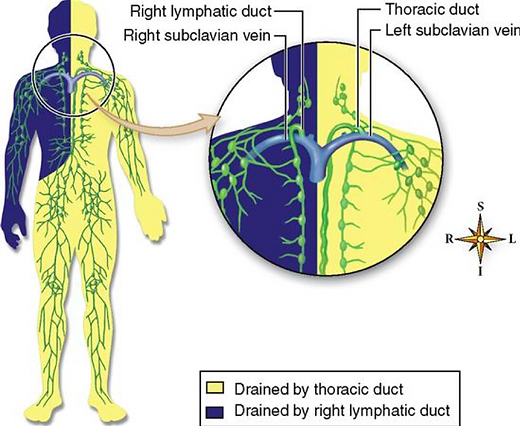
A Watershed is an imaginary line that divides the body and the Lymphatic System into quadrants. Each quadrant has its lymphatic liquid collection canal, and the lower quadrants, as per the two legs, sends the liquid to the cisterna kili, a gland that sits deep behind the belly button that is connected to the upper left duct within the upper left quadrant. Some genetic variation, seeing the thoracic duct connecting to the right lymphatic duct. What does the watershed division look like? The main watersheds are four. A vertical one divides the body into two equal vertical halves. A horizontal one divides the body into the upper and lower body at the inguinal level. Other horizontal watersheds are parallel to each other and are located at: The clavicle line runs through the belly button on top of the iliac crest. In doing so, we have six quadrants: upper, medial, and lower. Other watersheds run vertically within the body. Those are located on the arms and on the upper leg. The importance of watersheds. As we dig more and more within the functionality of the Lymphatic System and MLD as a Lymphatic Drainage technique, we can see that in these specific quadrants, there are bundles of Lymph nodes that get loaded from the lymph vessels connected to them. The watershed division allows the liquid to be directed to a specific body area where lymph nodes are found. Indeed, the lymph nodes are the ones that clean up the lymph fluid, also called obligatory lymph load. When we treat a patient, we have to make sure where we direct the liquid because we want to ensure that the lymph fluid gets sent to the lymph nodes, where it will be processed and then transferred to the lymph/vein duct at the base of the cervical area. This is extremely important when we treat Lymphoedema, where we may bypass the watersheds, where the lymphatic system has been damaged or is missing, to transport the lymphatic fluid from a stagnant area to an active one. How to bypass a watershed To bypass a watershed and transfer the lymphatic fluid from one side of the body to the other side, we have to stimulate the anastomoses, which are the alternative pathways of the lymphatic system. Unless those pathways are stimulated, we can not transfer the fluid side to side along the horizontal or vertical lines. An example would be a person who went through a mastectomy and has a unilateral Lymphoedema. In that case, we need to stimulate the upper anastomosis to transfer the fluid side to side. In the drawing beside, you can notice the upper anterior and posterior anatomoses drawn in thick green lines. The upper watershed and the duct. After the obligatory lymph load reaches the upper watershed (the one running along the clavicle), it gets passed to the venous system. This happens after the obligatory lymph load travels with the trunk collector and passes through the duct. The duct is the last portion of the lymph trunk that connects to the venous system. In conclusion, we want to specify that the lower quadrants (R leg and L leg) and the upper L quadrant drain in the L thoracic duct within the L subclavian vein. Where the R upper quadrant drains into the R duct connected to the R subclavian vein. Below here, is a list of blog posts that talk about conditions where MLD can be beneficial: Bone fracture Sunburn Preeclampsia TMJ Chronic Pain Fibromyalgia Melbourne Massage and Treatment and Lymphatic Drainage Massage At Melbourne Massage and Treatment, Lymphoedema Clinic, I am specialised in Applied MLD and Lymphoedema management. I did train with the Vodder academy for my Lymphatic Drainage practice, and I have a clinical approach to this type of work. If you are in need of manual lymphatic drainage treatment, do not hesitate to book your next appointment now. A 15-minute Online free consultation is also available for those who suffer from Lymphoedema or Lipedema.