

As a therapist who offers Manual Lymphatic Drainage in Melbourne, I am blown away by how many people come and seek MLD for general wellbeing, and ask me questions like: “What about tapping my body?” “Should I do guasha?” “I have been told my Lymphatic System is sluggish” Indeed, if you’ve spent any time on social media lately, you’ve probably seen endless content about the lymphatic system, and of course, the more time you spend watching them, the more you will be offered. Dry brushing. Guasha. Detox teas. Essential oils. I call those “Social Media, Lymphatic hacks.” They belong only to social media, not to reality and/or science. As someone who practises Manual Lymphatic Drainage in Melbourne (MLD), I think it’s important to explain what the lymphatic system actually does, what MLD is really useful for, and why people often overcomplicate something that the body already does naturally. And honestly, for many healthy people, one of the best things you can do for your lymphatic system is simply go for a walk. What Is the Lymphatic System? To start with, the lymphatic system is part of your body’s immune and fluid regulation system. Its job is to: Help manage fluid balance Support immune function Transport waste products Assist with inflammation and healing It consists of: Lymph vessels Lymph nodes Lymphatic organs Lymph fluid Unlike the blood circulation, the lymphatic system does not have a pump like the heart, and another difference is that the lymphatic system is capable of absorbing substances that are, molecularly speaking, bigger than what the blood stream can do, simply because the capillaries of the lymphatic system have a bigger aperture than those of the blood stream. Then, regarding how the lymphatic system pumps fluid around the body, it is based on the fact that the internal vessel contraction occurs. The more the vessel contracts, the more liquid moves. And those vessels are sensitive to their surroundings, in fact: Muscle contractions Breathing Changes in pressure Everyday movement Those are all factors that stimulate the lymphatic system to work faster. That’s why movement is so important. And consider that in the human Lymphatic System, contraction rates are typically around 1 to 2 times per minute, at rest, where when doing intense visceral activity, it can jump up to 15 contractions per minute. Why Walking Helps Your Lymphatic System Now, we can than easily understand that every time we walk, our muscles gently contract and relax, and specifically, the calf muscles are the ones that work the most, and are the ones responsible for assisting both the lymphatic and blood systems to push liquid upwards, against gravity. So, walking acts like a natural pump for lymphatic flow, and it can help with: Encourage fluid movement Support circulation Reduce stiffness Improve breathing mechanics Support general recovery and wellbeing Reduce stress Your body evolved to move lymph through normal human movement. Not through expensive “detox” products. Not through aggressive scraping tools. Not through viral wellness trends. Simple movement works remarkably well. What About Dry Brushing and Guasha? Ok, I will be honest on this one: this is where social media often exaggerates things. There is currently no strong scientific evidence showing that dry brushing or guasha creates a special lymphatic drainage effect in healthy individuals. And I want this message to be clear: we are talking about healthy individuals, who are the vast majority of us. That doesn’t mean people cannot enjoy those practices, because they still have a meaning and a use. Indeed, any skin gentle stimulation would still have a major impact on the nervous system, specifically the parasympathetic (rest and digest one), which means it can still have a relaxation effect. Therefore, dry brushing may: Exfoliate the skin Increase temporary circulation at the surface Feel relaxing Guasha may: Feel relieved of muscle tension – and again, this is a nervous system response Temporarily increase local blood flow But neither appears to “detox” the body or dramatically improve lymphatic drainage in the way social media often claims, and most importantly, none of the effects mentioned above last for a long time, nothing like or in comparison to a good walk or exercise time. So let’s be clear about what does what, and let’s remember that the human body already has highly sophisticated systems for managing waste and fluid balance: The lymphatic system The liver The kidneys The lungs The digestive system And again, most healthy people do not have a “blocked” lymphatic system. What science says about those tools? Interestingly, even some of the more positive research around guasha comes with important limitations that are often ignored on social media. Indeed, a study published by Sun‐hee A. et al (2025) that looked at facial roller massage and guasha found some short-term improvements in facial contour measurements, muscle tone, and skin elasticity. However, the researchers themselves acknowledged several limitations, including: The small sample size – only 34 participants The short 8-week duration – already longer than other studies They only looked at temporary aesthetic outcomes rather than meaningful health changes to the lymphatic system itself In fact, the study did not demonstrate that guasha “detoxifies” the body or improves lymphatic drainage in healthy individuals. In other words, while these techniques may temporarily affect appearance, circulation, tissue tension, or relaxation, that is very different from the dramatic claims often made online about “flushing toxins” or “resetting” the lymphatic system. Where Manual Lymphatic Drainage (MLD) Can Be Helpful Ok, if you got this far in the blog, it means you are actually serious about your wellbeing. Great! As a Clinical Myotherapist and Vodder MLD therapist, I am with you. Now, it is important to separate evidence-based treatment from wellness marketing. Manual Lymphatic Drainage (MLD) is a gentle, specialised treatment approach designed to support lymphatic flow and fluid movement. MLD can be beneficial for people experiencing: Lymphoedema Lipoedema Chronic venous insufficiency Post-surgical swelling Scar recovery Chronic inflammation Swelling after injury Sunburn recovery MLD may also support general well-being because it is deeply […]
Monthly Archives: May 2026

Blog
Facet Joint Irritation and Muscle Weakness: What You Need To Know
In my experience as a Clinical Myotherapist at Melbourne Massage and Treatment Myotherapy and Lymphoedema [...]
Continue readingOct

Blog
Chronic Pain: What it is, and what can you do about it?
Pain is something that we all experience, and it can start after an injury, during [...]
Continue readingOct
Blog
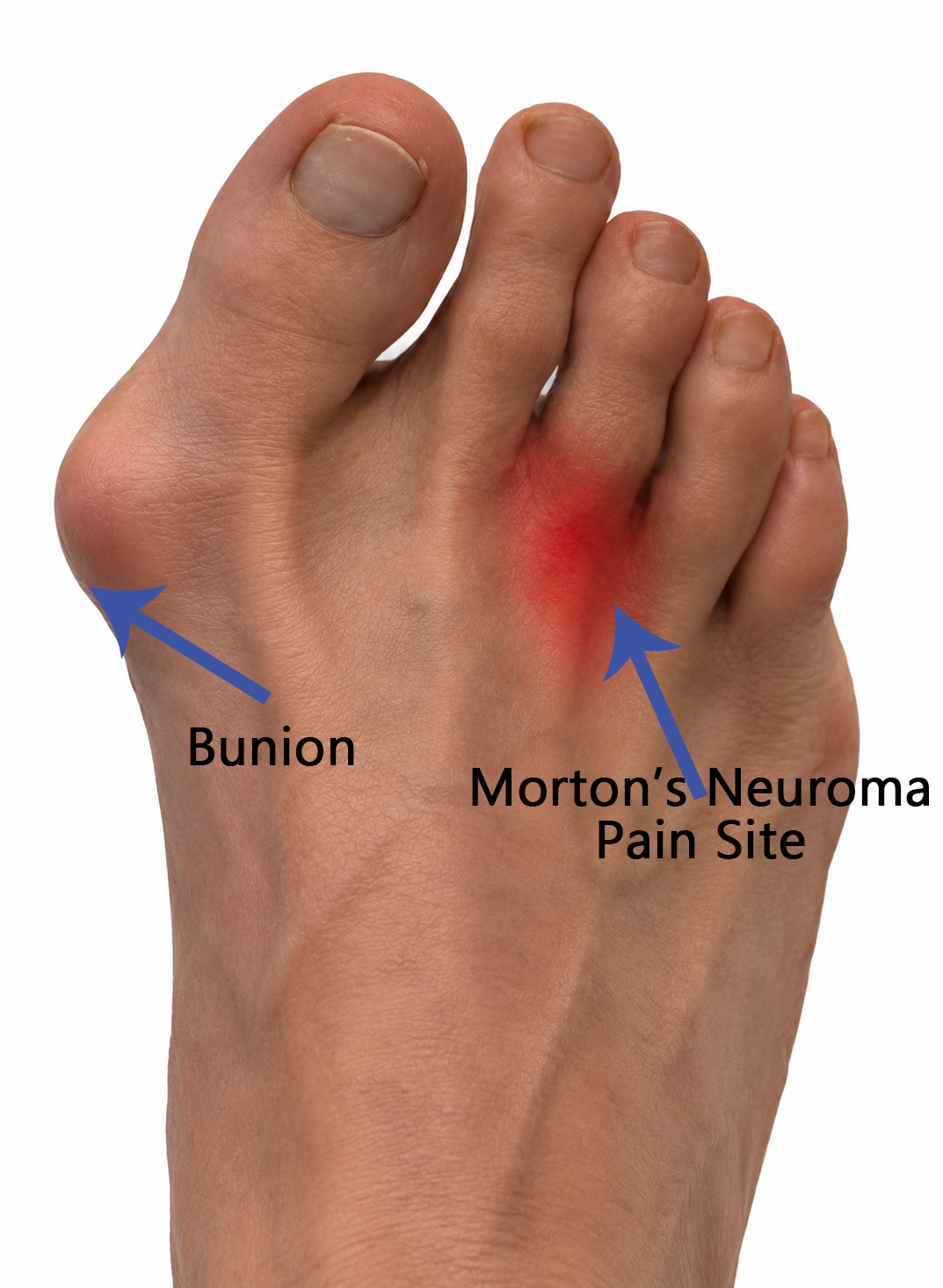
Bunion and Morton’s Neuroma: Can a Bunion Affect Neuroma Recovery?
While a bunion and a Morton’s neuroma are two different foot conditions, if they are [...]
Continue readingSep
Blog
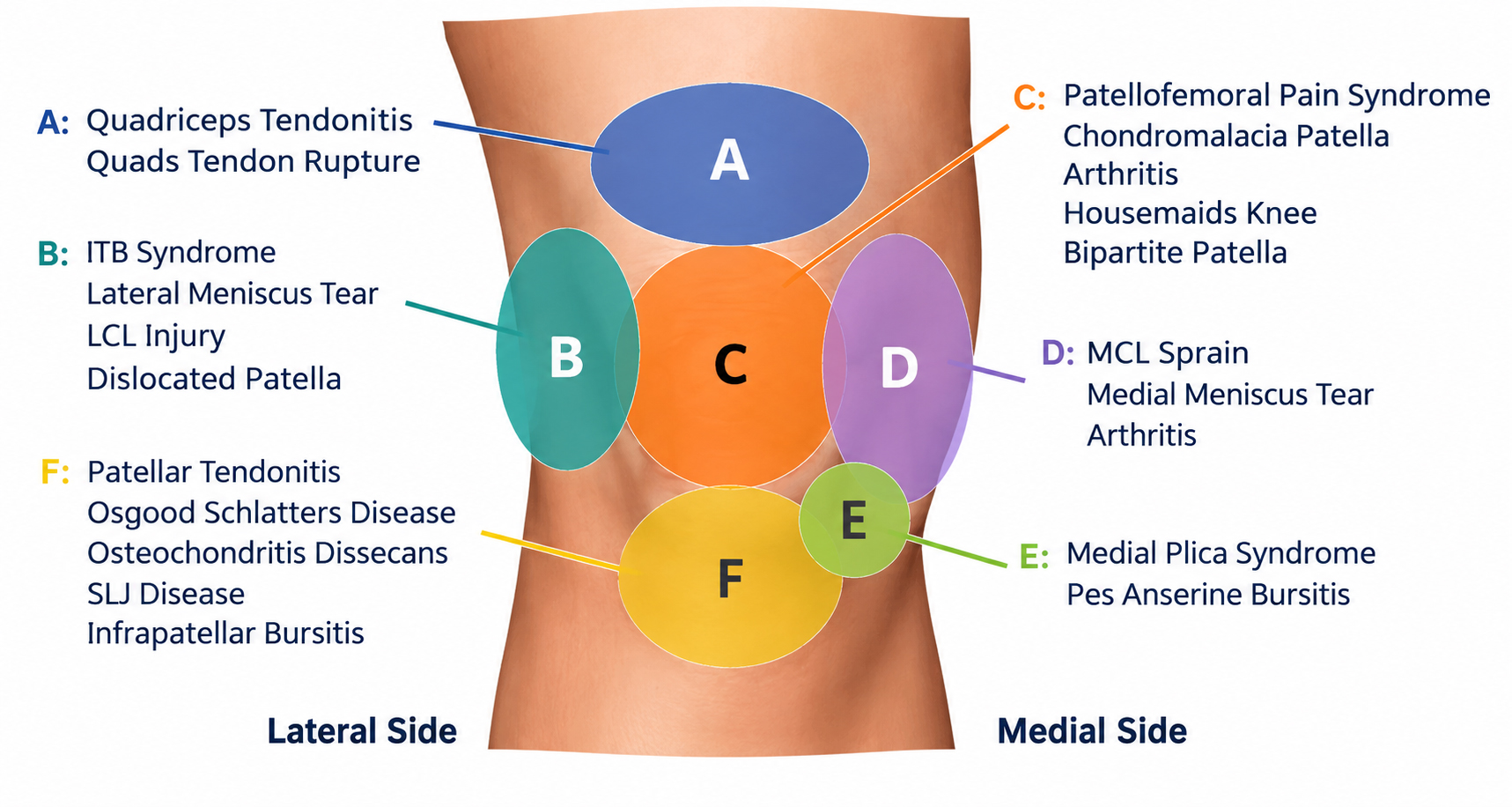
Knee Pain in Coburg
Knee pain is a common form of injury and can affect people of all ages [...]
Continue readingSep

Blog
Post-Surgery MLD Melbourne – Vodder MLD Therapist
Any form of surgery is an invasive procedure for the body to deal with, and [...]
Continue readingSep
May
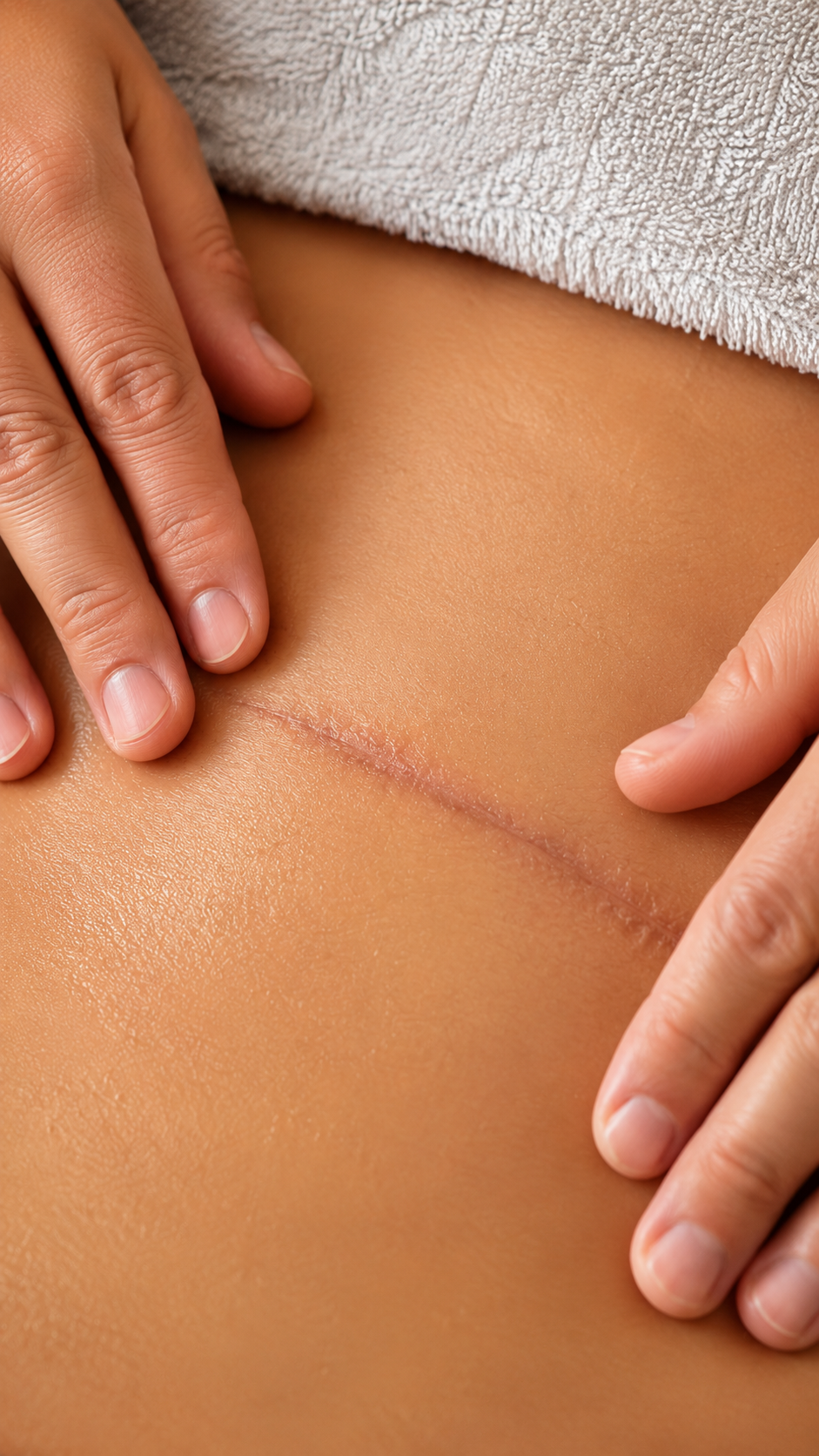
Cosmetic procedures like liposuction are getting more and more popular, with people looking to reshape and contour specific areas of their body. From abdominal sculpting to arm contouring and chin reduction, modern liposuction techniques offer a wide range of options depending on your body goals, recovery expectations, and overall health. At Melbourne Massage and Treatment Myotherapy Clinic in Coburg, I specialise in Manual Lymphatic Drainage (MLD), in Vodder style, to support clients before and after cosmetic surgery procedures. In fact, MLD is commonly recommended as part of post-operative recovery because it may assist with swelling reduction, circulation, tissue healing, and comfort during recovery. But as already mentioned in another blog, if you are aiming to get a cosmetic surgery done, you should start your MLD treatment the week before surgery to obtain the best results. What Is Liposuction? Liposuction is a surgical cosmetic procedure designed to remove stubborn fat deposits from targeted areas of the body. On the one hand, liposuction is not considered a weight-loss solution because you would regain weight if you don’t learn how to balance energy intake with energy expenditure, but it can help contour areas that may not respond to exercise and diet alone, as can happen in a Lipoedema presentation. Now, different liposuction techniques are used depending on the treatment area, amount of fat removal required, skin elasticity, and patient goals. Common treatment areas include: Abdomen and waist Thighs Hips and flanks Arms Back Chin and neck Chest Buttocks Knees and calves What happens when you go for a cosmetic procedure is that your lymphatic system is heavily affected, and it will have to deal with excessive inflammation to support the recovery as part of your surgical journey. Types of Liposuction Cosmetic Procedures Traditional Liposuction (Tumescent Liposuction) Tumescent liposuction is one of the most commonly performed forms of liposuction. During this cosmetic procedure, a sterile fluid containing saline, anaesthetic, and medication is injected into the treatment area before fat removal. Best For: First-time liposuction patients Moderate fat removal General body contouring Common Treatment Areas: Abdomen Love handles Thighs Arms Back Recovery Considerations: After traditional liposuction, swelling, bruising, and fluid retention are common symptoms. That’s where MLD may help support the body’s natural lymphatic function and encourage smoother recovery. At Melbourne Massage and Treatment in Coburg, I work closely with post-operative clients to help manage swelling and discomfort during recovery. VASER Liposuction VASER liposuction is a modern type of cosmetic procedure that uses ultrasound technology to break down fat cells before removal. Those techniques are often chosen for more precise body sculpting and definition. Best For: Athletic body contouring High-definition sculpting Patients who want more precise shaping Common Treatment Areas: Abdomen Chest Arms Waistline Back Recovery Considerations: Although VASER liposuction can be less invasive in some cases, swelling and inflammation are still expected during healing. Post-surgical Manual Lymphatic Drainage may assist with fluid movement and help clients feel more comfortable throughout recovery. Laser Liposuction (SmartLipo) Laser-assisted liposuction, as the name says, uses laser energy to liquefy fat before removal. This type of intervention is commonly recommended for smaller areas and may also assist with skin tightening. Best For: Smaller treatment areas Mild skin laxity Patients wanting subtle contouring Common Treatment Areas: Chin and neck Arms Inner thighs Lower abdomen Recovery Considerations: Even minimally invasive cosmetic procedures can create swelling and tissue sensitivity. This happens because the body still goes through a traumatic event when body tissue is removed. Water-Assisted Liposuction (Body-Jet Liposuction) Water-assisted liposuction uses a gentle stream of fluid to loosen fat before extraction. This technique is often considered less traumatic to the surrounding tissue. Best For: Patients want gentler fat removal Smaller to moderate fat reduction Faster recovery expectations Common Treatment Areas: Abdomen Hips Thighs Arms Recovery Considerations: While recovery may be smoother for some patients, swelling and fluid build-up can still occur. Power-Assisted Liposuction (PAL) Power-assisted liposuction uses a vibrating cannula to help break apart fat more efficiently during removal. Best For: Larger fat removal procedures Fibrous areas of the body Revision liposuction procedures Common Treatment Areas: Back Male chest Abdomen Flanks Recovery Considerations: Because PAL can involve larger treatment areas, swelling management is extremely recommended pre- and post-cosmetic procedures. So yes, again, MLD and not a generic lymphatic massage, is the way to go for your best recovery outcome. Which Liposuction Cosmetic Procedure Is Right for You? Choosing the right liposuction technique depends on several factors, including: Your body goals Skin elasticity Overall health Desired recovery time Areas being treated Surgeon recommendation A qualified cosmetic surgeon will assess your suitability and explain which technique best aligns with your expectations. If you decide to go overseas for your cosmetic procedures, I would strongly recommend triple-checking the qualifications of the surgeon who is going to deliver the surgery, and also triple-checking the web for feedback and reviews about the clinic. But don’t forget that regardless of the cosmetic procedures chosen, post-operative care plays a major role in healing and final results. Why Manual Lymphatic Drainage Is Important for Your Cosmetic Procedures Best Outcome Manual Lymphatic Drainage (MLD) is a gentle, pain-free hands-on treatment technique designed to stimulate the lymphatic system and encourage natural fluid movement throughout the body. After liposuction surgery, the body commonly experiences: Swelling Bruising Fluid retention Inflammation Tightness and discomfort Fibrosis All those symptoms are the result of a traumatic body experience, which would leave your lymphatic system with lots of dead cells and excess fluid to deal with. Because the lymphatic system helps remove excess fluid and waste from tissues, supporting this system during recovery may help improve comfort and healing. Potential Benefits of MLD for Post-Cosmetic Procedure Many clients seek Manual Lymphatic Drainage after cosmetic surgery to help with: Reducing swelling and puffiness Supporting circulation Encouraging lymphatic flow Assisting tissue healing Improving comfort and mobility Helping soften areas of firmness during recovery Supporting smoother recovery outcomes Recovery experiences vary between individuals, indeed MLD is what I got to offer for your recovery, but movement, good food, […]

May
MLD for cosmetic surgery is often seen as a treatment post-surgery. And while it is extremely important that you get your MLD done as soon as after surgery, it is actually even more important that you get it done before your surgery. Therefore, in this blog, we are going to talk about why MLD for cosmetic surgery is important pre- and post-intervention, and what the differences in outcome are. Cosmetic Surgery Is Controlled Trauma Any type of body surgery, cosmetic or orthopedic, even when it is elective and expertly performed, is still experienced as a trauma. Specifically, to cosmetic surgery, procedures such as: Liposuction Tummy tuck Breast augmentation or reduction Facelift Rhynoplasty BBL Arm or thigh lift Revision surgeries All of those create inflammation, fluid accumulation, tissue disruption, and stress on the lymphatic system and nervous system. In fact, after surgery, the lymphatic system suddenly has to manage: Increased inflammatory fluid Cellular waste Damaged proteins Bruising by-products Swelling Reduced movement and circulation So now imagine how your lymphatic system can deal with it, as it was not prepared for all this increased work. That’s when recovery can become slower and more uncomfortable. Therefore, pre-operative MLD becomes extremely valuable if you want the best results. MLD is Not a Generic Lymphatic Massage When I talk about MLD, I am specifically referring to Manual Lymphatic Drainage in Vodder style, not a generic lymphatic massage. I already dedicated a full blog post to this topic, and you can find the link here. And in summary, this is due to the fact that MLD is the only science-backed therapy that proves to stimulate the lymphatic system and has some positive effect on your wellbeing. Also, a Vodder MLD course is not a weekend training, but is an extensive ongoing training, which comes with continuous learning and revision courses. I have personally completed more than 90 hours of training with the Vodder Academy since I started my MLD adventure in November 2021, including my Lymphoedema and advanced body training (specifically for cosmetic surgery and pre- and postpartum scenarios). What Vodder-Style MLD Actually Does Vodder-style MLD is not a massage for muscles, and again, it is not a generic Lymphatic Massage. MLD in Vodder Style is a highly specialised and extremely gentle manual therapy designed to stimulate lymphatic vessels, improve lymph transport, and support the body’s fluid regulation mechanisms. In comparison to many other lymphatic treatment, MLD is not an aggressive massage technique, and it works directly with the physiology of the lymphatic system. The treatment uses precise rhythm, pressure, direction, and sequencing to: Stimulate lymphangiomotoricity Improve lymphatic drainage pathways Reduce stagnation Enhance tissue fluid movement Calm the nervous system Prepare tissues for inflammatory stress This matters enormously before surgery. Furthermore, MLD is a pain-free technique, and that’s why it is also effective in post-surgery settings. In fact, when you come out of a cosmetic surgery, the level of inflammation, swelling and bruising is extreme, and being gentle while working on the body is essential, not to keep stimulating pain and therefore inflammation response. Why MLD Before Surgery Makes Sense Let’s break down why MLD before cosmetic surgery is the way to go for the best surgery outcome. 1. It Prepares the Lymphatic System Before It Gets Overwhelmed Now, think of the lymphatic system like drainage infrastructure before a storm. If drainage channels are already congested, even a moderate storm creates flooding. But if the system has been boosted, and it is moving efficiently beforehand, the body manages the excess of liquid and debris much more effectively. So simply, pre-operative MLD helps optimise lymphatic flow before surgical trauma occurs. In this case, patients often notice: Less post-operative swelling Faster reduction in fluid accumulation Less heaviness and tightness Easier early recovery 2. Healthier Tissue Responds Better to Surgery Body tissue healing is possible thanks to the exchange of fluid and tissue oxygenation. So, tissues with better fluid exchange and circulation generally heal more efficiently. Therefore, when tissues are congested or inflamed prior to surgery, oxygenation and nutrient exchange may already be compromised. By improving lymphatic circulation before surgery, we help create a healthier tissue environment before the surgeon even begins the procedure. 3. It Can Help Reduce Fibrosis Risk One of the biggest complications after cosmetic surgery, especially liposuction, is fibrosis. Fibrosis develops when inflammation, fluid stagnation, and healing processes become disorganised within the tissue. While post-operative care is critical, pre-operative lymphatic preparation may help reduce the intensity of inflammatory congestion that contributes to fibrosis formation in the first place. This is particularly important for patients who: Have had previous surgeries Scar easily Tend to swell significantly Have inflammatory conditions Have sedentary lifestyles Experience fluid retention 4. The Nervous System Matters More Than People Think Now, so far we spoke about the role of the lymphatic system in the pre/post-cosmetic surgery time, but good recovery is not only mechanical. In fact, the autonomic nervous system plays a major role in inflammation, healing, immune function, and tissue repair. Vodder-style MLD has a profoundly calming effect on the nervous system. Many patients report improved sleep, reduced anxiety, and a greater sense of regulation before surgery. Entering surgery in a less stressed physiological state can positively influence recovery outcomes. Why I Recommend 3 Sessions Before Cosmetic Surgery Over my training and experience as a Manual Lymphatic Drainage therapist, I’ve found that three pre-operative sessions create the best preparation effect for most cosmetic surgery patients. Session 1 As per any first-time MLD treatment, the basic concept is to start “emptying the bucket, before it gets reloaded”. So we will focus on stimulating the connection between the Lymphatic System and the blood stream, where the drainage happens. This means a “long session on cervical and clavicle area”, followed by work done on the area that would be of interest to the surgery. Session 2 Again, keep focusing on maintaining the drainage activity, so always start at the cervical and clavicle area, but this time, with a short treatment, and keep maintaining […]
May
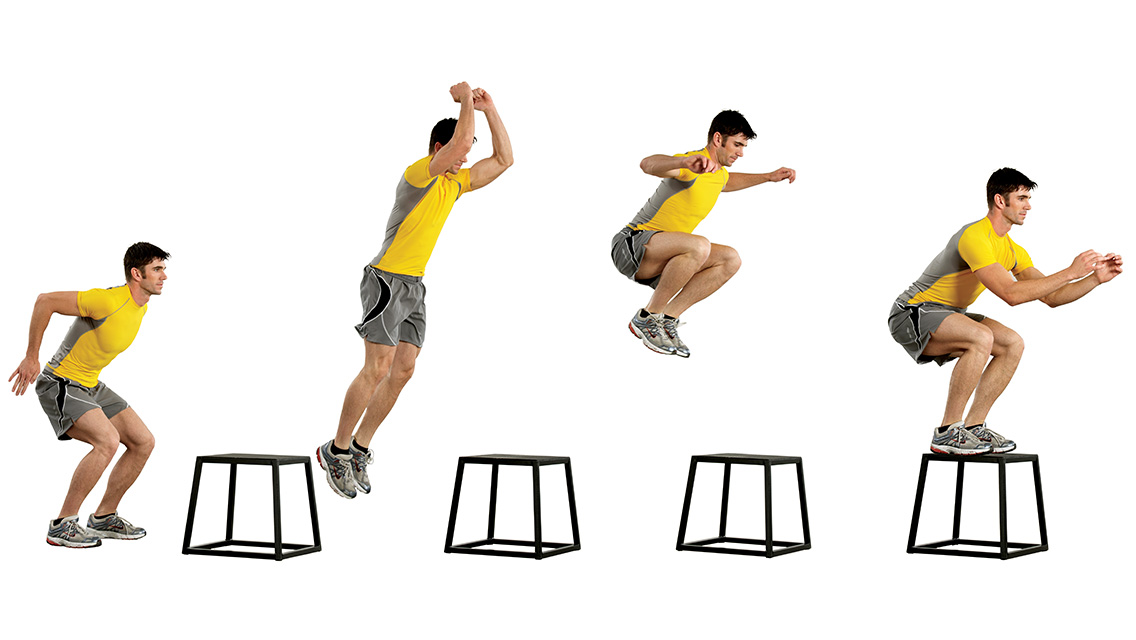
While training muscles is the most common thing you would see and do in a gym, it is less common to see someone and probably yourself, doing tendon training. Indeed, a lot of people go for heavy lifting, pushing volume, chasing strength which are all great deal of work for longevity and wellbeing. But there’s a piece of the puzzle that often gets ignored: tendons. Tendon Training vs Muscle Training Tendons and muscles are two different body soft structures that need load to stay strong. Tendon, as you may know, is the soft tissue that connects muscle fibres to the bone. Other differences between tendons and muscles are that tendons have little blood and innervation supply, but also a completely different type of fibre organisation and structure. When you start a strength program, your muscles adapt relatively quickly. Within weeks to months, you’ll notice increases in strength and size, based on the type of training you do. Tendons, on the other hand, are slower to respond, given the key difference we listed above. In support of this statement we have a systematic review by Bohm et al. (2015), on tendon mechanical properties, which shows that tendon training requires longer and more specific loading to build stiffness and resilience. So, what does that mean in real life? Well, simply means that lifting heavy on its own would not be enough to strengthen your tendons, and improve their spring and sprint loading capacity. That’s where, if you want to improve your run, jumps, or lift heavier, you also need to consider specific tendon training. That mismatch is one of the most common reasons why people injure themself after a while they do lifting as training. Why Tendon Training Matters for Injury Prevention Given the fact that tendons connect muscles to the bone, their role is to transfer force between those two structures. Therefore, every time you: Run Jump Change direction Lift explosively Your tendons are doing the heavy lifting behind the scenes. And all those movements, as you may notice, are explosive motions. Indeed, without proper tendon training, they become the weak link. This is especially relevant for injuries like: Achilles tendinopathy Patellar tendon pain (jumper’s knee) Hamstring tendon issues Tendon tears These aren’t just “overuse injuries”, but those are often underprepared tissue injuries. Strength Training Alone Isn’t Enough If you have red some of my blogs, or you have been to my clinic, you know that I’m a big believer in strength training. It builds muscle capacity and is essential for long-term health. There is no better medicine than exercise; it is a fact, not my opinion only. But, when we look at the specificity of traditional strength training, we can se that is usually: Slow Controlled Focused on muscle contraction Tendon training needs more than that. Tendons also need exposure to fast, elastic loads, the kind you experience in real, everyday movement. Plyometrics: The Missing Piece for Your Training This is where plyometrics come in. Plyometric exercises, like hopping, jumping, and bounding, are a key part of effective tendon training because they: Improve tendon stiffness Increase energy storage and release Prepare your body for dynamic movement When looking into research, we have a paper by Kubo et al. (2017), which demonstrates that plyometric training improves tendon mechanical properties, making them more resilient under load. Therefore, we have to change the way we think of tendons, visualise them as a spring, not as a static tissue. In fact, a well-trained tendon can: Absorbs force Stores energy Releases it efficiently On the other hand, an untrained tendon: Struggles under load Fatigues quickly Becomes prone to injury So, What Good Tendon Training Looks Like? By now, you may have a clue about what the answer to the above question can be, and if your training only includes slow strength work, you’re missing a crucial component. A well-rounded tendon training approach includes: Strength training – to build muscle capacity Isometric exercises – to start loading the tendon safely Plyometrics – to develop elastic strength and resilience It’s not about doing everything at once, but it’s about progressing properly. How I Use Tendon Training With My Clients My approach to training someone, either starting from an injury recovery with a myotherapy or remedial massage session, or via 1:1 fitness class, is to focus on building your body step by step. My approach to tendon training is simple: Mobility drill Start with controlled strength Introduce tendon-specific loading Progress into plyometrics when your body is ready This approach follows no guesswork. No rushing. Just smart progression. Final Thoughts on Tendon Training When you find yourself in a recurring pain or injury situation, it might not be your muscles that are the issue, especially if your sport activity is running, or anything based on sprint motion and quick change of direction. That’s where it is worth it to start thinking about what your tendon training has been like. When you train tendons properly, you get: Better performance More efficient movement Reduced injury risk Here at Melbourne Massage and Treatment in Coburg, I can help you revise your training choices through my 1:1 Fitness Classes. We’ll build a body that’s not just strong but resilient where it matters most.