
In this blog, we are going to look into why grip strength is one of those things that you should be on top of, and if you notice that you are in deficit of it, it’s time to act. Indeed, grip strength is an indicator of lifespan, and below, I am going to explain why. Grip Strength: The “Hidden” Vital Sign In a recent study by Chi et al. (2024), with a cohort of 9500 participants, it was found that weak grip strength was consistently associated with higher all-cause mortality across all ages and both sexes. What was even more striking about this study, that got published in Nature, was that: Individuals in the lowest grip strength group had more than double the risk of death compared to stronger individuals. This wasn’t a niche finding, but it held true regardless of body size, age, or gender. In simple terms: the weaker your grip, the higher your risk. And it is important to understand that it is not a weak grip that causes mortality, but it is just an indicator. The weaker your grip strength, the higher the chance of death from any cause. It’s Not About Your Hand Grip Strength, It’s About Your Whole Body Now, let’s make it even clearer, because here is where many people get lost. A weak grip isn’t just about your forearm muscles or joints, but it’s a proxy for total body strength and function. In fact, research shows that grip strength reflects: Muscle mass Nervous system function Cardiovascular health Overall physical resilience And this is possible because if you are training your body, either for endurance or hypertrophy, you will find yourself lifting heavy, and heavy enough that your grip capacity must improve and stay strong. As a consequence of lifting heavy and moving the body under load, you will also improve your muscle mass and bone mass, but reduce cardiovascular disease risk, loss of functionality and mobility. The Aging Connection: Strength = Survival I assume that we are familiar with the concept that as we age, we naturally lose muscle (a process called sarcopenia). But what is really important to know is at what rate we lose strength. In another recent clinical study (2025) it was found that grip strength predicts mortality even in specific populations, such as older adults recovering from hip fractures. In fact, a hip fracture is one of the worst incidents that can happen to an older person, because they can lose their autonomy and ability to move around. So, more in-depth, what does that tell us? Strength isn’t just about performance; it’s about survival. And this is how it unfolds: A weak grip would reduce your ability to: Catch yourself when you fall Carry groceries Maintain independence Recover from illness or injury And all of these factors influence lifespan. Why Grip Strength (this) Matters for You (Right Now) If you have already been to my clinic in Coburg, you would know that I don’t like to coat my communication in sugar. About your health, I will be honest and upfront: You don’t suddenly become frail at 70.You build toward it, or away from it, starting now. Indeed, your grip strength is like a “check engine light” for your body. And when it’s low, it often means: You’re not training enough strength Your muscle quality is declining Your long-term health is at risk On the other hand, before we assume you have only a weak grip strength, we will definitely look into any form of tendinopathy at the elbow or any form of nerve entrapment from your cervical area to your fingertips. The Good News: You Can Change This So, weak grip strength isn’t a life sentence, but indeed a wake-up call. And it is a wake-up call, because it is never too late to join a 1to1 fitness class. To support this, we indeed have research that shows that muscle strength is highly trainable at any age. And when you improve it: You reduce mortality risk You improve mobility and independence You enhance overall well-being What We Do at Melbourne Massage and Treatment At Melbourne Massage and Treatment, Myotherapy clinic in Coburg, we don’t just treat pain, but we build resilient bodies. Our fitness classes for longevity and wellbeing are designed specifically to: Improve full-body strength (including grip) Support joint health and mobility Reduce injury risk Help you stay strong for life, not just for now Because here’s my philosophy: Step by step, but move more, live well. In conclusion Don’t ignore the small signals. A pain response is, yes, a body signal that something is not right, and a pain that lasts longer than 72 hours needs to be addressed. On the other hand, grip strength might seem simple, but it’s one of the clearest windows into how your body is ageing. Train it. Respect it. Improve it. And if you don’t know where to start, book an Initial Consultation now. We’ll build that strength together.
Monthly Archives: April 2026

Blog
Facet Joint Irritation and Muscle Weakness: What You Need To Know
In my experience as a Clinical Myotherapist at Melbourne Massage and Treatment Myotherapy and Lymphoedema [...]
Continue readingOct

Blog
Chronic Pain: What it is, and what can you do about it?
Pain is something that we all experience, and it can start after an injury, during [...]
Continue readingOct
Blog
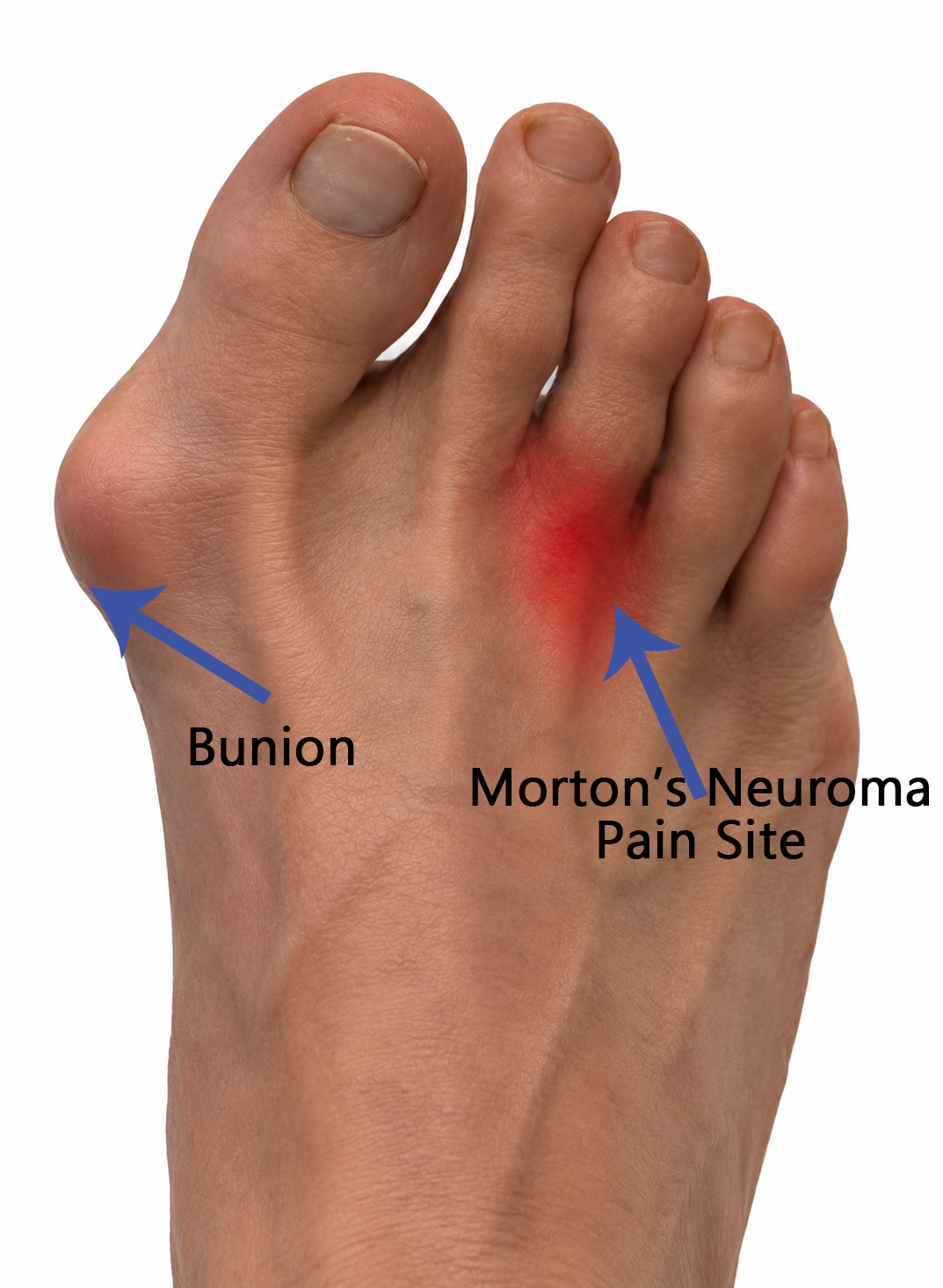
Bunion and Morton’s Neuroma: Can a Bunion Affect Neuroma Recovery?
While a bunion and a Morton’s neuroma are two different foot conditions, if they are [...]
Continue readingSep
Blog
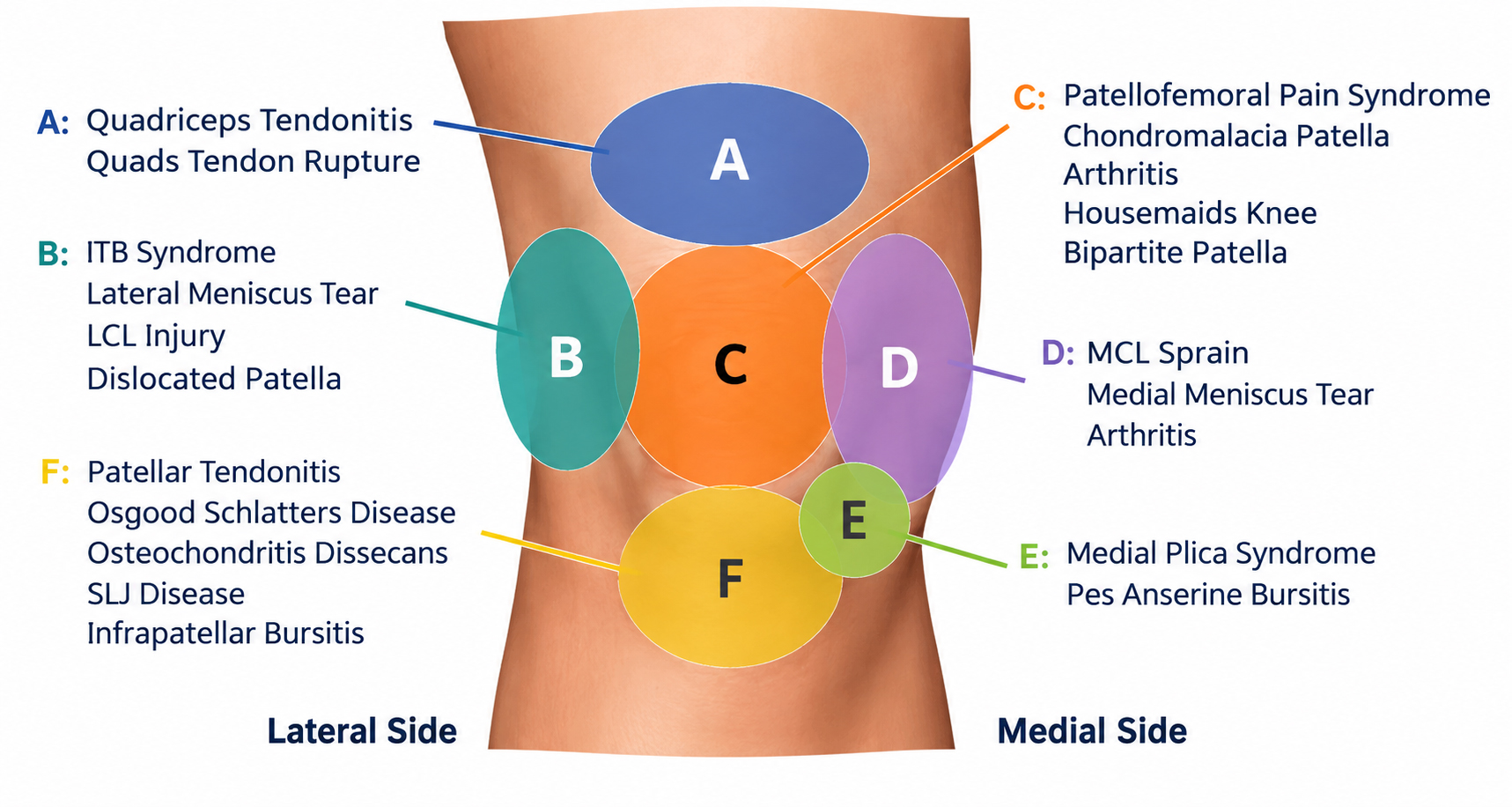
Knee Pain in Coburg
Knee pain is a common form of injury and can affect people of all ages [...]
Continue readingSep

Blog
Post-Surgery MLD Melbourne – Vodder MLD Therapist
Any form of surgery is an invasive procedure for the body to deal with, and [...]
Continue readingSep

Apr
Neck pain and or upper back pain often originates from a disbalance of mobility and stability joints along the spine, including poor scapula-thoracic joint stability and thoracic mobility. Indeed, a hypermobile scapula can lead to instability, muscular imbalances, and chronic tension in either the shoulder joints or the cervical. Therefore, assuming that neck pain is only a neck issue is a bit limiting. We need to look at the bigger picture and target the right reason why you are in pain. In this blog, we are going to look at how scapular stabilisation exercises can restore balance, enhance posture, and reduce neck pain. Understanding Scapular Stability and Hypermobility The scapula, or shoulder blade, plays a vital role in upper-body movement and stability. It acts as the foundation for arm motion, connecting the humerus to the thorax through the scapulothoracic joint. When control is compromised, which is common for those with general hypermobility or for those who have scapular hypermobility, the result can be excessive movement and discomfort. Consequences of having a hypermobile scapula are: Neck and shoulder pain Reduced athletic performance Increased injury risk Muscle fatigue and tension As is often recommended, we need to look at strengthening as a way to improve muscular control of the joint, and in this case, we would look at: rhomboids, trapezius (upper, middle and lower), and latissimus dorsi, which is essential for restoring balance and function. Mobility Comes First: The Foundation of Stability As already mentioned in so many other blogs, and as I educate my clients all the time, before introducing strengthening exercises, mobility must be addressed. A stiff thoracic spine forces the scapula to compensate for many shoulder movements, leading to muscles originating and or inserting in the scapula to be overused, leading to pain and discomfort. Essential Thoracic Mobility Exercises There are some really easy exercises that you can do to pick up on thoracic mobility. Here is a short list: Foam Roller Thoracic Extensions Open Book Rotations Thread-the-Needle Cat-Cow Mobility Drill Diaphragmatic Breathing Exercises Those exercises would help in restoring thoracic mobility, preparing the groundwork for effective scapulothoracic stability exercises. Key Muscles for Scapular Stabilisation Now we can look at the muscle that we would need to strengthen to create a better scapular stabilisation. Rhomboids Function: Scapular retraction and stabilisation. Importance: Provide postural support and control during pulling movements. Recommended Exercises: Resistance Band Rows Prone T Raises Seated Cable Rows All those exercises can be easily delivered at home, with some decent resistance bands, or with light weights. But don’t let the simplicity of these rhomboid exercises fool you, as prone T raises, to start with, are enough even with no weights, as the weight of your arm is already enough. Trapezius (Upper, Middle, and Lower) Function: Elevation, retraction, and upward rotation of the scapula. Each fibre group has a different role regarding the scapula movement.Importance: The lower trapezius is essential for shoulder stability and posture. Recommended Exercises: Prone Y Raises Wall Angels Face Pulls Shoulder Shrugs Again, those exercises don’t require a full gym set-up, but some strong resistance bands and light weights would do. Latissimus Dorsi Function: Shoulder extension, adduction, and thoracic stability.Importance: Connects the upper limbs to the trunk and supports efficient movement. Recommended Exercises: Straight-Arm Pulldowns Lat Pulldowns Assisted Pull-Ups Resistance Band Pulldowns Scapular Stabilisation Exercises for a Hypermobile Scapula Now that we have looked at which exercises are ideal for what muscle or muscle group, we can look at a combination of those based on generic fitness levels. Those exercise lists are obviously a generic recommendation, and unless we have already done some work and assessment, I would not suggest picking and choosing an exercise routine and trying your best to sort out your pain. Beginner Level Scapular Setting Exercises Wall Slides Isometric Holds Against a Wall Serratus Anterior Punches Intermediate Level Prone Y and T Raises Resistance Band Pull-Aparts Face Pulls Incline Dumbbell Rows Advanced Level Landmine Presses Farmer’s Carries Overhead Carries Pull-Ups with Controlled Scapular Movement Furthermore, these exercises for scapular stability enhance neuromuscular coordination and are particularly beneficial for individuals with hypermobility. How Scapular Stability Reduces Neck Pain While we can’t directly associate hypermobility of the scapula with neck pain, we also know that poor scapular control often leads to overactivation of the upper trapezius and cervical muscles, contributing to neck pain. By strengthening the stabilisers of the scapulothoracic joint, mechanical stress on the neck is reduced. Therefore, here is a list of the benefits of scapular stabilisation exercises: Improved posture Reduced neck and shoulder pain Enhanced thoracic control Increased muscular endurance Better movement efficiency Lower risk of injury How We Support Scapular Stabilisation at Melbourne Massage and Treatment At Melbourne Massage and Treatment, in Coburg, the treatment of scapular stabilisation starts from a tailored assessment of your presentation, looking at: Overall hypermobility Your clinical history Past and present sports activities Site of pain Pain time frame That and more information are essential to understand what your experience is, and what we can do about it. Hands-on treatment, like remedial massage or myotherapy, would be the first step to relax the body and allow you to feel and move better. The next step from that would be guiding you throughout exercises that you can deliver at home or at the gym, at your own time, so that you can take control of your pain and your presentation. All of this can be easily delivered along a treatment plan. And to simplify the whole process, I also offer a FREE 15-minute Online Consultation, where we can start looking into your presentation and understand what has been done till now and what needs to be done at this stage.
Apr
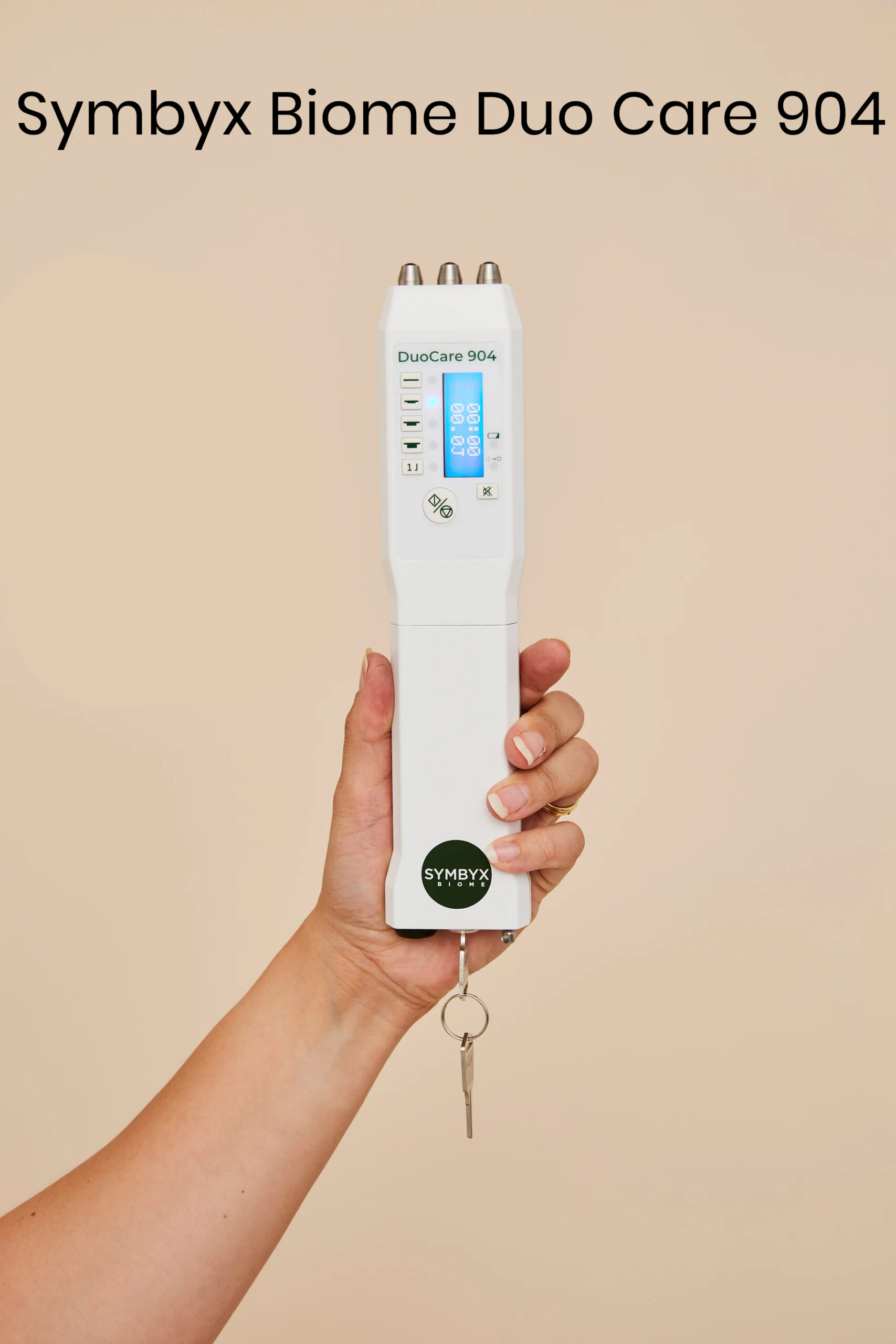
If you have been at the clinic most recently, you may have heard me talk about LLLT (Low-Level Laser Therapy). LLLT is one of those tools that quietly adds a lot of value to any treatment modalities I get to offer, without making a big fuss, and without increasing the service fees. So yes, in this blog, we are going to look into why I use it, what the science says, and, most importantly, what it can do for you. First Things First: What Is Low-Level Laser Therapy? The simplest explanation I can share is that LLLT (also called photobiomodulation) uses specific wavelengths of light to stimulate your body at a cellular level. Indeed, LLLT is not a hot or burning type of laser, but it is a low-intensity, non-invasive light that interacts with your tissues to encourage healing and reduce pain. This is possible because LLLT stimulates the cell in producing more ATP energy (cell energy) which than can be used for the cell to replicate. Simply, it helps your body do what it’s already trying to do, just more efficiently. What Does the Science Say About Low-Level Laser Therapy? As a practitioner who offers his service based on scientific recommendations, I’m very particular about what I bring into the clinic. If it’s not backed by solid research, it doesn’t stay. Therefore, here’s what recent PubMed evidence tells us: Pain Reduction In a systematic review by Diaz et al. (2025), they looked at 44 randomised clinical trials and found that LLLT can reduce pain by 60–70% in certain musculoskeletal conditions (in this case, TMJ) while also improving function. When a systematic review shows such results, it is considered strong evidence. Supports Injury Recovery & Reduces Inflammation When looking at Lawrence J. Sorra K., (2024) review, that did focus on Low-Level Laser Therapy (LLLT) for Acute Tissue Injury or Sport Performance Recovery the highlighted facts about LLLT are: Modulate inflammation Improve tissue repair Support recovery after injury All with minimal risk or side effects. That said, in this review, it is also highlighted how, in acute injury, there is a lack of evidence for LLLT effectiveness. In conclusion, than, is shown how no side effects are present and how LLLT is a safe therapy to be add to other modalities, especially fitness classes. Works Best as an Add-On (Not a Replacement) About this last statement, that LLLT is not a substitute for other modalities, we have a meta-analysis by Awotidebe A. et al. (2019), which shows how LLLT can provide additional short-term pain relief when combined with exercise or therapy, even if it doesn’t always change long-term function on its own. And this is the key point most people miss. LLT is not magic; It’s a multiplier. Exercises are the medicine. Why I Use LLLT at Melbourne Massage and Treatment? I decided to invest in the usage of Low-Level Laser Therapy SymbyxBiome DuoCare 904, which operates in a wavelength range consistent with what research suggests is effective (typically around 800–900nm), as it can be an effective treatment modality to help my patient feel better, reduce their inflammation and pain, so that they can move better and be able to deliver exercises without bein in too much pain. And here is another important part: I don’t charge extra for it. Why? The answer is simpler than you may think. LLLT is not a “standalone service” in my philosophy; it’s a value-add. If it can: Reduce your pain faster Help your tissues recover better Improve your overall outcome Then, as with any other therapy, it belongs inside your session, not on top of your invoice. What LLLT Does Feel Like? When telling people what LLLT feels like, I respond with: “Drop your expectation”. In fact, you will feel: No heat No discomfort No downtime And yet, underneath the surface, your cells are being stimulated to: Produce more energy (ATP) Improve circulation Reduce inflammatory markers That’s where the real magic happens. It is a way to make your body do what it does normally, only faster. And there is no side effect. What Condition Can Benefit Best From LLLT? Conditions where LLLT is recommended for are: Persistent muscle pain Tendinopathies Jaw pain (TMJ) Post-injury recovery Fibrosis Scar tissue Any presentation would need treatment that lasts 10 to 20 minutes, and the frequency of treatment can be 2 to 5 times a week, with results of pain relief after 3 to 6 weeks. Those numbers vary depending on the type and location of the injury. What we know is that for the early stage, it is better to have more frequent treatment, and after week 1, the treatment can drop from 4 to 5 times a week to 3 times a week, till once a week for major injury if the treatment has to go on for 5 to 6 weeks. Why Frequency Matters As mentioned above, LLLT works by stimulating your cells, particularly the mitochondria, to produce more energy (ATP), which helps with: Tissue repair Reducing inflammation Pain modulation But that effect doesn’t last forever; cells need a more frequent stimulation to obtain the best results. Therefore, if sessions are too far apart, you lose momentum, but if they’re too close without reason, you’re not adding extra benefit. So that’s why, in the initial phase of an injury, we work more often to boost the recovery, and once the recovery is nearly optimal, and you are doing your exercises and structural strength, then the LLLT session can be placed further apart. What Is The Bottom Line Regarding Low-Level Laser Therapy? After so many years in the massage industry, and after all the research and studies of different modalities, there is one thing that I have learned. There’s no single “miracle treatment.” But, on the other hand, there are combinations that work extremely well together. Hands-on therapy + movement + the right adjunct tools, that’s where results happen. And LLLT is one of those tools. So drop your expectation of magic and no effort […]