
Neck pain and or upper back pain often originates from a disbalance of mobility and stability joints along the spine, including poor scapula-thoracic joint stability and thoracic mobility. Indeed, a hypermobile scapula can lead to instability, muscular imbalances, and chronic tension in either the shoulder joints or the cervical. Therefore, assuming that neck pain is only a neck issue is a bit limiting. We need to look at the bigger picture and target the right reason why you are in pain. In this blog, we are going to look at how scapular stabilisation exercises can restore balance, enhance posture, and reduce neck pain. Understanding Scapular Stability and Hypermobility The scapula, or shoulder blade, plays a vital role in upper-body movement and stability. It acts as the foundation for arm motion, connecting the humerus to the thorax through the scapulothoracic joint. When control is compromised, which is common for those with general hypermobility or for those who have scapular hypermobility, the result can be excessive movement and discomfort. Consequences of having a hypermobile scapula are: Neck and shoulder pain Reduced athletic performance Increased injury risk Muscle fatigue and tension As is often recommended, we need to look at strengthening as a way to improve muscular control of the joint, and in this case, we would look at: rhomboids, trapezius (upper, middle and lower), and latissimus dorsi, which is essential for restoring balance and function. Mobility Comes First: The Foundation of Stability As already mentioned in so many other blogs, and as I educate my clients all the time, before introducing strengthening exercises, mobility must be addressed. A stiff thoracic spine forces the scapula to compensate for many shoulder movements, leading to muscles originating and or inserting in the scapula to be overused, leading to pain and discomfort. Essential Thoracic Mobility Exercises There are some really easy exercises that you can do to pick up on thoracic mobility. Here is a short list: Foam Roller Thoracic Extensions Open Book Rotations Thread-the-Needle Cat-Cow Mobility Drill Diaphragmatic Breathing Exercises Those exercises would help in restoring thoracic mobility, preparing the groundwork for effective scapulothoracic stability exercises. Key Muscles for Scapular Stabilisation Now we can look at the muscle that we would need to strengthen to create a better scapular stabilisation. Rhomboids Function: Scapular retraction and stabilisation. Importance: Provide postural support and control during pulling movements. Recommended Exercises: Resistance Band Rows Prone T Raises Seated Cable Rows All those exercises can be easily delivered at home, with some decent resistance bands, or with light weights. But don’t let the simplicity of these rhomboid exercises fool you, as prone T raises, to start with, are enough even with no weights, as the weight of your arm is already enough. Trapezius (Upper, Middle, and Lower) Function: Elevation, retraction, and upward rotation of the scapula. Each fibre group has a different role regarding the scapula movement.Importance: The lower trapezius is essential for shoulder stability and posture. Recommended Exercises: Prone Y Raises Wall Angels Face Pulls Shoulder Shrugs Again, those exercises don’t require a full gym set-up, but some strong resistance bands and light weights would do. Latissimus Dorsi Function: Shoulder extension, adduction, and thoracic stability.Importance: Connects the upper limbs to the trunk and supports efficient movement. Recommended Exercises: Straight-Arm Pulldowns Lat Pulldowns Assisted Pull-Ups Resistance Band Pulldowns Scapular Stabilisation Exercises for a Hypermobile Scapula Now that we have looked at which exercises are ideal for what muscle or muscle group, we can look at a combination of those based on generic fitness levels. Those exercise lists are obviously a generic recommendation, and unless we have already done some work and assessment, I would not suggest picking and choosing an exercise routine and trying your best to sort out your pain. Beginner Level Scapular Setting Exercises Wall Slides Isometric Holds Against a Wall Serratus Anterior Punches Intermediate Level Prone Y and T Raises Resistance Band Pull-Aparts Face Pulls Incline Dumbbell Rows Advanced Level Landmine Presses Farmer’s Carries Overhead Carries Pull-Ups with Controlled Scapular Movement Furthermore, these exercises for scapular stability enhance neuromuscular coordination and are particularly beneficial for individuals with hypermobility. How Scapular Stability Reduces Neck Pain While we can’t directly associate hypermobility of the scapula with neck pain, we also know that poor scapular control often leads to overactivation of the upper trapezius and cervical muscles, contributing to neck pain. By strengthening the stabilisers of the scapulothoracic joint, mechanical stress on the neck is reduced. Therefore, here is a list of the benefits of scapular stabilisation exercises: Improved posture Reduced neck and shoulder pain Enhanced thoracic control Increased muscular endurance Better movement efficiency Lower risk of injury How We Support Scapular Stabilisation at Melbourne Massage and Treatment At Melbourne Massage and Treatment, in Coburg, the treatment of scapular stabilisation starts from a tailored assessment of your presentation, looking at: Overall hypermobility Your clinical history Past and present sports activities Site of pain Pain time frame That and more information are essential to understand what your experience is, and what we can do about it. Hands-on treatment, like remedial massage or myotherapy, would be the first step to relax the body and allow you to feel and move better. The next step from that would be guiding you throughout exercises that you can deliver at home or at the gym, at your own time, so that you can take control of your pain and your presentation. All of this can be easily delivered along a treatment plan. And to simplify the whole process, I also offer a FREE 15-minute Online Consultation, where we can start looking into your presentation and understand what has been done till now and what needs to be done at this stage.
Tag Archives: scapula

Blog
Facet Joint Irritation and Muscle Weakness: What You Need To Know
In my experience as a Clinical Myotherapist at Melbourne Massage and Treatment Myotherapy and Lymphoedema [...]
Continue reading
16
Oct
Oct

Blog
Chronic Pain: What it is, and what can you do about it?
Pain is something that we all experience, and it can start after an injury, during [...]
Continue reading
09
Oct
Oct
Blog
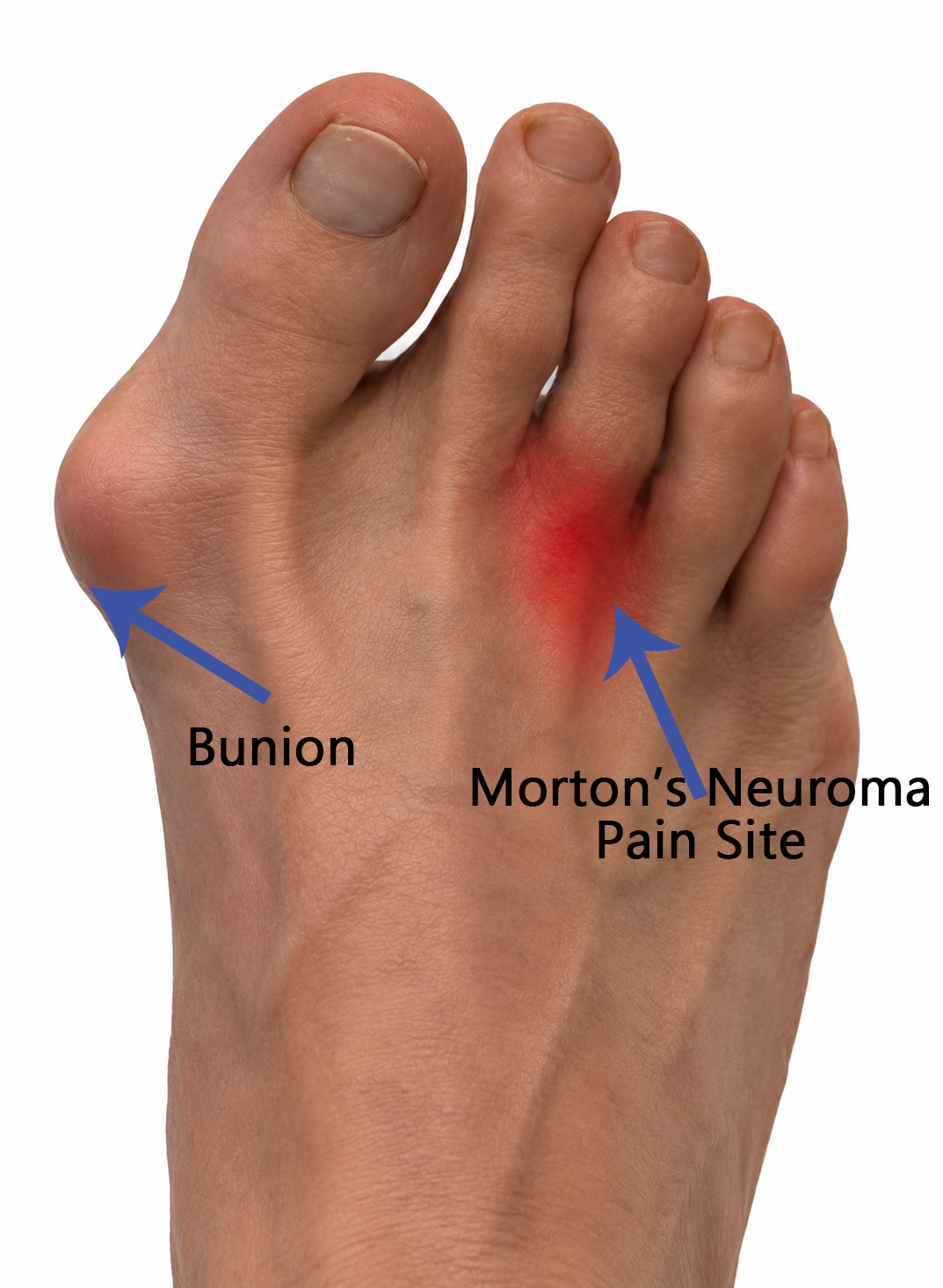
Bunion and Morton’s Neuroma: Can a Bunion Affect Neuroma Recovery?
While a bunion and a Morton’s neuroma are two different foot conditions, if they are [...]
Continue reading
26
Sep
Sep
Blog
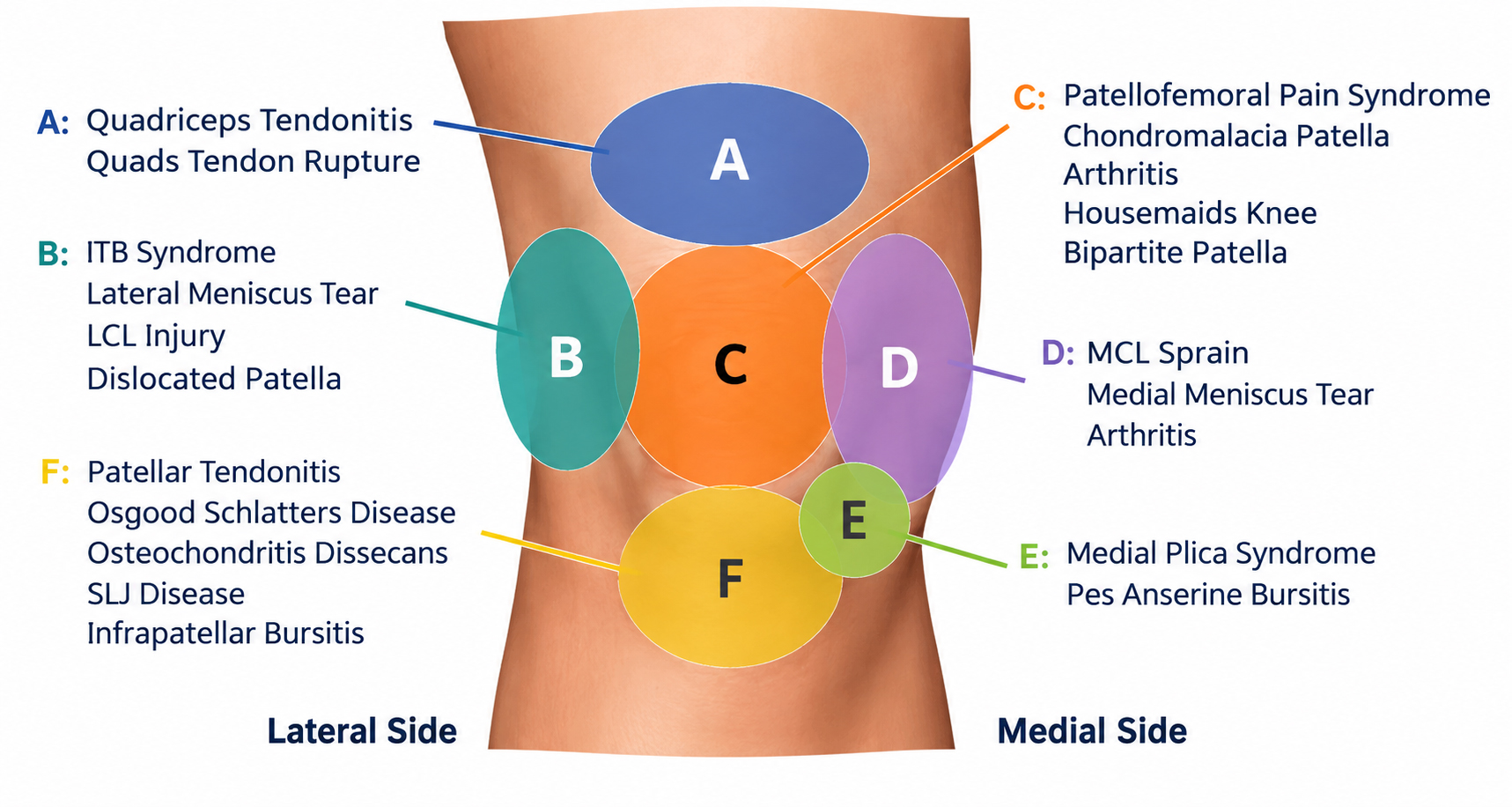
Knee Pain in Coburg
Knee pain is a common form of injury and can affect people of all ages [...]
Continue reading
21
Sep
Sep

Blog
Post-Surgery MLD Melbourne – Vodder MLD Therapist
Any form of surgery is an invasive procedure for the body to deal with, and [...]
Continue reading
14
Sep
Sep