
Hip pain can be frustrating, and not all hip pains are the same. I personally experienced Femoroacetabular Impingement (FAI) pain myself, and it is not fun. Indeed, this type of pain can stop you from training, affect your sleep, make sitting uncomfortable, and eventually impact your quality of life. Over the years, I’ve seen many active people spend months treating the symptoms without understanding the actual cause. If you’re experiencing groin pain, hip stiffness, pinching during squats, or discomfort after prolonged sitting, FAI may be worth investigating. What Is Femoroacetabular Impingement? In simple terms, Femoroacetabular Impingement (FAI) occurs when there is abnormal contact between the femoral head (the ball) and the acetabulum (the socket) of the hip joint. As with any tissue that gets overstimulated, this can result in irritation and inflammation, leading to damage to the labrum, cartilage, and surrounding tissues over time. In some cases, if left unmanaged, it may contribute to the development of early hip osteoarthritis. The symptoms that most people come up with when experiencing FAI are: Deep groin pain Hip stiffness Clicking Catching Locking sensations Pain when sitting for extended periods. Those symptoms are typically aggravated by activities involving Deep hip flexion Squatting Running Kicking Cycling Getting in and out of a car. The Different Types of FAI As we have already seen in the antirotated and retroverted hip presentations, we are all different, and even a Femoroacetabular Impingement can present differently. Let’s have a look at the different types of Femoroacetabular Impingement. Cam Impingement Cam impingement occurs when the femoral head is not perfectly round. During hip movement, particularly flexion and internal rotation, the abnormal shape creates increased pressure against the edge of the socket. This is the most common form seen in young athletic populations. Pincer Impingement Pincer impingement occurs when the acetabulum provides excessive coverage over the femoral head. The socket effectively “overhangs,” increasing the likelihood of compression during movement. Mixed Impingement Mixed FAI is the most common presentation clinically. In this situation, both cam and pincer characteristics are present simultaneously, resulting in a combination of abnormal contact from both the femur and the acetabulum. Who Is More Likely to Develop FAI? The common ground for an FAI presentation includes young and middle-aged active individuals. A higher prevalence is seen among athletes participating in sports that involve: Repetitive hip loading during adolescence Football Hockey Soccer Martial arts Dance Running. This evidence shows that sports activities play a crucial role in FAI presentation, but it is also important to consider that genetic factors could be involved. On the other hand, as per any physical structural presentation, not all the people who present with a FAI may experience pain. Many people have structural changes visible on imaging but remain completely symptom-free. Is a Scan Worth It? This is one of the most common questions I get asked when someone presents with some sort of ongoing pain or even acute discomfort. My answer is usually: it depends on your symptoms and how long they have been lingering around. Why I don’t recommend a scan as a first thing to go for (unless I am suspicious of something that I can’t treat directly) is because a scan may find an abnormality in the body, but that doesn’t mean that what we see is actually the source of the pain. In fact, many people may have a FAI presentation and have no symptoms at all. Therefore, a scan alone should never determine treatment decisions. Sp, a diagnosis of FAI should combine: Clinical history Physical examination Symptom presentation Imaging findings So yes, a scan should support the diagnosis, not create it, or it would be really chaotic to define why someone is experiencing pain, and create a treatment plan for it. If You Need Imaging, Which Scan Is Best? Step 1: X-Ray For most people, a standard pelvic and hip X-ray is the first and most appropriate imaging investigation. X-rays are excellent for identifying the bony shapes associated with cam and pincer impingement and are considered the primary imaging modality in the assessment of FAI. The downside of X-rays is that they involve radiation, so if possible, avoid them. Step 2: MRI If symptoms are there for a prolonged period of time, and exercise therapy is failing to restore functionality, an MRI becomes extremely valuable. MRI can assess: Labral tears Cartilage damage Joint degeneration Other soft tissue causes of hip pain Many hip specialists consider MRI the cornerstone investigation when assessing intra-articular damage associated with FAI, given the high definition of the image and results. Step 3: CT Scan CT scanning is generally reserved for surgical planning or when a very detailed understanding of the hip’s bony anatomy is required. CT provides excellent visualisation of bone structure, but it is not usually necessary as an initial investigation. So, When Should You Get a Scan? In my clinical opinion, based on current evidence, imaging becomes worthwhile when: Hip or groin pain has persisted for more than 6–12 weeks Symptoms continue despite appropriate rehabilitation The range of motion is progressively decreasing Mechanical symptoms such as catching, locking or giving way are present, and are painful Surgery is being considered The diagnosis remains unclear after clinical assessment If your symptoms are mild and improving with treatment and exercise, I would not bother to get an image taken. Exercises are a great way to maintain hip pain-free and keep your body going. Exercise Protocol for FAI This is where we need to put some focus: Exercises! So, first things first, when someone presents with a FAI, we want to take away or modify the habit that we can, in order to reduce discomfort and hip pain. An example could be removing squat from an exercise program or reducing the time spent in a seated position. Next, we would start looking into your mobility capacity at the ankle level, especially if you are someone who runs as part of a sports activity. And all of this is part of a protocol […]
Tag Archives: strength training

Blog
Facet Joint Irritation and Muscle Weakness: What You Need To Know
In my experience as a Clinical Myotherapist at Melbourne Massage and Treatment Myotherapy and Lymphoedema [...]
Continue readingOct

Blog
Chronic Pain: What it is, and what can you do about it?
Pain is something that we all experience, and it can start after an injury, during [...]
Continue readingOct
Blog
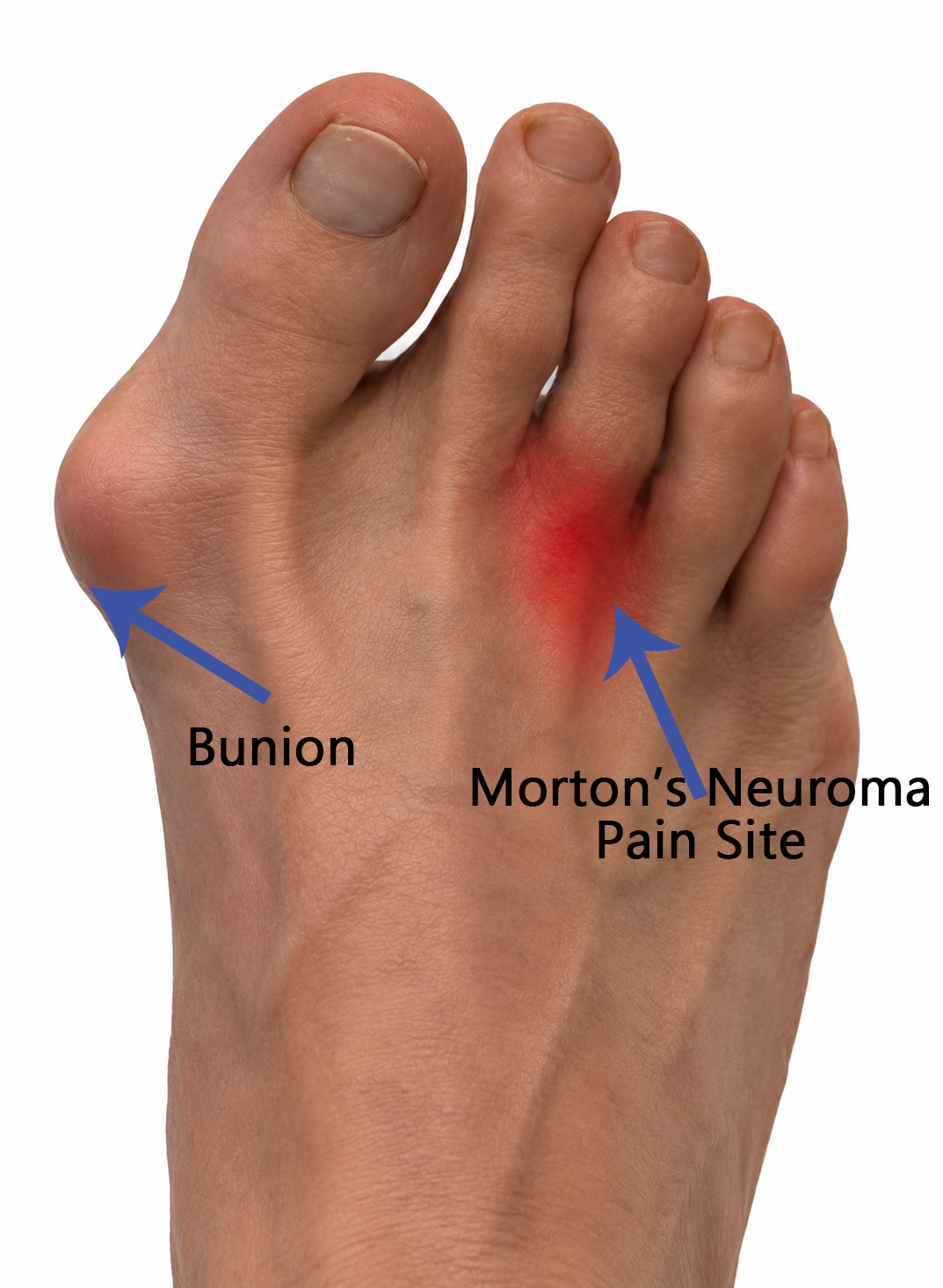
Bunion and Morton’s Neuroma: Can a Bunion Affect Neuroma Recovery?
While a bunion and a Morton’s neuroma are two different foot conditions, if they are [...]
Continue readingSep
Blog
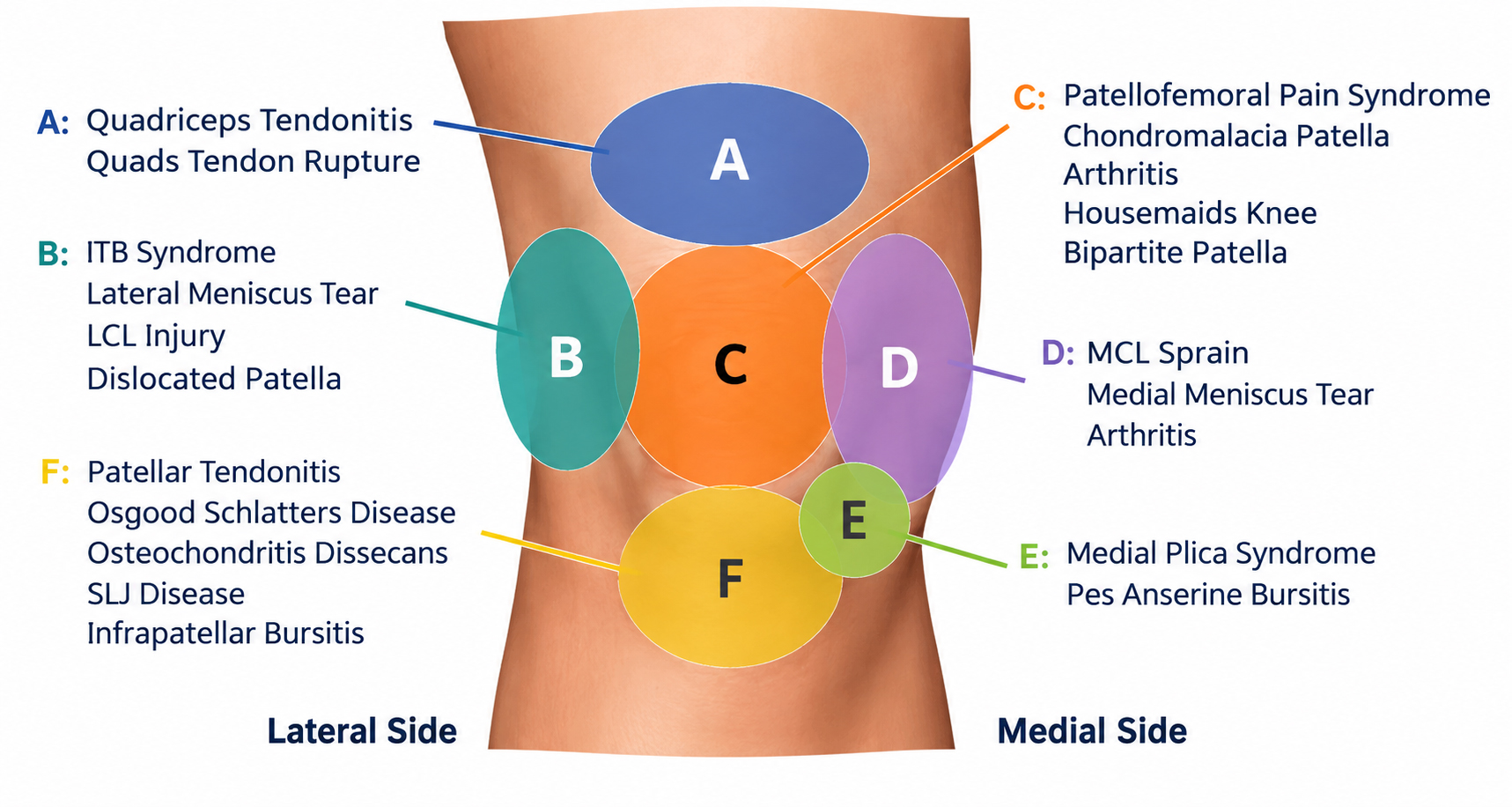
Knee Pain in Coburg
Knee pain is a common form of injury and can affect people of all ages [...]
Continue readingSep

Blog
Post-Surgery MLD Melbourne – Vodder MLD Therapist
Any form of surgery is an invasive procedure for the body to deal with, and [...]
Continue readingSep

Apr
Neck pain and or upper back pain often originates from a disbalance of mobility and stability joints along the spine, including poor scapula-thoracic joint stability and thoracic mobility. Indeed, a hypermobile scapula can lead to instability, muscular imbalances, and chronic tension in either the shoulder joints or the cervical. Therefore, assuming that neck pain is only a neck issue is a bit limiting. We need to look at the bigger picture and target the right reason why you are in pain. In this blog, we are going to look at how scapular stabilisation exercises can restore balance, enhance posture, and reduce neck pain. Understanding Scapular Stability and Hypermobility The scapula, or shoulder blade, plays a vital role in upper-body movement and stability. It acts as the foundation for arm motion, connecting the humerus to the thorax through the scapulothoracic joint. When control is compromised, which is common for those with general hypermobility or for those who have scapular hypermobility, the result can be excessive movement and discomfort. Consequences of having a hypermobile scapula are: Neck and shoulder pain Reduced athletic performance Increased injury risk Muscle fatigue and tension As is often recommended, we need to look at strengthening as a way to improve muscular control of the joint, and in this case, we would look at: rhomboids, trapezius (upper, middle and lower), and latissimus dorsi, which is essential for restoring balance and function. Mobility Comes First: The Foundation of Stability As already mentioned in so many other blogs, and as I educate my clients all the time, before introducing strengthening exercises, mobility must be addressed. A stiff thoracic spine forces the scapula to compensate for many shoulder movements, leading to muscles originating and or inserting in the scapula to be overused, leading to pain and discomfort. Essential Thoracic Mobility Exercises There are some really easy exercises that you can do to pick up on thoracic mobility. Here is a short list: Foam Roller Thoracic Extensions Open Book Rotations Thread-the-Needle Cat-Cow Mobility Drill Diaphragmatic Breathing Exercises Those exercises would help in restoring thoracic mobility, preparing the groundwork for effective scapulothoracic stability exercises. Key Muscles for Scapular Stabilisation Now we can look at the muscle that we would need to strengthen to create a better scapular stabilisation. Rhomboids Function: Scapular retraction and stabilisation. Importance: Provide postural support and control during pulling movements. Recommended Exercises: Resistance Band Rows Prone T Raises Seated Cable Rows All those exercises can be easily delivered at home, with some decent resistance bands, or with light weights. But don’t let the simplicity of these rhomboid exercises fool you, as prone T raises, to start with, are enough even with no weights, as the weight of your arm is already enough. Trapezius (Upper, Middle, and Lower) Function: Elevation, retraction, and upward rotation of the scapula. Each fibre group has a different role regarding the scapula movement.Importance: The lower trapezius is essential for shoulder stability and posture. Recommended Exercises: Prone Y Raises Wall Angels Face Pulls Shoulder Shrugs Again, those exercises don’t require a full gym set-up, but some strong resistance bands and light weights would do. Latissimus Dorsi Function: Shoulder extension, adduction, and thoracic stability.Importance: Connects the upper limbs to the trunk and supports efficient movement. Recommended Exercises: Straight-Arm Pulldowns Lat Pulldowns Assisted Pull-Ups Resistance Band Pulldowns Scapular Stabilisation Exercises for a Hypermobile Scapula Now that we have looked at which exercises are ideal for what muscle or muscle group, we can look at a combination of those based on generic fitness levels. Those exercise lists are obviously a generic recommendation, and unless we have already done some work and assessment, I would not suggest picking and choosing an exercise routine and trying your best to sort out your pain. Beginner Level Scapular Setting Exercises Wall Slides Isometric Holds Against a Wall Serratus Anterior Punches Intermediate Level Prone Y and T Raises Resistance Band Pull-Aparts Face Pulls Incline Dumbbell Rows Advanced Level Landmine Presses Farmer’s Carries Overhead Carries Pull-Ups with Controlled Scapular Movement Furthermore, these exercises for scapular stability enhance neuromuscular coordination and are particularly beneficial for individuals with hypermobility. How Scapular Stability Reduces Neck Pain While we can’t directly associate hypermobility of the scapula with neck pain, we also know that poor scapular control often leads to overactivation of the upper trapezius and cervical muscles, contributing to neck pain. By strengthening the stabilisers of the scapulothoracic joint, mechanical stress on the neck is reduced. Therefore, here is a list of the benefits of scapular stabilisation exercises: Improved posture Reduced neck and shoulder pain Enhanced thoracic control Increased muscular endurance Better movement efficiency Lower risk of injury How We Support Scapular Stabilisation at Melbourne Massage and Treatment At Melbourne Massage and Treatment, in Coburg, the treatment of scapular stabilisation starts from a tailored assessment of your presentation, looking at: Overall hypermobility Your clinical history Past and present sports activities Site of pain Pain time frame That and more information are essential to understand what your experience is, and what we can do about it. Hands-on treatment, like remedial massage or myotherapy, would be the first step to relax the body and allow you to feel and move better. The next step from that would be guiding you throughout exercises that you can deliver at home or at the gym, at your own time, so that you can take control of your pain and your presentation. All of this can be easily delivered along a treatment plan. And to simplify the whole process, I also offer a FREE 15-minute Online Consultation, where we can start looking into your presentation and understand what has been done till now and what needs to be done at this stage.

Nov
As a Myotherapist and Lymphoedema Therapist here in Coburg, I’ve always believed that movement is one of the most powerful tools for health. Exercise isn’t just about getting fit; it’s about feeling stronger, moving with ease, and living life without pain. Recently, I completed professional training in Kinetic Link Training (KLT), and it gave me the opportunity to see fitness classes and rehabilitation programs under a new light. I’m now offering KLT sessions in Coburg as part of my fitness class at Melbourne Massage and Treatment, in order to help clients move better, recover well, and build long-term strength. Why Exercise Is Good for Everyone The benefits of regular exercise are many, including: Improves muscle tone; Boosts energy Supports joint health; Improves posture; Reduces stress So it doesn’t matter what your goal is, whether you are recovering from an injury, working a desk job, or simply wanting to feel stronger, functional movement training is one of the best investments you can make in your health. That’s why we said that movement is medicine. And Kinetic Link Training is ideal for any fitness level, given the simplified structure of its exercises, and the fact that its setup can be easily replicated at home with some resistance bands and some light dumbbells. How Kinetic Link Training Is Different from Conventional Training More traditional gym workouts often aim to work one group of muscles at a time, with a primary focus on agonist muscles, agonist to a certain movement, such as bicep curls, leg presses, and shoulder raises. Nothing wrong with those exercises, they definitely help you build strength, yes, but not always functional strength. That’s where Kinetic Link Training is different, as KLT is built around integrated, full-body movement patterns that connect the upper and lower body through controlled, coordinated actions. Instead of training one movement at a time, you train the body as a connected system. This style of training improves: Core stability and posture Joint mobility and balance Real-world strength and coordination To simplify it, KLT helps you move better, not just lift more. Therefore, having a goal in mind when choosing to start training can help you define the type of training you may need and want to go for. Kinetic Link Training Is Also Ideal for Post-Surgery and Injury Recovery Rehab KLT is an excellent option for rehabilitation and post-surgery recovery. A few keys component that makes KLT so safe are: Low-impact exercises Controlled movement Entirely adjustable for your needs You can train easily at home What then makes KLT effective for rehabilitation is the fact that you will be asked to do natural movement patterns that can help in regaining body strength safely. In fact, KTL is ideal for anyone looking to rebuild function, improve range of motion, and return to daily activity with confidence. Perfect for Beginners and Those New to Strength Training If you’ve never done strength training before, KLT is a gentle and intelligent place to start. “Why so?” you may ask. Well, the beauty of KLT is that it allows you to perform any exercise to your capacity, and from there, you can not only increase the load or resistance, but you can also increase the degree of movement. Let’s take, for example, a posterior pull with a double leg squat: In this exercise, you are going to start in a squat position (max depth is quads parallel to the ground), facing the machine or the cable direction, while your arms are fully extended. To deliver the exercises, you will be asked to stand while pulling the cable towards yourself, with the elbows running alongside the ribcage. Now, let’s consider a person who may have difficulty squatting. They are not required to go as deep to start with, but still, they can apply a full upper body range of motion, which is basically like a lat. raw exercise. The depth of the squat would come with time and practice. This is only an example of how exercises can be adapted You don’t need to be strong, flexible, or experienced. The movements are easy to learn and can be scaled to any fitness level. Kinetic Link Training: A Balanced Full-Body Workout Now, another great advantage of KLT is the engagement of the upper and lower body in all its exercises. As explained in the example above, along with the KLT exercises, you are required to engage in: Upper body movement: Push Pull Arch Double or Single arm. Different directions, “from where” and “to where” the cable may run: Very Low Low Mid High Very High With or without crossover. Lower body movement between: Squat – Double Leg, Single Leg, Wide Stand Lunge – Anterior, Posterior, Lateral Calf Raises (as a progression of the end/start of squat movement) Which can also be subcategorised as alternated, Split, Reciprocal, and Partial Standing direction: 0° – Facing the cable 45° – To the cable 60° – To the cable 90° – Your L/R side is facing the cable direction 180° – You are giving your back to the cable direction Now, combine all of those options, and you easily end up with thousands of exercises that engage the upper and lower body with an incredible variety of regression and progression. Indeed, this is why every KLT session integrates upper and lower body movements, creating balanced, total-body strength. This ensures you don’t overwork one area while neglecting another. KLT and Lymphoedema Lymphoedema is a chronic condition characterised by severe swelling of the limb due to failure of the Lymphatic System. It can occur due to a congenital presentation (primary Lymphoedema) or post-surgery (secondary Lymphoedema), as often happens after cancer surgery. To manage a Lymphoedema presentation, exercises are essential, as the lymphatic system is stimulated by muscle contraction. Based on the severity of your lymphedema, we can use KLT to help you boost lymphatic fluid circulation and build resistance in the joints and limbs affected by lymphedema. Functional Fitness Coburg Bringing Kinetic Link Training into my practice at Melbourne Massage […]

Oct
Exercise is the ultimate medicine for longevity and well-being. That said, there are different ways to exercise, and you should choose which one based on your goals and needs. Ultimately, even if you will prioritise one type of exercise over others, training in different ways, it is the best option to build resilience, strength and obtain the best results. But what are these main ways of training? Well, in this blog, we are talking about Strength Training and Hypertrophy. At Melbourne Massage and Treatment in Coburg, I help people achieve this goal, with tailored injury recovery Myotherapy plans that may start with hands-on treatment but aim to get the person moving and moving under load. What Is Strength Training? Strength training, in its pure form, is a type of training that aims to improve the body’s ability to produce maximal force. This is possible by optimising the nervous system’s capacity to communicate to the muscles what action has to be delivered when placed under load. In fact, the goal isn’t necessarily to make muscles bigger, but to make them stronger. Here is a breakdown of what a strength training session would be like: Typical rep range: 1–6 repetitions per set Load: Heavy (80–100% of your one-rep max) Rest periods: Longer (2–5 minutes) Primary outcome: Improved neural efficiency — your brain and muscles learn to work together more effectively. This type of training benefits everyone, from athletes to everyday movers, by: Enhancing joint stability Improving bone density Increasing functional power for daily tasks. What Is Hypertrophy Training? Now, we will examine another form of training that aims to increase muscle size. Indeed, hypertrophy focuses on creating controlled muscular fatigue that stimulates growth in the muscle fibres. Here’s how it works: Typical rep range: 6–12 repetitions per set Load: Moderate (60–80% of your one-rep max) Rest periods: Shorter (30–90 seconds) Primary outcome: Increased muscle cross-sectional area (growth). Hypertrophy is popular for aesthetic goals, but it also has significant benefits for: Joint support Posture Injury prevention, especially when paired with proper mobility and recovery practices like myotherapy. Who Would Benefit from Strength and Hypertrophy Training? Let’s be clear that both styles of resistance training can benefit a wide range of people — not just athletes or bodybuilders. But here is a clearer breakdown of which training belongs to which goals: You’ll benefit from strength training if you: Want to improve performance in sports or daily activities that require lifting, pushing, or pulling. You are seeking to increase bone density and joint stability, especially as you age. This is a big one for menopausal women. Need to enhance posture and core control to reduce the risk of back or shoulder pain. Are recovering from injury and looking to restore functional movement patterns safely under guidance. You’ll benefit from hypertrophy training if you: Want to build muscle mass for aesthetics, strength, or body composition. You are addressing muscle imbalances or weaknesses identified during myotherapy assessments. Need more joint support and stability through improved muscular structure. Aim to boost metabolism and energy expenditure through increased muscle tissue. At Melbourne Massage and Treatment, I often integrate tailored exercise advice with fitness class sessions, helping clients find the right balance between strength, mobility, and recovery for their individual goals. Massage Therapy, Dry Needling, and the Role of Passive Treatment Massage therapy, dry needling, and other forms of passive therapy are valuable tools during the recovery phase of an injury or when pain and tension are high. They help by: Reducing muscle tension and spasm Improving blood flow and assisting with tissue healing Calming the nervous system and reducing protective muscle guarding Restoring short-term mobility to prepare the body for movement At my Coburg clinic, these treatments are often used early in a client’s recovery journey to reduce pain and restore comfort. However, while these therapies are excellent for short-term relief and acute recovery, they must eventually be paired with movement under load to create lasting change. Why Movement Under Load Is Essential for Long-Term Wellness Passive treatments can help you feel better, but loaded movement enables you to function better. When you progressively load muscles, tendons, and joints, your body adapts and becomes stronger and more resilient. This is what keeps pain away in the long term. Here is a practical and simplified explanation: “You have to think that the body, while it does age, it does slow down in any form of its metabolism, including the regeneration of tissues, which gets worn down, and finds it difficult to be regenerated. This is where movement under load plays a crucial role. Movement under load indeed, it is the stimulus that the central nervous system needs to maintain the body’s regeneration active and effective”. A further breakdown of why movement under load matters beyond recovery: Builds tissue resilience: Strengthens muscles and connective tissue to handle daily demands. Supports nervous system retraining: Teaches your body to move efficiently and safely. Improves joint health and posture: Strengthens stabilising muscles that protect joints. Reduces recurrence of pain: Prevents the same issues from returning by addressing root causes, not just symptoms. Another way I would express the difference between passive therapy and exercises (under load) to my patient is: “Massage and needling help you feel good now, but movement under load helps you stay good later.” That’s why our approach combines hands-on therapy to relieve pain with movement education and strengthening to keep you moving well long after your treatment. How Myotherapy Complements Strength and Hypertrophy Training Myotherapy is a form of manual therapy that aims to improve the performance of any individual who has gone through an injury or someone who wants to maintain functionality and wellbeing. In a Myotherapy session, we would start with some form of testing to evaluate the person’s capacity in mobility and strength and from there we create a treatment plan that aims to improve the current presentation. A treatment plan may include: Soft tissue therapy Corrective exercise Movement assessment Goals of myotherapy: Address muscular imbalances from repetitive […]

Aug
When we think of losing fat, the first action we picture in our head is to start running, walking, swimming or any form of cardio training. But is that actually the best fat loss solution? In this blog, we are going to look into why cardiovascular exercise has many benefits, but when it comes to losing fat mass effectively and sustainably, lifting weights deserves the spotlight. For fat loss, total body weight should not be your target: Focus on Body Composition Another go-to habit, when we focus on losing weight, is to check with a scale where we are at. But the reality of the fact is not as simple. When using a regular scale, you are looking at the total mass of your body, which includes not only your fat, but also your muscle mass, bone mass, etc… Indeed, losing weight isn’t the same as fat loss. Therefore, you should know that when you restrict calories, up to 50% of the weight you lose may come from muscle, not fat–unless you intentionally preserve it through strength training. Muscle is essential for more than movement – it’s a metabolically active tissue. That means it burns more calories at rest than fat. The more muscle you have, the higher your basal metabolic rate (BMR), making it easier to maintain fat loss long-term. Muscles Are Our Metabolic Engine When talking about muscles, we need to change the perspective on their functionality. The locomotive aspect of muscles, which means the ability of the muscles to move the skeletal system, is just one aspect of them, but not the only one. Therefore, when thinking about muscles, start considering that they are also glucose-hungry machines; indeed, they pull sugar out of the bloodstream and help convert it into usable energy. This process is critical for managing blood sugar and inflammation, which are two major drivers of fat storage and chronic disease. So to simplify it, less muscle mass means less body efficiency at using energy, therefore becoming more prone to storing excess calories as fat. Behind this mechanism lies the reason why losing weight without building muscle mass is not a long-term solution, as you will gain weight back. The Double Side of Cardio (When done on its own) When trying to lose weight, it becomes a combination of cardio and less energy intake (a certain type of diet), and to it you add the fact that muscles are not loaded, and by loaded I mean put under strength activities, it becomes easier to lose muscle mass. This happens because the body goes into a calorie deficit, and in order to keep functioning, it is going to take energy off the muscles themselves, reducing their size. This is an extra reason to ensure you are loading those muscles, to ensure the energy to burn is taken from fatty tissue. All of this does end up with yes, a weight loss, but also weakens the very system that helps keep fat off. It’s Never Too Late – Muscle Responds at Any Age This is a topic that we have seen in other blogs, and it is time to remember that age is only a perspective and not a mandatory fail. The body is designed to respond to stimulus, and get stronger and stronger under new and constant stimulus; it doesn’t matter the age. In fact, even older adults, including those in their 60s, 70s, and 80s, can gain strength and improve body composition with the right program. Muscle stem cells (satellite cells) remain responsive well into late adulthood. You don’t need to be a lifelong athlete – many people start lifting in midlife and see dramatic improvements in energy, mobility, and fat loss. How to Lift for Fat Loss As per all the forms of training, there are certain aspects that need to be respected to achieve the desired goal. For fat loss, then, you may want to look into: Focus on compound lifts such as Squats, deadlifts, bench press, and rows, so that you work multiple muscles and burn more calories. Train to near failure, which means from 4 heavy reps or 10 moderate ones, but with progressive overload. Lift 3–5 times per week as consistency beats intensity. And if a week you can do less, it’s ok, don’t be hard on yourself. Look into your eating habits, talk to your local GP about your eating habits and see if you need a referral to a specialist for improving your food habits. Add sprint intervals twice weekly: Brief, high-intensity cardio can enhance fat burning and insulin sensitivity without causing muscle loss. Fitness Class at Melbourne Massage and Treatment At Melbourne Massage and Treatment, in Coburg, I got the skills and the equipment needed to help you achieve your goal, but also, help you learning how to deliver safe exercises for your wellbeing and your athletic preparation. Indeed, when talking about lifting weights, we always want to look at first where your training level is, what your abilities are, and with no judgment, take the first step from there and help you to achieve your short-term and long-term goals. If you are keen to learn more and want to have a chat about your goals, book a 15-minute free online consultation now, so that we can discuss how I can help you and where we can get you with your exercise routine. In Conclusion: Lift First, Then Move More In this blog, we emphasised how strength training is ideal for fat loss, and what we want to tell you with this is that cardio has a place for heart health and endurance, but it’s not the most effective path to long-term fat loss. Prioritising strength training, especially as you age, helps preserve muscle, boost your metabolism, and shift your body into a fat-burning machine. And most importantly, let’s stop chasing a number on the scale. Instead, start chasing strength, power, and metabolic resilience.