If you live in Coburg or the surrounding area, you’ve probably come across both Myotherapy and Remedial Massage. Have you ever wondered what the difference is? While those treatment modalities share some techniques, they have different goals. Therefore, choosing the right treatment depends on whether you’re dealing with pain, recovering from an injury, improving your movement, or simply looking to relax. At Melbourne Massage and Treatment in Coburg, I do offer both services and understanding the difference can help you get the most appropriate care for your needs. Quick Look at Remedial Massage and Myotherapy Differences Myotherapy Remedial Massage Pain & injuries Relaxation & recovery Assessment Massage Exercise prescription No rehabilitation program Long-term function Short-term muscle relief Acute & chronic conditions General muscle tightness Healthcare treatment Therapeutic massage What is Remedial Massage? Remedial Massage focuses on relieving muscle tension, improving circulation, and promoting relaxation. Although it can help reduce muscle soreness and stiffness, the primary aim is to help your body recover from everyday stress or physical activity rather than managing complex injuries. Remedial Massage is an excellent choice if you want to: Relax tight muscles Recover after exercise or sporting events Prepare muscles before competition Reduce general muscular tension Improve flexibility Support overall wellbeing Many active people also include regular Remedial Massage as part of their maintenance routine to help manage training loads. What is Myotherapy? Myotherapy is a treatment modality, evidence-based, offered by a healthcare professional who focuses on: Assessing, Treating, Managing musculoskeletal pain and movement dysfunction. As a Clinical Myotherapist in Melbourne, I also tend to specify that Myotherapy as per TAFE education and a Bachelor of Health Science is different. Goes without saying that someone who trained in a bachelor setting has better knowledge and clinical reasoning than someone who trained at TAFE level. Back to what Myotherapy is about, it is not only treating sore muscles, but it aims to identify why your pain or injury has developed. Then, treatment often includes a combination of hands-on techniques movement assessment exercise prescription education to help improve long-term outcomes. Myotherapy is suitable for people experiencing: Acute injuries Chronic pain Sporting injuries Neck and back pain Headaches related to muscle tension Tendinopathies Shoulder, hip, or knee pain Reduced mobility Muscle weakness following injury Indeed, the goal isn’t simply to reduce pain today, but the goals are: Short term: reduce the pain and possibly improve range of motion Long term: become stronger, and reduce the likelihood of the problem returning. The Main Difference The biggest difference between Remedial Massage and Myotherapy is the treatment goal. Remedial Massage essentially focuses on relieving muscle tightness and promoting recovery and relaxation through massage techniques. This is possible because while we massage a body part, we stimulate the nervous system and other body systems, which react with biological responses such as mild inflammation and relaxation. Myotherapy, on the other hand, focuses on understanding the cause of pain or movement limitations and creating a treatment plan that may include exercise, rehabilitation, and education alongside hands-on treatment. Therefore, if your goal is to overcome an injury, improve movement, or build strength, Myotherapy is generally the better option. If your goal is to unwind, recover after exercise, or enjoy a therapeutic massage, Remedial Massage may be exactly what you’re looking for. Now, Myotherapy May Be the Better Choice If You Have: Ongoing neck or back pain A recent sporting injury Tendon pain Joint stiffness Recurring muscle strains Pain affecting work or daily activities Weakness after an injury Goals of returning to sport or exercise safely Where treatment during a Myotherapy session may include: Soft tissue therapy Joint mobilisation Dry needling Trigger point therapy Exercise prescription Strength and rehabilitation programs Movement assessment Education about your condition So, to conclude about what Myotherapy is about, Myotherapy is to improve function, not just reduce symptoms. Remedial Massage May Be the Better Choice If You Want To: Relax after a busy week Reduce muscle soreness after training Prepare for a sporting event Recover following a marathon or competition Reduce general muscular tightness Enjoy regular maintenance treatments Therefore, when we look at Remedial Massage, we are looking at a treatment modality that helps your muscles feel looser and more comfortable while supporting recovery from physical activity. Can You Have Both? Of course you can. As mentioned earlier, while we do deliver a Myotherapy session, we will still use hands-on treatment, the same treatment option that we would use for Remedial Massage. And indeed, many of my clients here at Melbourne Massage and Treatment use both services throughout the year. For example: You may see a Myotherapist while recovering from a shoulder injury. Once you’re pain-free, you may continue with regular Remedial Massage to help maintain muscle health and recover from training. The two treatments complement each other well depending on your goals. Which Treatment Does Giovanni Recommend? At Melbourne Massage and Treatment in Coburg, I recommend treatment based on your goal, not only on my opinion. If you’re experiencing persistent pain, recurring injuries, reduced strength, or difficulty moving, Myotherapy is usually the most appropriate starting point. If you’re feeling generally tight after work, training, or simply want to help your body recover and relax, Remedial Massage is often the better choice. And if you are unsure which service is right for you, please do not hesitate to ask Giovanni what would work best for you. During your initial consultation, we’ll discuss your symptoms, assess your movement, and recommend the treatment that best suits your needs. My goal, as an Allied Health practitioner, is to help my clients move more and live well. And this can start with a massage, and move on too exercises and fitness class. Myotherapy vs Remedial Massage Coburg Cost and Prices Cost and prices of Myotherapy or Remedial Massage at Melbourne Massage and Treatment, for simplification, are the same. Find below a table with the prices: Myotherapy vs Remedial Massage Coburg – Price Initial consultation – 60 mins – $125 Return consultation – 45 mins – $115 […]
Tag Archives: strength

Blog
Facet Joint Irritation and Muscle Weakness: What You Need To Know
In my experience as a Clinical Myotherapist at Melbourne Massage and Treatment Myotherapy and Lymphoedema [...]
Continue readingOct

Blog
Chronic Pain: What it is, and what can you do about it?
Pain is something that we all experience, and it can start after an injury, during [...]
Continue readingOct
Blog
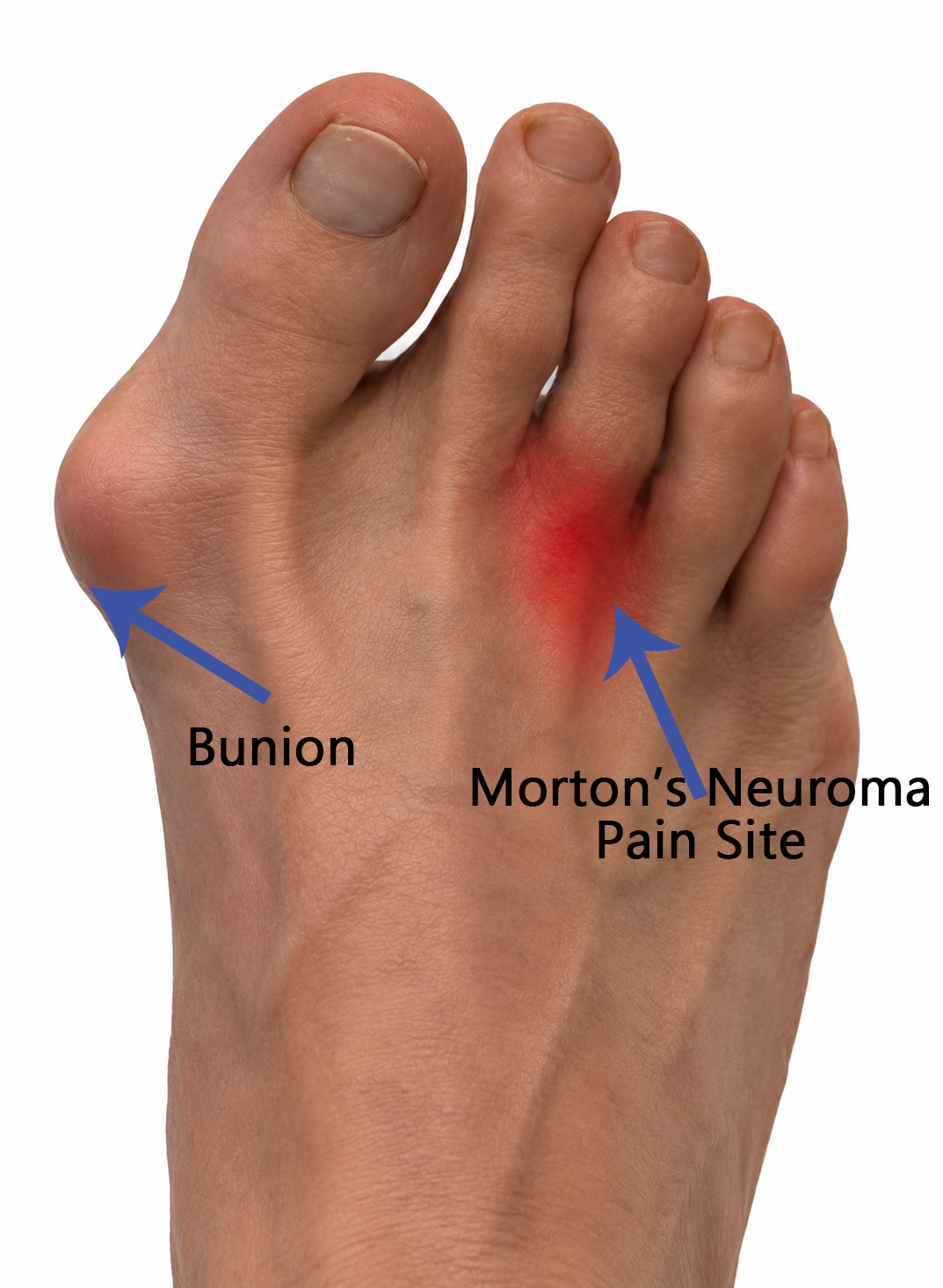
Bunion and Morton’s Neuroma: Can a Bunion Affect Neuroma Recovery?
While a bunion and a Morton’s neuroma are two different foot conditions, if they are [...]
Continue readingSep
Blog
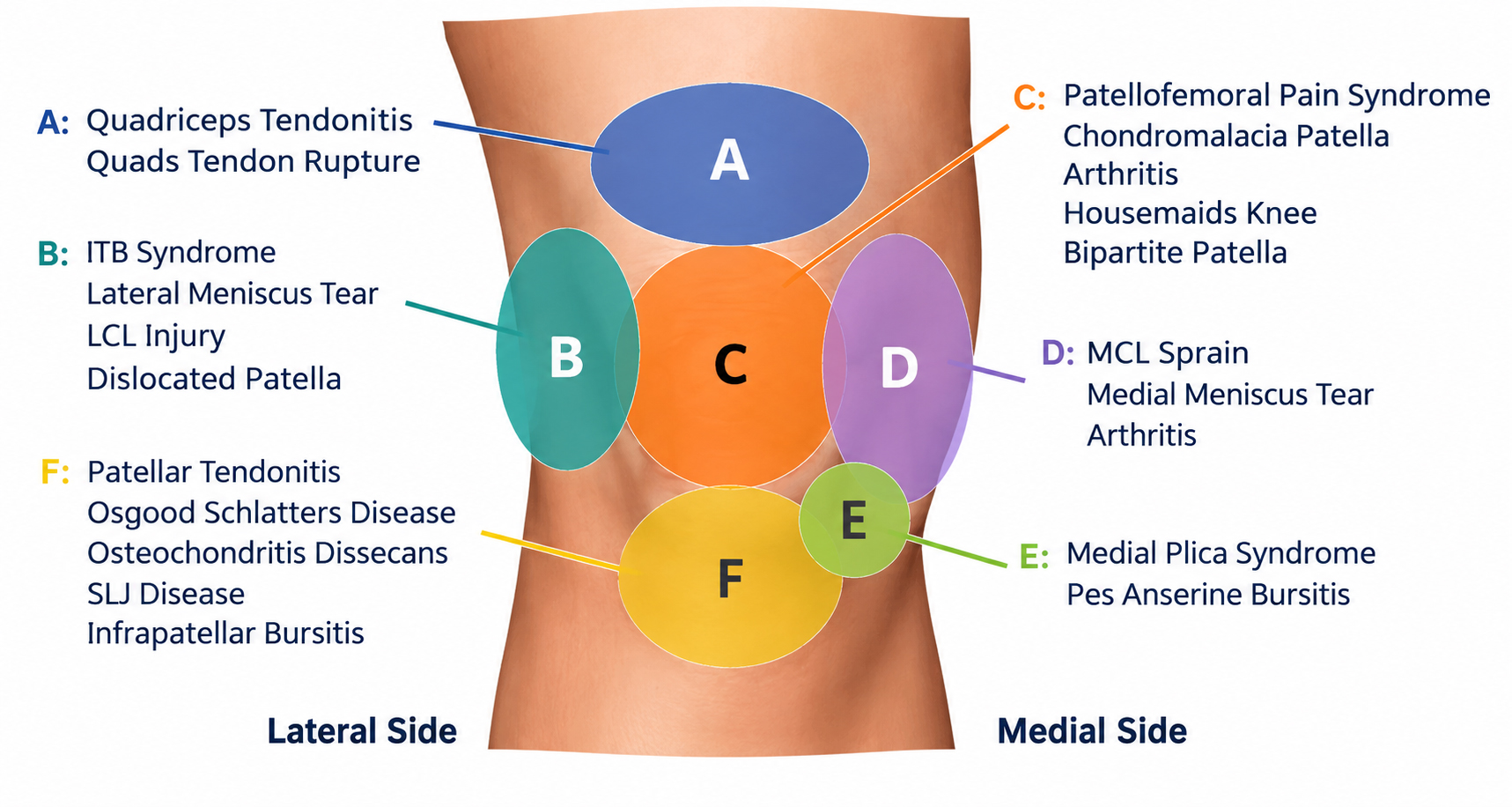
Knee Pain in Coburg
Knee pain is a common form of injury and can affect people of all ages [...]
Continue readingSep

Blog
Post-Surgery MLD Melbourne – Vodder MLD Therapist
Any form of surgery is an invasive procedure for the body to deal with, and [...]
Continue readingSep

Jul
There is no worse way to start the day than with a wry neck. Wry neck is a common term used to describe a painful neck that limits the way you can move. Medically speaking, we call the same presentation acute torticollis. At my Myotherapy clinic in Coburg, Melbourne Massage and Treatment, I get to hear clients often telling me: “This has happened on and off for years.” And this is the first piece of the clinical history that tells me we’re probably not dealing with a simple muscle spasm, and that’s where we start looking for why the neck keeps becoming irritated in the first place. Wry Neck Is Often Acute on Chronic The first misconception we need to clear away is that wry neck comes out of nowhere. The reality of the fact is that many people have developed underlying dysfunction over months or years. Therefore, the neck has been compensating until one day something relatively small, sleeping awkwardly, reaching for something, reversing the car or even sneezing, is enough to trigger the painful episode. The acute pain is simply the last straw that broke the camel’s back. So the million-dollar question is: Why did your neck become vulnerable in the first place? That’s where an initial consultation is important, and that’s why I spend my time investigating during an assessment. A Previous Whiplash Injury Could Still Be Affecting You A common overlooked cause for wry neck that I get to see here at my clinic is a previous whiplash injury. Indeed, while someone may recover fine from this type of incident, others develop subtle changes in how their neck moves and how the muscles coordinate movement. So yes, it can be either a physical strain or irritation of the ligaments, or even neurodegeneration at the muscle level. That’s why, even years later, the body may continue protecting certain joints while overloading others. Research by Woodhouse and Vasseljen (2008) has shown that people with chronic whiplash often demonstrate altered cervical motor control, reduced movement quality and persistent dysfunction long after the original injury. That’s why, if you’ve ever had a rear-end collision, even if it happened ten years ago, even if it was due to a contact sport injury, it’s worth mentioning during your assessment, as it is an important piece of information. Hypermobility Can Also Play a Role Another presentation that I come across in my clinic, for people who suffer from wry neck, is hypermobility. Indeed, being flexible isn’t always an advantage. This is because if some joints move excessively, your muscles have to work much harder to provide stability. Over time, these muscles become overworked and fatigued, especially around the neck and upper back, which is an area where muscles already work hard most of the time, as they have to ensure we can stay straight while we stand or sit. When stability can’t keep up with mobility, the body often responds by developing muscle guarding. That’s when the neck suddenly “locks.” On the other hand, the lack of stability also creates an overload of joints, which may get easily irritated, and then initiate the pain response. Your Neck Doesn’t Work Alone Another important thing to be aware of is that we should stop focusing only on where the pain is, as the source of the problem. In fact, the cervical spine is part of a much larger movement system. So, poor movement through the upper back, reduced thoracic mobility, rib restrictions, shoulder dysfunction or altered control through the lower spine can all change the workload placed on the neck. And this is a long time game, not something that happen in one night of bad sleep. A way to conceptualise this is: If one link in a chain doesn’t move well, another link has to move more than it should, and eventually that overloaded area becomes painful. That’s why my assessment as a myotherapist doesn’t stop at your neck. I look at how your entire spine works together. The goal is to improve the balance between mobility, where mobility is needed, and stability, where stability is required. And this can only be done and maintained via exercises. Can a Better Pillow Fix a Wry Neck? I did already dedicate a full blog post about the pillow topic, but it is worth it to touch base about it even here, as this is probably one of the most common questions I get when talking about wry neck. A supportive pillow can certainly help reduce stress on your neck while you sleep; however, a pillow doesn’t: Change how your joints move. Improve muscular control. Restore stability. Correct movement patterns that have developed over the years. Therefore, think of a good pillow as something that is improving the environment rather than fixing the cause. If the underlying issue is poor movement control or spinal dysfunction, changing pillows alone usually won’t stop the episodes from returning, and it can end up being an expensive search. Your Workstation Might Be Causing the Problem Another issue that I get to see mostly with office workers is for those who work with multiple screens, like two or even three computer screens. This setup becomes a problem when the main screen isn’t positioned directly in front of you, and you end up spending eight or more hours each day with your head slightly rotated toward one side or the other. Now, try to think about what that means for your joints and muscles on that side. Until you repeat that position every day for months or years. The muscles on one side of the neck become overloaded because they are constantly contracted, while the muscles on the other side are constantly stretched. One of the simplest changes you can make is ensuring your primary monitor sits directly in front of your body, or if that’s not an option, then make sure to swap your screen software-wise. So you end up having even days looking at right, and uneven days, looking to the […]

Feb
Shoulder pain is one of those presentations that can stop you from enjoying your day. Rolling in bed becomes difficult; carrying shopping or even sitting there and doing nothing can be frustrating. At Melbourne Massage and Treatment, I got to see many clients who complained of shoulder pain for a variety of reasons. Although one thing that is common with those different types of pain is the imbalance in the mobility stability joint chain, especially in people who do physical labour, repetitive overhead work, or intense gym training. Therefore, while many people expect me to focus only on the sore spot in the shoulder, my myotherapy approach is always broader and more thorough. Yes, I treat the shoulder as the primary concern, but effective, long-term relief comes from understanding why your shoulder is overloaded in the first place. That means looking beyond the glenohumeral joint and assessing thoracic mobility, scapular control, and thoraco-scapular stability, which are key components that are often overlooked but critical for shoulder health and to help you fix the shoulder pain. Why Shoulder Pain Often Persists The Shoulder is a joint characterised by a great amount of mobility and not much stability, which puts it at high risk of injury and so pain. When your shoulder hurts, it’s rarely because the shoulder itself is “weak” or “damaged” in isolation. Indeed, to arrive to the pain response, either you had a severe trauma, like a fall on the shoulder or more commonly, the shoulder is compensating for: Poor thoracic spine mobility Weak or poorly coordinated scapular stabilisers Faulty movement patterns under load Repetitive strain from work or training And let’s be clear, we are all different, so two individuals who do the exact same job or sport may end up having different pain and presentation due to basic anatomical differences in the shoulder. That said, here are some common presentations that can lead to shoulder pain: If the thoracic spine doesn’t move well, the shoulder is forced to work harder. If the scapula doesn’t stabilise properly, the ac joint gets overloaded Genetically, the space between bonds (Humerus and Acromioclavicle joint) is narrower than the norm My Clinical Assessment Process For Shoulder Pain When you come to my Myotherapy Clinic in Coburg for shoulder pain, I don’t just ask where it hurts, but I would assess: Thoracic spine mobility (especially rotation and extension) Cervical movement in active and passive motion Scapular positioning and control Shoulder range of motion under load Training or work-related movement demands Previous injuries or recurring pain patterns This is particularly important if you: Work in trades or manual labour Train heavily in the gym or sport Perform repetitive overhead movements Have had recurring or long-term shoulder pain A tailored assessment, such as the above one, allows me to not only pinpoint why the shoulder is in pain and what further investigation may be needed to confirm the findings but also address these factors, allowing us to understand the underlying drivers of your pain. The Role of Thoracic Mobility in Shoulder Pain The thoracic spine (mid-back) plays a massive role in how your shoulder functions. This is because the thoracic section of the spine is the mobile portion that anticipates the stable scapula-thoracic joint in the mobility, stability chain. Limited thoracic mobility can lead to: Reduced the overhead range Increased strain on the rotator cuff Poor scapular mechanics Neck and shoulder tension As part of the myotherapy treatment protocol for shoulder pain, I often combine manual therapy, joint mobilisation, and movement-based rehab to restore thoracic movement.When the thoracic spine moves better, the shoulder doesn’t have to overwork, pain reduces, and then we can increase the strength by increasing the load. A classic example of the thoracic shoulder relation is a cricket player. The thoracic rotation along the throwing action is essential to optimise the force imprinted during the throwing action. In fact, imagine the thrower in a cricket game, using only the shoulder, and not rotating that thoracic joint chain. The shoulder load would be excessive, and in a short time, it would cause overload injury and so shoulder pain. Scapular Stability: The Missing Link Your scapula (shoulder blade) is the foundation for shoulder movement. Indeed, the scapula-thoracic joint is the stable joint between the thoracic and the glenohumeral mobile joints. But not only that, indeed, the scapula is the origin point of the rotator cuff muscles, a group of muscles that control the positioning of your humeral head in the glenoid fossa. If it lacks stability or control: The shoulder joint becomes vulnerable Tendons are placed under excessive stress Pain persists despite “strengthening” exercises As a Clinical Myotherapist, I focus on improving thoraco-scapular stability, ensuring the shoulder blade moves smoothly and supports the arm during load, lifting, and rotation. This is especially crucial for people involved in: Weightlifting Cross-training Construction or trade work Sports requiring throwing or overhead movement To strengthen the stability of the scapula, we then have to work on the rhomboid muscles and the trapezius (upper, mid, and lower), but even the levator scapulae. So yes, it is not a quick fix to restore shoulder functionality and remove shoulder pain, but there is a step-by-step journey that can be taken, and it is your choice to start walking along this path. I am here only to help you understand what the right path is for your presentation and ensure we take the right route. Hypermobility and Shoulder Pain One often overlooked factor in shoulder pain is hypermobility. Hypermobility means your joints move more than the norms which isn’t always a bad thing, but it significantly increases injury risk when stability is lacking, particularly in the shoulder. For hypermobile individuals: Ligaments provide less passive support Muscles must work harder to stabilise joints Poor scapular stability leads to shoulder overload When hypermobility exists alongside poor thoraco-scapular stability, shoulder pain becomes far more likely. In these cases, treatment isn’t about increasing flexibility; instead would be the opposite: Improving neuromuscular control Enhancing scapular stability […]

Dec
Elbow tendinopathy, whether it presents as tennis elbow (lateral elbow pain) or golfer’s elbow (medial elbow pain), is one of the most common overuse injuries in active people, desk workers, and manual labourers. At Melbourne Massage and Treatment in Coburg, I frequently help patients recover from both forms of elbow tendinopathy. Elbow Tendinopathy: How Does It Manifest? “Tendinopathy” refers to irritation and degeneration within a tendon due to repeated overload. Elbow Tendinopathy, in both of its forms, tennis or golfer’s elbow, can sound like a sport-related injury, but it has little to do with the sports world. The reason why those presentations carry their name is due to the sport action, which requires that specific muscle group to work to deliver the golfer strike (medial) or tennis strike (lateral). So what can actually cause an elbow tendinopathy are: Sudden increase of tendon load – lifting heavier than usual, at the gym or at work Repetitive action – think of that constant mouse or keyboard action in the office environment Overstretching of the tendon – Poor office ergonomics can overload the elbow joint and the elbow’s tendons To be more specific, the office worker presenting with elbow tendinopathy often has repetitive mouse/keyboard use, which is often accompanied by poor ergonomic factors, such as the forearm being in a prolonged pronated position (palm facing down), which places the common extensor digitorum tendon (CEDT) under stretch. Medial and Lateral Tendinopathy of the Elbow Let’s look into the difference between the actual Tennis (lateral) and Golfer’s (medial) Elbow. Tennis Elbow (Lateral Epicondylitis) Pain in the outer elbow Irritation of the wrist extensor tendons, especially the Extensor Carpi Radialis Brevis (ECRB) Familiar with typing, lifting, racquet sports, and DIY tasks Golfer’s Elbow (Medial Epicondylitis) Pain in the inner elbow Irritation of the wrist flexor tendons Related to gripping, pulling, forearm rotation, and throwing How To Recover From a Tendinopathy? Despite different pain locations, the rehab approach is almost identical, and while rest provides temporary relief, it does not fix the underlying tendon changes. The true solution? A structured, progressive exercise rehab program that restores tendon strength and resilience. In fact, as the tendinopathy itself came to be an issue due to an overload of the elbow’s tendon, to settle the pain and discomfort, we have to: Reinforce the elbow tendon and muscle so that it can perform better. Analyse what overloaded the elbow tendons – we have to understand what can be changed in the loading process, starting from: Shoulder stability (looking up in the joint chain – Mobility and Stability) The ergonomic of your workload, that is, office or heavy repetitive work (like gardening, for example, or construction). Workout program – ensure there is a progressive load in the program that is right for your capacity. The 3-Phase Exercise Program for Elbow Tendinopathy Here at Melbourne Massage and Treatment in Coburg, as a clinical myotherapist, I get to see many patients presenting with Elbow Tendinopathy, and the rehab protocol and recovery that I used is detailed below. Phase 1: Pain Reduction & Tendon Activation (Week 1–3) In this initial phase, the goal is to calm symptoms without resting the tendon completely. Tendons respond best to gentle, controlled tension, better known as isometric exercises. Isometric is ideal because: Tendons have a low blood supply compared to muscles, so in order to receive the nutrients that allow the healing process to be delivered, they need long and steady engagements. A tenodon that is inflamed presents with disorganised collagen fibres, which are not running straight, and no longer form a compact line. And there is a need for a constant load to restore new fibres that can regain the tendon’s functionality. Wrist Extension Isometric (for Tennis Elbow) You will be sitting at a desk with your forearm comfortably supported by the desk, with your hand in a prone position (palm down) Slightly extend your wrist against resistance. Pain-free movement (it could be a bend or a lightweight) Hold 20 seconds, repeat 10 reps Wrist Flexion Isometric (for Golfer’s Elbow) You will be sitting at a desk with your forearm comfortably supported by the desk, with your hand in a supine position (palm up) Deliver a slight wrist flexion against resistance. Again, it has to be a pain-free movement. Hold 20 seconds, repeat 10 reps Time of hold, repetition and pain response are subjective to each individual. That’s where we would stop and focus on each individual clinical history and presentation, and adapt the elbow tendinopathy rehab program to your needs. Gentle Mobility & Dry Needling From a point of view of massage for elbow tendinopathy, there are a few techniques that work really well, especially in the early phase of recovery: Joint Mobilisation – passive movement applied to the wrist and elbow joint, to improve the range of motion of this joint and disengage the area. Dry Needling – The usage of a needle on muscle, to create a micro-inflammation and to drive more attention from the nervous system into the targeted area. Deep Tissue Massage – When dry needling is not an option, deep tissue massage can also help in creating this targeted central nervous system response. Phase 2: Strength & Tendon Remodelling (Week 3–8) This is the most critical phase, and the one that actually restores tendon health. Eccentric Wrist Extension (Tennis Elbow Gold Standard) How to do it: Extend the wrist of the affected side with your good hand, while in the affected side, you are holding a lightweight or resistance band. Slowly lower the weight with your injured side with a tempo that last 3–5 seconds Repeat 12–15 reps, 2–3 sets – this is an endurance setup. Between each set, rest for at least 30 seconds. Eccentric Wrist Flexion (Golfer’s Elbow Gold Standard) Same method, but applied in a flexion motion. Assist the initial movement of flexion Slowly bring the wrist back to the straight position with a 3-5 second tempo. Look always at somewhere between 12-15 reps, for endurance performance. The eccentric […]
Dec
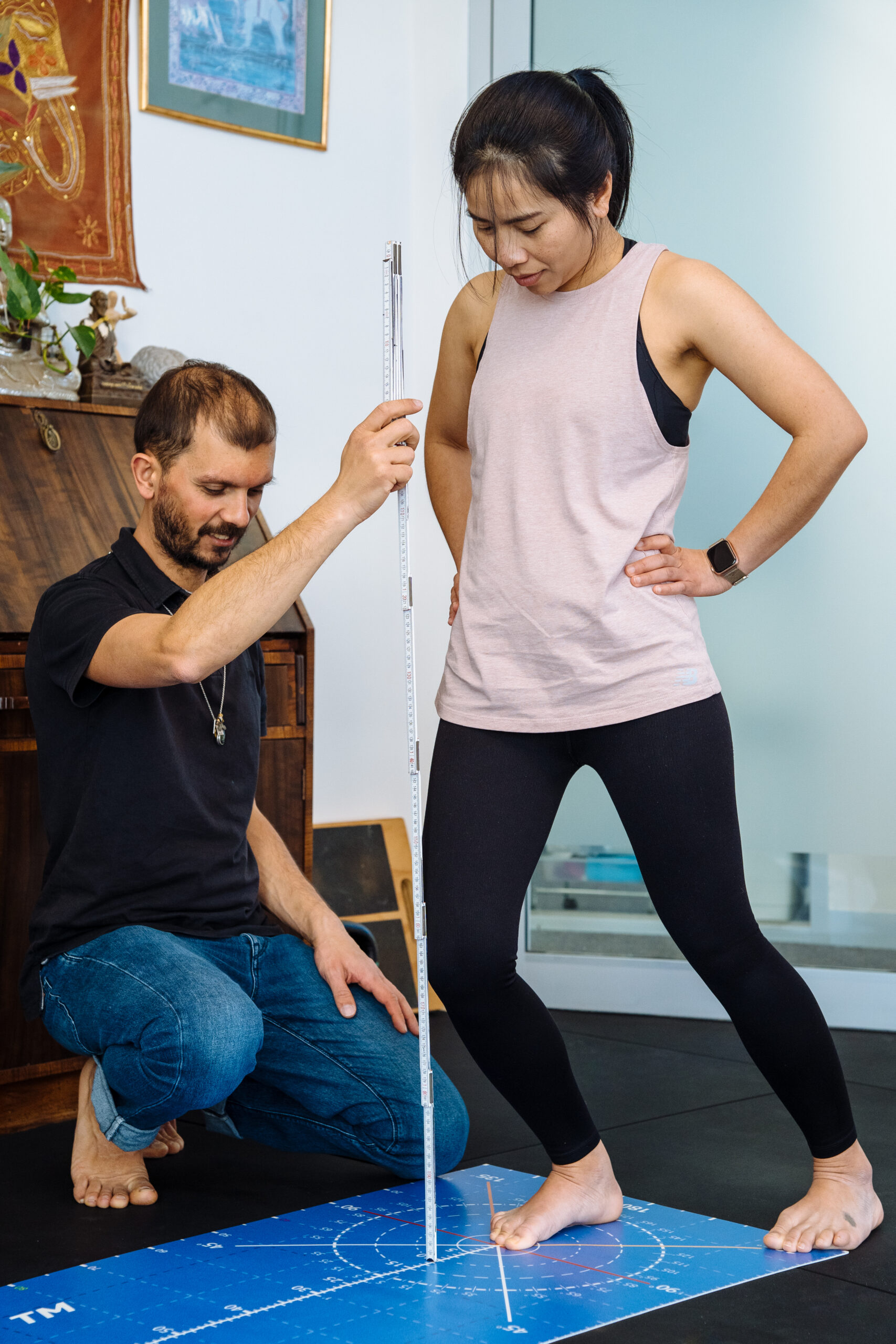
ACL stands for anterior cruciate ligament, and is the strongest ligament in the knee. ACL injuries can be time-consuming, depending on the severity. At Melbourne Massage and Treatment in Coburg, I offer an ACL rehab program that aims to help you recover based on your clinical history, daily activities, including your sports, if any, and consider that the healing time can’t be boosted, but assisted. ACL – What It Is? ACL is the strongest ligament in your knee, and connects the femur to the tibia. Its role is to keep the knee stable, especially during activities that involve sudden stops, changes in direction, or jumping. You can then understand why so many athletes or sports lovers end up with an ACL-type injury. As with all ligaments in our body, the ACL doesn’t have an excellent blood supply, which makes its recovery longer, compared to what can be a muscle injury. What is Myotherapy and How Can It Help with ACL Rehab? Myotherapy is a hands-on treatment method that targets muscular pain, improves joint mobility, and addresses the root causes of musculoskeletal injuries. For ACL rehab, this approach is essential because an ACL injury affects not just the knee but the surrounding muscles, joints and movement patterns. Hands-on treatment can indeed be a good start for rehab and injury, as it not only creates a trust between the patient and the therapist, but can help in creating better awareness of the muscles, which in a second phase of the myotherapy appointment are going to be used for delivering tailored and injury-specific exercises. The goal is to support your ACL recovery and knee rehabilitation holistically. ACL Injury: Scan and Manual Test There are several methods of diagnosing an ACL injury. Scans: Arthroscopy – A keyhole surgery, where a camera is inserted in the knee to check the level of injury. Partial or complete ACL tear. Magnetic Resonance Imaging (MRI) – Less invasive than an Arthroscopy, but still expensive to run. Indeed, it is rare nowadays; in Australia, you can get an MRI prescribed for this presentation. More information is available here. Manual Test Lachman test Lateral Pivot Shift Test Anterior Draw Test Those together with an attemptive clinical history, range of motion and functional test would help to tailor a conclusion on a possible ACL injury. ACL and Surgery – Is Surgery Still a Thing? Surgery techniques and technologies have come a long way from what we could expect, and yes, ACL surgery is still a thing. That said, before going for surgery, you will be asked to try and recover from your injury with conservative treatment, like a rehab program. The reason behind this is: Suregey cost and pressure on the public health system Rehab gives as good results as surgery most of the time Surgery also goes by the severity of your injury – is any other knee tissue/structure injured, or is it only the ACL? Post surgery, you still have to go for rehab, and it would still take 6 to 12 months for a full recovery. Athletes may benefit the most from ACL surgery, given its longer-lasting effects on knee stability. More information about ACL rehab vs ACL surgery is available from the systematic review by Papaleontiou et al (2024). The ACL Rehab Phases: Strengthen Beyond the Knee To recover from an ACL injury, we need to look behind the mechanics of your lower limb, and set a starting and and ending point of recovery. Acute Phase In the acute phase, which is the first one to two weeks after injury, we may focus on isometric holds, gentle movement, and spend more time on hands-on treatment. In this phase, the aids of crutches is mandatory. Strength Phase Past the acute phase of the injury, you will notice how it would be easier to engage the knee joint, as the swelling would be eased, and therefore, you can achieve greater movement. There, we will start incorporating eccentric and concentric loads, with some light-weight or light-resistance bends. This phase can last somewhere between 10 and 12 weeks. All of these would be a step-by-step process. So the loads would be progressed weekly, based on the strength and mobility outcome. Sometimes, you will have to push through some mild pain, but the most important thing is that you keep that joint moving, and have good rest, good food too, to enhance the recovery at its best. Return to daily activity – RDA In the final stage, the focus would shift to plyometrics, an essential part of ligament rehab. That’s where we would re-train your knee to act pre-injury time. This can take another 12 to 24 weeks. It all depends on the severity of the injury and what your needs, in terms of sport or daily activities, are. So, the combination of myotherapy treatment with targeted rehabilitation exercises and fitness classes for recovery is what makes Melbourne Massage and Treatment service stand out. In my rehab-focused classes, we work on: Strengthening the muscles that support the ACL Improving balance and stability to prevent re-injury Gradual conditioning to safely return to sports, running, or everyday activities My Personal Approach At Melbourne Massage and Treatment, I work one-on-one with each client. I assess your movement, identify areas of weakness or tension, and design a personalised ACL rehab program. To be even more specific to your individual presentation, I do use THE MAT as an aid. A measurement tool that allows me to test your mobility and stability, giving us objective numbers and data to work on, too. Recovery from an ACL injury takes time, but with the right approach, you can regain full function and return to the activities you love. I’m here to guide you through every step of your ACL rehabilitation journey. If you’re ready to start your ACL rehabilitation in Coburg or want to see how myotherapy can help, book a session with me at Melbourne Massage and Treatment today. Let’s get you moving stronger and safer than before. FAQs […]

Nov
As a Myotherapist and Lymphoedema Therapist here in Coburg, I’ve always believed that movement is one of the most powerful tools for health. Exercise isn’t just about getting fit; it’s about feeling stronger, moving with ease, and living life without pain. Recently, I completed professional training in Kinetic Link Training (KLT), and it gave me the opportunity to see fitness classes and rehabilitation programs under a new light. I’m now offering KLT sessions in Coburg as part of my fitness class at Melbourne Massage and Treatment, in order to help clients move better, recover well, and build long-term strength. Why Exercise Is Good for Everyone The benefits of regular exercise are many, including: Improves muscle tone; Boosts energy Supports joint health; Improves posture; Reduces stress So it doesn’t matter what your goal is, whether you are recovering from an injury, working a desk job, or simply wanting to feel stronger, functional movement training is one of the best investments you can make in your health. That’s why we said that movement is medicine. And Kinetic Link Training is ideal for any fitness level, given the simplified structure of its exercises, and the fact that its setup can be easily replicated at home with some resistance bands and some light dumbbells. How Kinetic Link Training Is Different from Conventional Training More traditional gym workouts often aim to work one group of muscles at a time, with a primary focus on agonist muscles, agonist to a certain movement, such as bicep curls, leg presses, and shoulder raises. Nothing wrong with those exercises, they definitely help you build strength, yes, but not always functional strength. That’s where Kinetic Link Training is different, as KLT is built around integrated, full-body movement patterns that connect the upper and lower body through controlled, coordinated actions. Instead of training one movement at a time, you train the body as a connected system. This style of training improves: Core stability and posture Joint mobility and balance Real-world strength and coordination To simplify it, KLT helps you move better, not just lift more. Therefore, having a goal in mind when choosing to start training can help you define the type of training you may need and want to go for. Kinetic Link Training Is Also Ideal for Post-Surgery and Injury Recovery Rehab KLT is an excellent option for rehabilitation and post-surgery recovery. A few keys component that makes KLT so safe are: Low-impact exercises Controlled movement Entirely adjustable for your needs You can train easily at home What then makes KLT effective for rehabilitation is the fact that you will be asked to do natural movement patterns that can help in regaining body strength safely. In fact, KTL is ideal for anyone looking to rebuild function, improve range of motion, and return to daily activity with confidence. Perfect for Beginners and Those New to Strength Training If you’ve never done strength training before, KLT is a gentle and intelligent place to start. “Why so?” you may ask. Well, the beauty of KLT is that it allows you to perform any exercise to your capacity, and from there, you can not only increase the load or resistance, but you can also increase the degree of movement. Let’s take, for example, a posterior pull with a double leg squat: In this exercise, you are going to start in a squat position (max depth is quads parallel to the ground), facing the machine or the cable direction, while your arms are fully extended. To deliver the exercises, you will be asked to stand while pulling the cable towards yourself, with the elbows running alongside the ribcage. Now, let’s consider a person who may have difficulty squatting. They are not required to go as deep to start with, but still, they can apply a full upper body range of motion, which is basically like a lat. raw exercise. The depth of the squat would come with time and practice. This is only an example of how exercises can be adapted You don’t need to be strong, flexible, or experienced. The movements are easy to learn and can be scaled to any fitness level. Kinetic Link Training: A Balanced Full-Body Workout Now, another great advantage of KLT is the engagement of the upper and lower body in all its exercises. As explained in the example above, along with the KLT exercises, you are required to engage in: Upper body movement: Push Pull Arch Double or Single arm. Different directions, “from where” and “to where” the cable may run: Very Low Low Mid High Very High With or without crossover. Lower body movement between: Squat – Double Leg, Single Leg, Wide Stand Lunge – Anterior, Posterior, Lateral Calf Raises (as a progression of the end/start of squat movement) Which can also be subcategorised as alternated, Split, Reciprocal, and Partial Standing direction: 0° – Facing the cable 45° – To the cable 60° – To the cable 90° – Your L/R side is facing the cable direction 180° – You are giving your back to the cable direction Now, combine all of those options, and you easily end up with thousands of exercises that engage the upper and lower body with an incredible variety of regression and progression. Indeed, this is why every KLT session integrates upper and lower body movements, creating balanced, total-body strength. This ensures you don’t overwork one area while neglecting another. KLT and Lymphoedema Lymphoedema is a chronic condition characterised by severe swelling of the limb due to failure of the Lymphatic System. It can occur due to a congenital presentation (primary Lymphoedema) or post-surgery (secondary Lymphoedema), as often happens after cancer surgery. To manage a Lymphoedema presentation, exercises are essential, as the lymphatic system is stimulated by muscle contraction. Based on the severity of your lymphedema, we can use KLT to help you boost lymphatic fluid circulation and build resistance in the joints and limbs affected by lymphedema. Functional Fitness Coburg Bringing Kinetic Link Training into my practice at Melbourne Massage […]

Oct
Exercise is the ultimate medicine for longevity and well-being. That said, there are different ways to exercise, and you should choose which one based on your goals and needs. Ultimately, even if you will prioritise one type of exercise over others, training in different ways, it is the best option to build resilience, strength and obtain the best results. But what are these main ways of training? Well, in this blog, we are talking about Strength Training and Hypertrophy. At Melbourne Massage and Treatment in Coburg, I help people achieve this goal, with tailored injury recovery Myotherapy plans that may start with hands-on treatment but aim to get the person moving and moving under load. What Is Strength Training? Strength training, in its pure form, is a type of training that aims to improve the body’s ability to produce maximal force. This is possible by optimising the nervous system’s capacity to communicate to the muscles what action has to be delivered when placed under load. In fact, the goal isn’t necessarily to make muscles bigger, but to make them stronger. Here is a breakdown of what a strength training session would be like: Typical rep range: 1–6 repetitions per set Load: Heavy (80–100% of your one-rep max) Rest periods: Longer (2–5 minutes) Primary outcome: Improved neural efficiency — your brain and muscles learn to work together more effectively. This type of training benefits everyone, from athletes to everyday movers, by: Enhancing joint stability Improving bone density Increasing functional power for daily tasks. What Is Hypertrophy Training? Now, we will examine another form of training that aims to increase muscle size. Indeed, hypertrophy focuses on creating controlled muscular fatigue that stimulates growth in the muscle fibres. Here’s how it works: Typical rep range: 6–12 repetitions per set Load: Moderate (60–80% of your one-rep max) Rest periods: Shorter (30–90 seconds) Primary outcome: Increased muscle cross-sectional area (growth). Hypertrophy is popular for aesthetic goals, but it also has significant benefits for: Joint support Posture Injury prevention, especially when paired with proper mobility and recovery practices like myotherapy. Who Would Benefit from Strength and Hypertrophy Training? Let’s be clear that both styles of resistance training can benefit a wide range of people — not just athletes or bodybuilders. But here is a clearer breakdown of which training belongs to which goals: You’ll benefit from strength training if you: Want to improve performance in sports or daily activities that require lifting, pushing, or pulling. You are seeking to increase bone density and joint stability, especially as you age. This is a big one for menopausal women. Need to enhance posture and core control to reduce the risk of back or shoulder pain. Are recovering from injury and looking to restore functional movement patterns safely under guidance. You’ll benefit from hypertrophy training if you: Want to build muscle mass for aesthetics, strength, or body composition. You are addressing muscle imbalances or weaknesses identified during myotherapy assessments. Need more joint support and stability through improved muscular structure. Aim to boost metabolism and energy expenditure through increased muscle tissue. At Melbourne Massage and Treatment, I often integrate tailored exercise advice with fitness class sessions, helping clients find the right balance between strength, mobility, and recovery for their individual goals. Massage Therapy, Dry Needling, and the Role of Passive Treatment Massage therapy, dry needling, and other forms of passive therapy are valuable tools during the recovery phase of an injury or when pain and tension are high. They help by: Reducing muscle tension and spasm Improving blood flow and assisting with tissue healing Calming the nervous system and reducing protective muscle guarding Restoring short-term mobility to prepare the body for movement At my Coburg clinic, these treatments are often used early in a client’s recovery journey to reduce pain and restore comfort. However, while these therapies are excellent for short-term relief and acute recovery, they must eventually be paired with movement under load to create lasting change. Why Movement Under Load Is Essential for Long-Term Wellness Passive treatments can help you feel better, but loaded movement enables you to function better. When you progressively load muscles, tendons, and joints, your body adapts and becomes stronger and more resilient. This is what keeps pain away in the long term. Here is a practical and simplified explanation: “You have to think that the body, while it does age, it does slow down in any form of its metabolism, including the regeneration of tissues, which gets worn down, and finds it difficult to be regenerated. This is where movement under load plays a crucial role. Movement under load indeed, it is the stimulus that the central nervous system needs to maintain the body’s regeneration active and effective”. A further breakdown of why movement under load matters beyond recovery: Builds tissue resilience: Strengthens muscles and connective tissue to handle daily demands. Supports nervous system retraining: Teaches your body to move efficiently and safely. Improves joint health and posture: Strengthens stabilising muscles that protect joints. Reduces recurrence of pain: Prevents the same issues from returning by addressing root causes, not just symptoms. Another way I would express the difference between passive therapy and exercises (under load) to my patient is: “Massage and needling help you feel good now, but movement under load helps you stay good later.” That’s why our approach combines hands-on therapy to relieve pain with movement education and strengthening to keep you moving well long after your treatment. How Myotherapy Complements Strength and Hypertrophy Training Myotherapy is a form of manual therapy that aims to improve the performance of any individual who has gone through an injury or someone who wants to maintain functionality and wellbeing. In a Myotherapy session, we would start with some form of testing to evaluate the person’s capacity in mobility and strength and from there we create a treatment plan that aims to improve the current presentation. A treatment plan may include: Soft tissue therapy Corrective exercise Movement assessment Goals of myotherapy: Address muscular imbalances from repetitive […]

Aug
When we think of losing fat, the first action we picture in our head is to start running, walking, swimming or any form of cardio training. But is that actually the best fat loss solution? In this blog, we are going to look into why cardiovascular exercise has many benefits, but when it comes to losing fat mass effectively and sustainably, lifting weights deserves the spotlight. For fat loss, total body weight should not be your target: Focus on Body Composition Another go-to habit, when we focus on losing weight, is to check with a scale where we are at. But the reality of the fact is not as simple. When using a regular scale, you are looking at the total mass of your body, which includes not only your fat, but also your muscle mass, bone mass, etc… Indeed, losing weight isn’t the same as fat loss. Therefore, you should know that when you restrict calories, up to 50% of the weight you lose may come from muscle, not fat–unless you intentionally preserve it through strength training. Muscle is essential for more than movement – it’s a metabolically active tissue. That means it burns more calories at rest than fat. The more muscle you have, the higher your basal metabolic rate (BMR), making it easier to maintain fat loss long-term. Muscles Are Our Metabolic Engine When talking about muscles, we need to change the perspective on their functionality. The locomotive aspect of muscles, which means the ability of the muscles to move the skeletal system, is just one aspect of them, but not the only one. Therefore, when thinking about muscles, start considering that they are also glucose-hungry machines; indeed, they pull sugar out of the bloodstream and help convert it into usable energy. This process is critical for managing blood sugar and inflammation, which are two major drivers of fat storage and chronic disease. So to simplify it, less muscle mass means less body efficiency at using energy, therefore becoming more prone to storing excess calories as fat. Behind this mechanism lies the reason why losing weight without building muscle mass is not a long-term solution, as you will gain weight back. The Double Side of Cardio (When done on its own) When trying to lose weight, it becomes a combination of cardio and less energy intake (a certain type of diet), and to it you add the fact that muscles are not loaded, and by loaded I mean put under strength activities, it becomes easier to lose muscle mass. This happens because the body goes into a calorie deficit, and in order to keep functioning, it is going to take energy off the muscles themselves, reducing their size. This is an extra reason to ensure you are loading those muscles, to ensure the energy to burn is taken from fatty tissue. All of this does end up with yes, a weight loss, but also weakens the very system that helps keep fat off. It’s Never Too Late – Muscle Responds at Any Age This is a topic that we have seen in other blogs, and it is time to remember that age is only a perspective and not a mandatory fail. The body is designed to respond to stimulus, and get stronger and stronger under new and constant stimulus; it doesn’t matter the age. In fact, even older adults, including those in their 60s, 70s, and 80s, can gain strength and improve body composition with the right program. Muscle stem cells (satellite cells) remain responsive well into late adulthood. You don’t need to be a lifelong athlete – many people start lifting in midlife and see dramatic improvements in energy, mobility, and fat loss. How to Lift for Fat Loss As per all the forms of training, there are certain aspects that need to be respected to achieve the desired goal. For fat loss, then, you may want to look into: Focus on compound lifts such as Squats, deadlifts, bench press, and rows, so that you work multiple muscles and burn more calories. Train to near failure, which means from 4 heavy reps or 10 moderate ones, but with progressive overload. Lift 3–5 times per week as consistency beats intensity. And if a week you can do less, it’s ok, don’t be hard on yourself. Look into your eating habits, talk to your local GP about your eating habits and see if you need a referral to a specialist for improving your food habits. Add sprint intervals twice weekly: Brief, high-intensity cardio can enhance fat burning and insulin sensitivity without causing muscle loss. Fitness Class at Melbourne Massage and Treatment At Melbourne Massage and Treatment, in Coburg, I got the skills and the equipment needed to help you achieve your goal, but also, help you learning how to deliver safe exercises for your wellbeing and your athletic preparation. Indeed, when talking about lifting weights, we always want to look at first where your training level is, what your abilities are, and with no judgment, take the first step from there and help you to achieve your short-term and long-term goals. If you are keen to learn more and want to have a chat about your goals, book a 15-minute free online consultation now, so that we can discuss how I can help you and where we can get you with your exercise routine. In Conclusion: Lift First, Then Move More In this blog, we emphasised how strength training is ideal for fat loss, and what we want to tell you with this is that cardio has a place for heart health and endurance, but it’s not the most effective path to long-term fat loss. Prioritising strength training, especially as you age, helps preserve muscle, boost your metabolism, and shift your body into a fat-burning machine. And most importantly, let’s stop chasing a number on the scale. Instead, start chasing strength, power, and metabolic resilience.

May
As a Clinical Myotherapist, I often work with patients who perform back squats as part of their exercise routine, and at the question: “What’s your goal with a back squat?” the answer is often vague and not specific to what this exercise is for. The reason why the answer is not specific is simply because they don’t know what the difference is between high and lower bar squat, and don’t know that the back squat, as long as it is an amazing functional movement, doesn’t train all the lower body muscles at the same level. That’s where, to prevent injury, to perform better squats, and to strengthen more evenly all the lower body muscles, I would suggest them to do exercises like: Quads curl, Hamstring curl, Cable Machine Adduction and Diagonal Extension (Glute Medius). Back Squat: The Foundation of Strength The back squat is such a great form of exercise because it trains multiple joints and multiple muscles all at once, but also allows us to use our innate capacity of squatting, which is a functional movement, to move high loads, therefore achieving more strength gains. However, this leaves us with more responsibility to train smartly. So let’s start to break down the two main types of back squat: High-Bar Back Squat (Upper Bar Position) The bar rests on the upper traps The torso remains more upright Greater emphasis on the quadriceps muscles Ideal if your goal is quad strength and knee-dominant movement patterns Ideally, you are standing with your heels elevated from the ground The fact that the bar is sitting on the upper traps, and that the torso sits straighter, would lead to a descending movement where your back thigh (hamstrings) would lean on calf muscles, and from there you will stand back up. This is why you put more force throughout the quads. Indeed, the combination of a higher bar, a straighter torso, and a reduced descending position allows the weight to sit in the middle of the centre of gravity, which is placed more posteriorly than in a lower-bar back squat. Low-Bar Back Squat (Lower Bar Position) Bar rests lower on the rear deltoids Torso leans forward slightly more Greater load on the glutes and posterior chain Favoured by powerlifters Best for developing hip strength and glute activation Ideally, your feet are nice and flat on the ground from heel to toes. On the other hand, the lower-bar back squat, as anticipated, is more for the posterior chain muscles, like the gluteus max. This is possible because the bending forward of the trunk stretches more muscle fibres in their origin point (the posterior aspect of the ilium (the pelvic bone), the sacrum, and the coccyx), allowing more fibre contraction in the ascending movement. Also, the lower position of the bar and the bending of the torso maintain the weight in the middle of the centre of mass, which is pushed forward at this time. How about if I cannot squat deep? The depth of a squat is the distance that you can cover from a standing position to the lowest point you can reach. How deep you can squat will definitely change which muscle groups you can activate, but not everyone can squat deep —and that’s absolutely ok. Each of us has biomechanics that are different, due to differences in how the skeleton is shaped. Without going into many details in this blog, we can definitely say that those who have a longer femur would have a harder time going for a deep squat, compared to those who have a shorter femur. The femur’s length is compared to that of the torso. But this is not all, indeed, there are also other femur and hip characteristics that can limit how deep you can squat, such as an anteverted or retroverted femur head. Other conditions that can get in the way while you squat are hip impingement. Accessory Work for a Complete Lower Leg Program So, knowing when and why to use each back squat variation can help tailor your program toward specific goals or help rehab muscle imbalances through focused intent. No squat is right, no squat is wrong; it is all about your goal. However, we need to add work more specifically with other exercises for strength symmetry, muscle activation, and injury prevention. Quad Curl (Leg Extension) Isolates the quadriceps Improves knee tracking and squat depth Essential in rehab for knee pain or quad weakness Quads curl can be done in many ways, with a cable machine or on a bench with a quads curl attachment, but even with a kettlebell or resistance band. It all depends on your setup. As per all the exercises, be consistent with your set-up and progressions. What I prefer most for my training, and what I offer to my patients during the fitness class, is to do quad curls on a bench with the attachment for quad curls. The advantages of this set-up are: Confort Easy progressions Easy set-up Inclination of the back at about 45° to 65° and slight elevation of the quads. The last point is essential to ensure we engage both ends of the quadriceps femoris, which is one of the four quads, that crosses both the hip and knee joints. Hamstring Curl Focuses on the hamstrings, which during a squat are often undertrained Strengthens the back of the thigh and supports knee stability A must-have for runners and athletes prone to hamstring strains As per the quad curl, even the hamstring curl can be done with different variations; there is never one way to train those muscles, but again, it is all about the efficiency and the amount of load that we can put through the muscle, which makes a difference. And again, what I can offer at Melbourne Massage and Treatment, in Coburg, is to do these exercises on a bench, using this time a lower inclination for the upper body (which is now in a prone position) so that the origin of the […]
Feb
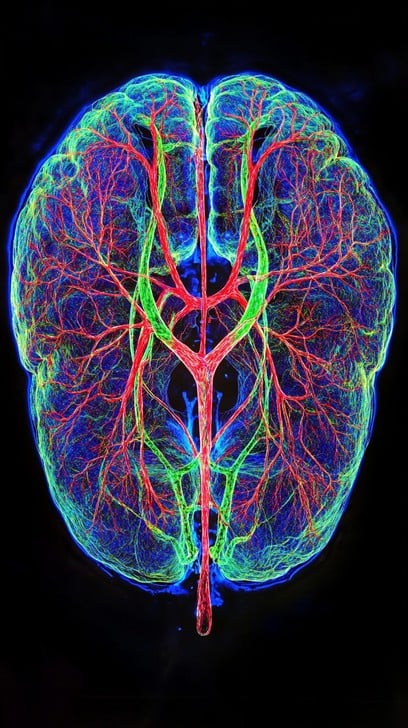
Alzheimer’s is a growing concern worldwide, affecting millions of individuals and their families. As we age, cognitive decline becomes a reality for many, but research has shown that regular exercise can play a significant role in reducing the risk of developing Alzheimer’s. Incorporating physical activity into daily routines can improve brain health, enhance memory, and support overall mental well-being. But how is this possible? And what do exercises have to do with brain health? What are the main factors that lead to Alzheimer’s disease? Even before starting to look into how exercises are beneficial for reducing the chance of developing Alzheimer’s, we have to understand what conditions can lead to Alzheimer’s in the first place. Indeed, there is a combination of factors that would increase your chance of developing this form of Dementia. Here is the list: low education level, midlife hypertension, midlife obesity, hearing loss, later-life depression, diabetes, smoking, social isolation, and, of course, low physical activity. Now, once you read this list, you can easily imagine how exercises can be beneficial for many of these presentations and how already acting directly on reducing these factors can lead to reducing your future chance of developing Alzheimer’s. How Exercise Benefits Brain Health Engaging in regular physical activity helps maintain cognitive function by improving blood flow to the brain. Indeed, the brain, as shown in the picture here, is a bundle of veins and arteries and has the most blood supply of any organ. As we now know, blood helps reduce inflammation and promotes the release of brain-derived neurotrophic factor (BDNF). BDNF is a protein that supports neuron growth and connectivity, which is crucial for memory retention and learning. On the other hand, exercise also helps reduce stress and anxiety, which are known contributors to cognitive decline. Additionally, studies like the London taxi driver study demonstrate how mental and physical engagement can grow the brain. The study found that taxi drivers who undergo rigorous memorization training developed larger hippocampi compared to bus drivers who followed set routes. This supports the idea that both physical activity and cognitive challenges contribute to brain resilience. Types of Exercises for Brain Health Different types of exercises offer unique benefits for brain function. Here are some of the best activities to help prevent Alzheimer’s: Aerobic Exercise: Activities like walking, running, cycling, and swimming increase heart rate and improve circulation, ensuring that the brain receives adequate oxygen and nutrients. Strength Training: Lifting weights or using resistance bands helps build muscle mass, which has been linked to better cognitive function and reduced risk of Alzheimer. Balance and Flexibility Exercises: Yoga, Tai Chi, and stretching improve coordination and reduce the risk of falls, which can contribute to brain injuries and cognitive impairment. Mental Engagement through Exercise: Activities such as dancing, martial arts, or playing sports require learning new movements and strategies, stimulating brain activity and improving neural connections. Metabolic and Lifestyle Factors Moving forward on the prevention side of things, there is to say that exercise alone is not the only factor influencing Alzheimer’s risks. Chronic conditions like pre-diabetes, diabetes, high LDL cholesterol, and chronic inflammation are significant contributors to cognitive decline. Studies show that individuals with uncontrolled pre-diabetes and high cholesterol in midlife face a greater risk of developing Alzheimer’s later on. A holistic approach to brain health should also address these metabolic pathways through a combination of exercise, a balanced diet, and proper medical management. How to Incorporate Exercise into Daily Life Nowadays I often hear patients saying that they have no time for exercise. But is that true? Or is it more about knowing how to optimise the time and apply some changes to our lifestyle? Then, here are some practical ways to integrate exercise into your routine: Take a brisk 30-minute walk daily. This can be easily accomplished by leaving the tram one stop earlier than your work’s stop and walking one stop back and forth, or parking the car a bit further away than the work location and walking your way down and back (15 mins each way). Join a local exercise class or sports group. If you give yourself a time and day that you have to attend a regular appointment, you are more luckily to make it a routine. Use stairs instead of elevators. If you work in a building with an elevator, opt for the stairs as many time as you can. Engage in gardening or household chores that require movement. Indeed gardening is not only a great way to spent time outdoor but it also a good way to move your body. Practice mobility drills before and after bedtime. Start and end yoyr day with a 10 minutes mobility self time, where you focus on get the spine moving and get your joint some selflove. How Melbourne Massage and Treatment can help with exercises for Alzheimer’s prevention? At Melbourne Massage and Treatment, I do my best to teach my patients exercises and guide them through a better lifestyle. Alzheimer’s disease is something that I experienced myself with my family throughout my mother’s journey. As I lived this in the first place, I want to make sure that no others have to go through the same journey. So not only do I regularly practice exercises myself, but I ensure to pass these skills and knowledge to others. If you are keen to learn more about how exercises can help your wellness journey, book now your next appointment for Exercises Prescription. Or if you have any questions, reach out via the contact page. FAQ about Exercises and Alzheimer’s prevention. Q: What are the main risk factors for developing Alzheimer’s disease? A: Several factors increase the likelihood of developing Alzheimer’s, including low education level, midlife hypertension, obesity, hearing loss, depression, diabetes, smoking, social isolation, and low physical activity. Addressing these risk factors through lifestyle changes can help reduce the chances of cognitive decline. Q: How does exercise benefit brain health? A: Regular physical activity improves blood flow to the brain, reduces inflammation, […]