

Manual Lymphatic Drainage (MLD) is an ideal treatment to reduce swelling and oedema, and if so, at Melbourne Massage and Treatment, I offer manual lymphatic drainage during pregnancy. Swelling, heaviness in the legs, water retention, and aching joints are all common during pregnancy. One treatment that is safe, gentle, and highly effective in reducing these symptoms is Manual Lymphatic Drainage (MLD). In this blog, we’ll explore the benefits, safety considerations, positioning, and when lymphatic drainage may or may not be recommended. What Is Manual Lymphatic Drainage for Pregnancy? Lymphatic drainage is a gentle, rhythmic technique designed to stimulate the lymphatic system. This improves the movement of lymph fluid, helping the body eliminate unwanted substances, reduce fluid retention, and improve overall well-being. Manual lymphatic drainage is beneficial for pregnant individuals (Cataldo Oportus et al., 2013), particularly for managing swelling, improving circulation, and supporting relaxation. Benefits of Lymphatic Drainage During Pregnancy In a city like Melbourne, where the weather can get really hot, those temperatures can be an extra challenge during pregnancy. Here is a list of MLD benefits for your gestation time: 1. Reduction of Swelling (Oedema) Swelling in the legs, ankles, and feet is extremely common in pregnancy due to increased pressure on the lymphatic and circulatory systems. Lymphatic drainage helps move fluid away from congested areas, relieving discomfort and heaviness. 2. Relief from Pregnancy-Related Back Pain During pregnancy, the increasing weight can affect posture and strain the back. Lymphatic drainage, performed in a comfortable side-lying position, helps reduce tension through its profound relaxation effect. 3. Improved Circulation Changes in blood volume and circulation during pregnancy can cause fluid retention and fatigue. Lymphatic drainage promotes healthy blood and lymph flow, improving oxygen and nutrient delivery to both mother and baby. 4. Mental and Emotional Well-being One of the most underestimated benefits of lymphatic drainage is how deeply relaxing it is. Better sleep, reduced stress, and a sense of lightness are very common outcomes. At Melbourne Massage and Treatment in Coburg, you would receive pregnancy lymphatic drainage massage in a seated or semi-reclined position on a hydraulic table, which allows maximum comfort and safety throughout the treatment. FAQ – Pregnancy Lymphatic Drainage Massage in Melbourne Reference Cataldo Oportus, S., de Paiva Rodrigues, L., Pereira de Godoy, J. M., & Guerreiro Godoy, M. de F. (2013). Lymph Drainage in Pregnant Women. Nursing Research and Practice, 2013, 1–3.
Tag Archives: Prevention
Blog
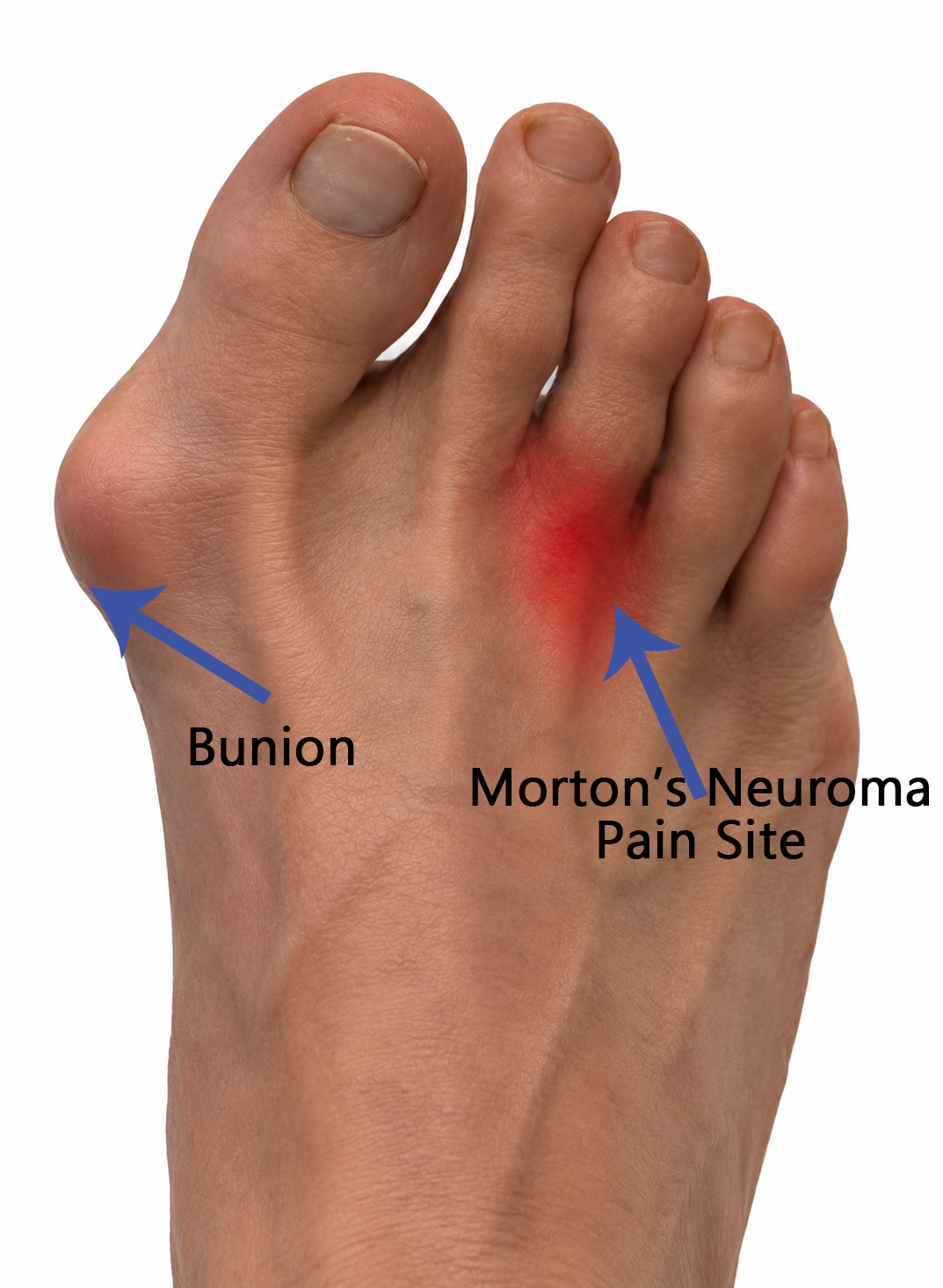
Bunion and Morton’s Neuroma: Can a Bunion Affect Neuroma Recovery?
While a bunion and a Morton’s neuroma are two different foot conditions, if they are [...]
Continue readingSep
Blog
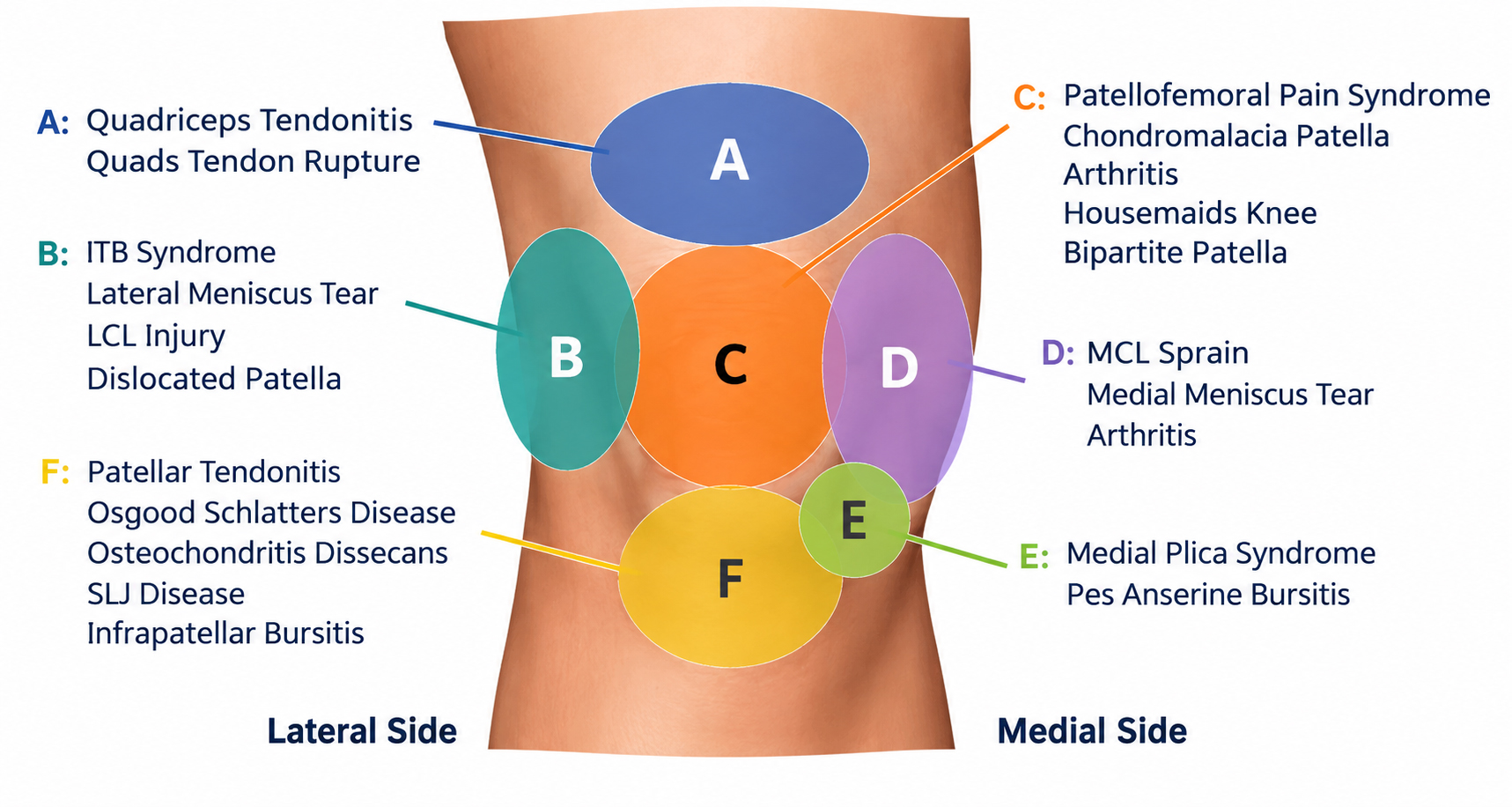
Knee Pain in Coburg
Knee pain is a common form of injury and can affect people of all ages [...]
Continue readingSep

Blog
Post-Surgery MLD Melbourne – Vodder MLD Therapist
Any form of surgery is an invasive procedure for the body to deal with, and [...]
Continue readingSep
Blog
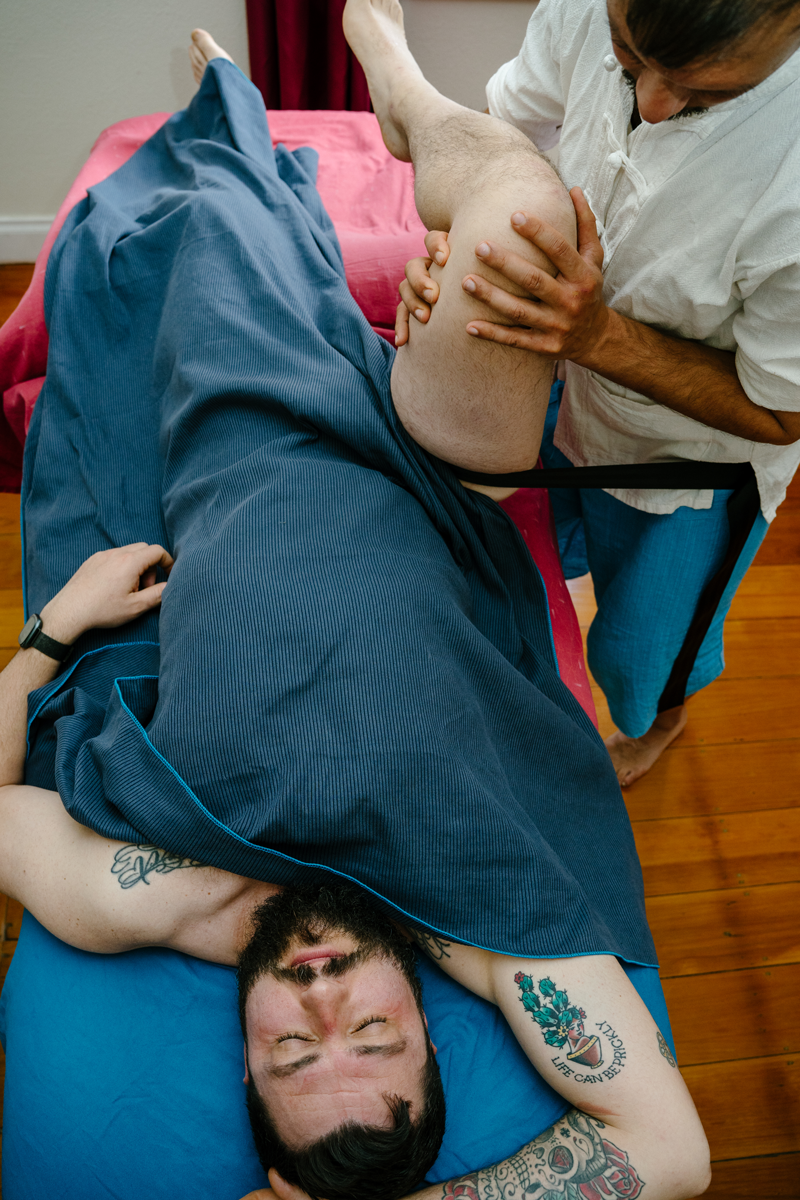
Hip Pain in Coburg: Causes, Symptoms & Treatment
In the many presentations I get to see here at Melbourne Massage and Treatment in [...]
Continue readingSep

Blog
Lymphatic Walking: Let Me Tell You Why It Is Another Trend
Lymphatic Walking is another trend that you really don’t need to overthink. But let me [...]
Continue readingAug
Feb
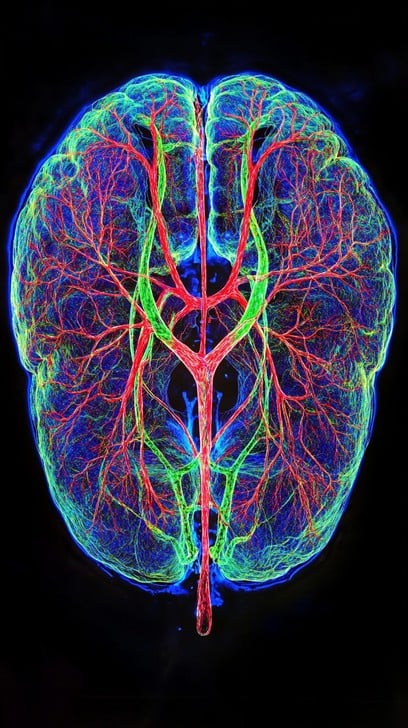
Alzheimer’s is a growing concern worldwide, affecting millions of individuals and their families. As we age, cognitive decline becomes a reality for many, but research has shown that regular exercise can play a significant role in reducing the risk of developing Alzheimer’s. Incorporating physical activity into daily routines can improve brain health, enhance memory, and support overall mental well-being. But how is this possible? And what do exercises have to do with brain health? What are the main factors that lead to Alzheimer’s disease? Even before starting to look into how exercises are beneficial for reducing the chance of developing Alzheimer’s, we have to understand what conditions can lead to Alzheimer’s in the first place. Indeed, there is a combination of factors that would increase your chance of developing this form of Dementia. Here is the list: low education level, midlife hypertension, midlife obesity, hearing loss, later-life depression, diabetes, smoking, social isolation, and, of course, low physical activity. Now, once you read this list, you can easily imagine how exercises can be beneficial for many of these presentations and how already acting directly on reducing these factors can lead to reducing your future chance of developing Alzheimer’s. How Exercise Benefits Brain Health Engaging in regular physical activity helps maintain cognitive function by improving blood flow to the brain. Indeed, the brain, as shown in the picture here, is a bundle of veins and arteries and has the most blood supply of any organ. As we now know, blood helps reduce inflammation and promotes the release of brain-derived neurotrophic factor (BDNF). BDNF is a protein that supports neuron growth and connectivity, which is crucial for memory retention and learning. On the other hand, exercise also helps reduce stress and anxiety, which are known contributors to cognitive decline. Additionally, studies like the London taxi driver study demonstrate how mental and physical engagement can grow the brain. The study found that taxi drivers who undergo rigorous memorization training developed larger hippocampi compared to bus drivers who followed set routes. This supports the idea that both physical activity and cognitive challenges contribute to brain resilience. Types of Exercises for Brain Health Different types of exercises offer unique benefits for brain function. Here are some of the best activities to help prevent Alzheimer’s: Aerobic Exercise: Activities like walking, running, cycling, and swimming increase heart rate and improve circulation, ensuring that the brain receives adequate oxygen and nutrients. Strength Training: Lifting weights or using resistance bands helps build muscle mass, which has been linked to better cognitive function and reduced risk of Alzheimer. Balance and Flexibility Exercises: Yoga, Tai Chi, and stretching improve coordination and reduce the risk of falls, which can contribute to brain injuries and cognitive impairment. Mental Engagement through Exercise: Activities such as dancing, martial arts, or playing sports require learning new movements and strategies, stimulating brain activity and improving neural connections. Metabolic and Lifestyle Factors Moving forward on the prevention side of things, there is to say that exercise alone is not the only factor influencing Alzheimer’s risks. Chronic conditions like pre-diabetes, diabetes, high LDL cholesterol, and chronic inflammation are significant contributors to cognitive decline. Studies show that individuals with uncontrolled pre-diabetes and high cholesterol in midlife face a greater risk of developing Alzheimer’s later on. A holistic approach to brain health should also address these metabolic pathways through a combination of exercise, a balanced diet, and proper medical management. How to Incorporate Exercise into Daily Life Nowadays I often hear patients saying that they have no time for exercise. But is that true? Or is it more about knowing how to optimise the time and apply some changes to our lifestyle? Then, here are some practical ways to integrate exercise into your routine: Take a brisk 30-minute walk daily. This can be easily accomplished by leaving the tram one stop earlier than your work’s stop and walking one stop back and forth, or parking the car a bit further away than the work location and walking your way down and back (15 mins each way). Join a local exercise class or sports group. If you give yourself a time and day that you have to attend a regular appointment, you are more luckily to make it a routine. Use stairs instead of elevators. If you work in a building with an elevator, opt for the stairs as many time as you can. Engage in gardening or household chores that require movement. Indeed gardening is not only a great way to spent time outdoor but it also a good way to move your body. Practice mobility drills before and after bedtime. Start and end yoyr day with a 10 minutes mobility self time, where you focus on get the spine moving and get your joint some selflove. How Melbourne Massage and Treatment can help with exercises for Alzheimer’s prevention? At Melbourne Massage and Treatment, I do my best to teach my patients exercises and guide them through a better lifestyle. Alzheimer’s disease is something that I experienced myself with my family throughout my mother’s journey. As I lived this in the first place, I want to make sure that no others have to go through the same journey. So not only do I regularly practice exercises myself, but I ensure to pass these skills and knowledge to others. If you are keen to learn more about how exercises can help your wellness journey, book now your next appointment for Exercises Prescription. Or if you have any questions, reach out via the contact page. FAQ about Exercises and Alzheimer’s prevention. Q: What are the main risk factors for developing Alzheimer’s disease? A: Several factors increase the likelihood of developing Alzheimer’s, including low education level, midlife hypertension, obesity, hearing loss, depression, diabetes, smoking, social isolation, and low physical activity. Addressing these risk factors through lifestyle changes can help reduce the chances of cognitive decline. Q: How does exercise benefit brain health? A: Regular physical activity improves blood flow to the brain, reduces inflammation, […]
Lymphoedema therapy is crucial for those dealing with this chronic condition characterized by swelling due to lymph fluid buildup. Effective management can significantly improve quality of life, making it essential to understand various approaches. The Importance of Prevention in Lymphoedema Therapy Prevention is critical in lymphoedema therapy. Early intervention is vital for those at risk, such as cancer survivors or those with this presentation running in the family genetics. Regular exercise, maintaining a healthy weight, and avoiding tight clothing, including underwear and bras, can help support lymphatic health. Other things to be aware of include being vigilant about skincare and promptly addressing any injuries, which can further prevent lymphoedema’s development or worsening. Degeneration and Fibrosis Without proper lymphoedema therapy, the condition can lead to degeneration and fibrosis, where excess fibrous tissue develops in the affected area. Thdis can cause stiffness and discomfort, making it harder for lymphatic fluid to drain. Regular therapy, including manual lymphatic drainage, can help maintain tissue health and prevent these complications. Fibrosis is the body’s response to the constant inflammation created by the accumulation of lymph liquid. Once the fibrosis hardens and starts building up, no lymph capillary can be generated through that. Still, eventually, capillaries and nerves would, making the surgical removal of this type of tissue difficult. Skin Care and Anti-inflammatory Diet as part of Lymphoedema Therapy Proper skin care is essential in lymphoedema therapy. Keeping the skin clean and moisturized helps prevent infections, which can worsen symptoms. As the lymph fluid which is accumulates under the skin is reach in protein, it is important to maintain the skin intact, or the risk of infetioncs would hires exponentially, leading to ulcers and usage of antibiotic for a prolonged period of time. On top of that, to maintain the lymphedema presentation at ease, an anti-inflammatory diet rich in fruits, vegetables, and healthy fats can also support lymphatic function and reduce swelling. Foods like turmeric and omega-3 fatty acids are particularly beneficial. More specifically about the diet, avoiding long-chain fatty acids and processed food (which most often is rich in long-chain fatty acids) is essential, too. This is because those types of fat are absorbed via the lymphatic system, as they are too big (long chain) to be absorbed by the bloodstream directly. So, once those fats are loaded in the lymphatic system, it would be extra work for this already damaged system to get rid of those components. Compression Garment Wear Wearing compression garments is a fundamental aspect of lymphoedema therapy. These specially designed garments help maintain pressure on the affected areas, promoting lymphatic drainage and reducing swelling. It’s crucial to have garments that fit properly, as the right fit maximizes their effectiveness. Indeed, Giovanni would reccomedn to get your garments wear from clinics where the do measurements, and not from the pharmacy, as those last one, they may not follow at best your presentation or limbs. Melbourne Massage and Treatment and Lymphoedema Therapy At Melbourne Massage and Treatment, Giovanni offers Lymphoedema Therapy via services like Manual Lymphatic Drainage (MLD) and Combined Decongestive Therapy. The combination of those treatments allows the reduction of severe swelling within a series of treatments. There is also to say that each presentation is unique and based on other factors, such as diet, skincare and other presentations that may coexist with Lymphoedema, someone may need more time to achieve greater results. However, MLD consists of manual therapy that stimulates the lymphatic system. CDT involves applying compression to the swollen limb, maintaining pressure and making the liquid move. To know more about Giovanni Lymphoedema Clinic services, you can now book your free 15-minute initial consultation. Based on this initial chat, would be easier to evaluate a management plan for your presentation. Conclusion about Lymphoedema Therapy Lymphoedema therapy encompasses strategies that focus on prevention, skin care, dietary choices, garment wear, and infection management. By following these guidelines, individuals can effectively manage their condition and enhance their overall quality of life. Awareness and proactive care are key in navigating the challenges of lymphoedema.
Lymphoedema is a condition that can affect many individuals following a mastectomy, particularly those who have undergone lymph node removal as part of their breast cancer treatment. Understanding lymphoedema, its causes, symptoms, and management can help those affected navigate this challenging aspect of recovery. What is Lymphoedema? Lymphoedema is a chronic condition characterised by tissue swelling, usually in the arms or legs, due to an accumulation of lymphatic fluid. It often occurs when lymph nodes are removed or damaged, disrupting the normal flow of lymph fluid through the body. Another reason why someone could end up going through Lymphoedema is severe skin infections that damage the lymphatic system, radiation therapy, or invasive surgeries. Why Does Lymphoedema Occur After Mastectomy? During a mastectomy, when lymph nodes are removed (as in axillary lymph node dissection), the pathway for lymph fluid drainage from the hand and the arm can be compromised as the fluid has nowhere to be discharged at the surgery area. This disruption can lead to a buildup of fluid, resulting in swelling that, if left untreated, can create severe discomfort. While not everyone who has a mastectomy will develop lymphoedema, certain risk factors may increase the likelihood, including: The extent of surgery Radiation therapy Infection Obesity Lack of physical activity Previous or current other injuries to limb/shoulder Surgery was on the side of the dominant hand Be a smoker Symptoms of Lymphoedema post mastectomy The symptoms of lymphoedema can vary in severity and may develop gradually. Common signs include: Swelling in the arm, hand, or breast area A feeling of heaviness or tightness in the affected area Restricted range of motion in the shoulder or arm Skin changes, such as thickening or hardening Swelling doesn’t reduce just by holding the arm elevated Early Detection and Diagnosis Recognizing the early signs of lymphoedema is crucial for effective management. This would help prevent degeneration of the condition and reduce the chance of fibrosis building under the skin, which would lead to longer treatment and possible complications. If you notice swelling or other symptoms, Giovanni is here to help, so don’t hesitate to get in touch. To simplify the diagnosis process, Giovanni offers a 15-minute free phone consultation appointment. During this phone call, we can evaluate whether no pathologies need to be addressed by a GP or other medical staff or if the Lymphoedema management plan can be initiated. Managing Lymphoedema While there is currently no cure for lymphoedema, various management strategies can help reduce symptoms and improve quality of life: Manual Lymphatic Drainage (MLD) is a specialized massage technique that stimulates the lymphatic system and encourages fluid movement.At Melbourne Massage and Treatment in Coburg, Giovanni specialises in the management of Lymphoedema with MLD. Combined Decongestive Therapy (CDT): CDT refers to the application of bandaging that Giovanni would do after the initial MLD treatment. Garments Wear: Wearing compression garments, such as sleeves or bandages, can help prevent fluid buildup and promote lymphatic drainage. Exercise: Gentle, targeted exercises can improve circulation and lymphatic flow. Giovanni at the end of the appointment would show a series of simple exercises that can help you in managing the Lymphoedema swelling. Skin Care: Maintaining skin hygiene and moisturization can prevent infections, which may exacerbate lymphoedema. Diet and Lifestyle: Maintaining a healthy weight and staying active can reduce the risk of developing or worsening lymphoedema. Surgery: In some cases, surgical options may be considered, such as lymphovenous bypass or vascularized lymph node transfer. Support and Resources Coping with lymphoedema can be emotionally and physically challenging. Support groups and counselling can provide valuable resources and community connections. Organizations like the Lymphatic Education & Research Network (LE&RN) and local cancer support services can offer information and support tailored to your needs. Conclusion Navigating lymphoedema after a mastectomy can be daunting, but understanding the condition and implementing effective management strategies can make a significant difference. Early intervention, education, and support are key components in minimizing its impact on daily life. If you or a loved one is facing this challenge, remember you are not alone—reach out to Giovanni and ask how Melbourne Massage and Treatment services can help. FAQ