
Lipoedema and strength training are topics I discuss with my lipoedema clients every time we start building an exercise routine. For those who have lipoedema (also known nowadays as Lipalgia syndrome), strength training is not an easy activity to take up, and there are a few reasons, starting with potential hypermobility and an inflammatory response post-exercise, but also a lack of joint stability. Let’s then look into what approach I have to offer for lipoedema patients here at Melbourne Massage and Treatment, Myotherapy and Lymphoedema Clinic in Coburg. Introduction: Strength training is important, but how you train matters For someone who lives with lipoedema, delivering any forms of exercise, including walking, cycling, swimming, Pilates or gym-based workouts, may feel different and not always as easy given the pain response they may end up experiencing post-training. That said, if you tried out several types of exercises, you may also have noticed that some exercises leave you feeling better, while others cause increased pain, heaviness, swelling or fatigue. This does not necessarily mean that exercise is unsuitable for you. Strength training can be a valuable part of lipoedema management. This is because strength training can help improve muscular strength, physical function, joint support and your ability to perform everyday activities. That said, I believe there is an important distinction between simply following a strength-training programme and understanding how your body responds to individual movements when living with Lipoedema. Indeed, when I train someone who suffers from Lipoedema, we don’t want to take for granted that their mobility is optimal only because a lipoedema characteristic is hypermobility. So, to start with, we would look into a mobility check and, where needed, a mobility exercise routine. That can be your ankle, thoracic spine, or even shoulder mobility. From there, we would start working on improving stable joints, like your knee, by working on quads and hamstrings, for example. This would allow us to: Establishing adequate mobility and movement control. Break down complex functional movements into simpler exercises. Finding an appropriate training volume and intensity based on individual recovery. Let’s look at why these principles matter. Start by assessing mobility, not by adding weights My approach to an exercise program is based on a simple principle: Mobility before strengthening. Too often I see clients who complain about their inability to do a squat, or to do overhead movement with weights, only to find out they lack mobility in their joints (ankle for squat, AC joint for overhead movement). Therefore, before introducing resistance, I believe it is important to understand whether someone has sufficient mobility to perform a movement efficiently. Yes, because when you start loading the body with weights, you want to be efficient, not only strong. So, mobility is the ability to move a joint through the range required for a particular activity while maintaining appropriate control. Back to the squat example, first things first, I would want to understand whether you can comfortably move through the required ankle, and hip ranges. Can your ankle dorsiflex? Can your hip hinge? Other things I also look at, when assessing than a squat are: Can you maintain an appropriate foot position while distributing your body weight? Does your knee track your foot direction? These are basic questions, but they make a significant difference when deciding which exercises to introduce. What if you are hypermobile? Most often, people living with lipoedema also experience joint hypermobility. Hypermobility describes joints that move beyond the usual range of motion. But not everyone would experience joint instability, discomfort, fatigue, or difficulties controlling their movements, and this creates an important consideration when prescribing strength training. Someone who is hypermobile may not necessarily need to increase their joint range of motion. In fact, they may already have more range than they can comfortably control; therefore, they need more stability. The stability concept brings us to the 2nd, but not less important, aspect of an analysis: pre-strength. The stability then comes from the ability to develop sufficient muscular control to stabilise the joints throughout movement. Both mobile and stable joints. Therefore, still using the squat example, imagine someone who may be able to extend their knees beyond a neutral position and struggle to maintain a controlled knee position. You would not want to load that joint heavily. So what’s next? Well, we will need to develop more neural control of the muscle and joint. Make your nervous system work more on proprioception of that joint, so that you can stop the extension at the desired level. So, for someone who lives with Lipoedema, therefore, most likely is hypermobile, the first steps to their strength training here at Melbourne Massage and Treatment are: Mobility check Stability check Those two steps come with specific exercises and self-check tools, like the star excursions balance test (sticking to the Squat example here). We need to build your training on a step-by-step approach. Break down functional movements into simpler exercises Now, another big mistake I see in exercise programming is assuming that you should be able to perform a complex movement simply because you can understand the instructions. Take a lunge, for example. A lunge is a relatively simple exercise to demonstrate, but it requires several physical abilities to work together: Hip and ankle mobility. Knee control. Pelvic stability. Balance and coordination. Appropriate muscular strength. The ability to distribute body weight between both legs. For someone with lipoedema, particularly when joint hypermobility is also present, coordinating all these elements simultaneously may be challenging. So, before I keep correcting your lunge and assuming you should just be able to do it, I would prefer to break the movement down into simpler components. Example: Building towards a lunge Instead of starting with a complete lunge, I might progressively introduce the following exercises: Step 1 – Establish joint control Seated knee extensions: We start by learning to activate and strengthen the quad muscles while maintaining control throughout the movement. Prone knee flexion: Hamstrings are the other muscle group responsible for your […]
Monthly Archives: November 2026

Blog
Lipoedema and Strength Training: Why Your Approach to Exercise Needs to Be Different
Lipoedema and strength training are topics I discuss with my lipoedema clients every time we [...]
Continue reading
10
Nov
Nov

Blog
Heart Failure and Compression Therapy: When Is It Safe for Leg Swelling?
When I am assessing someone with Lymphoedema, heart failure is an important consideration I want [...]
Continue reading
31
Oct
Oct

Blog
Facet Joint Irritation and Muscle Weakness: What You Need To Know
In my experience as a Clinical Myotherapist at Melbourne Massage and Treatment Myotherapy and Lymphoedema [...]
Continue reading
16
Oct
Oct
Blog
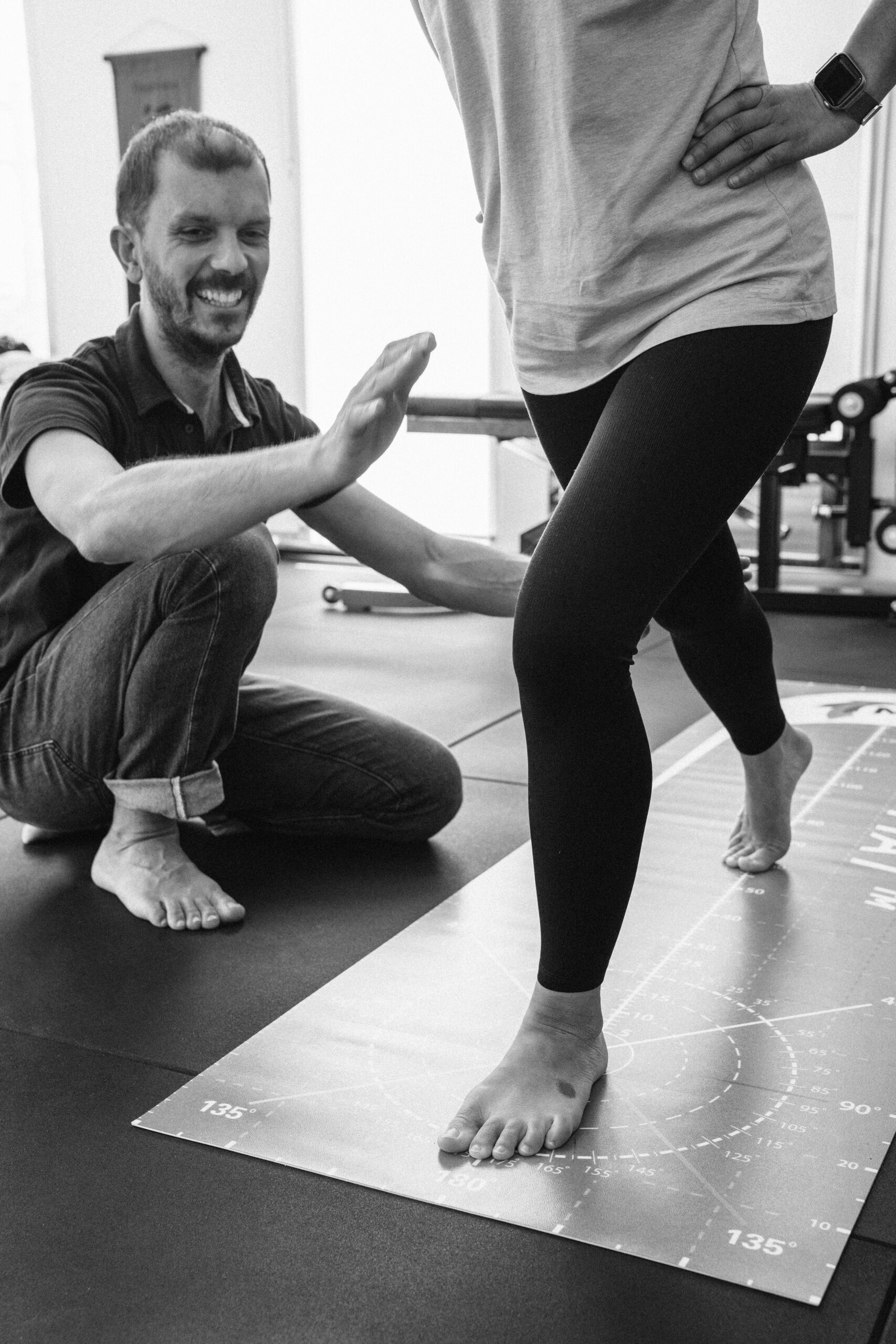
Chronic Pain: What it is, and what can you do about it?
Pain is something that we all experience, and it can start after an injury, during [...]
Continue reading
09
Oct
Oct
Blog
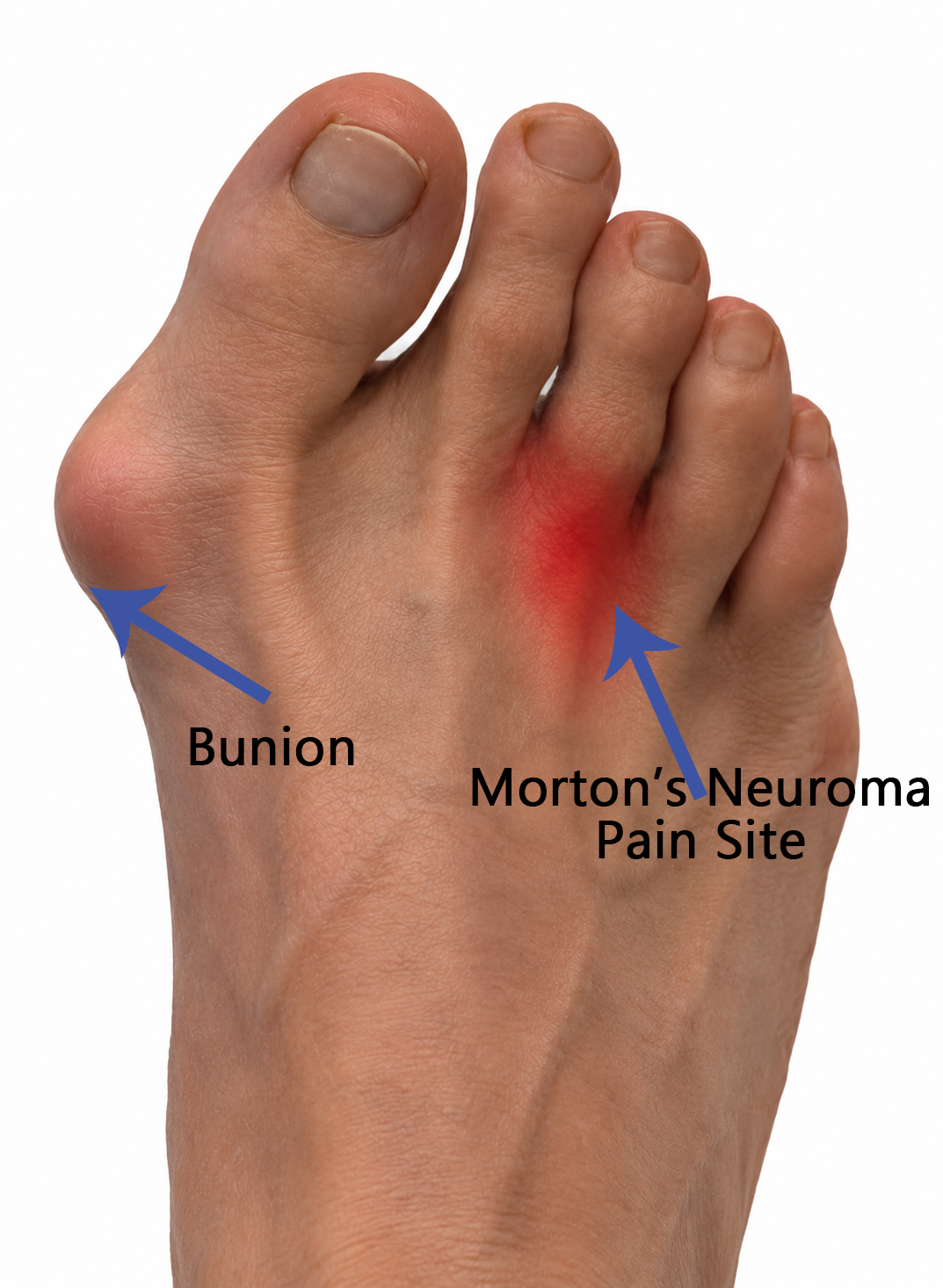
Bunion and Morton’s Neuroma: Can a Bunion Affect Neuroma Recovery?
While a bunion and a Morton’s neuroma are two different foot conditions, if they are [...]
Continue reading
26
Sep
Sep