
Pain is something that we all experience, and it can start after an injury, during an illness, following surgery, or even without an obvious cause. Indeed, pain is not always related to body damage, like a muscle tear or a broken bone. In support of this, to better understand pain, modern science shows us that pain is a complex experience produced by the nervous system. It is influenced by information coming from the body, but also by previous experiences, expectations, emotions, stress, sleep and the context in which the pain occurs. The International Association for the Study of Pain (IASP) defines pain as an unpleasant sensory and emotional experience associated with, or resembling that associated with, actual or potential tissue damage. What we have to understand, to start with, is that pain can occur even when there is little or no ongoing tissue damage. That’s really important when we talk about chronic pain. What is chronic pain? By definition, chronic pain is described as pain that persists or recurs for more than three months. That said, this doesn’t mean that an injury has remained damaged for such a long time. In fact, in some people, pain initially begins because of an injury or another physical problem but continues after the original tissue has had enough time to heal. This is where chronic pain can develop, because the nervous system has become more sensitive to signals from the body. So yes, even after such a long time and with physical damage repaired, the nervous system is still in alert mode, creating a signal of pain, where actually nothing physical npothing is wrong. This is one reason why treating chronic pain is often more complicated than simply finding a damaged muscle, tendon or joint and treating that structure. Chronic pain can involve different mechanisms, including nociceptive, neuropathic and nociplastic pain, and more than one mechanism can be present at the same time. Pain does not always equal damage When I treat patients who suffer from chronic pain, including pain that recurs after years, I have to ensure I explain how pain actually works, and that pain and tissue damage are not always directly proportional. Indeed, we are all aware that we all have different pain tolerance, and that someone can have significant pain with relatively little tissue damage, while another person can have substantial structural changes with surprisingly little pain. This does not mean that the pain is imaginary, or that you have to feel crazy to be in constant pain. Unfortunately, the pain is real. But what this means is that we need to create a management program to change how your nervous system is dealing with pain management and response. Because at the base of it all is that when pain persists for a long time, the sensitivity of the pain system can change. This can contribute to increased sensitivity to pressure, movement or other normally tolerable stimuli. It is like an alarm that went on every day for weeks, and then months, and out of nowhere, any stimulus can trigger it. So yes, this is one of the reasons why chronic pain needs to be approached as more than a local problem in a muscle or joint. Why can pain continue after an injury has healed? After an initial injury, or a nociceptive stimulus, pain can hang around even when no stimulus of major level is left. A stimulus that could give you pain is getting spiked with a needle, for example, when doing a blood test. If that same experience is then associated with a major stressor, like a trauma- think of pain that started after a severe car accident- the pain can be more challenging, because your central nervous system is now associating the pain not only with a physical injury (a needle penetrating the skin) but to a severe car accident. That trauma, that intense experience, can now wire your nervous system to be in alert mode constantly and therefore constantly fire a pain response, even though the physical damage is repaired. Other factors can also influence pain processing, including: Higher level of stress Poor sleep Previous pain experiences Fear of movement Expectations about what a particular movement might do to the body. So yes, you now can also understand that avoiding movement completely is not always the best long-term solution, because that fear of movement can increase the pain expectation and experience. Can hands-on treatment help chronic pain? This is another topic I find myself sharing constantly with my clients. Hands-on treatment, yes, is extremely helpful with chronic pain, and here is why. Manual therapy, that is, Remedial Massage or MLD, can provide a strong sensory input to the nervous system. Any form of touch therapy, indeed, is simply a stimulation to the nervous system. The trust built with my clients and the nervous system touch stimulation create a positive cycle that can help modulate the pain response for the better. In more detail, touch, pressure and movement stimulate sensory receptors and provide the brain with new information about the area being treated. This can influence how pain is processed and may temporarily reduce pain sensitivity. A systematic review and meta-analysis of physical therapy interventions in people with chronic musculoskeletal pain found improvements in some measures associated with pain processing, including temporal summation and conditioned pain modulation. The authors concluded that physical therapy may have a modest effect on altered pain processing, although the results differed between treatment approaches. But even if science backed up the benefit of hands-on treatment for chronic pain, we have to remember that massage can only provide pain modulation, and no one, with their hands, can actually fix a problem or heal you. And I can stress this enough to my clients. In fact, I always explain to them that I see hands-on treatment as one part of a broader treatment plan, rather than the entire solution. The temporary reduction in pain can be useful because it may make it […]
Monthly Archives: October 2026
Blog
Chronic Pain: What it is, and what can you do about it?
Pain is something that we all experience, and it can start after an injury, during [...]
Continue reading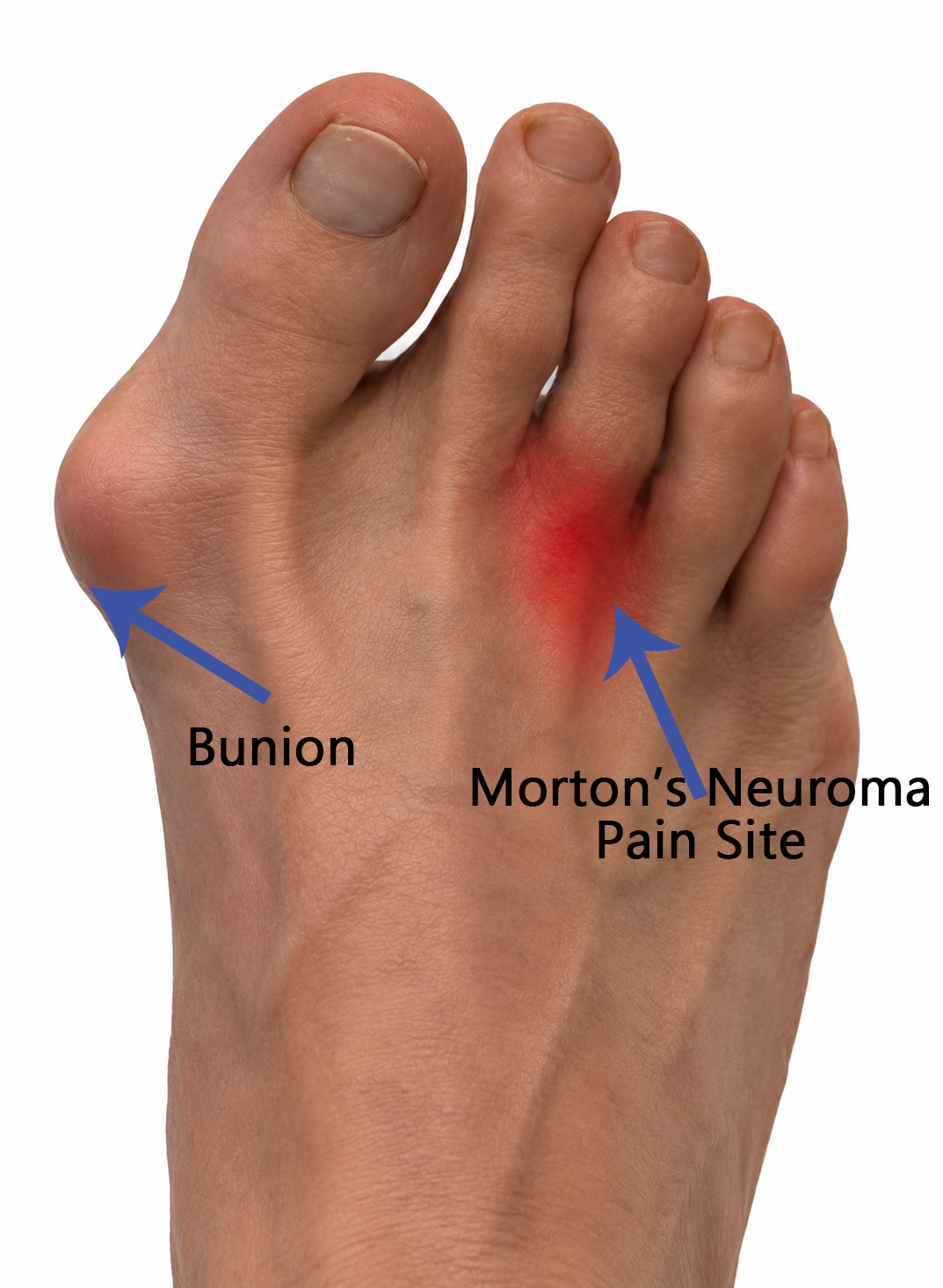
Blog
Bunion and Morton’s Neuroma: Can a Bunion Affect Neuroma Recovery?
While a bunion and a Morton’s neuroma are two different foot conditions, if they are [...]
Continue reading
26
Sep
Sep
Blog
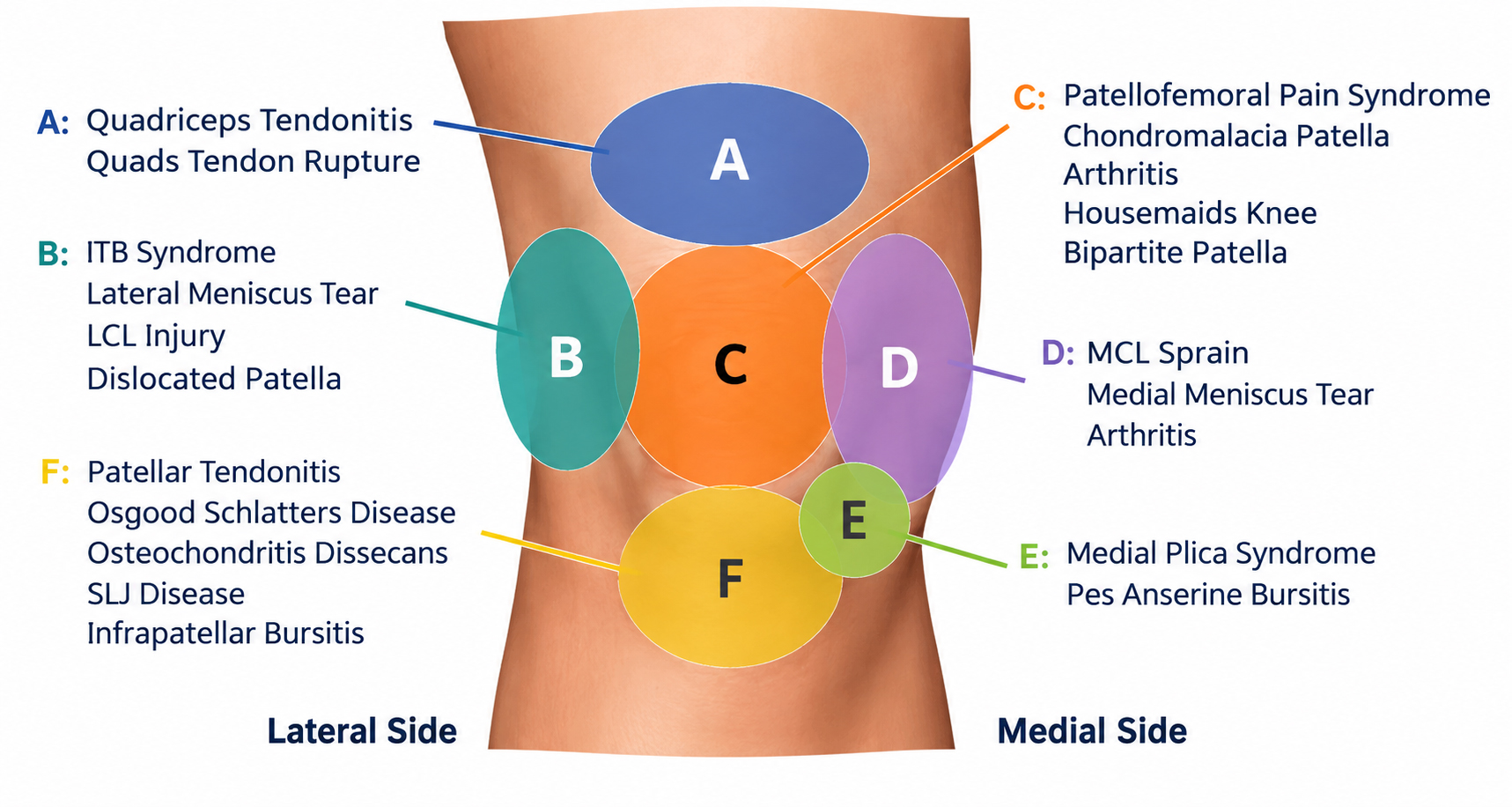
Knee Pain in Coburg
Knee pain is a common form of injury and can affect people of all ages [...]
Continue reading
21
Sep
Sep

Blog
Post-Surgery MLD Melbourne – Vodder MLD Therapist
Any form of surgery is an invasive procedure for the body to deal with, and [...]
Continue reading
14
Sep
Sep
Blog
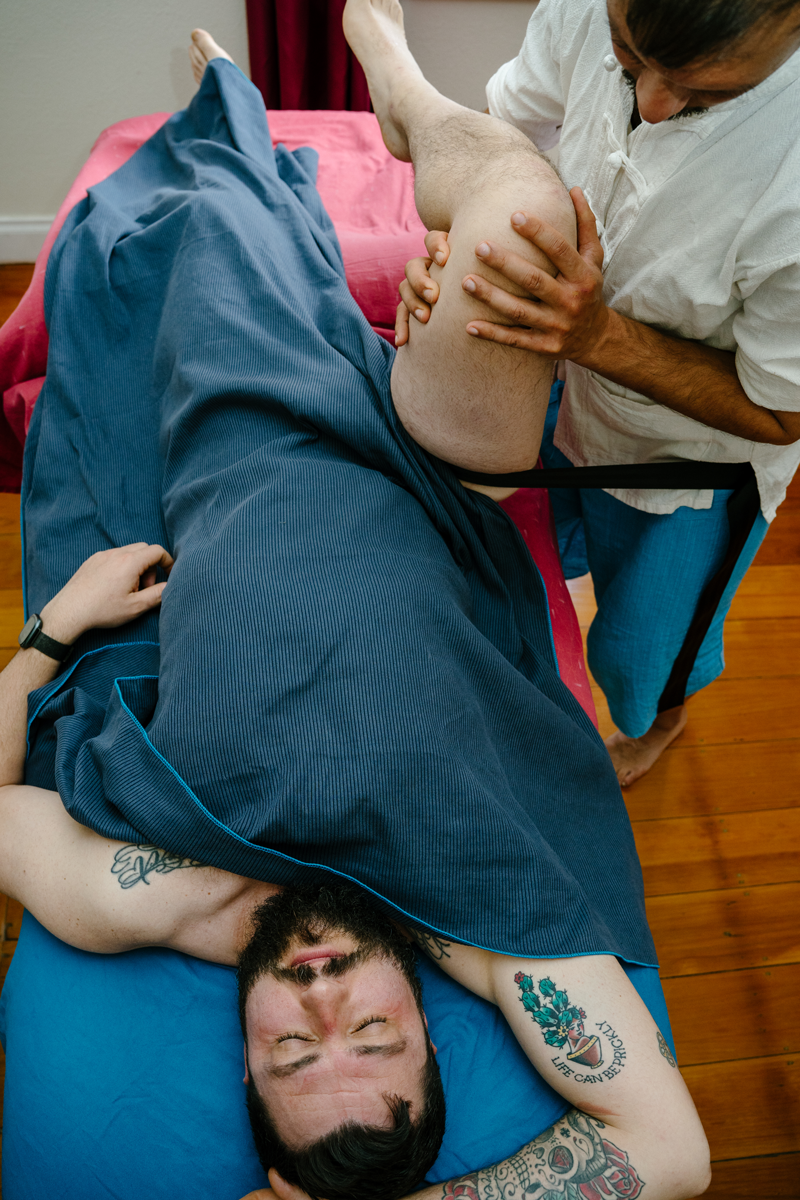
Hip Pain in Coburg: Causes, Symptoms & Treatment
In the many presentations I get to see here at Melbourne Massage and Treatment in [...]
Continue reading
07
Sep
Sep