Lymphatic Walking is another trend that you really don’t need to overthink. But let me introduce myself first. My name is Giovanni, and I am a clinical myotherapist specialised in Manual Lymphatic Drainage (MLD). I work with client who has an intact Lymphatic system but even with client who have Lymphatic System pathology, like Lymphoedema. In this blog, I am going to share the basic knowledge and explanation of why Lymphatic walking is a nonsense term, but you should still walk. Walking is good for you. It gets your muscles moving, supports cardiovascular health, improves fitness and can be an easy way to stay active. But recently, you may have heard of lymphatic walking. Your lymphatic system is already working, no matter what. So no, you don’t normally need a special walking technique to “switch it on.” The lymphatic system is a complex transport network that continuously moves fluid, proteins, fats and immune cells through the body. Lymphatic vessels have their own pumping mechanisms, while movement of surrounding tissues, breathing, and other mechanical forces can also influence lymph transport. Does walking increase lymph flow? Yes. And with this, we already gave enough credit to this trend. Any form of movement can help the lymphatic system work more and can help your body feel less bloated and tight. This is because any form of muscle contraction is going to directly stimulate your lymphatic system capillaries to collect more liquid and therefore move more fluid. Now, walking is a perfectly reasonable activity for supporting normal circulation and lymph transport, because the primary movers in the body for walking are your legs. Legs contain the biggest muscle group of the body, and are a body area where the fluid has to travel the most, in a proximal direction, to reach the clavicle, where the lymphatic fluid is then dumped into the bloodstream (at the subclavian veins). But again, there is nothing particularly magical about “lymphatic walking.” Again, your lymphatic system responds to many forms of movement. Walking, cycling, swimming, resistance training, climbing stairs and ordinary daily activities all involve muscular contractions and changes in pressure that can contribute to lymph movement. In other words: You don’t need to learn a special walking pattern to make your lymphatic system work. But what I really want to make sure we all understand is that there is nothing inherently wrong with doing them. Just don’t confuse a different walking technique with a medically necessary way of “activating” your lymphatic system. Do you need to boost your lymphatic system? Ok, this is another big topic that I often find myself talking to my clients about here at Melbourne Massage and Treatment in Coburg. If, overall, you are a healthy person, no, you don’t need to boost your lymphatic system. And the reason is quite simple. Your lymphatic system, like many body systems, works fine just by you doing the right thing. If you keep yourself in motion- yes, in this case, even just walking- your lymphatic system works even stronger than usual. This is why phrases such as: “Your lymph is stagnant” “You need to activate your lymph” “Your lymphatic system is blocked from sitting” “Do this walk to detox your lymph” “You need to flush your lymph” should be treated with some scepticism, as are a bunch of nonsense words. That said, there are, of course, genuine lymphatic disorders. People with conditions such as lymphoedema can experience impaired lymphatic transport and may require appropriate assessment and management. Exercise and movement can form part of lymphoedema management, but that is very different from saying that everybody needs to perform a special walking routine to prevent their lymphatic system from becoming “stagnant.” What if you have lymphoedema? This is where we need to sit and talk. Medically talk, no social media trend chat. If someone has lymphatic dysfunction, simply telling them to “walk more to boost their lymph” is not an adequate treatment plan. In fact, exercise can be beneficial for people with lymphoedema. But when someone presents with Lymphoedema, we need to take into consideration the bigger picture, which is their medical and clinical history. Therefore, management of lymphoedema may involve several components, depending on the individual, including exercise, compression, skin care, education, self-management and appropriate manual techniques. That is very different from following a social-media video promising to “flush out toxins.” Lymphatic massage is not the same as Manual Lymphatic Drainage Something that I already touched on is the topic of lymphatic massage and what’s the difference between Lymphatic Massage and MLD. A massage advertised as “lymphatic” is not automatically Manual Lymphatic Drainage (MLD). MLD is a specific manual technique with particular principles and techniques. It should not simply be used as a marketing label for any gentle massage that claims to “drain toxins.” Understanding this distinction is particularly important if you are looking for treatment for an actual lymphatic condition. But also, if you are looking to find a therapist who can tell you more about your lymphatic system needs, if any, and not just grab your money promising a healthy trend. So, what is MLD? Manual Lymphatic Drainage is a specialised, gentle manual technique that increases lymphatic fluid transport. Vodder Academy is the world academy that has a patent for MLD as a technique and treatment modality. That’s the academy I studied with for my Applied MLD, Lymphoedema Management and Cosmetic Surgery recovery specialisation. That said, there are other schools that offer training for other lymphatic treatment, but personally, with extended research, I found that the Vodder Academy was the best school to study with. Not only because they hold the gold standard for Lymphoedema treatment, but also because the training doesn’t stop at the course; there is a real network of teachers and students who spend time sharing resources and experiences from all over the world. Can healthy people have MLD? Yes, of course they can. If you are overall healthy and not suffering from any lymphatic condition, you can still receive […]
Monthly Archives: August 2026
Blog
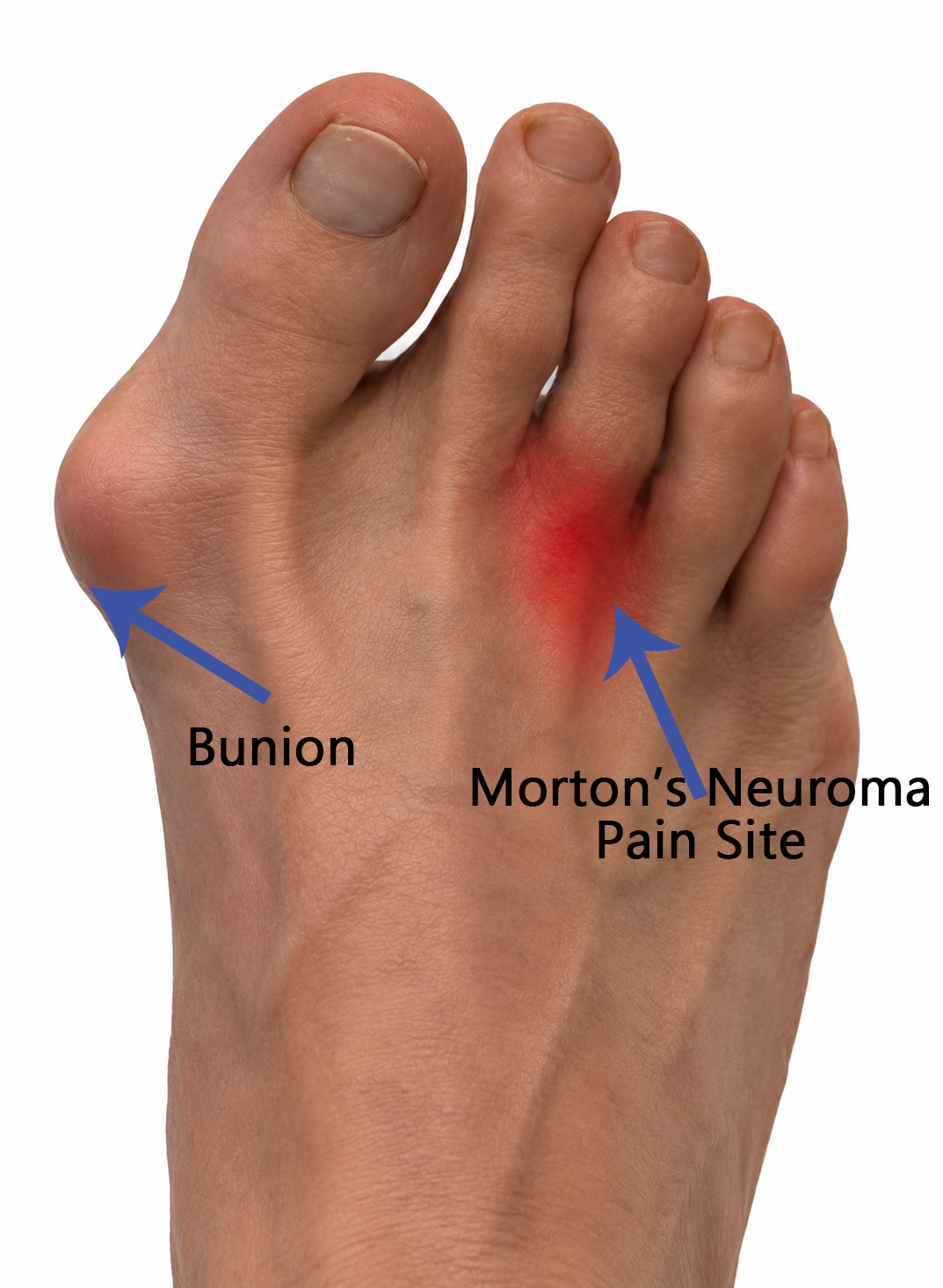
Bunion and Morton’s Neuroma: Can a Bunion Affect Neuroma Recovery?
While a bunion and a Morton’s neuroma are two different foot conditions, if they are [...]
Continue readingSep
Blog
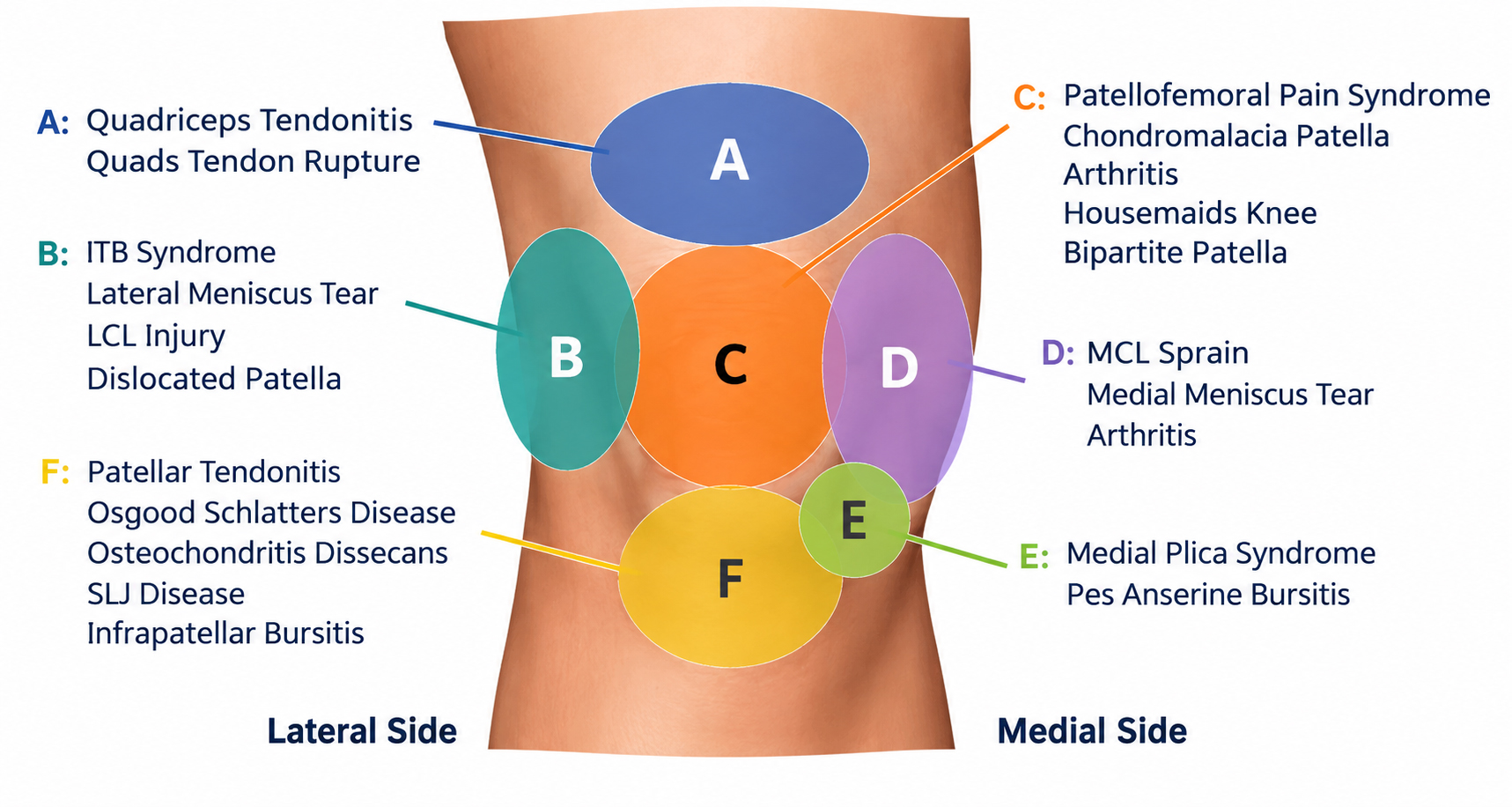
Knee Pain in Coburg
Knee pain is a common form of injury and can affect people of all ages [...]
Continue readingSep

Blog
Post-Surgery MLD Melbourne – Vodder MLD Therapist
Any form of surgery is an invasive procedure for the body to deal with, and [...]
Continue readingSep
Blog
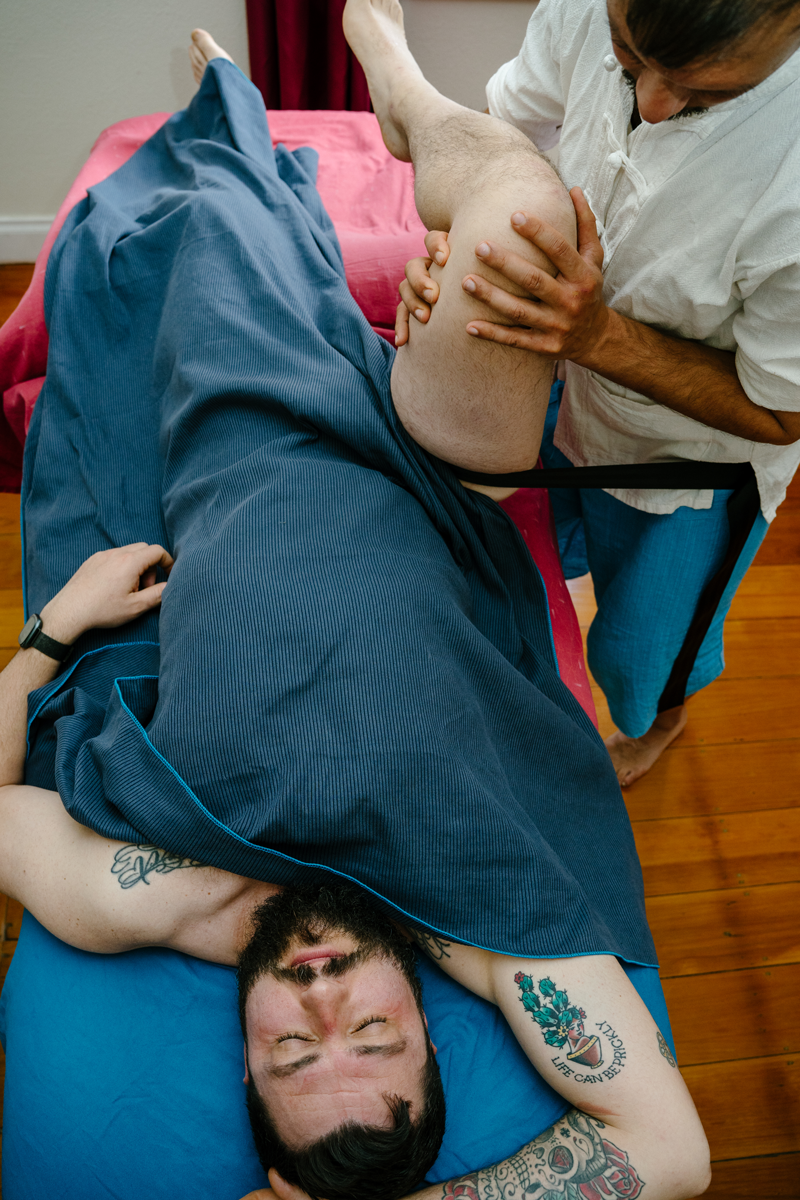
Hip Pain in Coburg: Causes, Symptoms & Treatment
In the many presentations I get to see here at Melbourne Massage and Treatment in [...]
Continue readingSep

Blog
Lymphatic Walking: Let Me Tell You Why It Is Another Trend
Lymphatic Walking is another trend that you really don’t need to overthink. But let me [...]
Continue readingAug
Aug
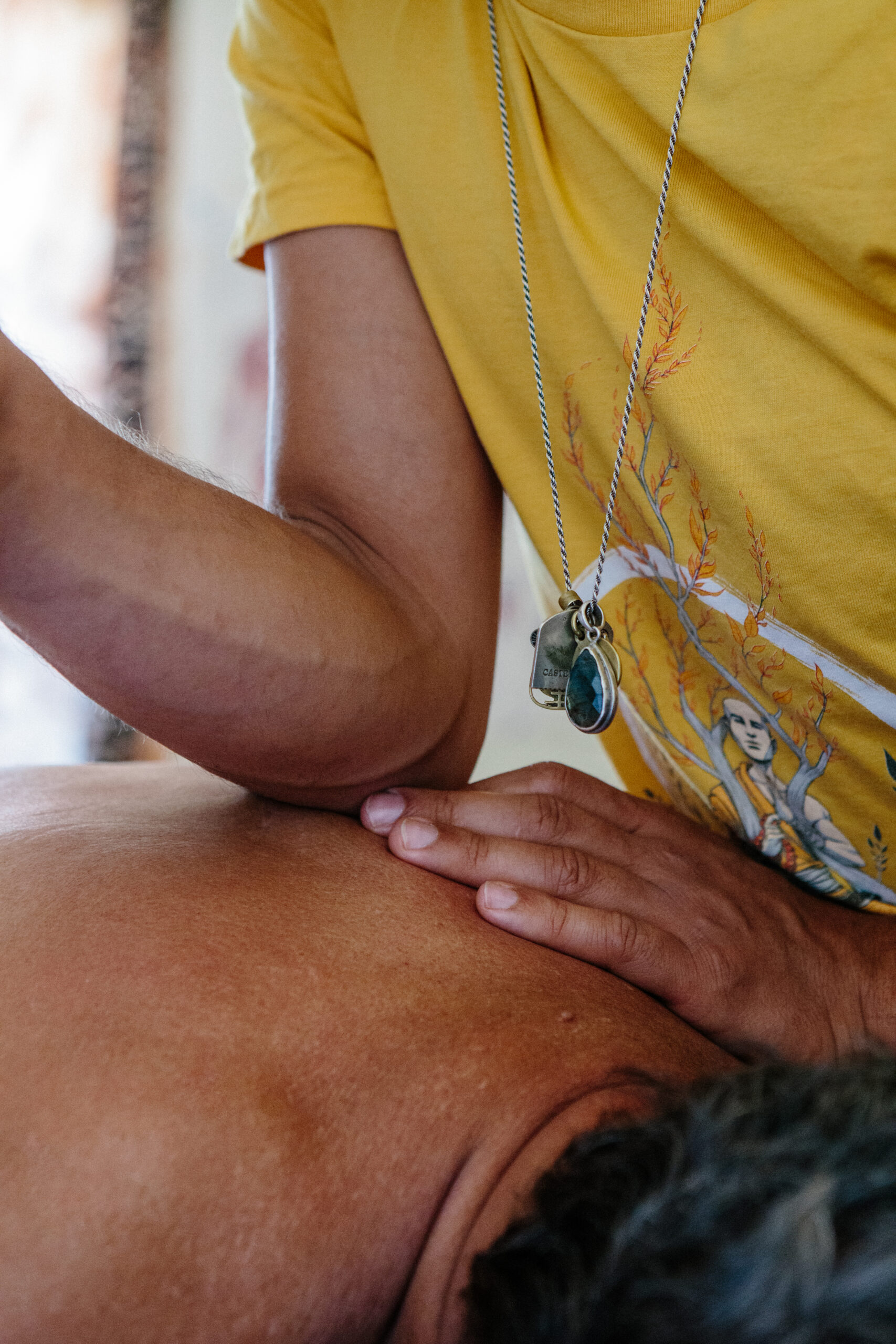
Shoulder pain is a common presentation I get to see and treat here at my Myotherapy Clinic in Coburg. It ranges from clients who have difficulty reaching overhead to those who have no mobility issues but a constant pain or ache along the shoulder blade area. Myotherapy treatment can help with this presentation, settling the pain once and for all, by guiding you on what structures need tension relief and which ones need strength. So if you are looking for shoulder pain treatment in Coburg, it is important to understand that shoulder pain does not always come from one specific muscle or structure. The shoulder works as part of a larger movement system involving the neck, upper back, shoulder blade, rotator cuff and the rest of the arm. What Can Cause Shoulder Pain? Let’s start by pointing out what structures can create shoulder pain. Some people notice pain after lifting weights, playing sport or performing repetitive movements. Others develop shoulder pain gradually without a clear injury. Common factors associated with shoulder pain can include: Repetitive overhead movements Sudden increases in training load Poor tolerance to certain movements Reduced shoulder mobility Reduced strength or endurance Rotator cuff-related pain Irritation following an injury Neck and upper-back problems contributing to symptoms Changes in activity or training Prolonged periods of inactivity Cervical facet joint irritation Bursitis The tricky bit with any pain, including shoulder pain, is that the painful spot does not always tell you exactly which structure is responsible. That’s why, along with our Remedial Massage or Myotherapy treatment, an initial consultation always comes with an assessment first. We want to pin down, at best, what structure is responsible for your pain. A classic example is: muscle or joint pain? Shoulder Pain Is Not Always Just a Shoulder Problem As briefly explained before, your shoulder does not work alone, as it takes part in a more complex mobility and stability joint complex system. That said, the shoulder is also one of the weakest and most exposed joints in the body, given that it has to have really major mobility capacity, but it is also required to play a strong, stable role (scapular/thoracic joint). So what actually can influence your shoulder capacity and load; therefore, what can also influence your shoulder pain is your neck, your thoracic spine, and even your elbow area. For example, reaching overhead requires coordinated movement between the shoulder joint and shoulder blade. Your upper back and neck also influence how this movement occurs. This is why two people with similar shoulder pain may require completely different treatment approaches. One person may need to improve shoulder strength. Another may need to work on mobility. Someone else may need to gradually rebuild their tolerance to lifting or overhead activity. Common Types of Shoulder Pain From what I get to experience as a practitioner here at Melbourne Massage and Treatment in Coburg, shoulder pain can present in many different ways. I did see clients who present with shoulder pain while: Lifting the arm at any degree Pain reaching overhead Pain when reaching behind the back Pain when sleeping on the affected side Pain during gym exercises Shoulder stiffness Reduced range of movement Pain around the front or side of the shoulder Pain extending towards the upper arm Shoulder pain associated with neck tension That said, we have to be aware that some shoulder problems can also develop gradually, while others occur following a specific injury. What I would suggest about your shoulder pain is that if you experience severe pain, following a significant trauma, and having major weakness or loss of movement, appropriate medical assessment may be required. So do not hesitate to book in a Myotherapy session, and let’s start understanding how serious your presentation is. What About Rotator Cuff Pain? The rotator cuff, which is a group of muscles that surround your humerus head and give stability to the humeral head, is important for shoulder health, but occasionally it can be overlooked and blamed for your shoulder pain. While this group of muscles needs to be strong in order to minimise the chance of shoulder pain, we have to consider that, taken alone, they are not going to be the only muscles you want to focus on for your shoulder health. Therefore, let’s not automatically label it as a “rotator cuff injury” simply because it hurts during a particular movement. A proper assessment considers your symptoms, movement, strength, training history and how your shoulder responds to different loads. Can my Shoulder Pain be Part of Menopause Symptoms? Yes, it can. Menopause, as discussed in many other blogs, is a life-changing experience that women experience at an average age of 52 years. Along this transformational journey, as estrogen starts fading away, conditions like Frozen Shoulder (Adhesive capsulitis) are quite common. In a more recent study by MD Jocelyn Wittstein, women who were suffering from this condition and took HRT saw their symptoms drastically improve. More information about menopause and Frozen Shoulder is available from this article. How Can Myotherapy Help Shoulder Pain? At Melbourne Massage and Treatment here in Coburg, when someone presents with shoulder pain and wants to get on top of what the problem is, I do offer Myotherapy treatment as a form of pain relief but also as a form of strengthening program for the shoulder complex. So I would treat shoulder pain in Coburg with a combination of: Movement assessment Hands-on treatment Soft tissue techniques Myofascial techniques Joint mobilisation where appropriate Dry needling where appropriate Mobility exercises Strengthening exercises Education about activity and load management My aim, again, as a clinical myotherapist, is not to make you feel better only after the treatment, but to give you tools to empower yourself and to make you stronger and live better, possibly pain-free. To do so, in the longer term, we need to understand what may be contributing to your symptoms and gradually improve your ability to move and load the shoulder. Shoulder Mobility Is Important — But […]
Aug
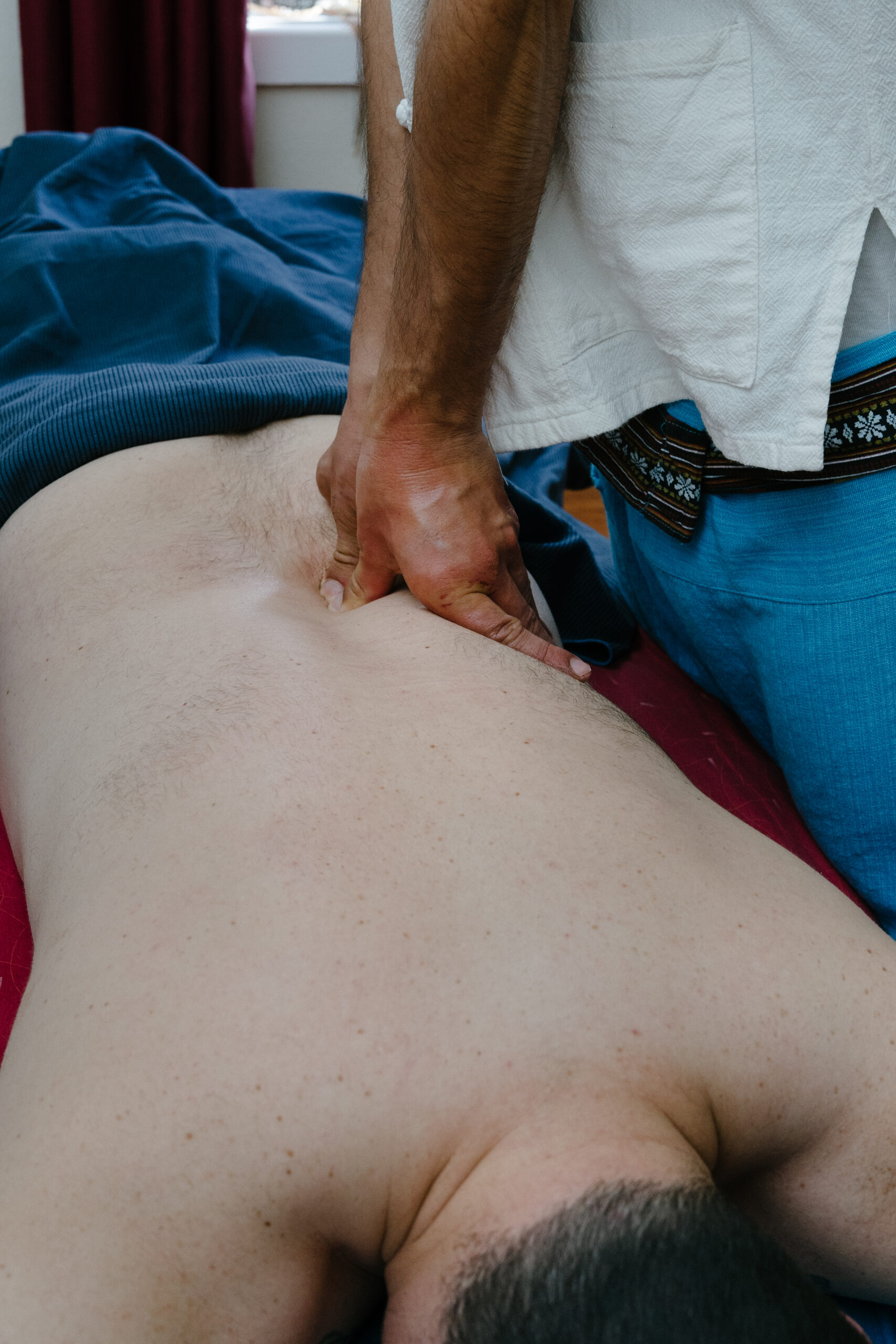
Lower back pain is a leading cause of disability in Australia. That said, not everyone who experiences lower back pain has to end up with debilitating pain for months or years, and so how can we prevent that? Therefore, to prevent severe musculoskeletal pain, including back pain, movement is our best option. That said, we have to be aware that even pros who do regular movement can occasionally suffer from lower back pain. As we will see in more detail soon, pain is a brain response to a stimulus, which can be physical but also psychosomatic or from a rise in stress or lack of sleep and/or more. So, for many people, lower back pain improves with time and appropriate movement. However, persistent or recurring pain can interfere with work, exercise, sleep and everyday activities. Then, if you live or work in Coburg and are experiencing lower back pain, understanding what may be contributing to your symptoms is an important first step to ensure your presentation doesn’t become a chronic one. What is lower back pain? Let’s start with a better definition and understanding of what lower back pain is. Lower back pain refers to pain experienced in the area between the bottom of the ribs and the buttocks. It can feel different from person to person, and it may be really local to this area, or it can refer to your leg, within the anterior portion (femoral) or the posterior portion (sciatica). Other than what you may experience: A dull ache or soreness Sharp or sudden pain Stiffness Muscle spasm Pain when bending or twisting Discomfort when standing up after sitting Pain during lifting or exercise Occasionally, someone may experience symptoms associated with nerve irritation, such as pain, tingling or numbness travelling down the leg. All of this said, when talking about what lower back pain is, we have to touch base on the meaning of “non-specific back pain”, which means there is no single identifiable structure that can be confirmed as the cause of the pain. In fact, this is very common and, and that’s what we briefly talked about earlier. Pain can, yes, be associated with physical damage or a physical impairment, but it is not always the case. So, education and understanding of what pain is and how it comes to be is a really important step to take when suffering from chronic pain conditions. What can cause lower back pain? As a clinical myotherapist here in Coburg, I often have to explain to my client who suffer from lower back pain that it is not as simple to find the reason for their lower back pain. Indeed, your lower back works as part of a larger movement system (mobility and stability joint chain) involving the hips, pelvis, abdominal muscles, legs and upper body. How these areas move and how much load they are exposed to can influence how your back feels. Therefore, we may want to look at some common factors associated with lower back pain, which include: Sudden increases in physical activity As someone who loves to do and promote physical activity, I also warn my clients to be aware when starting their moving journey, step by step. Indeed, a common situation that can cause lower back pain is doing more than your body is currently prepared for. Here are some common case scenarios on how this can happen: Start a new gym program Increase your running distance Return to exercise after a long break Lift something unusually heavy Spend a weekend doing physical work Increase your training volume too quickly A sudden increase in load can temporarily make the lower back more sensitive. Prolonged sitting The reason why so many people nowadays may suffer from aches and pain, including lower back pain, can definitely be attributed to a sedentary lifestyle. Indeed, long periods of sitting, particularly when combined with little physical activity throughout the day, can contribute to stiffness and discomfort. This is because not using the body for what it was designed for in the first place leads to a loss of function. The typical “use it or lose it” situation. But let’s be clear, we are not saying that sitting does damage to your back. But what we are saying is that if you do a job that involves long hours sitting or standing at a desk, you should take regular breaks from that position and do a bit of movement that can maintain your body functionality throughout the day. Taking regular movement breaks and changing position throughout the day can also be helpful to keep your brain active and more productive, due to more blood flowing through the full system, including the central nervous system (Brain). Reduced physical activity Again, as with the whole body, even your back is designed to move. When you become less active because of pain, fear of movement or a busy lifestyle, you may gradually lose confidence and capacity with certain movements. This can create a cycle where movement becomes uncomfortable, so you move less, which makes returning to normal activity more difficult. What we need, indeed, is an equilibrium between movement, load and rest. Lifting and repetitive movements As already mentioned in the blogs that talk about tendinopathy, repetitive movement, which in the case of lower back pain can be bending, twisting, lifting and/or carrying, can place significant demands on the tendons and tissues around the lower back. And again, let’s stay firm on the fact that any of those movement are absolutely safe to do, as long as the load applied to it is gradually introduced and increased, and not suddenly placed there. Because that’s the typical case of the seasonal Coburg gardener: when the spring season kicks in, they start working hard and harder in the garden without proper training or warm-up, ending up with lower back pain. Strength and conditioning Strength is one part of the bigger picture. Your ability to tolerate lifting, running, bending, carrying and other activities depends […]

Aug
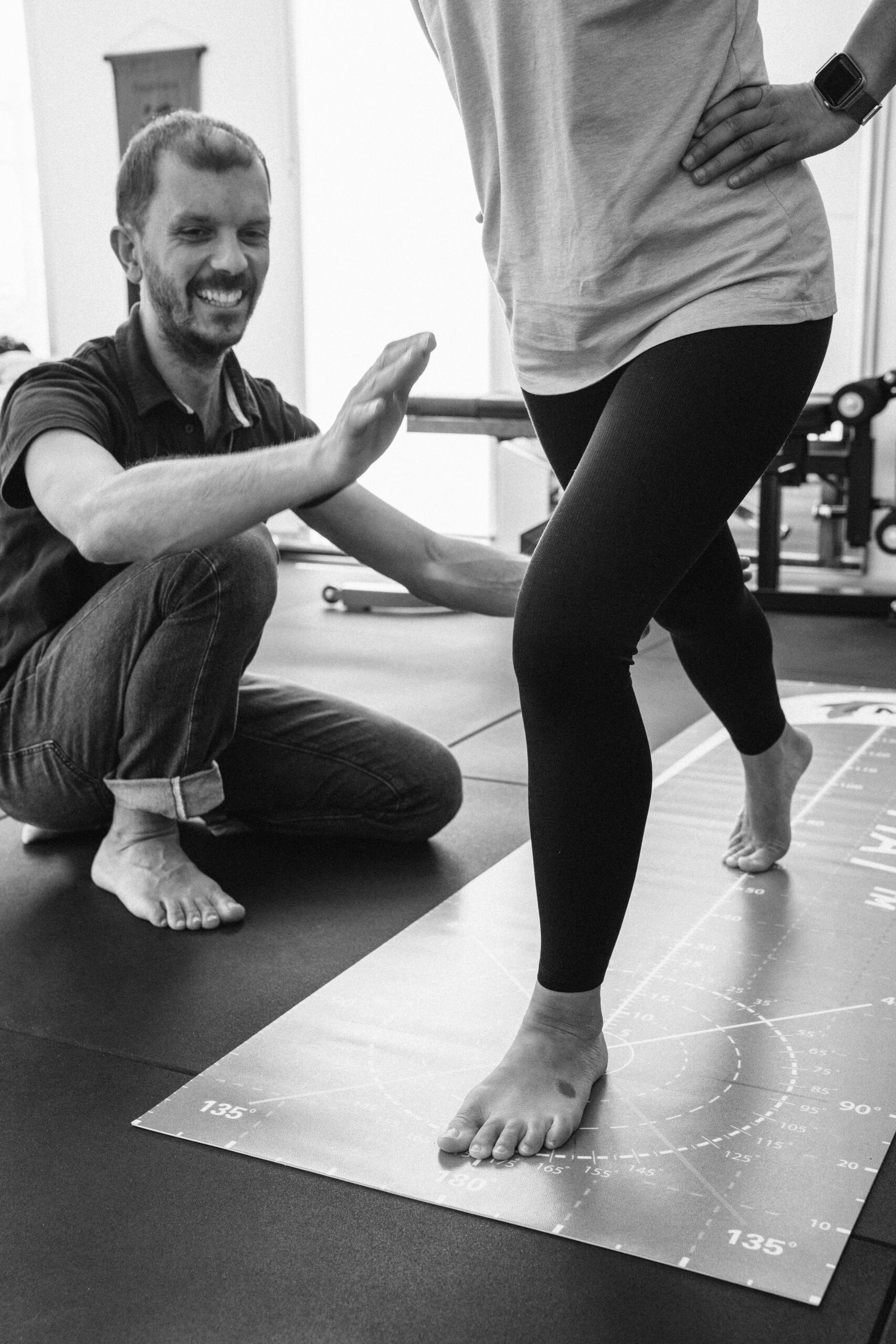
If you have been living in Coburg and the surrounding area, like the Merri Bek or Darebin councils, you probably notice how Coburg is a suburb full of movement. From people cycling along Merri Creek, walking around Coburg Lake, training at local gyms, playing community sports, or simply trying to stay active despite busy work and family commitments, movement is a big part of everyday life in Melbourne’s northern suburbs. As a Myotherapist based in Coburg, I see many different people who share one common goal: They want to move better, feel better, and get back to doing the activities they enjoy. And this can be due to recovering from an injury, managing ongoing pain, or improving physical performance. That’s where Myotherapy can play an important role in supporting your body and wellbeing. Why Active People Often Experience Injuries One of my mottos here at Melbourne Massage and Treatment Myotherapy and Lymphoedema Clinic in Coburg is: “Move More, Live Well”. But being an active person doesn’t mean you are never going to be in pain or experience some discomfort. Indeed, pain is a complex neurological response, and movement, in some way, is what is needed to alleviate the pain or change this neurological response. On the other hand, if your level of activity is not constant but sporadic- so after a long period of no load, you increase the load suddenly- that’s where the injuries happen. And here are some common presentations I see in my Coburg clinic that are related to overloaded movement: Calf strains and tightness Achilles tendon pain Hamstring injuries Shoulder and neck pain Lower back discomfort Hip and knee issues Overuse injuries from repetitive activities These problems can affect anyone. It could be someone preparing for a running event, a cyclist spending hours on the bike, someone returning to exercise after a break, or simply someone who spends most of their day sitting at a desk. Myotherapy Is More Than Just Massage One common misconception is that Myotherapy is simply a stronger form of massage. Well, let me tell you, it is not. Indeed, hands-on treatment is part of a Myotherapy treatment, and it is an essential component of creating trust between me, the therapist, and you, the patient, but what really is going to fix your pain, or reduce it the most, is movement under the right load. And that’s what really Myotherapy is. Massage, load, and Education about your wellbeing. My approach combines: Clinical assessment Hands-on treatment Movement analysis Exercise advice Education about your condition In fact, our goal is not just to temporarily reduce symptoms, but to understand why a problem may have developed and what we can do to improve your long-term movement. And of course, every person is different, which is why I don’t believe in using the same treatment approach for everyone. Helping Coburg Residents Stay Active If there is something that really attracted me to come back to Coburg to run my clinic, it is the variety of people I get to meet. Some clients come to me because they are dealing with an injury that is stopping them from doing what they love. Others come because they want to improve their mobility, strength, or recovery. For example: A runner may need help managing recurring calf tightness. A cyclist may need support with hip mobility and lower back discomfort. A gym enthusiast may need assistance returning safely after an injury. Someone working at a desk may need help with neck, shoulder, and posture-related discomfort. The treatment approach may be different for each person, but the goal remains the same: helping you move with confidence again. Recovery Requires More Than Rest Along with the educational protocol I put in place in my clinic here in Coburg, I explain to my clients when rest is needed and for how long it is needed. I dedicate a full blog to the inflammatory response. And understanding this concept allows you to regain confidence in your movement as early as possible. Because resting for too long may cause you to lose muscle mass and confidence in movement. Therefore, depending on your presentation, this may include: Improving mobility Building strength Gradually increasing load Learning better movement strategies Again, the body adapts to the demands we place on it. The challenge is finding the right progression, not just resting for too long or rushing to load more quickly. This is where Myotherapy, exercise prescription, and education can work together. Supporting the Coburg Community and Surrounding Suburbs Moving forward from what Myotherapy is and how it really works, being located in Coburg allows me to support clients not only from Coburg itself, but also from surrounding Melbourne northern suburbs including: Brunswick Pascoe Vale Preston Reservoir Fawkner Thornbury Essendon The clinic at 325A Moreland Road is easy to reach by car and public transport. Indeed, you have plenty of car parking along Haig Avenue next to the clinic or Moreland Road (with some parking limitations in terms of time) or a bus stop (BUS 510) which stops right in front of the clinic, or a walking-distance tram (6, 19, 58) and train stop (Moreland Station, Upfield Line). These options make it convenient for people looking for Myotherapy, Remedial Massage, Manual Lymphatic Drainage, and lymphoedema care in Melbourne’s north. My Approach: Move More, Live Well Why I started looking into Myotherapy as a form of treatment is because teh movement is a key component of this type of therapy. Indeed, Move More, Live Well, do really match the essence of this form of therapy. I don’t believe that someone has special powers or magical hands that can fix your pain. I do believe that the right therapist can have the right clinical reasoning to help you overcome your pain and show you the right movement underload that can help you overcome your pain, but also help you understand your body, improve your movement, and give you the tools to stay active. Again, whether you are recovering from an […]
Aug
If you live in Coburg or the surrounding area, you’ve probably come across both Myotherapy and Remedial Massage. Have you ever wondered what the difference is? While those treatment modalities share some techniques, they have different goals. Therefore, choosing the right treatment depends on whether you’re dealing with pain, recovering from an injury, improving your movement, or simply looking to relax. At Melbourne Massage and Treatment in Coburg, I do offer both services and understanding the difference can help you get the most appropriate care for your needs. Quick Look at Remedial Massage and Myotherapy Differences Myotherapy Remedial Massage Pain & injuries Relaxation & recovery Assessment Massage Exercise prescription No rehabilitation program Long-term function Short-term muscle relief Acute & chronic conditions General muscle tightness Healthcare treatment Therapeutic massage What is Remedial Massage? Remedial Massage focuses on relieving muscle tension, improving circulation, and promoting relaxation. Although it can help reduce muscle soreness and stiffness, the primary aim is to help your body recover from everyday stress or physical activity rather than managing complex injuries. Remedial Massage is an excellent choice if you want to: Relax tight muscles Recover after exercise or sporting events Prepare muscles before competition Reduce general muscular tension Improve flexibility Support overall wellbeing Many active people also include regular Remedial Massage as part of their maintenance routine to help manage training loads. What is Myotherapy? Myotherapy is a treatment modality, evidence-based, offered by a healthcare professional who focuses on: Assessing, Treating, Managing musculoskeletal pain and movement dysfunction. As a Clinical Myotherapist in Melbourne, I also tend to specify that Myotherapy as per TAFE education and a Bachelor of Health Science is different. Goes without saying that someone who trained in a bachelor setting has better knowledge and clinical reasoning than someone who trained at TAFE level. Back to what Myotherapy is about, it is not only treating sore muscles, but it aims to identify why your pain or injury has developed. Then, treatment often includes a combination of hands-on techniques movement assessment exercise prescription education to help improve long-term outcomes. Myotherapy is suitable for people experiencing: Acute injuries Chronic pain Sporting injuries Neck and back pain Headaches related to muscle tension Tendinopathies Shoulder, hip, or knee pain Reduced mobility Muscle weakness following injury Indeed, the goal isn’t simply to reduce pain today, but the goals are: Short term: reduce the pain and possibly improve range of motion Long term: become stronger, and reduce the likelihood of the problem returning. The Main Difference The biggest difference between Remedial Massage and Myotherapy is the treatment goal. Remedial Massage essentially focuses on relieving muscle tightness and promoting recovery and relaxation through massage techniques. This is possible because while we massage a body part, we stimulate the nervous system and other body systems, which react with biological responses such as mild inflammation and relaxation. Myotherapy, on the other hand, focuses on understanding the cause of pain or movement limitations and creating a treatment plan that may include exercise, rehabilitation, and education alongside hands-on treatment. Therefore, if your goal is to overcome an injury, improve movement, or build strength, Myotherapy is generally the better option. If your goal is to unwind, recover after exercise, or enjoy a therapeutic massage, Remedial Massage may be exactly what you’re looking for. Now, Myotherapy May Be the Better Choice If You Have: Ongoing neck or back pain A recent sporting injury Tendon pain Joint stiffness Recurring muscle strains Pain affecting work or daily activities Weakness after an injury Goals of returning to sport or exercise safely Where treatment during a Myotherapy session may include: Soft tissue therapy Joint mobilisation Dry needling Trigger point therapy Exercise prescription Strength and rehabilitation programs Movement assessment Education about your condition So, to conclude about what Myotherapy is about, Myotherapy is to improve function, not just reduce symptoms. Remedial Massage May Be the Better Choice If You Want To: Relax after a busy week Reduce muscle soreness after training Prepare for a sporting event Recover following a marathon or competition Reduce general muscular tightness Enjoy regular maintenance treatments Therefore, when we look at Remedial Massage, we are looking at a treatment modality that helps your muscles feel looser and more comfortable while supporting recovery from physical activity. Can You Have Both? Of course you can. As mentioned earlier, while we do deliver a Myotherapy session, we will still use hands-on treatment, the same treatment option that we would use for Remedial Massage. And indeed, many of my clients here at Melbourne Massage and Treatment use both services throughout the year. For example: You may see a Myotherapist while recovering from a shoulder injury. Once you’re pain-free, you may continue with regular Remedial Massage to help maintain muscle health and recover from training. The two treatments complement each other well depending on your goals. Which Treatment Does Giovanni Recommend? At Melbourne Massage and Treatment in Coburg, I recommend treatment based on your goal, not only on my opinion. If you’re experiencing persistent pain, recurring injuries, reduced strength, or difficulty moving, Myotherapy is usually the most appropriate starting point. If you’re feeling generally tight after work, training, or simply want to help your body recover and relax, Remedial Massage is often the better choice. And if you are unsure which service is right for you, please do not hesitate to ask Giovanni what would work best for you. During your initial consultation, we’ll discuss your symptoms, assess your movement, and recommend the treatment that best suits your needs. My goal, as an Allied Health practitioner, is to help my clients move more and live well. And this can start with a massage, and move on too exercises and fitness class. Myotherapy vs Remedial Massage Coburg Cost and Prices Cost and prices of Myotherapy or Remedial Massage at Melbourne Massage and Treatment, for simplification, are the same. Find below a table with the prices: Myotherapy vs Remedial Massage Coburg – Price Initial consultation – 60 mins – $125 Return consultation – 45 mins – $115 […]