If you live in Coburg or the surrounding area, you’ve probably come across both Myotherapy and Remedial Massage. Have you ever wondered what the difference is? While those treatment modalities share some techniques, they have different goals. Therefore, choosing the right treatment depends on whether you’re dealing with pain, recovering from an injury, improving your movement, or simply looking to relax.
At Melbourne Massage and Treatment in Coburg, I do offer both services and understanding the difference can help you get the most appropriate care for your needs.
Quick Look at Remedial Massage and Myotherapy Differences
| Myotherapy | Remedial Massage |
| Pain & injuries | Relaxation & recovery |
| Assessment | Massage |
| Exercise prescription | No rehabilitation program |
| Long-term function | Short-term muscle relief |
| Acute & chronic conditions | General muscle tightness |
| Healthcare treatment | Therapeutic massage |
What is Remedial Massage?
Remedial Massage focuses on relieving muscle tension, improving circulation, and promoting relaxation.
Although it can help reduce muscle soreness and stiffness, the primary aim is to help your body recover from everyday stress or physical activity rather than managing complex injuries.
Remedial Massage is an excellent choice if you want to:
- Relax tight muscles
- Recover after exercise or sporting events
- Prepare muscles before competition
- Reduce general muscular tension
- Improve flexibility
- Support overall wellbeing
Many active people also include regular Remedial Massage as part of their maintenance routine to help manage training loads.
What is Myotherapy?
Myotherapy is a treatment modality, evidence-based, offered by a healthcare professional who focuses on: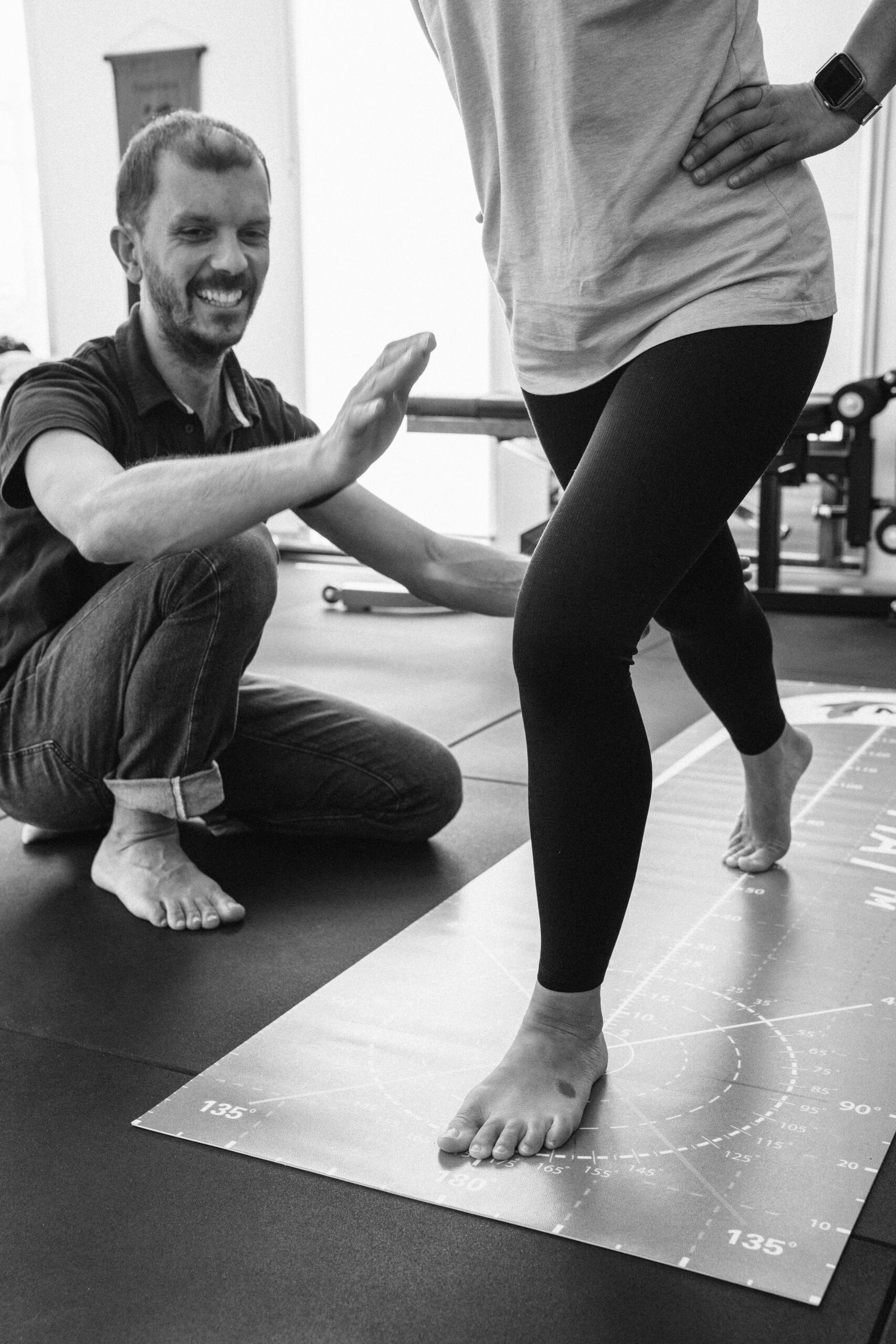
- Assessing,
- Treating,
- Managing
musculoskeletal pain and movement dysfunction.
As a Clinical Myotherapist in Melbourne, I also tend to specify that Myotherapy as per TAFE education and a Bachelor of Health Science is different. Goes without saying that someone who trained in a bachelor setting has better knowledge and clinical reasoning than someone who trained at TAFE level.
Back to what Myotherapy is about, it is not only treating sore muscles, but it aims to identify why your pain or injury has developed.
Then, treatment often includes a combination of
- hands-on techniques
- movement assessment
- exercise prescription
- education to help improve long-term outcomes.
Myotherapy is suitable for people experiencing:
- Acute injuries
- Chronic pain
- Sporting injuries
- Neck and back pain
- Headaches related to muscle tension
- Tendinopathies
- Shoulder, hip, or knee pain
- Reduced mobility
- Muscle weakness following injury
Indeed, the goal isn’t simply to reduce pain today, but the goals are:
- Short term: reduce the pain and possibly improve range of motion
- Long term: become stronger, and reduce the likelihood of the problem returning.
The Main Difference
The biggest difference between Remedial Massage and Myotherapy is the treatment goal.
Remedial Massage essentially focuses on relieving muscle tightness and promoting recovery and relaxation through massage techniques. This is possible because while we massage a body part, we stimulate the nervous system and other body systems, which react with biological responses such as mild inflammation and relaxation.
Myotherapy, on the other hand, focuses on understanding the cause of pain or movement limitations and creating a treatment plan that may include exercise, rehabilitation, and education alongside hands-on treatment.
Therefore, if your goal is to overcome an injury, improve movement, or build strength, Myotherapy is generally the better option.
If your goal is to unwind, recover after exercise, or enjoy a therapeutic massage, Remedial Massage may be exactly what you’re looking for.
Now, Myotherapy May Be the Better Choice If You Have:
- Ongoing neck or back pain
- A recent sporting injury
- Tendon pain
- Joint stiffness
- Recurring muscle strains
- Pain affecting work or daily activities
- Weakness after an injury
- Goals of returning to sport or exercise safely
Where treatment during a Myotherapy session may include:
- Soft tissue therapy
- Joint mobilisation
- Dry needling
- Trigger point therapy
- Exercise prescription
- Strength and rehabilitation programs
- Movement assessment
- Education about your condition
So, to conclude about what Myotherapy is about, Myotherapy is to improve function, not just reduce symptoms.
Remedial Massage May Be the Better Choice If You Want To:
- Relax after a busy week
- Reduce muscle soreness after training
- Prepare for a sporting event
- Recover following a marathon or competition
- Reduce general muscular tightness
- Enjoy regular maintenance treatments
Therefore, when we look at Remedial Massage, we are looking at a treatment modality that helps your muscles feel looser and more comfortable while supporting recovery from physical activity.
Can You Have Both?
Of course you can. As mentioned earlier, while we do deliver a Myotherapy session, we will still use hands-on treatment, the same treatment option that we would use for Remedial Massage.
And indeed, many of my clients here at Melbourne Massage and Treatment use both services throughout the year.
For example:
- You may see a Myotherapist while recovering from a shoulder injury.
- Once you’re pain-free, you may continue with regular Remedial Massage to help maintain muscle health and recover from training.
The two treatments complement each other well depending on your goals.
Which Treatment Does Giovanni Recommend?
At Melbourne Massage and Treatment in Coburg, I recommend treatment based on your goal, not only on my opinion.
If you’re experiencing persistent pain, recurring injuries, reduced strength, or difficulty moving, Myotherapy is usually the most appropriate starting point.
If you’re feeling generally tight after work, training, or simply want to help your body recover and relax, Remedial Massage is often the better choice.
And if you are unsure which service is right for you, please do not hesitate to ask Giovanni what would work best for you. During your initial consultation, we’ll discuss your symptoms, assess your movement, and recommend the treatment that best suits your needs.
My goal, as an Allied Health practitioner, is to help my clients move more and live well. And this can start with a massage, and move on too exercises and fitness class.
Myotherapy vs Remedial Massage Coburg Cost and Prices
Cost and prices of Myotherapy or Remedial Massage at Melbourne Massage and Treatment, for simplification, are the same.
Find below a table with the prices:
| Myotherapy vs Remedial Massage Coburg – Price |
| Initial consultation – 60 mins – $125 |
| Return consultation – 45 mins – $115 |
| Return consultation – 30 mins – $90 |
Private health insurance can cover part of these fees, and the rebate percentage is based on your private health contract.
FAQ for Myotherapy vs Remedial Massage Coburg
Giovanni La Rocca
Giovanni moved to Melbourne, Australia, from Italy in 2008 and became a citizen in 2017. He started studying massage therapy in 2016, then completed a Bachelor of Health Science in Clinical Myotherapy in August 2024. During those years, he also specialised in Thai Massage and Manual Lymphatic Drainage for presentations like Lipoedema and Lymphoedema and recovery from Cosmetic Surgery. Nowadays, he runs his clinic in Coburg, Melbourne, where he integrates movement therapy into his practice to enhance overall well-being. He also values meditation, having completed several Vipassana courses. Committed to continuous learning, he aims to share his expertise in integrated therapies to help others achieve balance and resilience.