Lower back pain is a leading cause of disability in Australia.
That said, not everyone who experiences lower back pain has to end up with debilitating pain for months or years, and so how can we prevent that?
Therefore, to prevent severe musculoskeletal pain, including back pain, movement is our best option. That said, we have to be aware that even pros who do regular movement can occasionally suffer from lower back pain. As we will see in more detail soon, pain is a brain response to a stimulus, which can be physical but also psychosomatic or from a rise in stress or lack of sleep and/or more.
So, for many people, lower back pain improves with time and appropriate movement. However, persistent or recurring pain can interfere with work, exercise, sleep and everyday activities.
Then, if you live or work in Coburg and are experiencing lower back pain, understanding what may be contributing to your symptoms is an important first step to ensure your presentation doesn’t become a chronic one.
What is lower back pain?
Let’s start with a better definition and understanding of what lower back pain is. Lower back pain refers to pain experienced in the area between the bottom of the ribs and the buttocks. It can feel different from person to person, and it may be really local to this area, or it can refer to your leg, within the anterior portion (femoral) or the posterior portion (sciatica).
Other than what you may experience:
- A dull ache or soreness
- Sharp or sudden pain
- Stiffness
- Muscle spasm
- Pain when bending or twisting
- Discomfort when standing up after sitting
- Pain during lifting or exercise
Occasionally, someone may experience symptoms associated with nerve irritation, such as pain, tingling or numbness travelling down the leg.
All of this said, when talking about what lower back pain is, we have to touch base on the meaning of “non-specific back pain”, which means there is no single identifiable structure that can be confirmed as the cause of the pain. In fact, this is very common and, and that’s what we briefly talked about earlier. Pain can, yes, be associated with physical damage or a physical impairment, but it is not always the case. So, education and understanding of what pain is and how it comes to be is a really important step to take when suffering from chronic pain conditions.
What can cause lower back pain?
As a clinical myotherapist here in Coburg, I often have to explain to my client who suffer from lower back pain that it is not as simple to find the reason for their lower back pain.
Indeed, your lower back works as part of a larger movement system (mobility and stability joint chain) involving the hips, pelvis, abdominal muscles, legs and upper body. How these areas move and how much load they are exposed to can influence how your back feels.
Therefore, we may want to look at some common factors associated with lower back pain, which include:
Sudden increases in physical activity
As someone who loves to do and promote physical activity, I also warn my clients to be aware when starting their moving journey, step by step. Indeed, a common situation that can cause lower back pain is doing more than your body is currently prepared for.
Here are some common case scenarios on how this can happen:
- Start a new gym program
- Increase your running distance
- Return to exercise after a long break
- Lift something unusually heavy
- Spend a weekend doing physical work
- Increase your training volume too quickly
A sudden increase in load can temporarily make the lower back more sensitive.
Prolonged sitting
The reason why so many people nowadays may suffer from aches and pain, including lower back pain, can definitely be attributed to a sedentary lifestyle. Indeed, long periods of sitting, particularly when combined with little physical activity throughout the day, can contribute to stiffness and discomfort. This is because not using the body for what it was designed for in the first place leads to a loss of function. The typical “use it or lose it” situation.
But let’s be clear, we are not saying that sitting does damage to your back. But what we are saying is that if you do a job that involves long hours sitting or standing at a desk, you should take regular breaks from that position and do a bit of movement that can maintain your body functionality throughout the day.
Taking regular movement breaks and changing position throughout the day can also be helpful to keep your brain active and more productive, due to more blood flowing through the full system, including the central nervous system (Brain).
Reduced physical activity
Again, as with the whole body, even your back is designed to move.
When you become less active because of pain, fear of movement or a busy lifestyle, you may gradually lose confidence and capacity with certain movements.
This can create a cycle where movement becomes uncomfortable, so you move less, which makes returning to normal activity more difficult.
What we need, indeed, is an equilibrium between movement, load and rest.
Lifting and repetitive movements
As already mentioned in the blogs that talk about tendinopathy, repetitive movement, which in the case of lower back pain can be bending, twisting, lifting and/or carrying, can place significant demands on the tendons and tissues around the lower back.
And again, let’s stay firm on the fact that any of those movement are absolutely safe to do, as long as the load applied to it is gradually introduced and increased, and not suddenly placed there.
Because that’s the typical case of the seasonal Coburg gardener: when the spring season kicks in, they start working hard and harder in the garden without proper training or warm-up, ending up with lower back pain.
Strength and conditioning
Strength is one part of the bigger picture.
Your ability to tolerate lifting, running, bending, carrying and other activities depends on your overall physical capacity.
Building strength progressively can help you become more confident and capable with movement.
Lower back pain and posture
So after analysing a few common reasons why people experience lower back pain, it is worth dedicating a paragraph to posture.
I can’t recall how many times I hear my Coburg client telling me that their posture is terrible. And every time, I have to tell them, or remind them, that posture is one of the most overrated reasons for our aches and pain. And please, don’t get me wrong, but you may have been told that you need to sit perfectly straight, avoid rounding your back or maintain a particular posture all day in many years of school or health and safety courses at work.
But the reality is more nuanced, and here is a summary:
There is no single perfect posture that everyone needs to maintain.
Instead, as noted above, your body benefits from being able to move through different positions and having enough capacity to tolerate the activities you regularly perform.
Rather than trying to maintain one “perfect” position throughout the day, consider changing positions regularly and gradually improving your ability to move and load your body.
And that’s what I always end up telling my clients: Move More, Live Well. And by now, I used this sentence so much that I made it part of my business name: Melbourne Massage and Treatment – Move More, Live Well.
Should you rest when you have lower back pain?
Ok, so far we’ve seen that a balance between rest and movement, or better, movement under load, is ideal to prevent back pain.
But when we are in pain, it is important to understand that rest may still play a role in feeling better and getting better, but that doesn’t have to be complete rest with zero activity.
In fact, for non-specific lower back pain, Healthdirect recommends staying active and returning to normal physical activity and daily activities as appropriate rather than resting for prolonged periods. Walking and gradually increasing exercise can be useful starting points.
This does not mean you should ignore severe pain or force yourself through an activity that is clearly aggravating your symptoms.
Instead, the goal is usually to find a level of movement that your body can tolerate and progressively build from there.
What can you do for lower back pain in Coburg?
So now, if you live in Coburg or the surrounding area, and you are currently suffering from lower back pain, you may wanna spend a few minutes reading here what I have to say.
First thing first, the right approach depends on the individual.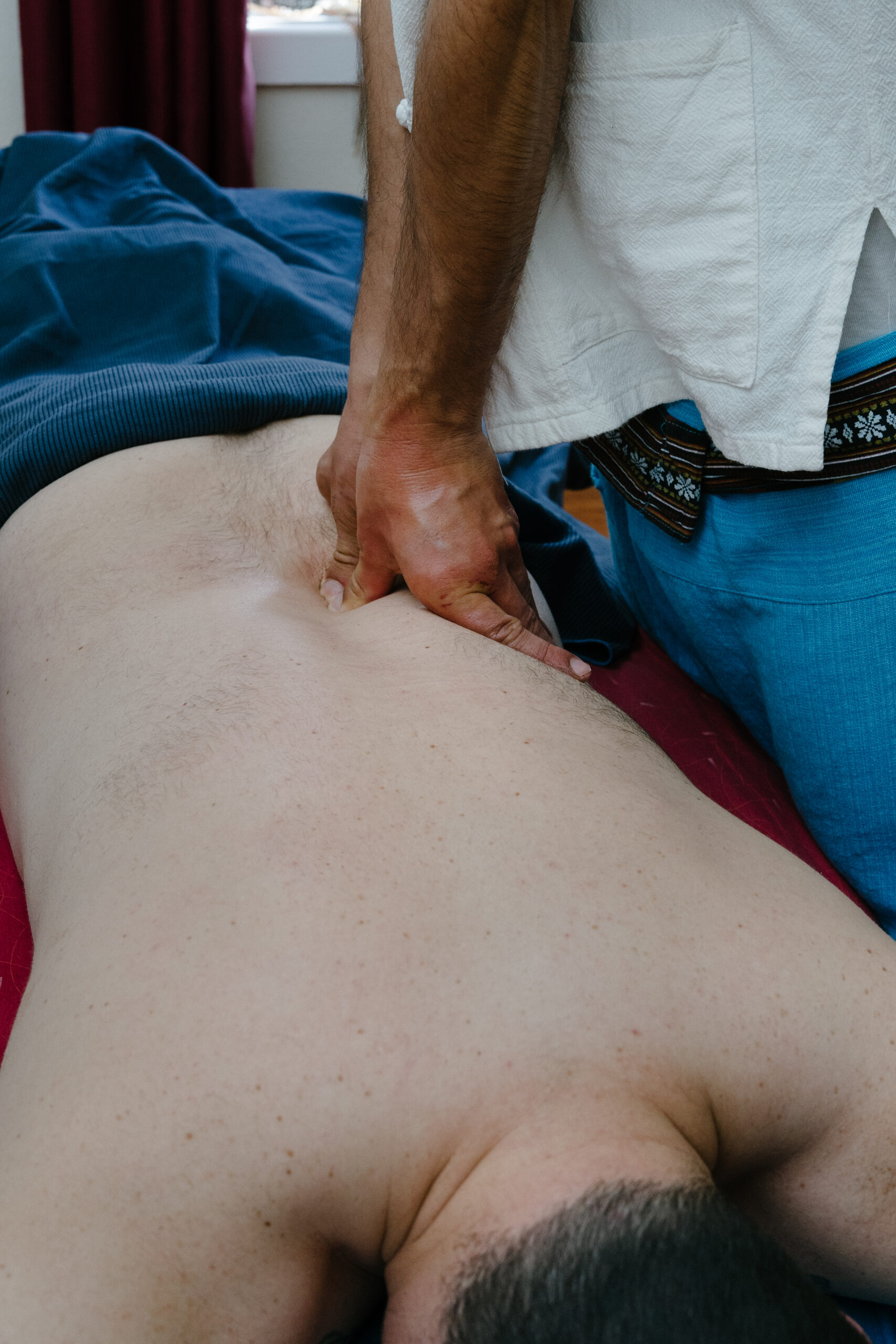
That said, for many people, useful strategies may include:
Keep moving
Absolute rest is rarely a recommendation, especially when we talk about nonspecific lower back pain. Therefore, move. Even just walking. Indeed, walking is often a simple place to start.
And yes, you may need to temporarily reduce certain activities, but complete inactivity is generally not the goal.
Gradually return to exercise
As your symptoms settle, you can progressively reintroduce activities such as:
- Squats – sit to stand
- Lunges – supported with a hold where needed
- Strength exercises – light weight
- Walking
- Cycling – around the Merri Creek, easy and gentle path
- Swimming – at one of the many Merri-Bek leisure centres
- Gym-based training
The amount and type of exercise should be appropriate for your current symptoms, physical capacity and goals.
And that’s what I promote to my clients in the Myohterapy and Fitness Class sessions.
Build strength
Strength training as part of your movement journey can be an important part of managing recurring back pain and returning to activities you enjoy.
The goal isn’t simply to strengthen the lower back.
The hips, glutes, legs, abdominal muscles and upper body all contribute to your ability to move and handle load.
Look at the bigger picture
If your lower back pain is a recurring thing, that is worth investigating what is happening there.
- How much are you currently training?
- Have you recently increased your workload?
- How much time do you spend sitting?
- How strong are you?
- How well do your hips and other joints move?
- Are there activities that you have stopped doing because you are worried about pain?
These questions can provide useful information when developing an appropriate management plan. And that’s what we do as myotherapists. We look beyond your symptoms and look at the bigger picture.
How can Myotherapy help with lower back pain?
Myotherapy is one option for people experiencing muscular pain, restricted movement and some types of musculoskeletal problems.
At Melbourne Massage and Treatment, the approach isn’t simply about treating the area that hurts.
An assessment can look at your symptoms, movement, physical activity, training history and the demands you place on your body.
Depending on your presentation, treatment may include:
- Hands-on soft tissue techniques
- Myofascial techniques
- Joint mobilisation
- Dry needling
- Movement assessment
- Exercise prescription
- Education about managing load and activity
Therefore, the aim is to help you understand your symptoms and improve your ability to move and function, not to try to fix your pain with a massage, because I promise you that would not work.
On the other hand, for some people, hands-on treatment can be useful for reducing symptoms and making movement more comfortable. The next step is often to build capacity so that you can return to the activities that matter to you.
Lower back pain and strength training
In another blog, we spoke about the tissue healing time frame, and concluded that yes, each tissue may need different time and approach to healing. But what all the body tissues have in common is that, if you don’t place them under minimal stress, the healing process would not be as efficient. That’s where, even for lower back pain, a specific training load is essential.
Therefore, sometimes modifying training is appropriate, based on your individual presentation.
For example, you may temporarily reduce:
- Training volume
- Load
- Range of movement
- Exercise frequency
- High-impact activities
Then, as your symptoms and capacity improve, you can progressively increase these again.
This is particularly important for people who want to return to the gym, running, sport or other physical activities.
The objective isn’t simply to get you out of pain.
It is to help you become more confident and physically capable again.
When should you see a healthcare professional?
So when should you consider coming for a Myotherapy or Remedial massage session for your lower back pain in Coburg?
I personally would suggest someone come for treatment when:
- Symptoms are getting worse
- Not improving after several weeks
- Preventing you from performing normal daily activities
- Affecting your sleep
- Repeatedly returning
- Causing significant concern
A single instance of lower back pain may be normal and part of the process of aging, but when any of the above listed are applicable, then it may be time to look into it a bit more.
When is lower back pain in Coburg an emergency?
Well, lower back pain can also be an emergency situation, and rather than reach out to a massage therapist, you may want to go to see a GP or even to the emergency department. Here is a series of red flags to be aware of:
- New loss of bladder or bowel control
- Difficulty urinating
- Numbness around the groin, genitals or anus
- Significant or sudden weakness or numbness in the legs
- Inability to walk or move because of severe pain
- Fever or feeling seriously unwell
- Significant trauma or accident
- Unexplained weight loss
These symptoms can indicate a condition requiring urgent medical assessment.
Lower Back Pain Treatment in Coburg
In conclusion, if you are experiencing lower back pain in Coburg, the first step is understanding what is happening rather than simply treating the painful area.
At Melbourne Massage and Treatment, myotherapy takes an individual approach to pain, movement and physical function.
Your treatment may combine hands-on therapy with movement assessment, exercise and education depending on your presentation and goals.
But the basic concept behind lower back pain is simple:
Move More, Live Well.
If lower back pain is stopping you from working, exercising or enjoying everyday activities, an assessment can help you understand your options and develop an appropriate plan for getting moving again.
Book Now Your Lowe Back Pain Relief
Giovanni La Rocca
Giovanni moved to Melbourne, Australia, from Italy in 2008 and became a citizen in 2017. He started studying massage therapy in 2016, then completed a Bachelor of Health Science in Clinical Myotherapy in August 2024. During those years, he also specialised in Thai Massage and Manual Lymphatic Drainage for presentations like Lipoedema and Lymphoedema and recovery from Cosmetic Surgery. Nowadays, he runs his clinic in Coburg, Melbourne, where he integrates movement therapy into his practice to enhance overall well-being. He also values meditation, having completed several Vipassana courses. Committed to continuous learning, he aims to share his expertise in integrated therapies to help others achieve balance and resilience.