Persistent back pain and sciatica can disrupt every part of daily life, from sitting comfortably to walking or sleeping. Many people turn to temporary fixes, but lasting relief often requires addressing the underlying muscular and nerve dysfunction. At Melbourne Massage and Treatment, our qualified myotherapists combine evidence-based manual therapy and corrective techniques to relieve pain, restore function, and promote long-term spinal health.
Key Takeaways
- Myotherapy addresses the root causes of sciatica and back pain
- Techniques include massage, dry needling, and corrective exercises
- Regular sessions promote long-term mobility and nerve health
- Postural correction prevents recurring pain and stiffness
- A personalised plan ensures results tailored to each client’s condition
Understanding Sciatica and Back Pain
To appreciate how myotherapy helps, it’s useful to understand what’s really going on with back pain and sciatica.
Sciatica: Sciatica refers to pain that radiates along the path of the sciatic nerve, which runs from the lower back, through the buttocks, and down each leg. It’s not a condition on its own, but a symptom caused by something irritating or compressing the nerve. Common causes include:
- A herniated or bulging disc pressing on the sciatic nerve
- Tight gluteal or piriformis muscles trapping the nerve as it passes through the hip area
- Degenerative changes in the spine or joints
The pain can range from a dull ache to a sharp, burning, or shooting sensation. It may also cause tingling, numbness, or weakness in the leg.
Back Pain: General lower back pain often stems from muscle tension, poor posture, or strain from repetitive activities, such as sitting too long, lifting incorrectly, or overdoing it at the gym.
This is where myotherapy can help by addressing both the muscular and neural components contributing to your pain.
What Exactly Is Myotherapy?
Myotherapy (from the Greek words “myo” meaning muscle and “therapy” meaning treatment) focuses on assessing, treating, and managing musculoskeletal pain and movement issues related to the soft tissues, muscles, fascia, and nerves.
A qualified myotherapist uses a mix of techniques such as:
- Deep tissue massage and trigger point therapy
- Dry needling (similar to acupuncture, but targeted at specific muscle points)
- Myofascial release
- Stretching and joint mobilisation
- Cupping and corrective exercise advice
Unlike a regular massage, myotherapy is more clinical and evidence-based. It aims to identify why pain is occurring, whether it’s from postural imbalance, nerve compression, muscle dysfunction, or repetitive strain, and to create a treatment plan tailored to your specific needs.
How Myotherapy Helps Treat Sciatica and Back Pain?
Myotherapy approaches pain holistically, by looking not just at the site of discomfort but at how the whole body is functioning.
1. Relieving Muscle Tension and Spasm
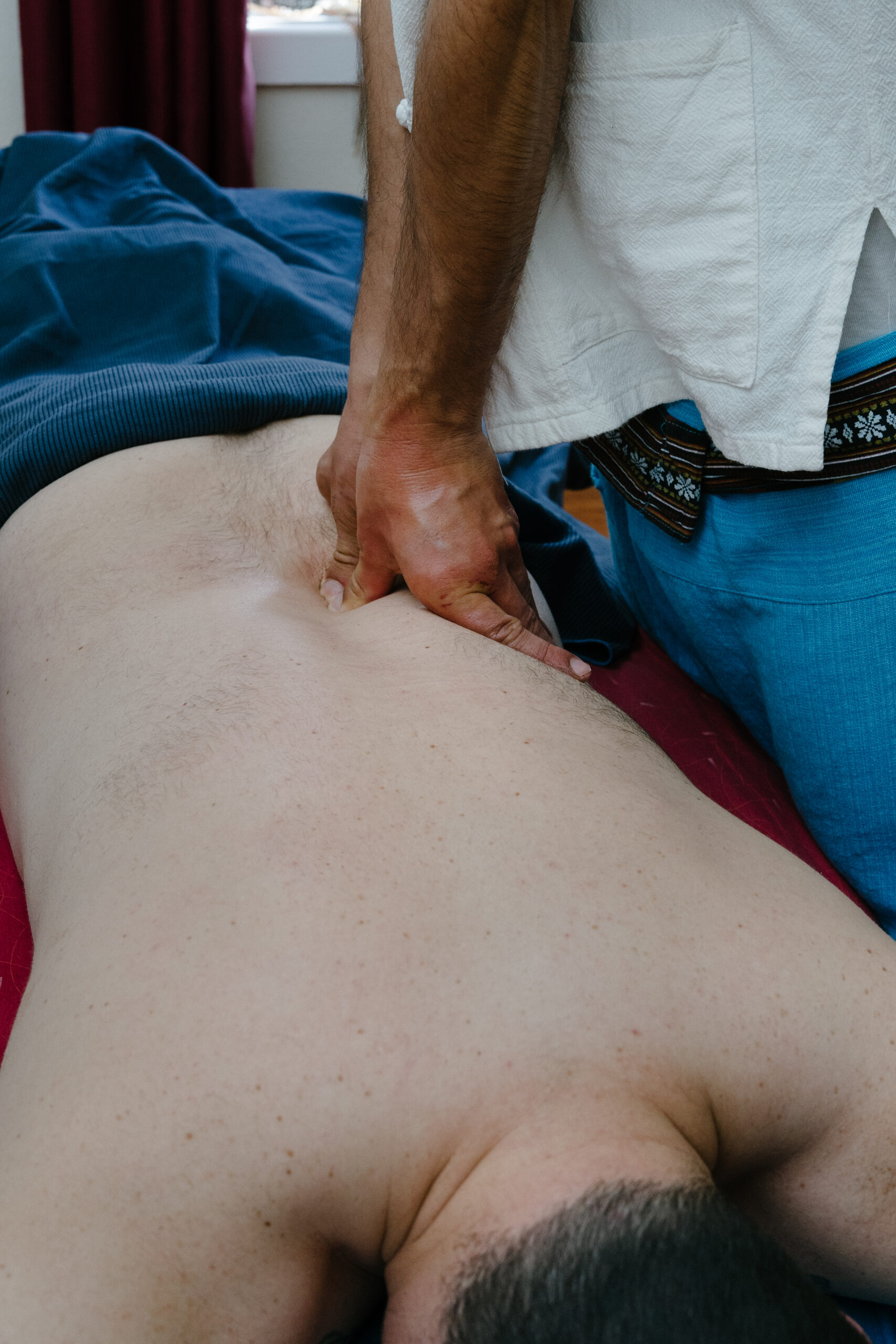
One of the first steps in treating sciatica or back pain is to reduce muscle tightness that might be compressing nerves or restricting movement. A myotherapist will use deep tissue massage and trigger point therapy to release knots and deactivate overactive muscles.
This helps:
- Improve blood flow and oxygen to the area
- Decrease inflammation and stiffness
- Reduce referred pain from tight gluteal or lower back muscles
In cases where the piriformis muscle is pressing on the sciatic nerve, releasing that tension can bring almost immediate relief.
2. Improving Nerve Mobility
If the sciatic nerve is being compressed or irritated, a myotherapist may perform neural mobilisation techniques to gently glide the nerve through its pathway. This can help restore normal nerve function and reduce the sharp, shooting pain associated with sciatica.
3. Correcting Postural Imbalances
Poor posture, especially from sitting for long hours, can put excessive strain on the lower back. Myotherapists assess how your body moves, looking for muscular imbalances, misalignments, or weaknesses that might be contributing to pain.
They’ll often prescribe corrective exercises, such as gentle stretches, core activation drills, and hip mobility movements, to strengthen supportive muscles and prevent future flare-ups.
4. Reducing Inflammation and Promoting Healing
Techniques like dry needling or myofascial release can help increase circulation and stimulate the body’s natural healing response. This not only eases pain but also promotes tissue repair and reduces chronic inflammation in the affected area.
5. Encouraging Relaxation and Stress Reduction
Let’s not underestimate the role of stress. When you’re tense, your muscles tighten, your posture suffers, and your pain often worsens. Myotherapy sessions often incorporate relaxation techniques to calm the nervous system, helping your body release tension more effectively.
What to Expect During a Myotherapy Session for Sciatica and Back Pain?
If you’ve never been to a myotherapist before, here’s what typically happens:
- Assessment and History: The therapist will ask about your pain, lifestyle, posture, and medical history.
- Physical Examination: They’ll perform movement and range-of-motion tests to pinpoint which muscles or nerves are involved.
- Treatment Plan: Based on their findings, they’ll use a combination of hands-on techniques (massage, dry needling, etc.) to target the problem areas.
- Aftercare Advice: You’ll likely be given simple at-home exercises, stretches, and ergonomic tips to support your recovery.
Most people notice improvement after just a few sessions, though chronic conditions may take longer.
The Benefits of Myotherapy for Sciatica and Back Pain
While the main goal of myotherapy is to relieve pain, it also helps improve overall wellbeing. Clients often report:
- Pain Reduction – Relieves nerve compression and muscle tension.
- Improved Mobility – Enhances range of motion through soft tissue release.
- Postural Support – Corrects muscular imbalance and spinal alignment.
- Preventative Care – Strengthens the back and reduces future risk.
- Drug-Free Relief – Offers a natural approach without dependency on pain medication.
Back pain is one of the leading causes of disability in Australia, affecting nearly 4 million people each year. Myotherapy provides a clinically proven, hands-on solution that can significantly reduce this burden.
When to Seek Professional Help?
If your back pain or sciatica doesn’t improve within a couple of weeks, or if it’s affecting your daily activities, it’s worth seeing a qualified myotherapist. They can work alongside your GP to provide a well-rounded treatment approach.
Always seek urgent medical care if you experience:
- Severe pain that comes on suddenly
- Numbness or weakness in your legs
- Loss of bladder or bowel control
These can indicate a more serious condition requiring medical attention.
Signs You May Need Myotherapy
- Ongoing lower back pain or stiffness
- Numbness or tingling radiating down one leg
- Muscle weakness or tight glutes
- Poor posture or difficulty standing upright
- Limited mobility due to muscle pain
If these symptoms sound familiar, you can explore our Treatment Services to see which approach suits your needs best.
Preventing Future Pain
Effective management doesn’t end after a session. Following your myotherapist’s recommendations ensures lasting results. Here’s what you can do at home:
- Maintain good sitting posture, keep feet flat, and spine neutral.
- Use ergonomic chairs or lumbar cushions.
- Engage in low-impact exercise such as swimming or walking.
- Stay hydrated to support muscle recovery.
- Perform daily stretching routines for your lower back and hamstrings.
You can also book regular Myotherapy sessions at our Melbourne Clinic for ongoing care and assessment.
Conclusion
Living with sciatica or back pain doesn’t have to be the norm. Myotherapy offers a proven, holistic way to reduce pain, restore movement, and build strength for a healthier back. Whether your discomfort stems from posture, injury, or stress, tailored therapy can make a remarkable difference. Contact us today to begin your recovery journey with expert care and evidence-based myotherapy.
FAQs on Myotherapy for Sciatica and back pain:
A: Sciatica is caused by irritation or compression of the sciatic nerve, often due to muscle tightness or nerve irritation. Back pain can stem from posture issues, strain, or injury.
A: Myotherapy relieves pressure on the sciatic nerve through soft tissue techniques, dry needling, and corrective movement exercises designed to restore the muscle tone balance.
A: Yes. Myotherapy is effective for both acute and chronic pain. It targets the deep muscular and neural structures involved, promoting long-term recovery.
A: Most clients notice improvement within three to five sessions, though chronic cases may require a longer treatment plan based on the individual assessment.
A: You can schedule your appointment online through our contact page or call us directly for personalised advice.
Giovanni La Rocca
Giovanni moved to Melbourne, Australia, from Italy in 2008 and became a citizen in 2017. He started studying massage therapy in 2016, then completed a Bachelor of Health Science in Clinical Myotherapy in August 2024. During those years, he also specialised in Thai Massage and Manual Lymphatic Drainage for presentations like Lipoedema and Lymphoedema and recovery from Cosmetic Surgery. Nowadays, he runs his clinic in Coburg, Melbourne, where he integrates movement therapy into his practice to enhance overall well-being. He also values meditation, having completed several Vipassana courses. Committed to continuous learning, he aims to share his expertise in integrated therapies to help others achieve balance and resilience.