

There is no worse way to start the day than with a wry neck. Wry neck is a common term used to describe a painful neck that limits the way you can move. Medically speaking, we call the same presentation acute torticollis. At my Myotherapy clinic in Coburg, Melbourne Massage and Treatment, I get to hear clients often telling me: “This has happened on and off for years.” And this is the first piece of the clinical history that tells me we’re probably not dealing with a simple muscle spasm, and that’s where we start looking for why the neck keeps becoming irritated in the first place. Wry Neck Is Often Acute on Chronic The first misconception we need to clear away is that wry neck comes out of nowhere. The reality of the fact is that many people have developed underlying dysfunction over months or years. Therefore, the neck has been compensating until one day something relatively small, sleeping awkwardly, reaching for something, reversing the car or even sneezing, is enough to trigger the painful episode. The acute pain is simply the last straw that broke the camel’s back. So the million-dollar question is: Why did your neck become vulnerable in the first place? That’s where an initial consultation is important, and that’s why I spend my time investigating during an assessment. A Previous Whiplash Injury Could Still Be Affecting You A common overlooked cause for wry neck that I get to see here at my clinic is a previous whiplash injury. Indeed, while someone may recover fine from this type of incident, others develop subtle changes in how their neck moves and how the muscles coordinate movement. So yes, it can be either a physical strain or irritation of the ligaments, or even neurodegeneration at the muscle level. That’s why, even years later, the body may continue protecting certain joints while overloading others. Research by Woodhouse and Vasseljen (2008) has shown that people with chronic whiplash often demonstrate altered cervical motor control, reduced movement quality and persistent dysfunction long after the original injury. That’s why, if you’ve ever had a rear-end collision, even if it happened ten years ago, even if it was due to a contact sport injury, it’s worth mentioning during your assessment, as it is an important piece of information. Hypermobility Can Also Play a Role Another presentation that I come across in my clinic, for people who suffer from wry neck, is hypermobility. Indeed, being flexible isn’t always an advantage. This is because if some joints move excessively, your muscles have to work much harder to provide stability. Over time, these muscles become overworked and fatigued, especially around the neck and upper back, which is an area where muscles already work hard most of the time, as they have to ensure we can stay straight while we stand or sit. When stability can’t keep up with mobility, the body often responds by developing muscle guarding. That’s when the neck suddenly “locks.” On the other hand, the lack of stability also creates an overload of joints, which may get easily irritated, and then initiate the pain response. Your Neck Doesn’t Work Alone Another important thing to be aware of is that we should stop focusing only on where the pain is, as the source of the problem. In fact, the cervical spine is part of a much larger movement system. So, poor movement through the upper back, reduced thoracic mobility, rib restrictions, shoulder dysfunction or altered control through the lower spine can all change the workload placed on the neck. And this is a long time game, not something that happen in one night of bad sleep. A way to conceptualise this is: If one link in a chain doesn’t move well, another link has to move more than it should, and eventually that overloaded area becomes painful. That’s why my assessment as a myotherapist doesn’t stop at your neck. I look at how your entire spine works together. The goal is to improve the balance between mobility, where mobility is needed, and stability, where stability is required. And this can only be done and maintained via exercises. Can a Better Pillow Fix a Wry Neck? I did already dedicate a full blog post about the pillow topic, but it is worth it to touch base about it even here, as this is probably one of the most common questions I get when talking about wry neck. A supportive pillow can certainly help reduce stress on your neck while you sleep; however, a pillow doesn’t: Change how your joints move. Improve muscular control. Restore stability. Correct movement patterns that have developed over the years. Therefore, think of a good pillow as something that is improving the environment rather than fixing the cause. If the underlying issue is poor movement control or spinal dysfunction, changing pillows alone usually won’t stop the episodes from returning, and it can end up being an expensive search. Your Workstation Might Be Causing the Problem Another issue that I get to see mostly with office workers is for those who work with multiple screens, like two or even three computer screens. This setup becomes a problem when the main screen isn’t positioned directly in front of you, and you end up spending eight or more hours each day with your head slightly rotated toward one side or the other. Now, try to think about what that means for your joints and muscles on that side. Until you repeat that position every day for months or years. The muscles on one side of the neck become overloaded because they are constantly contracted, while the muscles on the other side are constantly stretched. One of the simplest changes you can make is ensuring your primary monitor sits directly in front of your body, or if that’s not an option, then make sure to swap your screen software-wise. So you end up having even days looking at right, and uneven days, looking to the […]
Tag Archives: wry neck

Blog
Facet Joint Irritation and Muscle Weakness: What You Need To Know
In my experience as a Clinical Myotherapist at Melbourne Massage and Treatment Myotherapy and Lymphoedema [...]
Continue reading
16
Oct
Oct

Blog
Chronic Pain: What it is, and what can you do about it?
Pain is something that we all experience, and it can start after an injury, during [...]
Continue reading
09
Oct
Oct
Blog
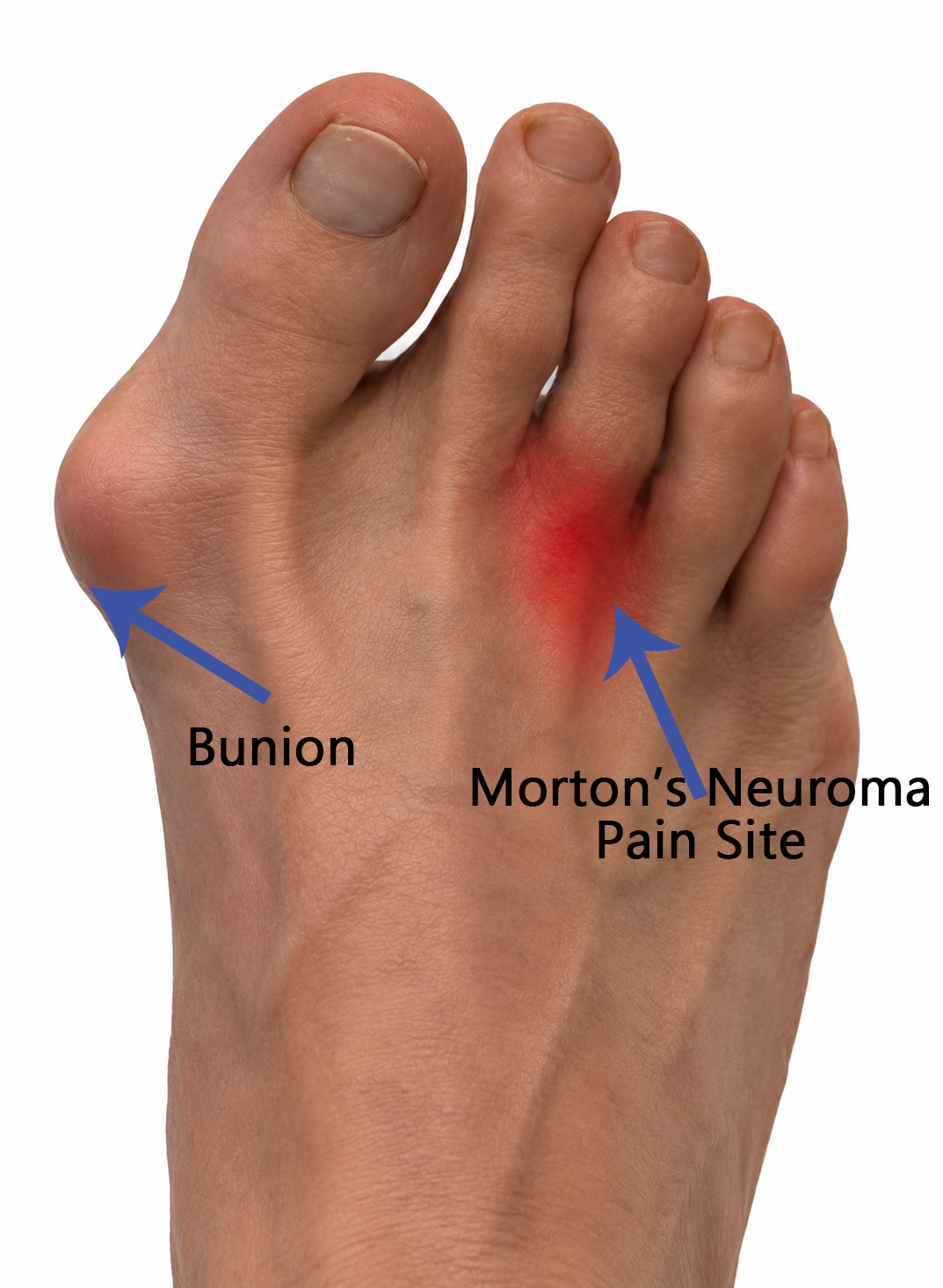
Bunion and Morton’s Neuroma: Can a Bunion Affect Neuroma Recovery?
While a bunion and a Morton’s neuroma are two different foot conditions, if they are [...]
Continue reading
26
Sep
Sep
Blog
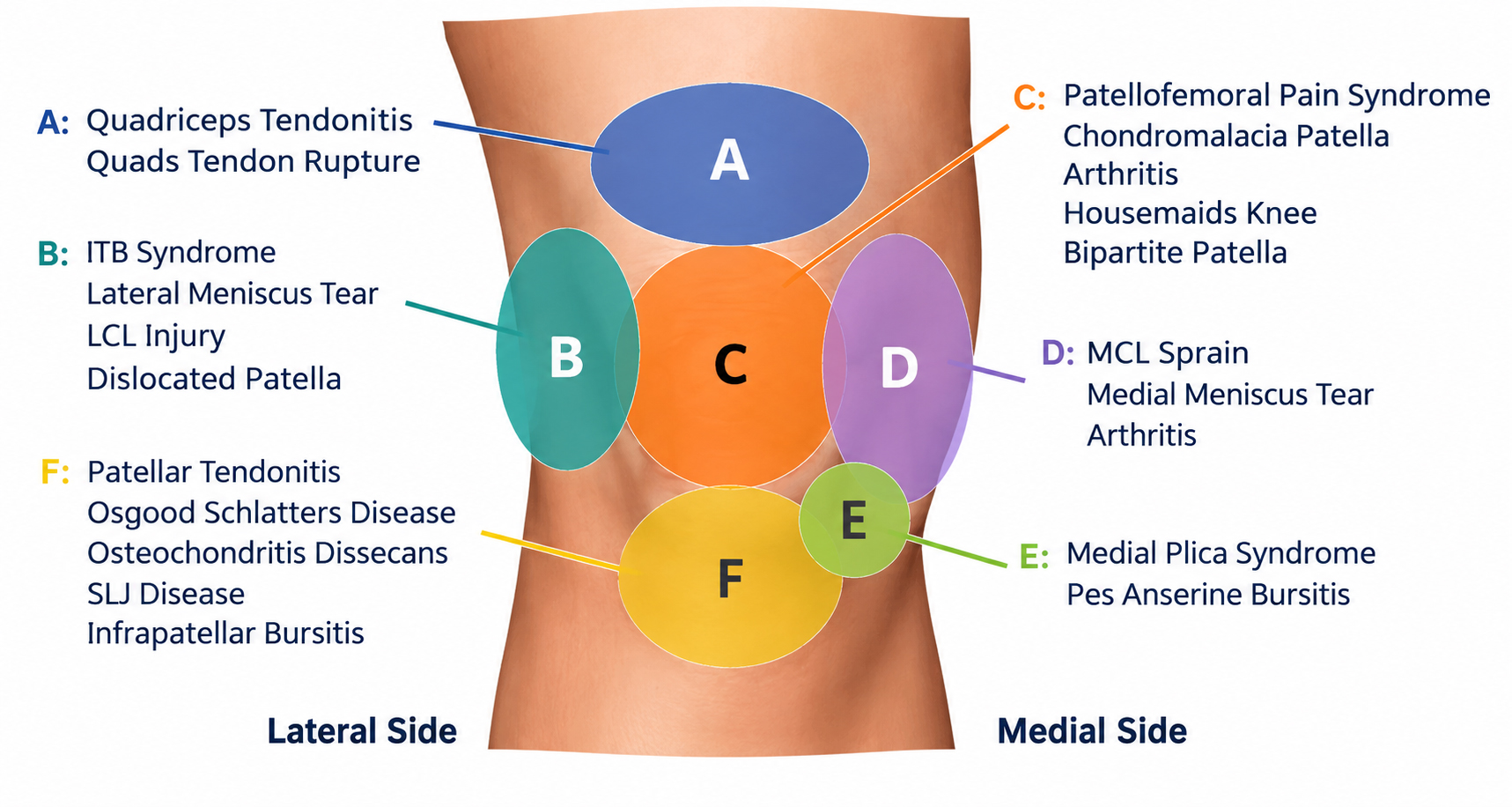
Knee Pain in Coburg
Knee pain is a common form of injury and can affect people of all ages [...]
Continue reading
21
Sep
Sep

Blog
Post-Surgery MLD Melbourne – Vodder MLD Therapist
Any form of surgery is an invasive procedure for the body to deal with, and [...]
Continue reading
14
Sep
Sep