
As a Myotherapist and Lymphoedema Therapist here in Coburg, I’ve always believed that movement is one of the most powerful tools for health. Exercise isn’t just about getting fit; it’s about feeling stronger, moving with ease, and living life without pain. Recently, I completed professional training in Kinetic Link Training (KLT), and it gave me the opportunity to see fitness classes and rehabilitation programs under a new light. I’m now offering KLT sessions in Coburg as part of my fitness class at Melbourne Massage and Treatment, in order to help clients move better, recover well, and build long-term strength. Why Exercise Is Good for Everyone The benefits of regular exercise are many, including: Improves muscle tone; Boosts energy Supports joint health; Improves posture; Reduces stress So it doesn’t matter what your goal is, whether you are recovering from an injury, working a desk job, or simply wanting to feel stronger, functional movement training is one of the best investments you can make in your health. That’s why we said that movement is medicine. And Kinetic Link Training is ideal for any fitness level, given the simplified structure of its exercises, and the fact that its setup can be easily replicated at home with some resistance bands and some light dumbbells. How Kinetic Link Training Is Different from Conventional Training More traditional gym workouts often aim to work one group of muscles at a time, with a primary focus on agonist muscles, agonist to a certain movement, such as bicep curls, leg presses, and shoulder raises. Nothing wrong with those exercises, they definitely help you build strength, yes, but not always functional strength. That’s where Kinetic Link Training is different, as KLT is built around integrated, full-body movement patterns that connect the upper and lower body through controlled, coordinated actions. Instead of training one movement at a time, you train the body as a connected system. This style of training improves: Core stability and posture Joint mobility and balance Real-world strength and coordination To simplify it, KLT helps you move better, not just lift more. Therefore, having a goal in mind when choosing to start training can help you define the type of training you may need and want to go for. Kinetic Link Training Is Also Ideal for Post-Surgery and Injury Recovery Rehab KLT is an excellent option for rehabilitation and post-surgery recovery. A few keys component that makes KLT so safe are: Low-impact exercises Controlled movement Entirely adjustable for your needs You can train easily at home What then makes KLT effective for rehabilitation is the fact that you will be asked to do natural movement patterns that can help in regaining body strength safely. In fact, KTL is ideal for anyone looking to rebuild function, improve range of motion, and return to daily activity with confidence. Perfect for Beginners and Those New to Strength Training If you’ve never done strength training before, KLT is a gentle and intelligent place to start. “Why so?” you may ask. Well, the beauty of KLT is that it allows you to perform any exercise to your capacity, and from there, you can not only increase the load or resistance, but you can also increase the degree of movement. Let’s take, for example, a posterior pull with a double leg squat: In this exercise, you are going to start in a squat position (max depth is quads parallel to the ground), facing the machine or the cable direction, while your arms are fully extended. To deliver the exercises, you will be asked to stand while pulling the cable towards yourself, with the elbows running alongside the ribcage. Now, let’s consider a person who may have difficulty squatting. They are not required to go as deep to start with, but still, they can apply a full upper body range of motion, which is basically like a lat. raw exercise. The depth of the squat would come with time and practice. This is only an example of how exercises can be adapted You don’t need to be strong, flexible, or experienced. The movements are easy to learn and can be scaled to any fitness level. Kinetic Link Training: A Balanced Full-Body Workout Now, another great advantage of KLT is the engagement of the upper and lower body in all its exercises. As explained in the example above, along with the KLT exercises, you are required to engage in: Upper body movement: Push Pull Arch Double or Single arm. Different directions, “from where” and “to where” the cable may run: Very Low Low Mid High Very High With or without crossover. Lower body movement between: Squat – Double Leg, Single Leg, Wide Stand Lunge – Anterior, Posterior, Lateral Calf Raises (as a progression of the end/start of squat movement) Which can also be subcategorised as alternated, Split, Reciprocal, and Partial Standing direction: 0° – Facing the cable 45° – To the cable 60° – To the cable 90° – Your L/R side is facing the cable direction 180° – You are giving your back to the cable direction Now, combine all of those options, and you easily end up with thousands of exercises that engage the upper and lower body with an incredible variety of regression and progression. Indeed, this is why every KLT session integrates upper and lower body movements, creating balanced, total-body strength. This ensures you don’t overwork one area while neglecting another. KLT and Lymphoedema Lymphoedema is a chronic condition characterised by severe swelling of the limb due to failure of the Lymphatic System. It can occur due to a congenital presentation (primary Lymphoedema) or post-surgery (secondary Lymphoedema), as often happens after cancer surgery. To manage a Lymphoedema presentation, exercises are essential, as the lymphatic system is stimulated by muscle contraction. Based on the severity of your lymphedema, we can use KLT to help you boost lymphatic fluid circulation and build resistance in the joints and limbs affected by lymphedema. Functional Fitness Coburg Bringing Kinetic Link Training into my practice at Melbourne Massage […]
Tag Archives: functional movement

Blog
Facet Joint Irritation and Muscle Weakness: What You Need To Know
In my experience as a Clinical Myotherapist at Melbourne Massage and Treatment Myotherapy and Lymphoedema [...]
Continue readingOct

Blog
Chronic Pain: What it is, and what can you do about it?
Pain is something that we all experience, and it can start after an injury, during [...]
Continue readingOct
Blog
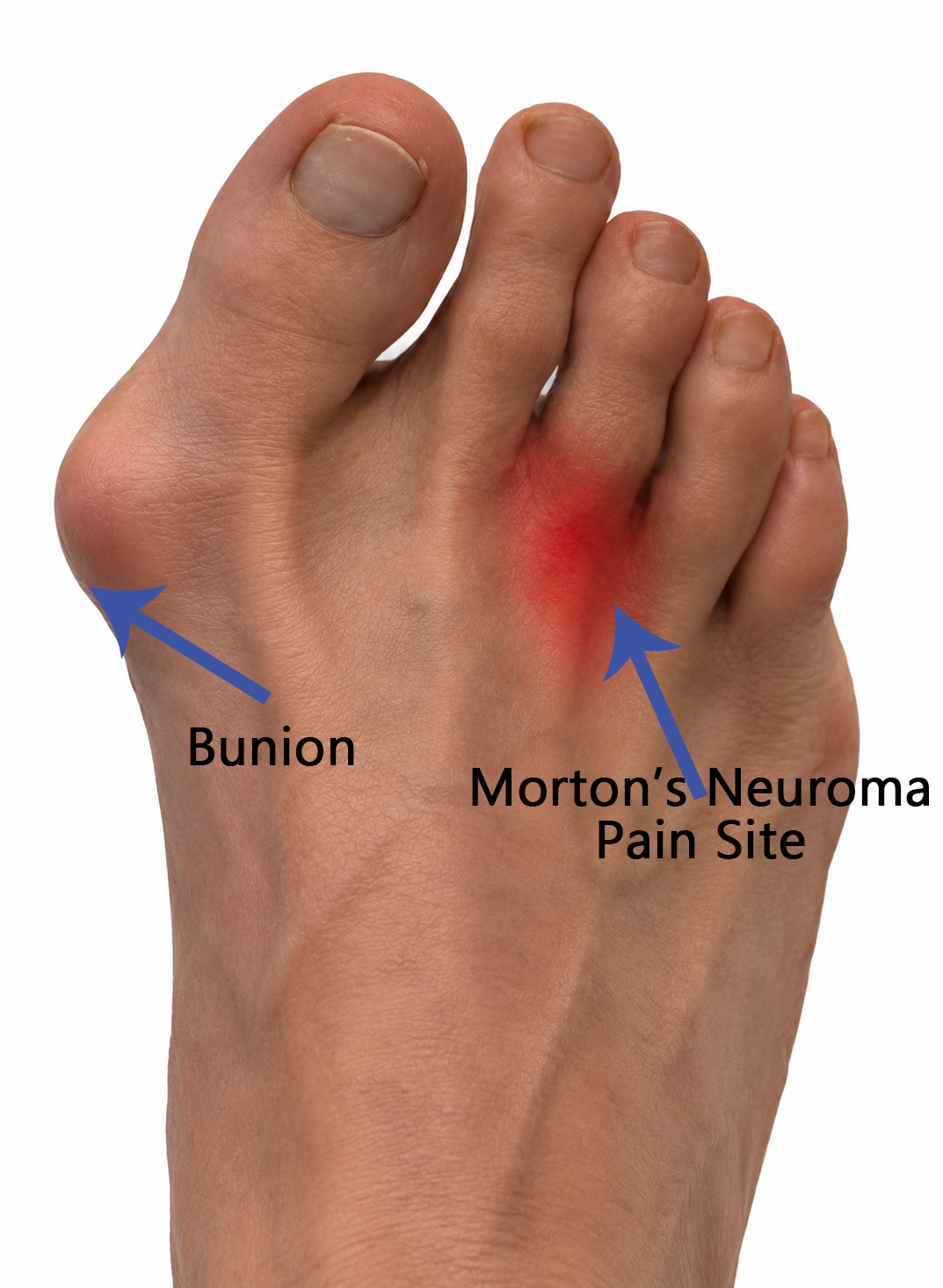
Bunion and Morton’s Neuroma: Can a Bunion Affect Neuroma Recovery?
While a bunion and a Morton’s neuroma are two different foot conditions, if they are [...]
Continue readingSep
Blog
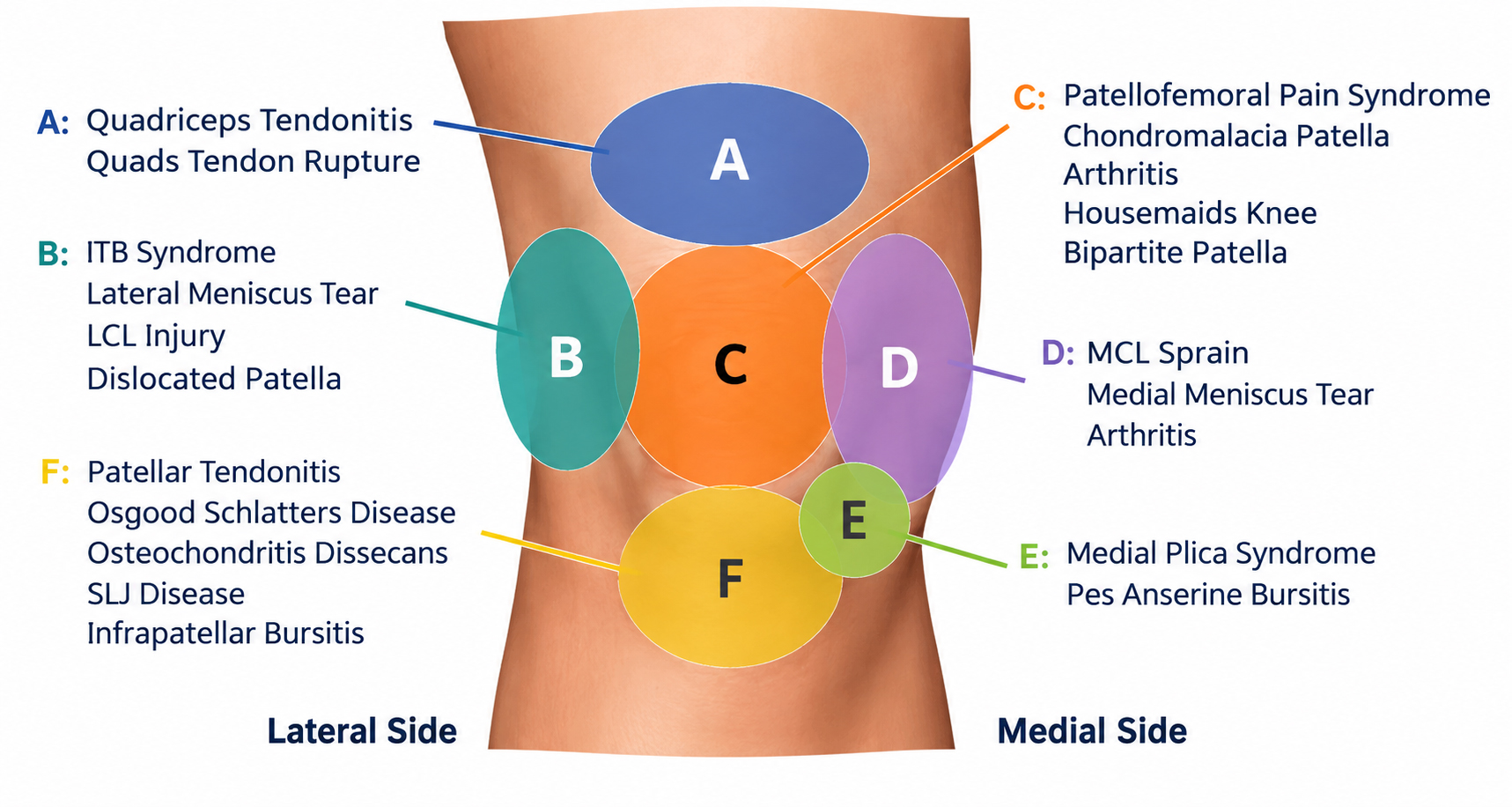
Knee Pain in Coburg
Knee pain is a common form of injury and can affect people of all ages [...]
Continue readingSep

Blog
Post-Surgery MLD Melbourne – Vodder MLD Therapist
Any form of surgery is an invasive procedure for the body to deal with, and [...]
Continue readingSep

Oct
Functional movement is all those types of movement that you may have been training at the gym, like a squat, but really, those movements are what we are designed to deliver daily. Per the squat, think about sitting. Now, if you are young and fit, you may not need a great deal of mobility to sit on a chair, but as we get older, if we don’t train to maintain this form of mobility, things can really get difficult, and the risk of injury would increase. That’s where Myotherapy can really help you to understand which joints need more work in terms of mobility, but also which muscle groups you need to train to keep your stability at doc, so that your functional movement, especially when done under load, is going to be safe and with less risk of injury. What Is Myotherapy? Myotherapy is a form of manual therapy that focuses on assessing, treating, and managing musculoskeletal pain and dysfunction. At Melbourne Massage and Treatment in Coburg, I use techniques such as deep tissue massage, joint mobilisation, myofascial release, dry needling, and corrective exercise to restore normal movement and prevent pain from returning. What I love about being a Clinical Myotherapist is that when working with my clients, I have to deliver a tailored treatment plan, as everyone is different and everyone presents with a unique body, which may need a different approach to reach the same goal. All this, starting from joint mobility and stability. Why Joint Mobility and Stability Matter Let’s start by defining what mobility and stability are: Mobility: the ability to move through a full range of motion Stability: the control that keeps your joints aligned to the body plane and supported To move well under load and deliver safe exercises, you must have good mobility and stability where needed. For example, if your hips lack mobility, your lumbar spine might compensate, creating discomfort and increasing the injury. Furthermore, a lack of mobility, it means you can not fully engage your muscle fibres, as less movement means less contraction or elongation of the muscle fibres involved in that movement, so less power and less growth. On the other hand, lack of stability is given from your lumbar area, which is not able to support a heavy load, and that’s how you can hurt your back. How Myotherapy Enhances Functional Movement Here at my clinic in Coburg, as a clinical myotherapist I focus on helping you restoring balance through a whole-body approach. Here’s how Myotherapy helps: Comprehensive Movement AssessmentLet’s start with assessing posture, joint range of motion, and functional movement patterns to identify restrictions or weaknesses. Addressing the Root Cause of PainPain is central nervous system response to something that doesn’t work at is best. It may be an injury, or it may be a sensitization of the area. As a clinical myotherapist I help you break the cycle of compensation and discomfort, allowing more efficient, pain-free movement. Improving Joint MobilityUsing targeted soft tissue therapy, myofascial release, and gentle joint mobilisation, we help reduce tightness and restore freedom of movement across affected joints and muscles. Building Joint StabilityOnce mobility is restored, we focus on improving control and strength. Personalised exercises activate stabilising muscles, enhancing balance and coordination to prevent re-injury. Long-Term Support and EducationAfter every appointment I ensure to leave a detailed PDF file with the exercises we look into, so that you are able to reproduce our work at home or at your gym. But for every question, and for your progressions, I am always here ready to help. Who Can Benefit From A Myotherapy Session? Myotherapy is suitable for people of all activity levels. At our Coburg practice, I regularly help clients dealing with: Muscle tightness or restricted joint movement Neck, shoulder, or lower back pain Postural strain from office work Sports or exercise-related injuries Limited flexibility affecting daily performance The Takeaway on Myotherapy and Functional Movement To improve your functional movement starts working on the right balance between joint mobility and stability. Myotherapy offers a targeted, evidence-based way to achieve that balance, and I am here helping you move better, feel stronger, and prevent future injuries. If you’re ready to enhance your movement and reduce pain, book a Myotherapy session at Melbourne Massage and Treatment, Coburg today. Let’s get your body moving the way it’s meant to. And if you have any question, please use the form below to reach me out: