

Exercise is the ultimate medicine for longevity and well-being. That said, there are different ways to exercise, and you should choose which one based on your goals and needs. Ultimately, even if you will prioritise one type of exercise over others, training in different ways, it is the best option to build resilience, strength and obtain the best results. But what are these main ways of training? Well, in this blog, we are talking about Strength Training and Hypertrophy. At Melbourne Massage and Treatment in Coburg, I help people achieve this goal, with tailored injury recovery Myotherapy plans that may start with hands-on treatment but aim to get the person moving and moving under load. What Is Strength Training? Strength training, in its pure form, is a type of training that aims to improve the body’s ability to produce maximal force. This is possible by optimising the nervous system’s capacity to communicate to the muscles what action has to be delivered when placed under load. In fact, the goal isn’t necessarily to make muscles bigger, but to make them stronger. Here is a breakdown of what a strength training session would be like: Typical rep range: 1–6 repetitions per set Load: Heavy (80–100% of your one-rep max) Rest periods: Longer (2–5 minutes) Primary outcome: Improved neural efficiency — your brain and muscles learn to work together more effectively. This type of training benefits everyone, from athletes to everyday movers, by: Enhancing joint stability Improving bone density Increasing functional power for daily tasks. What Is Hypertrophy Training? Now, we will examine another form of training that aims to increase muscle size. Indeed, hypertrophy focuses on creating controlled muscular fatigue that stimulates growth in the muscle fibres. Here’s how it works: Typical rep range: 6–12 repetitions per set Load: Moderate (60–80% of your one-rep max) Rest periods: Shorter (30–90 seconds) Primary outcome: Increased muscle cross-sectional area (growth). Hypertrophy is popular for aesthetic goals, but it also has significant benefits for: Joint support Posture Injury prevention, especially when paired with proper mobility and recovery practices like myotherapy. Who Would Benefit from Strength and Hypertrophy Training? Let’s be clear that both styles of resistance training can benefit a wide range of people — not just athletes or bodybuilders. But here is a clearer breakdown of which training belongs to which goals: You’ll benefit from strength training if you: Want to improve performance in sports or daily activities that require lifting, pushing, or pulling. You are seeking to increase bone density and joint stability, especially as you age. This is a big one for menopausal women. Need to enhance posture and core control to reduce the risk of back or shoulder pain. Are recovering from injury and looking to restore functional movement patterns safely under guidance. You’ll benefit from hypertrophy training if you: Want to build muscle mass for aesthetics, strength, or body composition. You are addressing muscle imbalances or weaknesses identified during myotherapy assessments. Need more joint support and stability through improved muscular structure. Aim to boost metabolism and energy expenditure through increased muscle tissue. At Melbourne Massage and Treatment, I often integrate tailored exercise advice with fitness class sessions, helping clients find the right balance between strength, mobility, and recovery for their individual goals. Massage Therapy, Dry Needling, and the Role of Passive Treatment Massage therapy, dry needling, and other forms of passive therapy are valuable tools during the recovery phase of an injury or when pain and tension are high. They help by: Reducing muscle tension and spasm Improving blood flow and assisting with tissue healing Calming the nervous system and reducing protective muscle guarding Restoring short-term mobility to prepare the body for movement At my Coburg clinic, these treatments are often used early in a client’s recovery journey to reduce pain and restore comfort. However, while these therapies are excellent for short-term relief and acute recovery, they must eventually be paired with movement under load to create lasting change. Why Movement Under Load Is Essential for Long-Term Wellness Passive treatments can help you feel better, but loaded movement enables you to function better. When you progressively load muscles, tendons, and joints, your body adapts and becomes stronger and more resilient. This is what keeps pain away in the long term. Here is a practical and simplified explanation: “You have to think that the body, while it does age, it does slow down in any form of its metabolism, including the regeneration of tissues, which gets worn down, and finds it difficult to be regenerated. This is where movement under load plays a crucial role. Movement under load indeed, it is the stimulus that the central nervous system needs to maintain the body’s regeneration active and effective”. A further breakdown of why movement under load matters beyond recovery: Builds tissue resilience: Strengthens muscles and connective tissue to handle daily demands. Supports nervous system retraining: Teaches your body to move efficiently and safely. Improves joint health and posture: Strengthens stabilising muscles that protect joints. Reduces recurrence of pain: Prevents the same issues from returning by addressing root causes, not just symptoms. Another way I would express the difference between passive therapy and exercises (under load) to my patient is: “Massage and needling help you feel good now, but movement under load helps you stay good later.” That’s why our approach combines hands-on therapy to relieve pain with movement education and strengthening to keep you moving well long after your treatment. How Myotherapy Complements Strength and Hypertrophy Training Myotherapy is a form of manual therapy that aims to improve the performance of any individual who has gone through an injury or someone who wants to maintain functionality and wellbeing. In a Myotherapy session, we would start with some form of testing to evaluate the person’s capacity in mobility and strength and from there we create a treatment plan that aims to improve the current presentation. A treatment plan may include: Soft tissue therapy Corrective exercise Movement assessment Goals of myotherapy: Address muscular imbalances from repetitive […]
Tag Archives: exercise

Blog
Facet Joint Irritation and Muscle Weakness: What You Need To Know
In my experience as a Clinical Myotherapist at Melbourne Massage and Treatment Myotherapy and Lymphoedema [...]
Continue readingOct

Blog
Chronic Pain: What it is, and what can you do about it?
Pain is something that we all experience, and it can start after an injury, during [...]
Continue readingOct
Blog
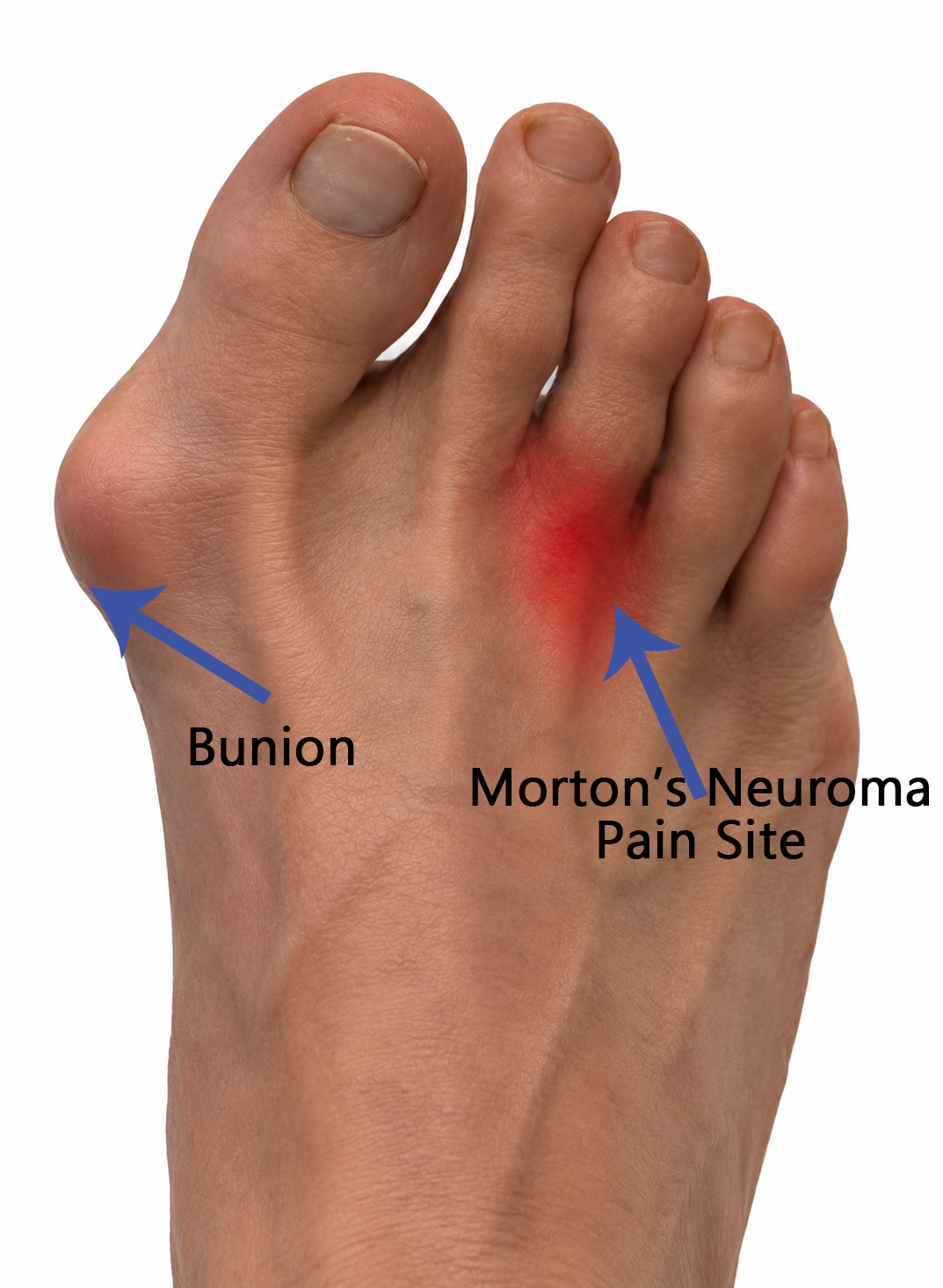
Bunion and Morton’s Neuroma: Can a Bunion Affect Neuroma Recovery?
While a bunion and a Morton’s neuroma are two different foot conditions, if they are [...]
Continue readingSep
Blog
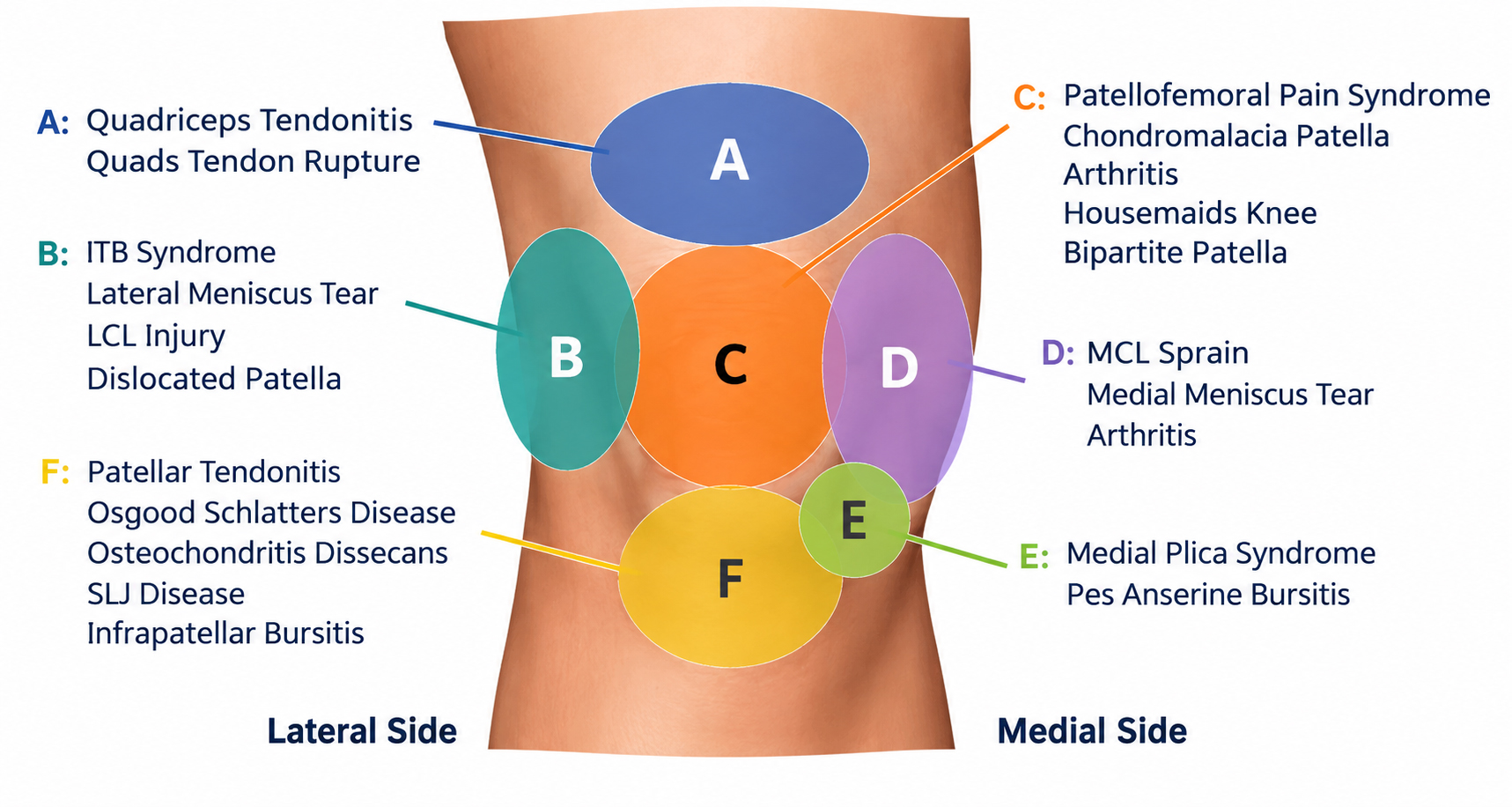
Knee Pain in Coburg
Knee pain is a common form of injury and can affect people of all ages [...]
Continue readingSep

Blog
Post-Surgery MLD Melbourne – Vodder MLD Therapist
Any form of surgery is an invasive procedure for the body to deal with, and [...]
Continue readingSep

Oct
In the world of fitness and wellness, stretching has long been hailed as a crucial component of any exercise regimen. But what if we told you that the benefits of traditional stretching might not be as clear-cut as we’ve been led to believe? At Melbourne Massage and Treatment in Coburg, we believe it’s essential to examine the science behind standard practices. Let’s dive into why the traditional notion of stretching might be more myth than fact. The Stretching Paradigm For decades, stretching has been touted as the go-to method for improving flexibility, preventing injury, and enhancing performance. From pre-workout rituals to post-exercise cooldowns, the idea is ingrained in our fitness culture. However, recent research suggests that many of these beliefs may lack substantial scientific backing. Limited Evidence for Injury Prevention One of the primary arguments for stretching is its role in preventing injuries. Yet, numerous studies have indicated that static stretching (holding a stretch for a period) before exercise may not effectively reduce injury risk. In fact, some research shows that static stretching can temporarily weaken muscles, potentially leading to decreased performance, especially in sports requiring strength and power. Flexibility: A Double-Edged Sword While flexibility is important, excessive stretching can sometimes lead to hypermobility, which can be just as problematic as tightness. Hypermobile individuals may experience joint instability, increasing their risk of injury. Instead of focusing solely on stretching, a balanced approach that includes strength training and stability work may offer a more effective solution. The Case for Dynamic Movement Instead of traditional stretching, consider incorporating dynamic movements into your warm-up. Activities like leg swings, arm circles, and bodyweight exercises can effectively prepare your muscles for activity without the potential drawbacks of static stretching. Dynamic movements increase blood flow and activate muscles, leading to better performance without the risk of overstretching. If you are not sure what movement fit your needs, think about what exercises or sports acitiviy you are about to perform. An example would be a soccer match. Soccer involve running, quick change of direction, hip flexion and more lower body work. So what about doing some calf raises to warm up your calf muscles, which are going to be ready to make your run? Go for some squats that can focus on glute activation and quods activation, based on the type of squat that you are performing. Lunges that would ensure your quods warm up and your knees take some load. Plyometrics are a good way to warm up, too, such as skipping the rope or explosive squat. The Role of Massage and Other Therapies At Melbourne Massage and Treatment, we emphasize the benefits of massage therapy, myofascial release, and other treatments that promote muscle recovery and relaxation. These techniques can enhance flexibility and range of motion without the risks associated with excessive stretching. By addressing muscle tension and improving circulation, these therapies can provide a holistic approach to wellness. Tendons and Ligaments: The Stretching Sensitivity Tendons and ligaments are essential components of our musculoskeletal system, providing stability and support to our joints. Unlike muscles, which are designed to stretch and contract, tendons and ligaments are less pliable and don’t respond well to excessive stretching. When stretched beyond their natural limits, they can become overstressed, leading to micro tears or even injury. This lack of elasticity is why it’s crucial to approach flexibility with caution—overstretching can compromise the integrity of these structures, increasing the risk of strains and sprains. Instead of focusing on prolonged stretching, prioritizing strength and stability can help maintain healthy tendons and ligaments, ensuring that your body remains resilient and injury-free. What indeed our tendons and ligaments prefer as a form of activation are the isometric exercises. Conclusion While stretching may have its place, it’s crucial to question its effectiveness as a one-size-fits-all solution. Instead of defaulting to stretching, consider a more integrated approach that combines dynamic movement, strength training, and bodywork therapies. At Melbourne Massage and Treatment in Coburg, we’re here to help you develop a personalized plan that prioritizes your health and well-being, and to start your journey book now a 15 minf free consultation for a treatment plan. Remember, wellness isn’t about following trends; it’s about finding what truly works for your body. Let’s move beyond the myths and embrace a more science-backed approach to fitness and recovery. FAQ Q: Why has stretching been considered important in fitness for so long? A: Stretching has been viewed as essential for improving flexibility, preventing injuries, and enhancing athletic performance, leading to its widespread adoption in pre- and post-workout routines. Q: Is there scientific evidence supporting the claim that stretching prevents injuries? A: Recent research indicates that static stretching before exercise may not effectively reduce injury risk. In fact, it can temporarily weaken muscles, potentially decreasing performance, especially in strength and power sports. Q: Can excessive stretching be harmful? A: Yes, excessive stretching can lead to hypermobility, which may cause joint instability and increase the risk of injury. A balanced approach that includes strength training is often more beneficial. Q: What are dynamic movements, and why are they preferred over static stretching? A: Dynamic movements, such as leg swings and arm circles, effectively prepare muscles for activity by increasing blood flow and activating muscles. They help improve performance without the drawbacks associated with static stretching. Q: How can I warm up effectively for specific sports? A: Tailor your warm-up to the activity. For example, before a soccer match, you might include calf raises, squats, and lunges to activate the necessary muscle groups and prepare your body for movement. Q: What role does massage therapy play in fitness and recovery? A: Massage therapy and myofascial release enhance muscle recovery and relaxation, improving flexibility and range of motion without the risks of excessive stretching. Q: How do tendons and ligaments respond to stretching? A: Tendons and ligaments are less pliable than muscles and can become overstressed when stretched excessively. This can lead to microtears or injury, making it important to approach flexibility with caution. Q: […]

Dec
Fibromyalgia is a health condition that causes widespread pain and sensitivity to touch. This type of condition is more common in women than in men, and it is still unknown to science why some people may suffer from Fibromyalgia, even though it is known that stress can play a significant role. On the other hand, genetics can also be the reason why someone can suffer from Fibromyalgia. Fibromyalgia signs and symptoms Symptoms of fibromyalgia may include: headaches sleep disturbances numbness and tingling of the hands and feet muscle and joint stiffness after a period of rest (after sleeping) restlesconditionsndrome Diagnosis of fibromyalgia To be diagnosed with Fibromyalgia, you have to visit your GP first, who may refer you to a specialist. The most widely used clinical criteria for diagnosing fibromyalgia are sourced from the American College of Rheumatology: pain and symptoms over the past week, based on the total of: number of painful areas out of 18 parts of the body The severity of these symptoms: fatigue waking unrefreshed cognitive problems (that can be memory or thought) Plus other general physical symptoms Symptoms lasting at least 3 months, with unchanged Exclusion of other health problems that could reproduce the pain and other symptoms. Treatment and management So, currently, there is no direct cure for fibromyalgia, but there are many treatments that can help manage this condition, like: improving your sleep routine more of a balanced diet relaxation meditation exercise MLD You can also talk to your GP to see what medications can reduce or manage the pain. How MLD can help with Fibromyalgia? Manual Lymphatic Drainage (MLD) is a gentle, non-invasive manual therapy that aims at boosting the Lymphatic System. Along with the delivery of MLD, the therapist would gently stretch your skin and let the skin recoil, with a pain-free touch. This constant repetitive skin stimulation has a positive impact on the parasympathetic nervous system, which is the portion of the nervous system responsible for what we call “rest and digest” mode. Other benefits delivered from MLD are: Oedema reduction Deep relaxation Inflammation reduction Body’s fluid stimulation Skin health improvement Chronic pain management