
Liposuction interventions are on the rise, driven by the enormous influence of social media on how we look and by the abundance of cheap clinics worldwide. While liposuction surgery removes stubborn fat deposits, the recovery period from this type of intervention is often underestimated. As a clinical myotherapist specialised in Manual Lymphatic Drainage (MLD) Vodder style, I regularly work with clients who are navigating the post-operative process, and I often get to hear clients who haven’t been fully informed about the post-surgery care needed, and the timeframe of recovery.
Indeed, many patients who have undergone Liposuction surgery are surprised to learn that MLD plays a supportive role in the recovery process, and not by “boosting” healing, but by complementing your body’s natural ability to manage swelling, fluid congestion, and fibrosis. Below, I explain what liposuction involves, why MLD is recommended before and after surgery, and what you can expect during the healing timeline.
What Exactly Is Liposuction?
Liposuction is a surgical procedure that aims to remove excess fat from targeted areas of the body. There are different ways in which liposuction can be delivered, but what they all have in common is the usage of a cannula to break down and suction fat from beneath the skin. Once the surgery is delivered, and the fat is removed, the body experiences trauma in the form of:
- Swelling
- Fluid accumulation
- Tissue inflammation
- Disruption to lymphatic pathways
- Development of fibrosis (hardened or rope-like scar tissue)
- Superficial blood cloth
Manual Lymphatic Drainage (MLD) is a manual therapy that can make a significant difference for all those presentations.
How Manual Lymphatic Drainage Supports the Healing Process
MLD is a non-invasive, gentle manual technique that stimulates the movement of lymphatic fluid toward functioning lymph nodes.
Compared to a regular massage (Remedial Massage, Deep Tissue, Thai Massage…), it does involve the usage of oil or creams and does not aim to reproduce any pain or inflammatory response. In fact, it is the opposite; it aims at taking away excessive inflammation, as this is one of the many roles of the lymphatic system, and the technique I used is Vodder style, which is clinically recognised for its rhythmic, directional, and methodical application.
Here’s how MLD supports recovery after liposuction:
Reducing Post-operative Swelling
As with any surgery, even Liposuction leads to significant swelling as the body implements an inflammatory response post-trauma (the physical damage of cutting the skin open and removing body tissue). MLD helps guide the fluid that builds up due to the inflammatory response back into the lymphatic circulation, easing pressure and discomfort.
Minimising the Formation of Fibrosis
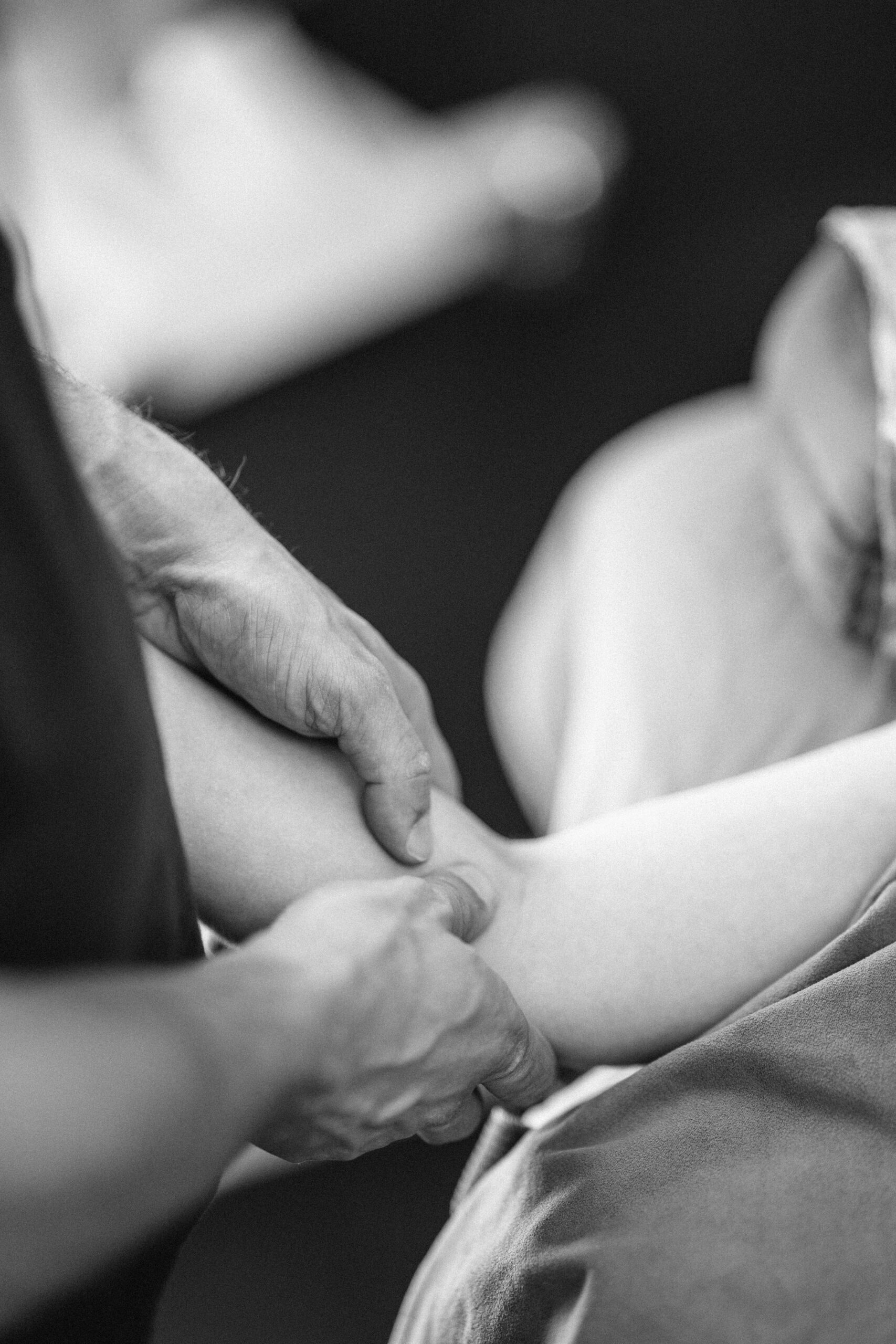
Fibrosis is the body’s natural response to invasive body intervention and to sudden skin dilatation; indeed, it is a common presentation in Lymphoedema too. The fibrotic tissue is a common concern after liposuction, and without proper care, tissue can become firm and lumpy, affecting the final aesthetic result.
Here is how MLD supports the breakdown and prevention of fibrosis:
- Increasing lymph flow
- Softening congested areas
- In the fibrotic area, we apply strong pressure (still pain-free) to break fibrosis down
- Encouraging natural tissue remodelling
That’s where more frequent treatment is most helpful. To break and manage fibrosis at its best.
Preparing the Body Before Surgery
The reason why MLD should be considered as a pre-operative intervention too, lies in the fact that a stimulated Lymphatic System place you in an advantageous position along the recovery process, by improving lymphatic circulation, creating better conditions for tissue recovery after surgery.
When Should You Start MLD After Liposuction?
Once the surgery has been delivered, the ideal time to begin MLD is as soon as you have finished your course of antibiotics, as long as:
- All open wounds are closed, and
- No infection is present.
The above are essential precautions to prevent the spread of infections. Also, the early start of MLD practice would ensure the best outcome post-surgery.
What To Expect from MLD Treatment Post-Liposuction
While many patients find out about MLD only after they receive the surgery, and this often happens when they have their surgery overseas, in countries like Turkey, Thailand, Bali, they are still not sure till the time they meet me, what MLD treatment would be about for their post-surgery recovery.
In this case, I always explain in detail what the treatment is going to be about, starting with and overview of:
- What is the lymphatic system
- How we stimulated
- What you should expect post-treatment, and what to do and not to do
- Healing time frame
Other topics I had to share and reassure my patients about are:
- MLD is not painful
- There is no body fluid extraction
- I am not going to push liquid out of your incision
- Yes, you need to drink plenty of water post-treatment
I found that patients who undergo liposuction, especially in Turkey, come back with tough stories about acute post-surgery care, where they get their incision reopened, and liquid milked out from there.
THIS IS A DANGEROUS PRACTICE AND IS NOT MLD AND IS NOT WHAT I OFFER ANYWHERE UNDER ANY CIRCUMSTANCES.
How Should You Prepare Yourself for and MLD Treatment?
Here is a list of things to be aware of before you go for and MLD treatment:
- Food and water – You can eat a light meal a few hours before your treatment and ensure you drink only water before and after the treatment.
- Strictly avoid alcohol – Avoid any form of intoxication before and after treatment, as this can make you really sick and unwell
- Medication and Clinical History – In the initial consultation form, you must declare any medication you are taking or have taken and your clinical history, to ensure no contraindications for MLD are present.
- Avoid cream or lotion – Application of cream or lotion on the skin would make the skin slippery and more difficult to stretch, impairing then the stimulation of the lymphatic system
- Post Treatment – MLD is extremely relaxing. Ensure to have some time off after your session, in case you feel like a nap or not doing much.
Those are some of the most important things to consider when going for and MLD treatment.
How Many Sessions Do You Need?
MLD is ideal in the acute sub-acute phase of the post-surgery recovery. In fact, the best outcome recovery is obtained by an early intervention, with:
-
2 to 3 MLD sessions per week in the acute phase (first 2 to 3 weeks)
-
Continuing consistently until swelling, stiffness, and fibrotic areas have resolved (up to 6 to 8 weeks)
As mentioned above, the early and regular intervention helps keep fluid accumulation under control and prevents fibrosis from becoming more established.
Cost and time of MLD treatment post cosmetic surgery
As an initial consultation post cosmetic surgery, I highly recommend booking a 60-minute session. This would give us enough time to have a overview of your presentation, create a treatment plan and deliver your first MLD treatment.
Follow-up can be between 30 and 60 minutes, based on the extent of the surgery and the area to cover.
MLD post-liposuction prices at Melbourne Massage and Treatment – Coburg.
Prices prior to rebates are:
- 60 minutes – $125
- 45 minutes – $115
- 30 minutes – $90
Payment accepted includes cards and cash, and prices are inclusive of GST.
Private Health rebates are available for MLD treatment. The rebate percentage is based on the contract you signed with your provider.
Liposuction Healing Timeline: What to Expect
Liposuction recovery is different for each patient, given the multifactorial reasons, including the location of surgery, age, body type, food intake, rest and more.
During this time, you may experience various body responses. Here is a breakdown:
Week 1–3: Swelling, Bruising, and Pressure
- Moderate to significant swelling
- Feeling of heaviness or tightness
- Stiffness around the treated areas
- Limited mobility depending on the region
- Fluid retention caused by disruption to lymphatic pathways
This is where MLD is most valuable.
Week 3–6: Numbness & Zapping Sensations
It’s very common to experience:
- Numbness due to temporary nerve disruption
- Zapping or electric-like sensations as nerves regenerate
- Increased sensitivity around incision sites
- Localised firmness as fibrosis begins forming
MLD helps soften this tissue and reduce discomfort.
Months 2–6: Tissue Remodelling
During this period:
- We expect swelling to be gone
- Fibrosis is dissolving and may present only at a deeper level
- Mobility improves
- Skin texture becomes more uniform
Most clients reach their “final result” somewhere between 3 and 6 months, with continued improvements up to 12 months.
If you are not sure what to expect from your recovery, reach out now to discuss your post-surgery treatment plan. Melbourne Massage and Treatment is located in Coburg,
Lipoedema and Liposuction: Is MLD Still Recommended?
Liposuction is nowadays getting more traction, also thanks to the increase in people who suffer from Lipoedema.
Even though Liposuction for Lipoedema has to be well planned, and only a few surgeons are trained for this type of intervention, MLD is still an essential treatment for your post-surgery recovery.
While those who suffer from Lipoedema, which is not a lymphatic system disease, may have a general benefit from MLD in their everyday life, when undergoing surgery, they would benefit from MLD as everyone does undergoing such an intervention.
Giovanni La Rocca
Giovanni moved to Melbourne, Australia, from Italy in 2008 and became a citizen in 2017. He started studying massage therapy in 2016, then completed a Bachelor of Health Science in Clinical Myotherapy in August 2024. During those years, he also specialised in Thai Massage and Manual Lymphatic Drainage for presentations like Lipoedema and Lymphoedema and recovery from Cosmetic Surgery. Nowadays, he runs his clinic in Coburg, Melbourne, where he integrates movement therapy into his practice to enhance overall well-being. He also values meditation, having completed several Vipassana courses. Committed to continuous learning, he aims to share his expertise in integrated therapies to help others achieve balance and resilience.