
After two wonderful years in Fitzroy North, I am now ready to announce that Melbourne Massage and Treatment is officially relocating back to Coburg from 1 July 2026. This move marks an exciting new chapter for my clinic, moving into a larger, dedicated treatment space at: 325A Moreland Road, Coburg, VIC, 3058 The new location gives Melbourne Massage and Treatment, Myotherapy and Lymphoedema clinic, the opportunity to grow independently in a space designed specifically for client care, wellbeing, and long-term community connection. A New Space In Coburg for Your Well-Being While Fitzroy North has been an important part of my clinic’s journey, the move back to Coburg comes with exciting opportunities. To start with, the location is a shop-front, and so it provides more visibility. There are still plenty of options to reach the clinic via public transport, and greater potential for the clinic to continue growing. Having a standalone clinic also means clients will now be visiting a dedicated wellness space rather than a room inside a GP clinic. This allows for a calmer and more personalised treatment environment focused entirely on massage, myotherapy, recovery, and movement. At this stage, Melbourne Massage and Treatment will continue operating as a single-practitioner clinic, yes, still only me, but ensuring the same personalised care and attention clients have always received. And you are a Melbourne Massage and Treatment client, you know the effort I put in my work. Thank You to the Fitzroy North Community The support from the Fitzroy North community over the past two years has been genuinely appreciated. Every returning client, referral, conversation, and recommendation has helped Melbourne Massage and Treatment grow. Although relocating back to Coburg was ultimately the right decision for the clinic’s future, the connection with the Fitzroy North community will always remain an important part of the business journey. And luckily, the distance between the old and new locations is only a few minutes by car, or a short public transport journey. Services Available at the New Coburg Clinic All current services will continue to be offered at the new Coburg location, including: Clinical Myotherapy Remedial Massage Fitness Classes Manual Lymphatic Drainage (MLD) Lymphoedema Management Lipoedema Management Thai Massage Thai Yoga Importantly, there will be no price increases to any services following the relocation. Clinic Opening Hours In the new location in Coburg, Melbourne Massage and Treatment will maintain the regular operating hours: Monday to Friday: 9:00 am – 7:00 pm Saturday: 10:00 am – 7:00 pm As I currently work by myself, bookings are highly recommended. However, walk-ins are still welcome whenever availability allows. Clients can check live availability through the online booking system. Parking and Public Transport Now, of course, how can you get there? Well, getting to the new clinic is simple, whether driving or using public transport. Parking 1-hour parking is available directly in front of the clinic: Monday to Friday: 8:00 am – 6:00 pm Saturday: 8:00 am – 4:00 pm There is also plenty of unrestricted parking available on Haig Avenue, located directly next to the clinic. Public Transport Options The clinic is well connected by bus, tram, and train services: Bus 510 – Shamrock St/Moreland Rd stop directly in front of the clinic Tram 19 – Stop 28 (Moreland Rd/Sydney Rd), approximately 10 minutes’ walk Tram 6 – Stop 133 (Moreland Station/Moreland Rd), approximately 10 minutes’ walk Tram 58 – Stop 40 (Moreland Rd/Melville Rd), approximately 11 minutes’ walk Moreland Station – Approximately 10 minutes’ walk Accessibility Information The new clinic space in Coburg is larger and more comfortable; however, please note that the premises currently do not have disabled toilet access. Clients with accessibility concerns are encouraged to get in touch before attending so arrangements and suitability can be discussed. Looking Ahead Returning to Coburg feels like coming home for Melbourne Massage and Treatment. The move represents a fresh start, greater independence, and an opportunity to continue building a trusted local clinic focused on high-quality treatment and personalised care. From clinical myotherapy and remedial massage to lymphatic care and Thai massage, Melbourne Massage and Treatment looks forward to welcoming both returning and new clients to the new Coburg location from 1 July 2026. FAQ
Tag Archives: melbourne massage and treatment

Blog
Facet Joint Irritation and Muscle Weakness: What You Need To Know
In my experience as a Clinical Myotherapist at Melbourne Massage and Treatment Myotherapy and Lymphoedema [...]
Continue readingOct

Blog
Chronic Pain: What it is, and what can you do about it?
Pain is something that we all experience, and it can start after an injury, during [...]
Continue readingOct
Blog
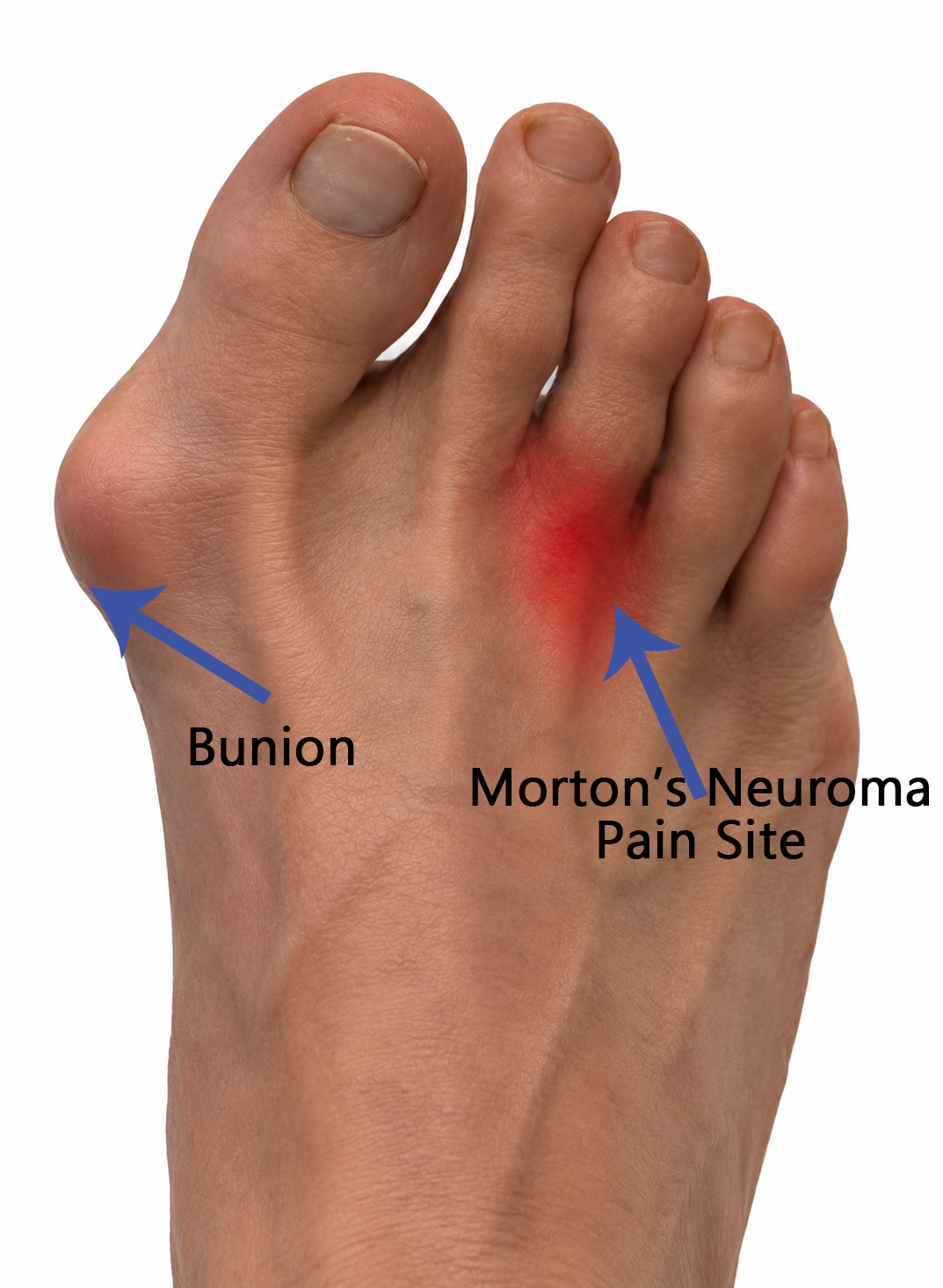
Bunion and Morton’s Neuroma: Can a Bunion Affect Neuroma Recovery?
While a bunion and a Morton’s neuroma are two different foot conditions, if they are [...]
Continue readingSep
Blog
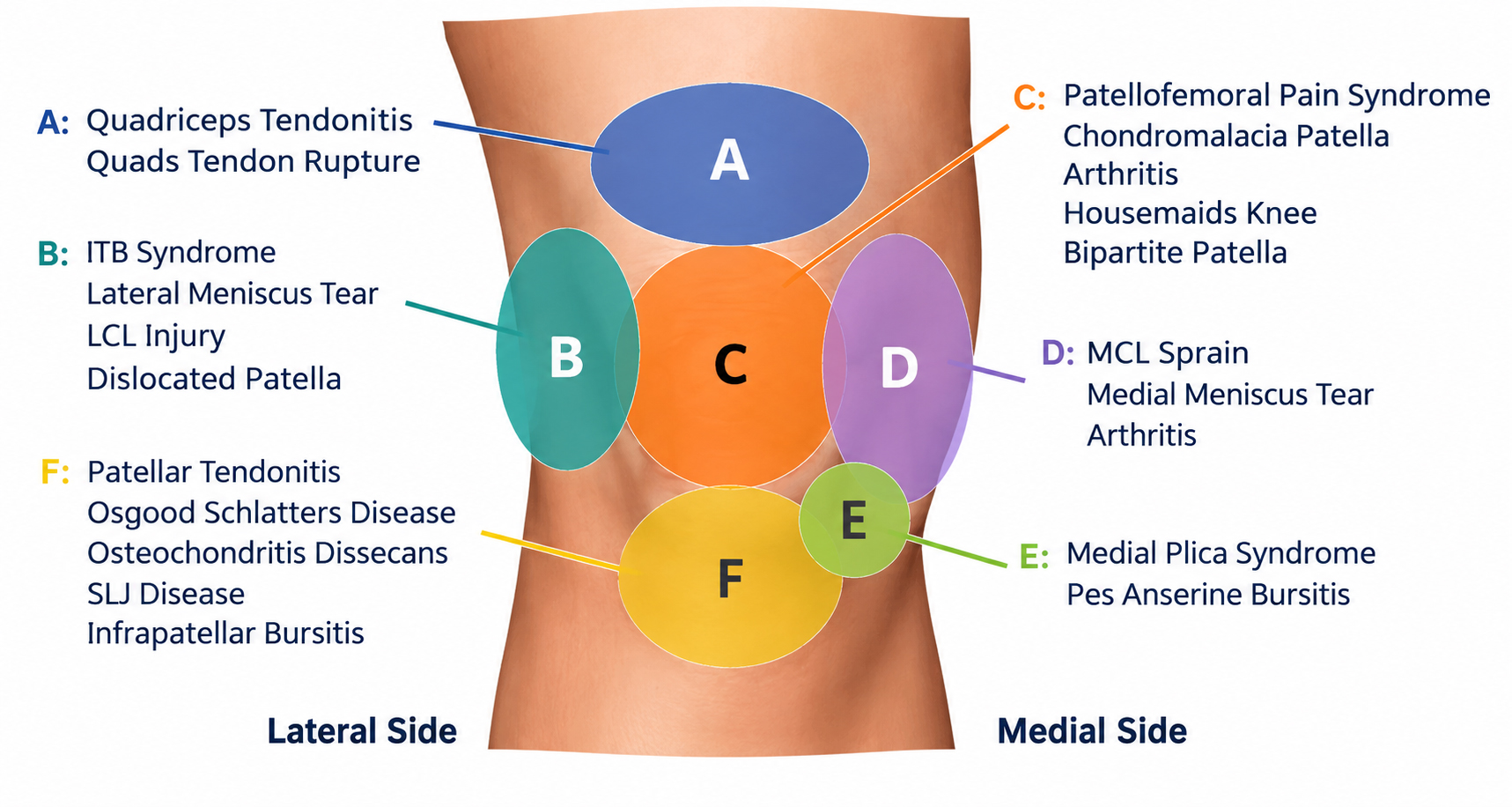
Knee Pain in Coburg
Knee pain is a common form of injury and can affect people of all ages [...]
Continue readingSep

Blog
Post-Surgery MLD Melbourne – Vodder MLD Therapist
Any form of surgery is an invasive procedure for the body to deal with, and [...]
Continue readingSep

May
As a therapist who offers Manual Lymphatic Drainage in Melbourne, I am blown away by how many people come and seek MLD for general wellbeing, and ask me questions like: “What about tapping my body?” “Should I do guasha?” “I have been told my Lymphatic System is sluggish” Indeed, if you’ve spent any time on social media lately, you’ve probably seen endless content about the lymphatic system, and of course, the more time you spend watching them, the more you will be offered. Dry brushing. Guasha. Detox teas. Essential oils. I call those “Social Media, Lymphatic hacks.” They belong only to social media, not to reality and/or science. As someone who practises Manual Lymphatic Drainage in Melbourne (MLD), I think it’s important to explain what the lymphatic system actually does, what MLD is really useful for, and why people often overcomplicate something that the body already does naturally. And honestly, for many healthy people, one of the best things you can do for your lymphatic system is simply go for a walk. What Is the Lymphatic System? To start with, the lymphatic system is part of your body’s immune and fluid regulation system. Its job is to: Help manage fluid balance Support immune function Transport waste products Assist with inflammation and healing It consists of: Lymph vessels Lymph nodes Lymphatic organs Lymph fluid Unlike the blood circulation, the lymphatic system does not have a pump like the heart, and another difference is that the lymphatic system is capable of absorbing substances that are, molecularly speaking, bigger than what the blood stream can do, simply because the capillaries of the lymphatic system have a bigger aperture than those of the blood stream. Then, regarding how the lymphatic system pumps fluid around the body, it is based on the fact that the internal vessel contraction occurs. The more the vessel contracts, the more liquid moves. And those vessels are sensitive to their surroundings, in fact: Muscle contractions Breathing Changes in pressure Everyday movement Those are all factors that stimulate the lymphatic system to work faster. That’s why movement is so important. And consider that in the human Lymphatic System, contraction rates are typically around 1 to 2 times per minute, at rest, where when doing intense visceral activity, it can jump up to 15 contractions per minute. Why Walking Helps Your Lymphatic System Now, we can than easily understand that every time we walk, our muscles gently contract and relax, and specifically, the calf muscles are the ones that work the most, and are the ones responsible for assisting both the lymphatic and blood systems to push liquid upwards, against gravity. So, walking acts like a natural pump for lymphatic flow, and it can help with: Encourage fluid movement Support circulation Reduce stiffness Improve breathing mechanics Support general recovery and wellbeing Reduce stress Your body evolved to move lymph through normal human movement. Not through expensive “detox” products. Not through aggressive scraping tools. Not through viral wellness trends. Simple movement works remarkably well. What About Dry Brushing and Guasha? Ok, I will be honest on this one: this is where social media often exaggerates things. There is currently no strong scientific evidence showing that dry brushing or guasha creates a special lymphatic drainage effect in healthy individuals. And I want this message to be clear: we are talking about healthy individuals, who are the vast majority of us. That doesn’t mean people cannot enjoy those practices, because they still have a meaning and a use. Indeed, any skin gentle stimulation would still have a major impact on the nervous system, specifically the parasympathetic (rest and digest one), which means it can still have a relaxation effect. Therefore, dry brushing may: Exfoliate the skin Increase temporary circulation at the surface Feel relaxing Guasha may: Feel relieved of muscle tension – and again, this is a nervous system response Temporarily increase local blood flow But neither appears to “detox” the body or dramatically improve lymphatic drainage in the way social media often claims, and most importantly, none of the effects mentioned above last for a long time, nothing like or in comparison to a good walk or exercise time. So let’s be clear about what does what, and let’s remember that the human body already has highly sophisticated systems for managing waste and fluid balance: The lymphatic system The liver The kidneys The lungs The digestive system And again, most healthy people do not have a “blocked” lymphatic system. What science says about those tools? Interestingly, even some of the more positive research around guasha comes with important limitations that are often ignored on social media. Indeed, a study published by Sun‐hee A. et al (2025) that looked at facial roller massage and guasha found some short-term improvements in facial contour measurements, muscle tone, and skin elasticity. However, the researchers themselves acknowledged several limitations, including: The small sample size – only 34 participants The short 8-week duration – already longer than other studies They only looked at temporary aesthetic outcomes rather than meaningful health changes to the lymphatic system itself In fact, the study did not demonstrate that guasha “detoxifies” the body or improves lymphatic drainage in healthy individuals. In other words, while these techniques may temporarily affect appearance, circulation, tissue tension, or relaxation, that is very different from the dramatic claims often made online about “flushing toxins” or “resetting” the lymphatic system. Where Manual Lymphatic Drainage (MLD) Can Be Helpful Ok, if you got this far in the blog, it means you are actually serious about your wellbeing. Great! As a Clinical Myotherapist and Vodder MLD therapist, I am with you. Now, it is important to separate evidence-based treatment from wellness marketing. Manual Lymphatic Drainage (MLD) is a gentle, specialised treatment approach designed to support lymphatic flow and fluid movement. MLD can be beneficial for people experiencing: Lymphoedema Lipoedema Chronic venous insufficiency Post-surgical swelling Scar recovery Chronic inflammation Swelling after injury Sunburn recovery MLD may also support general well-being because it is deeply […]
Mar
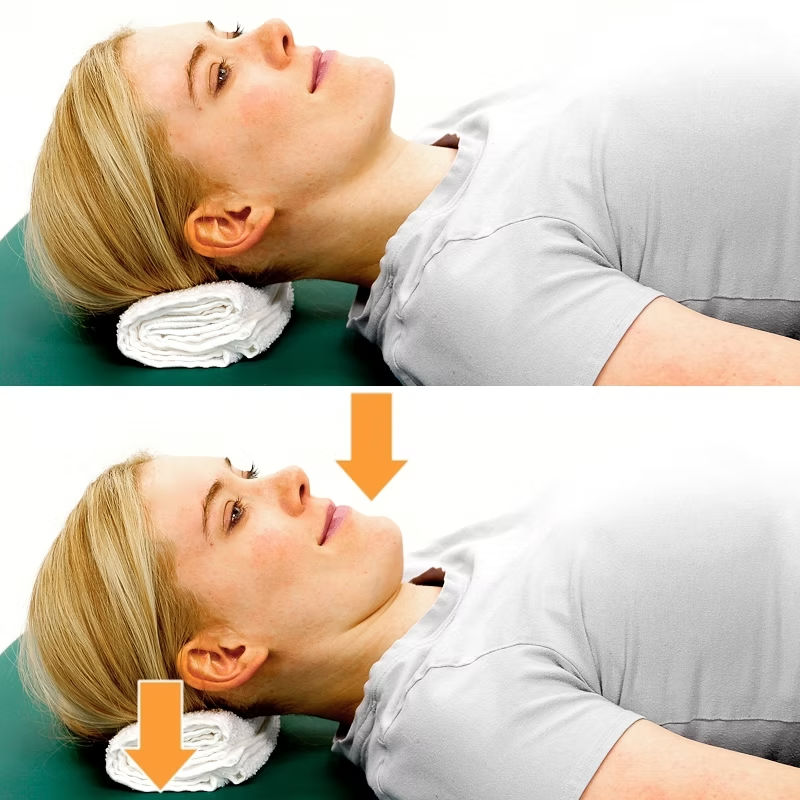
Neck pain is such a common presentation, and often I have to hear from my clients that it is due to them storing stress in their neck or shoulder. I can’t think of how many times I heard this, and how many times I than have to ask questions like: “When was the last time you did some neck-strengthening exercises or movement for your neck?” “If you work in an office, how many screens do you have in front of you, and which one do you look at more often?” “Have you ever had a whiplash? And if yes, have you done anything about it?” As you would imagine, the answers are anticipated by a moment of silence, thinking and then in order of question: “I never do neck strengthening exercises, at best I do some stretching”. “2 or 3 screens and I look at the one on one side most of the time”. “Yes, but it was xx years ago, and I haven’t done anything about it, as I was too young to care about it”. Now, I believe that those answers are already going to give you an idea of where that pain may come from. In fact, the neck isn’t just tight, it’s often weak and poorly controlled. To fix that, we need to understand how the neck actually works and how we can strengthen it. Why Neck Strengthening Matters (Mobility vs Stability) Each cervical spine is unique, and we can all present with different needs and capacities for movement. Indeed, a hypermobile person may find their neck to be really mobile and easy to twist and turn. Hypermobility, as discussed many times, is an advantage for flexibility, but it comes with the cons of joint weakness and a higher risk of joint injuries. So, when looking at the cervical area, we may notice that it sits at the top of the joint chain, meaning everything from your shoulders to your lower back influences it. Specifically, the cervical is made of 2 joint sessions: The upper neck (C1-C2) is built for mobility (turning, nodding) The lower neck (C2-C3) is built for stability (supporting your head) When that balance is off, you’ll often notice: Neck stiffness Headaches “Poor posture” (forward head position) Ongoing discomfort Fortunately, those statements are backed up by recent research that shows how strengthening deep neck muscles improves pain, posture, and neuromuscular control, especially when mobility and stability training are combined. Chin Tucks (Deep Neck Flexor Strengthening) Chin Tucks are simple and effective neck strengthening exercises that I often prescribe for neck pain. Let’s then look at a series of progressions for this type of exercise: Chin-Tuck in all four: Position yourself in all four, with hands under the shoulder, and knees under the hips You will be looking at the floor where you have placed an object, right between your hands. Now retract the chin, while you keep looking at the object between your hands. Release the chin and repeat. This version of chin tuck is ideal for: Early rehab. People with pain or poor control. Learning correct movement without compensation. Chin-Tuck in sitting or standing position: Sit or stand upright (standing is the ultimate progression). Gently pull your chin straight back (like making a double chin). Keep your eyes level. Anyhow, you are going to do these exercises, ensure to do them slowly, and take your time doing them. 4 to 5 second tempo. Why Chin Tuck Works for Your Neck Strengthening This exercise activates your deep cervical flexors, which are the stabilising muscles that support your neck. Those muscles can be defined as stabilisers as they go from the thoracic vertebrae to the upper cervical vertebrae, for the longus capitis, which originates in the lower portion of the cervical (C3-C6) and inserts at the basilar portion of the occipital bone. When these muscles are weak: Your head shifts forward Larger muscles overcompensate (SCM) Pain builds over time Isometric Neck Exercises (Build Stability in All Directions) Isometric exercises are an optimal exercise that places major focus on tendons and ligaments, and are ideal for acute symptoms and warm-up pre-training. How to do it: Place your hand on your forehead and gently push into it (no movement) Repeat on: Back of your head Left side Right side Hold each for 5–10 seconds Perform 5 reps per direction This form of exercise can be applied in any direction of movement, such as flexion, extension, lateral flexion, rotation and mixed movement, like flexion on the diagonal side. Why it works: Isometric exercises are applied to pain-free range of motions, so while you move and contract the tissues, you are not experiencing pain, your brain gets triggered to be safe while the body moves, and your musculoskeletal tissues get looked after as they get activated and contract. This would help in improving joint stability and control. Shoulder Shrugs – Let’s Make Those Muscles Work Shoulder shrugs are a simple but effective way to build neck stability through the upper trapezius, which plays a key role in supporting the cervical spine as part of the broader joint chain. How to do it: Take in your hands a pair of weights, or an elastic band, which would you make pass under your feet. Gently lift your shoulders up toward your ears, pause briefly, then lower them with control. Why it works: Shoulder shrugs exercise does work by placing shared-load capacity between the neck and shoulders, reducing the strain on the cervical spine. On the other hand, when working on the cervical joints, it is ideal to intervene also on joints that are muscle-connected to the cervical itself, by adding global muscular support, which is essential for everyday loads. How These Exercises Fit Into the Joint Chain Your neck doesn’t work alone. As mentioned in many other blogs, all the body’s joints are part of a bigger system, the joint chain of mobility and stability. Therefore, if you present with: Tight shoulders A stiff thoracic spine Lack of movement […]