In Australia, Chronic Venous Insufficiency (CVI) affect more women than men, with a ratio of 25%–40% in women and 10%–20% in men (Al Shammeri et al., 2014). As a consequence of this condition, swollen legs are a common concern. CVI occurs when the veins in the legs struggle to return blood efficiently back to the heart, often leading to leg swelling, heaviness, aching, and visible varicose veins. At Melbourne Massage and Treatment in Fitzroy North, since I specialised in Lymphoedema therapy, I regularly support clients experiencing leg swelling related to venous conditions too. Understanding how to manage the condition can significantly improve comfort, mobility and long-term leg health. What Is Chronic Venous Insufficiency? Chronic venous insufficiency is a condition defined as chronic when lasting for more than 3 months. CVI develops when the valves inside the leg veins become weakened or damaged and stop acting as they should, which is why blood finds difficulty in flowing back to the heart. This results in swelling in the lower legs. Common symptoms include: Persistent swelling in the lower legs or ankles Aching, heaviness or fatigue in the legs Skin changes such as dryness or discolouration Varicose veins Tightness or discomfort after prolonged sitting or standing Without appropriate management, CVI can progress and increase the risk of skin complications or infection. The Different Levels of Chronic Venous Insufficiency Find below a table that describes how Clinical, Etiological, Anatomical, and Pathophysiological (CEAP) classify chronic venous insufficiency. Stage Description C0 No visible/palpable signs of venous disease C1 Telangiectasias or reticular veins C2 Varicose veins C3 Oedema C4 Skin changes secondary to chronic venous disease (haemosiderin, lipodermatosclerosis, atrophie blanche) C5 Healed ulcer C6 Recurrent active venous ulcer The more advanced the stage, the more likely the hospitalisation of the patient for infections. This is not only a cost to the public health system, but to the Australia popolation too. Compression Therapy: A Key Part of Managing Swollen Legs The most effective way to manage swelling related to Chronic Vein Insufficiency is compression therapy. Compression garments are helpful as they apply controlled pressure to the legs, which supports the veins and encourages blood and fluid to move back toward the heart. Unfortunately, there is no quick fix for swollen limbs, and for many people with chronic swelling, compression becomes an essential part of daily management. But, you have to be aware that compression should always be prescribed and fitted appropriately. Indeed, the compression has to have the right gradient pressure, so stronger pressure at the bottom and weaker at the top; otherwise, we risk getting the liquid stuck in the leg and not moving. On the other hand, with certain arterial conditions, compression may not be suitable; therefore, it is important that you talk to your GP about getting a referral to a vein specialist to know what’s the best approach for your swollen legs. When Varicose Veins Are Present If varicose veins are present, low-level compression is often recommended initially. This provides gentle support to the venous system while remaining comfortable for everyday use. The goal is to: Support vein function Reduce fluid build-up Improve comfort during daily activities Help prevent worsening swelling In fact, each individual may require a different compression level depending on their condition and tolerance, but also the integrity of the skin. Compressions indeed are tight to put on, and for those with weak and fragile skin, it can be difficult to maintain skin integrity while wearing compression. Why Flat-Knit Compression Garments Are Often Recommended For clients with persistent swelling or changes in limb shape, flat-knit compression garments are frequently recommended. Flat-knit garments offer several advantages: They provide stronger containment for swelling They can be custom-fitted for better comfort and effectiveness – class 3 and 4 They help prevent fluid from accumulating in specific areas They are often more suitable for long-term management Because every leg shape and swelling pattern is different, proper measurement and fitting are essential. At Melbourne Massage and Treatment, Lymphoedema clinic in Fitzroy North, I provide assessments and measurements for your swollen legs, so that I can provide garments that fit you for your specific presentation. Accessing Compression Garments Through the SWEP Program (Victoria) If you live in Victoria, you may be eligible to access compression garments through the SWEP program (State Wide Equipment Program). SWEP helps eligible residents obtain essential medical equipment, including compression garments used in the management of venous conditions and lymphatic swelling. As a SWEP-registered therapist, I can guide clients through the process, including: Clinical assessment Measurement for appropriate compression garments Assistance with the SWEP application process Ongoing monitoring and adjustments The SWEP is free to access and does provide funding for 4 garments a year, specifically: $150 per garment if off the shelf $300 per garment if made on measurements For Chronic Vein Insufficiency, most often the off-the-shelf garments are the ones to go for. But still, you have to know what class would best work for you, and what size would best work for you. Movement: An Often Overlooked Therapy Movement, as per my favourite medicine, is another important component in managing swollen legs. In fact, blood flow, but even lymph flow, happens better when muscles contract and work. For the legs, the calf muscles act as a natural pump, helping push blood and fluid upward when we walk or move. When we remain seated or standing for long periods, this pump becomes less effective. Simple strategies include: Regular walking Gentle ankle movements during long periods of sitting Light leg exercises Avoiding prolonged immobility when possible Even small amounts of regular movement can make a noticeable difference in managing swelling. Protecting the Skin: A Crucial Step in Preventing Infection People with chronic leg swelling are more vulnerable to skin breakdown and infection, and this is due to a series of reasons, such as: Increased venous pressure damages small blood vessels Reduced oxygen and nutrient delivery to the skin Chronic swelling stretches and weakens the skin Inflammation causes skin changes Keeping the skin […]
Tag Archives: lymohoedema
Blog
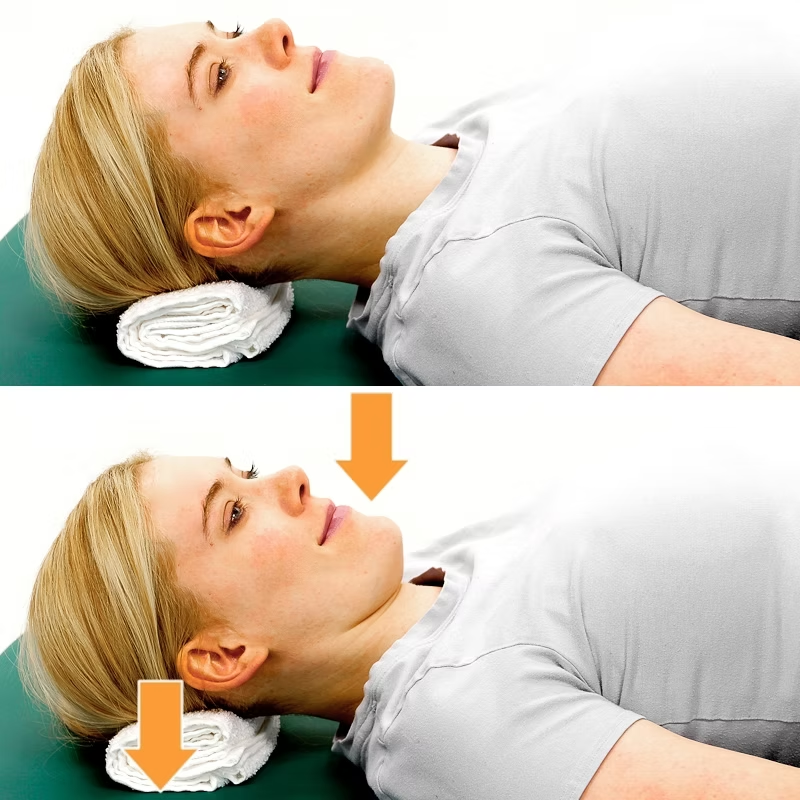
Your Neck Matters! 3 Neck Strengthening Exercises To Stop The Pain
Neck pain is such a common presentation, and often I have to hear from my [...]
Continue readingMar
Blog
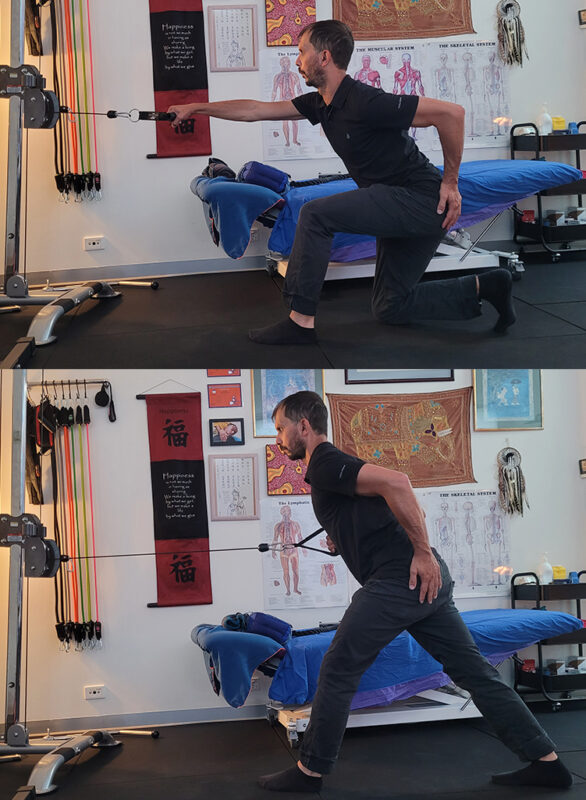
There Is No “Perfect” Lunge. Let’s Find Out Why.
While I guide my client during a 1:1 fitness class at Melbourne Massage and Treatment, [...]
Continue readingMar

Blog
Why the Gluteus Medius Is Essential for Balance, Longevity and Fall Prevention
One thing that can really create terror while we age is falling. No matter the [...]
Continue readingMar
Blog
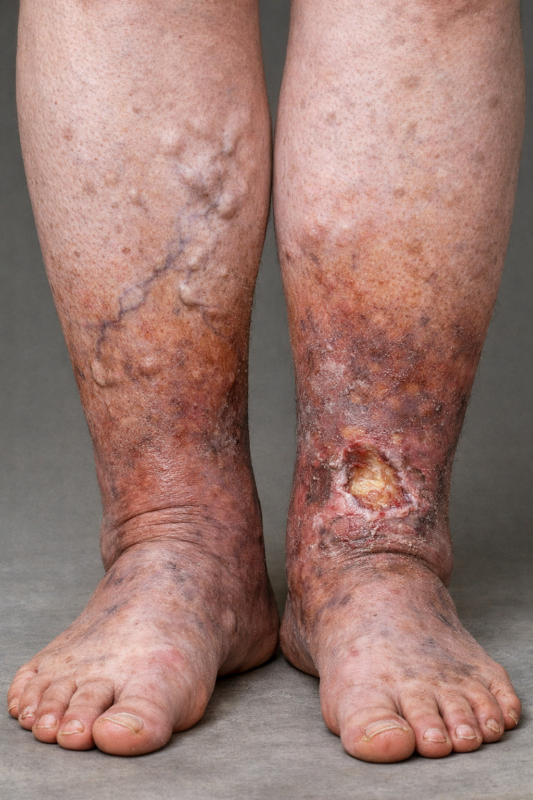
Chronic Venous Insufficiency and Swollen Legs: Compression Is The Way To Go
In Australia, Chronic Venous Insufficiency (CVI) affect more women than men, with a ratio of [...]
Continue readingMar
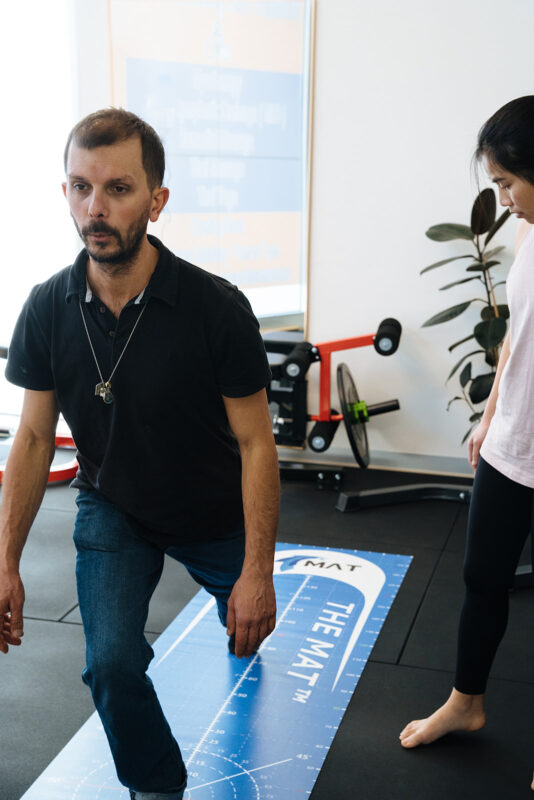
Blog
It Is Never Too Late To Join A 1:1 Fitness Class
At Melbourne Massage and Treatment in Fitzroy North, as a clinical Myotherapist, I am enthusiastic [...]
Continue readingMar
Nov
Lymphoedema is a chronic condition that can cause swelling, discomfort, and a range of other symptoms, typically in the arms or legs. It’s often the result of damage to the lymphatic system, either through surgery, radiation, or other health conditions. For many people living with lymphoedema, managing the symptoms can be challenging. However, with the right care and treatment plan, individuals can experience significant improvements in their quality of life. In Melbourne, the Melbourne Massage and Treatment Clinic in Fitzroy North offers specialized care for lymphoedema patients through its NDIS (National Disability Insurance Scheme) services. Led by Giovanni, a skilled practitioner in lymphoedema management and myotherapy, the clinic provides essential treatments that help manage and reduce the symptoms of lymphoedema. Understanding Lymphoedema and the Importance of Treatment Lymphoedema occurs when lymph fluid builds up in the tissues, causing swelling and restricted movement. This condition can be secondary to cancer treatment (such as surgery or radiation), infections, or congenital defects in the lymphatic system. While there is currently no cure for lymphoedema, with the right treatment, symptoms can be managed, and flare-ups minimized. Managing lymphoedema typically involves a combination of therapies, including manual lymphatic drainage (MLD), Complete Decongestive Therapy (CDT), exercise, and skin care. These approaches help reduce swelling, improve circulation, and prevent further complications. Proper care is crucial for maintaining long-term health and mobility. NDIS Support for Lymphoedema Treatment For individuals living with lymphoedema, accessing specialized treatment can often be a barrier due to cost and availability. This is where the National Disability Insurance Scheme (NDIS) comes in. The NDIS provides funding for people with disabilities to access essential services that help improve their daily lives and overall well-being. For those with lymphoedema, NDIS funding can be used to cover the costs of treatment and management, including therapies like lymphatic drainage massage, myotherapy, and other allied health services. At Melbourne Massage and Treatment, Giovanni offers NDIS-approved services that cater specifically to lymphoedema patients. As a skilled myotherapist, Giovanni uses a combination of hands-on techniques to relieve the symptoms of lymphoedema. His holistic approach helps patients not only manage their swelling but also reduce pain, improve mobility, and enhance their overall quality of life. Myotherapy and Its Role in Lymphoedema Management Myotherapy is an effective therapeutic technique used to treat muscular pain and dysfunction. It involves manual therapy, massage, and exercise prescription to relieve pain, improve movement, and restore function. In the context of lymphoedema, myotherapy can complement other treatments by targeting the muscles and soft tissues surrounding the swollen areas, helping to improve lymphatic flow and reduce fluid retention. Giovanni’s expertise in myotherapy makes him uniquely qualified to treat lymphoedema patients. By combining myotherapy with other lymphoedema treatments, such as manual lymphatic drainage and compression therapy, Giovanni provides comprehensive care that addresses the condition from multiple angles. Services Offered at Melbourne Massage and Treatment Melbourne Massage and Treatment in Fitzroy North is a trusted clinic for those seeking NDIS services for lymphoedema. The clinic offers a range of treatments designed to help manage and improve the symptoms of lymphoedema, including: 1. Manual Lymphatic Drainage (MLD): A gentle, hands-on technique that stimulates the lymphatic system to promote the movement of lymph fluid, reducing swelling and improving circulation. 2. Combined Decongestive Therapy (CDT): The use of compression garments or bandages to prevent further fluid buildup and promote the efficient movement of lymph fluid through the body. 3. Mobilisation: A myotherapy hands on treatment that aims to improve the joint mobility, that would improve your capacity of movement. 4. Exercise Prescription: A tailored exercise program designed to improve lymphatic circulation and prevent muscle stiffness and atrophy. 5. Skin Care and Education: Advice on proper skin care to prevent infections and skin breakdown, which can be a common concern for those with lymphoedema. Why Choose Melbourne Massage and Treatment for Lymphoedema Care? At Melbourne Massage and Treatment, Lymphoedema Clinic, Giovanni’s approach to lymphoedema care is based on a deep understanding of the condition and its impact on daily life. The clinic is committed to providing personalized, compassionate care to every patient, ensuring that they receive the support they need to manage their lymphoedema effectively. The clinic’s NDIS services ensure that patients can access high-quality treatment without the financial strain that can often come with ongoing medical care. With Giovanni’s expertise and the clinic’s holistic approach to lymphoedema management, patients can experience a noticeable improvement in their symptoms, making it easier to manage their condition and enjoy a better quality of life. Get Started with NDIS Services at Melbourne Massage and Treatment If you or a loved one is living with lymphoedema and is seeking NDIS support for treatment, Melbourne Massage and Treatment in Fitzroy North offers expert care that can help. Giovanni’s personalized approach ensures that each patient’s treatment plan is tailored to their specific needs, and with the NDIS funding, these services are made more accessible. To learn more about how Giovanni and the team at Melbourne Massage and Treatment can help you manage your lymphoedema symptoms, or to book now a “15 minutes free initial consultation appointment” or visit the clinic’s website to contact Giovanni directly. By offering NDIS services specifically designed for lymphoedema patients, Melbourne Massage and Treatment provides a vital resource for those in need of expert care. With the right treatments and ongoing support, lymphoedema patients can lead more comfortable, healthier lives.

Nov
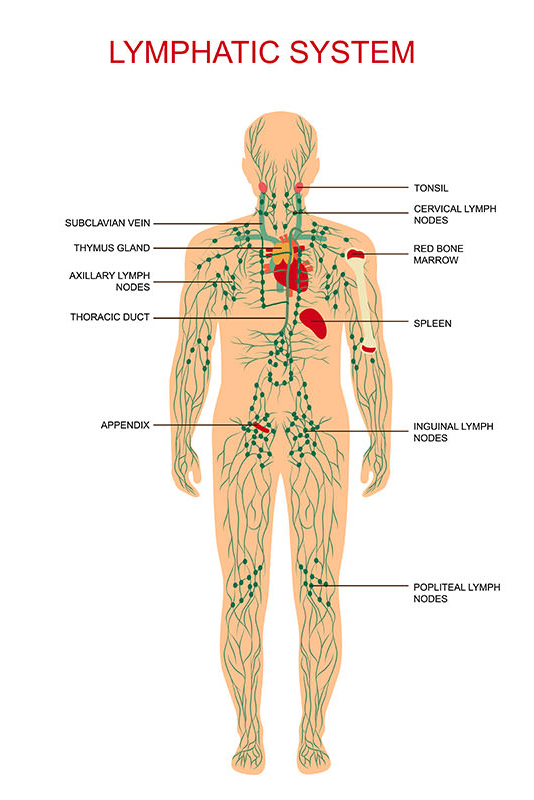
When it comes to nurturing our health and well-being, many of us tend to overlook one of the body’s most vital systems—the lymphatic system. This system plays a key role in immune function, detoxification, and overall fluid balance. If you’re looking to manage a condition like lymphoedema, Lymphatic Drainage Massage can be a powerful treatment. At Melbourne Massage and Treatment in Fitzroy North, we offer expert Lymphatic Drainage Massage to support your body’s natural detox processes and help manage lymphatic health. Understanding Lymphatic Drainage Massage Lymphatic Drainage Massage is a specialized technique designed to stimulate the lymphatic system, encouraging the natural flow of lymph—the fluid that helps remove toxins and waste from your body. Using gentle, rhythmic strokes, the therapist focuses on areas where lymph nodes are most concentrated, such as the neck, armpits, and groin. The massage promotes the movement of lymph fluid, which can enhance detoxification, improve circulation, and reduce swelling. While traditional massage focuses on muscle relaxation and tension relief, Lymphatic Drainage Massage works primarily on the lymphatic system only. It helps the body to flush out toxins, support the immune system, and restore fluid balance. Whether you’re seeking general wellness benefits or a specific treatment for lymphatic concerns, lymphatic drainage massage effectively supports your body’s natural detox process. Lymphoedema: A Condition That Benefits from Lymphatic Drainage Lymphoedema occurs when the lymphatic system is unable to properly drain fluid, leading to swelling, often in the arms or legs. This can result from a variety of causes, including surgery, injury, cancer treatments, or even a congenital condition. The swelling is not always painful, but may lead to mobility issues and skin problems if not properly managed. Lymphatic Drainage Massage is a highly effective treatment for individuals suffering from lymphoedema. By gently stimulating the lymphatic system, LDM can assist in moving excess fluid away from the affected areas, reduce swelling, and alleviate the discomfort associated with the condition. In addition, LDM can help prevent the worsening of symptoms and improve the quality of life for those managing chronic lymphoedema. How Lymphatic Drainage Works Lymphatic Drainage Massage targets specific areas of the body where lymph nodes are concentrated, using light pressure and rhythmic movements to help move stagnant lymph fluid. The techniques used in LDM include: Pumping Motions: Gentle, rhythmic movements help stimulate the flow of lymph fluid through the vessels and nodes. Circular Strokes: Circular, light strokes are applied to areas where lymph is likely to stagnate. Pressure Application: Gentle, controlled pressure is used to help the lymphatic system move fluid without causing discomfort. These techniques are designed to work with your body’s natural processes, enhancing lymphatic flow and reducing fluid retention. Benefits of Lymphatic Drainage Massage Lymphatic Drainage Massage offers a range of benefits, including: Reduced Swelling (Oedema): LDM is particularly beneficial for those with lymphoedema, helping reduce swelling and discomfort. Detoxification: Encourages the body to eliminate waste products more efficiently, leaving you feeling refreshed and revitalized. Pain Relief: It reduces pain associated with chronic swelling and fluid retention, particularly in conditions like lymphoedema. This is possible because constant mechanical stimulation of the skin stimulates the parasympathetic nervous system, enhancing a relaxation effect. Enhanced Circulation: LDM stimulates the blood and lymphatic flow, helping to improve circulation and reduce the risk of fluid buildup. Conditions for which LDM is Good For Lymphoedema and or Lipedema Post-Surgery Recovery Assists with reducing swelling and speeding up recovery after surgeries, particularly those involving lymph node removal (e.g., cancer surgery). Post-Operative Swelling Helps reduce inflammation and fluid retention following any surgical procedure, such as cosmetic surgery or dental surgery. Swelling reduction would come with improvement in joint mobility. Cellulite Reduction While not a cure for cellulite, LDM can help reduce the appearance of cellulite by improving circulation and promoting lymphatic flow, which aids in the breakdown of toxins and fatty deposits. Detoxification Stimulates the lymphatic system to remove waste products, toxins, and metabolic by-products, enhancing overall detoxification. Fibromyalgia Alleviates some symptoms of fibromyalgia, such as pain and fatigue, by enhancing circulation and promoting lymphatic drainage. Sinusitis and Nasal Congestion LDM can help reduce sinus congestion and improve drainage in the sinuses, alleviating discomfort associated with sinus infections or chronic sinusitis. Migraines and Tension Headaches Promotes relaxation, reduces muscle tension, and supports lymphatic flow, which can help reduce the frequency and intensity of headaches. Skin Conditions (e.g., Acne, Psoriasis, Eczema) Improves circulation and supports the elimination of toxins, which can contribute to healthier skin and help with inflammatory skin conditions. Pregnancy-Related Swelling (Edema) Reduces fluid retention and alleviates swelling in the legs, ankles, and feet during pregnancy, offering comfort to expectant mothers. Improved Immune Function Supports the immune system by promoting lymphatic circulation and toxin removal, reducing the likelihood of illness. Stress and Anxiety While not a direct treatment for anxiety, LDM can promote relaxation, ease tension, and reduce stress, benefiting overall emotional and mental health. Improved Circulation Stimulates blood and lymphatic flow, helping to maintain healthy fluid balance in the body and reducing the risk of fluid buildup and stagnation. Sore or Aching Muscles Can aid in muscle recovery by improving circulation, reducing inflammation, and enhancing fluid drainage. Chronic Inflammation Helps reduce inflammation caused by conditions like arthritis, reducing discomfort and promoting healing. Why Choose Melbourne Massage and Treatment for Your Lymphatic Drainage Needs? At Melbourne Massage and Treatment in Fitzroy North, Giovanni understands the importance of tailored care for each individual. On top of his bachelor’s in Health Science Clinical Myotherapy, Giovanni trained in Lymphatic Drainage Massage techniques and took a holistic approach to health and well-being. Whether you are recovering from surgery, managing a condition like lymphoedema, or simply seeking to enhance your overall health, we’ll work with you to create a personalized treatment plan that meets your specific needs. Booking Your Lymphatic Drainage Massage If you’re in Fitzroy North or the surrounding Melbourne areas and are looking for a Lymphoedema Clinic that can help improve your lymphatic health, alleviate swelling, or manage lymphoedema, Lymphatic Drainage Massage can make a […]