

If you’re searching for lymphatic therapy in Fitzroy North, it’s common to see terms like Manual Lymphatic Drainage (MLD) and Lymphatic Massage used interchangeably. As a clinical myotherapist with specialised training in lymphoedema management (MLD since Nov 2021; lymphoedema therapy since Oct 2024, trained with the Vodder Academy), I am here to clarify exactly what these treatments are and why one is clinically recommended over the other — especially for conditions like lymphoedema or post-surgical swelling.
In fact, the importance of understanding the difference between MLD and Lymphatic Massage is vital when you want results that matter, and not just temporary relaxation.
What Is Manual Lymphatic Drainage (Vodder Method)?
Manual Lymphatic Drainage (MLD) is a specialised technique developed by Emil and Estrid Vodder in the early 20th century, and it is characterised by gentle, rhythmic hand movements to stimulate the lymphatic system. The reason behind the gentle and light movement is to ensure that during the treatment, we can stretch the skin and let it recoil naturally; therefore, we stimulate the lymphatic system at its full potential. Therefore, MLD is not a “massage” in the spa sense, it’s intentionally structured to follow physiological lymphatic pathways to support lymph flow.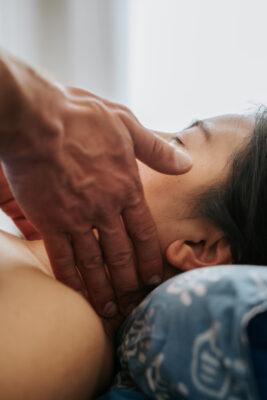
Key points about MLD:
- Trained practitioners follow evidence-based protocols.
- Movements are light, rhythmic, and intentional, not vigorous.
- The “Vodder method” is internationally recognised and taught with strict standards.
- It is often integrated into Complete Decongestive Therapy for lymphoedema.
One recent article explains the theoretical physiology and clinical context of MLD in lymphoedema management. Manual lymphatic drainage: the evidence behind the efficacy (PubMed)
What Is Lymphatic Massage?
“Lymphatic Massage”, on the other hand, is more of a broad term used in wellness settings, like a SPA or massage parlour. The wordling is really similar to Manual Lymphatic Drainage, and is often followed by promises of “encourage fluid movement” or “before and after photos” but:
- Technique quality varies widely by practitioner.
- Some methods use deeper pressure and general strokes.
- It’s largely relaxation-focused, not always aligned with lymphatic anatomy.
- It isn’t generally part of evidence-based protocols for clinical conditions.
In short, MLD is a clinically structured intervention; lymphatic massage is not. Indeed, who promotes Lymphatic massage as a service, often don’t know the pathway of the lymphatic system, and can’t tell you the difference between a Lymphoedema or a Lipoedema, and it may try to sell the fact that Lymphatic massage would detox your body (I will write a blog soon about this detox topic, as it is one of the biggest scam in the health and beauty industry).
Side-by-Side: MLD vs Lymphatic Massage
In the table below is a summary and a comparison between MLD and Lymphatic Massage features.
| Feature | Manual Lymphatic Drainage (Vodder) MLD | Lymphatic Massage |
|---|---|---|
| Based on lymphatic anatomy | ✔ | ✖ |
| Evidence-aligned technique | ✔ | ✖ |
| Suitable for lymphoedema management | ✔ | ✖ |
| Commonly used post-surgery | ✔ | ✖/varies |
| Practised by trained therapists | ✔ | ✖ (wide variation) |
| Relaxation / general wellness | ✔ | ✔ |
Clinical Evidence: What Research Shows About MLD and Lymphatic Massage
As with any form of therapy, even in the case of MLD, the clinical research on MLD isn’t perfect, but the PubMed literature supports its role when used correctly within clinical programs.
Lymphoedema Management
- A randomised controlled trial (RCT) reported that women with breast cancer–related lymphoedema experienced significant limb volume reduction and improved symptoms with MLD as part of therapy.
- A comprehensive systematic review found mixed outcomes but noted MLD’s accepted role in conservative lymphoedema treatment and generally positive effects on swelling and quality of life when integrated with other therapies.
Inflammation & Post-Surgery Support
MLD is also used, and clinical studies provide evidence in the setting of postoperative swelling and pain with orthopedic and cosmetic surgery. Indeed, post-surgery, the body responds with inflammation and swelling, which passes the acute phase, and the clearance of infections is better when moved to ensure the best recovery.
Why MLD Is Clinically Preferred for Lymphoedema
When lymphatic transport is impaired, as in lymphoedema or after surgery, the goal is not just temporary fluid “movement,” but supporting lymphatic drainage physiology. Here’s what clinical practice guidelines emphasise:
Targeted Stimulation
MLD uses gentle but precise hand movements that align with superficial lymphatic pathways and node groups. These are designed to:
- reduce interstitial fluid accumulation,
- activate lymphangiomotoricity, and
- facilitate fluid transport without trauma.
This principle comes directly from the Vodder methodology as taught by the Vodder Academy.
Part of a Larger Management Strategy
Especially in lymphoedema, MLD is one component of a broader therapeutic approach that includes:
✔ compression therapy
✔ movement and exercise
✔ skin care and infection prevention
This integrated strategy has been shown to improve outcomes more than any single therapy on its own.
Post-Surgical Considerations
As discussed in more depth in another blog, when heading for cosmetic and orthopaedic surgery, the recovery process is caractherised by an acute phase of swelling. That’s just teh body dping its thing. But, as we move away from the acute phase, it is essential to ensure that the oedema is reduced.
That’s where MLD and compression therapy are essential. In fact, unlike a typical deep massage:
- MLD supports lymphatic flow without stressing fragile tissues.
- Studies show gentler lymphatic stimulation improves swelling and trismus after surgery.
That’s why many rehabilitation specialists recommend structured MLD over general “lymphatic massage” in this context.
So, What Should You Choose?
As per everything, I reckon that your choice has to be aligned with your goal. Therefore:
- If you need clinical-grade lymphatic support for lymphoedema, post-surgical swelling, or ongoing fluid dysfunction, choose Manual Lymphatic Drainage (Vodder method) delivered by a trained clinician.
- If you want general relaxation and mild fluid support, a lymphatic massage in a wellness setting might feel nice — but it’s not a clinical substitute for MLD in these conditions.
Conclusion From A Clinical Practitioner
At Melbourne Massage and Treatment, Fitzroy North, I integrate MLD with evidence-based clinical reasoning, and not just as a “feel-good massage.” My approach is rooted in training with the Vodder Academy and ongoing lymphoedema therapy practice.
If you’re concerned about lymphatic health, post-surgical recovery, or lymphoedema symptoms, your therapy should be intentional, specific, and clinically sound.
To clear any doubt, keep in mind that I offer a FREE 15-minute online consultation where we can discuss your clinical history, symptoms and goals, and work out the best treatment plan to put in place.
Book Now a FREE 15 Minutes Online Consultation (Option 9)
Giovanni La Rocca
Giovanni moved to Melbourne, Australia, from Italy in 2008 and became a citizen in 2017. He started studying massage therapy in 2016, then completed a Bachelor of Health Science in Clinical Myotherapy in August 2024. During those years, he also specialised in Thai Massage and Manual Lymphatic Drainage for presentations like Lipoedema and Lymphoedema. Nowadays, he runs his clinic in Fitzroy North, Melbourne, where he integrates movement therapy into his practice to enhance overall well-being. He also values meditation, having completed several Vipassana courses. Committed to continuous learning, he aims to share his expertise in integrated therapies to help others achieve balance and resilience.