
Compression therapy is essential for lymphoedema management, and therefore, is worth it write a blog where we are going to talk about what compression is ideal for what lymphoedema presentations, including the mmHg levels. I’m Giovanni, and I run Melbourne Massage and Treatment, a Myotherapy and Lymphoedema clinic in Fitzroy North. I trained with the Vodder Academy in lymphoedema management, and I provide Complete Decongestive Therapy (CDT), which forms the foundation of effective lymphoedema treatment. What Does mmHg Mean in Lymphoedema Compression? As when measuring blood pressure, even when working with Lymphoedema, we use the measuring unit mmHg (millimetres of mercury) when talking about compression. Based on the type of presentation, as lymphoedema therapists, we would recommend different types of compression garments, including flat knit or circular knit. So, here is a short list of the purposes of compression garments: Support the lymphatic system Encourage lymphatic flow Prevent fluid from re-accumulating Maintain the results achieved through CDT Therefore, choosing the correct mmHg compression level is about balancing effectiveness, safety, and comfort, and not only apply some form of pressure on the affected limb. Compression Classes and Lymphoedema Management To simplify how compression garments work, companies like Sigvaris or Juzo grouped the compression into classes or levels, each corresponding to a specific mmHg range. Common Compression Levels Used in Lymphoedema Compression Lower compression levels – 15–20 mmHgOften considered in: Mild lymphoedema Early-stage swelling Fragile or sensitive skin Situations where tolerance is limited Moderate compression levels – 20–30 mmHgCommonly used for: Established lymphoedema Post-intensive CDT Long-term volume maintenance Daily functional support Higher compression levels – 30–40 mmHgUsually required for: Moderate to severe lymphoedema Fibrotic or hardened tissue Significant limb shape changes Swelling that rebounds quickly My personal suggestion is that the correct Compression Level should always be determined following a thorough clinical assessment, in order to avoid fluid retention and waste of money. Why Higher Compression Is Not Always Better Compression level in lymphoedema treatment, as mentioned above, has to be a balance of effectiveness and comfort, and different presentation, with or without fibrosis, mobile or immobile limb, comes with different compression needs. Indeed, applying the wrong type of compression can: Reduce comfort and compliance Increase skin irritation or skin breakdown Compromised lymph circulation Make garments difficult to don and doff In fact, effective Lymphoedema Compression works with the body, not against it, and that’s why for lymphedema presentation compression garments are recommended to be worn after taking specific measurements, that ensure a gradient pressure is applied on the limb, so that the lymph fluid is pushed in the right direction and not towards the extremity of the limb. Compression Levels and Complete Decongestive Therapy (CDT) At Melbourne Massage and Treatment, as part of lymphedema management, I offer MLD as a manual therapy to stimulate the lymphatic system, and CDT (Complete Decongestive Therapy), to reduce the swelling and limb size. More specifically, CDT, can help with: Reduce swelling after the delivery of Manual Lymphatic Drainage (MLD) Improve tissue quality Shape the limb appropriately Prepare the limb for long-term Lymphoedema Compression Help in the breakdown of fibrosis Once the limb has stabilised, compression garments help maintain volume reduction and prevent progression of lymphedema. Professional Assessment Is Essential Certain pharmacies or retail shops (including online one) may sell compression garments, but those are probably not specific enough for a Lymphoedema presentation. Indeed, the appropriate Compression Level depends on: Lymphoedema stage Limb shape and size Tissue texture and fibrosis Skin condition Functional needs and daily activity For compression garments, post MLD and CDT therapies, I refer patients to Sigvaris in West Melbourne, which specialises in medical compression for lymphoedema and ensures accurate fitting and garment selection. Lymphoedema Compression in Fitzroy North Living with lymphoedema can be challenging, and you may find yourself in need of ongoing care and help in navigating information regarding the right compression strategy. At Melbourne Massage and Treatment in Fitzroy North, I provide: Evidence-based CDT Personalised lymphoedema management Clear guidance on Lymphoedema Compressions Collaborative care with trusted compression garment providers So if you’re seeking professional lymphoedema treatment in Melbourne, or want clarity around compression levels and mmHg, I’m here to help. Accessing Compression Garments Through the SWEP Program For some people living with lymphoedema, the cost of Lymphoedema Compression garments can be a barrier to effective long-term management. In Victoria, eligible patients may access support through the State-Wide Equipment Program (SWEP), which provides funding for medically necessary aids, including compression garments for lymphoedema. As a Clinical Myotherapist, I can help you go through the SWEP program in collaboration with your GP. The role of the GP is to write a diagnosis and a referral to the SWEP program, and that’s where I can assist them. After that, you can refer to an approved compression provider, such as Sigvaris in West Melbourne, who can advise on garment selection and fitting. The Swep program for Lymphoedema patients can help with: Reduces the cost of Lymphoedema Compression garments for eligible patients Supports long-term lymphoedema management after Complete Decongestive Therapy (CDT) Ensures clinically appropriate compression through professional assessment FAQ – Lymphoedema Compression Levels
Tag Archives: Lymphodema management

Blog
Shoulder Pain Isn’t Just a Shoulder Problem
Shoulder pain is one of those presentations that can stop you from enjoying your day. [...]
Continue reading 16
Feb
Feb
Blog
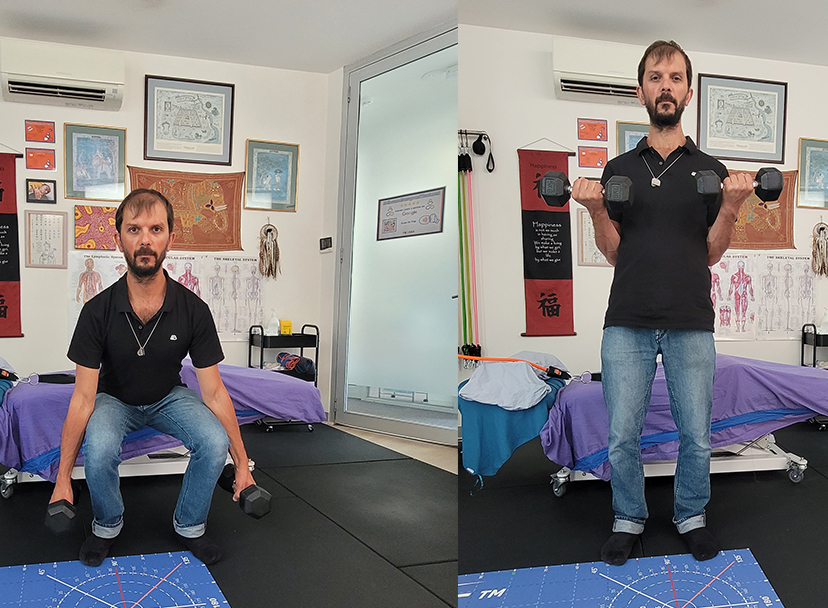
Glutes strengthening – Time To Exercises
Here in Fitzroy North, at my Myotherapy Clinic, I get to work with a wide [...]
Continue reading 09
Feb
Feb
Blog
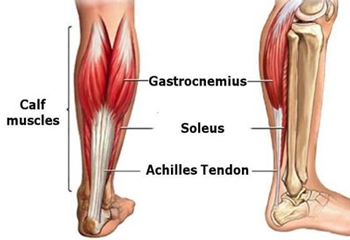
Calf Injury Melbourne – How Can Myotherapy Help With Rehab?
Calf injuries, such as a muscle tear, can be annoying to deal with because they [...]
Continue reading 02
Feb
Feb

Blog
SWEP Program for Lymphoedema: What My Patients Need to Know
In Victoria, Lymphoedema patients are entitled to access the SWEP program (State Wide Equipment Program), [...]
Continue reading 26
Jan
Jan

Blog
Lymphoedema Compression Levels: Understanding mmHg in Compression Therapy
Compression therapy is essential for lymphoedema management, and therefore, is worth it write a blog [...]
Continue reading 19
Jan
Jan