

Muscle tension headache and migraine are two different types of presentation that have in common a pain, which can also be debilitating, in the head area. Back in 2019, in Australia, 3 million people were estimated to suffer from migraine (Wijeratne et al., 2023), where, define how many people are suffering from muscular tension head-ache is a bit more tricky, as is not a presentation that can be easily tracked, due to self managed protocols, and other miss data counting. That said, they have different origins, symptoms, and treatment options. In this blog post, we will explore the key differences between muscle tension headaches and migraines, helping you understand how to identify and manage them. What Are Muscle Tension Headaches? Muscle tension headaches, or tension-type headaches, are the most common. This type of headache originates from cervical or facial muscle tensions, which recreates a pattern of pain on the head of facial area. As with all muscles, but even joints, the pain that we can experience can be local or in an area around the tense spot. These headaches are often linked to stress, lack of good posture, anxiety, and even sleep disturbances. They can be chronic or occasional, but compared to migraine, they lack neurological symptoms. Symptoms of Muscle Tension Headaches: Dull, aching pain or pressure around the head, especially in the forehead, temples, and back of the head. A sensation of tightness or “band-like” pressure around the head. Mild to moderate intensity (usually not as severe as a migraine). Pain can last from 30 minutes to several hours, sometimes even days. Tenderness or tightness in the neck, shoulders, and scalp. Causes of Muscle Tension Headaches: Stress: Emotional and mental stress is one of the primary causes of muscle tension in the neck and scalp muscles. Lack of good posture: Sitting or standing with poor posture and lack of strength in the musculoskeletal system, especially for long work, can strain muscles and trigger headaches. Sleep issues: Sleep deprivation or poor-quality sleep can exacerbate muscle tension and lead to headaches. The body recovers from the fatigue of the day before during sleep, especially in the early morning hours. Sleep deprivation would increase the chance of a headache. Dehydration: Not drinking enough water can lead to tension and headache symptoms. The body withdraws water from the brain to keep the organ functioning, causing physical brain shrinkage, which leads to headaches. Recent studies have indicated that chronic tension-type headaches (CTTH) are often exacerbated by environmental stressors, and poor posture in daily activities can cause muscle imbalance and contribute to the frequency of these headaches (Bendtsen et al., 2018; Grazzi et al., 2016). Treatment Options: Pain relief: Over-the-counter pain relievers, like ibuprofen or acetaminophen, can help ease the discomfort. Heat pack: Applying a warm compress to the neck and shoulders can help relax tense muscles. Keep always in mind that heat application should be limited to 10-15 minutes, once or twice a day. Massage: Gentle massage of the neck and shoulder muscles can reduce tightness and alleviate headache symptoms. Stress management: Practising relaxation techniques such as deep breathing, thai yoga, and meditation can reduce stress and prevent muscle tension headaches. Strengthen muscles: Strengthening the muscles around your cervical and shoulder area can help reduce the chance of suffering a headache by reducing the inflammatory response that the muscle would activate due to a lack of strength. What Are Migraines? As I mentioned above, the significant difference between headaches and migraines is due to neurological symptoms, a unique characteristic of migraines. Migraines are neurological events that involve complex brain activity. They are characterised by intense, throbbing pain, usually on one side of the head. They are often accompanied by other symptoms such as nausea, vomiting, and sensitivity to light and sound. Migraines are more debilitating than muscle tension headaches and can last a few hours to several days. The intensity of the headache doesn’t have to be severe. Symptoms of Migraines: Although many people experience nausea, vomiting, and light sensitivity, migraine symptoms can vary, with some individuals experiencing dizziness or visual disturbances without significant head pain. Throbbing or pulsing pain, usually on one side of the head. Nausea and vomiting. Sensitivity to light, sound, and sometimes smells (aura). Visual disturbances such as flashing lights or blind spots (this is known as an aura, which can occur before or during the headache). Dizziness or feeling lightheaded. Migraines are understood to be primarily driven by neurovascular changes and neuronal hyperexcitability (Feng et al., 2021). A review by Wagner et al. (2021) found that the pathophysiology of migraines involves alterations in neurotransmitter systems, notably serotonin and CGRP (calcitonin gene-related peptide), which contribute to the vasodilation and pain signaling pathways. Causes of Migraines: Genetics: Migraines tend to run in families, suggesting a genetic component. Hormonal changes: For many women, changes in estrogen levels, such as during menstruation, pregnancy, or menopause, can trigger migraines. Environmental triggers: Bright lights, strong smells, certain foods (like chocolate, cheese, or caffeine), weather changes, lack of sleep, and allergies that cause sinus issues are common migraine triggers. Neurological factors: Migraines may involve changes in the brain’s nerve pathways, chemicals, and blood vessels, which cause inflammation and pain. Treatment Options for Migraines: Prescription medications: Triptans and anti-nausea medications are commonly prescribed to treat the acute pain of migraines. Preventive medications: For frequent migraine sufferers, medications such as beta-blockers, antidepressants, or anti-seizure drugs may be prescribed to reduce the frequency and severity of attacks. Lifestyle changes: Regular sleep, a healthy diet, and consistent exercise can help reduce the frequency of migraines. Cognitive-behavioural therapy (CBT): Managing stress through therapy can help alleviate migraine triggers. Alternative therapies: Acupuncture, biofeedback, and massage therapy are sometimes used as complementary treatments for migraine management. Recent studies support preventive treatments for chronic migraines, such as CGRP antagonists (Kundera et al., 2020) and neuromodulation techniques like transcranial magnetic stimulation (Lefaucheur et al., 2017). Key Differences Between Muscle Tension Headaches and Migraines Although muscle tension headaches and migraines involve head pain, they differ […]
Tag Archives: headache

Blog
Face Swelling After Rhinoplasty: What You Should Know
Along with many types of post-cosmetic surgery presentations I get to work with, Rhinoplasty can [...]
Continue readingJan

Blog
Elbow Tendinopathy Rehab: What You Should Know About It?
Elbow tendinopathy, whether it presents as tennis elbow (lateral elbow pain) or golfer’s elbow (medial [...]
Continue readingDec

Blog
Brazilian Lymphatic Drainage vs Vodder MLD
As a therapist who works with Lymphatic Massage in Fitzroy North and post-cosmetic-surgery patients, I [...]
Continue readingDec

Blog
Myotherapy for ACL Rehab in Fitzroy North
ACL stands for anterior cruciate ligament, and is the strongest ligament in the knee. ACL [...]
Continue readingDec

Blog
Liposuction Recovery – How Can MLD Help?
Liposuction interventions are on the rise, driven by the enormous influence of social media on [...]
Continue readingDec
Feb
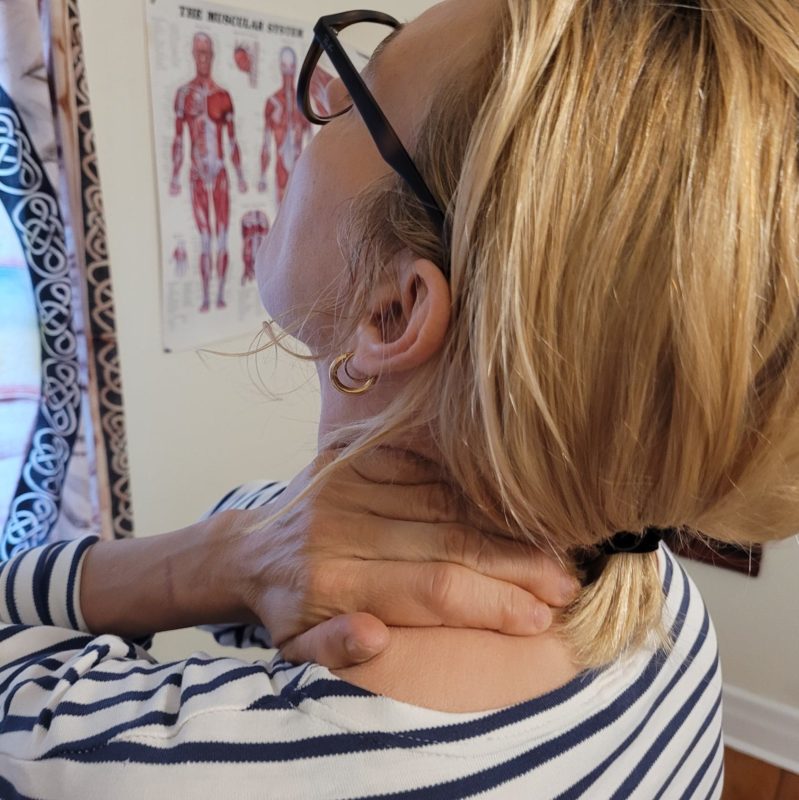
Neck pain is something that we all experience at some point in life, and it is not fun. Neck pain can manifest for very different reasons; it can be chronic, it can come and go, and it can debilitate our day. In this blog, we are going to look at the different aspects of neck pain. Cervical Anatomy – What’s In Your Neck? Firstly, we should understand neck anatomy. The neck is formed by the cervical vertebrae, which run from C0 to C7. Upper Cervical The first 3, so C0, C1, and C2, are a bit unique, given their position and to the muscle that they connect, they can be considered the upper portion of the cervical. Along those 3 vertebrae, we find the Occipital Muscle Group, which we discussed in this blog post. Lower Cervical From C3 to C7, indeed, we have the lower portion of the neck. Along those vertebrae, we find different muscle groups. Some of those connect cervical vertebrae to the thoracic ones, like Splenius Cervicis. Others connect the vertebrae to the scapula or to the skull, like Levator Scapulae and Splenius Capitis. Lastly, we have the upper portion of the Erector Spinae group, which connects the rib cage to the Cervical and Skull area. Like, Longissimus Capitis, Longissimus Cervis, Illiocostalis Cervis and Semispinalis Capitis. Not only muscles On top of all the muscles we mentioned above, the neck is also a busy junction of veins, arteries, nerves and ligaments. So now you may start to understand that neck pain is not only an issue that is muscle-related, but it could be from a combination of reasons. What Can You Do About It? Being in pain is not a fun thing. I can be debilitating and change your mood for the day. If you are experiencing neck pain or any type of pain, always consider this: Pain can be a result of inflammation. An inflammation that lasts 24 to 72 hours is just a body response that is under control. If pain lasts more than 72 hours, it is time to seek help. How Can I Help With Neck Pain? If your neck pain is not settling and you need help, choosing the right type of therapist can really change how your neck feels. At Melbourne Massage and Treatment, in Fitzroy North, when I get someone who presents with neck pain, the first thing I will do is go through their medical history, and I will look at a possible mechanism of action that leads to the neck pain being there in the first place. Once we have an idea, or more awareness of why neck pain manifests, we can consider what the best treatment plan is to go for. Is Massage Enough to Fix Your Neck Pain? Massage, or any form of hands-on treatment, including cupping, dry-needling, and even MLD, is a wonderful technique that can help in settling your symptoms and relieve the initial discomfort. But to really change the presentation and ensure that the neck pain is not a recurring presentation, we need to look into it a bit further, and most luckily, intervene with some form of mobility and strength exercises. Below is a brief breakdown of things that we may want to investigate and how we will address them. Mobility-Stability Joint Chain As mentioned above, the cervical area is composed of two groups of cervical C0-C2 and C3-C7, which are correspondingly mobile and stable joints Below your cervical, we then have the Thoracic portion of your spine, which is a mobile joint (T1-T12). Lack of mobility in this section would then put a lot of stress on your cervical stable portion (C3-C7), which would try to act as mobile, leading to facet joint irritation. History of Whiplash Whiplash is a form of trauma that can affect your cervical joint for years, unless proper rehabilitation is done. To restore your neck pain from a whiplash presentation, we will have to assess the chronicity of the presentation, which may start with some hands-on treatment, like mobilisation and deep tissue massage, and move on to strengthening exercises for the neck and mobility for the thoracic. Neck Pain And Headache Muscular tension headaches are a real thing, and they can affect your daily life, impairing your functionality and ability to deliver a task. Muscular tension headaches are not migraine, and hands-on treatment and exercises have the potential to get you out of pain and restore your well-being. Muscular tension headaches are a result of tension accumulating in your cervical and upper shoulder muscles, which refer pain to a specific spot on your head. FAQs