

If you’re searching for lymphatic therapy in Fitzroy North, it’s common to see terms like Manual Lymphatic Drainage (MLD) and Lymphatic Massage used interchangeably. As a clinical myotherapist with specialised training in lymphoedema management (MLD since Nov 2021; lymphoedema therapy since Oct 2024, trained with the Vodder Academy), I am here to clarify exactly what these treatments are and why one is clinically recommended over the other — especially for conditions like lymphoedema or post-surgical swelling. In fact, the importance of understanding the difference between MLD and Lymphatic Massage is vital when you want results that matter, and not just temporary relaxation. What Is Manual Lymphatic Drainage (Vodder Method)? Manual Lymphatic Drainage (MLD) is a specialised technique developed by Emil and Estrid Vodder in the early 20th century, and it is characterised by gentle, rhythmic hand movements to stimulate the lymphatic system. The reason behind the gentle and light movement is to ensure that during the treatment, we can stretch the skin and let it recoil naturally; therefore, we stimulate the lymphatic system at its full potential. Therefore, MLD is not a “massage” in the spa sense, it’s intentionally structured to follow physiological lymphatic pathways to support lymph flow. Key points about MLD: Trained practitioners follow evidence-based protocols. Movements are light, rhythmic, and intentional, not vigorous. The “Vodder method” is internationally recognised and taught with strict standards. It is often integrated into Complete Decongestive Therapy for lymphoedema. One recent article explains the theoretical physiology and clinical context of MLD in lymphoedema management. Manual lymphatic drainage: the evidence behind the efficacy (PubMed) What Is Lymphatic Massage? “Lymphatic Massage”, on the other hand, is more of a broad term used in wellness settings, like a SPA or massage parlour. The wordling is really similar to Manual Lymphatic Drainage, and is often followed by promises of “encourage fluid movement” or “before and after photos” but: Technique quality varies widely by practitioner. Some methods use deeper pressure and general strokes. It’s largely relaxation-focused, not always aligned with lymphatic anatomy. It isn’t generally part of evidence-based protocols for clinical conditions. In short, MLD is a clinically structured intervention; lymphatic massage is not. Indeed, who promotes Lymphatic massage as a service, often don’t know the pathway of the lymphatic system, and can’t tell you the difference between a Lymphoedema or a Lipoedema, and it may try to sell the fact that Lymphatic massage would detox your body (I will write a blog soon about this detox topic, as it is one of the biggest scam in the health and beauty industry). Side-by-Side: MLD vs Lymphatic Massage In the table below is a summary and a comparison between MLD and Lymphatic Massage features. Feature Manual Lymphatic Drainage (Vodder) MLD Lymphatic Massage Based on lymphatic anatomy ✔ ✖ Evidence-aligned technique ✔ ✖ Suitable for lymphoedema management ✔ ✖ Commonly used post-surgery ✔ ✖/varies Practised by trained therapists ✔ ✖ (wide variation) Relaxation / general wellness ✔ ✔ Clinical Evidence: What Research Shows About MLD and Lymphatic Massage As with any form of therapy, even in the case of MLD, the clinical research on MLD isn’t perfect, but the PubMed literature supports its role when used correctly within clinical programs. Lymphoedema Management A randomised controlled trial (RCT) reported that women with breast cancer–related lymphoedema experienced significant limb volume reduction and improved symptoms with MLD as part of therapy. A comprehensive systematic review found mixed outcomes but noted MLD’s accepted role in conservative lymphoedema treatment and generally positive effects on swelling and quality of life when integrated with other therapies. Inflammation & Post-Surgery Support MLD is also used, and clinical studies provide evidence in the setting of postoperative swelling and pain with orthopedic and cosmetic surgery. Indeed, post-surgery, the body responds with inflammation and swelling, which passes the acute phase, and the clearance of infections is better when moved to ensure the best recovery. Why MLD Is Clinically Preferred for Lymphoedema When lymphatic transport is impaired, as in lymphoedema or after surgery, the goal is not just temporary fluid “movement,” but supporting lymphatic drainage physiology. Here’s what clinical practice guidelines emphasise: Targeted Stimulation MLD uses gentle but precise hand movements that align with superficial lymphatic pathways and node groups. These are designed to: reduce interstitial fluid accumulation, activate lymphangiomotoricity, and facilitate fluid transport without trauma. This principle comes directly from the Vodder methodology as taught by the Vodder Academy. Part of a Larger Management Strategy Especially in lymphoedema, MLD is one component of a broader therapeutic approach that includes: ✔ compression therapy✔ movement and exercise✔ skin care and infection prevention This integrated strategy has been shown to improve outcomes more than any single therapy on its own. Post-Surgical Considerations As discussed in more depth in another blog, when heading for cosmetic and orthopaedic surgery, the recovery process is caractherised by an acute phase of swelling. That’s just teh body dping its thing. But, as we move away from the acute phase, it is essential to ensure that the oedema is reduced. That’s where MLD and compression therapy are essential. In fact, unlike a typical deep massage: MLD supports lymphatic flow without stressing fragile tissues. Studies show gentler lymphatic stimulation improves swelling and trismus after surgery. That’s why many rehabilitation specialists recommend structured MLD over general “lymphatic massage” in this context. So, What Should You Choose? As per everything, I reckon that your choice has to be aligned with your goal. Therefore: If you need clinical-grade lymphatic support for lymphoedema, post-surgical swelling, or ongoing fluid dysfunction, choose Manual Lymphatic Drainage (Vodder method) delivered by a trained clinician. If you want general relaxation and mild fluid support, a lymphatic massage in a wellness setting might feel nice — but it’s not a clinical substitute for MLD in these conditions. Conclusion From A Clinical Practitioner At Melbourne Massage and Treatment, Fitzroy North, I integrate MLD with evidence-based clinical reasoning, and not just as a “feel-good massage.” My approach is rooted in training with the Vodder Academy and ongoing lymphoedema therapy practice. If you’re concerned […]
Tag Archives: lymphatic massage

Blog
Low Level Laser Therapy in Melbourne: Does It Actually Work?
If you have been at the clinic most recently, you may have heard me talk [...]
Continue readingApr
Blog
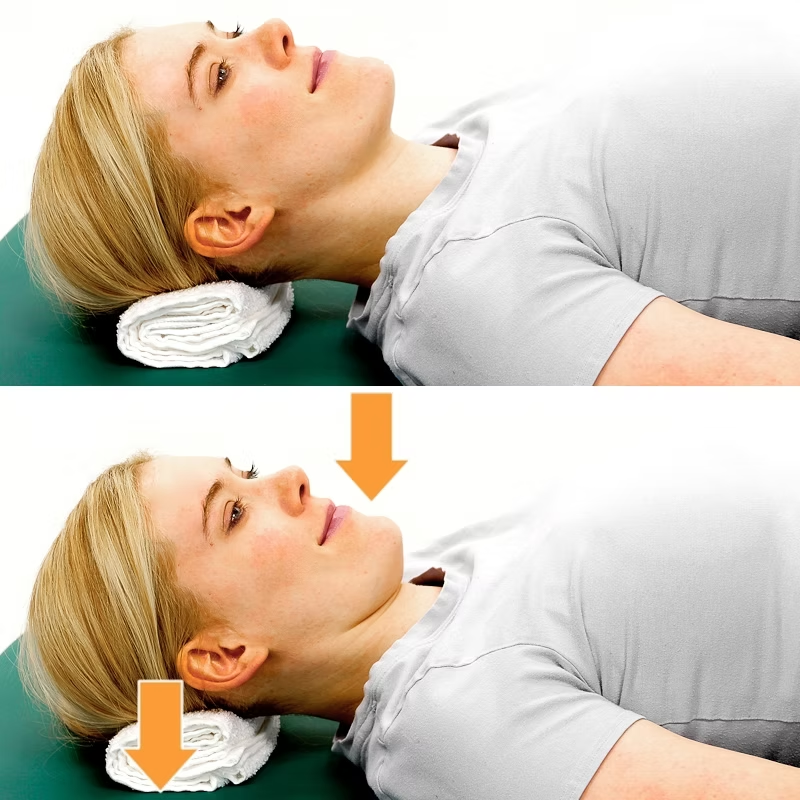
Your Neck Matters! 3 Neck Strengthening Exercises To Stop The Pain
Neck pain is such a common presentation, and often I have to hear from my [...]
Continue readingMar
Blog
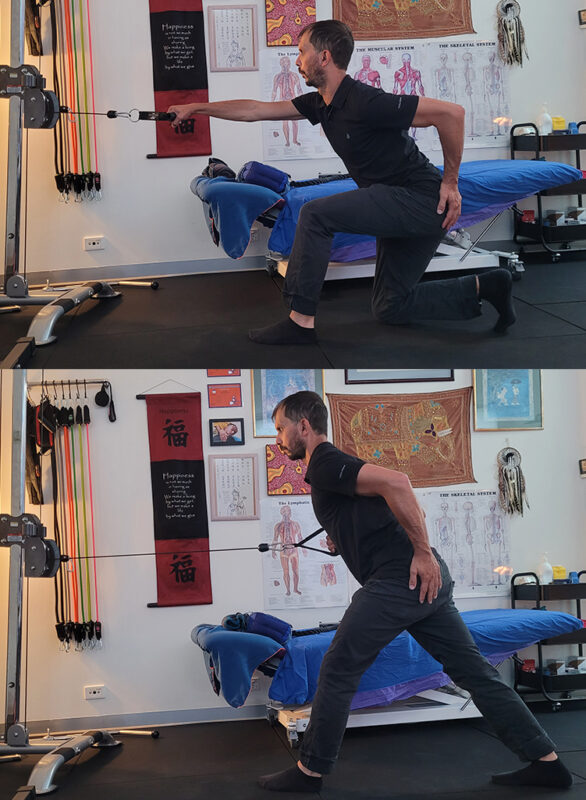
There Is No “Perfect” Lunge. Let’s Find Out Why.
While I guide my client during a 1:1 fitness class at Melbourne Massage and Treatment, [...]
Continue readingMar

Blog
Why the Gluteus Medius Is Essential for Balance, Longevity and Fall Prevention
One thing that can really create terror while we age is falling. No matter the [...]
Continue readingMar
Blog
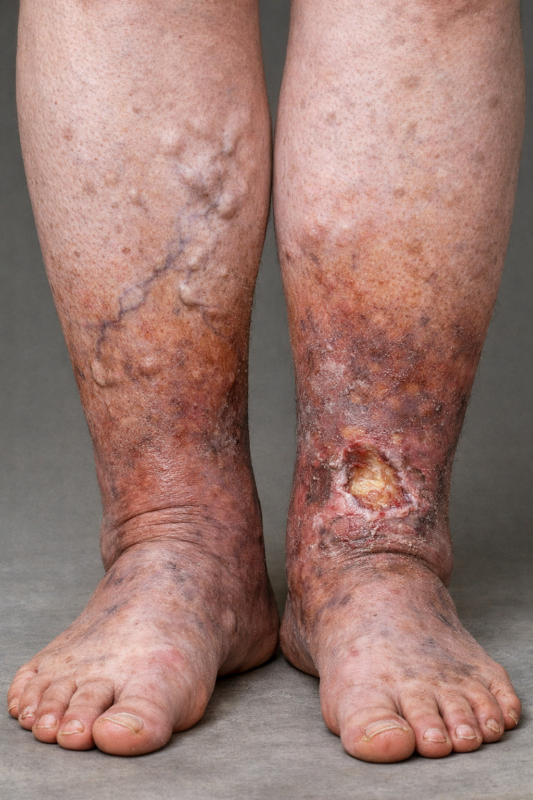
Chronic Venous Insufficiency and Swollen Legs: Compression Is The Way To Go
In Australia, Chronic Venous Insufficiency (CVI) affect more women than men, with a ratio of [...]
Continue readingMar

Jan
Along with many types of post-cosmetic surgery presentations I get to work with, Rhinoplasty can also present with facial swelling, which is one of the most common (and often most frustrating) parts of post-surgery recovery. While you may find many therapists claiming to work with lymphatic massage, as a therapist trained in Manual Lymphatic Drainage (MLD) through the Vodder Academy, I can help you achieve great results post surgery and help your body deal with excessive swelling, bruising, and, where it happens, even fibrosis. I So in this article, I want to explain why swelling can last longer than expected after rhinoplasty, what the science tells us, and how MLD may help reduce swelling and limit the development of fibrosis during the healing process. Why Does Swelling Persist After Rhinoplasty? Rhinoplasty is a surgery that can be done for cosmetic or functional reasons, like improving nasal breathing, and is a surgical procedure that involves deliberate trauma to bone, cartilage, and soft tissue. This trauma triggers inflammation and a temporary disruption of the lymphatic system, the network responsible for clearing excess fluid from tissues. Scientific research published in the Plastic and Reconstructive Surgery Journal shows that: Approximately two-thirds of post-rhinoplasty swelling resolves within the first month Up to 95% resolves by 6 months Residual swelling can still be present 12 months or longer, particularly in the nasal tip. Now, two things about those data: Those numbers are the results of a study done on 40 patients, so still, even if they are quite promising, more evidence is welcome for further comparison. On the other hand, this prolonged swelling is a normal physiological response, but it can be uncomfortable and visually concerning. The Role of the Lymphatic System in Facial Swelling The swelling that you may present with post-rhynoplasty surgery is due to a temporary impairment of the lymphatic system, which acts as the body’s drainage mechanism. After surgery, lymphatic vessels can become overloaded or temporarily impaired, leading to fluid stagnation in facial tissues. In another paper by Meade R et al. (2012), published in the Oxford Academic Journal, it is shown that postoperative facial surgery disrupts lymphatic flow, leading to prolonged edema in the head and neck region. In more chronic cases, where lymphatic fluid stagnates for prolonged periods, patients may also experience tissue hardening and early fibrosis. What Is Manual Lymphatic Drainage (MLD)? Manual Lymphatic Drainage is a gentle, non-invasive manual therapy designed to stimulate lymphatic vessels and redirect fluid toward functioning lymph nodes. Unlike remedial massage or deep tissue techniques, MLD is a post-surgical lymphatic massage characterised by: Light Pressure Slow and rhythmic Movements MLD aims to stimulate superficial and deep lymph vessels, not muscle tissue MLD is internationally recognised as part of Complete Decongestive Therapy (CDT), the gold-standard conservative treatment for lymphatic swelling. Lasinski B.B. et al. (2012). How MLD May Help Reduce Swelling After Rhinoplasty As mentioned above, the number of patients who undergone clinical trials for post-rhinoplasty swelling treatment is limited, but along with other studies available on PubMed, the physiological principles of MLD are well supported, and here is a breakdown of what you can come across while doing some research: Supporting Fluid Reabsorption By stimulating lymphatic flow, MLD helps the body clear excess interstitial fluid more efficiently, which may assist in reducing facial puffiness and pressure. Marxen T. et al. (2023). Improving Tissue Mobility Reduced fluid stagnation helps tissues remain softer and more pliable during healing, an essential factor for aesthetic outcomes. Masson I. et al. (2014). Encouraging Symmetrical Healing MLD techniques can be adapted to address asymmetrical swelling, which is very common after rhinoplasty. Ulu M. et al. (2025) MLD and the Prevention of Fibrosis When the body goes through severe trauma, like a surgery, as part of its natural reaction, it may build tissue under the skin. This tissue is called: Fibrosis. Fibrosis may feel firm to the touch and leave you with a feeling of tightness under the skin. When swelling is unattended, can leads to fibrotic formation and changes. In this clinical study by Masson I. et al. (2014), they looked into post-liposuction and body contouring surgery, and how Manual Lymphatic Drainage, particularly when combined with other conservative therapies, can reduce both swelling and tissue fibrosis. While facial tissues differ, the underlying biological mechanism is shared: improved lymph flow supports healthier tissue remodelling. When Can MLD Begin After Rhinoplasty? Timing is crucial, but MLD post- rhinoplasty should only begin: With surgeon approval Once acute inflammation has stabilised Using facial lymphatic drainage massage protocols appropriate for post-surgical tissue Once the antibiotic cycle is finished, and the risk of infections is no longer there anymore At Melbourne Massage and Treatment in Fitzroy North, I tailor each session based on: Surgical date Healing stage Tissue sensitivity Presence of swelling or firmness MLD is not a painful treatment, and it doesn’t matter how sensitive your skin is, or how good you are at tolerating pain, still, throughout the treatment, pain should not be experienced, as this would lead to increased inflammation, which is not what we need, when clearing off exceed lymph liquid to reduce oedema post-surgery. My Approach With MLD at Melbourne Massage and Treatment – Fitzroy North As a Vodder-trained MLD therapist, my focus is on precision, safety, and evidence-informed care. Each session is: Gentle and non-invasive Individualised to your healing phase Focused on supporting natural lymphatic recovery Most clients benefit from a short series of treatments over several weeks or months, depending on swelling persistence. Nothing can boost your healing, whether you went through a cosmetic surgery or just had a severe incident, but there are certain practices, like MLD or exercises, and even good food and plenty of rest, that can help in assisting your healing process and not make it worse or longer. <div class=”faq-accordion”> FAQs: </div>