

Along with many types of post-cosmetic surgery presentations I get to work with, Rhinoplasty can also present with facial swelling, which is one of the most common (and often most frustrating) parts of post-surgery recovery. While you may find many therapists claiming to work with lymphatic massage, as a therapist trained in Manual Lymphatic Drainage (MLD) through the Vodder Academy, I can help you achieve great results post surgery and help your body deal with excessive swelling, bruising, and, where it happens, even fibrosis. I So in this article, I want to explain why swelling can last longer than expected after rhinoplasty, what the science tells us, and how MLD may help reduce swelling and limit the development of fibrosis during the healing process. Why Does Swelling Persist After Rhinoplasty? Rhinoplasty is a surgery that can be done for cosmetic or functional reasons, like improving nasal breathing, and is a surgical procedure that involves deliberate trauma to bone, cartilage, and soft tissue. This trauma triggers inflammation and a temporary disruption of the lymphatic system, the network responsible for clearing excess fluid from tissues. Scientific research published in the Plastic and Reconstructive Surgery Journal shows that: Approximately two-thirds of post-rhinoplasty swelling resolves within the first month Up to 95% resolves by 6 months Residual swelling can still be present 12 months or longer, particularly in the nasal tip. Now, two things about those data: Those numbers are the results of a study done on 40 patients, so still, even if they are quite promising, more evidence is welcome for further comparison. On the other hand, this prolonged swelling is a normal physiological response, but it can be uncomfortable and visually concerning. The Role of the Lymphatic System in Facial Swelling The swelling that you may present with post-rhynoplasty surgery is due to a temporary impairment of the lymphatic system, which acts as the body’s drainage mechanism. After surgery, lymphatic vessels can become overloaded or temporarily impaired, leading to fluid stagnation in facial tissues. In another paper by Meade R et al. (2012), published in the Oxford Academic Journal, it is shown that postoperative facial surgery disrupts lymphatic flow, leading to prolonged edema in the head and neck region. In more chronic cases, where lymphatic fluid stagnates for prolonged periods, patients may also experience tissue hardening and early fibrosis. What Is Manual Lymphatic Drainage (MLD)? Manual Lymphatic Drainage is a gentle, non-invasive manual therapy designed to stimulate lymphatic vessels and redirect fluid toward functioning lymph nodes. Unlike remedial massage or deep tissue techniques, MLD is a post-surgical lymphatic massage characterised by: Light Pressure Slow and rhythmic Movements MLD aims to stimulate superficial and deep lymph vessels, not muscle tissue MLD is internationally recognised as part of Complete Decongestive Therapy (CDT), the gold-standard conservative treatment for lymphatic swelling. Lasinski B.B. et al. (2012). How MLD May Help Reduce Swelling After Rhinoplasty As mentioned above, the number of patients who undergone clinical trials for post-rhinoplasty swelling treatment is limited, but along with other studies available on PubMed, the physiological principles of MLD are well supported, and here is a breakdown of what you can come across while doing some research: Supporting Fluid Reabsorption By stimulating lymphatic flow, MLD helps the body clear excess interstitial fluid more efficiently, which may assist in reducing facial puffiness and pressure. Marxen T. et al. (2023). Improving Tissue Mobility Reduced fluid stagnation helps tissues remain softer and more pliable during healing, an essential factor for aesthetic outcomes. Masson I. et al. (2014). Encouraging Symmetrical Healing MLD techniques can be adapted to address asymmetrical swelling, which is very common after rhinoplasty. Ulu M. et al. (2025) MLD and the Prevention of Fibrosis When the body goes through severe trauma, like a surgery, as part of its natural reaction, it may build tissue under the skin. This tissue is called: Fibrosis. Fibrosis may feel firm to the touch and leave you with a feeling of tightness under the skin. When swelling is unattended, can leads to fibrotic formation and changes. In this clinical study by Masson I. et al. (2014), they looked into post-liposuction and body contouring surgery, and how Manual Lymphatic Drainage, particularly when combined with other conservative therapies, can reduce both swelling and tissue fibrosis. While facial tissues differ, the underlying biological mechanism is shared: improved lymph flow supports healthier tissue remodelling. When Can MLD Begin After Rhinoplasty? Timing is crucial, but MLD post- rhinoplasty should only begin: With surgeon approval Once acute inflammation has stabilised Using facial lymphatic drainage massage protocols appropriate for post-surgical tissue Once the antibiotic cycle is finished, and the risk of infections is no longer there anymore At Melbourne Massage and Treatment in Fitzroy North, I tailor each session based on: Surgical date Healing stage Tissue sensitivity Presence of swelling or firmness MLD is not a painful treatment, and it doesn’t matter how sensitive your skin is, or how good you are at tolerating pain, still, throughout the treatment, pain should not be experienced, as this would lead to increased inflammation, which is not what we need, when clearing off exceed lymph liquid to reduce oedema post-surgery. My Approach With MLD at Melbourne Massage and Treatment – Fitzroy North As a Vodder-trained MLD therapist, my focus is on precision, safety, and evidence-informed care. Each session is: Gentle and non-invasive Individualised to your healing phase Focused on supporting natural lymphatic recovery Most clients benefit from a short series of treatments over several weeks or months, depending on swelling persistence. Nothing can boost your healing, whether you went through a cosmetic surgery or just had a severe incident, but there are certain practices, like MLD or exercises, and even good food and plenty of rest, that can help in assisting your healing process and not make it worse or longer. <div class=”faq-accordion”> FAQs: </div>
Tag Archives: Recovery

Blog
Shoulder Pain Isn’t Just a Shoulder Problem
Shoulder pain is one of those presentations that can stop you from enjoying your day. [...]
Continue readingFeb
Blog
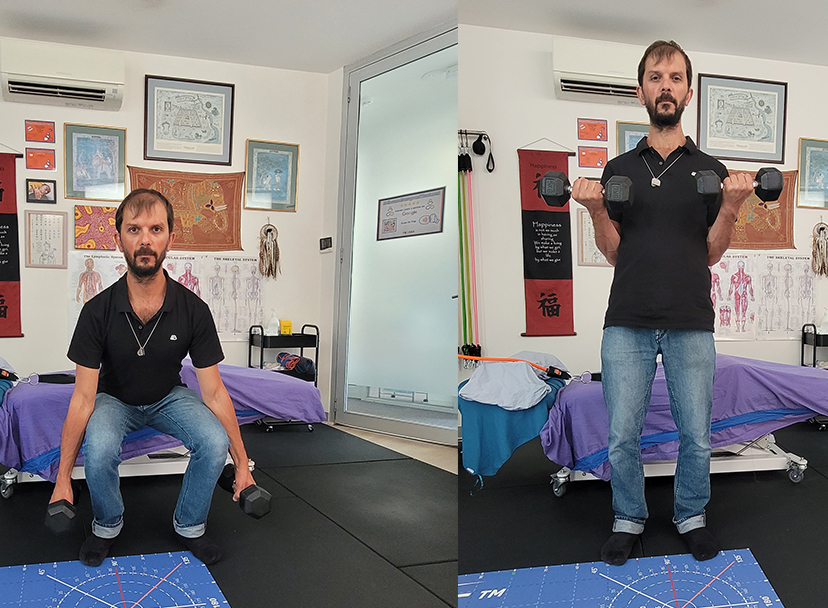
Glutes strengthening – Time To Exercises
Here in Fitzroy North, at my Myotherapy Clinic, I get to work with a wide [...]
Continue readingFeb
Blog
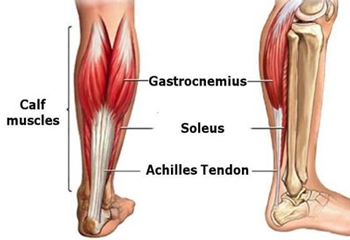
Calf Injury Melbourne – How Can Myotherapy Help With Rehab?
Calf injuries, such as a muscle tear, can be annoying to deal with because they [...]
Continue readingFeb

Blog
SWEP Program for Lymphoedema: What My Patients Need to Know
In Victoria, Lymphoedema patients are entitled to access the SWEP program (State Wide Equipment Program), [...]
Continue readingJan

Blog
Lymphoedema Compression Levels: Understanding mmHg in Compression Therapy
Compression therapy is essential for lymphoedema management, and therefore, is worth it write a blog [...]
Continue readingJan

Dec
As a therapist who works with Lymphatic Massage in Fitzroy North and post-cosmetic-surgery patients, I often get asked, “What’s the difference between MLD and Brazilian lymphatic drainage?” To answer this question, I often have to give people a background of my training as a Lymphatic Drainage therapist and what is happening to their body post-liposuction. What are the differences between Vodder MLD and Brazilian Lymphatic Drainage Vodder MLD, which is the therapy I offer for post-cosmetic surgery and also Lymphoedema management, is a very light, rhythmical, skin-stretching technique. It has about 100 years of history, and it has a strong research base for lymphedema management and is useful in postoperative recovery, either in cosmetic or orthopedic surgery. Brazilian lymphatic drainage, on the other hand, tends to be firmer, more continuous, and pragmatically geared toward reducing swelling and bruising after cosmetic procedures, but it has less scientific evidence to support any benefits. For post-cosmetic surgery lymphatic massage (liposuction, abdominoplasty, facelifts, tummy tuck…) I would strongly recommend gentle Vodder-style MLD, and here is why: Any surgery, including cosmetic surgery, is highly invasive for the body, and therefore, you will present post-surgery with High skin sensitivity Swelling and bruising Pain A gentle approach, as Vodder MLD, would allow: Reduce the swelling with a pain-free approach Take away exceeds inflammation Help reinforce skin sensitivity As the healing process progresses and you move from the acute to the sub-acute healing phase (week 2 to week 3), we can start applying stronger pressure to break down fibrosis. What people call “Brazilian Lymphatic Drainage” “Brazilian lymphatic drainage” (BLD) is a manual therapy that is getting famous thanks to social media presence and some influencers talking about it. It is a practice which often refers to faster, more continuous wave-like movements and sometimes firmer pressure than Vodder MLD, and involves the usage of oil too. Those who offer Brazilian Lymphatic Drainage claim a faster recovery after aesthetic procedures (reducing bruising, local oedema, and tissue stiffness), even though clinical literature that looked into BLD in aesthetic and post-op settings, like randomised trials, describes this technique as debatable, and furthermore, the evidence of its efficacy is limited compared with Vodder studies. What does the research say? Systematic reviews on MLD (Vodder used often) show MLD is commonly used for decongestive therapy in Lymphoedema patients. The quality of the evidence varies, while effect sizes are moderate for some outcomes. Randomised trials that compare Vodder MLD with other modalities (e.g., compression, pneumatic compression) report benefit for symptoms and arm volume in breast cancer-related lymphedema and postoperative swelling in some surgical contexts. An early RCT explicitly used the Vodder technique and showed benefits in arm lymphedema management. Recent reviews and clinical articles regarding plastic-surgery literature highly support the use of postoperative lymphatic massage. The recommendations are to receive MLD one to three times a week, in the early recovery phase, for reducing swelling, pain, fibrosis and improving comfort. That said, often that information is shared by the surgery clinic staff after the surgery; therefore, it’s always better to choose a clinic that is clear and transparent about the post-surgery recovery, and not only about the surgery itself. When looking for studies about the Brazilian Lymphatic Drainage massage, it is hard to find something that is specific enough about this technique, and that doesn’t mix data and trials with other techniques, like bandaging and exercises. Therefore, it’s hard to evaluate the quality of this technique in terms of the RCT protocols. MLD – What works for what? Practical comparison For lymphedema (medical swelling after lymph node removal/cancer). When someone presents with lymphedema, the best choice is Vodder-style MLD as part of complete decongestive therapy. I don’t do this recommendation only because I offer this service, and I know its potential, but also because Most RCTs and meta-analyses have evaluated MLD (in Vodder style) as the safest and evidence-based treatment that has enough relevance for this type of presentation. For early post-operative care after cosmetic procedures (e.g., liposuction, abdominoplasty, facelifts, tummy tuck). In any given surgery, along the acute phase, the body is a high state of inflammation and the site of surgery would be delicate to touch for several weeks post surgery, indeed a gentle approach to the area is highly recommended, so Vodder-style MLD is way safer compare to Brazilian Lymphatic Drainage, because the tissues are fragile; MLD at this stage in time, it would helps reduce oedema and bruising and promotes comfort. Many plastic surgeons recommend MLD early and frequently in the first 2–6 weeks. Later phase (2–6+ weeks): While healing is progressing and you step into a sub-acute phase of recovery from the post-cosmetic surgery, firmer or more targeted techniques, which recall what Brazilian Lymphatic Drainage can be used to address residual fibrosis/stiffness, always with the surgeon’s clearance. That said When dealing with post-cosmetic surgery fibrosis, even Vodder MLD would include firm pressure. That’s how fibrosis is broken down. For general wellbeing, detox/relaxation, cellulite or fluid retention Gentle MLD (Vodder) is great for relaxation, reducing mild fluid retention, and supporting circulation without soreness. Good for regular wellness maintenance. Brazilian-style DLM is often used in aesthetic clinics for body contouring and cellulite care; people report feeling less heaviness and faster visual improvement, but the high-quality evidence is more limited, and outcomes vary with practitioner technique. MLD Safety & Contraindications – What You Need To Know In my practice, I am selective about who I offer MLD, especially after cosmetic surgery, and here is what I would look out for: Active infection Uncontrolled heart failure Acute deep vein thrombosis (DVT) Untreated cancer without clearance Fever Recent major bleeding or unstable medical conditions Liver or Kidney conditions After cosmetic surgery, you have to make sure to follow the surgeon’s recommendation about antibiotic intake, and or other medications. MLD can not start unless you are cleared of all the above. So, which do I recommend, Vodder or Brazilian Lymphatic Drainage? It is now quite clear that at Melbourne Massage and Treatment, for MLD, either […]

Dec
Liposuction interventions are on the rise, driven by the enormous influence of social media on how we look and by the abundance of cheap clinics worldwide. While liposuction surgery removes stubborn fat deposits, the recovery period from this type of intervention is often underestimated. As a clinical myotherapist specialised in Manual Lymphatic Drainage (MLD) Vodder style, I regularly work with clients who are navigating the post-operative process, and I often get to hear clients who haven’t been fully informed about the post-surgery care needed, and the timeframe of recovery. Indeed, many patients who have undergone Liposuction surgery are surprised to learn that MLD plays a supportive role in the recovery process, and not by “boosting” healing, but by complementing your body’s natural ability to manage swelling, fluid congestion, and fibrosis. Below, I explain what liposuction involves, why MLD is recommended before and after surgery, and what you can expect during the healing timeline. What Exactly Is Liposuction? Liposuction is a surgical procedure that aims to remove excess fat from targeted areas of the body. There are different ways in which liposuction can be delivered, but what they all have in common is the usage of a cannula to break down and suction fat from beneath the skin. Once the surgery is delivered, and the fat is removed, the body experiences trauma in the form of: Swelling Fluid accumulation Tissue inflammation Disruption to lymphatic pathways Development of fibrosis (hardened or rope-like scar tissue) Superficial blood cloth Manual Lymphatic Drainage (MLD) is a manual therapy that can make a significant difference for all those presentations. How Manual Lymphatic Drainage Supports the Healing Process MLD is a non-invasive, gentle manual technique that stimulates the movement of lymphatic fluid toward functioning lymph nodes. Compared to a regular massage (Remedial Massage, Deep Tissue, Thai Massage…), it does involve the usage of oil or creams and does not aim to reproduce any pain or inflammatory response. In fact, it is the opposite; it aims at taking away excessive inflammation, as this is one of the many roles of the lymphatic system, and the technique I used is Vodder style, which is clinically recognised for its rhythmic, directional, and methodical application. Here’s how MLD supports recovery after liposuction: Reducing Post-operative Swelling As with any surgery, even Liposuction leads to significant swelling as the body implements an inflammatory response post-trauma (the physical damage of cutting the skin open and removing body tissue). MLD helps guide the fluid that builds up due to the inflammatory response back into the lymphatic circulation, easing pressure and discomfort. Minimising the Formation of Fibrosis Fibrosis is the body’s natural response to invasive body intervention and to sudden skin dilatation; indeed, it is a common presentation in Lymphoedema too. The fibrotic tissue is a common concern after liposuction, and without proper care, tissue can become firm and lumpy, affecting the final aesthetic result.Here is how MLD supports the breakdown and prevention of fibrosis: Increasing lymph flow Softening congested areas In the fibrotic area, we apply strong pressure (still pain-free) to break fibrosis down Encouraging natural tissue remodelling That’s where more frequent treatment is most helpful. To break and manage fibrosis at its best. Preparing the Body Before Surgery The reason why MLD should be considered as a pre-operative intervention too, lies in the fact that a stimulated Lymphatic System place you in an advantageous position along the recovery process, by improving lymphatic circulation, creating better conditions for tissue recovery after surgery. When Should You Start MLD After Liposuction? Once the surgery has been delivered, the ideal time to begin MLD is as soon as you have finished your course of antibiotics, as long as: All open wounds are closed, and No infection is present. The above are essential precautions to prevent the spread of infections. Also, the early start of MLD practice would ensure the best outcome post-surgery. What To Expect from MLD Treatment Post-Liposuction While many patients find out about MLD only after they receive the surgery, and this often happens when they have their surgery overseas, in countries like Turkey, Thailand, Bali, they are still not sure till the time they meet me, what MLD treatment would be about for their post-surgery recovery. In this case, I always explain in detail what the treatment is going to be about, starting with and overview of: What is the lymphatic system How we stimulated What you should expect post-treatment, and what to do and not to do Healing time frame Other topics I had to share and reassure my patients about are: MLD is not painful There is no body fluid extraction I am not going to push liquid out of your incision Yes, you need to drink plenty of water post-treatment I found that patients who undergo liposuction, especially in Turkey, come back with tough stories about acute post-surgery care, where they get their incision reopened, and liquid milked out from there. THIS IS A DANGEROUS PRACTICE AND IS NOT MLD AND IS NOT WHAT I OFFER ANYWHERE UNDER ANY CIRCUMSTANCES. How Should You Prepare Yourself for and MLD Treatment? Here is a list of things to be aware of before you go for and MLD treatment: Food and water – You can eat a light meal a few hours before your treatment and ensure you drink only water before and after the treatment. Strictly avoid alcohol – Avoid any form of intoxication before and after treatment, as this can make you really sick and unwell Medication and Clinical History – In the initial consultation form, you must declare any medication you are taking or have taken and your clinical history, to ensure no contraindications for MLD are present. Avoid cream or lotion – Application of cream or lotion on the skin would make the skin slippery and more difficult to stretch, impairing then the stimulation of the lymphatic system Post Treatment – MLD is extremely relaxing. Ensure to have some time off after your session, in case you feel like a nap or not doing […]

Jun
Cosmetic surgeries have become increasingly common, with procedures such as liposuction, tummy tucks, facelifts, and breast augmentations helping people achieve their desired aesthetic goals. However, while the surgical aspect gets most of the attention, what often goes under-discussed is the importance of post-operative care, especially Manual Lymphatic Drainage (MLD) in promoting faster, smoother recovery and reducing the risk of ending with fibrosis tissue build up underneath the skin. What Is Manual Lymphatic Drainage (MLD)? MLD is a gentle, rhythmic massage technique designed to stimulate the lymphatic system and encourage the natural drainage of lymph fluid. The lymphatic system plays a crucial role in immune function and fluid balance. After cosmetic surgery, lymphatic flow can become disrupted due to inflammation, surgical trauma, or temporary damage to lymph vessels. While the first few days post-surgery are dedicated to acute recovery and the taking of Antibiotic to reduce the risk of infection post-surgery, as soon as this risk is passed, that’s when you want to start your MLD journey. Why Is MLD Important After Cosmetic Procedures? Cosmetic surgeries often cause swelling, bruising, and fluid accumulation (known as seroma or edema). This is due to the body reacting to an invasive procedure and removing tissue beneath the skin. MLD helps: ✅ Reduce post-surgical swelling ✅ Accelerate the removal of metabolic waste and excess fluid ✅ Improve skin texture and reduce fibrosis (hardened tissue) ✅ Speed up visible results by enhancing contour definition ✅ Decrease discomfort by reducing pressure from trapped fluids As with any surgery, when lymphatic drainage massage is applied, no pain is to be experienced. While I treat someone with MLD I always pass this information up front, to ensure that if they experience any type of pain, I get told about it, so that I can go lighter with pressure. Which Procedures Benefit Most from Lymphatic Drainage? MLD is commonly recommended after: Liposuction (including 360 lipo or Brazilian Butt Lift – BBL) Tummy tucks (abdominoplasty) Facial surgeries (rhinoplasty, facelifts, blepharoplasty) Breast augmentation or reduction Body contouring procedures As a Lymphoedema therapist, I do get surgeons referring me patients to assist them with post-op management, especially when swelling or fibrosis is a concern. When Should You Start Lymphatic Drainage? As briefly explained above, the ideal time to begin MLD is as soon as you stop your antibiotic cycle, and is your surgeon or GP call to when you are safe to do so. On the other hand: Typically, MLD is started 3 to 5 days post-surgery, once acute inflammation has settled and the incision sites are closed or protected. A full course may include 6–10 sessions spaced out over a few weeks for optimal results. Always follow the advise of the surgeon about post surgery, but, when you safe to do, the more movement we add to Lymphatic Draiange, the better the recovery would go. Is MLD Safe post-cosmetic surgery? When performed by a qualified lymphatic therapist, lymphatic drainage is non-invasive, safe, and effective. It’s gentle enough for delicate post-op tissue and can significantly improve comfort and healing time. My qualification in Lymphatic Drainage was done with the Vodder Academy whicg holds the gold standards for MLD practice, and is worldwide well known for the quality of their practice. On the other hand, I also hold a qualification in Clinical Myotherapy, which allows me to help people recover from injury and stick to their fitness goals via training and exercises. When Can I Book My Appointment for Post-Cosmetic Surgery Recovery? My studio, Melbourne Massage and Treatment, is located in Fitzroy North, on the corner of St George Rd and Holden St. I work Monday to Saturday, and to book an appointment, you can just head online to the booking page and choose the best time/days that work for you. Given the number of session needed for this type of work, I always suggest to book a series of session in a raw, from to 3 session per week for the first 2 weeks. Session by session we do evaluate together the progress, and chose together what’s the next step. If you have any questions, please do not hesitate to contact me. FAQs – Cosmetic Surgery & Lymphatic Drainage

Jan
If you or someone you know is struggling with the lingering symptoms of Long Covid, you are not alone. After the initial acute phase of COVID-19, many people continue to experience debilitating symptoms such as fatigue, breathlessness, and brain fog that can last for weeks or even months. These prolonged effects, commonly referred to as Long Covid, have created a pressing need for effective treatment strategies to manage and alleviate the symptoms. One promising approach gaining attention is Manual Lymphatic Drainage (MLD) Massage, a gentle and non-invasive therapy that can support the recovery process for Long Covid patients. At Melbourne Massage and Treatment, Giovanni, a highly trained therapist from the Vodder Academy, is helping clients recover from the lingering effects of COVID-19 using this technique. But how exactly does MLD work, and can it help you overcome the frustrating symptoms of Long Covid? What is Manual Lymphatic Drainage Massage (MLD)? MLD is a specialised massage technique that uses gentle, rhythmic movements to stimulate the lymphatic system—the body’s waste removal and immune system. The lymphatic system is responsible for draining toxins, bacteria, and waste from the body’s tissues. It plays an essential role in inflammation control, immunity, and tissue recovery. MLD can help to enhance the flow of lymph, reduce chronic inflammation, alleviate congestion, and promote overall healing. Trained at the renowned Vodder Academy, Giovanni uses the Dr Vodder method of MLD, a highly effective and evidence-based technique. This form of lymphatic drainage focuses on increasing lymph flow and addressing issues such as fluid retention, swelling, and inflammation, which are common in patients suffering from post-viral syndromes, including Long Covid. Long Covid Symptoms: A Multifaceted Condition Long Covid is a condition where individuals experience lingering symptoms after the acute infection phase has passed. Some of the most common symptoms include: Fatigue: Extreme tiredness that doesn’t improve with rest Breathlessness: Difficulty breathing or catching your breath even after mild exertion Cognitive Dysfunction: Often referred to as “brain fog”, which includes issues with concentration, memory, and clarity of thought Muscle and Joint Pain: Persistent aches and pains that can make everyday tasks difficult Sleep Disturbances: Trouble falling or staying asleep due to physical discomfort or anxiety While medical management of Long Covid usually focuses on symptom control, the current lack of effective pharmaceutical treatments leaves many patients seeking alternative therapies. That’s where Manual Lymphatic Drainage can make a significant difference. How MLD Helps with Long Covid Symptoms A recent study, Manual Lymph Drainage for Post-COVID-19 Related Cough, Breathlessness, and Fatigue, explored the use of MLD as a treatment for individuals suffering from persistent Long COVID symptoms. This study found that MLD helped reduce symptoms like fatigue, breathlessness, and chronic cough, with improvements starting as early as the third treatment. Patients reported increased energy levels, better sleep, and enhanced functional capacity after just a few sessions. Giovanni’s expertise with MLD can be crucial in addressing the inflammation, poor lymphatic drainage, and respiratory issues often associated with Long Covid. Key Benefits of MLD for Long Covid Symptoms Recovery: Reduces Inflammation One of the key factors contributing to Long Covid symptoms is chronic inflammation. MLD helps to reduce systemic inflammation by promoting the drainage of inflammatory waste and toxins, which can alleviate discomfort and promote healing. Improves Breathing Function Many Long Covid sufferers experience breathlessness, a symptom that can greatly affect quality of life. MLD targets the lymphatic pathways in the chest and lungs, which can help reduce inflammation in the respiratory system, clear mucus, and improve lung function. The technique also includes special “bronchitis” maneuvers that help open up the lungs and reduce coughing. Boosts Energy Levels Fatigue is one of the most disabling Long COVID symptoms. By supporting lymphatic flow and reducing congestion, MLD can improve circulation and oxygen delivery to the body’s tissues, helping to restore energy levels and combat the persistent tiredness that plagues many Long Covid sufferers. Supports Immune System Recovery Long Covid symptoms often result from an immune response gone awry. MLD can help recalibrate immune function, promote lymphatic circulation, and enhance the body’s natural ability to heal itself. Enhances Mental Clarity Brain fog and cognitive dysfunction are common complaints among people with Long Covid. By reducing inflammation and promoting better circulation, MLD may help improve mental clarity and cognitive function, allowing patients to regain focus and reduce feelings of confusion or mental fatigue. Improves Sleep Quality Many Long Covid sufferers report difficulties with sleep. By reducing pain and inflammation, MLD helps induce a relaxation response in the body, which can promote deeper, more restful sleep. Giovanni’s Approach: Tailored MLD Treatment for Long Covid Symptoms Giovanni, a skilled therapist with extensive training in the Vodder Academy’s MLD method, offers personalised treatments for those struggling with Long Covid. Each session is tailored to the individual’s specific symptoms, addressing areas such as: Chest and Lungs: To reduce inflammation and congestion Neck and Shoulders: To alleviate stiffness and promote relaxation Facial Area: For sinus congestion or post-viral inflammation Whole Body: To improve general circulation, reduce swelling, and stimulate the lymphatic system. When working with this type of presentation, it is also valid to consider a shorter initial session to ensure that MLD does not spike up your symptoms. If you are not sure what works best for you, just ask Giovanni. Giovanni’s gentle, compassionate approach helps create a safe space for clients to heal. Many clients report feeling noticeably better after just a few sessions, with improvements in breathing, energy, and mental clarity. Read here about the Melbourne Massage and Treatment testimonials. Real-World Results: Case Studies In a study of two Long Covid patients undergoing MLD treatment, both reported substantial improvements in their symptoms. After just a few sessions, they experienced reductions in breathlessness, fatigue, and overall discomfort. By the time of their follow-up treatment, both patients reported feeling the best they had since before contracting COVID-19, with increased energy, improved sleep, and less reliance on medication. Why Choose MLD for Long Covid Recovery? Non-invasive and Drug-free: MLD offers a natural, non-pharmaceutical […]