
In Australia, Chronic Venous Insufficiency (CVI) affect more women than men, with a ratio of 25%–40% in women and 10%–20% in men (Al Shammeri et al., 2014). As a consequence of this condition, swollen legs are a common concern. CVI occurs when the veins in the legs struggle to return blood efficiently back to the heart, often leading to leg swelling, heaviness, aching, and visible varicose veins. At Melbourne Massage and Treatment in Fitzroy North, since I specialised in Lymphoedema therapy, I regularly support clients experiencing leg swelling related to venous conditions too. Understanding how to manage the condition can significantly improve comfort, mobility and long-term leg health. What Is Chronic Venous Insufficiency? Chronic venous insufficiency is a condition defined as chronic when lasting for more than 3 months. CVI develops when the valves inside the leg veins become weakened or damaged and stop acting as they should, which is why blood finds difficulty in flowing back to the heart. This results in swelling in the lower legs. Common symptoms include: Persistent swelling in the lower legs or ankles Aching, heaviness or fatigue in the legs Skin changes such as dryness or discolouration Varicose veins Tightness or discomfort after prolonged sitting or standing Without appropriate management, CVI can progress and increase the risk of skin complications or infection. The Different Levels of Chronic Venous Insufficiency Find below a table that describes how Clinical, Etiological, Anatomical, and Pathophysiological (CEAP) classify chronic venous insufficiency. Stage Description C0 No visible/palpable signs of venous disease C1 Telangiectasias or reticular veins C2 Varicose veins C3 Oedema C4 Skin changes secondary to chronic venous disease (haemosiderin, lipodermatosclerosis, atrophie blanche) C5 Healed ulcer C6 Recurrent active venous ulcer The more advanced the stage, the more likely the hospitalisation of the patient for infections. This is not only a cost to the public health system, but to the Australia popolation too. Compression Therapy: A Key Part of Managing Swollen Legs The most effective way to manage swelling related to Chronic Vein Insufficiency is compression therapy. Compression garments are helpful as they apply controlled pressure to the legs, which supports the veins and encourages blood and fluid to move back toward the heart. Unfortunately, there is no quick fix for swollen limbs, and for many people with chronic swelling, compression becomes an essential part of daily management. But, you have to be aware that compression should always be prescribed and fitted appropriately. Indeed, the compression has to have the right gradient pressure, so stronger pressure at the bottom and weaker at the top; otherwise, we risk getting the liquid stuck in the leg and not moving. On the other hand, with certain arterial conditions, compression may not be suitable; therefore, it is important that you talk to your GP about getting a referral to a vein specialist to know what’s the best approach for your swollen legs. When Varicose Veins Are Present If varicose veins are present, low-level compression is often recommended initially. This provides gentle support to the venous system while remaining comfortable for everyday use. The goal is to: Support vein function Reduce fluid build-up Improve comfort during daily activities Help prevent worsening swelling In fact, each individual may require a different compression level depending on their condition and tolerance, but also the integrity of the skin. Compressions indeed are tight to put on, and for those with weak and fragile skin, it can be difficult to maintain skin integrity while wearing compression. Why Flat-Knit Compression Garments Are Often Recommended For clients with persistent swelling or changes in limb shape, flat-knit compression garments are frequently recommended. Flat-knit garments offer several advantages: They provide stronger containment for swelling They can be custom-fitted for better comfort and effectiveness – class 3 and 4 They help prevent fluid from accumulating in specific areas They are often more suitable for long-term management Because every leg shape and swelling pattern is different, proper measurement and fitting are essential. At Melbourne Massage and Treatment, Lymphoedema clinic in Fitzroy North, I provide assessments and measurements for your swollen legs, so that I can provide garments that fit you for your specific presentation. Accessing Compression Garments Through the SWEP Program (Victoria) If you live in Victoria, you may be eligible to access compression garments through the SWEP program (State Wide Equipment Program). SWEP helps eligible residents obtain essential medical equipment, including compression garments used in the management of venous conditions and lymphatic swelling. As a SWEP-registered therapist, I can guide clients through the process, including: Clinical assessment Measurement for appropriate compression garments Assistance with the SWEP application process Ongoing monitoring and adjustments The SWEP is free to access and does provide funding for 4 garments a year, specifically: $150 per garment if off the shelf $300 per garment if made on measurements For Chronic Vein Insufficiency, most often the off-the-shelf garments are the ones to go for. But still, you have to know what class would best work for you, and what size would best work for you. Movement: An Often Overlooked Therapy Movement, as per my favourite medicine, is another important component in managing swollen legs. In fact, blood flow, but even lymph flow, happens better when muscles contract and work. For the legs, the calf muscles act as a natural pump, helping push blood and fluid upward when we walk or move. When we remain seated or standing for long periods, this pump becomes less effective. Simple strategies include: Regular walking Gentle ankle movements during long periods of sitting Light leg exercises Avoiding prolonged immobility when possible Even small amounts of regular movement can make a noticeable difference in managing swelling. Protecting the Skin: A Crucial Step in Preventing Infection People with chronic leg swelling are more vulnerable to skin breakdown and infection, and this is due to a series of reasons, such as: Increased venous pressure damages small blood vessels Reduced oxygen and nutrient delivery to the skin Chronic swelling stretches and weakens the skin Inflammation causes skin changes Keeping the skin […]
Tag Archives: SWEP
Blog
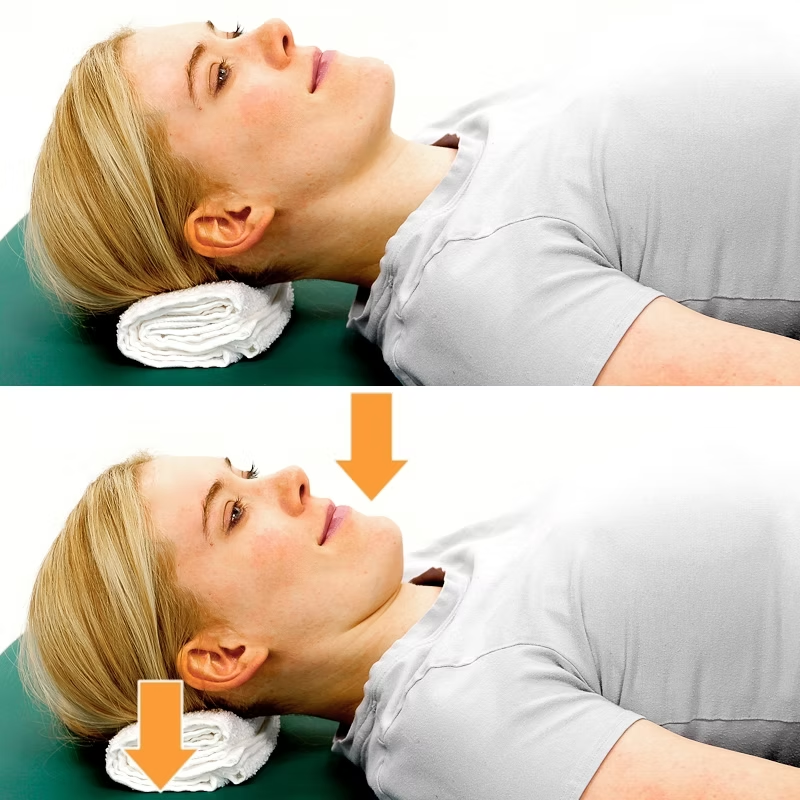
Your Neck Matters! 3 Neck Strengthening Exercises To Stop The Pain
Neck pain is such a common presentation, and often I have to hear from my [...]
Continue readingMar
Blog
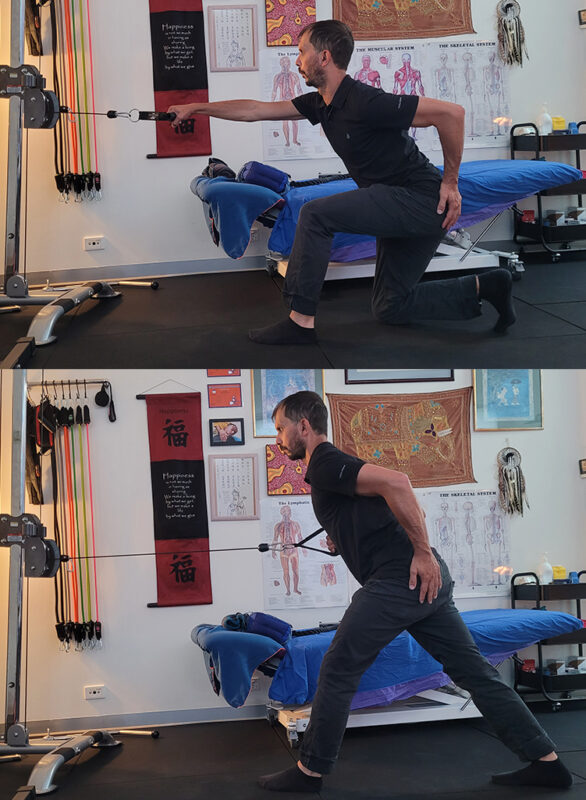
There Is No “Perfect” Lunge. Let’s Find Out Why.
While I guide my client during a 1:1 fitness class at Melbourne Massage and Treatment, [...]
Continue readingMar

Blog
Why the Gluteus Medius Is Essential for Balance, Longevity and Fall Prevention
One thing that can really create terror while we age is falling. No matter the [...]
Continue readingMar
Blog
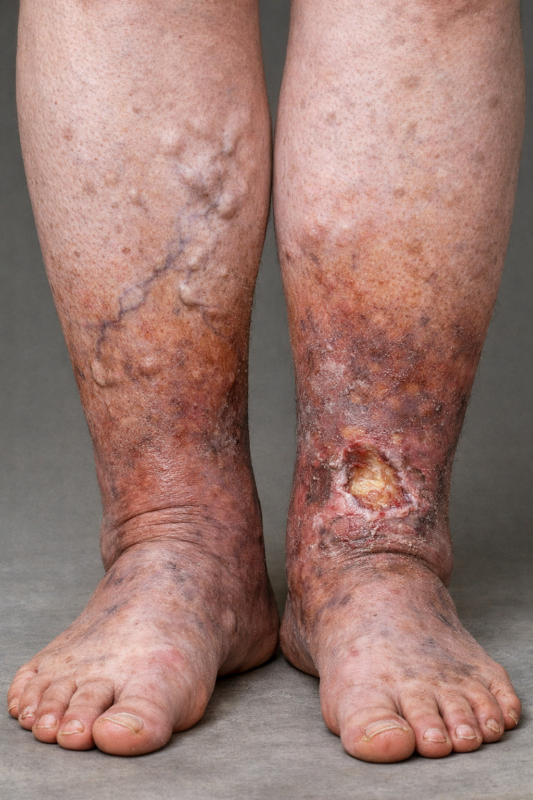
Chronic Venous Insufficiency and Swollen Legs: Compression Is The Way To Go
In Australia, Chronic Venous Insufficiency (CVI) affect more women than men, with a ratio of [...]
Continue readingMar
Blog
It Is Never Too Late To Join A 1:1 Fitness Class
At Melbourne Massage and Treatment in Fitzroy North, as a clinical Myotherapist, I am enthusiastic [...]
Continue readingMar

Jan
In Victoria, Lymphoedema patients are entitled to access the SWEP program (State Wide Equipment Program), a government-funded program that provides funding for garment wear on an annual basis. As a Myotherapist and Lymphoedema therapist working in Fitzroy North, I can help you overcome the bureaucracy and understand how to access the SWEP incentives and where to go and purchase the garments. What Is the SWEP Program? The SWEP or State-Wide Equipment Program is a Victorian government-funded scheme that provides subsidised or fully funded medical equipment to eligible individuals living with permanent or long-term conditions, and Lymphoedema is one of these conditions. For those who live with a chronic condition like lymphoedema, the SWEP can significantly reduce the financial burden of compression garments, which are an essential, not optional, part of lymphoedema management. So yes, SWEP is not a treatment program but an equipment funding pathway. Why Compression Garments Are Essential for Lymphoedema Lymphoedema is a lifelong condition, and unfortunately, in most cases, it is not curable. For managing this presentation, therapies like Manual Lymphatic Drainage (MLD) and Complete Decongestive Therapy (CDT) can help reduce the swelling, and then compression is what maintains results. Without appropriate compression: Swelling returns Tissue becomes heavier and more fibrotic Skin integrity is compromised Infection risk (cellulitis) increases This is why access to properly fitted garments through programs like SWEP is so important. What Lymphoedema Items Can Be Funded Through SWEP? The SWEP may assist with funding for: Compression garments (flat knit or circular knit, based on clinical need) Wrap systems Custom-made garments when off-the-shelf options are unsuitable The funding is based on: Medical necessity Functional impact Long-term condition status Financial eligibility The SWEP does not automatically cover all the costs, as approval depends on correct documentation and assessment, and that’s where I can assist you. Below you will find a section dedicated to the cost covered by SWEP via the Lymphoedema Compression Gargments Program (LCGP). SWEP and Lymphoedema Compression Garment Program (LCGP) In Victoria, patients with lymphoedema can access the Lymphoedema Compression Garment Program (LCGP) via SWEP. Indeed, SWEP and LCGP are 2 separate programs, but it is SWEP that took control of the LCGP in 2017, and this is how it works. LCGP is funded by the Department of Health and provides subsidised compression garments and wrap systems for eligible individuals diagnosed with primary, secondary, or sub-clinical lymphoedema affecting the limbs. What Is Funded Under the LCGP? From the day of submission to the SWEP for the garment wear, you have 12 months to get funding for: Adults 4 sets of compression garments per affected limb, or 3 sets of compression garments and 1 kit of Adjustable Wrap Systems (AWS) per affected limb, or 2 kits of Adjustable Wrap Systems (AWS) per affected limb 1 donner (once off) Children under 18 years of age 6 sets of compression garments per affected limb, or 5 sets of compression garments and 1 kit of Adjustable Wrap Systems (AWS) per affected limb, or 2 kits of Adjustable Wrap Systems (AWS) per affected limb 1 donner (once off) Available Subsidies Those above are the number of garments you get funding for, and each garment is subsidised as follows: Ready to Wear (RTW):$150 per set of garments per affected limb Made to Measure (M2M):$300 per set of garments per affected limb where RTW is not compatible with limb size, shape, or required compression class Adjustable Wrap Systems (AWS) kit:$150 per kit Donner (once off):$60 Who Is Eligible for State Wide Equipment Program? To be eligible for SWEP in Victoria, you must: Are a permanent Victorian resident, hold a temporary or permanent protection visa, or are an asylum seeker Have a long-term condition or disability, and/or are frail aged Do not receive other government funding for compression garments Are not an inpatient of a public or private hospital, or a permanent resident of a residential care facility Cannot claim garments through private health insurance Have not been discharged from a public hospital or extended care centre within the last 30 days, where garments relate to the hospital admission Further assistance with determining your eligibility can be obtained via this link, which directs you to the SWEP website’s Check Eligibility page. My Role in Supporting SWEP Applications At my Lymphoedema clinic in Fitzroy North, I regularly support patients by: Performing comprehensive lymphoedema assessments Identifying the correct compression type and class Providing clinical justification for garments Working alongside GPs and specialists for referrals (my clinic is situated in a GP clinic) Ensuring garments align with the patient’s stage of lymphoedema and lifestyle needs As a lymphedema practitioner, I trained with the Vodder Academy for Lymphoedema Management, so I do understand the importance of precise garment selection, not just eligibility. On the other hand, I am also a member of the Australasian Lymphology Association (ALA), and I stay aligned with current best-practice standards when recommending compression solutions. SWEP Is Not a Substitute for Treatment Another important point that I want to mark again is that SWEP does not replace therapy. What this means is that for the best outcomes, compression garments should be used alongside: Manual Lymphatic Drainage (MLD) Complete Decongestive Therapy (CDT) Skin care Movement and load management Ongoing review and garment reassessment In fact, compression works best after swelling has been optimally reduced, not as a standalone solution. This is because compression, applied to a non-managed Lymphoedema, may result in hard to apply, can crack the skin (which would lead to infections), and it may also be painful. SWEP in Fitzroy North At Melbourne Massage and Treatment, Myotherapy & Lymphoedema clinic in Fitzroy North, I support patients with evidence-based care, practical guidance, and individualised planning, so you can manage lymphoedema with confidence. If you’d like support with SWEP-related compression, assessment, or ongoing lymphoedema management, use the button below to book a FREE 15-minute online consultation (Option 9).