

Modern life places ongoing pressure on both body and mind, leaving many Australians searching for natural ways to restore calm. Muscle tightness, fatigue, and poor sleep are often signs that stress has taken hold. At Melbourne Massage and Treatment, remedial massage is used as a practical therapy to release tension, regulate the nervous system, and support wellbeing, offering a balanced pathway to sustained relaxation and resilience. Key Takeaways Stress affects both body and mind Remedial massage releases tension and restores balance Circulation and sleep improve with regular sessions The nervous system resets during treatment Melbourne Massage and Treatment offers expert support What is Remedial Massage? Remedial massage is a form of therapeutic massage that targets specific muscles and tissues to relieve pain, promote healing, and improve function. It combines various techniques, including deep tissue work, trigger point therapy, myofascial release, and stretching, to address both acute and chronic conditions. Unlike relaxation massage, which focuses on general relaxation, remedial massage is tailored to treat specific problems in the body, such as muscular tension, joint pain, and postural imbalances. The key difference between remedial and other types of massage is that it aims to treat underlying physical issues and dysfunctions, which can, in turn, help to alleviate the mental and emotional effects of stress. Stress can manifest physically in the body in various ways, including muscle tension, headaches, poor posture, and fatigue. Remedial massage directly addresses these physical symptoms, creating a ripple effect that helps to calm the mind and restore balance. How Remedial Massage Reduces Stress? Stress doesn’t just impact your mind; it can manifest physically in the body, resulting in tight muscles, headaches, neck pain, back discomfort, and other ailments. When the body is under stress, it produces higher levels of cortisol harmone, a hormone linked to the body’s “fight or flight” response. This can lead to increased muscle tension, heart rate, and even digestive issues. Remedial massage works by targeting these physical manifestations of stress and promoting relaxation in several ways. 1. Reduces Muscle Tension One of the most immediate and noticeable benefits of remedial massage is its ability to reduce muscle tension. When we experience stress, we often unconsciously tighten our muscles, especially in areas like the neck, shoulders, back, and jaw. Over time, this chronic muscle tightness can lead to pain, discomfort, and restricted movement. Remedial massage helps to release this built-up tension by applying pressure to specific muscle groups, promoting blood flow, and encouraging the muscles to relax. Targeted Techniques: Techniques such as deep tissue massage and trigger point therapy can focus on areas where muscle tightness tends to accumulate due to stress. These methods help to break up muscle knots and reduce the overall tension in the body. Increased Blood Flow: By improving circulation, remedial massage enhances the delivery of oxygen and nutrients to tissues, promoting healing and relaxation. 2. Activates the Parasympathetic Nervous System The autonomic nervous system consists of two branches: the sympathetic nervous system (SNS), which triggers the ‘fight or flight’ response, and the parasympathetic nervous system (PNS), which manages the ‘rest and digest’ state. Chronic stress keeps the SNS activated, which can leave the body in a constant state of alertness. Remedial massage stimulates the PNS, encouraging the body to relax and return to a state of calm. Relaxation Response: When the PNS is activated, heart rate and blood pressure drop, and the body enters a state of relaxation. This not only helps with muscle relaxation but also reduces anxiety and promotes overall mental well-being. Lowering Cortisol Levels: By activating the PNS, remedial massage helps to lower cortisol levels in the body. This reduction in cortisol can help combat the harmful effects of prolonged stress, such as anxiety, poor sleep, and immune system suppression. 3. Improves Sleep Quality Stress often leads to poor sleep, whether through difficulty falling asleep or waking up throughout the night. One of the ways that remedial massage helps to combat stress is by promoting better sleep. Through its calming effects on the nervous system and muscle relaxation, massage encourages a deeper, more restful sleep. Relaxation Before Bed: A remedial massage session before bed can help you unwind from the day’s stress, allowing you to go to sleep feeling relaxed and at ease. Improved Sleep Cycle: By reducing tension and lowering cortisol levels, remedial massage helps to improve the quality of sleep, leading to more restorative rest and reduced feelings of stress the following day. 4. Reduces Anxiety and Enhances Mood Stress and anxiety often go hand in hand. While stress tends to be a response to external pressures, anxiety can become a persistent feeling that affects your mental health. Remedial massage has been shown to have a positive impact on mental health, particularly by reducing anxiety and boosting mood. Endorphin Release: Massage stimulates the release of endorphins, natural chemicals in the brain that promote feelings of well-being and happiness. This helps to counteract the negative effects of stress and anxiety, providing a natural mood lift. Emotional Release: For some individuals, massage can facilitate an emotional release, allowing pent-up emotions from stress to surface. This can be therapeutic and contribute to a feeling of emotional lightness and mental clarity. 5. Improves Posture and Reduces Pain Chronic stress can lead to poor posture, which, in turn, can contribute to musculoskeletal pain. When we’re stressed, we tend to slouch or hunch over, especially when working at a desk for long periods. This poor posture can lead to discomfort in the back, shoulders, and neck, further exacerbating stress. Remedial massage works by improving posture and reducing musculoskeletal pain. Postural Correction: Remedial massage helps to release tight muscles and realign the body, improving posture and reducing the discomfort associated with poor alignment. Pain Relief: By targeting specific areas of pain, remedial massage can relieve discomfort in muscles, joints, and connective tissue, contributing to an overall sense of well-being. Additional Benefits of Remedial Massage for Stress Relief In addition to the direct effects on the body and mind, remedial massage offers […]
Monthly Archives: August 2025

Blog
Shoulder Pain Isn’t Just a Shoulder Problem
Shoulder pain is one of those presentations that can stop you from enjoying your day. [...]
Continue readingFeb
Blog
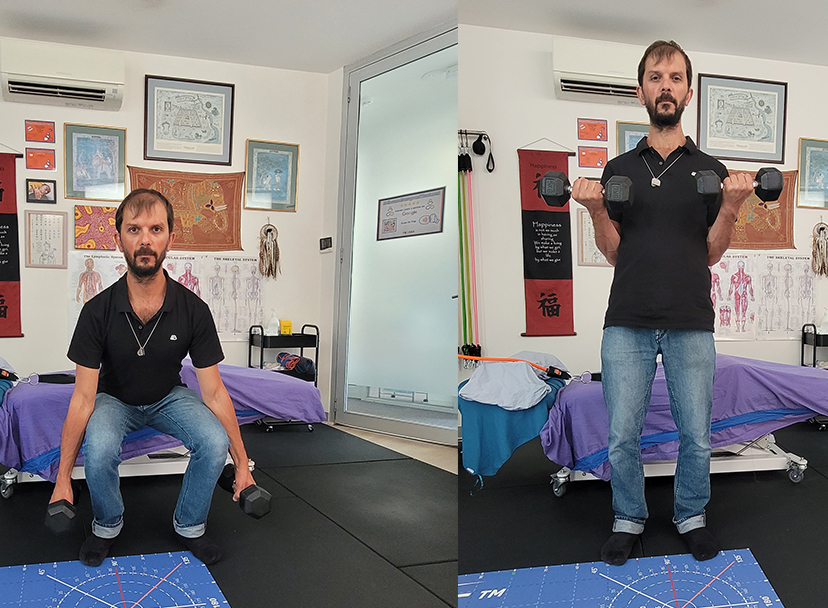
Glutes strengthening – Time To Exercises
Here in Fitzroy North, at my Myotherapy Clinic, I get to work with a wide [...]
Continue readingFeb
Blog
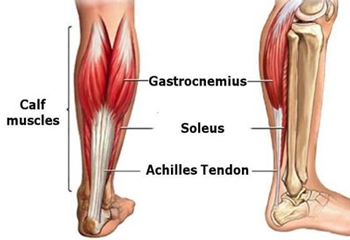
Calf Injury Melbourne – How Can Myotherapy Help With Rehab?
Calf injuries, such as a muscle tear, can be annoying to deal with because they [...]
Continue readingFeb

Blog
SWEP Program for Lymphoedema: What My Patients Need to Know
In Victoria, Lymphoedema patients are entitled to access the SWEP program (State Wide Equipment Program), [...]
Continue readingJan

Blog
Lymphoedema Compression Levels: Understanding mmHg in Compression Therapy
Compression therapy is essential for lymphoedema management, and therefore, is worth it write a blog [...]
Continue readingJan

Aug
Thai yoga combines assisted stretching with mindful breathing to restore mobility, release tension, and create deep relaxation. At Melbourne Massage and Treatment, this approach blends traditional techniques with professional care, allowing clients to experience greater freedom of movement and a calmer state of mind. With its unique mix of yoga-inspired postures and therapeutic massage, Thai yoga holistically supports both body and mind. Key Takeaways Thai yoga blends stretching, mobility, and relaxation It improves flexibility and posture Stress relief is a core benefit Sessions are fully guided and accessible to all Melbourne Massage and Treatment tailors each session to your needs What is Thai Yoga? Thai Yoga, also known as Thai yoga massage or Thai bodywork, is a traditional healing practice that originated in Thailand over 2,500 years ago. It combines elements of: Yoga-style stretching Acupressure Mindful breathing Meditative touch Unlike a regular massage or a typical yoga class, Thai Yoga is a partner-based practice. The practitioner gently guides you through yoga-like stretches and poses while applying pressure to specific points along the body’s energy lines, known in Thai tradition as Sen lines. The result is a deeply restorative experience that helps release tension, increase range of motion, and calm the nervous system, all without you having to lift a finger. At Melbourne Massage and Treatment, Thai yoga is offered as part of a tailored approach to mobility, posture, and recovery. Mobility: Loosening Up the Joints and Muscles One of the biggest benefits of Thai Yoga is improved mobility. Many of us deal with tight hips, sore backs, or stiff shoulders, whether from sitting all day, overtraining, or simply getting older. Thai Yoga works to gently open up these areas by: Stretching muscles in a passive and supported way Mobilising joints through guided movement Increasing circulation and blood flow to tight or stagnant areas This kind of assisted stretching helps lengthen muscles and fascia (the connective tissue that surrounds your muscles), which improves flexibility and reduces the risk of injury. And because you’re not doing the work yourself, your body can fully relax into each movement, allowing for a deeper and safer stretch than you might achieve on your own. Relaxation: More Than Just Taking It Easy Sure, we all love a good nap or a lie-down on the couch. But true relaxation goes deeper than just stopping activity, it’s about letting the body and mind fully switch off, so healing and recovery can happen. Thai Yoga encourages this state of deep rest through: Rhythmic, flowing movements that calm the nervous system Mindful breathing to slow the heart rate and promote stillness Gentle compression and touch that creates a sense of grounding and safety After a session, many people report feeling lighter, looser, and mentally clearer. Some describe it as a moving meditation or a “body reset.” If you’ve been feeling strung out, overwhelmed, or physically tight, Thai Yoga might be the reset button you didn’t know you needed. Who Can Benefit from Thai Yoga? Thai Yoga is suitable for a wide range of people, including: Office workers who sit for long hours and need to improve posture and mobility Athletes or gym-goers looking to aid recovery and reduce tightness Older adults want gentle movement and joint support People dealing with stress, anxiety, or sleep issues Anyone wanting to improve flexibility, body awareness, or simply relax The best part? You don’t need any yoga experience. Thai Yoga is fully guided, and each session can be adapted to suit your body, flexibility, and needs on the day. What Happens in a Thai Yoga Session? Here’s what you can expect during a typical Thai Yoga session: You stay fully clothed in comfortable attire (like gym or yoga wear) The session takes place on a mat on the floor, not a massage table The practitioner uses their hands, thumbs, elbows, knees, or feet to stretch, rock, and apply pressure Sessions can last anywhere from 60 to 90 minutes The experience is quiet, meditative, and deeply calming You’ll be gently moved through a series of postures, from seated twists to spinal stretches, hip openers, and shoulder releases, all while lying down and breathing deeply. For those seeking greater depth, advanced thai yoga practices may also be introduced, incorporating more complex stretches, dynamic flows, and breathwork techniques to further enhance mobility and relaxation. Thai Yoga vs. Traditional Yoga: What’s the Difference? While both practices aim to support flexibility, relaxation, and body awareness, the key difference is that Thai Yoga is done to you, not by you. Traditional yoga involves actively moving into and holding poses, while Thai Yoga is a passive, assisted experience. This makes it ideal for people who: Are you new to yoga or struggle with certain movements Are you recovering from an injury or managing chronic conditions? Prefer a more hands-on approach to bodywork and healing In many ways, Thai Yoga bridges the gap between yoga and massage, offering the best of both worlds. Bringing Thai Yoga into Your Life You don’t have to travel to Thailand to reap the benefits. Thai yoga practitioners are available in cities and regional areas across Australia. Many yoga studios, wellness centres, and massage therapists now offer Thai yoga classes as part of their services. If you’re interested in giving it a go, here are some tips: Look for a certified Thai Yoga practitioner with experience and good reviews Wear loose, comfy clothing (like leggings and a tee) Stay hydrated before and after your session Speak up during the session if any movement feels uncomfortable Approach it with an open mind and no expectations, every session is different Conclusion Thai yoga is more than stretching, it is a practice that restores balance, enhances movement, and promotes deep relaxation. Combining mindful breathing with guided mobility creates space for the body to release tension and recover naturally. Ready to experience the benefits for yourself? Contact us today and book a session designed to improve both mobility and relaxation. FAQ

Aug
As a Lymphoedema therapist, I often get asked what the difference is between Lymphoedema and Lipedema. In this blog, we will explore the differences, the similarities, and what can be done for prevention, management and treatment of those presentations. Furthermore, we will look into how Lipoedema can degenerate into a Lipo-Lymphoedema, and why this is not the case for everyone. What is Lipoedema? Lipoedema is a chronic adipose tissue disorder that primarily affects women. On a global scale, we know that about 11% of women are affected by this presentation, and it often runs in families as it has a strong genetic component. The major characteristics of Lipoedema are an abnormal and symmetrical accumulation of fat around the hips, buttocks, thighs, and legs, and upper arms. On the leg area, the fat appears in abundance in the medial side of the knee, too. Where feet are completely untouched by the fat accumulation, this fat is resistant to diet and exercise and is often painful to touch. The pain is due to the cutaneous nerve entrapped in the fatty tissue, and so delivers a pain response when stimulated. Other Lipoedema key features: Often triggered or worsened by hormonal changes Symmetrical fat distribution Soft, nodular, or lumpy tissue Pain and easy bruising – as per the pain, bruising is due to blood capillary compression from the fat, and so, is easily damaged by touch No skin thickening or pitting in the early stages Nowadays, there is increasing awareness about this presentation, and more and more women find benefit from a management protocol that is not only about cardio and exercise. Part of the Lipoedema management includes: Movement Compression stocking Antiinflammatory diet Skin care Where and if needed, cosmetic surgery intervantion What is Lymphoedema? Lymphoedema, on the other hand, is a condition where lymphatic fluid builds up in the tissues due to a malfunctioning lymphatic system, causing chronic swelling. Compared to Lipoedema, Lymphoedema is strictly related to the Lymphatic system. It can be primary (congenital or hereditary) or secondary (due to trauma, surgery, radiation, or infection affecting the lymphatic system). Lymphoedema characteristics: Unilateral or asymmetrical swelling (though it can be bilateral) Pitting edema – It consists of deep indentation (pitting) left behind on the skin when pressure is applied Skin changes over time (fibrosis, hyperkeratosis, papillomatosis) Affects feet and hands as well – primary lymphedema would start from the extremity Heaviness or tightness in the affected area – can potentially be pain-free, but the limb/s may feel very heavy It does affect men and women – only primary lymphedema has a genetic component Lymphoedema Management The management of Lymphoedema is more tricky than lipoedema, as everyone may react differently to the management, it can be related to other health issue which needs to be considered, and requires the patient to be active in the management side of things. At Melbourne Massage and Treatment, I treat different types of lymphedema, as per the upper and lower body, focusing on an initial reduction of the swelling via a combination of Manual Lymphatic Drainage (MLD) and compression with Combined Decongestive Therapy (CDT). The management of this presentation can take anywhere between 3 and 5 or more appointments, depending on the severity of the presentation. The treatments are better done in close proximity, 24 to 48 hours one after the other, so that we give no time to the body to accumulate fluid back under the skin. Once the combination of treatment allows us to achieve the desired result, which is bringing the limb/s to a thinner size, you will be scheduled for a custom garment wear compression, which will guarantee to maintain the results achieved. This is usually done at other clinics, like Sigvaris or Juzo clinics. Those clinics are specialised in the making of garment wear. Custom garments wear last about 6 months, so twice a year, you will need to change them, and if needed, because the limb/s may start swelling again (especially in summer, when there is a change of atmospheric pressure, due to the heat), a short series of MLD and CDT therapy may be needed. Key Differences between Lymphoedema and Lipoedema Feature Lipedema Lymphoedema Cause Abnormal fat metabolism Lymphatic dysfunction Gender prevalence Almost exclusively women Affects both sexes Onset Often at puberty, pregnancy, or menopause Can be congenital or triggered by injury/surgery Distribution Symmetrical, lower limbs and arms Can be asymmetrical; any body part Feet/Hands Spared Usually involved Pain Tender, painful fat Often painless, heavy feeling Skin texture Soft, nodular fat Skin thickens over time (fibrosis) Pitting Rare (early) Common (early) Response to elevation Minimal improvement Often improves with elevation (if early stage) Bruising Common Not typical Common Characteristics of Lymphoedema and Lipoedema As seen above, the characteristics of Lipoedema and Lymphoedema are different, but, both conditions share chronic swelling, potential functional limitations, and a need for long-term management: Both can cause leg discomfort, heaviness, and swelling Both may lead to reduced mobility Neither condition improves with calorie restriction or exercise alone – it is more about stop the intake of inflammatory food Compression therapy is often used for both Both can have a progressive nature if not managed properly – especially lymphoedema Misdiagnosis is common, often delaying effective treatment When Lipedema Becomes Lipo-Lymphoedema If we stick to a vision of Lipoedema progression, that is possible when no management is put in place, this presentation can degenerate into secondary lymphatic impairment, resulting in a combined condition known as Lipo-Lymphoedema. How this happens: As the fat keeps accumulating under the skin, and there is an increase in inflammation, the lymphatic vessels are put under major load and potential damage Over time, this leads to fluid retention and swelling due to the lymphatic system failing to do its job As the lymphatic system becomes overwhelmed, the person may start experiencing lymphedema symptoms (Example: swelling in the extremities, feet and or hands) Patients now experience both fat deposition and fluid buildup, making treatment more complex Signs that Lipedema has progressed: Swelling starts in the feet […]

Aug
When patients are seeking Lymphoedema treatment, they often ask if a GP referral is needed to start the treatment. The short answer is no, you don’t need a GP referral to come to Melbourne Massage and Treatment, but other practices may ask for it. I do understand that Lymphoedema can cause discomfort, swelling, and affect your quality of life, so I want to make it as simple as possible for you to access care. That’s why I offer a free 15-minute online consultation, where you can ask me questions about how we are going to work on your lymphedema, and where I can start to get a better picture of your clinical history. What I Require Before Your First Visit As already mentioned, no GP referral is needed, but before we commence any treatment, I will ask you to fill in an Initial Consultation Form. On this form, you will be asked to: Declare any present health conditions List any previous injuries, surgeries, or illnesses Note any medications you are taking Share any relevant lifestyle information that may impact your treatment A series of questions specific to your lymphedema presentation, such as mobility impairments or pain level, if any This ensures I have a thorough understanding of your current health and medical history so that I can tailor your treatment safely and effectively. This also allows me to understand the nature of your Lymphoedema, whether primary or secondary, and determine if there is a need to discuss other medical conditions with your GP or other health practitioners. Why No GP Referral? As a Clinical Myotherapist in Australia, I can offer lymphedema treatment without needing a GP referral to start with. On the other hand, since the Medicare plan does not yet cover Myotherapy (blame the politicians for it), I can’t offer a Medicare rebate for this type of service. But, if you are on NDIS as a non-registered provider, I can provide treatment for self-managed or plan-managed NDIS participants. Private Health Rebate for Lymphoedema Therapy As mentioned above, a Medicare rebate is not available at Melbourne Massage and Treatment, but private health rebates are. Indeed, Manual Lymphatic Drainage, that is the hands-on treatment I offer as a myotherapist to treat a lymphedema presentation, is covered under the scheme Myotherapy and Remedial Massage. The rebate percentage is based on the insurance contract you signed. And yes, you can do the claim on the spot here at the clinic, at the end of the session, once we go through the payment. Lymphoedema Therapy Cost at Melbourne Massage and Treatment Given the usage of bandaging during the lymphedema therapy, the cost of this treatment is higher than that of other services. The bandaging, indeed, is used after the Lymphatic Massage, to compress the limb/s to maintain pressure on them and move the liquid while you are in movement or at rest. As of August 2025, the cost of lymphedema therapy at Melbourne Massage and Treatment is as follows: Consultation Price 15-Minute Online Consultation FREE Initial Consultation – 90 minutes $ 190 Inc. GST Returning $ 145 Inc. GST To successfully reduce swelling and alleviate the symptoms of Lymphoedema, a series of sessions is typically required, ranging from 3 to 5 sessions, depending on your presentation. It is not always possible to estimate the exact number of sessions to start with, as the limb reduction also depends on your clinical history, medications, exercise habits, food intake, appointment frequency and more. Lymphoedema Appointment Frequency The appointment frequency when treating a Lymphoedema presentation is a crucial aspect of treatment success. This is because the lymphedema is there in the first place due to the lymphatic system being inefficient, and to ensure that we overcome this inefficiency, we have to stimulate the lymphatic system as often and frequently as possible. Ideally, treatment should be done every 24 to 48 hours. This requires time management and commitment from the patient, which I do understand is a challenge. But consider this appointment frequency to be the central pillar of lymphedema management. The more frequently we stimulate the lymphatic system and the more frequently we work on breaking down the fibrosis (which may have been building up below the skin), the quicker we can achieve the desired results, and the less likely you are to encounter complications. When we talk of complications, we refer to: Fibrosis builds up Skin craking Infections due to skin damage Reduced mobility and more… Get in touch now – No GP Referral Needed To start your recovery, book a 15-minute online consultation, fill in the forms, and let’s take it from there. Or if you have any questions that you prefer to address via email, just get in touch via the contact page. Furthermore, for those who have gone through cancer surgery or may suffer from a secondary lymphoedema on the Lymphoedema service page, you will find a questionnaire for Arm Lymphoedema and Leg Lymphoedema, which can help us understand the likelihood of lymphoedema development. In addition to the questionnaire, going for a pre-appointment free consultation can also save us time to understand if there are any other conditions or contraindications about Lymphoedema that may need to be addressed first. Lymphoedema Treatment Contraindications – That’s where a GP referral could come through. Other medical conditions could be present while someone is suffering from Lymphoedema, and those presentations may be an absolute or partial contraindication to Lymphatic drainage. Lymphoedema absolute contraindications may be: History of heart failure Liver and or Kidney fatigue Untreated cancer Active infections History of DVT Lymphoedema relative contraindications may be: Asthma Open wound Pregnancy (present, not past) Lymphoedema Clinic in Fitzroy North My clinic is located in Fitzroy North, on 1/175 Holden St, and is inside the Fitzroy North Doctors’ GP clinic. This is a great opportunity also for the lymphedema patients, because if there is any need for wound management or extra care, the nurse on site can always help. The cost of the nurse services is not included in the […]
Aug
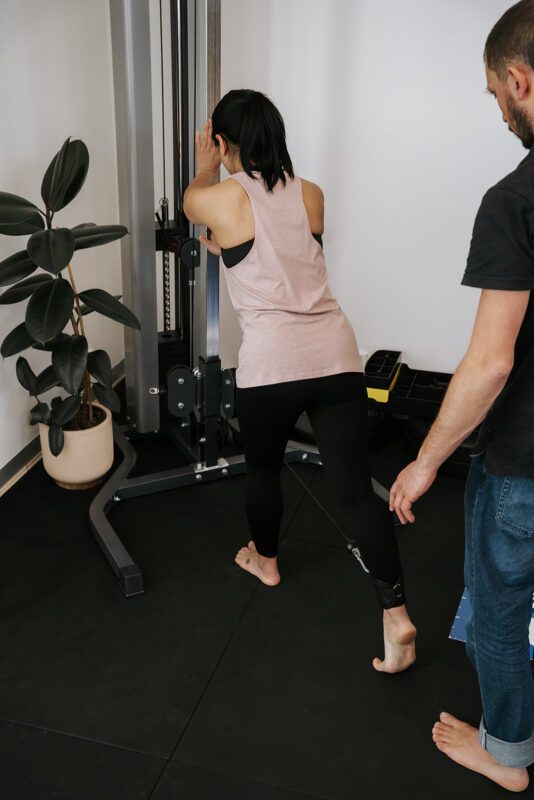
When we think of losing fat, the first action we picture in our head is to start running, walking, swimming or any form of cardio training. But is that actually the best fat loss solution? In this blog, we are going to look into why cardiovascular exercise has many benefits, but when it comes to losing fat mass effectively and sustainably, lifting weights deserves the spotlight. For fat loss, total body weight should not be your target: Focus on Body Composition Another go-to habit, when we focus on losing weight, is to check with a scale where we are at. But the reality of the fact is not as simple. When using a regular scale, you are looking at the total mass of your body, which includes not only your fat, but also your muscle mass, bone mass, etc… Indeed, losing weight isn’t the same as fat loss. Therefore, you should know that when you restrict calories, up to 50% of the weight you lose may come from muscle, not fat–unless you intentionally preserve it through strength training. Muscle is essential for more than movement – it’s a metabolically active tissue. That means it burns more calories at rest than fat. The more muscle you have, the higher your basal metabolic rate (BMR), making it easier to maintain fat loss long-term. Muscles Are Our Metabolic Engine When talking about muscles, we need to change the perspective on their functionality. The locomotive aspect of muscles, which means the ability of the muscles to move the skeletal system, is just one aspect of them, but not the only one. Therefore, when thinking about muscles, start considering that they are also glucose-hungry machines; indeed, they pull sugar out of the bloodstream and help convert it into usable energy. This process is critical for managing blood sugar and inflammation, which are two major drivers of fat storage and chronic disease. So to simplify it, less muscle mass means less body efficiency at using energy, therefore becoming more prone to storing excess calories as fat. Behind this mechanism lies the reason why losing weight without building muscle mass is not a long-term solution, as you will gain weight back. The Double Side of Cardio (When done on its own) When trying to lose weight, it becomes a combination of cardio and less energy intake (a certain type of diet), and to it you add the fact that muscles are not loaded, and by loaded I mean put under strength activities, it becomes easier to lose muscle mass. This happens because the body goes into a calorie deficit, and in order to keep functioning, it is going to take energy off the muscles themselves, reducing their size. This is an extra reason to ensure you are loading those muscles, to ensure the energy to burn is taken from fatty tissue. All of this does end up with yes, a weight loss, but also weakens the very system that helps keep fat off. It’s Never Too Late – Muscle Responds at Any Age This is a topic that we have seen in other blogs, and it is time to remember that age is only a perspective and not a mandatory fail. The body is designed to respond to stimulus, and get stronger and stronger under new and constant stimulus; it doesn’t matter the age. In fact, even older adults, including those in their 60s, 70s, and 80s, can gain strength and improve body composition with the right program. Muscle stem cells (satellite cells) remain responsive well into late adulthood. You don’t need to be a lifelong athlete – many people start lifting in midlife and see dramatic improvements in energy, mobility, and fat loss. How to Lift for Fat Loss As per all the forms of training, there are certain aspects that need to be respected to achieve the desired goal. For fat loss, then, you may want to look into: Focus on compound lifts such as Squats, deadlifts, bench press, and rows, so that you work multiple muscles and burn more calories. Train to near failure, which means from 4 heavy reps or 10 moderate ones, but with progressive overload. Lift 3–5 times per week as consistency beats intensity. And if a week you can do less, it’s ok, don’t be hard on yourself. Look into your eating habits, talk to your local GP about your eating habits and see if you need a referral to a specialist for improving your food habits. Add sprint intervals twice weekly: Brief, high-intensity cardio can enhance fat burning and insulin sensitivity without causing muscle loss. Fitness Class at Melbourne Massage and Treatment At Melbourne Massage and Treatment, in Fitzroy North, I got the skills and the equipment needed to help you achieve your goal, but also, help you learning how to deliver safe exercises for your wellbeing and your athletic preparation. Indeed, when talking about lifting weights, we always want to look at first where your training level is, what your abilities are, and with no judgment, take the first step from there and help you to achieve your short-term and long-term goals. If you are keen to learn more and want to have a chat about your goals, book a 15-minute free online consultation now, so that we can discuss how I can help you and where we can get you with your exercise routine. In Conclusion: Lift First, Then Move More In this blog, we emphasised how strength training is ideal for fat loss, and what we want to tell you with this is that cardio has a place for heart health and endurance, but it’s not the most effective path to long-term fat loss. Prioritising strength training, especially as you age, helps preserve muscle, boost your metabolism, and shift your body into a fat-burning machine. And most importantly, let’s stop chasing a number on the scale. Instead, start chasing strength, power, and metabolic resilience.