Hello, and welcome! I’m Giovanni, and today I want to share some insight into the available treatment options for lymphoedema. If you or someone you know is dealing with this condition, I understand how overwhelming it can feel to navigate the many different approaches to treatment. As someone specialising in lymphoedema management through Manual Lymphatic Drainage (MLD) and Complex Decongestive Therapy (CDT), I aim to provide a holistic approach to managing and reducing the symptoms of lymphoedema. I’ve studied with the Vodder Academy and am a Clinical Myotherapist, so my work is built on solid, evidence-based practices. But I also believe that looking at all available treatment options for lymphoedema —medical, surgical, and holistic—is key to finding a management strategy that works for you.
What is Lymphoedema?

Before we dive into treatment options, let me quickly touch on what lymphoedema is. Lymphoedema is a condition that causes fluid retention and swelling, usually in the arms or legs, as a result of damage or blockage to the lymphatic system. This can occur after surgery, radiation treatment, or due to inherited conditions.
While lymphoedema may be chronic, the good news is that with the proper treatment, symptoms can often be managed or reduced significantly.
Medical Treatment Options for Lymphoedema
Medical treatments for lymphoedema typically focus on managing the fluid buildup and improving lymphatic drainage. Here’s a quick overview of what you might expect in a clinical setting:
- Compression Therapy
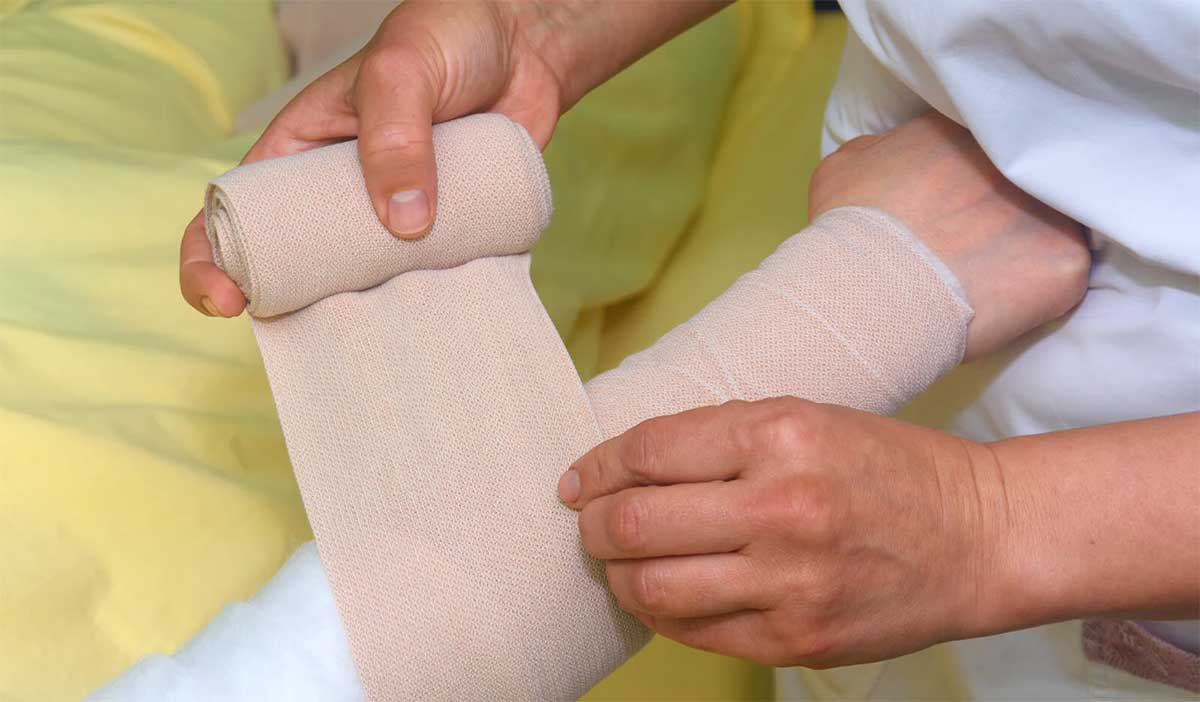
Compression garments are often a cornerstone of lymphoedema management. They help reduce swelling by applying controlled pressure, which encourages the flow of lymph fluid.
These garments come in different forms, including:-
- Stocking
- Sleeves
- Bandages
They can be custom-fitted to provide maximum comfort and effectiveness.
Compression stockings are recommended to be purchased from brands that offer made-to-measure fittings, like JUZO, HADDENAM or others.
I support my client throughout the garment-fitting process through the SWEP program that subsidises the garment. Once the garments are approved, I send the measurements to the above company, and you will receive your garments at home.The benefit of this approach is that you will have a compression that is ideal for your limb, with no greater risk of fluid congestion and other side effects, and most, if not all, is anyway supported by SWEP.
-
- Pharmaceuticals and Diuretics
In some cases, medications may be prescribed to address symptoms like inflammation or to reduce fluid retention. However, it’s important to note that diuretics are generally not a primary treatment for lymphoedema, as they don’t directly address the underlying lymphatic issue. Other medications that are prescribed for Lymphoedema are creams to maintain skin moisturised in order to reduce the chance of cracking and skin damage. - Manual Lymphatic Drainage (MLD)
I specialise in MLD, a gentle, hands-on technique that stimulates the anastomosis of the lymphatic system and encourages the movement of excess fluid from swollen areas.
MLD can be incredibly effective in reducing swelling and relieving discomfort. It works by stretching and letting the skin recoil under some really gentle pressure. This way, the lymphatic system is stimulated to work harder, and takes up the fluid to healthier parts of the body where it can be processed more efficiently. - Combine Decongestive Therapy (CDT)
It is part of the treatment I offer for Lymphoedema patients here at Melbourne Massage and Treatment.
It consists of bandages used to compress the affected area. The compression is applied after MLD has been delivered, and it is applied to maintain fluid movement throughout the anastomosis, which is the alternative connection of the lymphatic system through which the liquid moves after the MLD stimulation. The bandages are applied and are recommended to stay on for about 24 hours. After this time, once you remove them, you will wash them, roll them and come back for another treatment. A back-to-back treatment would ensure that the swelling of the lymphoedema can be managed and reduced as quickly as possible. - Laser therapy
Laser therapy is a non-invasive treatment that can be used in a clinical setting to treat specific lymphoedema presentations. Indeed, Laser therapy is used when the patient already presents with fibrosis, the hardening of the skin. Low-frequency lasers are the ones used most often, and we know there are also portable pen lasers that are efficient enough for this therapy. - Pneumatic compression therapy: This therapy consists of using a sleeve pump machine that gets placed over the affected area and inflates sequentially to apply pressure. The rhythmic compression helps stimulate lymphatic flow, reduces swelling, and improves circulation by encouraging the movement of excess fluid toward lymphatic drainage sites.
All those therapies are recommended in combination. To start with, for the best results and quick reduction, MLD and CDT would be more effective.
Surgical Treatment Options for Lymphoedema
While surgery is generally considered a last resort for lymphoedema, there are certain cases where it may be necessary or beneficial:
- Liposuction for Lymphoedema
This technique is sometimes used to remove excess fat tissue that has accumulated as a result of chronic lymphoedema. It’s not a cure, but it can help reduce the volume of swelling and improve the appearance of the affected area. - Lymphovenous Anastomosis (LVA)/Bypass
It involves connecting the lymphatic vessels and nearby veins, allowing excess lymph fluid to drain into the bloodstream instead of accumulating in tissues. - Vascularized lymph node transfer (VLNT)
a surgical technique used to treat lymphoedema by transplanting healthy lymph nodes along with their blood supply to the affected area. The transplanted lymph nodes, typically harvested from the patient’s groin or other regions, are reconnected to the recipient’s blood vessels. - Lymph Node Transplantation
In some specialised cases, surgeons may transplant healthy lymph nodes from one part of the body to another to help restore lymphatic drainage. This option is more complex and is usually reserved for severe, treatment-resistant lymphoedema.
Surgery, of course, comes with risks and recovery time, so it is typically considered only after all other treatments have been explored.
Lymphoedema Holistic Treatments: Taking a Whole-Body Approach
While medical and surgical treatment options for lymphoedema can certainly help with this presentation, I firmly believe that a holistic approach is crucial for long-term success. Here are some natural and complementary therapies that can support overall well-being:
- Exercise and Movement
Regular, gentle exercise can play a significant role in Lymphoedema management. Low-impact activities like walking, swimming, yoga and or thai-chi, can help stimulate lymph flow and improve the function of the affected area. Incorporating movement in your lymphedema management is essential, and even once the bandaging has been applied, you may be directed to stay active and move. - Diet and Nutrition
While there’s no specific “diet for lymphoedema,” maintaining a healthy, balanced diet can support your body’s ability to manage fluid and inflammation. Staying hydrated, eating plenty of fruits and vegetables, and focusing on anti-inflammatory foods, which are natural foods, less processed as possible, can help improve your overall health and well-being. What can also help in terms of food intake is to have a food diary, where you note what food you had, at what time/day, so that you can monitor what reaction that food may give to your Lymphoedema. - Stress Management
Stress can exacerbate the symptoms of lymphoedema, so it’s essential to incorporate stress-reduction techniques into your routine. Practices like mindfulness, meditation, and deep breathing can help calm the nervous system and may indirectly support lymphatic health.An easy technique I like to practice for stress management, which I also use, is called the breathing box. This technique is about taking a breath in via the nose for the count of 4 seconds, holding the breath for 4 seconds, breathing out for 4 seconds, and holding no breath for another 4 seconds. Repeat 4 times. At the end of the 4th time, you would most likely notice a general sensation of well-being and a calmer feeling. This is possible thanks to the stimulation of the parasympathetic nervous system.
My Approach to Lymphoedema Treatment
In my practice, I emphasise a personalised, holistic approach to managing lymphoedema.
I work with each client to develop a tailored treatment plan that may include MLD, CDT, and lifestyle advice designed to improve overall well-being. Whether you are new to lymphoedema or have been managing it for some time, my goal is to help you feel empowered, comfortable, and supported in every step of the journey.
So, if you are suffering from Lymphoedema and need some help, book your free 15-minute online consultation now, where we can go through your clinical history and establish a treatment plan that can work best for you.
FAQ – Lymphoedema Treatment
Q: What is lymphoedema?
A: Lymphoedema is a chronic condition that causes swelling, most commonly in the arms or legs, due to a blockage or damage in the lymphatic system. It can occur after surgery, radiation treatment, or from inherited conditions. Although it’s ongoing, symptoms can be effectively managed with proper care and treatment.
Q: What are the main treatment options for lymphoedema?
A: Treatment options include medical therapies such as Compression Therapy, Manual Lymphatic Drainage (MLD), Combined Decongestive Therapy (CDT), Laser Therapy, and Pneumatic Compression. In some cases, surgical procedures like Lymphovenous Anastomosis (LVA) or Vascularized Lymph Node Transfer (VLNT) may be recommended.
Q: How does Manual Lymphatic Drainage (MLD) work?
A: MLD is a gentle, hands-on technique that encourages the movement of lymph fluid from swollen areas to healthier parts of the body for better drainage. It reduces swelling, eases discomfort, and supports improved lymphatic function.
Q: What is Combined Decongestive Therapy (CDT)?
A: CDT combines Manual Lymphatic Drainage with compression bandaging. After MLD, bandages are applied to maintain fluid movement and prevent it from returning. These are usually worn for about 24 hours and then reapplied in follow-up treatments for optimal results.
Q: Why are compression garments important for lymphoedema management?
A: Compression garments, such as sleeves, stockings, or bandages, are essential to support lymph flow and control swelling. They should always be custom-fitted to your limb for comfort and effectiveness. I often refer patients to Sigvaris in West Melbourne for professional fitting services.
Q: Are there surgical options available for lymphoedema?
A: Yes, surgical options may be considered in advanced or treatment-resistant cases. These can include Liposuction for Lymphoedema, Lymphovenous Anastomosis (LVA), Vascularized Lymph Node Transfer (VLNT), or Lymph Node Transplantation. Surgery is usually explored after all conservative options have been tried.
Q: Can lifestyle changes help manage lymphoedema?
A: Absolutely. Gentle exercise, a balanced diet, and stress management are key to supporting lymphatic health. Activities such as walking, swimming, yoga, or tai chi stimulate lymph flow, while an anti-inflammatory diet and mindfulness practices help maintain overall wellbeing.
Q: How can I start treatment for lymphoedema?
A: You can begin by booking a free 15-minute online consultation. During this session, we’ll review your clinical history and create a personalised plan that may include MLD, CDT, and lifestyle advice tailored to your specific needs.
A: Lymphoedema is a chronic condition that causes swelling, most commonly in the arms or legs, due to a blockage or damage in the lymphatic system. It can occur after surgery, radiation treatment, or from inherited conditions. Although it’s ongoing, symptoms can be effectively managed with proper care and treatment.
A: Treatment options include medical therapies such as Compression Therapy, Manual Lymphatic Drainage (MLD), Combined Decongestive Therapy (CDT), Laser Therapy, and Pneumatic Compression. In some cases, surgical procedures like Lymphovenous Anastomosis (LVA) or Vascularized Lymph Node Transfer (VLNT) may be recommended.
A: MLD is a gentle, hands-on technique that encourages the movement of lymph fluid from swollen areas to healthier parts of the body for better drainage. It reduces swelling, eases discomfort, and supports improved lymphatic function.
A: CDT combines Manual Lymphatic Drainage with compression bandaging. After MLD, bandages are applied to maintain fluid movement and prevent it from returning. These are usually worn for about 24 hours and then reapplied in follow-up treatments for optimal results.
A: Compression garments, such as sleeves, stockings, or bandages, are essential to support lymph flow and control swelling. They should always be custom-fitted to your limb for comfort and effectiveness. I often refer patients to Sigvaris in West Melbourne for professional fitting services.
A: Yes, surgical options may be considered in advanced or treatment-resistant cases. These can include Liposuction for Lymphoedema, Lymphovenous Anastomosis (LVA), Vascularized Lymph Node Transfer (VLNT), or Lymph Node Transplantation. Surgery is usually explored after all conservative options have been tried.
A: Absolutely. Gentle exercise, a balanced diet, and stress management are key to supporting lymphatic health. Activities such as walking, swimming, yoga, or tai chi stimulate lymph flow, while an anti-inflammatory diet and mindfulness practices help maintain overall wellbeing.
A: You can begin by booking a free 15-minute online consultation. During this session, we’ll review your clinical history and create a personalised plan that may include MLD, CDT, and lifestyle advice tailored to your specific needs.
Giovanni La Rocca
Giovanni moved to Melbourne, Australia, from Italy in 2008 and became a citizen in 2017. He started studying massage therapy in 2016, then completed a Bachelor of Health Science in Clinical Myotherapy in August 2024. During those years, he also specialised in Thai Massage and Manual Lymphatic Drainage for presentations like Lipoedema and Lymphoedema and recovery from Cosmetic Surgery. Nowadays, he runs his clinic in Coburg, Melbourne, where he integrates movement therapy into his practice to enhance overall well-being. He also values meditation, having completed several Vipassana courses. Committed to continuous learning, he aims to share his expertise in integrated therapies to help others achieve balance and resilience.