A deadlift (conventional deadlift) is a popular exercise that aims to strengthen your posterior chain muscle, including the erector spinae muscle, glutes, and hamstring. It is considered a really top list of important exercises to do, and it can be fun and rewarding, but when the weight you move starts increasing, it can lead to severe injuries if you are not using the right technique. Let’s then look into what we need to do to get a good deadlift by starting to analyse from bottom to top how the body should be placed. Centre of mass and biomechanics in deadlift To start with, let’s talk about the biomechanics and the centre of mass for a deadlift. When doing exercises, biomechanics plays a crucial role in safety and optimal exercise execution, and there is no exception for the deadlift. Furthermore, along with all exercises, the lifting and the descending part, the weight has to be in line with the centre of mass. These two components are strictly interconnected to the other one, which means if I don’t use the right biomechanics, I am not going to have the weight aligned with the centre of mass, or if the weight is not aligned with the centre of mass, I am not using my biomechanics at its full potential. So, what’s the centre of mass in the deadlift? The centre of mass in a deadlift is that imaginary line that runs right from the mid-portion of your feet up right in front of your shins, and as you lift the weight up, it passes right in front of your pelvis. That’s where the bar is going to end once you complete the lifting motion. What happens if I don’t keep the bar along the centre of mass? At any stage, during the lifting or the descending motion, if you move the bar further away from the centre of the mass line, there is a great danger of injury. This is because, as the weight travels away from the centre of mass, there is an increase in momentum, which means that your muscles and ligaments that are working hard to move the weight are suddenly placed under a greater load. What are then the proper biomechanics to observe along a deadlift? Ankle and Knee To execute a good deadlift, we want to ensure we have good ankle dorsiflexion, which is not as important as when we squat, but still, we better ensure it is working right. This would allow a straight forward movement of the knee, which would not need to find its way medially or laterally along the initial bending for when we go to grab the bar. Moving up the chain, as we said, the knee have to point straight ahead, following the toes direction. Hip and lower back Next is the hip. This is an important joint, and here is where we need to make sure that we tilt the pelvis forward (bring the teil bone upwards) and as we hinge the hip, we have to have enough movement in there that the greater trochanter (bone landmark that represents the side of the femur’s head) is posterior to the malleolus (the bone landmark that make the side and medial portion of the ankle). Now, if we managed to have tailbone project far back and up, and hip hinged with a slightly bent knee, our back up to cervical area would be alrady quiet flat. Thoracic and head If we keep going upwards, we get to the upper thoracic area, right between the scapula. Here, we want to keep the scapula protracted and have the rhomboids and serratus anterior muscles active and strong so that the arms can hang down straight towards the bar and sit right next to the knee. Regarding the head, use your eyesight to look down at the floor at 45° in front of you and feel the ears pulling away from the shoulder. That would keep your neck nice and long and place the head in the right position. Arms and hands Arms hang down from the shoulder in a straight line, from the AC Joint down to the wrist. The arm has to feel heavy and prolonged, and the hands must sit right next to the shin. Indeed, your arms must stay as wide as your shoulders. That would ensure that your arms are at 90° with the bar, and from a vertical pool point of view, they can take the maximum load ever. Lastly, regarding the hands, there are different grip types that can be used for the deadlift. What is most important is that the wrist is straight following the armline. For exercise purposes, you can have a regular grip where your thumb is gripping around the bar. For heavier weights, you may want to do a mixed grip, where one hand (the dominant one) has the palm facing forward, and the other hand has the palm facing you. In conclusion, the biomechanics of the deadlift, if used correctly, will allow you to always weight in a safe spot, in line with the centre of mass. Your back has to be flat at all times, and along the exercise execution, you want to grasp air in, engage the core to flat out the lower back and then you can lift off. Benefits of Deadlifting Now, let’s look into the benefits of deadlifting. Full-body workout: Deadlifts engage multiple muscle groups—glutes, hamstrings, quads, lower back, core, traps, and forearms—providing a full-body workout in a single movement. Improved strength: Deadlifts are among the best exercises for building overall strength, especially in the posterior chain (back, glutes, and hamstrings). Better posture: Deadlifts can improve posture and reduce the risk of slouching by strengthening your back and core muscles. Core stability: The movement requires significant core activation, helping to enhance core strength and stability. Increased athletic performance: Deadlifts translate well to other athletic movements, as they improve explosiveness, agility, and endurance. Fat loss: The intensity and demand on […]
Tag Archives: myotherapy
Lymphoedema is a condition often associated with cancer survivors, particularly those who have undergone surgery or radiation therapy, but it can also occur due to other chronic conditions or injuries. Characterized by the swelling of limbs due to the accumulation of lymphatic fluid, lymphoedema can significantly impact a person’s mobility, emotional well-being, and overall quality of life. Early diagnosis of lymphedema and management are key to preventing long-term complications, and at Melbourne Massage and Treatment in Fitzroy North, Giovanni, a skilled Myotherapist and Lymphoedema therapist, specializes in identifying and managing this condition using a combination of manual techniques and physical assessments. In this blog, we’ll explore how lymphoedema is diagnosed, the challenges of identifying it early, and Giovanni’s approaches to detecting and managing the condition. What is Lymphoedema? Lymphoedema occurs when there is a disruption in the lymphatic system, leading to the accumulation of lymph fluid, a protein-rich fluid that sits beneath the skin and between the body’s tissue, which often causes swelling in the limbs or other areas of the body. This condition can develop due to a variety of factors, such as lymph node removal during surgery, radiation treatments, injury, or genetic predisposition. Early detection of lymphoedema is crucial to prevent the condition from worsening and causing complications like tissue fibrosis, infections, or reduced mobility. Challenges in the Diagnosis of Lymphoedema Lymphoedema can be difficult to diagnose, especially in its early stages. In its initial phase, symptoms such as heaviness, tightness, or mild swelling may seem subtle and easy to overlook. Patients might attribute these sensations to muscle strain or arthritis, delaying the diagnosis. Furthermore, swelling can fluctuate, making it even harder to identify at the outset. By the time noticeable swelling occurs, the condition may have already advanced, complicating treatment and requiring more intensive management. This is why early detection is so important, as it allows for less invasive treatments and better long-term outcomes. Giovanni’s Approach to Diagnosis of Lymphoedema As a Myotherapist and Lymphoedema therapist at Melbourne Massage and Treatment Lymphoedema Clinic, Giovanni uses manual techniques and physical assessments to diagnose lymphoedema. Although he does not use imaging technology or machines to detect the condition, Giovanni’s training and experience enable him to identify the signs and symptoms through careful observation, palpation, and physical examination. That said, if it is needed, Giovanni can write a referral doctor for your GP to indicate why he believes it is important for you to undertake a specific scan or some medical test. 1. History taking The earlier approach to Lymphoedema diagnosis is an extended look at the medical history, where any past surgery, injury, accident or medications need to be outlined and taken into consideration. 2. Clinical Assessment Following the history taken to diagnose lymphoedema is the clinical assessment. Giovanni conducts a thorough physical examination of the affected limb or area, paying close attention to key signs of lymphoedema, such as: Persistent swelling that doesn’t subside with rest Feeling of heaviness or tightness in the limb Changes in skin texture, such as hardening or thickening Reduced range of motion in the affected area Along with your booking confirmation, you would also receive a form to fill in online, which would start paving the road to your diagnosis. 3. Tape Measurement Method One of the simplest, yet effective, ways Giovanni diagnoses lymphoedema is by using tape measurements. This involves measuring the circumference of the affected limb at various points (e.g., wrist, forearm, upper arm) and comparing these measurements to the unaffected side. Over time, consistent and progressive changes in limb circumference can indicate the development of lymphoedema. While this method is cost-effective and easy to perform, it may not detect early, subtle changes in limb volume. However, when paired with other assessments, it offers valuable information about the progression of the condition. 4. The Pitting Test Giovanni often performs the pitting test, a hands-on method to assess fluid accumulation in the affected area. This simple test involves pressing down on the swollen area with his fingers. If an indentation (or “pit”) remains for several seconds after the pressure is released, it indicates the presence of excess fluid in the tissue, which is a hallmark of lymphoedema. The pitting test helps Giovanni evaluate the severity of fluid retention, but it is more subjective than advanced diagnostic tools. 5. Stemmer’s Sign – Tissue assessment Giovanni also uses palpation (manual examination through touch) to assess the affected area’s tissue texture and consistency. In the early stages of lymphoedema, the tissue may feel soft and puffy, but as the condition progresses, it can become firmer, and in some cases, the skin may develop a thicker, fibrous texture. These changes are essential indicators of lymphoedema and are crucial for determining the stage of the condition. In addition to this, the Stemmer’s Sign is a test that consists of picking what we would expect to be wrinkled skin, like the one just before the toe/tarsal joint. A positive test would result in the impossibility of pinching any skin due to the swelling in the area. 6. Lymphoscintigraphy A lymphoscintigraphy is a scan that is part of nuclear medicine tests, and it is specifically used to detect any interruption within the lymphatic system. The test is done in the specific clinic, and no recovery is needed for it. The procedure consists of injecting a radioactive liquid either in the feet or hands and with a specific camera, detecting the movement of the liquid within the body. We would expect the liquid to move within a certain timing and pathway along the lymphatic system. If that doesn’t happen, this test can give a good understanding if anything is not functioning with the lymphatic system. Why is Early Detection Crucial? The earlier lymphoedema is detected, the easier it is to manage. Early-stage lymphoedema is often easier to treat with less invasive interventions, such as manual lymphatic drainage (MLD), compression therapy (CDT), specific exercises, and skin care. These treatments can help reduce swelling, prevent the condition from worsening, and improve […]
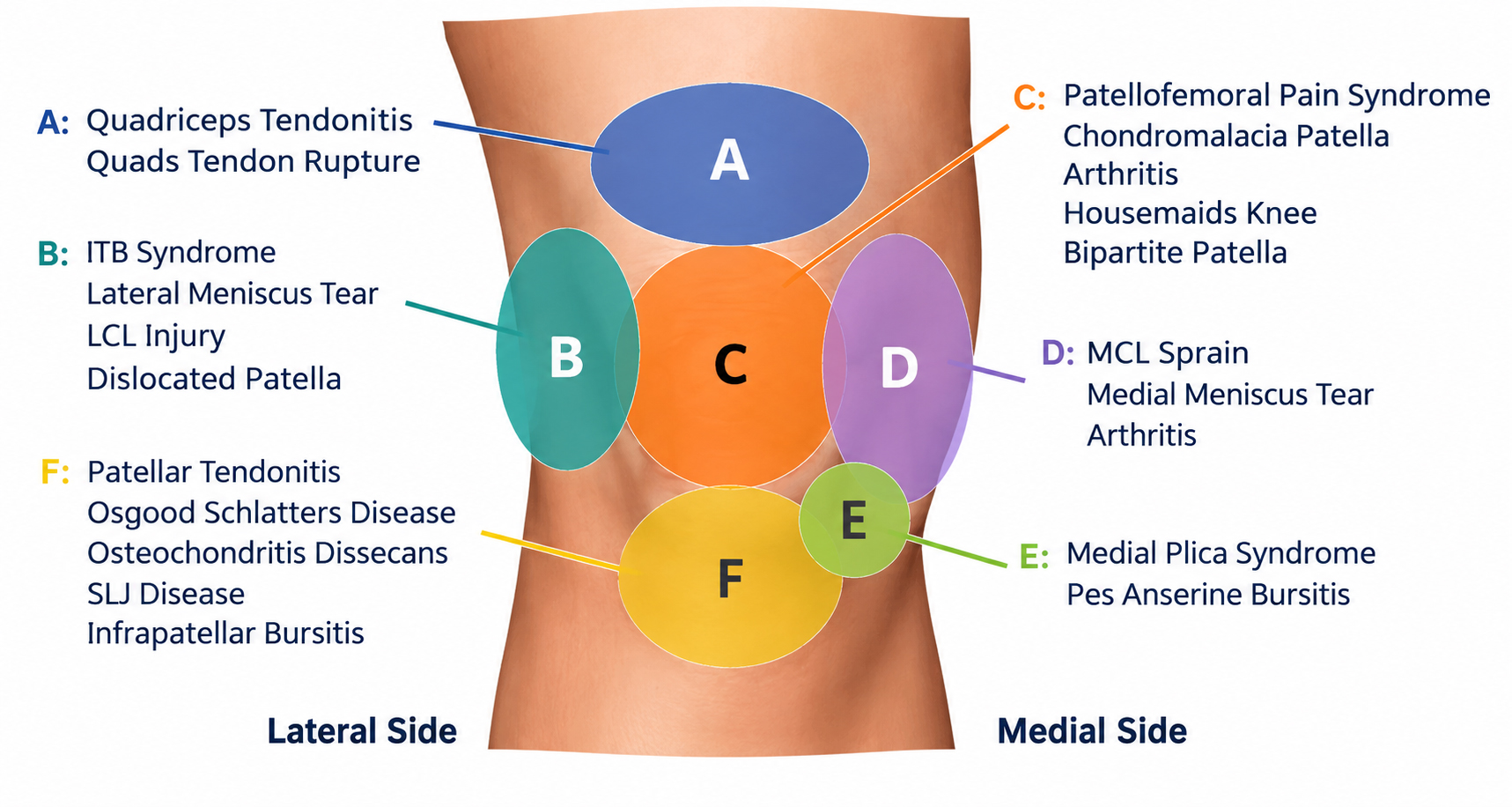
A meniscus is a cushion type of structure that sits between the femur head and the tibia, on the medial side of the knee and the femur and the fibula on the lateral side of the knee. Its role is to protect any friction between the femur head and the other bonds. In sports activities where there is a lot of stop-and-go or stop-and-twist type of motion, such as basketball or netball, the meniscus is put under intense stress, and the chance of injuries can increase. Meniscus tear classification? A meniscus tear is a type of injury that can be classified based on its severity and size. There are different types of classifications, but the most used and accepted is Laprade’s classification (LaPrade et al., 2014). Laprade classification of Meniscus root tears (MRTs) is based on the morphology during arthroscopic assessment. The classification includes five distinct lesions: Type 1 tears represent partial root tears that are stable (7% of all meniscus root tears). Type 2 tears represent complete radial tears within 9 mm of the root attachment centre (67.6%). This type of tear is then subdivided in three other sub-group based on the distance of the tear from the center of the root attachment (2A 0–3 mm, 2B 3–6 mm and 2C 6–9 mm). Type 3 tear was defined as bucket-handle tear with complete root detachment (5.6%). Type 4 tears are complex oblique tears with complete root detachment (10%) and bony avulsion of the root attachment (9.9%). Meniscus tear symptoms In order to diagnose a meniscus tear, the gold standard method is an MRI scan. That said, nowadays, the only time you would get an MRI scan to your knee for a meniscus injury, is for surgery purposes, as we now know, that live with a meniscus tear is possible, as long as the muscle that across the knee joint are well looked after. That said, in the early stage, the symptoms of meniscus tear can include: Joint swelling Tenderness in the knee on the medial or lateral portion of the knee A feeling of catch in the knee as is moving Limited range of motion A feeling of the knee not able to hold the weight. Localised pain To alleviate the discomfort, the aid of a crutch, especially in the early stage, is recommended, and as per all acute phase injuries, the first few days, rest and movement with pain-free range of motion are extremely important. In addition to this, heat can be applied for intervals of 15 minutes once or twice a day. How do we rehabilitate a meniscus tear? As with all injuries, there is not one rehabilitation process that works for everyone, but there are guidelines that can be used to lead a recovery process. Let’s start with the acute phase (first phase), which is the first 72 hours. In this time frame, we would avoid putting direct weight on the affected side and, where possible, do simple knee flex/ext pain-free movements. Placing a pillow under the knee could help avoid locking the knee, which may not feel comfortable. Second phase: In this phase, which would be somewhere after the initial 72 hours, if it feels comfortable, we can start placing some gentle weight on the knee, even though using a crutch can still be acceptable, especially in the early stage of this phase. The second phase can last up to 5 or 6 weeks. An active range of motion, where the knee flexion is always greater, and the knee extension is getting closer to full extension, would keep increasing daily. In this phase, we can introduce Isometric exercises for knee flexion and extension. Those types of exercises can be done with a bench curl machine or an elastic band or ankle weight. What is most important is to start with lightweight or resistance, hold the weight for 40 seconds, and release for 40 seconds. The time frame can be adapted to the patient’s comfort. Halfway through this phase, we can start to introduce eccentric and concentric loads with weights and potential assisted sit and stands type of movement, with a chair that is higher than average and something in front of the patient where they can hold on to (like the back of another chair). As the patients’ confidence and muscles start responding more and more to these exercises, we can move to the third phase, and here we are in week 7 or 8. The chair for sitting and standing is now at average height; we may not need anterior assistance anymore. It is now essential to ensure the patient is walking and confident about placing weight on the affected side. Single-leg squats can be initiated, maybe even with the aid of a stick initially, and day by day without. The load on the anterior and posterior chain muscles of the thigh is increased, and as we move forward from week 10 to week 12, plyometric exercises can be introduced. Along those exercises, we look into explosive lunge, squatting, skipping the rope and running. A great test would be the hopping test, which consists of single-leg hopping, side to side. One minute of oping should not reproduce any pain. All these progressions are approximations of a natural healing process, and based on the individual presentation, this protocol can be modified and enriched as needed. Meniscus tear and surgery. In their meta-analysis of 6 randomised control trials, Meng et al., 2024, concluded that data favor exercise therapy over surgery as a first intervention for meniscus tears. These conclusions come from the fact that the pain reduction, estimated with the knee Knee Injury and Osteoarthritis Outcome Score (KOOS), does not show any difference between the arthroscopic partial meniscectomy (APM) and exercise therapy. That said, it doesn’t mean that surgery is never an option. What Meng et al., 2024 prove is that before heading for an invasive procedure, it is worth it to look into exercise therapy on its own. If the conservative method does […]
Fallen arches, or Flat Feet, are often misunderstood and can be a source of concern for many. However, as a Clinical Myotherapist, I want to reassure you that flat feet are not inherently problematic. In fact, they can be pretty standard and, in many cases, don’t require any treatment at all. Let’s learn why. Understanding Flat Feet (FF) When the feet’ arch presents as flat, what is occurring is a flat foot, resulting in the entire sole of the foot making contact with the ground. What you may not have noticed yet is that this presentation can be triggered by being on your feet, as in standing on it, and not by lying down or in a seated position with the feet off the ground. This is what we would call structural FF. What are Structural Flat Feet? Structural FF also known as rigid FF , involve an anatomical abnormality where the arch does not form properly. This “malformation” could be caused by genetic factors or developmental issues. What the arch would look like is lower than usual or absent entirely, which is often a lifelong condition. Now, despite their appearance, structurally flat feet are less likely to lead to pain or discomfort. The body, indeed, as it is a functional bio-machine, would easily adapt well to this anatomical variation, and many people with structural flat feet can lead active and healthy lives without any special interventions. Different is the anatomical presentation for functional flat feet, and let’s see why. Functional Flat Feet Functional FF on the other hand, result from how the foot functions rather than an inherent structural issue. In this case, the foot arch may appear flat when standing or walking due to excessive strain or an imbalance in the muscles and tendons that support the arch. When the foot is not bearing weight, the arch may appear normal. Potentially, you could also have one flat foot and one that isn’t when having a functional presentation. This is a common one for those who suffer from structural scoliosis. The main reasons why you may present with functional FF is due to muscle Imbalance, within the foot and ankle. This might be due to overuse, poor posture, or repetitive stress. Other reasons include conditions such as overpronation or excessive weight. Addressing these underlying issues can often alleviate the problem. What can be done for Functional Flat Feet? Changing in foot wear, could be an option. Based on the activity that you are doing on a daily basis life, certain types of footwear may help more than others. Orthotics, which are custom or over-the-counter arch supports, can provide temporary relief and improve function, but these often are over-estimated tools that get prescribed at random. Exercises: Strengthening exercises for the feet and lower legs can help improve muscle balance and support the arch, reduce the pain and improve motor function. In some cases, as explained in this study by Sanchez-Rodriguez et al. (2020), exercises can change the shape of the feet for the better if the intervention is done at an early age; in others, it can help maintain the feet pain-free. When Should You Worry? Most people with flat feet experience no symptoms, and if that’s the case, you do not need to worry about changing the presentation, as it could lead to pain and discomfort. If you are experiencing pain, on the other hand, is worth it to consult an health care practitioner, that can be a podiatrist, or book an appointment at Melbourne Massage and Treatment, where we are going to evaluate if the pain is due to the flat feet it self, or to other conditions such as plantar fasciitis, shin splints, or other pathologies. The Bigger Picture It’s essential to remember that FF are just one of many variations of normal foot anatomy. They do not necessarily indicate a health problem or affect your overall well-being. For most individuals, flat feet are simply a characteristic of their body and do not require any special treatment. In conclusion, whether you have structural or functional flat feet, it’s essential to focus on how you feel and function rather than the appearance of your feet. In many cases, flat feet are perfectly normal and do not pose any significant health risks.
At Melbourne Massage and Treatment, we specialise in providing tailored remedial massage therapies designed to alleviate chronic pain. These therapies are meticulously designed to target the root causes of pain, fostering relief and recovery through specialised techniques. Our expert therapists are committed to assisting individuals in reclaiming their comfort and mobility, paving the way for a healthier, more active lifestyle. Key Takeaways: Tailored Approach: Each treatment is customised to address specific pain areas, enhancing effectiveness. Professional Expertise: Our therapists are highly trained in a variety of techniques to offer optimal relief. Holistic Benefits: Beyond pain relief, enjoy improved mobility and reduced stress. The Power of Remedial Massage Remedial massage is not just about relaxation; it’s a potent therapeutic tool for chronic pain management. By manipulating the soft tissues of the body, remedial massage helps in breaking down knots and improving blood circulation. This process not only alleviates pain but also enhances the healing process of the muscles and tissues. For individuals with conditions like arthritis, fibromyalgia, and back pain, a regular remedial massage can be a cornerstone of effective management. How Remedial Massage Works Pain Relief: Through techniques such as kneading and pressure, remedial massage relieves muscular tension and pain. Improves Circulation: Enhanced blood flow aids in faster recovery of sore, overworked muscles. Increases Mobility: Regular sessions help in restoring flexibility and range of motion. Addressing Chronic Pain Conditions with Remedial Massage Remedial massage not only provides immediate relief but also long-term benefits to those suffering from chronic pain conditions. By focusing on specific areas of tension and imbalance within the muscular system, remedial therapy can significantly alleviate the symptoms associated with chronic musculoskeletal conditions. For individuals dealing with repetitive strain injuries or postural problems, remedial massage provides essential relief that is both healing and preventive. By increasing tissue elasticity and fluidity, the therapy ensures less tension in the muscles, which is often the root cause of ongoing pain and stiffness. Individualised Treatment Plans Our approach at Melbourne Massage and Treatment is deeply rooted in understanding the unique conditions and needs of each client. During the initial consultation, our therapists perform a thorough assessment to determine the most effective treatment strategy. This personalised plan is aimed at not only addressing the pain but also at promoting recovery and preventing future issues. Each session is adapted to progress with the client’s recovery, ensuring the most beneficial outcome. Techniques and Therapies Remedial massage incorporates a variety of techniques, each chosen for its ability to target different issues: Deep Tissue Massage: Focuses on deeper layers of muscles and connective tissue, helpful in releasing chronic muscle tension. Myofascial Release: Targets the fascia, the connective tissue around muscles, alleviating tension and restoring mobility. Trigger Point Therapy: Aims at specific areas of tight muscles that cause pain in other parts of the body, often described as ‘knots’. Benefits Beyond Pain Relief The benefits of remedial massage extend beyond the direct treatment of pain. Regular sessions contribute to: Enhanced Recovery: Speeding up the recovery process from injuries and surgeries. Improved Posture: Regular massage helps in correcting posture and muscle imbalances. Stress Reduction: The relaxation aspect of massage helps reduce stress levels, which is often a contributor to chronic pain. Real Client Success Stories At Melbourne Massage and Treatment, we’ve seen remarkable transformations in our clients’ health. For instance, a client with chronic back pain, who had tried various treatments without significant improvement, found relief after a series of targeted remedial massage sessions. This individual story is just one of many that exemplify the healing potential of dedicated remedial massage treatment. Integrating Remedial Massage into Your Health Regimen Incorporating remedial massage into your regular health care routine can profoundly affect your overall well-being. It’s recommended for anyone suffering from chronic pain to consider setting up a routine with our skilled therapists. This not only helps in managing pain but also enhances general health and prevents the recurrence of injuries. Expert Care at Melbourne Massage and Treatment Our team of therapists at Melbourne Massage and Treatment is not only skilled in a variety of massage techniques but also in assessing the needs of our clients. They continually update their skills and knowledge to include the latest in remedial massage research and techniques. This commitment ensures that our clients receive the highest standard of care currently available in the field of massage therapy. Understanding Chronic Pain Management Chronic pain is a complex condition that affects every aspect of an individual’s life. At Melbourne Massage and Treatment, we believe in a multidisciplinary approach to pain management. Remedial massage is a cornerstone of this approach, but it is most effective when combined with other treatments and lifestyle adjustments. Our therapists often work in conjunction with physiotherapists, chiropractors, and doctors to provide a comprehensive treatment plan that addresses all aspects of the client’s health. Lifestyle and Remedial Massage Incorporating lifestyle changes alongside regular remedial massage sessions can dramatically improve outcomes for individuals with chronic pain. Simple adjustments like improving ergonomic setups at work, maintaining a balanced diet, and regular physical activity can complement the effects of massage therapy. Our therapists provide guidance on these aspects, offering a holistic approach to managing chronic pain. Education as a Tool for Empowerment Knowledge is power when it comes to managing chronic pain. Our therapists ensure that clients are educated about their conditions and the mechanics of pain, which empowers them to make informed decisions about their health. This education includes understanding how various massage techniques work to alleviate pain and how they can actively participate in their recovery process. The Role of Regular Assessment Regular assessments are crucial to the success of any treatment plan. By consistently evaluating a client’s progress, therapists can adjust treatments as needed, ensuring that each session is as effective as possible. These assessments look at pain levels, functionality, and overall mobility, adjusting the course of treatment to match the changing needs of the client. Conclusion At Melbourne Massage and Treatment, we understand the debilitating nature of chronic pain. Our remedial […]
Remedial massage offers a therapeutic approach to easing pain and hastening recovery from injuries, blending traditional techniques with tailored treatments to suit individual needs. At Melbourne Massage and Treatment, we specialise in this intricate therapy, aiming to not only alleviate pain but also to restore function and enhance overall well-being. Key Takeaways: Remedial massage provides targeted pain relief, enhancing comfort during recovery. This therapy promotes increased circulation, aiding the body’s natural healing process. Regular treatments can improve flexibility and mobility in affected areas. The therapy also supports mental well-being, helping reduce stress associated with injuries. How Remedial Massage Can Help in Recovering from Injuries Direct Impact on Injury Sites: Remedial massage techniques are adept at targeting the specific tissues affected by an injury. By applying controlled pressure to the injured area, these techniques help break down scar tissue and adhesions that can restrict movement and cause pain. As a result, the direct manipulation of these tissues stimulates healing and the restoration of healthy function. Enhancing Lymphatic Drainage: One of the lesser-known but critical benefits of remedial massage is its ability to stimulate the lymphatic system, which is pivotal in reducing swelling and inflammation often associated with injuries. Improved lymphatic drainage not only alleviates pain but also enhances immune system function, which is crucial in fighting off potential infections that can complicate the recovery process. Stimulation of Endorphin Release: The process of remedial massage helps in stimulating the body’s production of endorphins, the natural ‘feel good’ hormones. These hormones act as natural painkillers, reducing the perception of pain and promoting a sense of well-being. This psychological boost is essential, as it can significantly impact one’s motivation and enthusiasm for continuing with the rehabilitation process. Restoring Muscular Balance and Posture: Injuries often disrupt the normal muscular balance within the body, leading to compensatory movements and postures that can themselves lead to further discomfort or injury. Remedial massage helps to identify and correct these imbalances. By easing the tension in overused muscles and stimulating underactive ones, the body can return to a more natural posture and reduce the risk of recurring injuries. Preventative Measures for Future Injuries: Beyond just aiding in recovery, remedial massage serves a preventative function. Regular sessions can identify and mitigate risk factors associated with injuries, such as tightness in certain muscles or limited joint mobility. This proactive approach not only helps to prevent future injuries but also enhances overall physical performance and endurance. Integrating Remedial Massage into Recovery Plans Integrating remedial massage into an injury recovery plan should be done with consideration to the individual’s specific needs and medical history. Collaboration with healthcare professionals can ensure that massage techniques are effectively aligned with other treatment modalities, such as physical therapy or medication, for optimal recovery. Customised Treatment Approaches: Every injury is unique, and thus, every remedial massage session should be tailored to the specific needs of the individual. Experienced therapists at Melbourne Massage and Treatment assess each client’s condition and create a personalised treatment plan. Long-Term Health Benefits The benefits of remedial massage extend far beyond immediate injury recovery. Regular sessions contribute to maintaining a healthy musculoskeletal system, reducing the risk of injury by keeping muscles loose and flexible and improving joint mobility and stability. Furthermore, the relaxation benefits of massage can help manage stress, which is a common factor in many chronic health conditions. Holistic Approach to Well-being: Melbourne Massage and Treatment promotes a holistic approach to health, where remedial massage is integrated with other wellness practices. This might include guidance on nutrition, exercise, and mental health strategies to support a well-rounded recovery and maintain long-term health and well-being. Empowering Clients: Educating clients about their body and the healing process is a critical component of the service provided. By understanding the mechanics of their recovery and the role remedial massage plays, clients are better equipped to take proactive steps towards their health, further enhancing the effectiveness of their treatment. Enhancing Mental and Emotional Well-being An often overlooked aspect of remedial massage is its capacity to improve mental and emotional health. The stress of dealing with an injury can be overwhelming, leading to anxiety and depression. Remedial massage helps mitigate these issues by promoting relaxation and reducing stress levels. The soothing effect of hands-on therapy provides a therapeutic escape from the constant concern over injury and recovery, which in turn can accelerate the physical healing process. Optimal Circulatory Health Improved blood circulation is another significant benefit of remedial massage. By enhancing blood flow, more nutrients and oxygen are delivered to damaged tissues, which is crucial for repairing injuries. Additionally, better circulation helps to remove waste products and toxins from the body, which can accumulate around injury sites and slow down the healing process. This aspect of remedial massage is essential for those recovering from muscular injuries and strains, as it ensures that tissues receive the necessary components for swift recovery. Flexibility and Strength Remedial massage plays a crucial role in enhancing flexibility and strength, particularly post-injury. Techniques like stretching and kneading increase the elasticity of muscle fibers, preventing stiffness and increasing range of motion. This is particularly beneficial for individuals who are recovering from joint or muscle injuries, as it aids in gradually restoring strength without adding undue stress on the recovering tissues. Synergy with Other Therapies For comprehensive recovery, remedial massage often works best when combined with other therapeutic approaches. For instance, integrating massage with physiotherapy or chiropractic care can provide a more holistic recovery plan. Each therapy complements the other, with massage easing muscle tension and improving flexibility, while other treatments focus on alignment and functional improvement. Educating Clients on Self-Care At Melbourne Massage and Treatment, we believe in empowering our clients with knowledge about self-care techniques that complement their in-clinic massage sessions. Simple strategies, such as regular stretching, proper hydration, and stress management techniques, are shared to enhance recovery and prevent future injuries. This education is crucial, as it helps clients maintain the benefits of massage between sessions and builds a foundation for lasting health. […]
Tendinopathy refers to the tendon’s painful or irritating condition, usually brought about by repetitive stress or overuse. Symptoms include pain, tenderness, and swelling in the affected area. It often results from activities that put excessive strain on the tendon or sudden increases in activity levels. What is a tendon? A tendon is a tough, flexible band of fibrous connective tissue that ties a muscle to a bone. The force generated by the muscle would be relayed through tendons onto the bones, thereby allowing movement of the body. Tendons are made of closely packed bundles of collagen fibers, which enable them to be strong enough to bear such stresses of activities. As tendons are not as stretchy as muscle fibres, they deal with load differently. Indeed, if put under an intense load, repetitively stretched, or used for repetitive movement, tendons get irritated. What are the stages of tendon degeneration? Regardless of age or biological gender, we will all experience some form of tendon degeneration throughout life. The more tendons are used, the earlier the degenerative process will be. In this context, we must reevaluate the negativity of the world’s “degeneration.” So, instead of giving a negative value to this world, let’s consider tendon degeneration only as a process of change in the tendon structure. This process is made of 3 stages: Reactive Tendinopathy: The first stage is characterized by a non-inflammatory reaction with a thickened tendon from increased protein production. The tendon can return to normal if the stress is reduced. Tendon Disrepair: If untreated, this is typically the second phase after reactive tendinopathy and is identified by further separation of collagen, disorganization of matrix, increased vascularity, and neural ingrowth. It normally needs to be diagnosed through imaging. Degenerative Tendinopathy: This is the final stage, characterized by permanent changes including cell death and marked matrix disorganization; it results in thickened and nodular tendons. Poor prognosis is associated with this condition. What to do when experiencing tendon pain? As you start experiencing pain, it is always suggested to reach out to a professional health therapist to evaluate what the problem is. In regards to tendon pain, the first step, independently from which stage of degeneration the tendon is in to, is suggested rest from the movement that flair up the area. On top of that the usage of heat pack is reccomended for a couple of times a day for 10 to 15 minutes. Tendon have a low blood supply compared to muscles, and the heat applied from outside can help in driving more blood to the area. Moving forward, if the pain is still present after three days, then the usage of an anti-inflammatory is recommended. The suggestion is to wait 3 days because, in the first three days of pain, the body puts in place what we call the “initial inflammatory response”, a phase in which the body increases blood volume to the area together with other biochemical reactions that kickstart the healing process. If, after three days, the inflammation has not ceased, that’s when the anti-inflammatories are needed. How do we treat tendinopathy at Melbourne Massage and Treatment? As a Clinical Myotherapist, I would suggest starting in the early stage with hands-on treatment and exercises-rehabilitation, such as a Myotherapy session. Past the first 3 days of inflammatory response, is good to start looking into why the presentation is not progressing for the better. Treatment modalities: Deep tissue massage is a modality that can stimulate relaxation and drive more blood to the area affected. Myofascial Dry Needling (MDN) can target the muscle attached to the tendon/s. It can help boost a new inflammatory response, desensitise the painful area, and increase muscle activation by interacting with the central nervous system. Exercises are then the takeaway for home. In the early stage, we would use isometric exercises to desensitize the area, partially load the muscle and keep the tendon active with constant load. This type of exercise can be used during the 1st or the 2nd week, based on the degenerative process we are dealing with. In terms of the time of load, based on the subjective finding, a time would be outlined. Roughly, we know that we are looking at an isometric load that would last about 30 to 45 secs with a break between one load and the next one, of the equivalent time. How long could it take to recover fully? Scientific studies have shown that the recovery process for tendinopathy varies from 3 weeks to 6 months. This is a big range of time, of course, and it is all about the gravity of the presentation, the tendon location, and the amount of rest that can be achieved along the recovery process. That said, as per all the exercises, the program is suggested for a minimum of three days a week and a maximum of five days a week. That would give enough time for the structure to be loaded and have time to recover, too. In conclusion, if you are suspicious of suffering from a tendinopathy, do not hesitate to reach out to Giovanni and Book Now for your next Myotherapy treatment. FAQ Q: What is tendinopathy? A: Tendinopathy is an injury to the tendons and results from repetitive stress or overuse. The result of the tendinopathy is pain, tenderness, and swelling into the affected area. Common activities causing this generally include over-straining or suddenly increasing the level of activity. Q: What is the degeneration process of the tendons? A: The tendon degeneration progresses in three stages: 1) Reactive Tendinopathy. 2) Tendon Disrepair. 3) Degenerative Tendinopathy. Q: What should I do if I have tendon pain? A: If suffering from tendon pain, basic things that you may try include: Rest the tendon from any activities that worsen the pain. Apply a heat pack for 10-15 minutes several times during the day as this helps to increase blood flow. Anti-inflammatory medication can be considered after three days, as this is typically when the initial inflammatory response has […]
Exercise is the cure for pain, and it is an underestimated medicine that could sort out many of our bodies’ aches. Strengthening exercise, such as exercising under load or resistance, can be done at home or the gym, and it should be part of our weekly routine. It is never too late to start exercising; everyone can benefit from it. At Melbourne Massage and Treatment, we always encourage our patients to make a treasure of the exercises we show, and if you have any questions about it, do not hesitate to ask. Exercises as Medicine. Exercise can be considered a potent medicine, offering many benefits beyond physical fitness. Regular physical activity has been scientifically proven to reduce the risk of chronic diseases such as heart disease, type 2 diabetes, and certain cancers. It also helps manage weight, improve mood, and enhance mental well-being by reducing symptoms of anxiety and depression. Additionally, exercise strengthens muscles and bones, improves sleep quality, and boosts overall energy levels. Its ability to promote longevity and quality of life underscores its role as an indispensable component of preventive healthcare, highlighting the transformative power of exercise as medicine (Ruegsegger & Booth, 2018). How Exercises can help: Mechanotherapy. Mechanotherapy is the therapeutic application of mechanical forces to tissues and cells to promote healing and enhance physiological function. This approach harnesses the body’s innate response to physical stimuli, such as exercise, massage, and physical therapy, to stimulate tissue repair, reduce inflammation, and improve overall tissue resilience. By strategically applying mechanical forces, mechanotherapy aims to optimize biomechanical properties, restore normal tissue function, and alleviate symptoms associated with musculoskeletal injuries or chronic conditions. This therapeutic modality underscores the importance of tailored physical interventions in healthcare, offering a holistic approach to rehabilitation and wellness that complements traditional medical treatments. How many days a week? Ideally, you would like to exercise 3 to 5 times a week for 45 minutes to 1 hour daily, with 1 to 2 days of rest. The reason behind this is covered by the scientific research and data that we have in hand nowadays, which reveal the importance of loading the body with resistance and weights to grow and regenerate the body components, like muscle, tendons, ligaments, etc… and also the fact that, once the body has been put under load, it also needs time to rest and repair itself, which is crucial for maintaining optimal physical and mental health (Lee et al., 2017). Indeed, if we look at the effect of exercises on muscles, the muscles present with micro tears and micro damage post-exercise, which, the day after the training, reproduce pain, better known as DOMS ( Delayed Onset Muscle Soreness ). Time is needed to allow those microtears to recover. How long should DOMS last? As per all the inflammatory responses, DOMS can last between 24 to 72 hours. During this time frame, the body supplies extra blood to the muscles in order to implement a recovery process. During this time frame, to reduce discomfort and aches, you can use a heat pack (remember, no longer than 15 minutes), massage the area with oil, and do gentle movement. Avoid taking anti-inflammatories, as those would slow down the inflammatory response put in place by your body to heal. If pain persists longer than 72 hours, you can book a consultation or refer to a GP for advice on meds or scans. Can exercises be DOMS-free? Yes, exercises don’t have to reproduce pain every time. When you don’t feel that your muscles have been working that hard, it means that you haven’t pushed them to their limits, and therefore, they are not developing new fibres. Is this a bad thing? No, not necessarily. It is all about what you are aiming for. Indeed, if you are aiming to recover from an injury or you are training for a competition, then yes, you would aim to feel the DOMS the day after, especially if you are at the start of your training journey. On the other hand, if you are happy with the level of strength achieved, you can keep the current presentation by doing general training, without pushing your body close to its limit, by exercising twice a week only and by not increasing the load of resistance/weights as weeks pass by. Exercises and muscle bulk. Doing regular exercise is not going to make you bulky unless you are keen to be hyper-disciplined about the type of exercise, timing, and nutrition. But let’s see in more detail what happens to the muscle cells during exercise. Firstly, we have to understand that hypertrophy. Hypertrophy refers to the increase in the size of muscle cells due to the rise in their component proteins. There are two primary types of hypertrophy: myofibrillar hypertrophy and sarcoplasmic hypertrophy. Myofibrillar Hypertrophy: This type of hypertrophy involves increased size and number of myofibrils within muscle fibres. Myofibrils are the contractile units responsible for muscle contraction. Training focusing on heavy resistance and lower repetitions (e.g., weightlifting) typically induces myofibrillar hypertrophy, increasing muscle strength and density. Sarcoplasmic Hypertrophy: Sarcoplasm is muscle cells’ fluid and energy storage area. Sarcoplasmic hypertrophy involves an increase in the volume of sarcoplasm within the muscle fibres. This type of hypertrophy is often associated with higher repetition ranges and moderate resistance (e.g., bodybuilding workouts). It results in larger, more visually noticeable muscles but with less emphasis on maximal strength gains compared to myofibrillar hypertrophy. Mechanism of Muscle Growth: During exercise, particularly resistance training, muscle fibers experience microscopic tears. In response to these tears, the body initiates a repair process that involves synthesising new proteins to rebuild and strengthen the muscle fibers. Over time, with consistent exercise and adequate nutrition, this repair process leads to an increase in muscle size and strength. Importance of Nutrition: Proper nutrition is crucial for supporting muscle growth. Adequate protein intake is essential as proteins are the building blocks of muscle tissue. Carbohydrates provide energy for workouts, while fats contribute to overall health and hormone regulation. Additionally, sufficient […]
The NDIS (National Disability Insurance Scheme) stands as a transformative initiative in Australia, particularly significant in Melbourne, Victoria’s vibrant capital. Designed to provide support and services to Australians with disabilities, NDIS embodies a commitment to inclusivity, empowerment, and improved quality of life for participants across the country. NDIS and Massage Therapy Understanding the NDIS Established in 2013, NDIS represents a shift towards individualised support plans tailored to meet the specific needs and goals of people with disabilities. In Melbourne, this framework ensures that individuals have access to necessary supports that enhance their independence and participation in the community. How It Works At its core, NDIS operates by providing eligible individuals with funding for a range of supports and services. These can include personal care, access to therapies, assistive technology, and modifications to homes or vehicles, all aimed at fostering greater autonomy and well-being. Impact on Melbourne Communities Melbourne, renowned for its diversity and inclusivity, has embraced the principles of NDIS wholeheartedly. The scheme not only supports participants directly but also fosters a network of providers and community organizations dedicated to delivering high-quality services. This collaborative approach ensures that Melburnians with disabilities have access to a wide array of support options, tailored to their unique circumstances. NDSI services at Melbourne Massage and Treatment Giovanni, a dedicated Myotherapist based in North Fitzroy, plays a crucial role in the local implementation of NDIS services. His practice extends its services to surrounding suburbs, providing essential musculoskeletal therapies that enhance the physical well-being and quality of life for NDIS participants. Giovanni’s personalized treatment plans are designed to meet the unique needs of each individual, contributing to their overall health and independence. Services covered by the NDIS scheme include Remedial Massage, Myotherapy, and Manual Lymphatic Drainage (MLD). NDIS and Myotherapy In the vibrant landscape of Melbourne’s National Disability Insurance Scheme (NDIS), Myotherapy stands out as a pivotal therapy for enhancing participant well-being. Myotherapy focuses on assessing and treating musculoskeletal conditions through advanced techniques such as dry needling, joint mobilization, and tailored corrective exercises. For individuals with disabilities, this specialized approach targets pain management and improves physical function, empowering them to navigate daily life with greater comfort and mobility. NDIS and Remedial Massage Remedial Massage therapy plays a complementary role within the NDIS framework, offering participants relaxation, stress reduction, and relief from muscle tension. This therapeutic modality is essential for promoting overall physical and mental well-being. By addressing muscular discomfort and enhancing circulation, remedial massage supports participants in achieving a sense of relaxation and renewed vitality. NDIS and Manual lymphatic Drainage Manual Lymphatic Drainage (MLD) emerges as a vital service under the NDIS, particularly beneficial for individuals managing conditions such as lymphedema. This gentle, specialized massage technique promotes lymph flow, reduces swelling, and supports immune function. MLD not only helps in managing symptoms but also contributes to enhancing participants’ quality of life by improving lymphatic circulation and overall wellness. In Melbourne, practitioners like Giovanni integrate these therapies into NDIS plans with a personalized approach, ensuring participants receive comprehensive care tailored to their specific needs and goals. Through Myotherapy, Remedial Massage, and Manual Lymphatic Drainage, NDIS participants in Melbourne are empowered to achieve greater independence, alleviate discomfort, and enhance their overall well-being. Challenges and Opportunities While NDIS has been instrumental in improving the lives of many, challenges such as navigating the application process or understanding available supports can arise. In Melbourne, organizations and advocacy groups play a crucial role in assisting individuals and families through these complexities, ensuring that every participant maximizes the benefits of the scheme. Looking Ahead As NDIS continues to evolve, Melbourne remains at the forefront of innovation and advocacy in disability support. The city’s commitment to accessibility and inclusivity is reflected in its ongoing efforts to improve service delivery and expand opportunities for those with disabilities. That said, if you need treatment, do not hesitate to book now an initial consultation with Giovanni. During the first session, Giovanni would be able to draft a personal treatment plan that works best for your presentation. If you are in doubt about what treatment works best for you, just get in touch with Giovanni, by clicking here. Conclusion In conclusion, the NDIS has had a profound impact on Melbourne, empowering individuals with disabilities to live more independently and participate fully in society. Through its person-centred approach and collaborative spirit, NDIS exemplifies Australia’s commitment to equity and dignity for all. As Melbourne continues to grow and evolve, so too will the opportunities for individuals with disabilities to thrive, supported by a framework that values their unique strengths and aspirations. Whether you’re a participant, a provider like Giovanni in North Fitzroy, or an advocate, NDIS in Melbourne represents a beacon of hope and progress towards a more inclusive future.
“I was lifting the box from the floor, and then, ouch I did my back”! How often have you heard this? What’s going on here? Lower back pain is a common presentation that affects many people all around the world. But hurting your back when picking a box, or even a lightweight as the key, or tightening the shoes, is an injury that doesn’t affect only those with lower back pain. So to explain the mechanism behind these incidents, we have to look into what we call “proprioceptors”, specifically “muscle spindle”. Proprioceptors are body receptors within the skin, muscles and joints that reveal information about the body’s movement and send this information to the brain. How that information is transmitted to the brain is by different types of a pathway that we will see in a future post. In specific, today, we are going to look at the “muscle spindle”. So muscle spindles are proprioceptors that can tell the brain how the body is moving, specifically a muscle, and a proprioceptor that can tell a muscle to relax and change to stretch. Indeed, muscle spindles are different from other proprioceptors, as they can alter their sensitivity as needed. What did Muscle Spindles have to do with my back then? As mentioned above, a muscle spindle can alter muscle consistency. So, when banding forward to pick up the key or do the shoes lase, the back muscle must relax, as they have to stretch. But, if the muscle spindle doesn’t tell the back muscle to relax as you bend, those muscles will stay contracted, and guess what happens next? “Ouch, I did my back.” How to prevent the injury then? To prevent an injury as such, movement is the answer. Movement, as simple as a cat and cow exercise, would create that feedback response between your lower back area and the brain that, in the long term, would ensure your brain knows that when bending, the posterior portion of the body needs to be told to relax. Said so simple movement can prevent the injury, but further exercises, like a deadlift, can help your entire posterior chain to get stronger and get you to the next level of strengthening. But before lifting heavy weights, let’s not forget the importance of looking into mobility. In conclusion, to prevent this injury from happening, start moving. Incorporate regular breaks from your seating at the desk. Have a timer on your desk that, every 45 minutes, remind you to stand up, have a stretch and short walk, a water sip and get back to work. Book your next massage session at Melbourne Massage and Treatment if this post talks to you. How can Massage help? Massage therapy can help in different ways. First, it can help reduce the muscular tension within the lower back area. Second, the massage touch can help increase that body awareness, preventing further injury. The recovery process from an injury does depend from person to person. But within a few sessions within 1 to 2 months, using a mix of techniques, like MLD, Myotherapy and or Thai Massage, there is a good chance of good recovery and injury prevention. Exercises play an important role too in this recovery phase. How Many Sessions would I need? As already mentioned, everyone is different. Based on my experience, to help someone recover from an injury, initially, it can take up to 5 sessions spread over two months to achieve a good result. And again, this is not only about Massage but also about corrective exercises. Therefore, I offer a treatment plan allowing you to uptake five sessions of any treatment type at a discount rate of 10%. This offer is valid for returning clients who already had an initial consultation. This would allow me, as a therapist, to ensure I am the right therapist for you and that we can create a treatment plan that works for you and that you can use for your benefit.