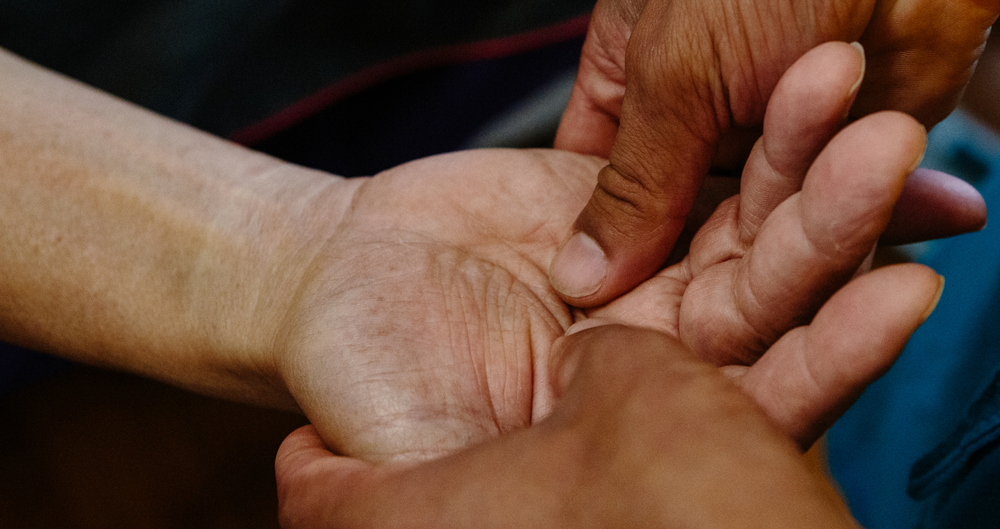
Here is a list of services available at Melbourne Massage and Treatment: Myotherapy Exercises Rehabilitation Remedial Massage Thai Massage MLD Thai Yoga What are these services about? First, any of those services are holistic services, so they can’t be official diagnoses for medical conditions, and Giovanni can’t prescribe any medications. What to expect is guidance on how muscularscaletol conditions, such as plantar fasciitis, tight muscle, muscle tear and more…can be looked after and overcome with manual therapy and exercises. As Myotherapist, Giovanni can guide you on how possibly the pain manifests and how with massage and specific exercises, the pain can be placed at ease. Part of the process of pain management is the change in habits. This can include posture at the workstation, but not only, but other changes can also include your training program, which maybe is too intense for your body and needs to be adjusted. How is the massage delivered? Any massage is delivered in total respect of the patient and the therapist. No nudity or sensual massage are available. Only the body area that needs attention would be exposed. The rest of the body is covered in a towel. Undress level is down to bra and underwear when need it. If we are working on your shoulder, there is no need to remove the pants. Regarding individual massage sessions, like myotherapy treatment, remedial massage, and/or Thai massage, an assessment of the muscular scale of the system would be delivered before the treatment. This assessment included a series of ROM. These assessments would help Giovanni understand what muscle or groups of muscles needs more attention during the treatment. What should I do before the massage session? Treatments such as myotherapy, remedial massage, and MLD include exposing the body parts that need to be worked on. Said so, having a shower before the treatment would be much appreciated. You don’t need to wear any perfume, a deodorant is enough. Should I shave? No, you don’t need to shave. If rock tape needs to be used, the rock tape can be placed over body hair. When you have to remove it, make sure to roll it downwards. Do not pull it off like it is a wax treatment. That could lead to ripping hair and skin off. Where does Giovanni work? Melbourne Massage and Treatment services are available at the Coburg. Book now your next appointment. If this post didn’t answer all your questions, don’t hesitate to message Giovanni through the Contact Page.
Tag Archives: myotherapy
Blog
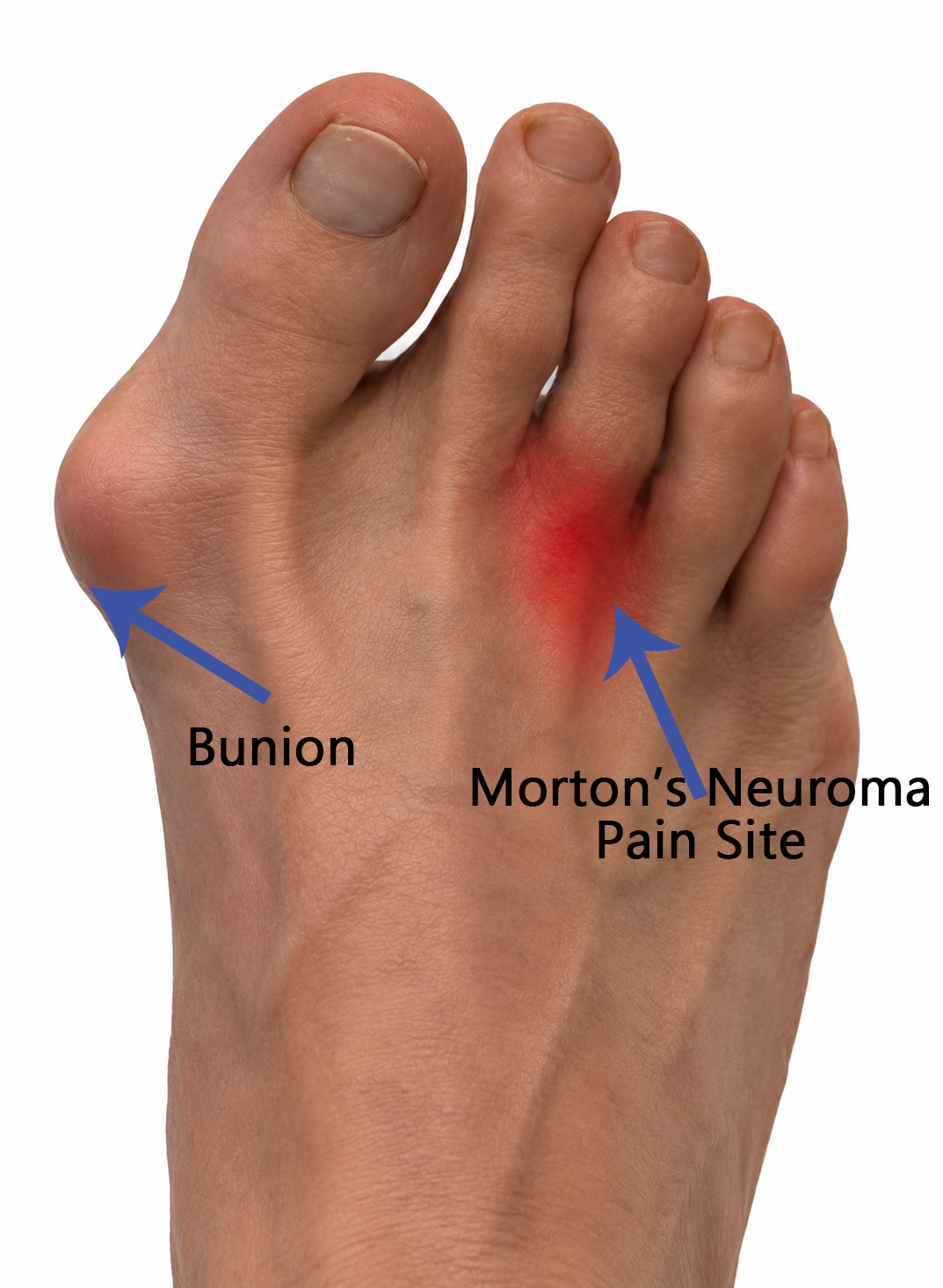
Bunion and Morton’s Neuroma: Can a Bunion Affect Neuroma Recovery?
While a bunion and a Morton’s neuroma are two different foot conditions, if they are [...]
Continue readingSep
Blog
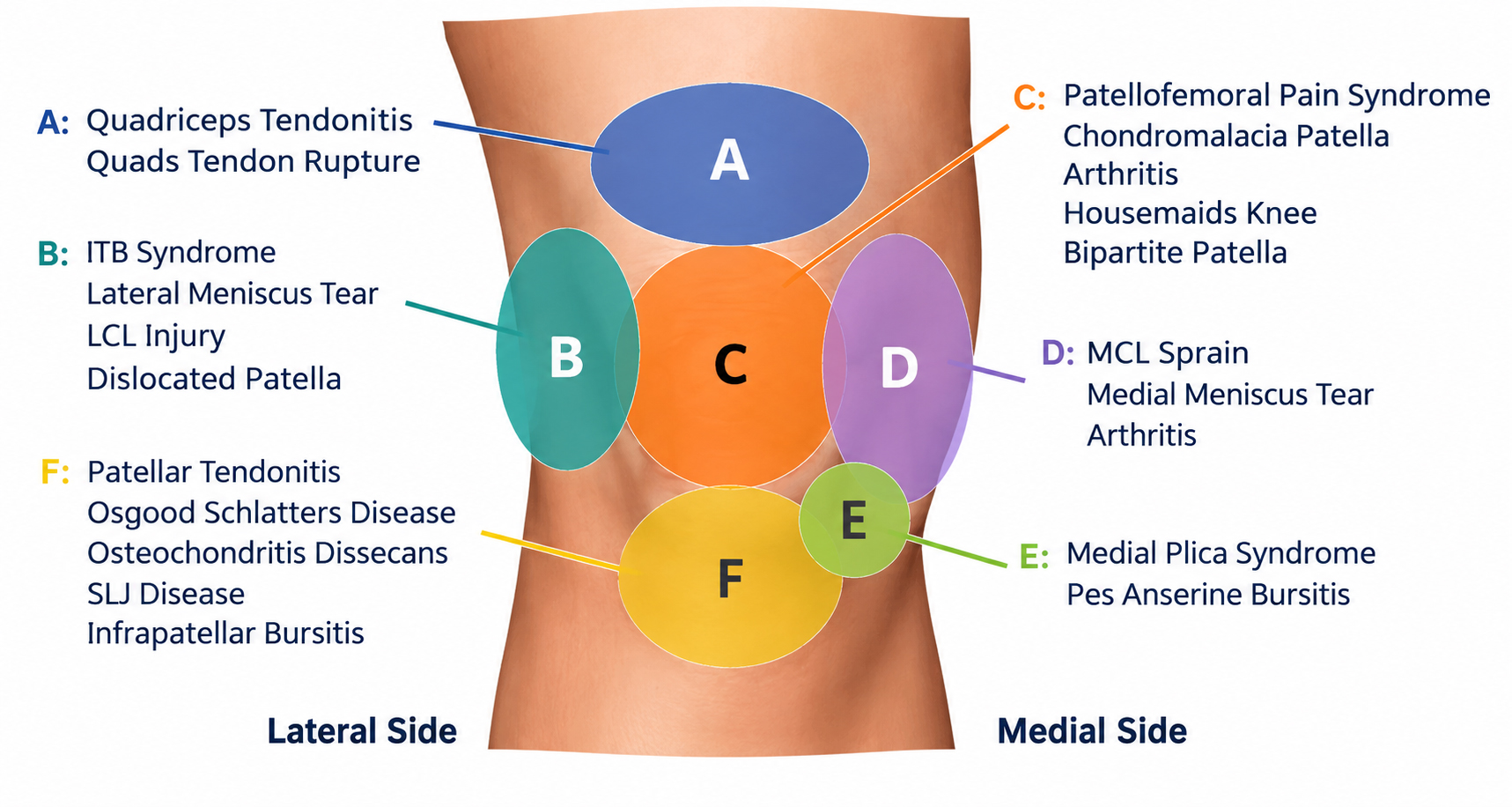
Knee Pain in Coburg
Knee pain is a common form of injury and can affect people of all ages [...]
Continue readingSep

Blog
Post-Surgery MLD Melbourne – Vodder MLD Therapist
Any form of surgery is an invasive procedure for the body to deal with, and [...]
Continue readingSep
Blog
Hip Pain in Coburg: Causes, Symptoms & Treatment
In the many presentations I get to see here at Melbourne Massage and Treatment in [...]
Continue readingSep

Blog
Lymphatic Walking: Let Me Tell You Why It Is Another Trend
Lymphatic Walking is another trend that you really don’t need to overthink. But let me [...]
Continue readingAug

Jan
Achilles tendinopathy is a condition that manifests on the lower portion of the calf and is caused by overusing the muscle of this region, such as Gastrocnemius and or Soleus. Initially, you may not notice the issue, as it starts as a low-level inflammation and micro-tearing, but as the condition progresses, the damage and inflammation become more relevant. Achilles Tendinopathy can be easy to treat and manage when treatment is delivered in the early stages. If the injury is not looked after, the occurring damage could be much harder to resolve. Symptoms Most commonly, people experience pain in the morning or when the muscle is still cold. As the day progress and you start moving around, the pain may dissipate, and you start feeling better, ignoring the danger. Occasionally, the area would present swollen and or tender at the touch. Treatment options for Achilles Tendinopathy The management of this condition starts by improving the rest time and time off from sports activities, such as: Running Soccer Any sport which includes jumping or being on feet Other helpful approaches include: Heat pack Dry needling Improving Ankle and Big toes the mobility Massage Therapy Rock taping Achilles tendinopathies are not a condition that will heal on its own. As mentioned, it will feel better with rest, but as soon extra activities are played, the pain can back as strong as. Remedial Massage and or Myotherapy treatment can help target the painful area, stimulate an immune system response, and help with the recovery process. Also, along with the hands-on deep tissue work, mobilisation is a great way to reduce the tension in the ankle joint and improve the muscles’ functionality. After treatment, Giovanni will give you some exercises to take home. Those exercises would keep the area tension free, improve the joining mobility and strengthen the area.

Dec
As previously spoken in another blog post, sitting on the floor and working at the pc would be a better anatomical position than sitting on a chair. Why does sitting on the floor work better than sitting on a chair? Sitting on a chair is uncomfortable, especially in the long term. As a massage therapist, most of my clients are people who have cervical pain or suffer from headaches. Sitting at a desk for hours does more damage than you may realise. So, let’s start with the lower body portion. Staying seated on a chair does direct pressure on the thigh, and by doing so, muscles like the hamstring and gluteus muscles get compressed. By compressing this group of muscles, they get weak and stop functioning as they should. In addition, direct pressure is also applied to the sciatica nerve, the main nerve of the lower body portion. The piriformis often compresses the Sciatica nerve. This muscle runs beneath the Gluteus Max and connects the medial portion of the sacrum to the greater trochanter of the femur. So, the deactivation of those muscles would then manifest itself when we try to walk or, in any case, extend the leg. As the “firing pattern” blog post shows, the hamstring and gluteus max muscles are crucial in leg extension and help prevent lower back pain. This is what happens to the muscle part of the lower body portion. But this is not the only issue the body faces with so many hours sitting on a chair. There is more. So sitting on a chair does limit the body’s movement. The decline of the body’s movement creates a cascade of side effects, including mobility reduction in joints like the Hip, Ankle, Feet, and Thoracic. As all those joints don’t move, there is also a diminish in the proprioception body/brain. Another issue is the compensation of the stability joint over the mobility joint. Indeed, when a mobility joint gets stiff, the stability joint above and below would try to compensate. What’s a common finding pain-wise with sitting on a chair for long hours? The prevalent finding is a sore neck. The sore neck happens as the thoracic stuff up. Indeed the lower cervical portion of the vertebrae, which are stability joints, try to compensate for the thoracic stiffness and, in the long term, would cause neck pain, shoulder pain and headaches. Sitting on the floor can improve mobility. Sitting on the floor can help improve your mobility by allowing you to move your body in many different ways without the need to stand up. That movements are what your body needs as mobility exercises. That movement is your body’s way of improving its posture. Indeed, movement is a crucial component in pain prevention. And this doesn’t happen on a chair. How to switch habits? As for all the habit changes, this has to be gradual and not radical. So, start sitting on the floor for 1 hour a day. Give yourself the time to adapt to the change. Slowly you can incorporate more hours, but not in a row. Maybe one hour in the morning and one in the afternoon. Also, incorporate some standing time to sitting on the chair and floor. Implement change, too, within your training. You are doing something new, and your body needs to adapt. As shown in this clip, start, start implementing a habit of sitting on the floor by doing step-by-step movements: Step 1: Move one leg forward, and bend down the other knee. Step 2: Bring both knees down Step 3: Swing the lower leg to the side (either Lx or Rx) Step 4: Let your body weight go, and sit down Step 5: Now let your lower leg come forward and sit cross-leg. Step 6: Do from step 5 to step 1 in reverse By clicking here, and here you will find the links to a Thai Yoga exercise that can help a lot with improving hip mobility.

Dec
Fibromyalgia is a health condition that causes widespread pain and sensitivity to touch. This type of condition is more common in women than in men, and it is still unknown to science why some people may suffer from Fibromyalgia, even though it is known that stress can play a significant role. On the other hand, genetics can also be the reason why someone can suffer from Fibromyalgia. Fibromyalgia signs and symptoms Symptoms of fibromyalgia may include: headaches sleep disturbances numbness and tingling of the hands and feet muscle and joint stiffness after a period of rest (after sleeping) restlesconditionsndrome Diagnosis of fibromyalgia To be diagnosed with Fibromyalgia, you have to visit your GP first, who may refer you to a specialist. The most widely used clinical criteria for diagnosing fibromyalgia are sourced from the American College of Rheumatology: pain and symptoms over the past week, based on the total of: number of painful areas out of 18 parts of the body The severity of these symptoms: fatigue waking unrefreshed cognitive problems (that can be memory or thought) Plus other general physical symptoms Symptoms lasting at least 3 months, with unchanged Exclusion of other health problems that could reproduce the pain and other symptoms. Treatment and management So, currently, there is no direct cure for fibromyalgia, but there are many treatments that can help manage this condition, like: improving your sleep routine more of a balanced diet relaxation meditation exercise MLD You can also talk to your GP to see what medications can reduce or manage the pain. How MLD can help with Fibromyalgia? Manual Lymphatic Drainage (MLD) is a gentle, non-invasive manual therapy that aims at boosting the Lymphatic System. Along with the delivery of MLD, the therapist would gently stretch your skin and let the skin recoil, with a pain-free touch. This constant repetitive skin stimulation has a positive impact on the parasympathetic nervous system, which is the portion of the nervous system responsible for what we call “rest and digest” mode. Other benefits delivered from MLD are: Oedema reduction Deep relaxation Inflammation reduction Body’s fluid stimulation Skin health improvement Chronic pain management

Dec
Patellar tracking disorder is a condition that occurs when the patella, also known as the kneecap, moves out of its original place when the leg straightens or bends. What causes Patella Tracking Disorder? In most cases, the kneecap shifts towards the outside of your leg, called “Lateral Patella tracking”. Occasionally in some cases, it may shift toward the medial side too. Why this shift happens due to the force applied to the kneecap itself. It was said that the knee joint is a hinge joint, which connects the tibia and fibula of your leg with the femur. The kneecap is held in its natural position by ligaments on the medial and lateral sides and by tendons on the top side. Below the patella is a cartilage layer that helps the patella glide along the femur’s groove. When the cartilage below the patella does wear out, it can create pain and discomfort in the knee. The misalignment of the patella results from tendons, muscles or ligaments that are either too tight or too loose. Lateral patella tracking VS Medial patella Tracking In the case of Lateral Patella Tracking, the Vastus Lateralist is over-developed compared to the Vastus Medialis or the IT Band (Iliotibial Band) pulling too much. Vastus L. can overtake Vastus M’s strengthening due to the muscle size. Indeed the V.L. is visibly bigger than the V. M. On the other hand, tension along Gluteus Max and or tensions in the TFL can play a role in the pulling of the IT band. Are you in Pain, and you suspect to have a Patella Tracking disorder? Get in touch with Giovanni now. [contact-form][contact-field label=”Name” type=”name” required=”true” /][contact-field label=”Email” type=”email” required=”true” /][contact-field label=”Website” type=”url” /][contact-field label=”Message” type=”textarea” /][/contact-form] Risk factors for Patella Tracking Disorder Here is a list of reasons that can lead to Patella Tracking Disorder: Footwear Running Weakness in the quads muscle Unbalance of muscle between the inner and outer regions of your tight Sports that require excessive knee bending, jumping or squatting Improper form or techniques while working out or during sports activities Overweight Genetics (structural reasons) Incidents or trauma to the knees Malformation within the femur bond Damaged cartilage Symptoms Pain is the most symptom of Patella tracking disorder. The pain caused by this condition can occur during regular activity such as standing up, walking and or sitting down. Any knee movement can recreate the pain. In the case of arthritis, the pain can be more intense, and swelling is present at the knee joint. Treatment Options At Melbourne Massage and Treatment, the services available for Patella tracking are multiple. Depending on the severity of the condition, Myotherapy treatment and or MLD are the most recommended. Thanks to Dry Needling and/or Joint Mobilisation therapy, Myotherapy treatment can help rebalance the muscle forces surrounding the knee cap. On the other hand, MLD can help in reducing the inflammation and the swelling present eventually on the knee joint. What then Giovanni would look in, too, is also the mobility of ankles and hips. The correct mobility of these two joints would ensure that the knee is not compensating for the poor joint quality of movement, which can be part of why the patella tracking disorder is in the first place.

Dec
The Nervous System (NS) controls the voluntary and automatic functions of the body. It is made up of: brain spinal cord nerves Subdivision of the Nervous System The nervous system, initially, can be divided into the Central Nervous system (CNS), which is made of the Brain and Spinal Cord and the Perhiperic Nervous System (PNS), which consists of nerves that connect the CNS to the rest of the body. In more detail, the PNS can be divided into Sensory Neurons and Motor Neurons, the Motor Neurons can be divided into Somatic Neurons and Autonomic Neurons, and finally, this last is divided into the Sympathetic and Parasympathetic Nervous Systems. The function of the Nervous System The nervous system can also be defined by its functionality. For this subdivision, we have three categories: Sensory Affarent function Integrative function Motor Efferent Function The afferent function is characterised by a signal that travels to the brain from the PNS. The integrative part analyses the sensory information, stores some aspects, and makes decisions regarding appropriate behaviours. The Motor does respond to the stimulus by initiating an action. The Nervous System is made of Neurons. Neurons carry messages to and from different parts of the body. To be functional, neurons need three components: Oxygen Stimulation Food Neurons can start within the brain and travel down to the spine or can begin with the peripheric portion of the body and travel to the spine and brain next. Either way, the information can travel in one direction only. For afferent neurons, the direction is from the peripheric body portion to the brain, and the efferent is from the CNS or Brain to the peripheric part. Synapses connect neurons. The Synapse is the space where information is exchanged between two neurons. For a signal to be transmitted along a neuron, a chemical reaction has to happen within the neuron cell. This chemical reaction is better known as Action Potential. Once an Action Potential is started, an electric signal, within the order of mV would be transmitted from the Neuron cell to the opposite end, called Axon Terminal. At The Axon Terminal, the neurotransmitter would be passed and sent to the next neuron, receiving those substances through the receptors on its cell membrane. This is just a simplification of how communication between two neurons happens. In reality, there are variations to this communication methodology, and not always does the communication succeed. The NS is responsible for the following: memory, learning and intelligence movement controls the organs’ functions: – heart beating – breathing – digestion – sweating the senses: – sight – hear – taste – touch – smell The Sympathetic and Para-Sympathetic NS. The Autonomic NS controls the body parts we don’t have to think about it, like breathing, sweating or shivering, indeed the main organs. The SNS controls how we respond to emergencies. It makes our heart beat faster and causes the release of adrenaline. Where the parasympathetic nervous system prepares the body for rest (for example, when we go to sleep). The PSNS and the SNS work together to manage the body’s responses to our changing environment and needs. Massage and Nervous System As massage or manual therapy is a direct stimulus of the body, it plays a role in the response of the NS. What can happen is due to genetic factors, muscle tensions, and bulge disk nerves can get trapped along the way. Using the different testing approaches, such as Myotome and Dermatome, Giovanni can guide you through understanding where the nerve got entrapped or pinched. But this type of work is mainly for conditions where physically the nerve is involved in pour functionality. An example can be when someone has poor strength, on one hand, compared to the other, or when the sensitivity of a patch of skin is not so accurate. MLD and Nervous System Another technique, such as MLD (Manual Lymphatic Drainage), plays a role in the Parasympathetic Nervous System. An MLD treatment is profoundly relaxing, as it calms the nervous system, reduces pain and restores balance. This happens because of the mechanic repetitive movement used during the technique. There for, no pain has to be replicated during the treatment, or the SNS gets activated, as per pain response, and the body goes into “alarm” mode. Physical or mental pathologies can play a crucial role in the functionality of the nervous system, and techniques like MLD or Massage therapy generally can help in reducing symptoms and assisting in overcoming pain and body dysfunctions. Along the mental conditions, we find Anxiety or Depression too. In conclusion, any Massage Therapy or Manual Therapy, including Thai Massage, Remedial Massage, MLD and or Myotherapy, are great tools to release the tension in the body and improve the status of the nervous system. On the other hand, breathing, as per already disgust in the breathing wave blogs (Blog 1, Blog 2) plays a vital role in the well-being of the body, mind and nervous system. Feel stressed and need to release some tension? Book now your next massage at Melbourne Massage and Treatment.

Nov
Frozen shoulder is also known as per the name “adhesive capsulitis”. A frozen shoulder as per the name is a shoulder that would barely move. Both signs and symptoms typically begin slowly and then get worse. Recovery time is subjective. Causes and Symptoms of frozen shoulder. Causes A common cause of a Frozen Shoulder is having to keep a shoulder still for an extended period, like after an accident. Even if it is not clear yet why there are also psychosomatic reasons why a shoulder can get frozen. Another reason why a shoulder could get to freeze is traumatic events, such as a high level of stress or a physical accident. On the physical level, what happen is that connective tissues that surround the shoulder joint, like a capsule, thickens and tightens around the shoulder joint, and by doing so, it does restrict the joint’s movement. Symptoms Frozen Shoulder symptoms developed in 3 different stages. The stage’s timing is subjective. Freezing stage Shoulder range of motion starts decreasing, and pain shows up/increases. Frozen stage The Shoulder would freeze up. The movement is minimal, even though it is less painful. Thawing stage In this stage, the range of motions are slowly coming back Pain can be worst at night. This may happen because of the sleeping position or because the sensory feeling is more acute at night than in the daytime when the body perceives more sensations. Suffering from Frozen Shoulder and need some help. Book now an MLD treatment at Melbourne Massage and Treatment. Risk factors for Frozen Shoulder Age and gender Women are more luckily to suffer from this condition. Also, age plays a crucial role in this type of pathology. People 40 and over are luckier indeed to develop F.S. Systemic diseases Here is a list of specific conditions that can increase the possibility of suffering from F.S.: Diabetes Overactive thyroid (hyperthyroidism) Underactive thyroid (hypothyroidism) Cardiovascular disease Parkinson’s disease Prevention There are not many preventive factors when it gets to F.S. This is because the main cause of F.S. is holding the shoulder back from doing movements, due to a previous injury, most of the time. What can help, and this is how Melbourne Massage and Treatment services come in handy is to do MLD sessions on the area surrounding the injury. How MLD can help by stimulating the lymphatic system work and boosting the recovery process. Also, MLD would help in reducing inflammation. Other massage technique such as Myotherapy or Remedial Massage and or Thai Massage, is not as effective for this type of condition. Another successful method that can help once Frozen Shoulder is already developed is by using Hydrodilatation. This methodology consists in injecting sterile water into the joint capsule to stretch the open space and bring the shoulder back to its ROM.

Oct
As a clinical myotherapist who sees clients regularly seeking help for injuries and chronic pain, which are often related to sports or gym injuries, if there is one thing that I never stop telling my clients, it is: Before you start lifting weights, look into your mobility capacity. In this blog, I will run through the concept of Mobility Joint, Stability Joint and Strengthening. This is the order in which anyone who is interested in their well-being and sport performance should approach their physical activity. Therefore, Mobility is the degree to which a joint can move before being restricted by surrounding tissues. Not all the joints taught are considered mobility joints. Indeed, some are considered stable joints. The Mobility and Motility Joints Theory As it is clear now, the body is made of two types of joints when we look at their functionality and not conformity. Starting from the big toe joint and moving up the body to the upper cervical joints, we can count one by one a mobility joint alternating with a stability joint. So this would be like this: Big toes – Mobile Metatarsal – Stable Ankle – Mobile Knee – Stable Hip – Mobile Lumbar -Stable Thoracic – Mobile Lower Cervical (C3-C7) – Stable Upper Cervical (C1-C2) – Mobile Shoulder (AC joint) – Mobile Elbow – Stable Wrist – Mobile Hand Tarsal – Stable Fingers – Mobile Basic Differences Between Mobile and Stable Joints Mobile joints move in more planes than stable ones Stable joints are designed to prioritise support Mobile joints are more prone to dislocation, given their more exposed structure, and this is more likely when muscles surrounding those joints are weak The body’s optimal movement is a balance between mobile and stable joint individual capacities. What to Train First? If we are planning to start a fitness journey, for whatever reason, the first thing I always suggest to my clients is to check and evaluate their mobility. This can be done with a few simple tests, and improved (to a maximum extent, which is different for each individual) with mobility exercises. Indeed, someone may present with a restricted capacity at their mobile joints, as their natural consistency of ligaments is really stiff. This is what we call someone hypomobile. On the other hand, the opposite presentation would be hypermobility. Two individuals who present with those basic capacities of movement would need to start with a different approach to training, and possibly, even along the way, two different ways to warm up, before they start to lift heavy. Beighton Score – Let’s Look Into Your Mobility Capacity When I want to assess a client’s capacity for mobility, or overall hypomobility, I use the Beighton Score, where each joint that we test can refer to 1 point if it responds with hypermobility (maximum 9 points): Passive dorsiflexion of the middle or index finger >90° 1 point each side (2 points total) Passive thumb apposition to the forearm Thumb can touch the forearm 1 point each side (2 points total) Elbow hyperextension >10° 1 point each side (2 points total) Knee hyperextension >10° 1 point each side (2 points total) Forward flexion of the trunk with knees straight Palms flat on the floor (1 point) Interpretation: 0–3 points: Generally considered within normal mobility range 4–5 points: Increased joint laxity (depends on age, sex, and population) ≥6 points: Generalised joint hypermobility (commonly used threshold in adults) What to be aware of: One thing to be aware of when using this test is that the Beighton Score measures laxity, not necessarily functional mobility. Someone can score high but still have poor movement control or stability in other specific joints (for example, lack of thoracic rotation). Therefore, as a clinical myotherapist, I do combine this test with: Active ROM assessment Strength testing Joint control/stability tests Functional movement screening (squat, lunge, overhead movement) How To Improve Your Mobility? In order to improve mobility, we need to focus on mobility exercises. Often these types of exercises are simple and possible to do in any environment. A basic example would be opening the book for thoracic rotation or a cat and cow for spine flexion and extension. Other mobility exercises include the ankle passive dorsiflexion on an inclined plane. The aim of these exercises is not to cause inflammation and tissue growth, but to stimulate your joints to get to a greater range of motion. That said, in an adult, it is not always possible to reach optimal mobility because of some bone prominences or previous injury. So we do our best to get to where we can, and we work with that. Mobility exercises can be practised daily, and for those who are hypomobile, it would probably become a mandatory warm-up routine, pre-heavy lifting. If Mobility Is Not The Issue, The Next Step Is Stability Training If mobility is not a limitation, then we can start looking into training your stability joints. Training the stability joint is not a direct training of the joint per se, but it is the strengthening of the muscle that cuts across that joint. So let’s use the knee as an example. The knee joint is considered a stable joint; indeed, it is capable of mainly 2 direction movement: flexion and extension (from a flexed pose). There is some rotation, but it’s really limited. Now, in order to train its stability, we want to put effort on the quads muscles, on the hamstrings, and on the calf muscles. In this last case, specifically the gastrocnemius. Indeed, all those muscles or muscle groups originate and insert on the opposite side of the knee position when looking at its longitudinal line. Indeed, they all originate proximal to the knee and insert distally to the knee. This ensures the knee is wrapped within those muscle fibres, and its ligaments, ACL, PCL, MCL, LCL, are supported in their job, especially if lax or even missing. An effective and easy way to train those muscles is: Quad curl for quadriceps […]

Oct
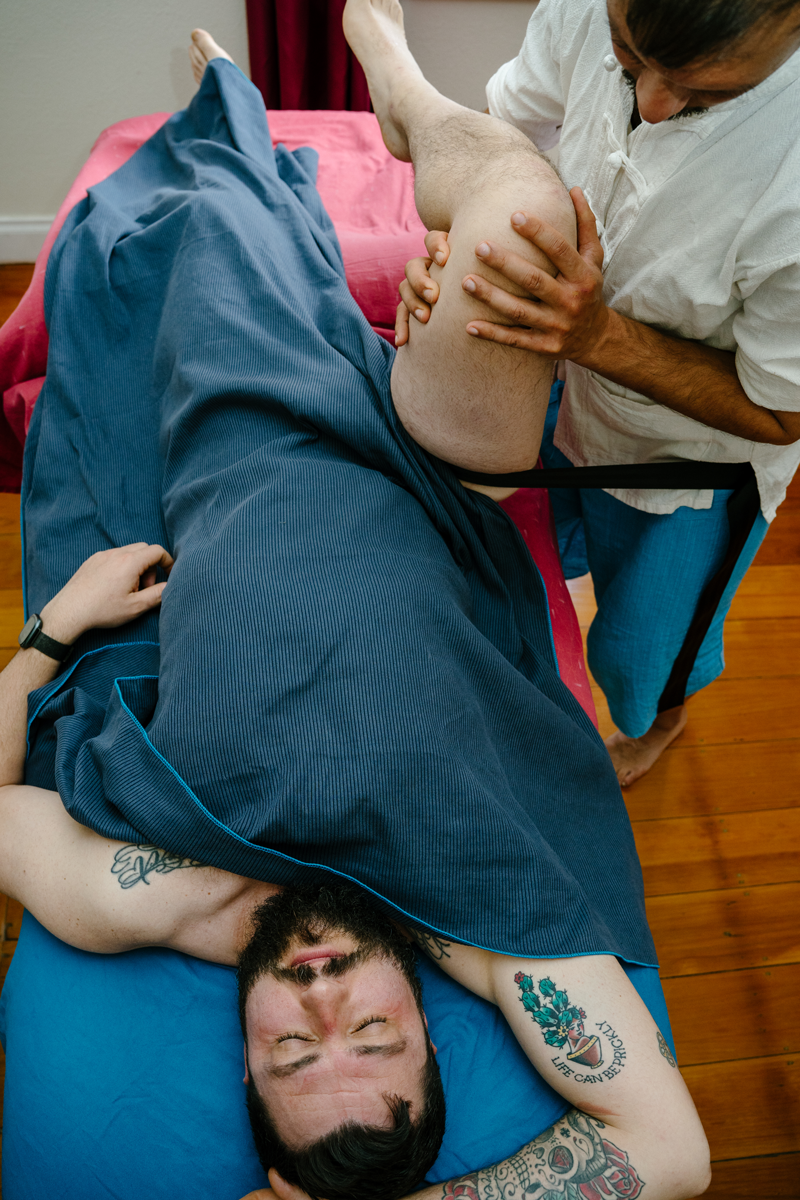
Joint mobilisations are manual therapy techniques that improve joint mobility and flexibility and reduce joint pain. Joint mobilisation can be applied to many body joints. Some contraindications have to be taken into consideration for mobilisation: Joint swelling Osteo Arthritis Bone Fracture Bulge disk (if the mobs are intended on a vertebra) Mobilisation VS Adjustment. Mobilisations are different from Chiropractic adjustment. The difference is that Chiropractic adjustments are fast movements applied with more significant pressure. Mobilisations are constant slow, repetitive movements applied to the joint. Along with a Myotherapy treatment, Giovanni would evaluate if mobilisation is the proper treatment for your condition. For example, mobilisation along the spine is recommended when someone presents with a stiff back in the sacrum, lumbar, thoracic or lower cervical area. Giovanni would always double-check with you about what the mobs felt like. Types of Mobilisation. As we already know, the body is made of different types of joints. Given the different types of joints, like socket joints, plane joints and more, others are the type of mobilisation. For example: For a joint like the hip, we can apply mobility like a distraction, anterior-to-posterior pressure or posterior-to-anterior pull, internal rotation or superior-to-inferior pull. Some of these techniques can be applied to other joints, and each way of using a mobilisation aims to improve a specific range of motion. So, all up, the type of mobilisation that we have are: Superior to Inferior; Inferior to superior; Distraction; Posterior to Anterior; Anterior to Posterior; Posterior glide; Anterior glide; Lateral glide; Medial glide. Mobilisation Belt. A mobilisation belt can be used to deliver the mobilisation based on the joint we aim to work on. A belt is a tool wrapped around the designated joint we want to work on and is used to apply stretches that would not be as easy to achieve by hand. An example is a hip distraction. For distraction, we refer to it as a force that pulls a joint apart. In the case of a hip, the head of the femur is pulled away from the hip’s socket from the medial to the lateral direction. As you would imagine, using bare hands for applying this technique not only could result in an uncomfortable approach to the intimacy of the patient, but it would requireFr too much effort for the therapist, resulting in poor mobilisation delivery and risk of injury. Therefore, the best tool is a belt wrapped around the patient’s hip and the therapist’s waist. Why use the mobilisation technique? The mobilisation technique aims not to reproduce pain, cracking sound, or sharp sensation. Indeed, the aim is to reproduce a firm pressure/pull on the joint area. Regarding the thoracic area, if any of those vertebrae reproduce pain or sharp sensation, applying the mobs along the vertebrae/ribs joint would be better. Doing so would still possible to affect spine mobility indirectly. Giovanni’s training for this type of modality started during the Advance Diploma in Myotherapy at RMIT and continued at the Bachelor of Health Science at Torrens University. Mobilisations technique can be applied to Big Toe, Ankle, Shoulder, Feet, Hip, Wrist, Elbow, Vertebrae, SIJ joint, Facet Joint, Clavicle and other body areas. An example of joint mobilisation for the feet. Mobilisations at the ankle area are used for improving ankle mobility. Indeed, improving ankle mobility is to better support during the walk, standing and or running. Always talking about the feet area, the mobilisation applied to the Big Toes is used along the Metatasolphalangeal Joint. Do you feel your joints stiff? Your booking for a Myotherapy treatment with Giovanni is just a click away. This mobilisation is applied by creating a distraction movement within the joint, pulling the toes away and then using it for passive flexion and extension. As mentioned in another blog post about wearing bear foot shoes, the Big toes are meant to extend from 65° to 70°. Conclusion The Big Toes are the feet joint that should push the most in the feet strike as we walk. In conclusion, mobilisations are a great way to increase mobility within a joint allowing better movement and improving the range of motion.

Sep
Tennis elbow, also known as Lateral Epicondylitis, is a condition that occurs on the lateral side of the forearm, at the elbow joint. A common cause is repetitive motions of the wrist and arm. Tennis Elbow refers to how common this condition can be in tennis players. That said, Lateral Epicondylitis is a condition that can affect anyone. As per Golfer’s Elbow, the pain starts from the elbow area, in this case from the lateral side, and can irradiate down the arm to the wrist. Rest and counter medication can help relieve symptoms. In some cases, surgery is required. Tennis Elbow Symptoms The pain generated by the tennis elbow may radiate down the forearm along the lateral side (thumb side). In addition to the pain, you may experience weakness too. Here is a list of actions that may be difficult to do Shake hands or grip an object Turn a door handle Hold a cup of water Book your next appointment now to restore the mobility of your Tennis Elbow Causes of Tennis Elbow As Lateral Epicondylitis is caused by overuse and strain of the muscles, it is caused by repeated contraction of the forearm extensor muscles. These repetitive stretches and movements can lead to tiny tears in the tendon tissue, creating inflammation and pain within the elbow area. Playing tennis with poor technique often replicates this condition, especially using repeated backhand strokes. Many other common motions can cause tennis elbow. Here is an extended list: Using plumbing tools, which require a strong grip Painting Using screwdrivers Food preparation, especially when the knife is not sharp Working in the office using a mouse for long hours Treatment Options At Melbourne Massage and Treatment, Giovanni offers a variety of options for treating Lateral Epicondylitis. MLD may be the most recommended per inflammation of tendons and muscles. Thanks to the light touch and repetitive movement, MLD stimulates the Lymphatic System directly, which takes care of the inflamed area. Combining Myotherapy, Remedial Massage or Thai Massage technique with MLD can help release even more tension along the arm and elbow. Tennis Elbow Exercises In addition to the massage technique offered at Melbourne Massage and Treatment, exercises play as per usual a crucial role in recovery. Specifically, we can look into eccentric exercises, which are slow, lengthening muscle contractions. Here is a link to eccentric exercises for the Tennis Elbow. As you may notice in this video, the extension motion of the wrist is supported by the other hand. By doing so, the extensor muscle of the forearm that needs training does not work hard. So the actual strengthening happens in the wrist’s flexion when the extensor muscles are stretching under the extra pressure of the weight.