

Headaches and migraines are common conditions that affect millions of people around the world. From mild tension headaches to debilitating migraines, these conditions can significantly impact daily life, causing discomfort, irritability, and even severe disruption to work and personal activities. While there are various treatments available, one that has gained increasing popularity for managing headaches is remedial massage. This therapeutic technique focuses on specific areas of the body to alleviate pain and address the underlying causes of headache symptoms. At Melbourne Massage and Treatment, we understand that headaches can disrupt your day and decrease your quality of life. That’s why we offer targeted remedial massage techniques designed to alleviate headache symptoms and restore your well-being. Headaches, whether occasional or chronic, can be a major impediment to daily activities. Key Takeaways: Targeted Relief: Remedial massage directly addresses the muscle tension that often contributes to headaches. Stress Reduction: Regular sessions help reduce overall stress levels, which can trigger headaches. Improved Circulation: Enhancing blood flow can alleviate the tightness and pain associated with headaches. What is Remedial Massage? Remedial massage technique is a hands-on therapeutic technique that targets specific muscle groups and soft tissues in the body to treat musculoskeletal issues. The goal is to alleviate pain, improve mobility, and promote overall health and well-being. Unlike general relaxation massages, remedial massage uses a variety of techniques, such as deep tissue manipulation, trigger point therapy, and myofascial release, to address underlying conditions that contribute to pain and discomfort. When it comes to headaches and migraines, remedial massage can be particularly effective. This is because many headaches are caused or exacerbated by muscle tension, poor mobility, and stress. By targeting the muscles of the neck, shoulders, and upper back, remedial massage can provide significant relief from these common headache triggers. How Remedial Massage Helps Alleviate Tension Headaches Tension headaches are the most common type of headache, often triggered by stress, anxiety, or poor mobility. They are characterised by a dull, aching pain that can feel like a tight band around the head. This type of headache is often associated with muscle tightness and stiffness in the neck, shoulders, and scalp. Remedial massage works by targeting the muscles and soft tissues that contribute to this tension. By applying techniques like deep tissue massage or myofascial release, a trained therapist can help relax the muscles in the neck and shoulders, which often become tight and knotted due to stress or lack of movement. In addition, remedial massage can help improve blood circulation to the affected areas, promoting the delivery of oxygen and nutrients to the tissues and removing waste products that may contribute to muscle fatigue and pain. This enhanced circulation can further reduce the discomfort associated with tension headaches and help prevent their recurrence. Remedial massage service targets these issues effectively. A trained therapist can help relax the muscles in the neck and shoulders, areas that often become tight and knotted from stress or poor ergonomic practices. Migraines and Remedial Massage Migraines are a more complex type of headache, often associated with severe pain, nausea, light sensitivity, and other debilitating symptoms. While the exact cause of migraines is still not fully understood, they are thought to be related to changes in brain chemistry, nerve pathways, and blood flow. Although migraines have multiple triggers, many individuals with migraines also experience increased muscle pain, particularly in the neck, upper back, and jaw areas. This muscle tension can exacerbate migraine symptoms or even trigger an episode. Remedial massage can be a valuable complementary treatment for those who suffer from migraines by addressing the muscle tension that often contributes to the severity of the headache. By focusing on the muscles around the neck and shoulders, remedial massage can relieve tightness and reduce the overall level of stress in the body, which are common triggers for migraine attacks. A massage therapist may also use techniques like trigger point therapy, which targets specific muscle knots that can refer pain to other areas of the head, neck, and face. By releasing these trigger points, the therapist can reduce the intensity of migraine pain or even prevent an episode from occurring. How Remedial Massage Supports Overall Stress Relief One of the most significant contributors to both tension headaches and migraines is stress. Chronic stress causes the body to remain in a heightened state of tension, which can lead to muscle tightness and trigger the onset of headaches. Remedial massage is a highly effective stress management tool because it promotes relaxation and reduces the body’s stress response. Massage techniques like long, slow strokes, kneading, and compression can activate the parasympathetic nervous system, which helps to lower heart rate, reduce blood pressure, and promote relaxation. By alleviating stress in the body and mind, remedial massage helps to decrease the likelihood of headache episodes caused by stress. The Benefits of Remedial Massage for Headache Sufferers Pain Reduction: The targeted pressure and manipulation of muscles during remedial massage help to release tension and promote pain relief. This is particularly beneficial for people who experience headaches due to muscle tightness in the neck, shoulders, and upper back. Improved Circulation: Remedial massage enhances blood flow to the affected areas, promoting healing and reducing pain. Better circulation helps oxygenate the tissues and flush out toxins, reducing the frequency and intensity of headaches. Reduced Muscle Tension: By focusing on tight muscles and trigger points, remedial massage helps to release muscle knots, which are often the source of tension headaches. This can reduce overall pain and discomfort. Stress Relief: As a highly effective stress-reduction technique, remedial massage can lower overall levels of anxiety and tension in the body, reducing one of the key triggers for headaches and migraines. Conclusion For individuals who suffer from frequent headaches or migraines, remedial massage offers an effective, natural alternative or complementary treatment. By targeting the muscles and soft tissues that contribute to tension and stress, this therapeutic technique can alleviate pain, reduce the frequency of headaches, and improve overall well-being. Whether you’re dealing with tension headaches […]
Tag Archives: CDT
Blog
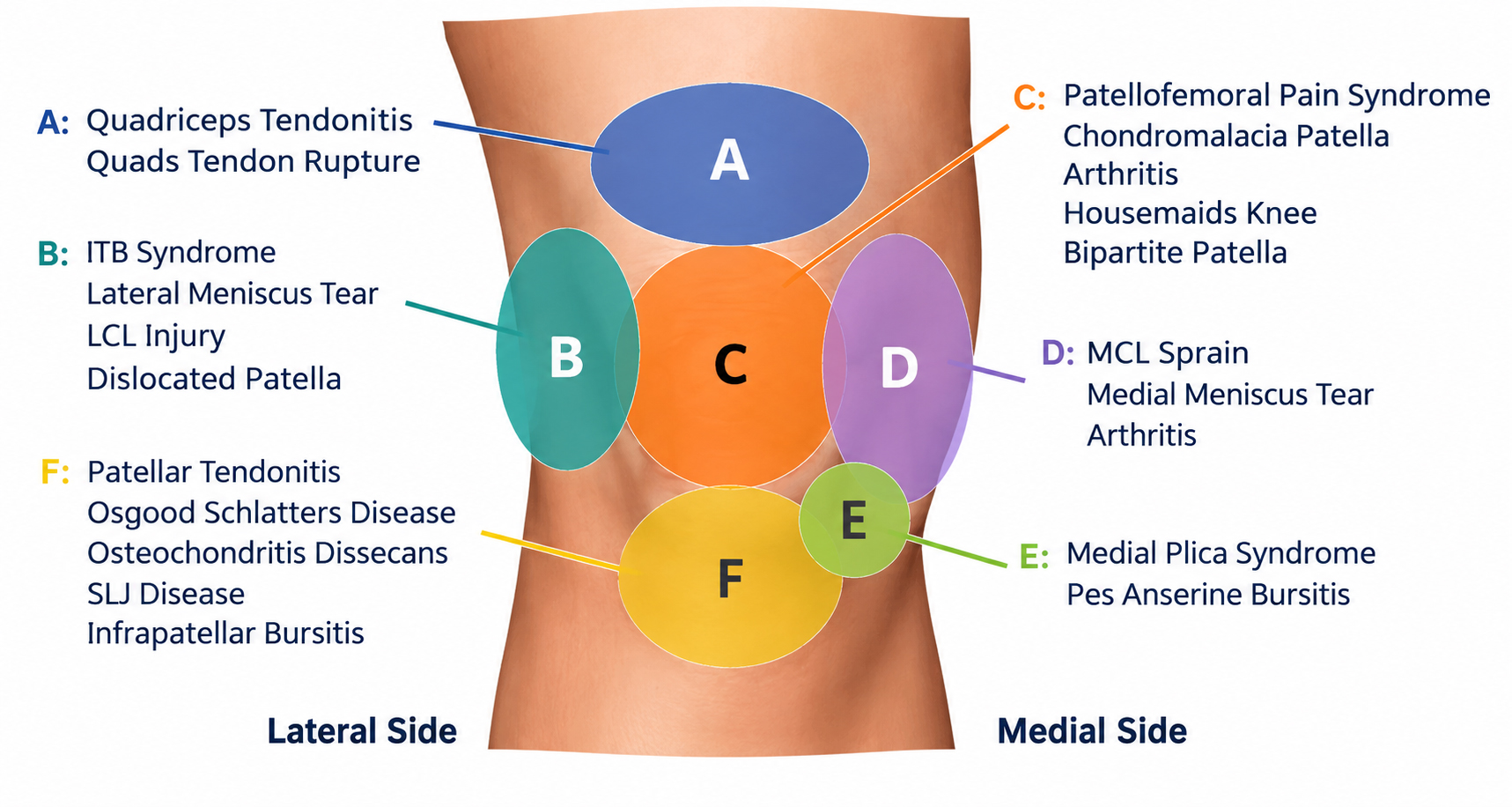
Knee Pain in Coburg
Knee pain is a common form of injury and can affect people of all ages [...]
Continue readingSep

Blog
Post-Surgery MLD Melbourne – Vodder MLD Therapist
Any form of surgery is an invasive procedure for the body to deal with, and [...]
Continue readingSep
Blog
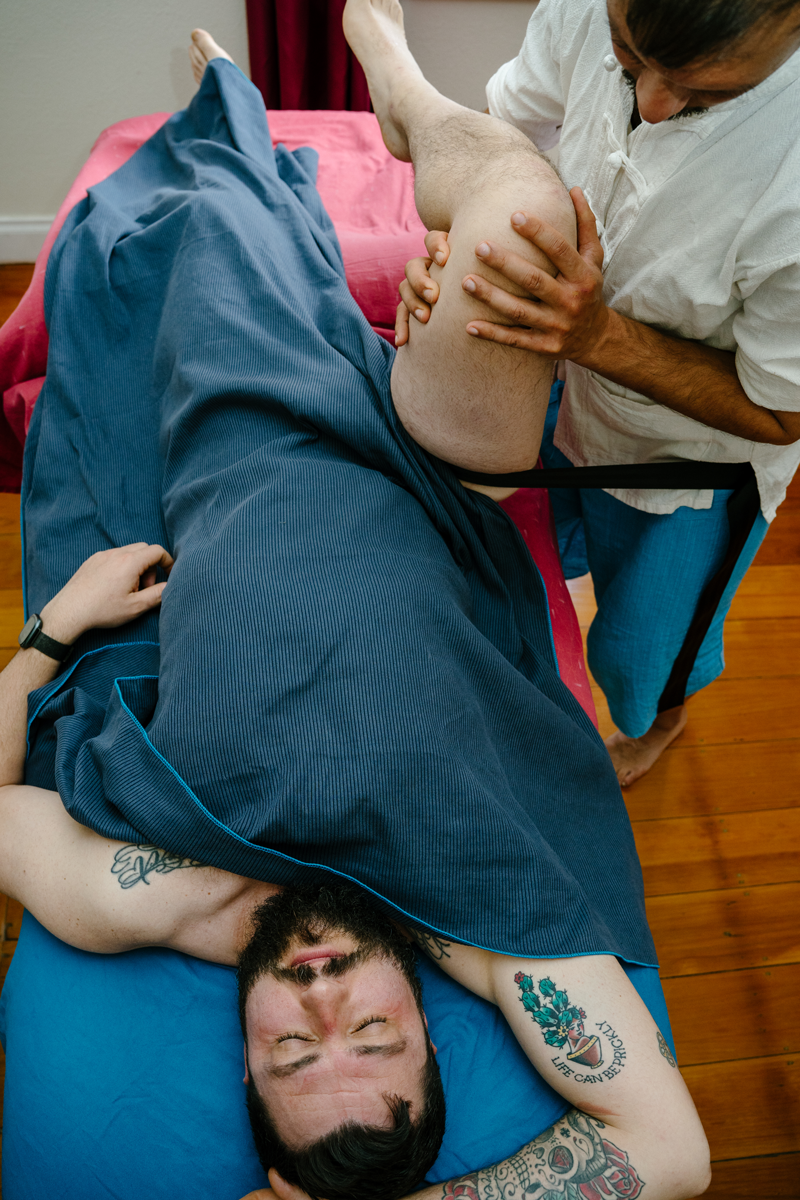
Hip Pain in Coburg: Causes, Symptoms & Treatment
In the many presentations I get to see here at Melbourne Massage and Treatment in [...]
Continue readingSep

Blog
Lymphatic Walking: Let Me Tell You Why It Is Another Trend
Lymphatic Walking is another trend that you really don’t need to overthink. But let me [...]
Continue readingAug
Blog
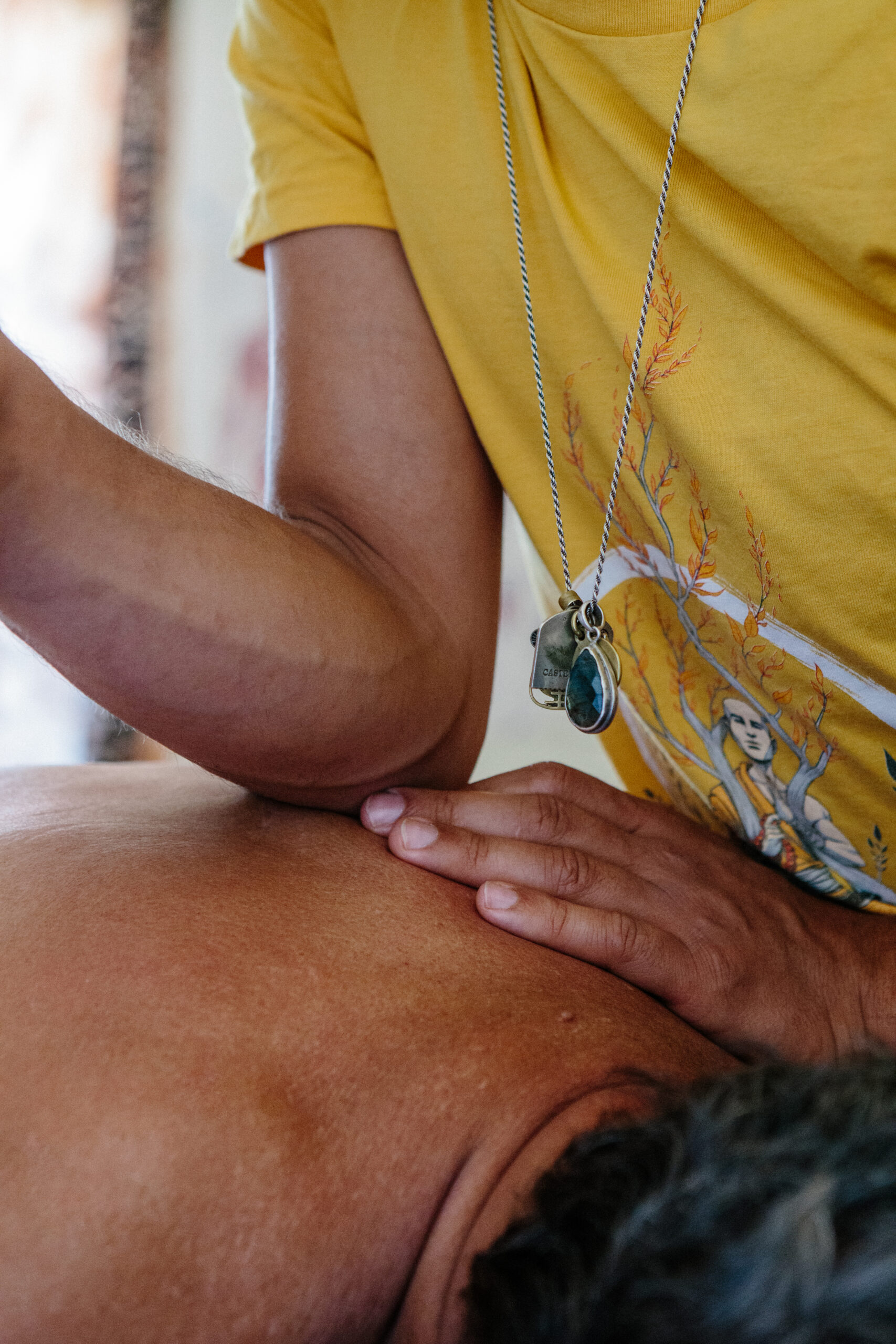
Shoulder Pain in Coburg: Myotherapy Can Help You
Shoulder pain is a common presentation I get to see and treat here at my [...]
Continue readingAug
Lymphoedema therapy is crucial for those dealing with this chronic condition characterized by swelling due to lymph fluid buildup. Effective management can significantly improve quality of life, making it essential to understand various approaches. The Importance of Prevention in Lymphoedema Therapy Prevention is critical in lymphoedema therapy. Early intervention is vital for those at risk, such as cancer survivors or those with this presentation running in the family genetics. Regular exercise, maintaining a healthy weight, and avoiding tight clothing, including underwear and bras, can help support lymphatic health. Other things to be aware of include being vigilant about skincare and promptly addressing any injuries, which can further prevent lymphoedema’s development or worsening. Degeneration and Fibrosis Without proper lymphoedema therapy, the condition can lead to degeneration and fibrosis, where excess fibrous tissue develops in the affected area. Thdis can cause stiffness and discomfort, making it harder for lymphatic fluid to drain. Regular therapy, including manual lymphatic drainage, can help maintain tissue health and prevent these complications. Fibrosis is the body’s response to the constant inflammation created by the accumulation of lymph liquid. Once the fibrosis hardens and starts building up, no lymph capillary can be generated through that. Still, eventually, capillaries and nerves would, making the surgical removal of this type of tissue difficult. Skin Care and Anti-inflammatory Diet as part of Lymphoedema Therapy Proper skin care is essential in lymphoedema therapy. Keeping the skin clean and moisturized helps prevent infections, which can worsen symptoms. As the lymph fluid which is accumulates under the skin is reach in protein, it is important to maintain the skin intact, or the risk of infetioncs would hires exponentially, leading to ulcers and usage of antibiotic for a prolonged period of time. On top of that, to maintain the lymphedema presentation at ease, an anti-inflammatory diet rich in fruits, vegetables, and healthy fats can also support lymphatic function and reduce swelling. Foods like turmeric and omega-3 fatty acids are particularly beneficial. More specifically about the diet, avoiding long-chain fatty acids and processed food (which most often is rich in long-chain fatty acids) is essential, too. This is because those types of fat are absorbed via the lymphatic system, as they are too big (long chain) to be absorbed by the bloodstream directly. So, once those fats are loaded in the lymphatic system, it would be extra work for this already damaged system to get rid of those components. Compression Garment Wear Wearing compression garments is a fundamental aspect of lymphoedema therapy. These specially designed garments help maintain pressure on the affected areas, promoting lymphatic drainage and reducing swelling. It’s crucial to have garments that fit properly, as the right fit maximizes their effectiveness. Indeed, Giovanni would reccomedn to get your garments wear from clinics where the do measurements, and not from the pharmacy, as those last one, they may not follow at best your presentation or limbs. Melbourne Massage and Treatment and Lymphoedema Therapy At Melbourne Massage and Treatment, Giovanni offers Lymphoedema Therapy via services like Manual Lymphatic Drainage (MLD) and Combined Decongestive Therapy. The combination of those treatments allows the reduction of severe swelling within a series of treatments. There is also to say that each presentation is unique and based on other factors, such as diet, skincare and other presentations that may coexist with Lymphoedema, someone may need more time to achieve greater results. However, MLD consists of manual therapy that stimulates the lymphatic system. CDT involves applying compression to the swollen limb, maintaining pressure and making the liquid move. To know more about Giovanni Lymphoedema Clinic services, you can now book your free 15-minute initial consultation. Based on this initial chat, would be easier to evaluate a management plan for your presentation. Conclusion about Lymphoedema Therapy Lymphoedema therapy encompasses strategies that focus on prevention, skin care, dietary choices, garment wear, and infection management. By following these guidelines, individuals can effectively manage their condition and enhance their overall quality of life. Awareness and proactive care are key in navigating the challenges of lymphoedema.
Nov
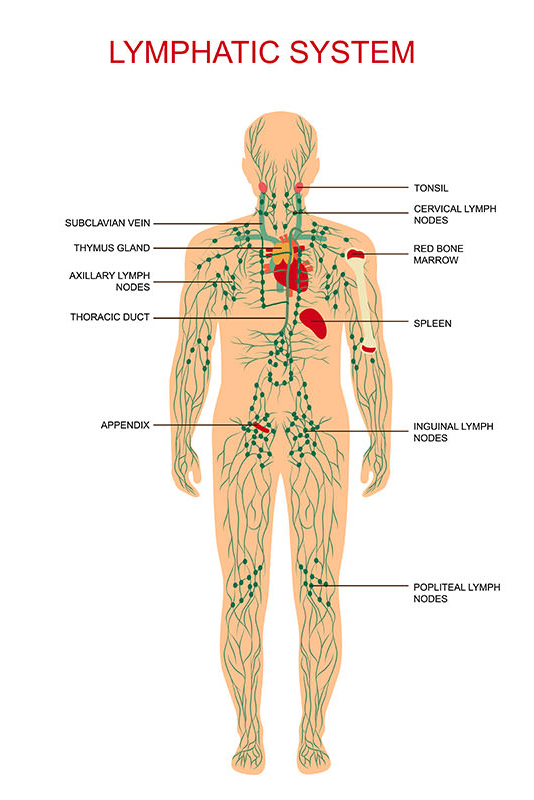
Swelling reduction in a lymphoedema presentation is the key component of successful treatment. Fluid accumulation under the skin can lead to severe swelling, skin cracks, and consequent infections. At Melbourne Massage and Treatment, Giovanni focuses on lymphoedema management using techniques like Manual Lymphatic Drainage (MLD) and Combined Decongestive Therapy (CDT). The Lymphatic System: How It Works The lymphatic system plays a crucial role in maintaining our body’s fluid balance and supporting the immune system. It begins with tiny vessels called lymphatic capillaries, which are interspersed throughout the body, especially in tissues. These capillaries collect excess interstitial fluid, which surrounds cells. This fluid is made of proteins, fats, bacteria, viruses, dust, or anything that the body doesn’t recognise. The lymph then travels through progressively larger vessels called lymphatic collectors, connected by lymph nodes. Is this where the immune system cleans the fluid? Once the cleaning is done, eventually the fluid would merge into larger ducts like the thoracic duct and the right lymphatic duct. These ducts drain lymph back into the bloodstream, ensuring that excess fluid is removed and helping maintain overall fluid balance. Muscle Movement and Its Role in Lymphatic Flow Muscle movement plays a vital role in facilitating lymphatic flow. Unlike the circulatory system, the lymphatic system doesn’t have a central pump like the heart. Instead, it relies on the contraction of surrounding muscles to push lymph through the vessels. When we move, especially during activities like walking or exercising, the rhythmic contractions of our muscles compress the lymphatic vessels, propelling lymph upward toward the ducts. This is why physical activity is essential not only for circulation but also for swelling reduction and for maintaining a healthy lymphatic system. Understanding Lymphoedema: Causes and Types Lymphoedema occurs when a disruption in the lymphatic system leads to an abnormal accumulation of lymph fluid, usually in the arms or legs. There are two types of lymphoedema: primary and secondary. Primary lymphoedema is a genetic condition that results from malformations in the lymphatic system, often present at birth or developing during puberty. In contrast, secondary lymphoedema results from damage or obstruction of the lymphatic system due to factors such as surgery, radiation therapy, infection, or trauma. Understanding the differences between these types is crucial for effective management and treatment. Combined Decongestive Therapy (CDT): A Path to Swelling Reduction One effective treatment for lymphoedema is Combined Decongestive Therapy (CDT). This comprehensive approach combines manual lymphatic drainage (MLD) compression therapy, exercise, and skincare to promote lymphatic flow and support swelling reduction. The manual lymphatic drainage technique helps stimulate the lymphatic vessels and facilitates the movement of lymph fluid, while compression garments assist in maintaining the reduction achieved during therapy. By addressing both the symptoms and the underlying causes of lymphoedema, CDT provides individuals with a practical strategy for managing their condition. Combined Decongestive Therapy (CDT) and Bandaging Techniques Combined Decongestive Therapy (CDT) incorporates techniques, including specialised bandaging, to effectively manage lymphoedema. Two primary types of bandages are short-stretch and long-stretch bandages. Short-stretch Bandages These bandages have low elasticity and provide firm compression without causing excessive pressure during movement, making them ideal for managing lymphatic fluid in a stable manner. They support the natural muscle pump action, allowing the patient to move their limbs freely and promoting lymphatic drainage as the muscles contract. Long-stretch Bandages In contrast, long-stretch bandages offer elastic compression, which can create resting pressure that may be less effective during activity. This type of bandage works best when the patient is less likely to move their limb. In CDT, short-stretch bandages are generally preferred because they maintain consistent pressure on the affected limb, helping to reduce swelling more effectively while allowing for functional mobility. This strategic choice creates an optimal environment for lymphatic flow and manages the symptoms of lymphoedema. Melbourne Massage and Treatment: Promoting Health and Lymphoedema Swelling Reduction At Melbourne Massage and Treatment in Coburg, Giovanni specialises in therapies that reduce swelling and enhance overall wellness. By understanding the lymphatic system and the importance of movement, you can take proactive steps to manage lymphoedema and promote better health. If you want to know more about how Giovanni can help you with your lymphoedema management plan, book a 15-minute free consultation today. FAQ: Lymphoedema and Swelling Reduction Q: What is lymphoedema? A: Lymphoedema is characterised by the abnormal accumulation of lymph fluid, usually in the arms or legs, leading to severe swelling. It occurs when the lymphatic system is disrupted or obstructed. Q: What causes lymphoedema? A: There are two types of lymphoedema. Primary lymphoedema is genetic and results from malformations in the lymphatic system. Secondary lymphoedema is caused by damage or obstruction due to surgery, radiation therapy, infection, or trauma. Q: How does the lymphatic system work? A: The lymphatic system maintains fluid balance and supports the immune system. It begins with lymphatic capillaries that collect excess interstitial fluid, which transforms into lymph and travels through larger vessels, eventually draining back into the bloodstream. Q: How can muscle movement help with lymphatic flow? A: Muscle movement aids lymphatic flow by contracting and compressing the lymphatic vessels, propelling lymph toward the ducts. This is essential for circulation and swelling reduction, as the contractions facilitate the movement of lymph fluid. Q: What is Combined Decongestive Therapy (CDT)? A: CDT is a comprehensive treatment for lymphoedema that includes manual lymphatic drainage, compression therapy, exercise, and skincare. It promotes lymphatic flow and supports swelling reduction, addressing both symptoms and underlying causes. Q: Why are short-stretch bandages preferred in CDT? A: Short-stretch bandages are preferred because they maintain consistent pressure on the affected limb, promoting effective swelling reduction while allowing for mobility. This helps create an optimal environment for lymphatic flow. Q: How can I learn more about managing lymphoedema? A: For more information on lymphoedema management, you can book a 15-minute free consultation with Giovanni at Melbourne Massage and Treatment, Lymphoedema Clinic, in Coburg. Giovanni specialises in therapies designed to reduce swelling and enhance overall wellness.
Oct
Welcome to Melbourne Massage and Treatment, a Lymphoedema Clinic located in the heart of Coburg. If you’re seeking effective management for lymphoedema, our specialised Clinic, led by experienced therapist Giovanni, is here to help you reclaim your comfort and quality of life. Understanding Lymphoedema Lymphoedema is a chronic degenerative condition characterised by swelling, typically in the arms or legs, but it can also occur in the abdominal, thoracic, or genital areas. A buildup of lymph fluid causes lymphoedema and can arise from various factors, including cancer surgery (mastectomy), radiation treatment, or genetic predisposition. When it is a genetic predisposition, it is categorised as Primary Lymphoedema, and when it develops post-surgery or due to external factors, it is characterised as Secondary Lymphoedema. Managing lymphoedema is crucial to preventing further complications and enhancing overall well-being. Meet Giovanni, Your Lymphoedema Specialist Giovanni is a dedicated myotherapyst trained at the prestigious Vodder Academy, renowned for its comprehensive approach to lymphatic health. With extensive experience in Manual Lymphatic Drainage (MLD) and Combined Destive Therapy (CDT), Giovanni employs proven techniques to reduce swelling, alleviate discomfort, and promote lymphatic flow. Manual Lymphatic Drainage (MLD) MLD is a gentle, non-invasive massage technique designed to stimulate the lymphatic system. Giovanni’s expert hands help to encourage the movement of lymph fluid, reducing swelling and improving circulation. This technique allows the stimulation of your lymphatic system’s parallel channels (anastomosis), which would not be active unless stimulated. This is a crucial step in Lymphoedema management as the lymph fluid would not have anywhere to go due to its damaged structure. Combined Decongestive Therapy (CDT) As Melbourne Massage and Treatment is also a Lymphoedema Clinic, the treatment that you can receive from Giovanni is not going to be focused on MLD only, but once the anastomosis has been activated, Giovanni would apply Combined Decongestive Therapy. This holistic approach focuses on the application of compression bandaging, which maintains the skin’s lymphatic fluid under pressure. Other types of care approaches to be aware of along this presentation are skin care and exercise, providing a comprehensive management plan tailored to each patient’s needs through garment wear. Giovanni will work closely with you to develop a personalised strategy that addresses your specific concerns and lifestyle. Free Initial Consultation Understanding your condition and exploring your treatment options can be overwhelming. To support you, Giovanni offers a 15-minute free phone consultation for lymphoedema patients. This initial conversation provides an opportunity to discuss your symptoms, ask questions, and learn how our clinic can assist you on your journey to better health. Why Choose Us? Expertise: Giovanni’s training at the Vodder Academy ensures you receive care rooted in the latest techniques and knowledge. Personalised Care: We understand that each patient is unique. Giovanni tailors treatment plans to fit your individual needs and lifestyle. Convenient Location: My clinic in Coburg is easily accessible, making it convenient for local patients to receive ongoing care. Supportive Environment: We prioritise creating a welcoming atmosphere where you can feel comfortable discussing your health concerns. Get Started Today! If you’re ready to take the next step in managing your lymphoedema, contact the Melbourne Massage and Treatment Clinic today. Schedule your free initial phone consultation with Giovanni and discover how MLD and CDT can help you achieve a healthier, more comfortable life. Visit our website or call us to learn more about our services and how we can assist you on your path to recovery. Your well-being is our priority, and we look forward to supporting you every step of the way! FAQS – Melbourne Massage and Treatment (Lymphoedema Clinic) 1. What is lymphoedema? Lymphoedema is a chronic condition caused by a buildup of lymph fluid, leading to swelling, usually in the arms or legs. It can also affect the abdomen, chest, or genital area. It may result from cancer treatments (like mastectomy or radiation), surgery, or genetic factors (primary lymphoedema). 2. What are the differences between primary and secondary lymphoedema? Primary Lymphoedema is genetic and occurs due to an inherited malfunction in the lymphatic system. Secondary Lymphoedema develops due to external factors like surgery (e.g., mastectomy), radiation therapy, trauma, or infection. 3. How can lymphoedema be managed? Lymphoedema is a degenerative condition, meaning it worsens over time if untreated. However, proper management through Manual Lymphatic Drainage (MLD), Combined Decongestive Therapy (CDT), compression garments, skin care, and exercise can significantly reduce symptoms and improve quality of life. 4. What is Manual Lymphatic Drainage (MLD)? MLD is a gentle, specialised massage technique that stimulates the lymphatic system to improve lymph flow, reduce swelling, and activate alternative lymphatic pathways (anastomosis) when the main vessels are damaged. 5. What is Combined Decongestive Therapy (CDT)? CDT stands for Combined Decongestive Therapy and is about applying compression to the limb affected by lymphoedema to get the fluid in exceed to keep moving post MLD therapy. 6. Do you offer a free consultation? Yes! I offer lymphoedema patients a free 15-minute phone consultation to discuss symptoms, treatment options, and how I can help. 7. Where is the clinic located? Melbourne Massage and Treatment Lymphoedema clinic is conveniently located in Coburg, Melbourne, making it easily accessible for local patients. 8. Can lymphoedema be cured? While lymphoedema is a chronic condition, proper management can significantly reduce swelling, discomfort, and the risk of complications. Early intervention and consistent therapy are key. 9. Is compression therapy necessary for lymphoedema? Yes, compression garments or bandages are essential in CDT to maintain pressure on tissues, prevent fluid re-accumulation, and support long-term management. 10. Can exercise help with lymphoedema? Yes! Gentle, guided exercises can promote lymphatic drainage and improve mobility. Giovanni can recommend safe exercises tailored to your condition. 11. How often should I get MLD or CDT treatments? The frequency depends on the severity of your condition. Some patients benefit from weekly sessions, while others may need maintenance treatments less often. Giovanni will create a personalised plan for you. 12. Does private health insurance cover lymphoedema treatments? Some private health funds may cover part of the cost under myotherapy […]
Lymphoedema is a condition that can affect many individuals following a mastectomy, particularly those who have undergone lymph node removal as part of their breast cancer treatment. Understanding lymphoedema, its causes, symptoms, and management can help those affected navigate this challenging aspect of recovery. What is Lymphoedema? Lymphoedema is a chronic condition characterised by tissue swelling, usually in the arms or legs, due to an accumulation of lymphatic fluid. It often occurs when lymph nodes are removed or damaged, disrupting the normal flow of lymph fluid through the body. Another reason why someone could end up going through Lymphoedema is severe skin infections that damage the lymphatic system, radiation therapy, or invasive surgeries. Why Does Lymphoedema Occur After Mastectomy? During a mastectomy, when lymph nodes are removed (as in axillary lymph node dissection), the pathway for lymph fluid drainage from the hand and the arm can be compromised as the fluid has nowhere to be discharged at the surgery area. This disruption can lead to a buildup of fluid, resulting in swelling that, if left untreated, can create severe discomfort. While not everyone who has a mastectomy will develop lymphoedema, certain risk factors may increase the likelihood, including: The extent of surgery Radiation therapy Infection Obesity Lack of physical activity Previous or current other injuries to limb/shoulder Surgery was on the side of the dominant hand Be a smoker Symptoms of Lymphoedema post mastectomy The symptoms of lymphoedema can vary in severity and may develop gradually. Common signs include: Swelling in the arm, hand, or breast area A feeling of heaviness or tightness in the affected area Restricted range of motion in the shoulder or arm Skin changes, such as thickening or hardening Swelling doesn’t reduce just by holding the arm elevated Early Detection and Diagnosis Recognizing the early signs of lymphoedema is crucial for effective management. This would help prevent degeneration of the condition and reduce the chance of fibrosis building under the skin, which would lead to longer treatment and possible complications. If you notice swelling or other symptoms, Giovanni is here to help, so don’t hesitate to get in touch. To simplify the diagnosis process, Giovanni offers a 15-minute free phone consultation appointment. During this phone call, we can evaluate whether no pathologies need to be addressed by a GP or other medical staff or if the Lymphoedema management plan can be initiated. Managing Lymphoedema While there is currently no cure for lymphoedema, various management strategies can help reduce symptoms and improve quality of life: Manual Lymphatic Drainage (MLD) is a specialized massage technique that stimulates the lymphatic system and encourages fluid movement.At Melbourne Massage and Treatment in Coburg, Giovanni specialises in the management of Lymphoedema with MLD. Combined Decongestive Therapy (CDT): CDT refers to the application of bandaging that Giovanni would do after the initial MLD treatment. Garments Wear: Wearing compression garments, such as sleeves or bandages, can help prevent fluid buildup and promote lymphatic drainage. Exercise: Gentle, targeted exercises can improve circulation and lymphatic flow. Giovanni at the end of the appointment would show a series of simple exercises that can help you in managing the Lymphoedema swelling. Skin Care: Maintaining skin hygiene and moisturization can prevent infections, which may exacerbate lymphoedema. Diet and Lifestyle: Maintaining a healthy weight and staying active can reduce the risk of developing or worsening lymphoedema. Surgery: In some cases, surgical options may be considered, such as lymphovenous bypass or vascularized lymph node transfer. Support and Resources Coping with lymphoedema can be emotionally and physically challenging. Support groups and counselling can provide valuable resources and community connections. Organizations like the Lymphatic Education & Research Network (LE&RN) and local cancer support services can offer information and support tailored to your needs. Conclusion Navigating lymphoedema after a mastectomy can be daunting, but understanding the condition and implementing effective management strategies can make a significant difference. Early intervention, education, and support are key components in minimizing its impact on daily life. If you or a loved one is facing this challenge, remember you are not alone—reach out to Giovanni and ask how Melbourne Massage and Treatment services can help. FAQ

Oct
Lymphoedema is a condition characterized by the accumulation of lymphatic fluid, leading to swelling, primarily in the arms and legs. It can occur for various reasons, including surgery, radiation therapy, or genetic factors. Managing lymphoedema is crucial for reducing swelling and preventing complications such as infections and tissue damage. Combined Decongestive Therapy is a key component of your Lymphoedema management. What is Combined Decongestive Therapy (CDT) Combined Decongestive Therapy (CDT) is a comprehensive treatment approach designed to manage lymphoedema effectively. CDT treatment consists of an application of a series of layers of different materials, which include an initial breathable foam, followed by a series of bandages (usually 3 to 4 layers) of compressive consistency, which may have different lengths and stretches that apply to it. Those layers and materials aim to compress the limb and maintain a specific gradient pressure, higher on the distal side of the limb and weaker at the proximal area, to maintain the lymph fluid movement and induce a decongestive result. Combined Decongestive Therapy and MLD Before starting a CDT treatment, along with the lymphoedema management, you are most likely to receive a manual lymphatic drainage session, which aims to create or boost the lymphatic system pathways, where the lymphatic liquid would then be pushed via the compression applied. Along those modalities, skin care and exercise are essential to your lymphoedema management. CDT aims to reduce swelling, improve lymphatic flow, and enhance overall well-being. How many sessions would I need to reduce the swelling to an optimal level? Each individual and each presentation is unique, so based on your presentation, Giovanni would create a treatment plan that would work best for you. On the other hand, a communal ground to all the presentations is that the higher the frequency of the appointments, the better this therapy would work. Initially, Giovanni would highly recommend to book in 3 to 5 sessions for the first week. That would allow a quick reduction of swelling, leading to a secondary management plan. The more severe the swelling, the longer it could take to manage it. Infections, fibrosis (which is the hardness of the tissue), the number of lymph nodes removed (especially post-cancer surgery), or missing exercise management and an anti-inflammatory diet are all factors that could affect the progress of your presentation. Giovanni can assist you with most of those, and where he can not reach you, he will refer you to another practitioner (like a nutritionist for diet advice). Why Pharmacy Compression Isn’t Enough While pharmacy-grade compression garments may seem like a cost-effective solution for managing swelling, they often lack the specificity required for effective lymphoedema treatment. These garments can lead to several issues: Non-specific Fit: Pharmacy compression products may not provide the correct pressure level needed in targeted areas, leading to inadequate fluid reduction. Potential Blockage: Inadequate fit can create areas of higher pressure, which might push fluid further up the limb, causing increased swelling in areas that are not adequately compressed. Increased Risk of Complications: Without proper compression therapy tailored to individual needs, the risk of complications, including infections and further lymphatic blockage, can increase. Giovanni with his Lymphoedema clinic in Coburg emphasizes the importance of professionally fitted compression garments. Giovanni can refer you to a clinic that can take measurements for you and deliver a tailored on your need compression garment. Combined Decongestive Therapy During the Summer As the temperatures rise, managing lymphoedema can become increasingly challenging. The summer months bring unique issues that can exacerbate swelling: Atmospheric Pressure Changes: During hot weather, atmospheric pressure decreases, which can lead to increased lymphatic fluid accumulation in the limbs. Heat and Humidity: Hot and humid days can cause blood vessels to dilate, which may lead to increased swelling. Additionally, sweat and heat can irritate the skin, raising the risk of infections in already vulnerable areas. To keep swelling under control during the summer, it’s essential to: Stay Hydrated: Drink plenty of water to help maintain fluid balance. Wear Proper Compression: Ensure you are using correctly fitted compression garments that are appropriate for summer use. Lightweight and breathable fabrics can make a significant difference. And yes, they are not going to make you feel hotter. A garment wearer has to be comfortable if is not, you will talk to your supplier, and they would be more than happy to assist you with that. Practice Good Skin Care: Keep the skin clean and moisturized to reduce the risk of infections. Monitor for Signs of Infection: Be vigilant for any signs of redness, swelling, or increased warmth in the affected areas, and seek prompt medical attention if these occur. Why CDT is not recommended for the early Lipedema stage In the early stage of Lipedema, the lymphatic system is not compromised, and CDT therapy, given the nature of this presentation, which is fat accumulation under the skin, could be too aggressive on the skin, which let’s not forget, in a Lipedema presentation would easily bruise. On top of that, as there is an excess of fat accumulation under the skin, the heavy compression applied by CDT to these tissues could compress the dermatome innervations, leading to pain and discomfort. That’s also why lipedema, compared to lymphoedema, can lead to pain when reaching advanced stages. Conclusion Lymphoedema is a manageable condition with the right approach. At Melbourne Massage and Treatment in Coburg, Giovanni is committed to providing tailored treatment options, including Combined Decongestive Therapy and appropriately fitted compression garments, to help you effectively manage your symptoms. As we move into the warmer months, staying proactive in your care is crucial to prevent complications and maintain your quality of life. If you have any questions or need support, please get in touch with Giovanni. Your well-being is the priority! If you are struggling with the management of your lymphoedema, book now your free 15 minutes free consultation with Giovanni, to discuss a treatment plan for your case. FAQ Q: What is lymphoedema? A: Lymphoedema is a condition characterized by the accumulation of […]
- 1
- 2