
Scoliosis is a sideways curvature of the spine that most often is diagnosed in adolescents.

Firstly, let’s say that there are 2 main types of scoliosis: Functional and Structural.
Indeed, Functional S. is a type of scoliosis due to a muscular unbalance in the body. The spine presents a curvature but no rotations.
On the other hand, Structural scoliosis is due to a structural abnormality, like a bond deformation along with the skeleton and it diverges from a functional S. due to rotation in the spine, and not just a curve.
Said so, to diagnose the differences between functional and structural, we can ask the client to band forwards from a standing-up position, by trying to reach the floor with the hands.
As the client band forward, if there is torsion in the torso, that’s a sign of structural scoliosis.
About 80% of scoliosis, is structural.
There are then different levels of scoliosis:
- Mild Cobb angle measurement of between 10 and 25 degrees
- Moderate: Cobb angle measurement of between 25 and 40 degrees
- Severe: Cobb angle measurement of 40+ degrees
- Very severe: Cobb angle measurement of 80+ degrees
The Cobb angle is the most widely used measurement to quantify the magnitude of spinal deformities, on plain radiographs. Scoliosis is defined as a lateral spinal curvature with a Cobb angle of >10°.
Furthermore, the different levels of scoliosis can be defined as:
Idiopathic
This is the most common type of scoliosis and as it doesn’t reproduce any pain at a young age, it is often missed diagnosed becoming the cause of pain in the adult stage of life.
It does affect more women than men.
Are you struggling with pain and or body ache? Book now your next massage appointment at Coburg Clinic.
Neuromuscular
As per the name, in this case, scoliosis is associated with neuromuscular issues.
Often it is diagnosed at a young age, and the 2 conditions have to be treated separately.
Degenerative
As per the name, this type of S. is due to a bond degeneration at the level of the facet joint.
As per the result, the symptoms are like:
lower back pain, (that’s where most commonly a degenerative facet can happen), sciatica pain, and difficulties in walking.
Congenital
Congenital scoliosis is a condition that affects a child that is not born yet.
As the fetus is forming, one or more vertebrae may fuse together, or bony spinal segments or vertebrae fail to form properly.
Traumatic
Traumatic scoliosis, as the term already described, can be the result of an accident or a major physical trauma.
Like a car accident.

Given now a clear explanation of this condition, we are a bit more aware of what a curve in the spine is about.
Corrective exercises are the key answer to scoliosis.
Physiotherapy is probably the best medical practitioner to refer to for corrective exercises related to this condition.
Said so:
Q: “I got lower back pain. That means I got scoliosis?”
A: “No. Lower back pain is one of the symptoms of scoliosis, but there are several reasons why you may suffer from lower back pain.”
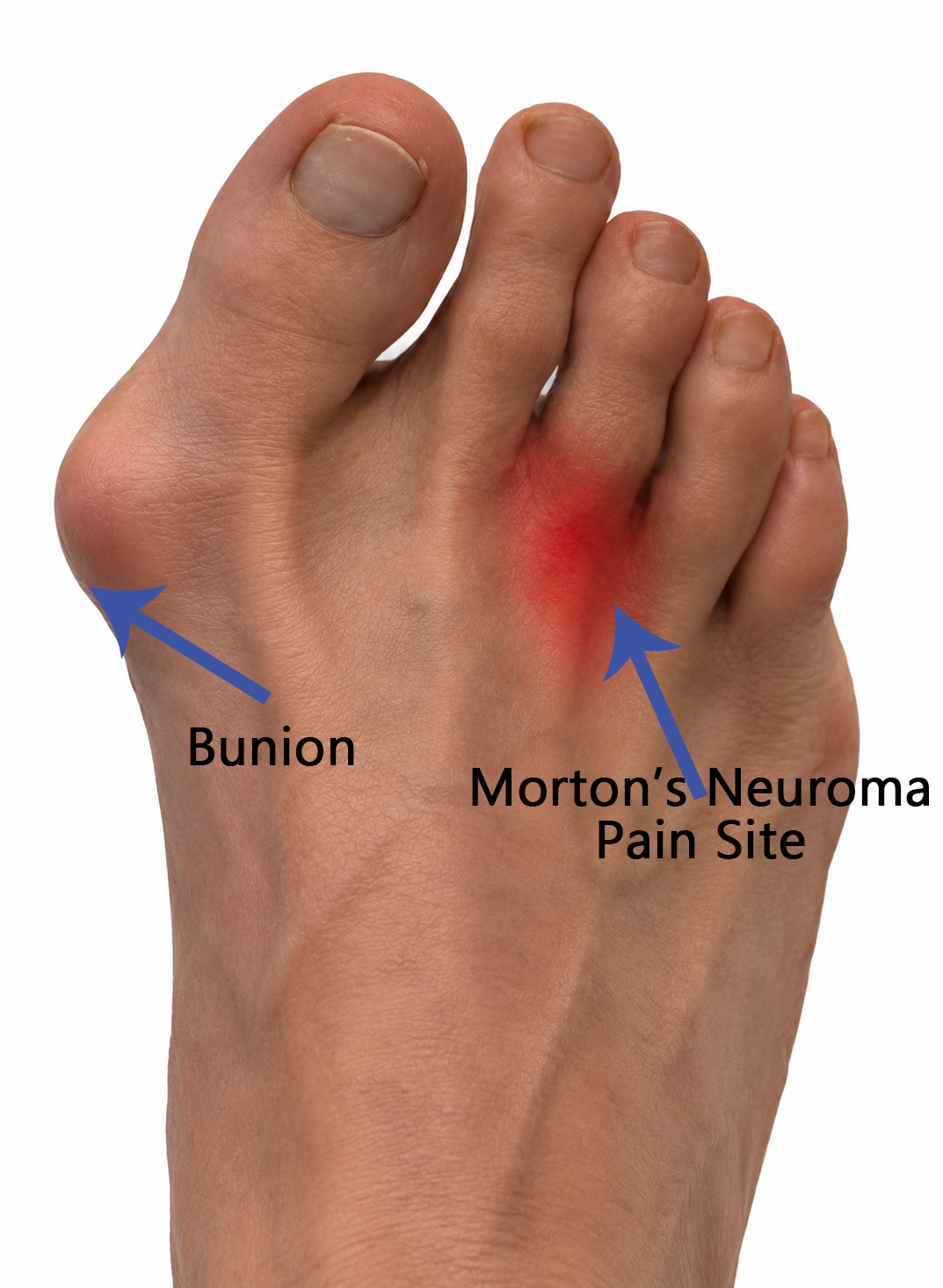
Bunion and Morton’s Neuroma: Can a Bunion Affect Neuroma Recovery?
While a bunion and a Morton’s neuroma are two different foot conditions, if they are [...]
Sep
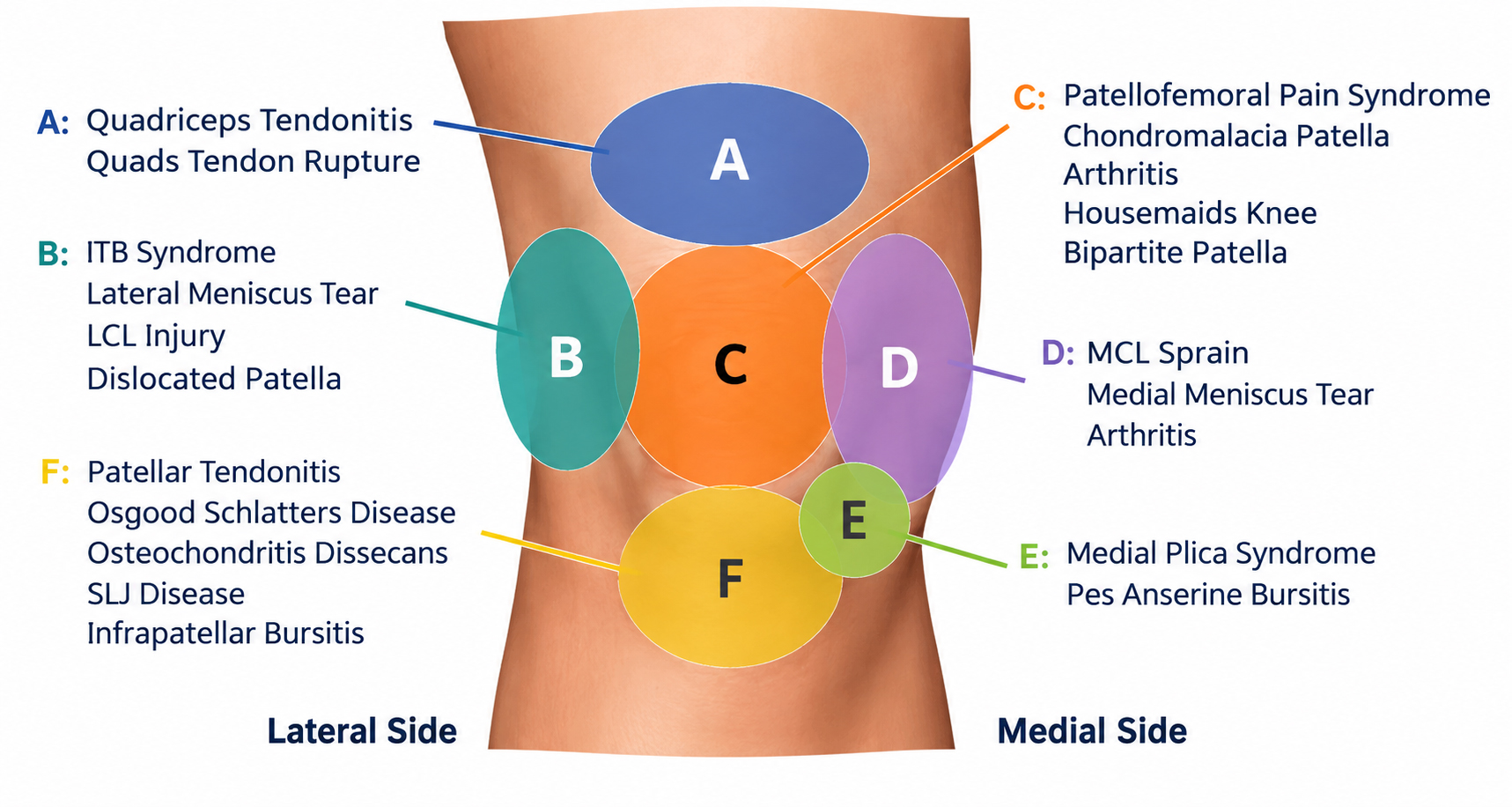
Knee Pain in Coburg
Knee pain is a common form of injury and can affect people of all ages [...]
Sep

Post-Surgery MLD Melbourne – Vodder MLD Therapist
Any form of surgery is an invasive procedure for the body to deal with, and [...]
Sep
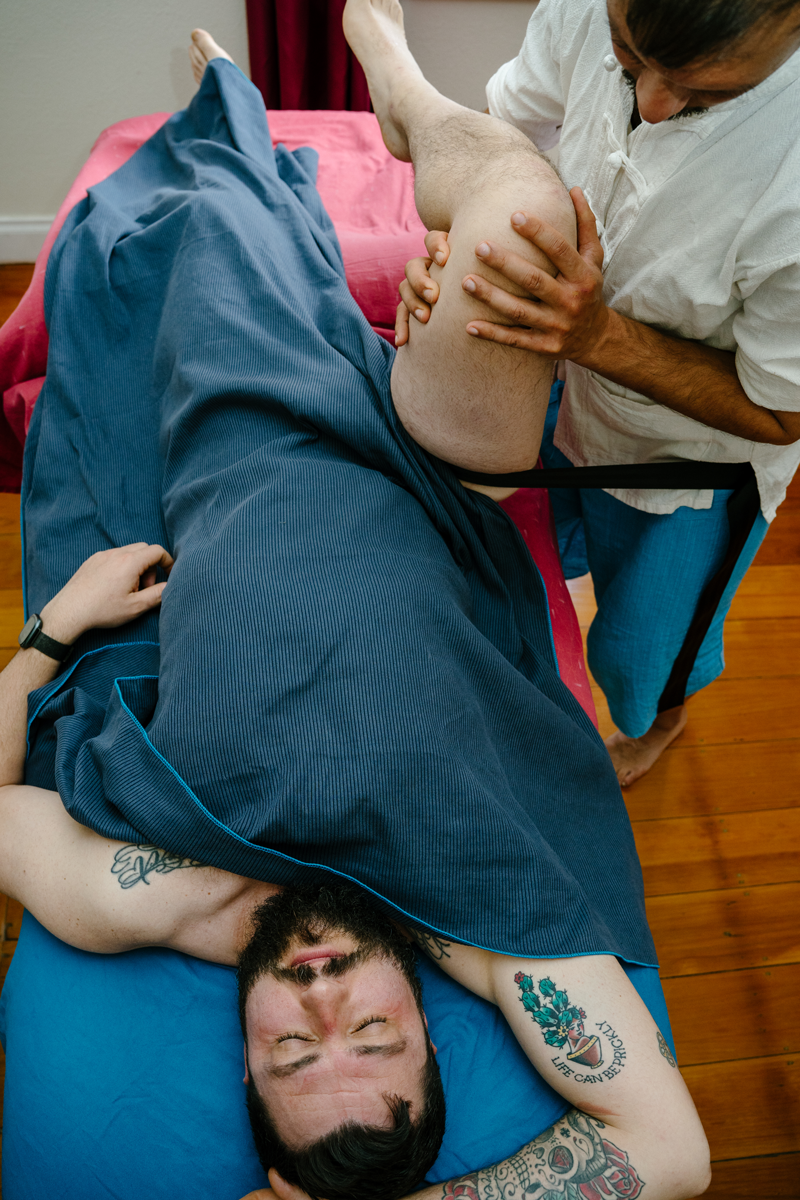
Hip Pain in Coburg: Causes, Symptoms & Treatment
In the many presentations I get to see here at Melbourne Massage and Treatment in [...]
Sep

Lymphatic Walking: Let Me Tell You Why It Is Another Trend
Lymphatic Walking is another trend that you really don’t need to overthink. But let me [...]
Aug
Shoulder Pain in Coburg: Myotherapy Can Help You
Shoulder pain is a common presentation I get to see and treat here at my [...]
Aug
Lower Back Pain in Coburg: Causes, Symptoms and Treatment Options
Lower back pain is a leading cause of disability in Australia. That said, not everyone [...]
Aug

Myotherapy for Coburg’s Active Community
If you have been living in Coburg and the surrounding area, like the Merri Bek [...]
Aug
Giovanni La Rocca
Giovanni moved to Melbourne, Australia, from Italy in 2008 and became a citizen in 2017. He started studying massage therapy in 2016, then completed a Bachelor of Health Science in Clinical Myotherapy in August 2024. During those years, he also specialised in Thai Massage and Manual Lymphatic Drainage for presentations like Lipoedema and Lymphoedema and recovery from Cosmetic Surgery. Nowadays, he runs his clinic in Coburg, Melbourne, where he integrates movement therapy into his practice to enhance overall well-being. He also values meditation, having completed several Vipassana courses. Committed to continuous learning, he aims to share his expertise in integrated therapies to help others achieve balance and resilience.