
Lymphoedema is a condition that can affect many individuals following a mastectomy, particularly those who have undergone lymph node removal as part of their breast cancer treatment. Understanding lymphoedema, its causes, symptoms, and management can help those affected navigate this challenging aspect of recovery. What is Lymphoedema? Lymphoedema is a chronic condition characterised by tissue swelling, usually in the arms or legs, due to an accumulation of lymphatic fluid. It often occurs when lymph nodes are removed or damaged, disrupting the normal flow of lymph fluid through the body. Another reason why someone could end up going through Lymphoedema is severe skin infections that damage the lymphatic system, radiation therapy, or invasive surgeries. Why Does Lymphoedema Occur After Mastectomy? During a mastectomy, when lymph nodes are removed (as in axillary lymph node dissection), the pathway for lymph fluid drainage from the hand and the arm can be compromised as the fluid has nowhere to be discharged at the surgery area. This disruption can lead to a buildup of fluid, resulting in swelling that, if left untreated, can create severe discomfort. While not everyone who has a mastectomy will develop lymphoedema, certain risk factors may increase the likelihood, including: The extent of surgery Radiation therapy Infection Obesity Lack of physical activity Previous or current other injuries to limb/shoulder Surgery was on the side of the dominant hand Be a smoker Symptoms of Lymphoedema post mastectomy The symptoms of lymphoedema can vary in severity and may develop gradually. Common signs include: Swelling in the arm, hand, or breast area A feeling of heaviness or tightness in the affected area Restricted range of motion in the shoulder or arm Skin changes, such as thickening or hardening Swelling doesn’t reduce just by holding the arm elevated Early Detection and Diagnosis Recognizing the early signs of lymphoedema is crucial for effective management. This would help prevent degeneration of the condition and reduce the chance of fibrosis building under the skin, which would lead to longer treatment and possible complications. If you notice swelling or other symptoms, Giovanni is here to help, so don’t hesitate to get in touch. To simplify the diagnosis process, Giovanni offers a 15-minute free phone consultation appointment. During this phone call, we can evaluate whether no pathologies need to be addressed by a GP or other medical staff or if the Lymphoedema management plan can be initiated. Managing Lymphoedema While there is currently no cure for lymphoedema, various management strategies can help reduce symptoms and improve quality of life: Manual Lymphatic Drainage (MLD) is a specialized massage technique that stimulates the lymphatic system and encourages fluid movement.At Melbourne Massage and Treatment in Coburg, Giovanni specialises in the management of Lymphoedema with MLD. Combined Decongestive Therapy (CDT): CDT refers to the application of bandaging that Giovanni would do after the initial MLD treatment. Garments Wear: Wearing compression garments, such as sleeves or bandages, can help prevent fluid buildup and promote lymphatic drainage. Exercise: Gentle, targeted exercises can improve circulation and lymphatic flow. Giovanni at the end of the appointment would show a series of simple exercises that can help you in managing the Lymphoedema swelling. Skin Care: Maintaining skin hygiene and moisturization can prevent infections, which may exacerbate lymphoedema. Diet and Lifestyle: Maintaining a healthy weight and staying active can reduce the risk of developing or worsening lymphoedema. Surgery: In some cases, surgical options may be considered, such as lymphovenous bypass or vascularized lymph node transfer. Support and Resources Coping with lymphoedema can be emotionally and physically challenging. Support groups and counselling can provide valuable resources and community connections. Organizations like the Lymphatic Education & Research Network (LE&RN) and local cancer support services can offer information and support tailored to your needs. Conclusion Navigating lymphoedema after a mastectomy can be daunting, but understanding the condition and implementing effective management strategies can make a significant difference. Early intervention, education, and support are key components in minimizing its impact on daily life. If you or a loved one is facing this challenge, remember you are not alone—reach out to Giovanni and ask how Melbourne Massage and Treatment services can help. FAQ
Tag Archives: Lymphoedema

Blog
Facet Joint Irritation and Muscle Weakness: What You Need To Know
In my experience as a Clinical Myotherapist at Melbourne Massage and Treatment Myotherapy and Lymphoedema [...]
Continue readingOct

Blog
Chronic Pain: What it is, and what can you do about it?
Pain is something that we all experience, and it can start after an injury, during [...]
Continue readingOct
Blog
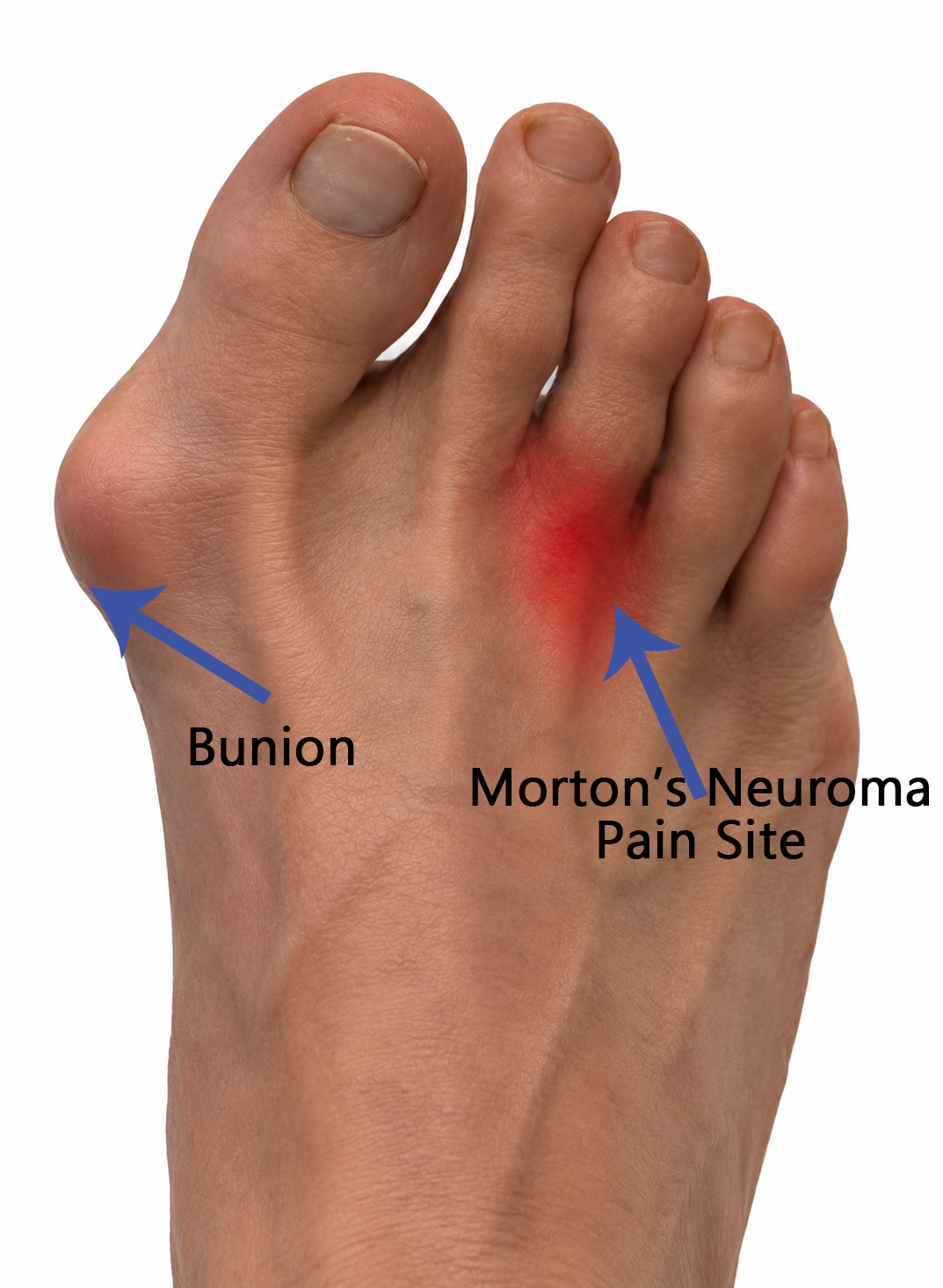
Bunion and Morton’s Neuroma: Can a Bunion Affect Neuroma Recovery?
While a bunion and a Morton’s neuroma are two different foot conditions, if they are [...]
Continue readingSep
Blog
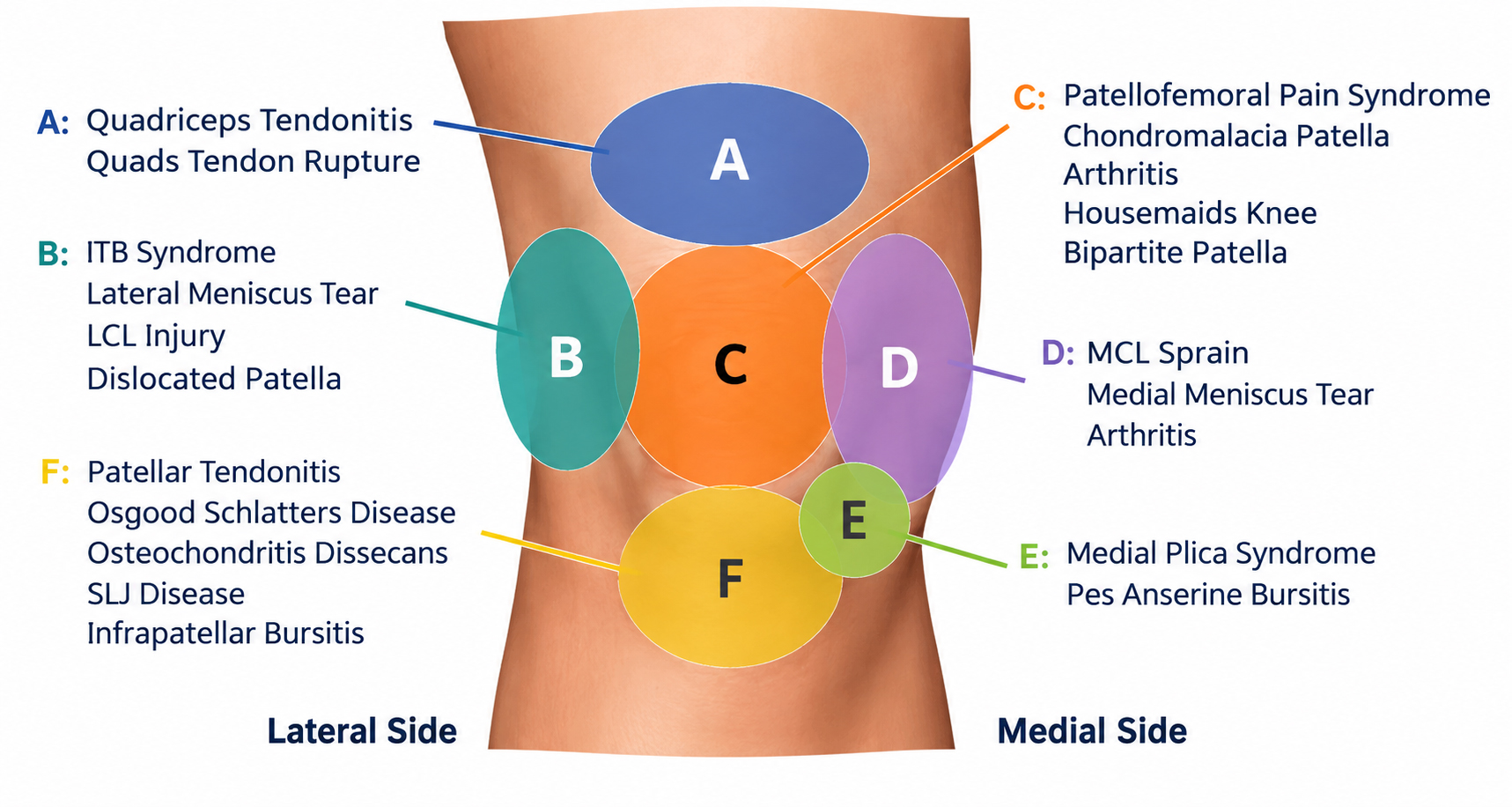
Knee Pain in Coburg
Knee pain is a common form of injury and can affect people of all ages [...]
Continue readingSep

Blog
Post-Surgery MLD Melbourne – Vodder MLD Therapist
Any form of surgery is an invasive procedure for the body to deal with, and [...]
Continue readingSep

Oct
Lymphoedema is a condition characterized by the accumulation of lymphatic fluid, leading to swelling, primarily in the arms and legs. It can occur for various reasons, including surgery, radiation therapy, or genetic factors. Managing lymphoedema is crucial for reducing swelling and preventing complications such as infections and tissue damage. Combined Decongestive Therapy is a key component of your Lymphoedema management. What is Combined Decongestive Therapy (CDT) Combined Decongestive Therapy (CDT) is a comprehensive treatment approach designed to manage lymphoedema effectively. CDT treatment consists of an application of a series of layers of different materials, which include an initial breathable foam, followed by a series of bandages (usually 3 to 4 layers) of compressive consistency, which may have different lengths and stretches that apply to it. Those layers and materials aim to compress the limb and maintain a specific gradient pressure, higher on the distal side of the limb and weaker at the proximal area, to maintain the lymph fluid movement and induce a decongestive result. Combined Decongestive Therapy and MLD Before starting a CDT treatment, along with the lymphoedema management, you are most likely to receive a manual lymphatic drainage session, which aims to create or boost the lymphatic system pathways, where the lymphatic liquid would then be pushed via the compression applied. Along those modalities, skin care and exercise are essential to your lymphoedema management. CDT aims to reduce swelling, improve lymphatic flow, and enhance overall well-being. How many sessions would I need to reduce the swelling to an optimal level? Each individual and each presentation is unique, so based on your presentation, Giovanni would create a treatment plan that would work best for you. On the other hand, a communal ground to all the presentations is that the higher the frequency of the appointments, the better this therapy would work. Initially, Giovanni would highly recommend to book in 3 to 5 sessions for the first week. That would allow a quick reduction of swelling, leading to a secondary management plan. The more severe the swelling, the longer it could take to manage it. Infections, fibrosis (which is the hardness of the tissue), the number of lymph nodes removed (especially post-cancer surgery), or missing exercise management and an anti-inflammatory diet are all factors that could affect the progress of your presentation. Giovanni can assist you with most of those, and where he can not reach you, he will refer you to another practitioner (like a nutritionist for diet advice). Why Pharmacy Compression Isn’t Enough While pharmacy-grade compression garments may seem like a cost-effective solution for managing swelling, they often lack the specificity required for effective lymphoedema treatment. These garments can lead to several issues: Non-specific Fit: Pharmacy compression products may not provide the correct pressure level needed in targeted areas, leading to inadequate fluid reduction. Potential Blockage: Inadequate fit can create areas of higher pressure, which might push fluid further up the limb, causing increased swelling in areas that are not adequately compressed. Increased Risk of Complications: Without proper compression therapy tailored to individual needs, the risk of complications, including infections and further lymphatic blockage, can increase. Giovanni with his Lymphoedema clinic in Coburg emphasizes the importance of professionally fitted compression garments. Giovanni can refer you to a clinic that can take measurements for you and deliver a tailored on your need compression garment. Combined Decongestive Therapy During the Summer As the temperatures rise, managing lymphoedema can become increasingly challenging. The summer months bring unique issues that can exacerbate swelling: Atmospheric Pressure Changes: During hot weather, atmospheric pressure decreases, which can lead to increased lymphatic fluid accumulation in the limbs. Heat and Humidity: Hot and humid days can cause blood vessels to dilate, which may lead to increased swelling. Additionally, sweat and heat can irritate the skin, raising the risk of infections in already vulnerable areas. To keep swelling under control during the summer, it’s essential to: Stay Hydrated: Drink plenty of water to help maintain fluid balance. Wear Proper Compression: Ensure you are using correctly fitted compression garments that are appropriate for summer use. Lightweight and breathable fabrics can make a significant difference. And yes, they are not going to make you feel hotter. A garment wearer has to be comfortable if is not, you will talk to your supplier, and they would be more than happy to assist you with that. Practice Good Skin Care: Keep the skin clean and moisturized to reduce the risk of infections. Monitor for Signs of Infection: Be vigilant for any signs of redness, swelling, or increased warmth in the affected areas, and seek prompt medical attention if these occur. Why CDT is not recommended for the early Lipedema stage In the early stage of Lipedema, the lymphatic system is not compromised, and CDT therapy, given the nature of this presentation, which is fat accumulation under the skin, could be too aggressive on the skin, which let’s not forget, in a Lipedema presentation would easily bruise. On top of that, as there is an excess of fat accumulation under the skin, the heavy compression applied by CDT to these tissues could compress the dermatome innervations, leading to pain and discomfort. That’s also why lipedema, compared to lymphoedema, can lead to pain when reaching advanced stages. Conclusion Lymphoedema is a manageable condition with the right approach. At Melbourne Massage and Treatment in Coburg, Giovanni is committed to providing tailored treatment options, including Combined Decongestive Therapy and appropriately fitted compression garments, to help you effectively manage your symptoms. As we move into the warmer months, staying proactive in your care is crucial to prevent complications and maintain your quality of life. If you have any questions or need support, please get in touch with Giovanni. Your well-being is the priority! If you are struggling with the management of your lymphoedema, book now your free 15 minutes free consultation with Giovanni, to discuss a treatment plan for your case. FAQ Q: What is lymphoedema? A: Lymphoedema is a condition characterized by the accumulation of […]
Dec
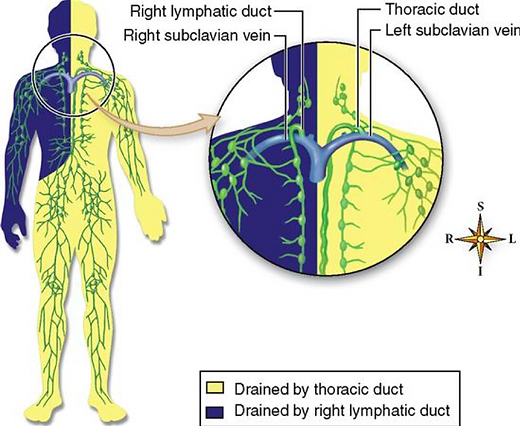
A Watershed is an imaginary line that divides the body and the Lymphatic System into quadrants. Each quadrant has its lymphatic liquid collection canal, and the lower quadrants, as per the two legs, sends the liquid to the cisterna kili, a gland that sits deep behind the belly button that is connected to the upper left duct within the upper left quadrant. Some genetic variation, seeing the thoracic duct connecting to the right lymphatic duct. What does the watershed division look like? The main watersheds are four. A vertical one divides the body into two equal vertical halves. A horizontal one divides the body into the upper and lower body at the inguinal level. Other horizontal watersheds are parallel to each other and are located at: The clavicle line runs through the belly button on top of the iliac crest. In doing so, we have six quadrants: upper, medial, and lower. Other watersheds run vertically within the body. Those are located on the arms and on the upper leg. The importance of watersheds. As we dig more and more within the functionality of the Lymphatic System and MLD as a Lymphatic Drainage technique, we can see that in these specific quadrants, there are bundles of Lymph nodes that get loaded from the lymph vessels connected to them. The watershed division allows the liquid to be directed to a specific body area where lymph nodes are found. Indeed, the lymph nodes are the ones that clean up the lymph fluid, also called obligatory lymph load. When we treat a patient, we have to make sure where we direct the liquid because we want to ensure that the lymph fluid gets sent to the lymph nodes, where it will be processed and then transferred to the lymph/vein duct at the base of the cervical area. This is extremely important when we treat Lymphoedema, where we may bypass the watersheds, where the lymphatic system has been damaged or is missing, to transport the lymphatic fluid from a stagnant area to an active one. How to bypass a watershed To bypass a watershed and transfer the lymphatic fluid from one side of the body to the other side, we have to stimulate the anastomoses, which are the alternative pathways of the lymphatic system. Unless those pathways are stimulated, we can not transfer the fluid side to side along the horizontal or vertical lines. An example would be a person who went through a mastectomy and has a unilateral Lymphoedema. In that case, we need to stimulate the upper anastomosis to transfer the fluid side to side. In the drawing beside, you can notice the upper anterior and posterior anatomoses drawn in thick green lines. The upper watershed and the duct. After the obligatory lymph load reaches the upper watershed (the one running along the clavicle), it gets passed to the venous system. This happens after the obligatory lymph load travels with the trunk collector and passes through the duct. The duct is the last portion of the lymph trunk that connects to the venous system. In conclusion, we want to specify that the lower quadrants (R leg and L leg) and the upper L quadrant drain in the L thoracic duct within the L subclavian vein. Where the R upper quadrant drains into the R duct connected to the R subclavian vein. Below here, is a list of blog posts that talk about conditions where MLD can be beneficial: Bone fracture Sunburn Preeclampsia TMJ Chronic Pain Fibromyalgia Melbourne Massage and Treatment and Lymphatic Drainage Massage At Melbourne Massage and Treatment, Lymphoedema Clinic, I am specialised in Applied MLD and Lymphoedema management. I did train with the Vodder academy for my Lymphatic Drainage practice, and I have a clinical approach to this type of work. If you are in need of manual lymphatic drainage treatment, do not hesitate to book your next appointment now. A 15-minute Online free consultation is also available for those who suffer from Lymphoedema or Lipedema.