Lymphoedema is a condition often associated with cancer survivors, particularly those who have undergone surgery or radiation therapy, but it can also occur due to other chronic conditions or injuries. Characterized by the swelling of limbs due to the accumulation of lymphatic fluid, lymphoedema can significantly impact a person’s mobility, emotional well-being, and overall quality of life. Early diagnosis of lymphedema and management are key to preventing long-term complications, and at Melbourne Massage and Treatment in Fitzroy North, Giovanni, a skilled Myotherapist and Lymphoedema therapist, specializes in identifying and managing this condition using a combination of manual techniques and physical assessments. In this blog, we’ll explore how lymphoedema is diagnosed, the challenges of identifying it early, and Giovanni’s approaches to detecting and managing the condition. What is Lymphoedema? Lymphoedema occurs when there is a disruption in the lymphatic system, leading to the accumulation of lymph fluid, a protein-rich fluid that sits beneath the skin and between the body’s tissue, which often causes swelling in the limbs or other areas of the body. This condition can develop due to a variety of factors, such as lymph node removal during surgery, radiation treatments, injury, or genetic predisposition. Early detection of lymphoedema is crucial to prevent the condition from worsening and causing complications like tissue fibrosis, infections, or reduced mobility. Challenges in the Diagnosis of Lymphoedema Lymphoedema can be difficult to diagnose, especially in its early stages. In its initial phase, symptoms such as heaviness, tightness, or mild swelling may seem subtle and easy to overlook. Patients might attribute these sensations to muscle strain or arthritis, delaying the diagnosis. Furthermore, swelling can fluctuate, making it even harder to identify at the outset. By the time noticeable swelling occurs, the condition may have already advanced, complicating treatment and requiring more intensive management. This is why early detection is so important, as it allows for less invasive treatments and better long-term outcomes. Giovanni’s Approach to Diagnosis of Lymphoedema As a Myotherapist and Lymphoedema therapist at Melbourne Massage and Treatment Lymphoedema Clinic, Giovanni uses manual techniques and physical assessments to diagnose lymphoedema. Although he does not use imaging technology or machines to detect the condition, Giovanni’s training and experience enable him to identify the signs and symptoms through careful observation, palpation, and physical examination. That said, if it is needed, Giovanni can write a referral doctor for your GP to indicate why he believes it is important for you to undertake a specific scan or some medical test. 1. History taking The earlier approach to Lymphoedema diagnosis is an extended look at the medical history, where any past surgery, injury, accident or medications need to be outlined and taken into consideration. 2. Clinical Assessment Following the history taken to diagnose lymphoedema is the clinical assessment. Giovanni conducts a thorough physical examination of the affected limb or area, paying close attention to key signs of lymphoedema, such as: Persistent swelling that doesn’t subside with rest Feeling of heaviness or tightness in the limb Changes in skin texture, such as hardening or thickening Reduced range of motion in the affected area Along with your booking confirmation, you would also receive a form to fill in online, which would start paving the road to your diagnosis. 3. Tape Measurement Method One of the simplest, yet effective, ways Giovanni diagnoses lymphoedema is by using tape measurements. This involves measuring the circumference of the affected limb at various points (e.g., wrist, forearm, upper arm) and comparing these measurements to the unaffected side. Over time, consistent and progressive changes in limb circumference can indicate the development of lymphoedema. While this method is cost-effective and easy to perform, it may not detect early, subtle changes in limb volume. However, when paired with other assessments, it offers valuable information about the progression of the condition. 4. The Pitting Test Giovanni often performs the pitting test, a hands-on method to assess fluid accumulation in the affected area. This simple test involves pressing down on the swollen area with his fingers. If an indentation (or “pit”) remains for several seconds after the pressure is released, it indicates the presence of excess fluid in the tissue, which is a hallmark of lymphoedema. The pitting test helps Giovanni evaluate the severity of fluid retention, but it is more subjective than advanced diagnostic tools. 5. Stemmer’s Sign – Tissue assessment Giovanni also uses palpation (manual examination through touch) to assess the affected area’s tissue texture and consistency. In the early stages of lymphoedema, the tissue may feel soft and puffy, but as the condition progresses, it can become firmer, and in some cases, the skin may develop a thicker, fibrous texture. These changes are essential indicators of lymphoedema and are crucial for determining the stage of the condition. In addition to this, the Stemmer’s Sign is a test that consists of picking what we would expect to be wrinkled skin, like the one just before the toe/tarsal joint. A positive test would result in the impossibility of pinching any skin due to the swelling in the area. 6. Lymphoscintigraphy A lymphoscintigraphy is a scan that is part of nuclear medicine tests, and it is specifically used to detect any interruption within the lymphatic system. The test is done in the specific clinic, and no recovery is needed for it. The procedure consists of injecting a radioactive liquid either in the feet or hands and with a specific camera, detecting the movement of the liquid within the body. We would expect the liquid to move within a certain timing and pathway along the lymphatic system. If that doesn’t happen, this test can give a good understanding if anything is not functioning with the lymphatic system. Why is Early Detection Crucial? The earlier lymphoedema is detected, the easier it is to manage. Early-stage lymphoedema is often easier to treat with less invasive interventions, such as manual lymphatic drainage (MLD), compression therapy (CDT), specific exercises, and skin care. These treatments can help reduce swelling, prevent the condition from worsening, and improve […]
Tag Archives: Lymphoedema
At Melbourne Massage and Treatment, we understand that mental health is just as vital as physical health, which is why we offer tailored remedial massage therapies designed to not only alleviate physical discomfort but also enhance mental well-being. This holistic approach helps harmonise body and mind, creating a pathway to a more balanced lifestyle. Key Takeaways: Stress Alleviation: Remedial massage significantly lowers stress levels, promoting a calmer state of mind. Improved Sleep: Regular sessions can enhance sleep quality, directly impacting mental alertness and mood. Emotional Balance: The therapeutic touch of massage can help release emotional blockages, leading to improved mental health. Impact of Remedial Massage on Mental Health and Well-being The relationship between remedial massage and mental health is profound. By focusing on the body’s muscular and nervous systems, remedial massage can trigger positive changes in mood, stress levels, and emotional health. It achieves this through various mechanisms: Stress Reduction: Massage therapy is renowned for its ability to lower cortisol levels (the stress hormone) and increase serotonin and dopamine levels, which are associated with happiness and well-being. Enhanced Sleep Quality: By promoting relaxation and easing muscle tension, remedial massage can improve sleep patterns, which is crucial for mental health. Boost in Circulation: Improved blood flow ensures that more oxygen and nutrients are delivered to various parts of the body, including the brain, which can enhance cognitive function and mood. Understanding Stress and Muscle Connection One of the primary ways stress impacts the body is by causing muscle tension. This tension can become chronic, leading to pain, reduced mobility, and even a cycle of increased stress. Remedial massage breaks this cycle by targeting areas of tension, improving blood flow, and encouraging the muscles to relax. This release not only benefits physical health but also signals to the brain that it’s safe to unwind, creating a mental domino effect of calm and relief. Who Can Benefit the Most from Remedial Massage? While remedial massage is beneficial for nearly everyone, certain groups may find it particularly helpful for mental health: Professionals with High-Stress Jobs: Those in demanding careers often carry stress in their shoulders, neck, and back. Regular massage can alleviate this tension and prevent burnout. Students and Academics: Intense focus and long study hours can lead to physical and mental fatigue, which massage therapy can help combat. Parents and Caregivers: The responsibilities of caregiving can be both physically and emotionally taxing. Massage offers a restorative break and self-care opportunity. Athletes: Beyond physical recovery, athletes can benefit from the mental clarity and focus that massage provides. The Role of Professional Expertise The effectiveness of remedial massage relies heavily on the expertise of the therapist. A well-trained practitioner can tailor techniques to address both physical and emotional needs, ensuring a holistic experience. For example: Trigger Point Therapy: Targets specific areas of tension to release deep-seated stress. Myofascial Release: Focuses on the connective tissue surrounding muscles, helping to alleviate both physical and emotional restrictions. Relaxation Techniques: Combines gentle strokes with rhythmic movements to promote overall well-being. Creating a Sense of Safety and Comfort One often overlooked aspect of remedial massage is its ability to foster a sense of safety and comfort. The nurturing environment provided by skilled therapists allows clients to let go of their mental guards, fostering a state of deep relaxation. The physical touch involved in massage, when done professionally and respectfully, can also stimulate oxytocin, often referred to as the “bonding hormone.” This hormone promotes feelings of trust, connection, and emotional stability, all of which are crucial for mental well-being. Regulating the Body’s Nervous System The human body operates on a delicate balance between the sympathetic and parasympathetic nervous systems. When stress levels rise, the sympathetic system takes over, preparing the body for fight or flight. This prolonged activation can lead to mental health issues such as anxiety and burnout. Remedial massage counteracts this by activating the parasympathetic system, which promotes rest, digestion, and recovery. This physiological shift can calm the mind, lower heart rate, and encourage a sense of inner peace. Supporting Trauma Recovery For individuals recovering from trauma, remedial massage offers a unique and non-invasive method of care. Trauma often manifests physically, with tension and discomfort being common symptoms. Massage helps release these physical manifestations, providing relief while also creating an opportunity for emotional healing. Working with a trauma-informed therapist ensures that the massage is adapted to the client’s needs, offering a safe and empowering experience. Enhancing Emotional Awareness Many clients find that remedial massage helps them become more attuned to their emotions. As physical tension melts away, it’s not uncommon for individuals to gain clarity about their feelings or life situations. This enhanced emotional awareness can help in identifying stressors or triggers, paving the way for more effective mental health management strategies. The process of connecting with one’s body through massage can also encourage mindfulness, a practice known to improve mental health outcomes. Creating a Holistic Approach to Health Remedial massage is often most effective when combined with other health and wellness strategies. Clients can integrate massage therapy with: Regular exercise for physical and mental fitness. Mindfulness practices such as yoga or meditation. Professional counselling or therapy sessions for deeper emotional healing. Reducing the Impact of Chronic Stress Chronic stress is a silent yet significant contributor to mental health challenges. Left unmanaged, it can lead to a range of physical and emotional issues, including insomnia, anxiety, and even depression. Remedial massage addresses the physical manifestations of stress—tight muscles, lack of mobility, and tension headaches—while simultaneously calming the nervous system. This dual-action approach makes it an effective tool for managing long-term stress. By releasing tension stored in the muscles, remedial massage provides immediate relief and fosters a sense of mental clarity. Over time, regular sessions can help reset the body’s stress response, making it easier to cope with everyday pressures. Enhancing Connection Between Mind and Body Modern lifestyles often create a disconnect between the mind and body. Many people find themselves operating on autopilot, unaware of the tension or […]
Lymphoedema is a chronic condition that occurs when there is a blockage or damage to the lymphatic system, causing the build-up of lymph fluid in the tissues, leading to swelling, discomfort, and other complications. At Melbourne Massage and Treatment in Fitzroy North, Giovanni’s Lymphoedema clinic specializes in managing lymphoedema with a tailored approach, offering relief and improving the quality of life for those with this condition. Understanding the causes of lymphoedema is vital for effective prevention and management. Let’s explore the main causes of lymphoedema and how they impact your health. Primary Lymphoedema: Genetic and Congenital Factors Primary lymphoedema occurs when the lymphatic system does not develop properly from birth. This type of lymphoedema is often inherited and can develop during childhood, adolescence, or even adulthood. In some cases, the lymphatic vessels may be too few or poorly formed, while in others, they may become dysfunctional over time. There are several types of primary lymphoedema, with the most common being congenital lymphoedema, which presents at birth or in early childhood. Another type is known as lymphedema praecox, which usually develops during puberty, and lymphedema tarda, which can appear in adulthood. A major characteristic of primary lymphoedema is that the swelling start distally in the body, which means it start in the furthest point away, like feet or hands, and it move proximal to the centre of the body. Secondary Lymphoedema: Damage to the Lymphatic System Secondary lymphoedema is the most common form of the condition and is a result of a damaged lymphatic system. This can happen for a series of incidents. Here below is a list of mechanism of action that can result in a damage or disruption to the lymphatic system. Trauma and tissue damage burns varicose vein surgery large wounds scarring Venous disease chronic venous insufficiency venous ulceration post-thrombotic syndrome intravenous drug use Infection cellulitis/ erysipelas lymphadenitis tuberculosis filariasis Inflammation rheumatoid arthritis dermatitis psoriasis sarcoidosis dermatosis with epidermal involvement Endocrine disease pretibial myxoedema Immobility and dependency dependency oedema paralysis Factitious self-harm Other obesity medication Source: Lymphoedema Framework 2006 And more specifically and often: Cancer Treatment (Surgery, Radiation, and Chemotherapy) One of the leading causes of secondary lymphoedema is cancer treatment. Lymph nodes may be surgically removed or damaged during radiation therapy, impairing the body’s ability to drain lymph fluid properly. This is especially common in breast cancer, prostate cancer, and melanoma patients. Unfortunately, cancer and lymph node removal don’t work the same for everyone, and in order to prevent the lymphoedema from degenerating, it is better to keep an eye on the development of any swelling or other symptoms. Managing Lymphoedema at Melbourne Massage and Treatment At Melbourne Massage and Treatment in Fitzroy North, we understand that the causes of lymphoedema can vary greatly from patient to patient. Whether your condition is primary or secondary, managing lymphoedema requires a comprehensive, personalized approach. Our skilled therapist, Giovanni, offers targeted manual lymphatic drainage massage and combined decongestive therapy as effective treatments to reduce swelling, alleviate discomfort, and improve overall function. By tailoring each treatment plan to address the unique causes of your lymphoedema, Giovanni ensures you receive the most appropriate care for your situation. If you’re experiencing swelling or discomfort due to lymphoedema, don’t hesitate to schedule a free 15-minute consultation with Giovanni to learn how our treatments can help you manage this condition effectively. FAQs About Lymphoedema Q: What are the common symptoms of lymphoedema? A: The most common symptoms of lymphoedema include swelling, a feeling of heaviness or tightness in the affected limb, limited range of motion, and discomfort or pain. Skin changes, such as thickening or hardening, may also occur over time. Q: Can lymphoedema be cured? A: Unfortunately, there is no cure for lymphoedema. However, it can be effectively managed with the right treatments, such as lymphatic drainage massage, compression garments, and lifestyle changes. These treatments help reduce swelling and improve the quality of life for those affected. Q: How can I prevent lymphoedema? A: While primary lymphoedema may not be preventable, secondary lymphoedema can be reduced by maintaining a healthy weight, avoiding infections, and following the advice of your healthcare team after cancer treatment or surgery. Early detection and management are key to preventing progression. Q: Can lymphoedema develop after surgery? A: Yes, lymphoedema can develop after surgery, especially if lymph nodes are removed or damaged during the procedure. It is essential to follow post-operative care instructions and monitor for any signs of swelling to address potential lymphoedema early. Q: Is lymphoedema painful? A: Lymphoedema can be painful, particularly when the swelling becomes severe or if the condition leads to infections. The discomfort can vary from mild to more intense, depending on the degree of swelling and any associated complications. Q: How is lymphoedema diagnosed? A: Lymphoedema is typically diagnosed based on physical examination, medical history, and symptoms. In some cases, imaging tests such as ultrasound, MRI, or lymphoscintigraphy may be used to assess the lymphatic system and determine the extent of the condition. Q: What treatments are available for lymphoedema? A: Treatments for lymphoedema include manual lymphatic drainage massage, compression therapy, exercise, skin care, and, in some cases, surgical interventions. A personalized treatment plan tailored to your specific condition can help manage swelling and improve lymphatic function. Q: Can I still lead an active life with lymphoedema? A: Yes, with proper management, people with lymphoedema can lead an active life. Regular exercise, such as walking or swimming, combined with treatments like lymphatic drainage, can help reduce swelling and improve mobility. Be sure to follow your therapist’s advice to maintain a balanced approach to physical activity. If you are experiencing lymphoedema symptoms or want to learn more about how we can help, book an appointment with Giovanni at Melbourne Massage and Treatment in Fitzroy North. We are dedicated to providing effective care to help you live your best life.
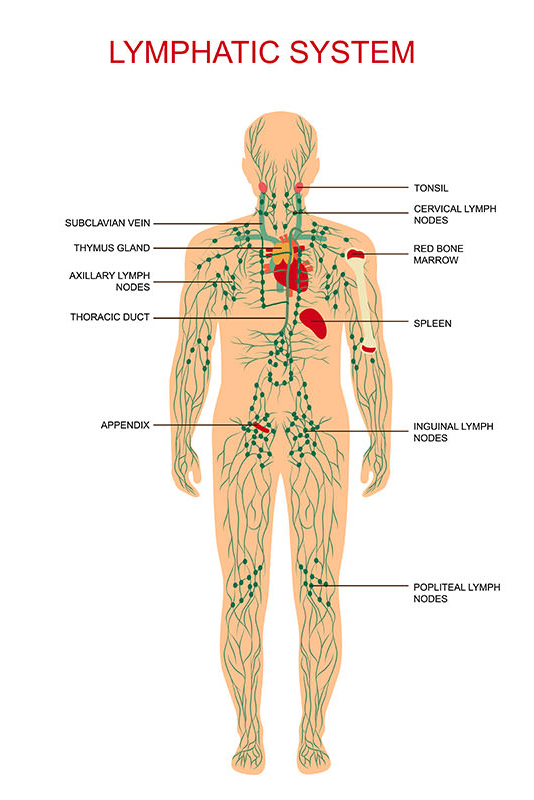
At Melbourne Massage and Treatment, located in Fitzroy North, I do understand that living with lymphoedema can be challenging, both physically and emotionally. As part of my commitment to providing exceptional care and treatment for my patient, I have created this comprehensive guide to help you better understand what lymphoedema is, its causes, symptoms, and how the lymphatic system works. Whether you’re newly diagnosed or managing the condition long-term, this guide will help empower you with the knowledge to make informed decisions about your treatment. What is Lymphoedema? Lymphoedema is a condition that causes swelling due to the improper function of the lymphatic system. The lymphatic system is responsible for draining excess fluid, proteins, and waste products from tissues back into the bloodstream. When this system is compromised, fluid can accumulate in the affected areas, causing swelling, discomfort, and other health issues. At Melbourne Massage and Treatment, I specialize in lymphoedema care and offer a range of services, like Manual Lymphatic Drainage and Combined Decongestive Therapy, to help manage the condition and reduce its symptoms, allowing you to live a more comfortable and active life. The Biology of the Lymphatic System To better understand lymphoedema, it’s important to first explore the lymphatic system’s function in the body. The lymphatic system consists of a network of vessels, lymph nodes, and other organs that help maintain fluid balance and support the immune system. Lymph Vessels: These small tubes transport lymph fluid, which contains immune cells, proteins, waste, and other substances. Lymph Nodes: These small, bean-shaped structures filter lymph liquid and trap harmful substances, such as bacteria and viruses, to protect the body, thanks to the action of the immune system. Lymph liquid: The fluid circulating throughout the lymphatic vessels, which is dug in the body by the bloodstream and collected by the lymphatic system. Lymphatic Organs: The spleen and tonsils also contribute to the lymphatic system, filtering blood and defending against infections. But along the list of organs that are part of the lymphatic system we also find bone marrow, spleen, thymus, tonsils and adenoids. The lymphatic system works by collecting excess fluid below the skin and between tissues and returning it to the bloodstream. The fluid is collected from anywhere in the body and is then delivered to the clavicle, cervical area, and is there where it gets discharged into the bloodstream. However, when the lymphatic system becomes damaged or obstructed, it can lead to lymphedema because the liquid can not be brought to the discharging destination. This may occur due to interruption of the lymphatic vessels or the removal of lymph nodes. Causes of Lymphoedema We classified Lymphoedema into two types: primary and secondary. Both types have different causes, and understanding the underlying factors can help guide appropriate treatment options. Primary Lymphoedema Primary lymphoedema is rare and is based on genetic predisposition. This condition arises due to an abnormal development of the lymphatic system. This form of lymphoedema can manifest at any stage of life, and when it does so, the swelling would start distally and move proximally: Congenital Lymphoedema: Present from birth, this occurs when the lymphatic vessels fail to form properly. Lymphedema Praecox: This type typically develops during adolescence, often affecting one or both legs. Lymphedema Tarda: This type occurs after the age of 35 and may be linked to genetic factors or environmental triggers. Secondary Lymphoedema Secondary lymphoedema is far more common due to external factors that damage the lymphatic system. In this case, the swelling would start proximal to the damaged area and move distally down the limb/s. These include: Cancer Treatment: This is particularly common after surgeries that remove lymph nodes or radiation therapy, which can interfere with the normal flow of lymph fluid. Infection: Conditions like cellulitis (skin infection) or parasitic infections can damage the lymphatic vessels and lead to fluid buildup. Surgery or Physical Trauma: Any injury or surgical procedure that affects the lymphatic system can result in lymphoedema. Lipedema: A presentation like lipedema that is characterised by excess fat accumulation can, in a late stage, increase pressure on the lymphatic vessels, impairing their ability to drain fluid effectively. Venous Insufficiency: Chronic venous insufficiency causes poor circulation and increases pressure on the lymphatic system. At Melbourne Massage and Treatment in Fitzroy North, I work to support clients with lymphoedema, particularly those who have developed the condition due to cancer treatments or other medical interventions. Symptoms of Lymphoedema The main symptom of lymphoedema is swelling, often affecting one or both limbs. However, other signs and symptoms can also develop, especially if the condition is left untreated. Common symptoms include: Swelling: The affected area will swell, most commonly in the arms or legs, but can also occur in other parts of the body. The swelling may start gradually and worsen over time. Heaviness or Tightness: The swollen area may feel heavy, tight, or full, making it difficult to move the affected limb Reduced Mobility: As the condition progresses, the swelling can limit your ability to move the affected limb freely. Skin Changes: The skin may become thickened, dry, or prone to infection as the condition worsens. Frequent Infections: Due to the severe swelling, the skin is prone to cuts and cracks. Underneath, a high protein liquid is now present, which, when in contact with pathogens present in the air, can easily develop infections. If you experience any of these symptoms, it’s important to seek treatment promptly to manage the condition and prevent complications. At Melbourne Massage and Treatment, we offer a range of therapies designed to help reduce swelling and improve mobility. Treatment and Management of Lymphoedema While lymphoedema is a chronic condition, it is highly manageable with the right care. At Melbourne Massage and Treatment, we specialize in lymphoedema management and offer a holistic approach that combines various therapies to reduce swelling, improve circulation, and maintain quality of life. Treatment Options Include: Manual Lymphatic Drainage (MLD): A gentle, specialized massage technique that encourages the movement of lymph fluid and reduces swelling. Combined Decongestive Therapy (CDT): Application of bandages, applied post Lymphatic Drainage treatment, […]
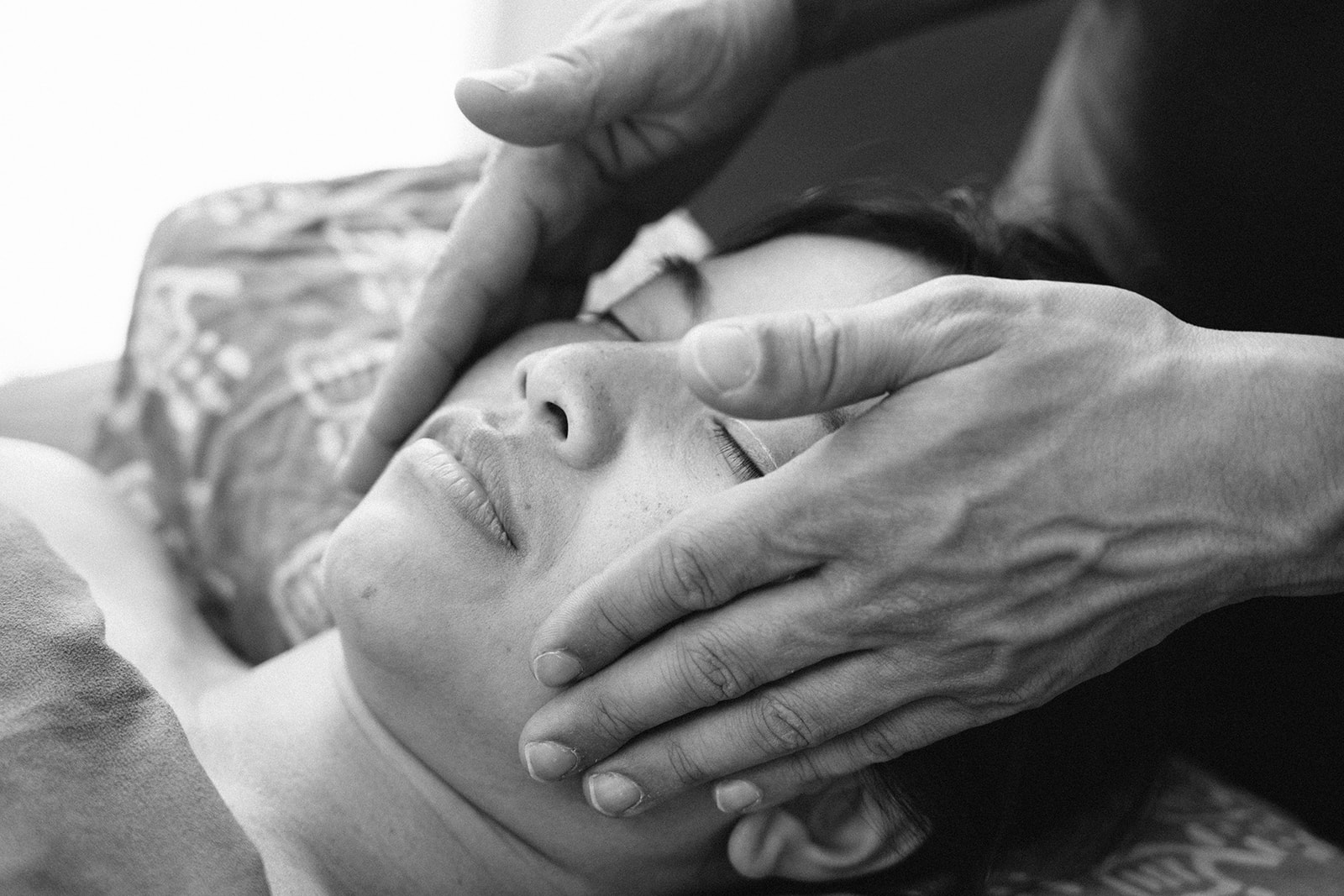
Headaches and migraines are common conditions that affect millions of people around the world. From mild tension headaches to debilitating migraines, these conditions can significantly impact daily life, causing discomfort, irritability, and even severe disruption to work and personal activities. While there are various treatments available, one that has gained increasing popularity for managing headaches is remedial massage. This therapeutic technique focuses on specific areas of the body to alleviate pain and address the underlying causes of headache symptoms. At Melbourne Massage and Treatment, we understand that headaches can disrupt your day and decrease your quality of life. That’s why we offer targeted remedial massage techniques designed to alleviate headache symptoms and restore your well-being. Headaches, whether occasional or chronic, can be a major impediment to daily activities. Key Takeaways: Targeted Relief: Remedial massage directly addresses the muscle tension that often contributes to headaches. Stress Reduction: Regular sessions help reduce overall stress levels, which can trigger headaches. Improved Circulation: Enhancing blood flow can alleviate the tightness and pain associated with headaches. What is Remedial Massage? Remedial massage technique is a hands-on therapeutic technique that targets specific muscle groups and soft tissues in the body to treat musculoskeletal issues. The goal is to alleviate pain, improve mobility, and promote overall health and well-being. Unlike general relaxation massages, remedial massage uses a variety of techniques, such as deep tissue manipulation, trigger point therapy, and myofascial release, to address underlying conditions that contribute to pain and discomfort. When it comes to headaches and migraines, remedial massage can be particularly effective. This is because many headaches are caused or exacerbated by muscle tension, poor mobility, and stress. By targeting the muscles of the neck, shoulders, and upper back, remedial massage can provide significant relief from these common headache triggers. How Remedial Massage Helps Alleviate Tension Headaches Tension headaches are the most common type of headache, often triggered by stress, anxiety, or poor mobility. They are characterised by a dull, aching pain that can feel like a tight band around the head. This type of headache is often associated with muscle tightness and stiffness in the neck, shoulders, and scalp. Remedial massage works by targeting the muscles and soft tissues that contribute to this tension. By applying techniques like deep tissue massage or myofascial release, a trained therapist can help relax the muscles in the neck and shoulders, which often become tight and knotted due to stress or lack of movement. In addition, remedial massage can help improve blood circulation to the affected areas, promoting the delivery of oxygen and nutrients to the tissues and removing waste products that may contribute to muscle fatigue and pain. This enhanced circulation can further reduce the discomfort associated with tension headaches and help prevent their recurrence. Remedial massage service targets these issues effectively. A trained therapist can help relax the muscles in the neck and shoulders, areas that often become tight and knotted from stress or poor ergonomic practices. Migraines and Remedial Massage Migraines are a more complex type of headache, often associated with severe pain, nausea, light sensitivity, and other debilitating symptoms. While the exact cause of migraines is still not fully understood, they are thought to be related to changes in brain chemistry, nerve pathways, and blood flow. Although migraines have multiple triggers, many individuals with migraines also experience increased muscle pain, particularly in the neck, upper back, and jaw areas. This muscle tension can exacerbate migraine symptoms or even trigger an episode. Remedial massage can be a valuable complementary treatment for those who suffer from migraines by addressing the muscle tension that often contributes to the severity of the headache. By focusing on the muscles around the neck and shoulders, remedial massage can relieve tightness and reduce the overall level of stress in the body, which are common triggers for migraine attacks. A massage therapist may also use techniques like trigger point therapy, which targets specific muscle knots that can refer pain to other areas of the head, neck, and face. By releasing these trigger points, the therapist can reduce the intensity of migraine pain or even prevent an episode from occurring. How Remedial Massage Supports Overall Stress Relief One of the most significant contributors to both tension headaches and migraines is stress. Chronic stress causes the body to remain in a heightened state of tension, which can lead to muscle tightness and trigger the onset of headaches. Remedial massage is a highly effective stress management tool because it promotes relaxation and reduces the body’s stress response. Massage techniques like long, slow strokes, kneading, and compression can activate the parasympathetic nervous system, which helps to lower heart rate, reduce blood pressure, and promote relaxation. By alleviating stress in the body and mind, remedial massage helps to decrease the likelihood of headache episodes caused by stress. The Benefits of Remedial Massage for Headache Sufferers Pain Reduction: The targeted pressure and manipulation of muscles during remedial massage help to release tension and promote pain relief. This is particularly beneficial for people who experience headaches due to muscle tightness in the neck, shoulders, and upper back. Improved Circulation: Remedial massage enhances blood flow to the affected areas, promoting healing and reducing pain. Better circulation helps oxygenate the tissues and flush out toxins, reducing the frequency and intensity of headaches. Reduced Muscle Tension: By focusing on tight muscles and trigger points, remedial massage helps to release muscle knots, which are often the source of tension headaches. This can reduce overall pain and discomfort. Stress Relief: As a highly effective stress-reduction technique, remedial massage can lower overall levels of anxiety and tension in the body, reducing one of the key triggers for headaches and migraines. Conclusion For individuals who suffer from frequent headaches or migraines, remedial massage offers an effective, natural alternative or complementary treatment. By targeting the muscles and soft tissues that contribute to tension and stress, this therapeutic technique can alleviate pain, reduce the frequency of headaches, and improve overall well-being. Whether you’re dealing with tension headaches […]
Lymphoedema is a chronic condition that can cause swelling, discomfort, and a range of other symptoms, typically in the arms or legs. It’s often the result of damage to the lymphatic system, either through surgery, radiation, or other health conditions. For many people living with lymphoedema, managing the symptoms can be challenging. However, with the right care and treatment plan, individuals can experience significant improvements in their quality of life. In Melbourne, the Melbourne Massage and Treatment Clinic in Fitzroy North offers specialized care for lymphoedema patients through its NDIS (National Disability Insurance Scheme) services. Led by Giovanni, a skilled practitioner in lymphoedema management and myotherapy, the clinic provides essential treatments that help manage and reduce the symptoms of lymphoedema. Understanding Lymphoedema and the Importance of Treatment Lymphoedema occurs when lymph fluid builds up in the tissues, causing swelling and restricted movement. This condition can be secondary to cancer treatment (such as surgery or radiation), infections, or congenital defects in the lymphatic system. While there is currently no cure for lymphoedema, with the right treatment, symptoms can be managed, and flare-ups minimized. Managing lymphoedema typically involves a combination of therapies, including manual lymphatic drainage (MLD), Complete Decongestive Therapy (CDT), exercise, and skin care. These approaches help reduce swelling, improve circulation, and prevent further complications. Proper care is crucial for maintaining long-term health and mobility. NDIS Support for Lymphoedema Treatment For individuals living with lymphoedema, accessing specialized treatment can often be a barrier due to cost and availability. This is where the National Disability Insurance Scheme (NDIS) comes in. The NDIS provides funding for people with disabilities to access essential services that help improve their daily lives and overall well-being. For those with lymphoedema, NDIS funding can be used to cover the costs of treatment and management, including therapies like lymphatic drainage massage, myotherapy, and other allied health services. At Melbourne Massage and Treatment, Giovanni offers NDIS-approved services that cater specifically to lymphoedema patients. As a skilled myotherapist, Giovanni uses a combination of hands-on techniques to relieve the symptoms of lymphoedema. His holistic approach helps patients not only manage their swelling but also reduce pain, improve mobility, and enhance their overall quality of life. Myotherapy and Its Role in Lymphoedema Management Myotherapy is an effective therapeutic technique used to treat muscular pain and dysfunction. It involves manual therapy, massage, and exercise prescription to relieve pain, improve movement, and restore function. In the context of lymphoedema, myotherapy can complement other treatments by targeting the muscles and soft tissues surrounding the swollen areas, helping to improve lymphatic flow and reduce fluid retention. Giovanni’s expertise in myotherapy makes him uniquely qualified to treat lymphoedema patients. By combining myotherapy with other lymphoedema treatments, such as manual lymphatic drainage and compression therapy, Giovanni provides comprehensive care that addresses the condition from multiple angles. Services Offered at Melbourne Massage and Treatment Melbourne Massage and Treatment in Fitzroy North is a trusted clinic for those seeking NDIS services for lymphoedema. The clinic offers a range of treatments designed to help manage and improve the symptoms of lymphoedema, including: 1. Manual Lymphatic Drainage (MLD): A gentle, hands-on technique that stimulates the lymphatic system to promote the movement of lymph fluid, reducing swelling and improving circulation. 2. Combined Decongestive Therapy (CDT): The use of compression garments or bandages to prevent further fluid buildup and promote the efficient movement of lymph fluid through the body. 3. Mobilisation: A myotherapy hands on treatment that aims to improve the joint mobility, that would improve your capacity of movement. 4. Exercise Prescription: A tailored exercise program designed to improve lymphatic circulation and prevent muscle stiffness and atrophy. 5. Skin Care and Education: Advice on proper skin care to prevent infections and skin breakdown, which can be a common concern for those with lymphoedema. Why Choose Melbourne Massage and Treatment for Lymphoedema Care? At Melbourne Massage and Treatment, Lymphoedema Clinic, Giovanni’s approach to lymphoedema care is based on a deep understanding of the condition and its impact on daily life. The clinic is committed to providing personalized, compassionate care to every patient, ensuring that they receive the support they need to manage their lymphoedema effectively. The clinic’s NDIS services ensure that patients can access high-quality treatment without the financial strain that can often come with ongoing medical care. With Giovanni’s expertise and the clinic’s holistic approach to lymphoedema management, patients can experience a noticeable improvement in their symptoms, making it easier to manage their condition and enjoy a better quality of life. Get Started with NDIS Services at Melbourne Massage and Treatment If you or a loved one is living with lymphoedema and is seeking NDIS support for treatment, Melbourne Massage and Treatment in Fitzroy North offers expert care that can help. Giovanni’s personalized approach ensures that each patient’s treatment plan is tailored to their specific needs, and with the NDIS funding, these services are made more accessible. To learn more about how Giovanni and the team at Melbourne Massage and Treatment can help you manage your lymphoedema symptoms, or to book now a “15 minutes free initial consultation appointment” or visit the clinic’s website to contact Giovanni directly. By offering NDIS services specifically designed for lymphoedema patients, Melbourne Massage and Treatment provides a vital resource for those in need of expert care. With the right treatments and ongoing support, lymphoedema patients can lead more comfortable, healthier lives.
Lymphoedema therapy is crucial for those dealing with this chronic condition characterized by swelling due to lymph fluid buildup. Effective management can significantly improve quality of life, making it essential to understand various approaches. The Importance of Prevention in Lymphoedema Therapy Prevention is critical in lymphoedema therapy. Early intervention is vital for those at risk, such as cancer survivors or those with this presentation running in the family genetics. Regular exercise, maintaining a healthy weight, and avoiding tight clothing, including underwear and bras, can help support lymphatic health. Other things to be aware of include being vigilant about skincare and promptly addressing any injuries, which can further prevent lymphoedema’s development or worsening. Degeneration and Fibrosis Without proper lymphoedema therapy, the condition can lead to degeneration and fibrosis, where excess fibrous tissue develops in the affected area. Thdis can cause stiffness and discomfort, making it harder for lymphatic fluid to drain. Regular therapy, including manual lymphatic drainage, can help maintain tissue health and prevent these complications. Fibrosis is the body’s response to the constant inflammation created by the accumulation of lymph liquid. Once the fibrosis hardens and starts building up, no lymph capillary can be generated through that. Still, eventually, capillaries and nerves would, making the surgical removal of this type of tissue difficult. Skin Care and Anti-inflammatory Diet as part of Lymphoedema Therapy Proper skin care is essential in lymphoedema therapy. Keeping the skin clean and moisturized helps prevent infections, which can worsen symptoms. As the lymph fluid which is accumulates under the skin is reach in protein, it is important to maintain the skin intact, or the risk of infetioncs would hires exponentially, leading to ulcers and usage of antibiotic for a prolonged period of time. On top of that, to maintain the lymphedema presentation at ease, an anti-inflammatory diet rich in fruits, vegetables, and healthy fats can also support lymphatic function and reduce swelling. Foods like turmeric and omega-3 fatty acids are particularly beneficial. More specifically about the diet, avoiding long-chain fatty acids and processed food (which most often is rich in long-chain fatty acids) is essential, too. This is because those types of fat are absorbed via the lymphatic system, as they are too big (long chain) to be absorbed by the bloodstream directly. So, once those fats are loaded in the lymphatic system, it would be extra work for this already damaged system to get rid of those components. Compression Garment Wear Wearing compression garments is a fundamental aspect of lymphoedema therapy. These specially designed garments help maintain pressure on the affected areas, promoting lymphatic drainage and reducing swelling. It’s crucial to have garments that fit properly, as the right fit maximizes their effectiveness. Indeed, Giovanni would reccomedn to get your garments wear from clinics where the do measurements, and not from the pharmacy, as those last one, they may not follow at best your presentation or limbs. Melbourne Massage and Treatment and Lymphoedema Therapy At Melbourne Massage and Treatment, Giovanni offers Lymphoedema Therapy via services like Manual Lymphatic Drainage (MLD) and Combined Decongestive Therapy. The combination of those treatments allows the reduction of severe swelling within a series of treatments. There is also to say that each presentation is unique and based on other factors, such as diet, skincare and other presentations that may coexist with Lymphoedema, someone may need more time to achieve greater results. However, MLD consists of manual therapy that stimulates the lymphatic system. CDT involves applying compression to the swollen limb, maintaining pressure and making the liquid move. To know more about Giovanni Lymphoedema Clinic services, you can now book your free 15-minute initial consultation. Based on this initial chat, would be easier to evaluate a management plan for your presentation. Conclusion about Lymphoedema Therapy Lymphoedema therapy encompasses strategies that focus on prevention, skin care, dietary choices, garment wear, and infection management. By following these guidelines, individuals can effectively manage their condition and enhance their overall quality of life. Awareness and proactive care are key in navigating the challenges of lymphoedema.
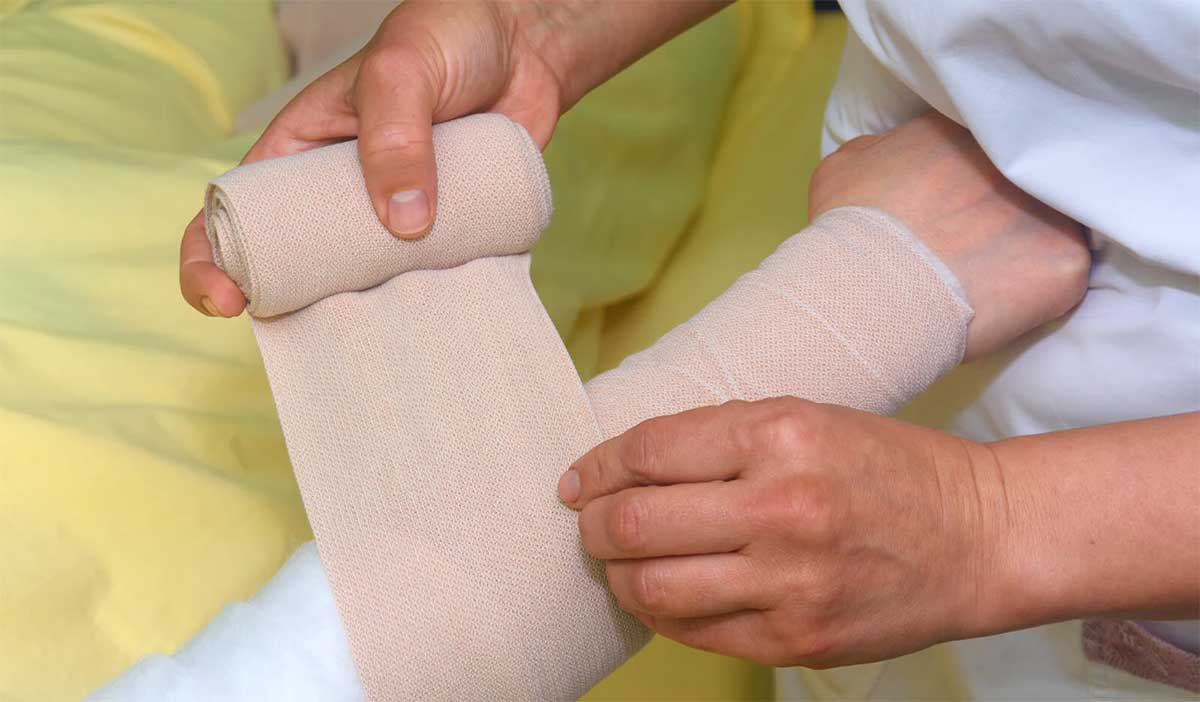
Swelling reduction in a lymphoedema presentation is the key component of successful treatment. Fluid accumulation under the skin can lead to severe swelling, skin cracks, and consequent infections. At Melbourne Massage and Treatment, Giovanni focuses on lymphoedema management using techniques like Manual Lymphatic Drainage (MLD) and Combined Decongestive Therapy (CDT). The Lymphatic System: How It Works The lymphatic system plays a crucial role in maintaining our body’s fluid balance and supporting the immune system. It begins with tiny vessels called lymphatic capillaries, which are interspersed throughout the body, especially in tissues. These capillaries collect excess interstitial fluid, which surrounds cells. This fluid is made of proteins, fats, bacteria, viruses, dust, or anything that the body doesn’t recognise. The lymph then travels through progressively larger vessels called lymphatic collectors, connected by lymph nodes. Is here where the immune system clean the fluid. Once the clean is done, eventually the fluid would merge into larger ducts like the thoracic duct and the right lymphatic duct. These ducts drain lymph back into the bloodstream, ensuring that excess fluid is removed and helping maintain overall fluid balance. Muscle Movement and Its Role in Lymphatic Flow Muscle movement plays a vital role in facilitating lymphatic flow. Unlike the circulatory system, the lymphatic system doesn’t have a central pump like the heart. Instead, it relies on the contraction of surrounding muscles to push lymph through the vessels. When we move, especially during activities like walking or exercising, the rhythmic contractions of our muscles compress the lymphatic vessels, propelling lymph upward toward the ducts. This is why physical activity is essential not only for circulation but also for swelling reduction and maintaining a healthy lymphatic system. Understanding Lymphoedema: Causes and Types Lymphoedema occurs when a disruption in the lymphatic system leads to an abnormal accumulation of lymph fluid, usually in the arms or legs. There are two types of lymphoedema: primary and secondary. Primary lymphoedema is a genetic condition that results from malformations in the lymphatic system, often present at birth or developing during puberty. In contrast, secondary lymphoedema results from damage or obstruction of the lymphatic system due to factors such as surgery, radiation therapy, infection, or trauma. Understanding the differences between these types is crucial for effective management and treatment. Combined Decongestive Therapy (CDT): A Path to Swelling Reduction One effective treatment for lymphoedema is Combined Decongestive Therapy (CDT). This comprehensive approach combines manual lymphatic drainage (MLD) compression therapy, exercise, and skincare to promote lymphatic flow and support swelling reduction. The manual lymphatic drainage technique helps stimulate the lymphatic vessels and facilitates the movement of lymph fluid, while compression garments assist in maintaining the reduction achieved during therapy. By addressing both the symptoms and the underlying causes of lymphoedema, CDT provides individuals with a practical strategy for managing their condition. Combined Decongestive Therapy (CDT) and Bandaging Techniques Combined Decongestive Therapy (CDT) incorporates techniques, including specialized bandaging, to effectively manage lymphoedema. Two primary types of bandages are short-stretch and long-stretch bandages. Short-stretch Bandages These bandages have low elasticity and provide firm compression without causing excessive pressure during movement, making them ideal for managing lymphatic fluid in a stable manner. They support the natural muscle pump action, allowing the patient to move their limbs freely and promoting lymphatic drainage as the muscles contract. Long-stretch Bandages In contrast, long-stretch bandages offer elastic compression, which can create resting pressure that may be less effective during activity. This type of bandage works best when the patient is less likely to move their limb. In CDT, short-stretch bandages are generally preferred because they maintain consistent pressure on the affected limb, helping to reduce swelling more effectively while allowing for functional mobility. This strategic choice creates an optimal environment for lymphatic flow and manages the symptoms of lymphoedema. Melbourne Massage and Treatment: Promoting Health and Lymphoedema Swelling Reduction At Melbourne Massage and Treatment in Fitzroy North, Giovanni specializes in therapies that reduce swelling and enhance overall wellness. By understanding the lymphatic system and the importance of movement, you can take proactive steps to manage lymphoedema and promote better health. If you want to know more about how Giovanni can help you with your lymphoedema management plan, book a 15-minute free consultation today. FAQ: Lymphoedema and Swelling Reduction Q: What is lymphoedema? A: Lymphoedema is characterized by the abnormal accumulation of lymph fluid, usually in the arms or legs, leading to severe swelling. It occurs when the lymphatic system is disrupted or obstructed. Q: What causes lymphoedema? A: There are two types of lymphoedema. Primary lymphoedema is genetic and results from malformations in the lymphatic system. Secondary lymphoedema is caused by damage or obstruction due to surgery, radiation therapy, infection, or trauma. Q: How does the lymphatic system work? A: The lymphatic system maintains fluid balance and supports the immune system. It begins with lymphatic capillaries that collect excess interstitial fluid, which transforms into lymph and travels through larger vessels, eventually draining back into the bloodstream. Q: How can muscle movement help with lymphatic flow? A: Muscle movement aids lymphatic flow by contracting and compressing the lymphatic vessels, propelling lymph toward the ducts. This is essential for circulation and swelling reduction, as the contractions facilitate the movement of lymph fluid. Q: What is Combined Decongestive Therapy (CDT)? A: CDT is a comprehensive treatment for lymphoedema that includes manual lymphatic drainage, compression therapy, exercise, and skincare. It promotes lymphatic flow and supports swelling reduction, addressing both symptoms and underlying causes. Q: Why are short-stretch bandages preferred in CDT? A: Short-stretch bandages are preferred because they maintain consistent pressure on the affected limb, promoting effective swelling reduction while allowing for mobility. This helps create an optimal environment for lymphatic flow. Q: How can I learn more about managing lymphoedema? A: For more information on lymphoedema management, you can book a 15-minute free consultation with Giovanni at Melbourne Massage and Treatment, Lymphoedema Clinic, in Fitzroy North. Giovanni specializes in therapies designed to reduce swelling and enhance overall wellness.
Welcome to Melbourne Massage and Treatment, a Lymphoedema Clinic located in the heart of Fitzroy North. If you’re seeking effective management for lymphoedema, our specialised Clinic, led by experienced therapist Giovanni, is here to help you reclaim your comfort and quality of life. Understanding Lymphoedema Lymphoedema is a chronic degenerative condition characterised by swelling, typically in the arms or legs, but it can also occur in the abdominal, thoracic, or genital areas. A buildup of lymph fluid causes lymphoedema and can arise from various factors, including cancer surgery (mastectomy), radiation treatment, or genetic predisposition. When it is a genetic predisposition, it is categorised as Primary Lymphoedema, and when it develops post-surgery or due to external factors, it is characterised as Secondary Lymphoedema. Managing lymphoedema is crucial to preventing further complications and enhancing overall well-being. Meet Giovanni, Your Lymphoedema Specialist Giovanni is a dedicated myotherapyst trained at the prestigious Vodder Academy, renowned for its comprehensive approach to lymphatic health. With extensive experience in Manual Lymphatic Drainage (MLD) and Combined Destive Therapy (CDT), Giovanni employs proven techniques to reduce swelling, alleviate discomfort, and promote lymphatic flow. Manual Lymphatic Drainage (MLD) MLD is a gentle, non-invasive massage technique designed to stimulate the lymphatic system. Giovanni’s expert hands help to encourage the movement of lymph fluid, reducing swelling and improving circulation. This technique allows the stimulation of your lymphatic system’s parallel channels (anastomosis), which would not be active unless stimulated. This is a crucial step in Lymphoedema management as the lymph fluid would not have anywhere to go due to its damaged structure. Combined Decongestive Therapy (CDT) As Melbourne Massage and Treatment is also a Lymphoedema Clinic, the treatment that you can receive from Giovanni is not going to be focused on MLD only, but once the anastomosis has been activated, Giovanni would apply Combined Decongestive Therapy. This holistic approach focuses on the application of compression bandaging, which maintains the skin’s lymphatic fluid under pressure. Other types of care approaches to be aware of along this presentation are skin care and exercise, providing a comprehensive management plan tailored to each patient’s needs through garment wear. Giovanni will work closely with you to develop a personalised strategy that addresses your specific concerns and lifestyle. Free Initial Consultation Understanding your condition and exploring your treatment options can be overwhelming. To support you, Giovanni offers a 15-minute free phone consultation for lymphoedema patients. This initial conversation provides an opportunity to discuss your symptoms, ask questions, and learn how our clinic can assist you on your journey to better health. Why Choose Us? Expertise: Giovanni’s training at the Vodder Academy ensures you receive care rooted in the latest techniques and knowledge. Personalised Care: We understand that each patient is unique. Giovanni tailors treatment plans to fit your individual needs and lifestyle. Convenient Location: My clinic in Fitzroy North is easily accessible, making it convenient for local patients to receive ongoing care. Supportive Environment: We prioritise creating a welcoming atmosphere where you can feel comfortable discussing your health concerns. Get Started Today! If you’re ready to take the next step in managing your lymphoedema, contact the Melbourne Massage and Treatment Clinic today. Schedule your free initial phone consultation with Giovanni and discover how MLD and CDT can help you achieve a healthier, more comfortable life. Visit our website or call us to learn more about our services and how we can assist you on your path to recovery. Your well-being is our priority, and we look forward to supporting you every step of the way! FAQS – Melbourne Massage and Treatment (Lymphoedema Clinic) 1. What is lymphoedema? Lymphoedema is a chronic condition caused by a buildup of lymph fluid, leading to swelling, usually in the arms or legs. It can also affect the abdomen, chest, or genital area. It may result from cancer treatments (like mastectomy or radiation), surgery, or genetic factors (primary lymphoedema). 2. What are the differences between primary and secondary lymphoedema? Primary Lymphoedema is genetic and occurs due to an inherited malfunction in the lymphatic system. Secondary Lymphoedema develops due to external factors like surgery (e.g., mastectomy), radiation therapy, trauma, or infection. 3. How can lymphoedema be managed? Lymphoedema is a degenerative condition, meaning it worsens over time if untreated. However, proper management through Manual Lymphatic Drainage (MLD), Combined Decongestive Therapy (CDT), compression garments, skin care, and exercise can significantly reduce symptoms and improve quality of life. 4. What is Manual Lymphatic Drainage (MLD)? MLD is a gentle, specialised massage technique that stimulates the lymphatic system to improve lymph flow, reduce swelling, and activate alternative lymphatic pathways (anastomosis) when the main vessels are damaged. 5. What is Combined Decongestive Therapy (CDT)? CDT stands for Combined Decongestive Therapy and is about applying compression to the limb affected by lymphoedema to get the fluid in exceed to keep moving post MLD therapy. 6. Do you offer a free consultation? Yes! I offer lymphoedema patients a free 15-minute phone consultation to discuss symptoms, treatment options, and how I can help. 7. Where is the clinic located? Melbourne Massage and Treatment Lymphoedema clinic is conveniently located in Fitzroy North, Melbourne, making it easily accessible for local patients. 8. Can lymphoedema be cured? While lymphoedema is a chronic condition, proper management can significantly reduce swelling, discomfort, and the risk of complications. Early intervention and consistent therapy are key. 9. Is compression therapy necessary for lymphoedema? Yes, compression garments or bandages are essential in CDT to maintain pressure on tissues, prevent fluid re-accumulation, and support long-term management. 10. Can exercise help with lymphoedema? Yes! Gentle, guided exercises can promote lymphatic drainage and improve mobility. Giovanni can recommend safe exercises tailored to your condition. 11. How often should I get MLD or CDT treatments? The frequency depends on the severity of your condition. Some patients benefit from weekly sessions, while others may need maintenance treatments less often. Giovanni will create a personalised plan for you. 12. Does private health insurance cover lymphoedema treatments? Some private health funds may cover part of the […]
Lymphoedema is a condition that can affect many individuals following a mastectomy, particularly those who have undergone lymph node removal as part of their breast cancer treatment. Understanding lymphoedema, its causes, symptoms, and management can help those affected navigate this challenging aspect of recovery. What is Lymphoedema? Lymphoedema is a chronic condition characterised by tissue swelling, usually in the arms or legs, due to an accumulation of lymphatic fluid. It often occurs when lymph nodes are removed or damaged, disrupting the normal flow of lymph fluid through the body. Another reason why someone could end up going through Lymphoedema is severe skin infections that damage the lymphatic system, radiation therapy, or invasive surgeries. Why Does Lymphoedema Occur After Mastectomy? During a mastectomy, when lymph nodes are removed (as in axillary lymph node dissection), the pathway for lymph fluid drainage from the hand and the arm can be compromised as the fluid has nowhere to be discharged at the surgery area. This disruption can lead to a buildup of fluid, resulting in swelling that, if left untreated, can create severe discomfort. While not everyone who has a mastectomy will develop lymphoedema, certain risk factors may increase the likelihood, including: The extent of surgery Radiation therapy Infection Obesity Lack of physical activity Previous or current other injuries to limb/shoulder Surgery was on the side of the dominant hand Be a smoker Symptoms of Lymphoedema post mastectomy The symptoms of lymphoedema can vary in severity and may develop gradually. Common signs include: Swelling in the arm, hand, or breast area A feeling of heaviness or tightness in the affected area Restricted range of motion in the shoulder or arm Skin changes, such as thickening or hardening Swelling doesn’t reduce just by holding the arm elevated Early Detection and Diagnosis Recognizing the early signs of lymphoedema is crucial for effective management. This would help prevent degeneration of the condition and reduce the chance of fibrosis building under the skin, which would lead to longer treatment and possible complications. If you notice swelling or other symptoms, Giovanni is here to help, so don’t hesitate to get in touch. To simplify the diagnosis process, Giovanni offers a 15-minute free phone consultation appointment. During this phone call, we can evaluate whether no pathologies need to be addressed by a GP or other medical staff or if the Lymphoedema management plan can be initiated. Managing Lymphoedema While there is currently no cure for lymphoedema, various management strategies can help reduce symptoms and improve quality of life: Manual Lymphatic Drainage (MLD) is a specialized massage technique that stimulates the lymphatic system and encourages fluid movement.At Melbourne Massage and Treatment in Fitzroy North, Giovanni specialises in the management of Lymphoedema with MLD. Combined Decongestive Therapy (CDT): CDT refers to the application of bandaging that Giovanni would do after the initial MLD treatment. Garments Wear: Wearing compression garments, such as sleeves or bandages, can help prevent fluid buildup and promote lymphatic drainage. Exercise: Gentle, targeted exercises can improve circulation and lymphatic flow. Giovanni at the end of the appointment would show a series of simple exercises that can help you in managing the Lymphoedema swelling. Skin Care: Maintaining skin hygiene and moisturization can prevent infections, which may exacerbate lymphoedema. Diet and Lifestyle: Maintaining a healthy weight and staying active can reduce the risk of developing or worsening lymphoedema. Surgery: In some cases, surgical options may be considered, such as lymphovenous bypass or vascularized lymph node transfer. Support and Resources Coping with lymphoedema can be emotionally and physically challenging. Support groups and counselling can provide valuable resources and community connections. Organizations like the Lymphatic Education & Research Network (LE&RN) and local cancer support services can offer information and support tailored to your needs. Conclusion Navigating lymphoedema after a mastectomy can be daunting, but understanding the condition and implementing effective management strategies can make a significant difference. Early intervention, education, and support are key components in minimizing its impact on daily life. If you or a loved one is facing this challenge, remember you are not alone—reach out to Giovanni and ask how Melbourne Massage and Treatment services can help. FAQ