
Exercises for Upper Cross Syndrome
As previously mentioned, the UCS is caused by a constant habit of poor posture, to achieve a correct posture on top of massage therapy, we would need to do exercises for Upper cross syndrome.
So, there are 2 main groups of muscle that we want to target.
1st group, the tense muscles:
- Levator Scapulae
- Upper Trapezius
- Pectoralis Major
Second group, weak muscle
- Deeper Neck Flexors
- Rhomboids
- Middle Trapezius.


Now, let’s go through some exercises for Upper cross syndrome.
Brugger exercises for Neck deep flexors.
This exercise is going to focus on improving the strength of the deep flexors.
- Stand straight with feet apart ;
- Place 2 fingers, one on each sternocleidomastoid and start gently and slowly flexing the head forward.
- The fingers seating on the Sternocleidomastoid (SCM) would allow you to keep those muscles deactivate and so would place all the strength of flexion on the deeper muscle that we are trying to train in gaining strength.
- If you are not sure where the SCM is, place a hand horizontally between the neck and the upper chest, along the Clavicle line. Rotate your head gently right and left and those 2 muscles that pop up below your hand when you rotate the head are the SCM. Just be aware that the L SCM will activate when you rotate right and vice versa;
3 repetitions for 10 head flexion.
Do you feel like you need help with your neck pain? Book now your next appointment at Coburg Clinic.
Strengthening the Rhomboids and Middle Trapezius.
For this exercise, we would need an elastic rubber band for exercises.
· Stand straight, feet apart, and wrap the elastic band on your fist, thumb facing out.
· As you breathe in flex the elbow at 90, breathe in and bring the rubber band in tension. As you breathe out extend the elbow out.
· Release and start again. 3 repetitions of 10.
All those exercises have to be done daily for 6 weeks in order to be effective to change the UCS.
Self Massage for Pectoralis/Upper Trap/Levator Scapulae.
Pectoralis Self Massage exercises:
- Lie down in a prone position with the arms along the body;
- Place a tennis or a spiky ball right between the Pectoralis and the floor;
- Keep the foot’s toes anchored on the floor;
- Gently push yourself forward and back by breathing in (from the nose) and out (from the mouth). If you would like more pressure, is enough to open the arm at 90 and lightly extend the arm, by lifting the hand from the floor.
Upper Trap and Levator Scapulae Thai Yoga exercises:
- Start by lying in a supine position and the ball will be seated between the shoulder and the floor.
- Place the ball right next to the upper angle of the scapula. This time keep your shoulder flexed at 90 degrees, so with the hand facing the ceiling.
- Start gently a slow rotation movement at the shoulder, by drawing a circle with the hand.
- 3 series of 6 repetitions for each rotation movement.
With Thai Yoga, you wanna make sure that each exercise is done slowly and gently.
Those exercises often work on the delicate area of the body and can reproduce massage pain.
Moving the body slowly and gently and having constant breathing in and out would allow you to live Thai Yoga at its full potential.
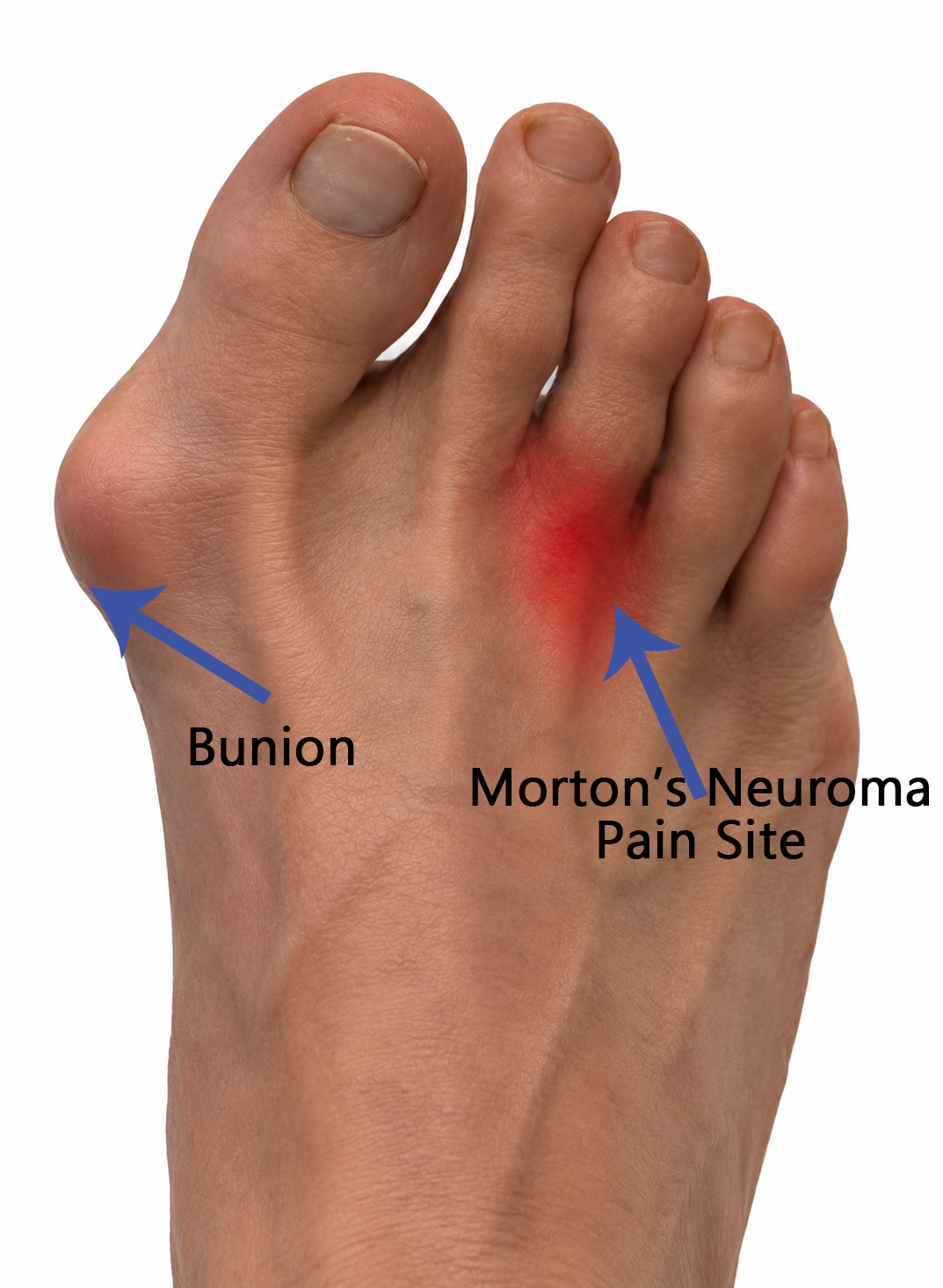
Bunion and Morton’s Neuroma: Can a Bunion Affect Neuroma Recovery?
While a bunion and a Morton’s neuroma are two different foot conditions, if they are [...]
Sep
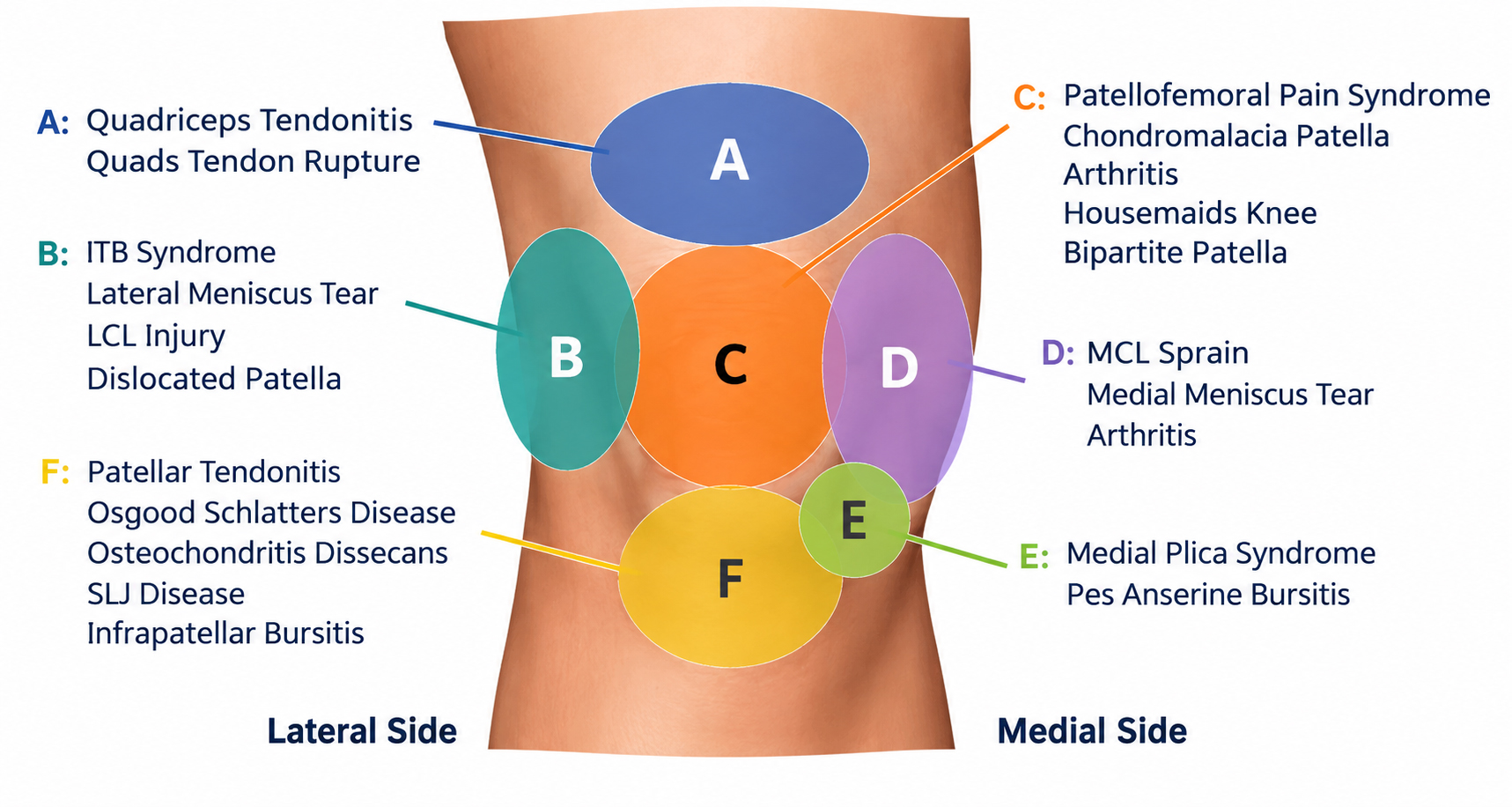
Knee Pain in Coburg
Knee pain is a common form of injury and can affect people of all ages [...]
Sep

Post-Surgery MLD Melbourne – Vodder MLD Therapist
Any form of surgery is an invasive procedure for the body to deal with, and [...]
Sep
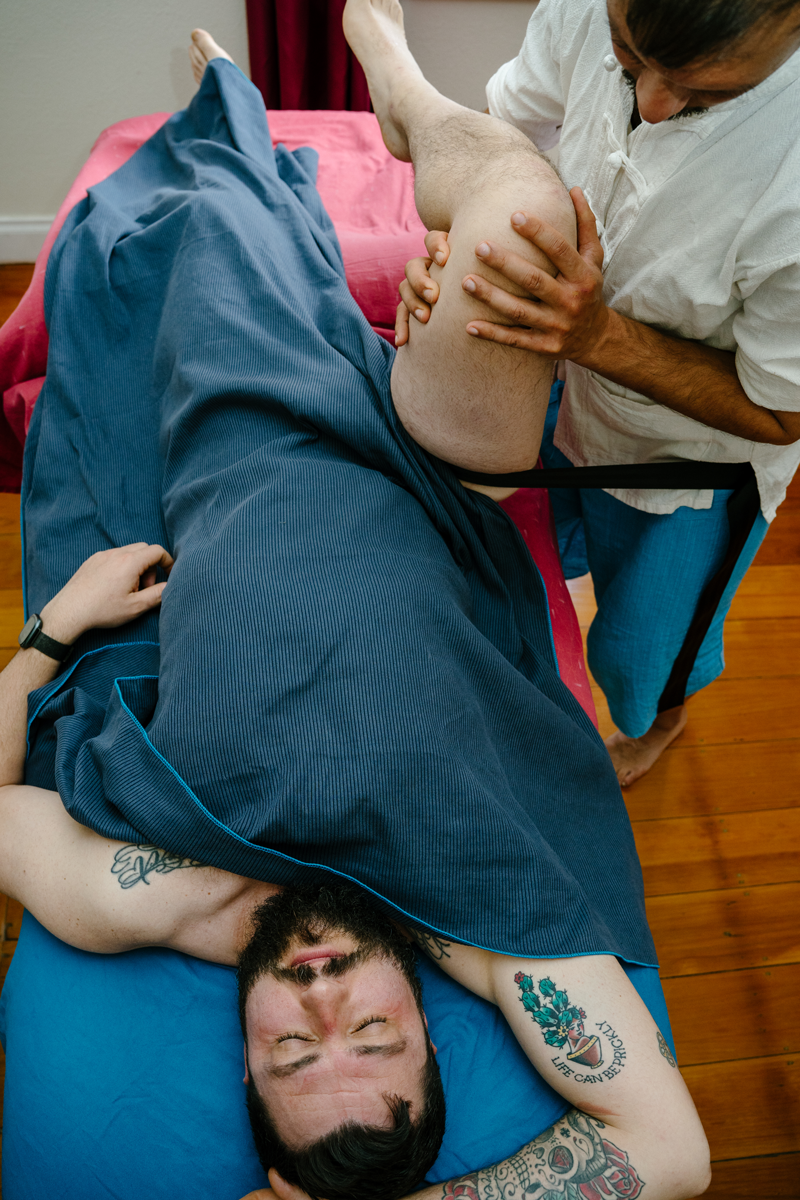
Hip Pain in Coburg: Causes, Symptoms & Treatment
In the many presentations I get to see here at Melbourne Massage and Treatment in [...]
Sep

Lymphatic Walking: Let Me Tell You Why It Is Another Trend
Lymphatic Walking is another trend that you really don’t need to overthink. But let me [...]
Aug
Shoulder Pain in Coburg: Myotherapy Can Help You
Shoulder pain is a common presentation I get to see and treat here at my [...]
Aug
Lower Back Pain in Coburg: Causes, Symptoms and Treatment Options
Lower back pain is a leading cause of disability in Australia. That said, not everyone [...]
Aug

Myotherapy for Coburg’s Active Community
If you have been living in Coburg and the surrounding area, like the Merri Bek [...]
Aug
Giovanni La Rocca
Giovanni moved to Melbourne, Australia, from Italy in 2008 and became a citizen in 2017. He started studying massage therapy in 2016, then completed a Bachelor of Health Science in Clinical Myotherapy in August 2024. During those years, he also specialised in Thai Massage and Manual Lymphatic Drainage for presentations like Lipoedema and Lymphoedema and recovery from Cosmetic Surgery. Nowadays, he runs his clinic in Coburg, Melbourne, where he integrates movement therapy into his practice to enhance overall well-being. He also values meditation, having completed several Vipassana courses. Committed to continuous learning, he aims to share his expertise in integrated therapies to help others achieve balance and resilience.