
What is, Upper Cross Syndrome?
Upper cross syndrome (UCS) is a common posture imbalance that affects many people nowadays and it is caused by repetitive poor posture habits.
The body‘s muscles work in coordination with another one to keep our posture erected along the Plumb Line.
The Plumb line is an imaginary line that runs from the top of the body down to the foot, passing by the:
- Mastoid process of the skull
- Middle Acromion (shoulder joint)
 Centre of gravity of the body (pelvis)
- Greater Trochanter (GT or Head of the Femur)
- Side of the Knee
- Down to the Malleolus.
The head and shoulders are protracted compared to the plumb line, for someone that suffers from UCS.
This happens when there is an unbalance between the anterior and posterior portions of the cervical area.
So, to better understand what UCS is, let’s go through which muscles are involved in this condition, and the muscle’s role.
Let’s start by drawing a diagonal line from the shoulders down to the upper chest area of the pectoralis ().
The diagonal line would cross first the Upper Trap (UT) and Levator Scapulae (LS) for then cross the Pectoralis Major (PM).
What do these muscles have in common?
Tightness.
The tight pectoralis would protract the shoulders.
On the other hand, UT and LS would elevate the shoulders and scapula and accentuate the shoulder protraction.
Indeed, this force applied bilaterally would place the muscle that is attached from the spine into the Scapula (or Shoulder Blade) under constant stretch, as for the muscle that keeps the neck erect, like the Deep Flexor Muscles (Longus Colli, Longus Capitus, Rectus Capitus and Longus Cervicus).
Do you feel like you need help with your neck pain? Book now your next appointment, at Coburg clinic.
Now let’s draw a second diagonal line, in the opposite direction of the first one .
This line would start from the anterior side of the body.
From the neck area and go towards the posterior inferior side of the body.
Therefore, would cross first the Deeper Flexor Muscles of the neck and then the Rhomboids (RH) and Middle Trap (MT).
What this muscle got in common?
As mentioned before because those muscles are placed under constant stress, they get weak, and can’t hold the neck and the scapula in place.
How massage therapy can help?
Massage therapy is a great way to create balance in the body structure.
So, along with a massage session, either Thai Massage, Remedial Massage and or Myotherapy, we would start by doing a series of postural assessments and Range of Motion (ROM).
This would allow me, the therapist, to pint point out what muscle needs more attention, and if there is more presentation to add to the UCS.
From there then, we may start working on releasing tension from the Pec area and the UT, using gentle strokes that involve stimulating blood flow and heat in the area.
Where per areas like rhomboids we would use techniques that may recreate some pain, so to stimulate the muscle to be activated.
Said so, depending on the massage therapy I am offering, the approach can be slightly different.
In conclusion, there is to say, that massage therapy by itself, would not be enough, if the person, at the end of the treatment, would go back to their routine life.
It would be important that the patient follows the exercises that they would give at the end of the massage session.
- Exercises for UCS
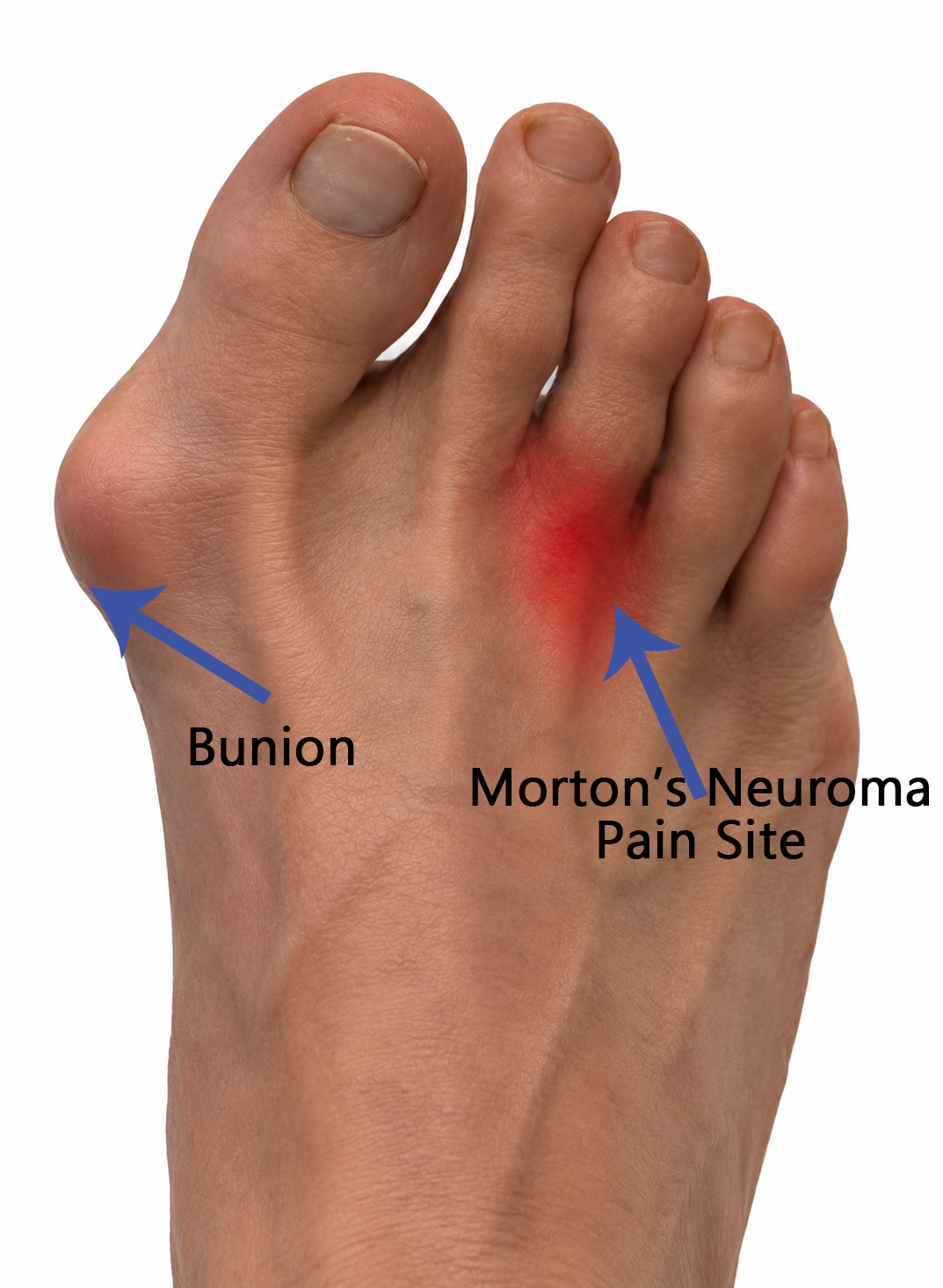
Bunion and Morton’s Neuroma: Can a Bunion Affect Neuroma Recovery?
While a bunion and a Morton’s neuroma are two different foot conditions, if they are [...]
Sep
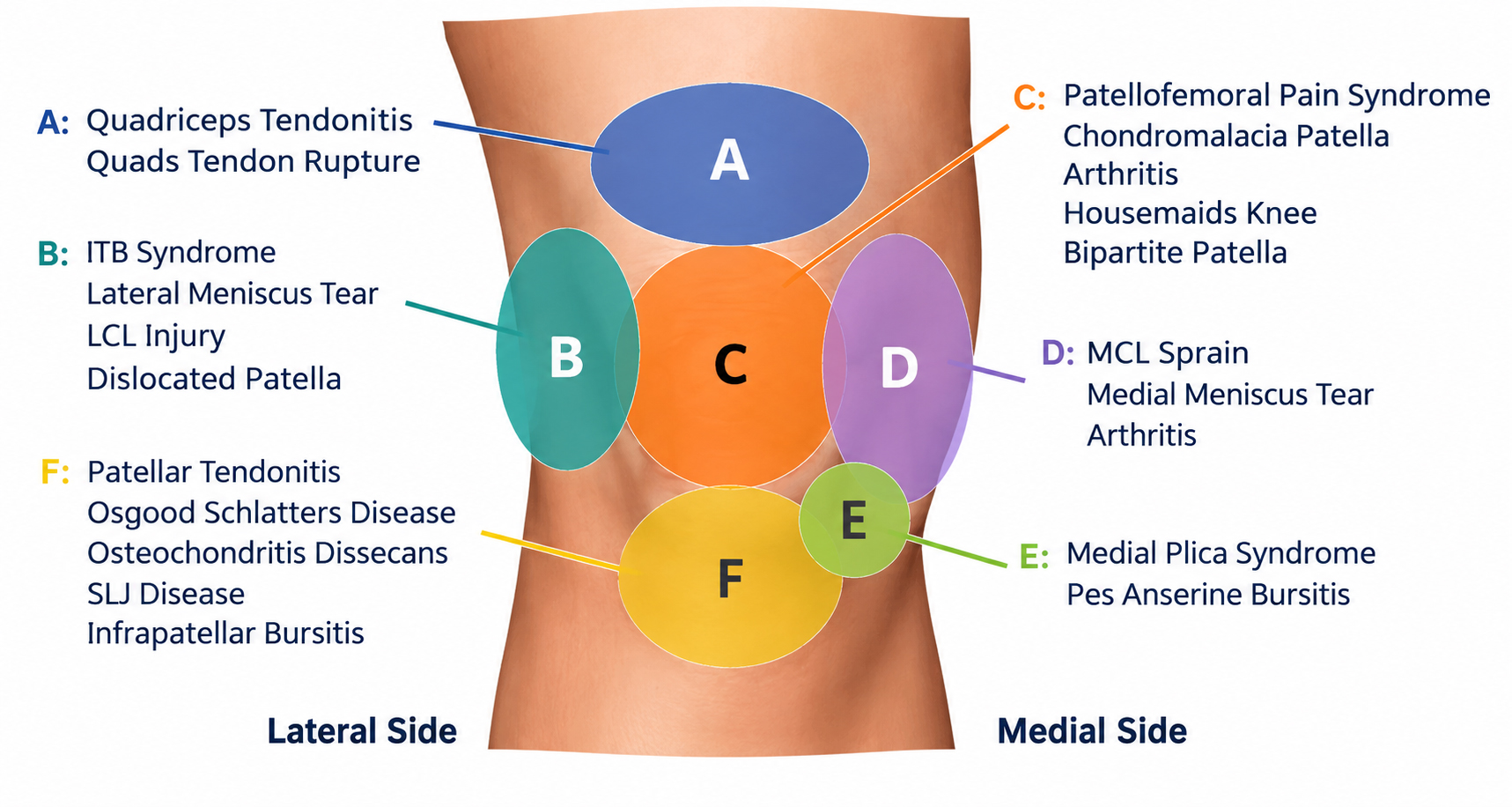
Knee Pain in Coburg
Knee pain is a common form of injury and can affect people of all ages [...]
Sep

Post-Surgery MLD Melbourne – Vodder MLD Therapist
Any form of surgery is an invasive procedure for the body to deal with, and [...]
Sep
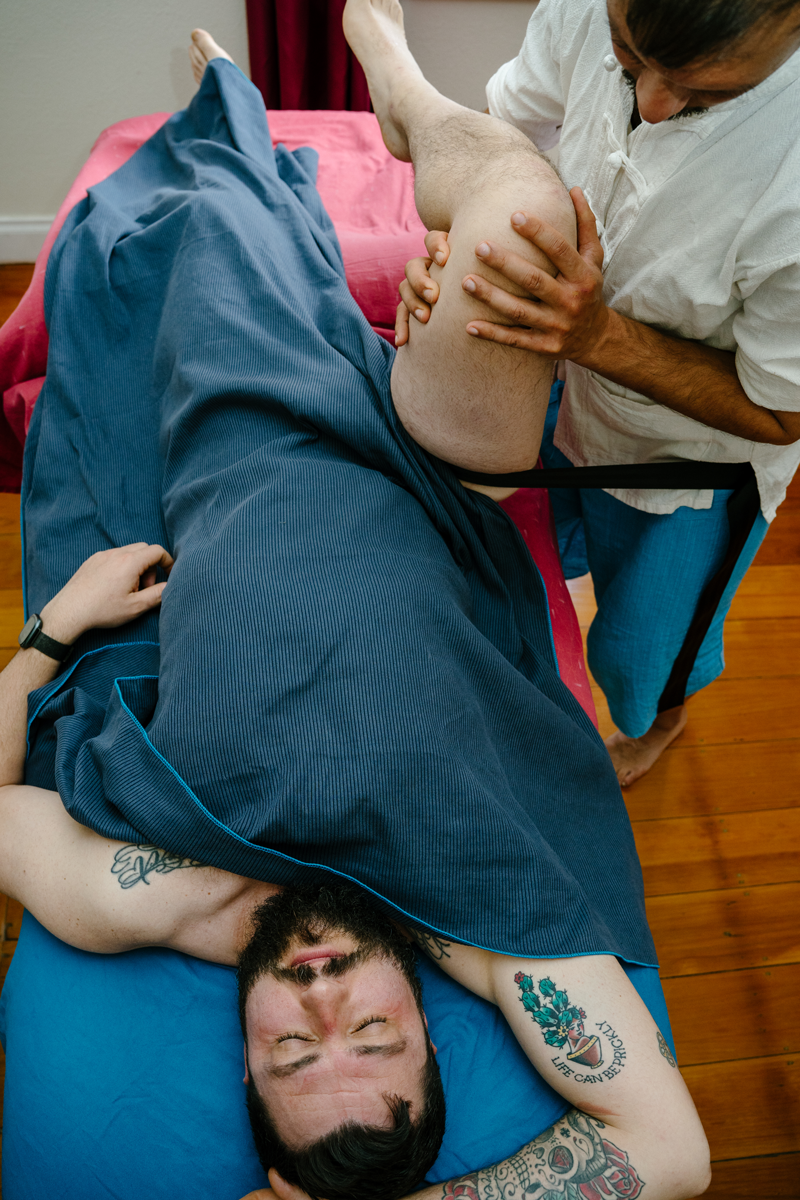
Hip Pain in Coburg: Causes, Symptoms & Treatment
In the many presentations I get to see here at Melbourne Massage and Treatment in [...]
Sep

Lymphatic Walking: Let Me Tell You Why It Is Another Trend
Lymphatic Walking is another trend that you really don’t need to overthink. But let me [...]
Aug
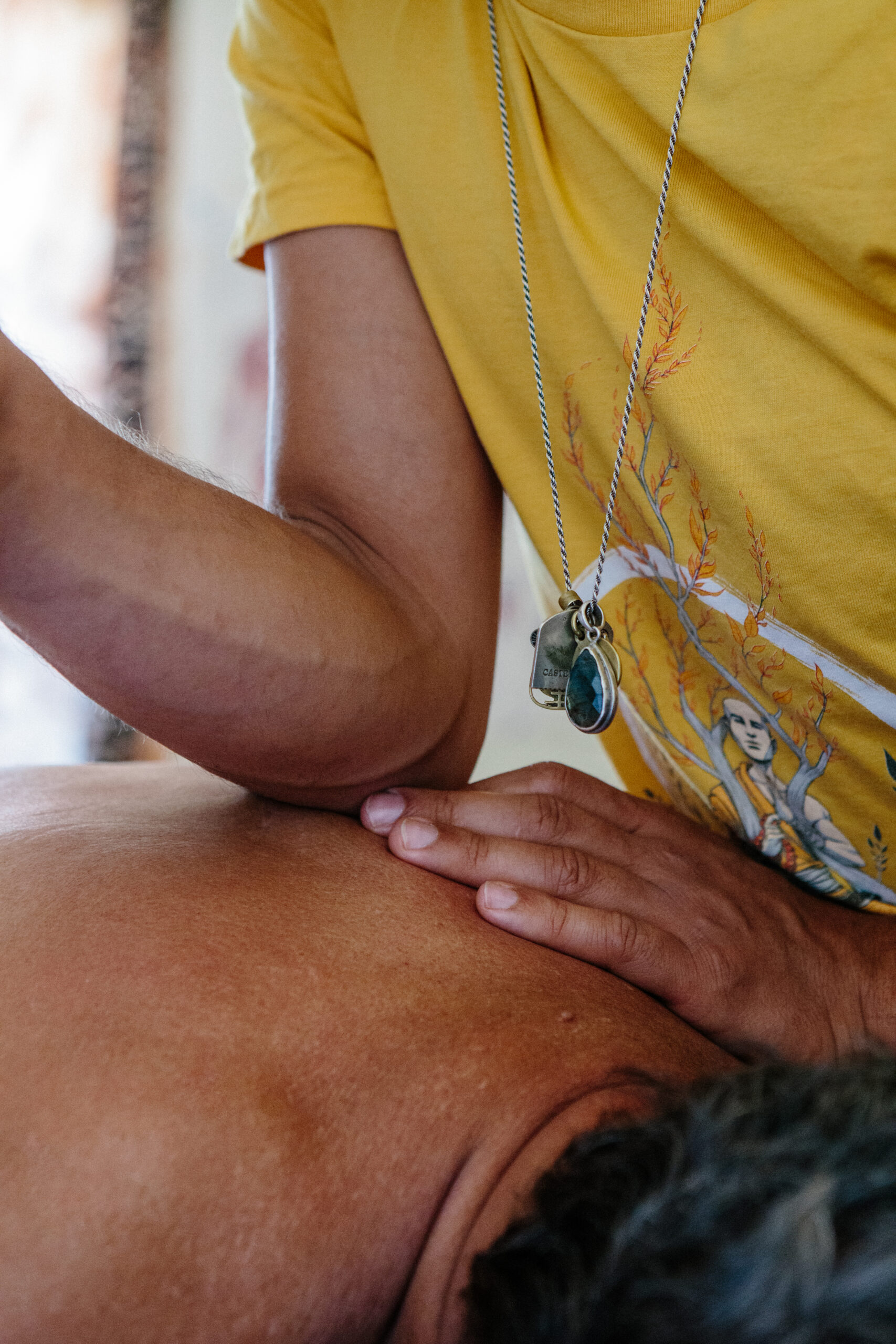
Shoulder Pain in Coburg: Myotherapy Can Help You
Shoulder pain is a common presentation I get to see and treat here at my [...]
Aug
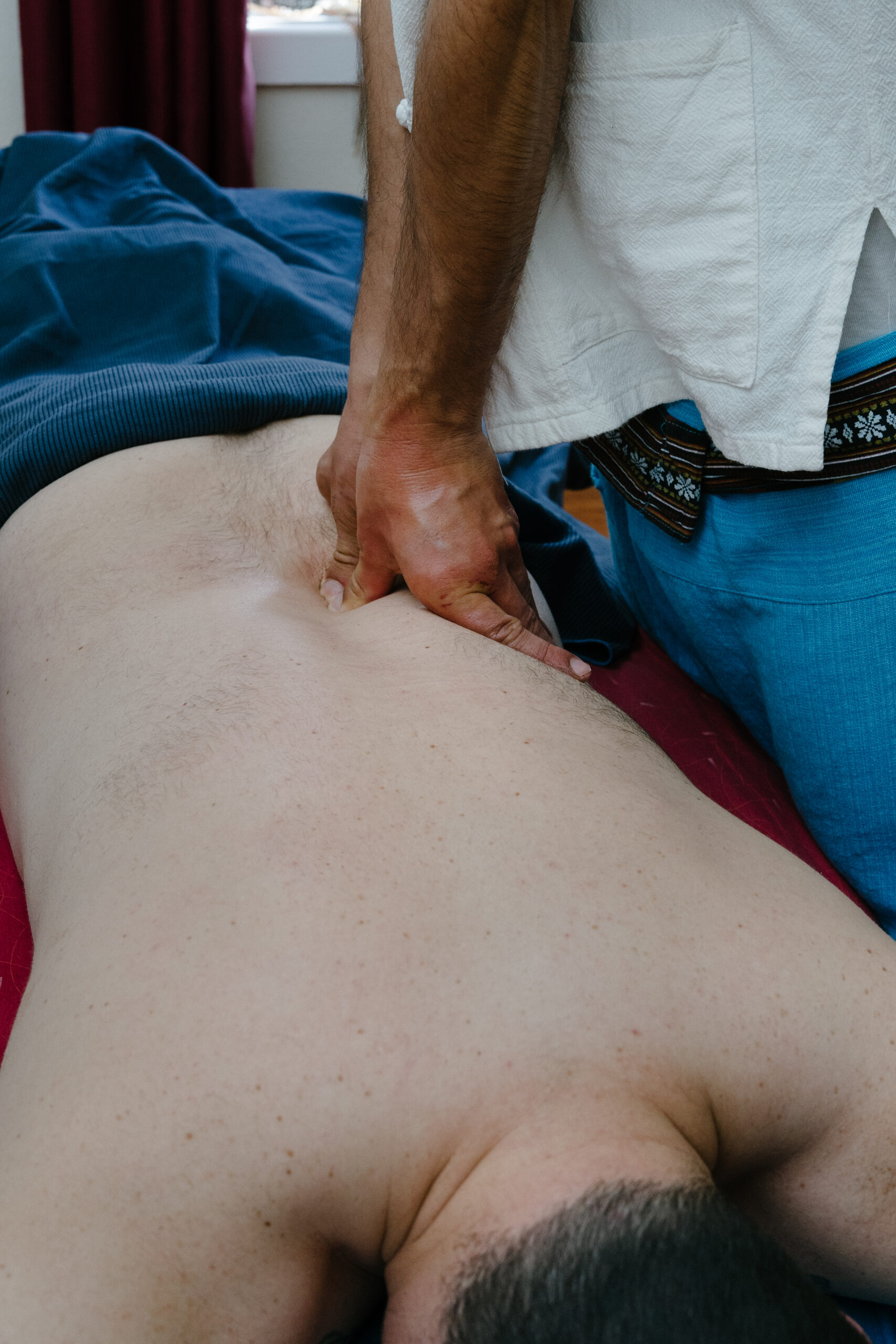
Lower Back Pain in Coburg: Causes, Symptoms and Treatment Options
Lower back pain is a leading cause of disability in Australia. That said, not everyone [...]
Aug

Myotherapy for Coburg’s Active Community
If you have been living in Coburg and the surrounding area, like the Merri Bek [...]
Aug
Giovanni La Rocca
Giovanni moved to Melbourne, Australia, from Italy in 2008 and became a citizen in 2017. He started studying massage therapy in 2016, then completed a Bachelor of Health Science in Clinical Myotherapy in August 2024. During those years, he also specialised in Thai Massage and Manual Lymphatic Drainage for presentations like Lipoedema and Lymphoedema and recovery from Cosmetic Surgery. Nowadays, he runs his clinic in Coburg, Melbourne, where he integrates movement therapy into his practice to enhance overall well-being. He also values meditation, having completed several Vipassana courses. Committed to continuous learning, he aims to share his expertise in integrated therapies to help others achieve balance and resilience.