

Cellulite is a common concern, particularly for those who have undergone procedures like liposuction, and it can be a source of frustration for many. Fortunately, there are effective, non-invasive methods to reduce its appearance and improve skin texture. One such treatment is lymphatic drainage massage, a technique offered at the Melbourne Massage and Treatment, a Lymphoedema Clinic in Coburg. If you’re struggling with cellulite and want to explore natural, therapeutic options to improve your skin’s appearance, this treatment might be just what you need. Understanding Cellulite Cellulite refers to the dimpled, lumpy appearance of the skin, typically found on the thighs, buttocks, and abdomen. It occurs when fat cells beneath the skin push against the connective tissue, creating an uneven, puckered look. Although cellulite is not harmful and is entirely natural, it can be a cosmetic concern for many people, especially after liposuction or other body contouring procedures. Cellulite can often become more pronounced post-surgery, making it important to address the underlying issues, such as poor lymphatic drainage and the buildup of toxins. How Lymphatic Drainage Massage Helps with Cellulite Lymphatic drainage massage is a gentle, specialized form of massage that targets the lymphatic system—the body’s natural detoxification system. By using light, rhythmic strokes, the treatment helps stimulate the lymphatic flow, encouraging the removal of excess fluid, waste, and toxins from the body. This can result in a noticeable reduction in the appearance of cellulite, as it addresses one of the primary causes of the condition—fluid retention and poor circulation. At the Melbourne Massage and Treatment Lymphoedema Clinic in Coburg, Giovanni use Manual lymphatic drainage (MLD) massage techniques to improve the efficiency of your lymphatic system. By boosting circulation and helping to break down the fatty deposits that contribute to cellulite, the treatment can significantly improve skin tone, texture, and elasticity. Why Choose Lymphatic Drainage Massage for Cellulite? Non-Invasive Solution Unlike surgical treatments or invasive procedures, lymphatic drainage massage is a natural, non-invasive way to tackle cellulite. It doesn’t require any downtime, and it offers a holistic approach to skin care and overall wellness. Whether you’re looking to treat cellulite post-liposuction or simply want to reduce its appearance, this gentle therapy is a safe, effective option. Stimulates Circulation One of the key benefits of lymphatic drainage massage is its ability to stimulate blood and lymphatic circulation. Improved circulation helps deliver oxygen and nutrients to the skin and tissues, while also aiding in the removal of waste products that can lead to skin dimpling and uneven texture. By promoting better blood flow, lymphatic drainage massage helps to reduce the appearance of cellulite over time. Reduces Fluid Retention Lymphatic drainage massage is particularly beneficial for those suffering from fluid retention. The lymphatic system is responsible for draining excess fluid from tissues, and when it becomes sluggish or compromised, fluid can build up, contributing to swelling and a more pronounced appearance of cellulite. By encouraging lymph flow, lymphatic drainage massage helps to eliminate excess fluid, improving the skin’s texture and reducing the bumpy look of cellulite. Improves Skin Tone and Elasticity Regular lymphatic drainage massage can help improve the tone and elasticity of the skin, making it smoother and more supple. As the massage technique stimulates collagen production and enhances circulation, the skin becomes firmer, reducing the visibility of cellulite. The Benefits of Choosing Melbourne Massage and Treatment Lymphoedema Clinic At the Melbourne Massage and Treatment in Coburg, Giovanni is dedicated to providing personalized care that targets your specific needs. Giovanni undertook a series of course for lymphatic drainage, with the Vodder Academy, and he can ensure that each session is tailored to your body’s unique requirements. Whether you’re dealing with cellulite post-liposuction or simply looking for an effective way to enhance your skin’s appearance, Melbourne Massage and Treatment will provide you with a welcoming and professional environment where your comfort and results are our top priorities. What to Expect During Your Lymphatic Drainage Massage Session When you arrive for your lymphatic drainage massage at our Coburg clinic, Giovanni would go through with your initialial consultation form, in order to verify your medical history, and analyse your presentation and your goals. About the Lymphatic Draiange Massage, it is a light touch therapy that aim to stimulate your lymphatic system. If any greater pressure would need to be applied, you will be advised first, and that may be needed to break down fat buildup. Typically, each session lasts between 40 to 60 minutes, and it is recommended to undergo 2–3 treatments per week for optimal results. Many clients notice improvements in their skin’s texture and tone after just a few sessions, with more noticeable results after consistent treatments. Is Lymphatic Drainage Massage Right for You? If you are dealing with the appearance of cellulite or fluid retention, lymphatic drainage massage could be the ideal treatment for you. It’s suitable for individuals of all ages and can be tailored to suit your needs, whether you’re recovering from liposuction or simply looking for a way to improve skin texture and tone. If you’re ready to experience the benefits of this effective, non-invasive treatment, contact Melbourne Massage and Treatment Lymphoedema Clinic today. Final Thoughts If you’re looking for an effective way to reduce cellulite and improve the appearance of your skin, lymphatic drainage massage offers a natural and therapeutic solution. At the Melbourne Massage and Treatment, Lymphoedema Clinic in Coburg, we specialize in lymphatic drainage techniques that can help reduce fluid retention, stimulate circulation, and promote smoother, firmer skin. Say goodbye to dimpled skin and hello to a more confident, refreshed you. For more information or to book an appointment, please get in touch with Giovanni today. Let him help you achieve the smooth, radiant skin you deserve! FAQ: Lymphatic Drainage Massage for Cellulite Treatment Q: What exactly is lymphatic drainage massage? A: Lymphatic drainage massage is a gentle, therapeutic massage technique that stimulates the lymphatic system to encourage the removal of toxins, excess fluid, and waste products from the body. It helps improve circulation, reduce […]
Tag Archives: Lymphatic System
Blog
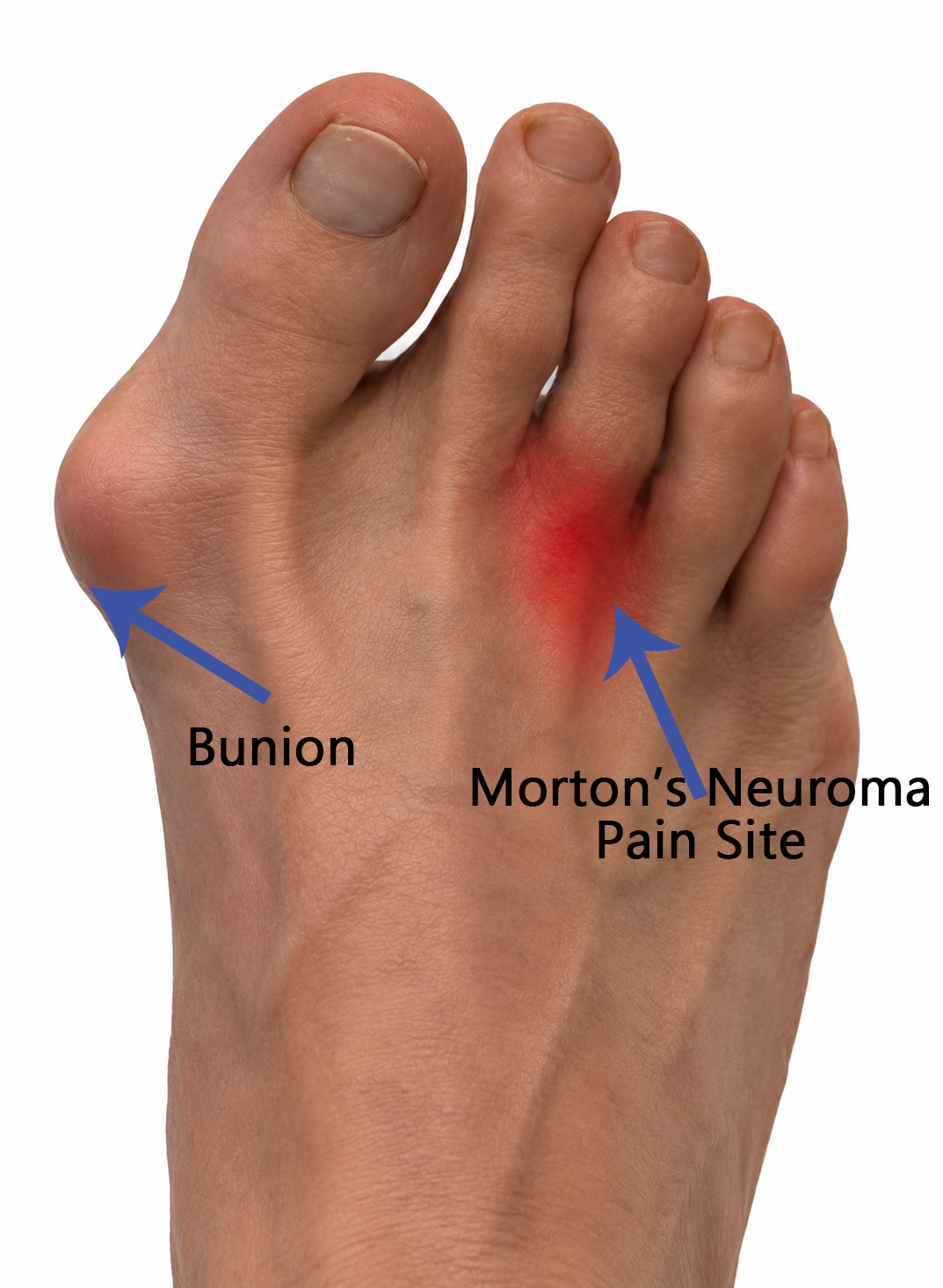
Bunion and Morton’s Neuroma: Can a Bunion Affect Neuroma Recovery?
While a bunion and a Morton’s neuroma are two different foot conditions, if they are [...]
Continue readingSep
Blog
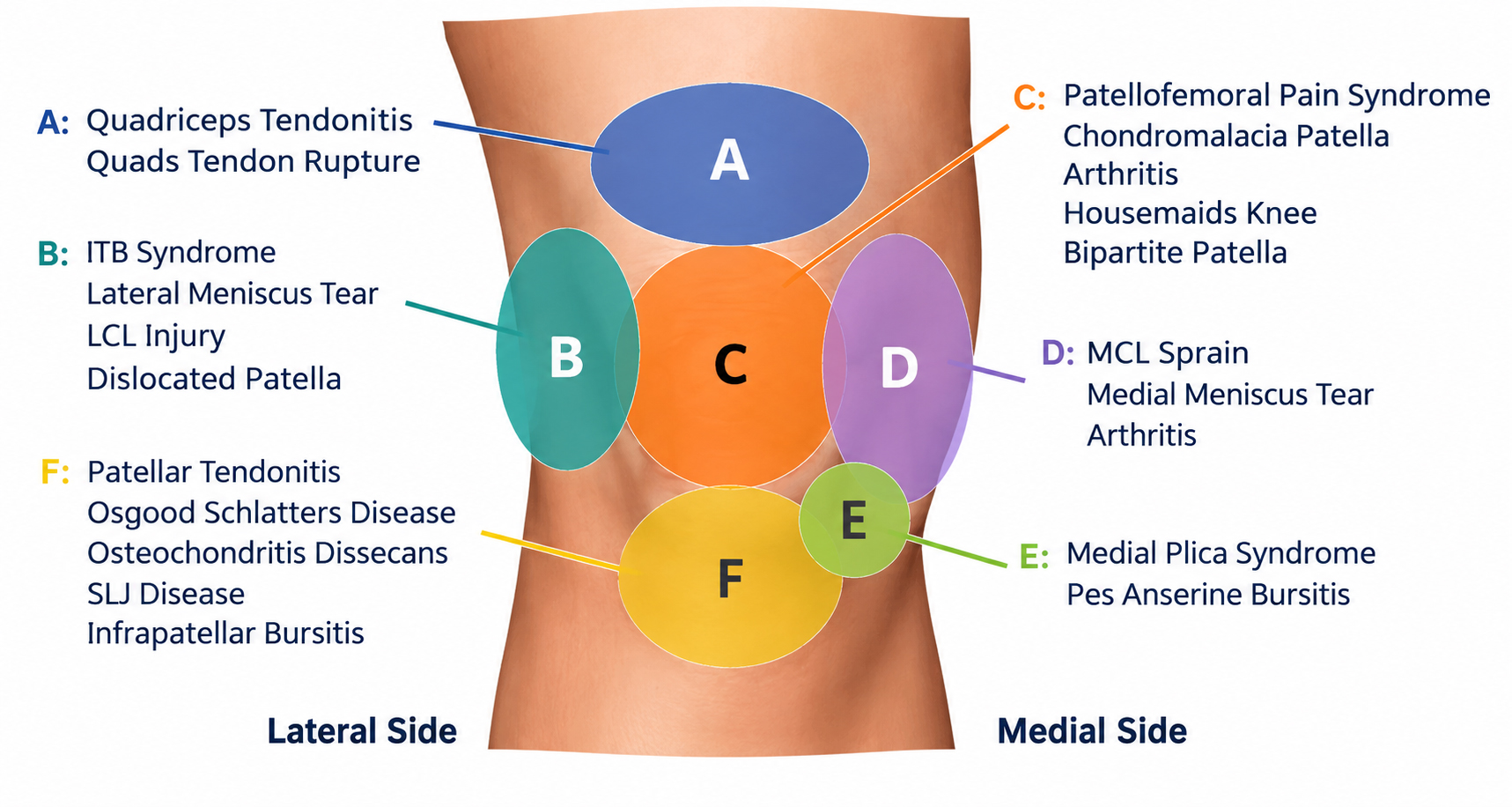
Knee Pain in Coburg
Knee pain is a common form of injury and can affect people of all ages [...]
Continue readingSep

Blog
Post-Surgery MLD Melbourne – Vodder MLD Therapist
Any form of surgery is an invasive procedure for the body to deal with, and [...]
Continue readingSep
Blog
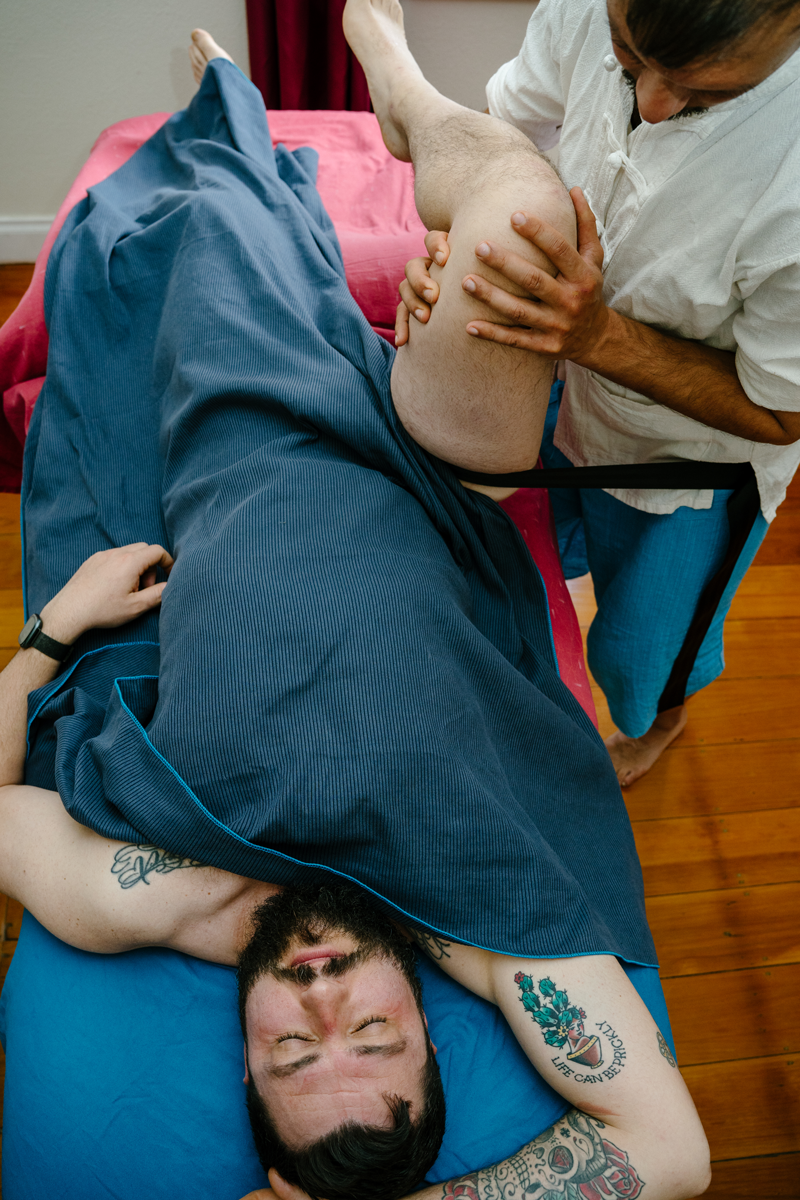
Hip Pain in Coburg: Causes, Symptoms & Treatment
In the many presentations I get to see here at Melbourne Massage and Treatment in [...]
Continue readingSep

Blog
Lymphatic Walking: Let Me Tell You Why It Is Another Trend
Lymphatic Walking is another trend that you really don’t need to overthink. But let me [...]
Continue readingAug
Nov
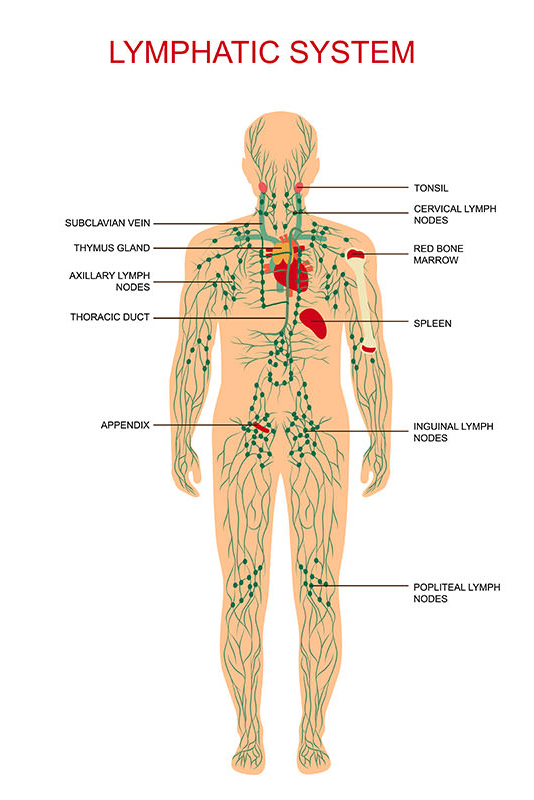
Swelling reduction in a lymphoedema presentation is the key component of successful treatment. Fluid accumulation under the skin can lead to severe swelling, skin cracks, and consequent infections. At Melbourne Massage and Treatment, Giovanni focuses on lymphoedema management using techniques like Manual Lymphatic Drainage (MLD) and Combined Decongestive Therapy (CDT). The Lymphatic System: How It Works The lymphatic system plays a crucial role in maintaining our body’s fluid balance and supporting the immune system. It begins with tiny vessels called lymphatic capillaries, which are interspersed throughout the body, especially in tissues. These capillaries collect excess interstitial fluid, which surrounds cells. This fluid is made of proteins, fats, bacteria, viruses, dust, or anything that the body doesn’t recognise. The lymph then travels through progressively larger vessels called lymphatic collectors, connected by lymph nodes. Is this where the immune system cleans the fluid? Once the cleaning is done, eventually the fluid would merge into larger ducts like the thoracic duct and the right lymphatic duct. These ducts drain lymph back into the bloodstream, ensuring that excess fluid is removed and helping maintain overall fluid balance. Muscle Movement and Its Role in Lymphatic Flow Muscle movement plays a vital role in facilitating lymphatic flow. Unlike the circulatory system, the lymphatic system doesn’t have a central pump like the heart. Instead, it relies on the contraction of surrounding muscles to push lymph through the vessels. When we move, especially during activities like walking or exercising, the rhythmic contractions of our muscles compress the lymphatic vessels, propelling lymph upward toward the ducts. This is why physical activity is essential not only for circulation but also for swelling reduction and for maintaining a healthy lymphatic system. Understanding Lymphoedema: Causes and Types Lymphoedema occurs when a disruption in the lymphatic system leads to an abnormal accumulation of lymph fluid, usually in the arms or legs. There are two types of lymphoedema: primary and secondary. Primary lymphoedema is a genetic condition that results from malformations in the lymphatic system, often present at birth or developing during puberty. In contrast, secondary lymphoedema results from damage or obstruction of the lymphatic system due to factors such as surgery, radiation therapy, infection, or trauma. Understanding the differences between these types is crucial for effective management and treatment. Combined Decongestive Therapy (CDT): A Path to Swelling Reduction One effective treatment for lymphoedema is Combined Decongestive Therapy (CDT). This comprehensive approach combines manual lymphatic drainage (MLD) compression therapy, exercise, and skincare to promote lymphatic flow and support swelling reduction. The manual lymphatic drainage technique helps stimulate the lymphatic vessels and facilitates the movement of lymph fluid, while compression garments assist in maintaining the reduction achieved during therapy. By addressing both the symptoms and the underlying causes of lymphoedema, CDT provides individuals with a practical strategy for managing their condition. Combined Decongestive Therapy (CDT) and Bandaging Techniques Combined Decongestive Therapy (CDT) incorporates techniques, including specialised bandaging, to effectively manage lymphoedema. Two primary types of bandages are short-stretch and long-stretch bandages. Short-stretch Bandages These bandages have low elasticity and provide firm compression without causing excessive pressure during movement, making them ideal for managing lymphatic fluid in a stable manner. They support the natural muscle pump action, allowing the patient to move their limbs freely and promoting lymphatic drainage as the muscles contract. Long-stretch Bandages In contrast, long-stretch bandages offer elastic compression, which can create resting pressure that may be less effective during activity. This type of bandage works best when the patient is less likely to move their limb. In CDT, short-stretch bandages are generally preferred because they maintain consistent pressure on the affected limb, helping to reduce swelling more effectively while allowing for functional mobility. This strategic choice creates an optimal environment for lymphatic flow and manages the symptoms of lymphoedema. Melbourne Massage and Treatment: Promoting Health and Lymphoedema Swelling Reduction At Melbourne Massage and Treatment in Coburg, Giovanni specialises in therapies that reduce swelling and enhance overall wellness. By understanding the lymphatic system and the importance of movement, you can take proactive steps to manage lymphoedema and promote better health. If you want to know more about how Giovanni can help you with your lymphoedema management plan, book a 15-minute free consultation today. FAQ: Lymphoedema and Swelling Reduction Q: What is lymphoedema? A: Lymphoedema is characterised by the abnormal accumulation of lymph fluid, usually in the arms or legs, leading to severe swelling. It occurs when the lymphatic system is disrupted or obstructed. Q: What causes lymphoedema? A: There are two types of lymphoedema. Primary lymphoedema is genetic and results from malformations in the lymphatic system. Secondary lymphoedema is caused by damage or obstruction due to surgery, radiation therapy, infection, or trauma. Q: How does the lymphatic system work? A: The lymphatic system maintains fluid balance and supports the immune system. It begins with lymphatic capillaries that collect excess interstitial fluid, which transforms into lymph and travels through larger vessels, eventually draining back into the bloodstream. Q: How can muscle movement help with lymphatic flow? A: Muscle movement aids lymphatic flow by contracting and compressing the lymphatic vessels, propelling lymph toward the ducts. This is essential for circulation and swelling reduction, as the contractions facilitate the movement of lymph fluid. Q: What is Combined Decongestive Therapy (CDT)? A: CDT is a comprehensive treatment for lymphoedema that includes manual lymphatic drainage, compression therapy, exercise, and skincare. It promotes lymphatic flow and supports swelling reduction, addressing both symptoms and underlying causes. Q: Why are short-stretch bandages preferred in CDT? A: Short-stretch bandages are preferred because they maintain consistent pressure on the affected limb, promoting effective swelling reduction while allowing for mobility. This helps create an optimal environment for lymphatic flow. Q: How can I learn more about managing lymphoedema? A: For more information on lymphoedema management, you can book a 15-minute free consultation with Giovanni at Melbourne Massage and Treatment, Lymphoedema Clinic, in Coburg. Giovanni specialises in therapies designed to reduce swelling and enhance overall wellness.
Oct
Welcome to Melbourne Massage and Treatment, a Lymphoedema Clinic located in the heart of Coburg. If you’re seeking effective management for lymphoedema, our specialised Clinic, led by experienced therapist Giovanni, is here to help you reclaim your comfort and quality of life. Understanding Lymphoedema Lymphoedema is a chronic degenerative condition characterised by swelling, typically in the arms or legs, but it can also occur in the abdominal, thoracic, or genital areas. A buildup of lymph fluid causes lymphoedema and can arise from various factors, including cancer surgery (mastectomy), radiation treatment, or genetic predisposition. When it is a genetic predisposition, it is categorised as Primary Lymphoedema, and when it develops post-surgery or due to external factors, it is characterised as Secondary Lymphoedema. Managing lymphoedema is crucial to preventing further complications and enhancing overall well-being. Meet Giovanni, Your Lymphoedema Specialist Giovanni is a dedicated myotherapyst trained at the prestigious Vodder Academy, renowned for its comprehensive approach to lymphatic health. With extensive experience in Manual Lymphatic Drainage (MLD) and Combined Destive Therapy (CDT), Giovanni employs proven techniques to reduce swelling, alleviate discomfort, and promote lymphatic flow. Manual Lymphatic Drainage (MLD) MLD is a gentle, non-invasive massage technique designed to stimulate the lymphatic system. Giovanni’s expert hands help to encourage the movement of lymph fluid, reducing swelling and improving circulation. This technique allows the stimulation of your lymphatic system’s parallel channels (anastomosis), which would not be active unless stimulated. This is a crucial step in Lymphoedema management as the lymph fluid would not have anywhere to go due to its damaged structure. Combined Decongestive Therapy (CDT) As Melbourne Massage and Treatment is also a Lymphoedema Clinic, the treatment that you can receive from Giovanni is not going to be focused on MLD only, but once the anastomosis has been activated, Giovanni would apply Combined Decongestive Therapy. This holistic approach focuses on the application of compression bandaging, which maintains the skin’s lymphatic fluid under pressure. Other types of care approaches to be aware of along this presentation are skin care and exercise, providing a comprehensive management plan tailored to each patient’s needs through garment wear. Giovanni will work closely with you to develop a personalised strategy that addresses your specific concerns and lifestyle. Free Initial Consultation Understanding your condition and exploring your treatment options can be overwhelming. To support you, Giovanni offers a 15-minute free phone consultation for lymphoedema patients. This initial conversation provides an opportunity to discuss your symptoms, ask questions, and learn how our clinic can assist you on your journey to better health. Why Choose Us? Expertise: Giovanni’s training at the Vodder Academy ensures you receive care rooted in the latest techniques and knowledge. Personalised Care: We understand that each patient is unique. Giovanni tailors treatment plans to fit your individual needs and lifestyle. Convenient Location: My clinic in Coburg is easily accessible, making it convenient for local patients to receive ongoing care. Supportive Environment: We prioritise creating a welcoming atmosphere where you can feel comfortable discussing your health concerns. Get Started Today! If you’re ready to take the next step in managing your lymphoedema, contact the Melbourne Massage and Treatment Clinic today. Schedule your free initial phone consultation with Giovanni and discover how MLD and CDT can help you achieve a healthier, more comfortable life. Visit our website or call us to learn more about our services and how we can assist you on your path to recovery. Your well-being is our priority, and we look forward to supporting you every step of the way! FAQS – Melbourne Massage and Treatment (Lymphoedema Clinic) 1. What is lymphoedema? Lymphoedema is a chronic condition caused by a buildup of lymph fluid, leading to swelling, usually in the arms or legs. It can also affect the abdomen, chest, or genital area. It may result from cancer treatments (like mastectomy or radiation), surgery, or genetic factors (primary lymphoedema). 2. What are the differences between primary and secondary lymphoedema? Primary Lymphoedema is genetic and occurs due to an inherited malfunction in the lymphatic system. Secondary Lymphoedema develops due to external factors like surgery (e.g., mastectomy), radiation therapy, trauma, or infection. 3. How can lymphoedema be managed? Lymphoedema is a degenerative condition, meaning it worsens over time if untreated. However, proper management through Manual Lymphatic Drainage (MLD), Combined Decongestive Therapy (CDT), compression garments, skin care, and exercise can significantly reduce symptoms and improve quality of life. 4. What is Manual Lymphatic Drainage (MLD)? MLD is a gentle, specialised massage technique that stimulates the lymphatic system to improve lymph flow, reduce swelling, and activate alternative lymphatic pathways (anastomosis) when the main vessels are damaged. 5. What is Combined Decongestive Therapy (CDT)? CDT stands for Combined Decongestive Therapy and is about applying compression to the limb affected by lymphoedema to get the fluid in exceed to keep moving post MLD therapy. 6. Do you offer a free consultation? Yes! I offer lymphoedema patients a free 15-minute phone consultation to discuss symptoms, treatment options, and how I can help. 7. Where is the clinic located? Melbourne Massage and Treatment Lymphoedema clinic is conveniently located in Coburg, Melbourne, making it easily accessible for local patients. 8. Can lymphoedema be cured? While lymphoedema is a chronic condition, proper management can significantly reduce swelling, discomfort, and the risk of complications. Early intervention and consistent therapy are key. 9. Is compression therapy necessary for lymphoedema? Yes, compression garments or bandages are essential in CDT to maintain pressure on tissues, prevent fluid re-accumulation, and support long-term management. 10. Can exercise help with lymphoedema? Yes! Gentle, guided exercises can promote lymphatic drainage and improve mobility. Giovanni can recommend safe exercises tailored to your condition. 11. How often should I get MLD or CDT treatments? The frequency depends on the severity of your condition. Some patients benefit from weekly sessions, while others may need maintenance treatments less often. Giovanni will create a personalised plan for you. 12. Does private health insurance cover lymphoedema treatments? Some private health funds may cover part of the cost under myotherapy […]

Oct
Lymphoedema is a condition characterized by the accumulation of lymphatic fluid, leading to swelling, primarily in the arms and legs. It can occur for various reasons, including surgery, radiation therapy, or genetic factors. Managing lymphoedema is crucial for reducing swelling and preventing complications such as infections and tissue damage. Combined Decongestive Therapy is a key component of your Lymphoedema management. What is Combined Decongestive Therapy (CDT) Combined Decongestive Therapy (CDT) is a comprehensive treatment approach designed to manage lymphoedema effectively. CDT treatment consists of an application of a series of layers of different materials, which include an initial breathable foam, followed by a series of bandages (usually 3 to 4 layers) of compressive consistency, which may have different lengths and stretches that apply to it. Those layers and materials aim to compress the limb and maintain a specific gradient pressure, higher on the distal side of the limb and weaker at the proximal area, to maintain the lymph fluid movement and induce a decongestive result. Combined Decongestive Therapy and MLD Before starting a CDT treatment, along with the lymphoedema management, you are most likely to receive a manual lymphatic drainage session, which aims to create or boost the lymphatic system pathways, where the lymphatic liquid would then be pushed via the compression applied. Along those modalities, skin care and exercise are essential to your lymphoedema management. CDT aims to reduce swelling, improve lymphatic flow, and enhance overall well-being. How many sessions would I need to reduce the swelling to an optimal level? Each individual and each presentation is unique, so based on your presentation, Giovanni would create a treatment plan that would work best for you. On the other hand, a communal ground to all the presentations is that the higher the frequency of the appointments, the better this therapy would work. Initially, Giovanni would highly recommend to book in 3 to 5 sessions for the first week. That would allow a quick reduction of swelling, leading to a secondary management plan. The more severe the swelling, the longer it could take to manage it. Infections, fibrosis (which is the hardness of the tissue), the number of lymph nodes removed (especially post-cancer surgery), or missing exercise management and an anti-inflammatory diet are all factors that could affect the progress of your presentation. Giovanni can assist you with most of those, and where he can not reach you, he will refer you to another practitioner (like a nutritionist for diet advice). Why Pharmacy Compression Isn’t Enough While pharmacy-grade compression garments may seem like a cost-effective solution for managing swelling, they often lack the specificity required for effective lymphoedema treatment. These garments can lead to several issues: Non-specific Fit: Pharmacy compression products may not provide the correct pressure level needed in targeted areas, leading to inadequate fluid reduction. Potential Blockage: Inadequate fit can create areas of higher pressure, which might push fluid further up the limb, causing increased swelling in areas that are not adequately compressed. Increased Risk of Complications: Without proper compression therapy tailored to individual needs, the risk of complications, including infections and further lymphatic blockage, can increase. Giovanni with his Lymphoedema clinic in Coburg emphasizes the importance of professionally fitted compression garments. Giovanni can refer you to a clinic that can take measurements for you and deliver a tailored on your need compression garment. Combined Decongestive Therapy During the Summer As the temperatures rise, managing lymphoedema can become increasingly challenging. The summer months bring unique issues that can exacerbate swelling: Atmospheric Pressure Changes: During hot weather, atmospheric pressure decreases, which can lead to increased lymphatic fluid accumulation in the limbs. Heat and Humidity: Hot and humid days can cause blood vessels to dilate, which may lead to increased swelling. Additionally, sweat and heat can irritate the skin, raising the risk of infections in already vulnerable areas. To keep swelling under control during the summer, it’s essential to: Stay Hydrated: Drink plenty of water to help maintain fluid balance. Wear Proper Compression: Ensure you are using correctly fitted compression garments that are appropriate for summer use. Lightweight and breathable fabrics can make a significant difference. And yes, they are not going to make you feel hotter. A garment wearer has to be comfortable if is not, you will talk to your supplier, and they would be more than happy to assist you with that. Practice Good Skin Care: Keep the skin clean and moisturized to reduce the risk of infections. Monitor for Signs of Infection: Be vigilant for any signs of redness, swelling, or increased warmth in the affected areas, and seek prompt medical attention if these occur. Why CDT is not recommended for the early Lipedema stage In the early stage of Lipedema, the lymphatic system is not compromised, and CDT therapy, given the nature of this presentation, which is fat accumulation under the skin, could be too aggressive on the skin, which let’s not forget, in a Lipedema presentation would easily bruise. On top of that, as there is an excess of fat accumulation under the skin, the heavy compression applied by CDT to these tissues could compress the dermatome innervations, leading to pain and discomfort. That’s also why lipedema, compared to lymphoedema, can lead to pain when reaching advanced stages. Conclusion Lymphoedema is a manageable condition with the right approach. At Melbourne Massage and Treatment in Coburg, Giovanni is committed to providing tailored treatment options, including Combined Decongestive Therapy and appropriately fitted compression garments, to help you effectively manage your symptoms. As we move into the warmer months, staying proactive in your care is crucial to prevent complications and maintain your quality of life. If you have any questions or need support, please get in touch with Giovanni. Your well-being is the priority! If you are struggling with the management of your lymphoedema, book now your free 15 minutes free consultation with Giovanni, to discuss a treatment plan for your case. FAQ Q: What is lymphoedema? A: Lymphoedema is a condition characterized by the accumulation of […]

Sep
At Melbourne Massage and Treatment, we specialise in providing targeted remedial massage therapies for athletes and active individuals who are seeking relief from sports-related injuries. This focused approach not only aids in rapid recovery but also enhances performance by addressing the root causes of pain and discomfort. Key Takeaways: Remedial massage accelerates recovery from sports injuries. It significantly reduces pain and enhances muscle flexibility. Methods such as dry needling and deep tissue massage are especially useful. Techniques of Remedial Massage for Sports Injuries In the realm of sports, injuries can sideline athletes from their regular activities. Remedial massage is a powerful tool in the therapeutic arsenal, employing specific techniques tailored to the needs of those with sports injuries. Here’s how each technique can play a crucial role in recovery: Deep Tissue Massage: This method explores the muscle tissue’s deepest levels. It’s designed to break down adhesions and scar tissue that contribute to pain and stiffness, facilitating a quicker healing process. Trigger Point Therapy: This involves identifying and treating specific points on the body that trigger pain. By applying pressure to these points, the therapy helps in rewiring the pain presentation, involving the pain modulators circuit of your brain. Myofascial Release: Targets the connective tissue (fascia) that surrounds the muscles. This gentle yet effective stretching helps release the tightness and restrictions in the fascia, leading to pain relief and improved mobility. Lymphatic Drainage: Useful, particularly in cases where sports injuries have led to swelling. This technique promotes the drainage of lymph, which carries waste products away from the tissues back toward the heart. Benefits of Remedial Massage for Sports Injuries Engaging in these techniques not only helps in treating the injury but also offers multiple benefits: Enhance The Recovery: By improving blood circulation to the injured area, remedial massage enhances the healing process, allowing athletes to return to their sport quicker. Pain Management: Effective in reducing pain by decreasing muscle tension and inflammation, and stimulating the release of endorphins—natural pain-relieving chemicals in the brain. Prevention of Further Injury: Regular sessions help maintain the body in better condition, reduce the risk of future injuries, and improve overall athletic performance. Increased Range of Motion: Remedial massage, along the different technique of treatment, can improve the motorcotrol of muscles, and the playability of joints. This is particularly beneficial for athletes who need to maintain optimal physical condition. Psychological Benefits: Besides physical benefits, remedial massage has psychological advantages. It can reduce stress and anxiety, improve sleep patterns, and enhance overall well-being, which is crucial for competitive performance. Integrating Remedial Massage into Sports Recovery It’s not only about addressing the injury once it has occurred but also about preventative care, which can significantly reduce the risk of injuries. Sports professionals and those with active lifestyles should consider regular massage sessions as part of their overall sports conditioning program. By doing so, they ensure that they not only recover faster but also perform at their best. How Remedial Massage Complements Conventional Sports Medicine Enhanced Tissue Healing: Remedial massage promotes blood flow to the injured area, which is essential for bringing nutrients and oxygen that aid in the repair and regeneration of tissues. Reduction of Secondary Complications: By maintaining muscle and joint mobility, massage can prevent the common secondary complications associated with immobility from sports injuries, such as joint stiffness and decreased muscle mass. Tailoring Remedial Massage to Individual Athlete Needs Each athlete comes with their unique physiological and recovery needs, influenced by their sport, position, and injury history. Personalising massage techniques to fit these needs is crucial for effectiveness. At Melbourne Massage and Treatment, Giovanni assesses each athlete’s specific condition and goals to craft a targeted massage plan. This personalised approach ensures that each session not only addresses the immediate areas of concern but also supports overall bodily health and athletic performance. Regular Maintenance and Performance Enhancement Beyond injury recovery, remedial massage serves as a regular maintenance routine for athletes aiming to enhance performance. The benefits include: Improved Body Awareness: Regular massage increases body awareness, helping athletes tune into the cues their bodies give about fatigue and strain, which can lead to improved technique and reduced injury risk. Stress Reduction and Mental Clarity: Sports are as much a mental challenge as a physical one. Massage helps reduce stress levels, which can improve concentration and mental readiness, a critical aspect during competitions. The Role of Remedial Massage in Training Regimes Integrating remedial massage into regular training regimes can help athletes remain not just injury-free, but also in peak physical condition. Incorporating massage into an athlete’s routine should be seen as part of their training, not just a luxury or reactive care method. Here’s why it should be a staple: Pre-Event Massage: Before a competition, a lighter massage can help warm up the muscles, increase circulation, and prepare the body for the intense activity to come. It also sets a positive mental state for the athlete. Post-Event Massage: After an event, massage helps to cool down the muscles, flush out toxins, and decrease the risk of muscle soreness and injuries that can occur from overexertion. Integrating Mindfulness and Body Mechanics into Massage Therapy An often overlooked aspect of remedial massage is its ability to integrate mindfulness and an understanding of body mechanics. By educating athletes on how their body mechanics work, therapists can help them optimise their movement patterns, which reduces the risk of injury and improves performance. Advancing Recovery and Complementary Therapies In addition to remedial massage, Melbourne Massage and Treatment often recommends complementary therapies like Manual Lymphatic Drainage (MLD) and Meditation. As previously mentioned, the lymphatic system removes the excess waste the body produces every day and, in greater amounts, after exercise. Reducing those waste can reduce the time we spent in pain after intense training. Meditation allows the central nervous system to enter a state of present and self-care that no other therapy that we can self-control can achieve. Conclusion At Melbourne Massage and Treatment, we are dedicated to helping our clients overcome sports injuries […]

Sep
Lymphedema treatment is a crucial aspect of care for those diagnosed with cancer. At Melbourne Massage and Treatment in Coburg, Giovanni is committed to providing effective support for his patients facing these challenges. Giovanni is a Clinical Myotherapist who trained for Lymphatic Drainage for Lymphedema Treatment with the Vodder Academy, the world leader institute for Manual Lymphatic Drainage services. What is Lymphedema? Lymphedema is the swelling that occurs when lymph fluid builds up in the tissues, often due to damaged or removed lymph nodes during cancer treatment. This can lead to discomfort, restricted movement, and an increased risk of infections. While lymphedema can develop at any stage of cancer treatment or even years later, early intervention is crucial for effective lymphedema treatment. The Role of MLD in Lymphedema Treatment Manual Lymphatic Drainage (MLD) is a gentle, therapeutic technique designed to stimulate the lymphatic system. This process helps to promote the movement of lymph fluid, reducing swelling and discomfort associated with lymphedema. Benefits of MLD for Oncology Patients in Lymphedema Treatment: Reduction of Swelling: MLD encourages the natural drainage of lymph, helping to alleviate swelling in areas affected by lymphedema. Pain Relief: Many patients report reduced discomfort and pain following MLD sessions, which is especially beneficial for those experiencing lymphedema. Improved Mobility: By decreasing swelling and discomfort, MLD can enhance mobility and functionality for individuals dealing with lymphedema. Enhanced Immune Function: A well-functioning lymphatic system supports the body’s immune response, which is particularly important for cancer patients prone to lymphedema. Psychological Benefits: The soothing nature of MLD can provide relaxation and stress relief, addressing the emotional toll of cancer treatment and lymphedema. Our Approach at Melbourne Massage and Treatment At Melbourne Massage and Treatment, we understand that each patient’s experience with cancer and lymphedema is unique. Giovanni tailors each MLD session to address individual needs, ensuring a safe and effective lymphedema treatment plan. Our serene environment in Coburg is designed to provide comfort and relaxation, allowing clients to focus on their healing journey. What to Expect During an MLD Session for Lymphedema Treatment Initial Assessment: Giovanni will conduct a thorough assessment of your condition, including the extent of your lymphedema, and discuss your medical history. Personalized Treatment: Each MLD session is customized to target specific areas of swelling and discomfort related to lymphedema. Gentle Techniques: MLD utilizes light, rhythmic strokes to encourage lymphatic flow without causing pain or discomfort. Ongoing Support: We emphasize the importance of a multi-faceted approach, offering guidance on compression garments, skin care, and self-care techniques to manage lymphedema effectively. The Importance of Traditional Cancer Treatments While therapies like MLD play a valuable role in lymphedema treatment, traditional cancer treatments remain crucial for effectively combating cancer itself. Reasons to Continue Traditional Cancer Treatments: Targeting Cancer Cells Directly: Chemotherapy is designed to target and kill rapidly dividing cancer cells, essential for shrinking tumors and preventing metastasis. Reducing Tumor Size: Administering chemotherapy before surgery can shrink tumors, making them easier to remove and leading to better surgical outcomes. Preventing Recurrence: Chemotherapy helps eradicate any remaining cancer cells after surgery, reducing the risk of lymphedema and recurrence. Combination Therapies: Modern oncology combines chemotherapy with other treatments for a comprehensive approach, tailored to the specific type and stage of cancer. Evidence-Based Support: Chemotherapy is backed by extensive clinical research, providing reassurance about its effectiveness in treating various cancers. Managing Symptoms: Chemotherapy can alleviate symptoms caused by tumors, significantly enhancing a patient’s quality of life during treatment. Monitoring Progress: Ongoing assessment during chemotherapy allows for treatment adjustments based on individual responses. Conclusion Managing lymphedema, particularly in the context of oncology, requires a comprehensive and compassionate approach. At Melbourne Massage and Treatment in Coburg, we are dedicated to supporting our clients through their treatment journey with specialized care. Giovanni’s expertise in Manual Lymphatic Drainage offers a valuable resource for those looking to alleviate the symptoms of lymphedema while also emphasizing the importance of traditional cancer treatments. If you or a loved one is seeking effective lymphedema treatment related to cancer, we invite you to reach out to our clinic. Together, we can create a tailored plan that prioritizes your health and comfort. FAQ Q: What is lymphedema, and how does it relate to cancer? A: Lymphedema is swelling caused by the buildup of lymph fluid in tissues, often occurring after the removal or damage of lymph nodes during cancer treatment. It can develop during or even years after treatment, leading to discomfort and mobility issues. Q: How does Manual Lymphatic Drainage (MLD) help with lymphedema? A: MLD is a gentle technique that stimulates the lymphatic system, promoting lymph fluid movement. This can reduce swelling, alleviate pain, improve mobility, and enhance immune function for patients with lymphedema. Q: What should I expect during an MLD session for lymphedema treatment? A: During an MLD session, Giovanni will conduct an initial assessment of your condition, customize the treatment to target specific areas of swelling, and use gentle techniques to encourage lymphatic flow while ensuring your comfort. Q: Is MLD a substitute for traditional cancer treatments? A: No, while MLD is beneficial for managing lymphedema symptoms, traditional cancer treatments like chemotherapy are essential for targeting cancer cells directly and preventing recurrence. Q: Can lymphedema develop at any time during or after cancer treatment? A: Yes, lymphedema can develop at any stage of cancer treatment or even years later, making early intervention and management crucial for effective treatment. Q: How can I manage lymphedema in addition to MLD? A: In addition to MLD, managing lymphedema may include wearing compression garments, practising good skincare, and incorporating self-care techniques as advised by your healthcare provider. Q: What is Lymphatic Drainage Massage for lymphedema, and how can I get started? A: Lymphatic Drainage Massage is a specialized technique that helps reduce swelling and discomfort associated with lymphedema by promoting lymph fluid movement. At Melbourne Massage and Treatment, Giovanni offers personalized sessions tailored to your needs. We invite you to book your initial consultation to discuss your condition and create a tailored […]

Nov
Frozen shoulder is also known as per the name “adhesive capsulitis”. A frozen shoulder as per the name is a shoulder that would barely move. Both signs and symptoms typically begin slowly and then get worse. Recovery time is subjective. Causes and Symptoms of frozen shoulder. Causes A common cause of a Frozen Shoulder is having to keep a shoulder still for an extended period, like after an accident. Even if it is not clear yet why there are also psychosomatic reasons why a shoulder can get frozen. Another reason why a shoulder could get to freeze is traumatic events, such as a high level of stress or a physical accident. On the physical level, what happen is that connective tissues that surround the shoulder joint, like a capsule, thickens and tightens around the shoulder joint, and by doing so, it does restrict the joint’s movement. Symptoms Frozen Shoulder symptoms developed in 3 different stages. The stage’s timing is subjective. Freezing stage Shoulder range of motion starts decreasing, and pain shows up/increases. Frozen stage The Shoulder would freeze up. The movement is minimal, even though it is less painful. Thawing stage In this stage, the range of motions are slowly coming back Pain can be worst at night. This may happen because of the sleeping position or because the sensory feeling is more acute at night than in the daytime when the body perceives more sensations. Suffering from Frozen Shoulder and need some help. Book now an MLD treatment at Melbourne Massage and Treatment. Risk factors for Frozen Shoulder Age and gender Women are more luckily to suffer from this condition. Also, age plays a crucial role in this type of pathology. People 40 and over are luckier indeed to develop F.S. Systemic diseases Here is a list of specific conditions that can increase the possibility of suffering from F.S.: Diabetes Overactive thyroid (hyperthyroidism) Underactive thyroid (hypothyroidism) Cardiovascular disease Parkinson’s disease Prevention There are not many preventive factors when it gets to F.S. This is because the main cause of F.S. is holding the shoulder back from doing movements, due to a previous injury, most of the time. What can help, and this is how Melbourne Massage and Treatment services come in handy is to do MLD sessions on the area surrounding the injury. How MLD can help by stimulating the lymphatic system work and boosting the recovery process. Also, MLD would help in reducing inflammation. Other massage technique such as Myotherapy or Remedial Massage and or Thai Massage, is not as effective for this type of condition. Another successful method that can help once Frozen Shoulder is already developed is by using Hydrodilatation. This methodology consists in injecting sterile water into the joint capsule to stretch the open space and bring the shoulder back to its ROM.

Aug
Lymphedema is a health condition that develops when the lymphatic system gets dysfunctional. Compared with lipoedema, Lymphoedema presents disproportional swelling in 1 limb per side. As stated above, what’s behind the swelling is a malfunctioning lymphatic system that leads to an increased amount of protein below the skin (lymph liquid). As already discussed in a previous post about MLD, the lymphatic system has the function of taking away the lymph liquid and pass it on to the bloodstream. Indeed, from the bloodstream, it will all get filtered from the organs such as kidneys and liver to be disposed of. The lymph liquid is mainly made of water, protein and dirt. How MLD works? The Manual Lymphatic Drainage technique stimulates the lymphatic system that can also be boosted by muscular movement. Indeed a 30-minute to 1-hour walk can speed up the Lymphatic System to double speed. This happens due to the capillary (pre-collector) of the lymphatic system, which constantly opens and closes to suck away the lymph. The faster the opening and closing of the doors of the capillary, the quicker the suctions would be. How may lymphedema develop? Where things can go wrong is when the lymphatic system stops working or doesn’t work strong enough in one or more than one area of the body. The reason why the LS stop working and cause lymphodema is as follow: Missing lymph nodes can happen after surgery for cancer removal Genetics missing lymph nodes as per genetic Parasites Surgery damages the pre-collector/collector or lymph nodes with invasive surgery. Radiation due to cancer treatment Are there risk factors? Older age Excess weight or obesity Rheumatoid or psoriatic arthritis When Lymohodema starts developing, an intervention of a professional carer is essential. Here is a link to a Manual Lymphatic Drainage therapist worldwide that can help you with that. Seeing a GP is also recommended. For intervention, I refer to MLD as a manual technique to boost the lymphatic system, compression bandaging and garments wear. The consequence of letting go of Lymphodema is quite severe. As the skin keeps swelling, it will stop receiving oxygen from the bloodstream sooner or later. As per result, the skin would start drying out, cracking, and possibly getting infected. Said so, the consequence can be even more severe and lead to Cancer too. MLD at Melbourne Massage and Treatment Regarding my training as an MLD therapist, I can’t treat clients with Lymphodema yet. My skills within the MLD technique are limited to working with a patient with an intact and fully functioning Lymphatic System. But don’t hesitate to contact me if you need more information about Lymphodema, as I can put you in touch with a therapist who can help.