
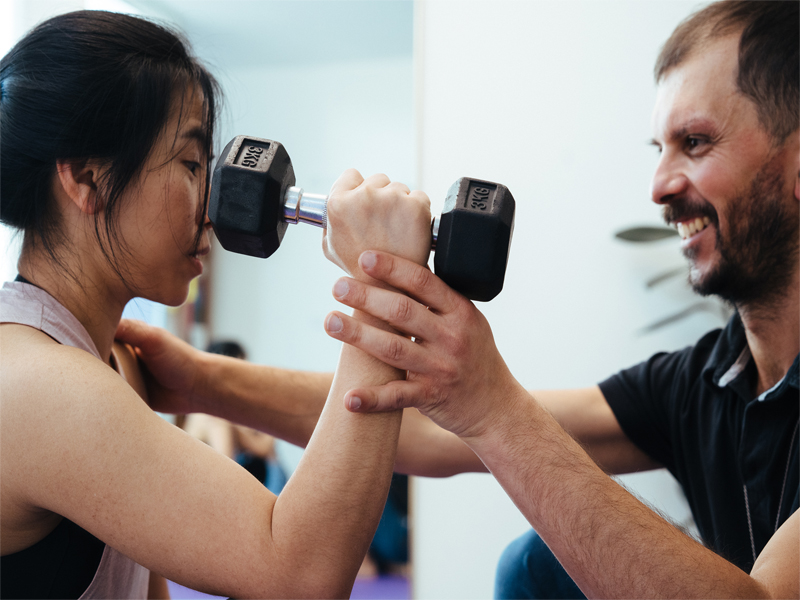
Strengthening exercises are an important way to improve our overall health by improving muscular endurance and stability around the joints. Unlike isometric exercises, which are performed with static muscle contractions, strengthening exercises involve dynamic movements that are capable of creating contractions and lengthening of muscles. This type of training is relevant not only for sportsmen but also for everyone who wants to raise their physical condition. Why Strengthening Exercises? Recent studies have focused on the role that strengthening exercises play in the maintenance and enhancement of musculoskeletal health. Strength exercises play a key role in preventing injuries, rehabilitation, and the enhancement of daily functional activities. Why this is possible is because this type of training consists of applying resistance to your body that will challenge your muscles, bones, ligaments and tendons, helping build strength, endurance, and overall physical function. Strengthening exercises stimulate muscular hypertrophy, which is defined by an increase in muscle size and strength. This is very important for preventing and even delaying the onset of sarcopenia, a major factor in declining health with natural aging. Strengthening for Injury Prevention and Recovery Imagine having a shoulder injury and undertaking rehabilitation: It would start with light movement and isometric exercises. After the initial healing phase, strengthening integration is essential. Strengthening exercises rebuild the muscle’s strength, provide joint stability, and regain total function. For example, with a shoulder injury, performing resistance exercises such as rotations with a resistance band and or weights, along different planes and directions, can help regain the strength of the rotator cuff muscles. These exercises will enhance not only the muscles around the shoulder but also the overall stability of the joint and consequently reduce the chance of future injuries. Without going through the exercises phase, you may experience a decrease in pain over the weeks after the initial injury (it depends on the severity of the injury), but that doesn’t mean that you are out of danger or re-injury. Indeed, as soon as you place extra force in the joint or on the soft tissue of the shoulder, the risk of re-injury would skyrocket, as the shoulder complex it may not be ready or strong enough to permorm such actions. Body tissues and Exercise Strengthening. What’s the deal? Throughout our lifespan, our metabolism slows down. During this process, not only will we process energy intake differently, but how our body recovers and regenerates will also change. So, all the body’s soft and hard tissues will have difficulty recovering and staying strong. That’s where the strength exercises come through. Applying a resistance to those tissues, a positive stress resistance, would allow those tissues to regenerate and grow stronger. These are valid for both soft and hard body tissues. We define positive stress as something that does not put the body in danger but is a stress that the body can handle and take advantage of, like a few kg of a dumbbell or a resistance band. Then, the stronger we get, the more weight we can handle, and that’s how we progress in the exercises. How Do Strengthening Exercises Benefit Tendons? Probably the most essential rehabilitation of connective tissues besides bones would have to be the tendons, which connect muscles to bones. When you do resistance training, tendons encounter controlled stress that stimulates the building of collagen. Collagen is vital in repairing and strengthening tendons; thus, the substance is one of the priorities in any rehabilitation program for tendons. For instance, in the rehabilitation from Achilles tendinopathy, there are such eccentric calf raises- you gradually lower the heel below the level of the step, which are particularly effective. The exercise improves resilience and strength of the tendon through progressive loading and stimulating collagen synthesis. Examples of Effective Strengthening Exercises Squats: Excellent for overall strength of the lower body. First, try squats with your own weight, then add weights as you progress. Deadlifts: So good for exercising the posterior chain, such as hamstrings, glutes, and lower back. Go with lighter weights to perfect the form before adding any resistance. Push-Ups: A great exercise for your upper body since it targets the chest, shoulders, and triceps very well. Variants such as decline or incline push-ups can be done to increase/decrease the intensity level. Progressing the Strengthening Exercises Exercise progression is necessary if improvement is to be continually achieved; otherwise, this often leads to a level where no significant further improvements are made. Start with exercises that match your current fitness level and gradually increase the intensity by adding more weight, increasing repetitions, or incorporating more complex movements. For example, one can perfect squats with one’s own body weight and then subsequently move on to the next level by adding dumbbells or even a barbell. Or, for instance, when one masters regular push-ups, they can always try modifications, such as adding weights to the push-up or doing one-arm push-ups to make their muscles work harder. Incorporating Strengthening Exercises into Your Routine It is easy to incorporate a routine where another routine already exists. Indeed, strength exercises don’t have to be associated with hours and hours in the gym. You can have a dumbbell or a kettlebell or a resistance band, sitting in your kitchen, and while you wait for your morning coffee to come up, you can do a few squats. A few minutes of well-practised exercise here and there are better than nothing. Start with little, learn how to experience the pleasure of movement and the benefit of exercising and from there you can build a stronger and longer routine of self-care. And as you learn more and more, you can start looking into balancing a comprehensive program that blends strengthening exercises with cardiovascular activities and flexibility training to promote overall health and functionality. How often should we exercise? I often get asked this question when I give exercises to my patients. We now know that the frequency of strength exercises is strictly related to our goals. So to increase your strength, you look for 3 to 5 […]
Tag Archives: fitness class

Blog
Facet Joint Irritation and Muscle Weakness: What You Need To Know
In my experience as a Clinical Myotherapist at Melbourne Massage and Treatment Myotherapy and Lymphoedema [...]
Continue readingOct

Blog
Chronic Pain: What it is, and what can you do about it?
Pain is something that we all experience, and it can start after an injury, during [...]
Continue readingOct
Blog
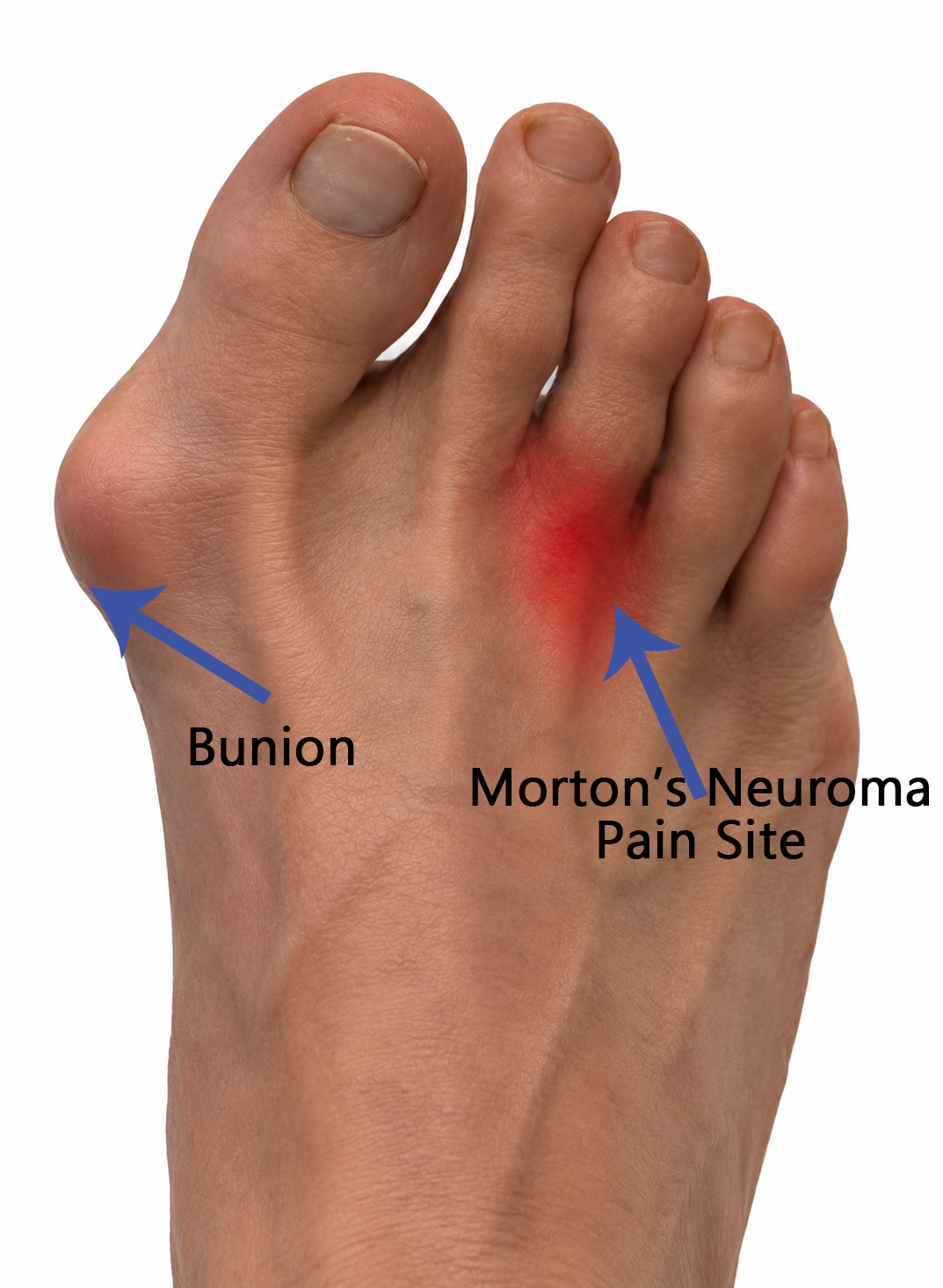
Bunion and Morton’s Neuroma: Can a Bunion Affect Neuroma Recovery?
While a bunion and a Morton’s neuroma are two different foot conditions, if they are [...]
Continue readingSep
Blog
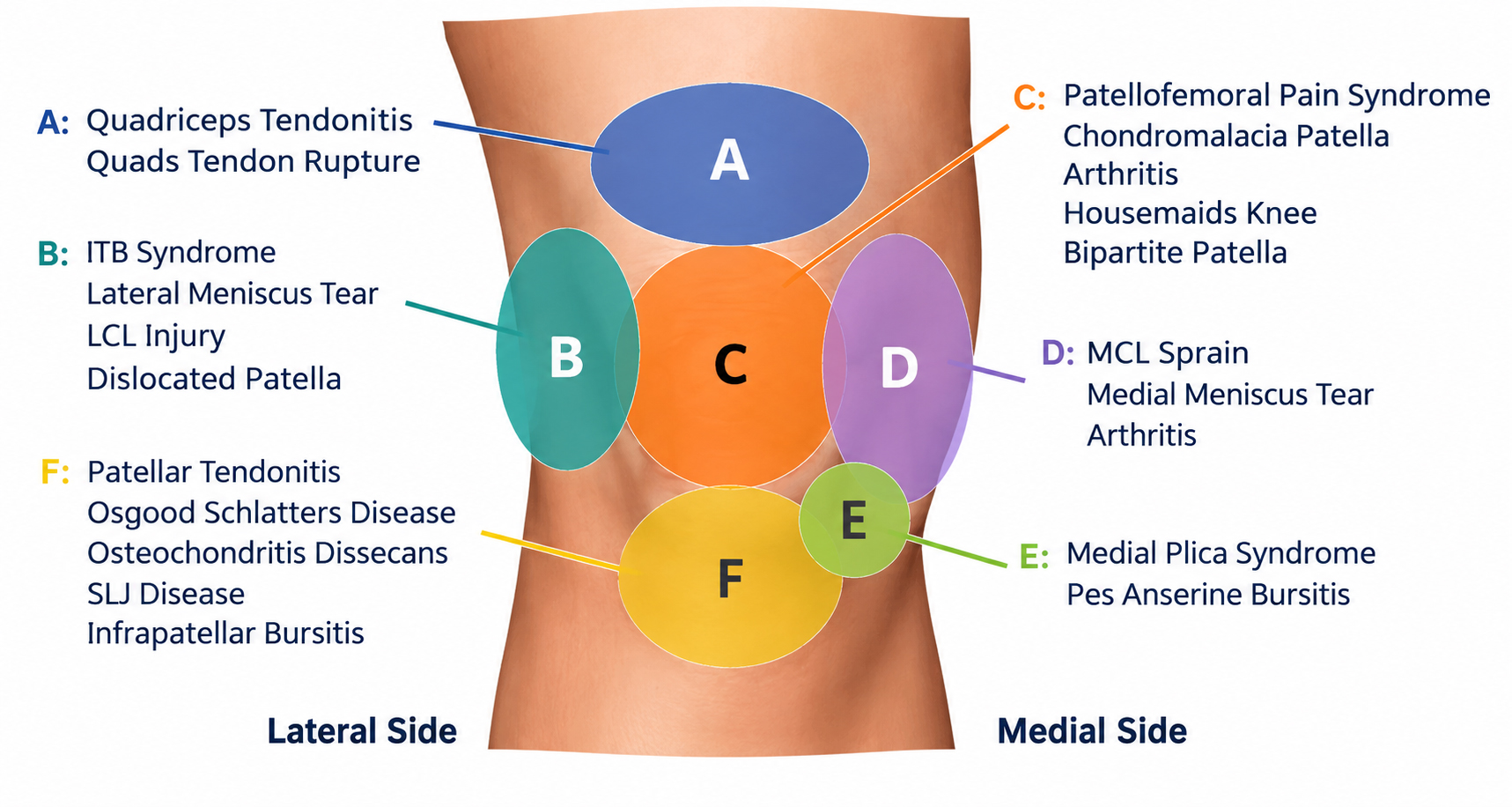
Knee Pain in Coburg
Knee pain is a common form of injury and can affect people of all ages [...]
Continue readingSep

Blog
Post-Surgery MLD Melbourne – Vodder MLD Therapist
Any form of surgery is an invasive procedure for the body to deal with, and [...]
Continue readingSep

Apr
Menopause is a natural phase in every woman’s life, but it comes with a variety of physical, emotional, and mental challenges. As hormone levels shift, particularly estrogen, progesterone, and testosterone, many women experience symptoms like hot flashes, mood swings, sleep disturbances, and weight gain. Fortunately, for managing menopause symptoms, various lifestyle changes can be put in place, such as exercise, a balanced diet, improved sleep hygiene, and stress management techniques. In this blog, we will explore how adopting a healthier lifestyle can significantly improve your menopausal experience. Exercise and Physical Activity For Managing Menopause Symptoms Exercise is again the best recommendation for health improvement that can be offered here. Of course, implementing exercises alone without following any other changes or advice (where needed) is not going to do the trick. But let’s start from here. Exercises can improve overall health and have specific benefits that help ease common issues like weight gain, mood swings, and hot flashes. But not only that. Indeed, exercises, and in particular strength training, are positive stress, which allows the body to regenerate and ensure the slowing down of bone and muscle mass, which is one of the main issues that a woman going through menopause is going to face. Here is a list of exercise routines that you could focus on. But keep in mind that if you really want to choose, I would strongly suggest Strength Training. Aerobic Exercise:Walking, swimming, cycling, or jogging would help in improving circulation, promote heart health, and relieve stress (for the last one, especially if done in open-air environment). Regular aerobic exercise has also been shown to reduce the frequency and intensity of hot flashes. Plus, it aids in weight management, especially during menopause when metabolism slows. Strength Training:Engaging in strength training exercises, such as weightlifting or resistance band workouts, helps preserve muscle mass and improve bone density, which decreases as estrogen levels decline. This is essential for reducing the risk of osteoporosis and maintaining strong bone and muscle mass. Yoga or Pilates:Both yoga and Pilates are great for improving flexibility, balance, and muscle strength while reducing stress and anxiety. These low-impact exercises help maintain your physical health and mental well-being, both of which can be affected by hormonal fluctuations during menopause. Tai Chi or Qigong:These ancient practices involve slow, deliberate movements and deep breathing. They are excellent for enhancing balance, reducing stress, and promoting relaxation—especially helpful for managing mood swings and anxiety. Eating an Anti-Inflammatory Diet A nutrient-rich diet can significantly help in managing menopause symptoms. By incorporating specific foods and avoiding certain triggers, you can reduce inflammation, balance hormones, and support your body’s needs during this transition. Phytoestrogens:Phytoestrogens are plant-based compounds that mimic estrogen in the body and can help alleviate symptoms like hot flashes and night sweats. Foods rich in phytoestrogens include soy products (tofu, tempeh, edamame), flaxseeds, lentils, chickpeas, and whole grains. Calcium and Vitamin D:As estrogen levels decline, the risk of bone loss and osteoporosis increases. To support bone health, incorporate calcium-rich foods such as leafy greens (kale, broccoli, sesame seeds), fortified plant-based milks, and dairy products. Vitamin D is crucial for calcium absorption, so get it from sun exposure or foods like fatty fish (salmon, mackerel) and fortified foods. Vitamin D is cumulative, so during the longer days of the year, ensure to spend some extra time in the sun. But of course, do so during the safest hours and not at UV light pick time. Regarding Vitamin D and Calcium supplements, there is a strong debate about whether they are good or what potential side effects they have, so you’d better talk to your GP about the specifications. Healthy Fats:Omega-3 fatty acids found in fatty fish, flaxseeds, chia seeds, and walnuts have anti-inflammatory properties that can help reduce joint pain and inflammation during menopause. These healthy fats also support heart health, which is increasingly important as estrogen levels drop. Whole Grains and Fibre:Fibre helps stabilise blood sugar levels and improves digestion, which can be helpful as metabolism slows. Incorporate fiber-rich foods like whole grains (brown rice, oats, rye), fruits, vegetables, and legumes to support digestive health and reduce bloating. In the case of beans and grain, ensure that they are soaked when needed to reduce the bloat side effect. Limit Sugary and Processed Foods:Foods high in sugar and processed carbs can cause blood sugar spikes and crashes, leading to irritability and fatigue. This is where having a variety of fresh food is a key component. So yes, no one wants you to overstress about what you eat or not, but, generally speaking, if you have never looked into a balanced anti-inflammatory diet, it is time to do so. Reducing Alcohol and Inflammatory Foods Both alcohol and inflammatory foods can exacerbate menopause symptoms, so limiting or avoiding them can provide significant relief. Limit Alcohol:While alcohol might seem like a way to unwind, it can actually trigger hot flashes, disrupt sleep, and contribute to mood swings. Moderation is key—try limiting your alcohol intake to no more than one drink per day, and if possible, reduce it further to see if it improves your symptoms. Alcohol is a substance that the body does not recognise, and it has quite a hard time breaking it down. Avoid Inflammatory Foods:Highly processed foods, refined sugars, and trans fats can increase inflammation in the body and worsen menopause symptoms like joint pain, fatigue, and mood swings. Instead, focus on anti-inflammatory foods such as berries, leafy greens, fatty fish, and nuts to support your body during this phase. Inflammatory foods are all those that contain Omega-6 fatty acids, which are long-chain fatty acids, that would get collected in your Lymphatic System at first, and attacked by the macrophages (white cells), inciting an inflammatory response. Caffeine:Excessive caffeine can disrupt sleep and worsen hot flashes. If you find that caffeine aggravates your symptoms, consider reducing your intake or cutting back on coffee and other caffeinated beverages, especially in the afternoon or evening. Here is a great podcast from ZOE podcast about […]
- 1
- 2