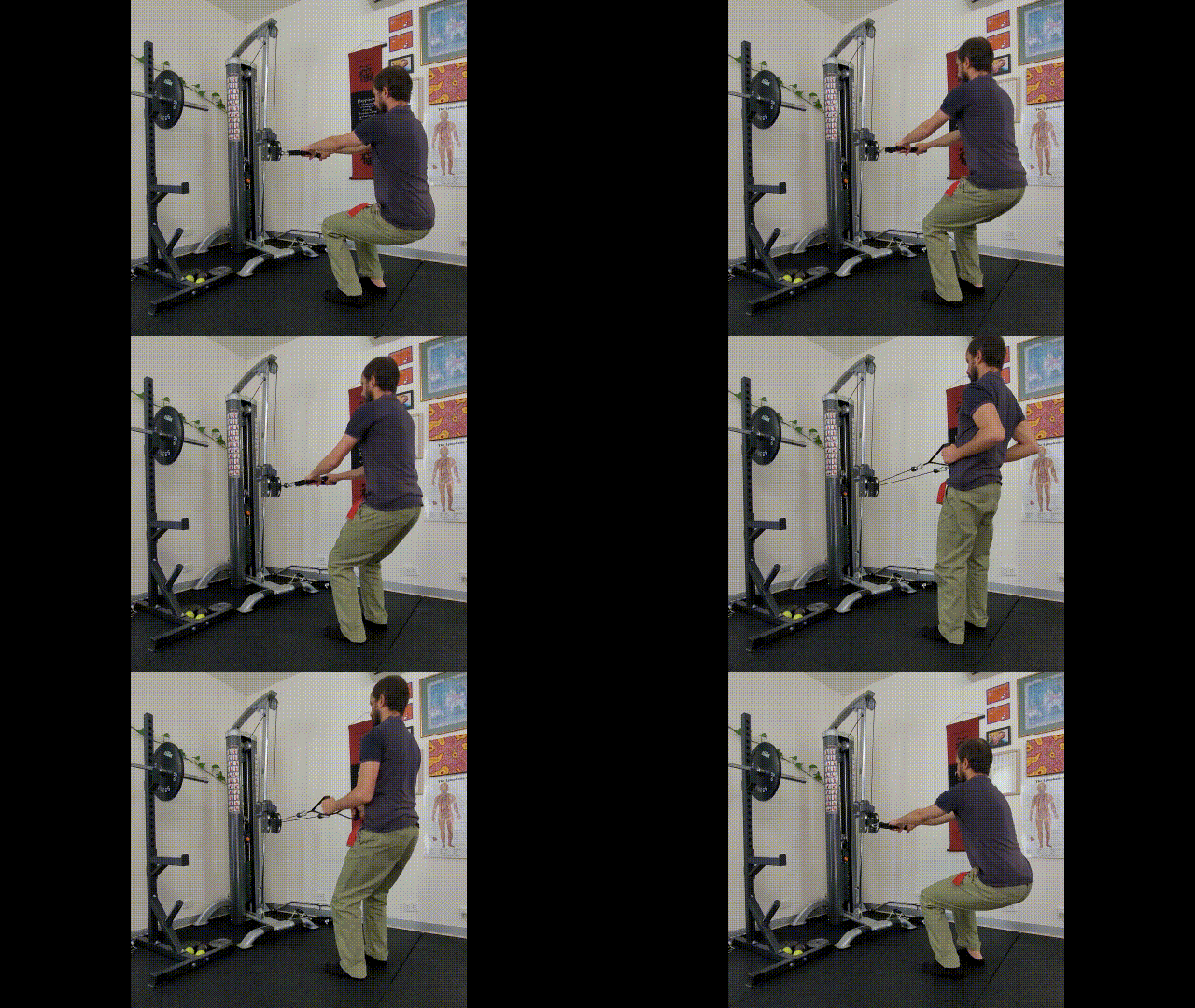
As a Myotherapist and Lymphoedema Therapist here in Fitzroy North, I’ve always believed that movement is one of the most powerful tools for health. Exercise isn’t just about getting fit; it’s about feeling stronger, moving with ease, and living life without pain. Recently, I completed professional training in Kinetic Link Training (KLT), and it gave me the opportunity to see fitness classes and rehabilitation programs under a new light. I’m now offering KLT sessions in Fitzroy North as part of my fitness class at Melbourne Massage and Treatment, in order to help clients move better, recover well, and build long-term strength. Why Exercise Is Good for Everyone The benefits of regular exercise are many, including: Improves muscle tone; Boosts energy Supports joint health; Improves posture; Reduces stress So it doesn’t matter what your goal is, whether you are recovering from an injury, working a desk job, or simply wanting to feel stronger, functional movement training is one of the best investments you can make in your health. That’s why we said that movement is medicine. And Kinetic Link Training is ideal for any fitness level, given the simplified structure of its exercises, and the fact that its setup can be easily replicated at home with some resistance bands and some light dumbbells. How Kinetic Link Training Is Different from Conventional Training More traditional gym workouts often aim to work one group of muscles at a time, with a primary focus on agonist muscles, agonist to a certain movement, such as bicep curls, leg presses, and shoulder raises. Nothing wrong with those exercises, they definitely help you build strength, yes, but not always functional strength. That’s where Kinetic Link Training is different, as KLT is built around integrated, full-body movement patterns that connect the upper and lower body through controlled, coordinated actions. Instead of training one movement at a time, you train the body as a connected system. This style of training improves: Core stability and posture Joint mobility and balance Real-world strength and coordination To simplify it, KLT helps you move better, not just lift more. Therefore, having a goal in mind when choosing to start training can help you define the type of training you may need and want to go for. Kinetic Link Training Is Also Ideal for Post-Surgery and Injury Recovery Rehab KLT is an excellent option for rehabilitation and post-surgery recovery. A few keys component that makes KLT so safe are: Low-impact exercises Controlled movement Entirely adjustable for your needs You can train easily at home What then makes KLT effective for rehabilitation is the fact that you will be asked to do natural movement patterns that can help in regaining body strength safely. In fact, KTL is ideal for anyone looking to rebuild function, improve range of motion, and return to daily activity with confidence. Perfect for Beginners and Those New to Strength Training If you’ve never done strength training before, KLT is a gentle and intelligent place to start. “Why so?” you may ask. Well, the beauty of KLT is that it allows you to perform any exercise to your capacity, and from there, you can not only increase the load or resistance, but you can also increase the degree of movement. Let’s take, for example, a posterior pull with a double leg squat: In this exercise, you are going to start in a squat position (max depth is quads parallel to the ground), facing the machine or the cable direction, while your arms are fully extended. To deliver the exercises, you will be asked to stand while pulling the cable towards yourself, with the elbows running alongside the ribcage. Now, let’s consider a person who may have difficulty squatting. They are not required to go as deep to start with, but still, they can apply a full upper body range of motion, which is basically like a lat. raw exercise. The depth of the squat would come with time and practice. This is only an example of how exercises can be adapted You don’t need to be strong, flexible, or experienced. The movements are easy to learn and can be scaled to any fitness level. Kinetic Link Training: A Balanced Full-Body Workout Now, another great advantage of KLT is the engagement of the upper and lower body in all its exercises. As explained in the example above, along with the KLT exercises, you are required to engage in: Upper body movement: Push Pull Arch Double or Single arm. Different directions, “from where” and “to where” the cable may run: Very Low Low Mid High Very High With or without crossover. Lower body movement between: Squat – Double Leg, Single Leg, Wide Stand Lunge – Anterior, Posterior, Lateral Calf Raises (as a progression of the end/start of squat movement) Which can also be subcategorised as alternated, Split, Reciprocal, and Partial Standing direction: 0° – Facing the cable 45° – To the cable 60° – To the cable 90° – Your L/R side is facing the cable direction 180° – You are giving your back to the cable direction Now, combine all of those options, and you easily end up with thousands of exercises that engage the upper and lower body with an incredible variety of regression and progression. Indeed, this is why every KLT session integrates upper and lower body movements, creating balanced, total-body strength. This ensures you don’t overwork one area while neglecting another. KLT and Lymphoedema Lymphoedema is a chronic condition characterised by severe swelling of the limb due to failure of the Lymphatic System. It can occur due to a congenital presentation (primary Lymphoedema) or post-surgery (secondary Lymphoedema), as often happens after cancer surgery. To manage a Lymphoedema presentation, exercises are essential, as the lymphatic system is stimulated by muscle contraction. Based on the severity of your lymphedema, we can use KLT to help you boost lymphatic fluid circulation and build resistance in the joints and limbs affected by lymphedema. Functional Fitness Fitzroy North Bringing Kinetic Link Training into my practice […]
Tag Archives: isometric exercises
Blog
It Is Never Too Late To Join A 1:1 Fitness Class
At Melbourne Massage and Treatment in Fitzroy North, as a clinical Myotherapist, I am enthusiastic [...]
Continue readingMar

Blog
MLD vs Lymphatic Massage: A Clinician’s Guide to What Works and Why
If you’re searching for lymphatic therapy in Fitzroy North, it’s common to see terms like [...]
Continue readingFeb

Blog
Shoulder Pain Isn’t Just a Shoulder Problem
Shoulder pain is one of those presentations that can stop you from enjoying your day. [...]
Continue readingFeb
Blog
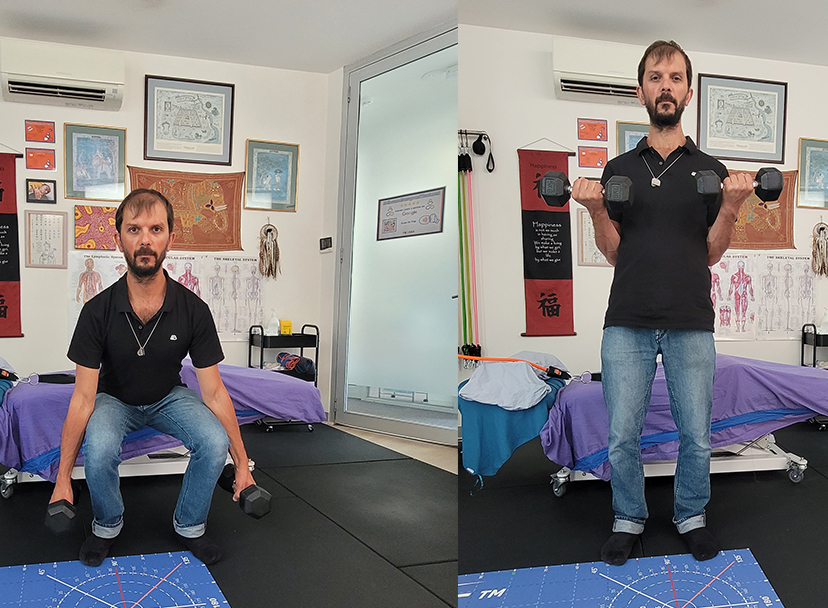
Glutes strengthening – Time To Exercises
Here in Fitzroy North, at my Myotherapy Clinic and 1:1 fitness class studio, I get [...]
Continue readingFeb
Blog
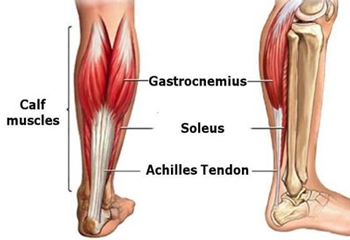
Calf Injury Melbourne – How Can Myotherapy Help With Rehab?
Calf injuries, such as a muscle tear, can be annoying to deal with because they [...]
Continue readingFeb
Oct
In the world of fitness and wellness, stretching has long been hailed as a crucial component of any exercise regimen. But what if we told you that the benefits of traditional stretching might not be as clear-cut as we’ve been led to believe? At Melbourne Massage and Treatment in Fitzroy North, we believe it’s essential to examine the science behind standard practices. Let’s dive into why the traditional notion of stretching might be more myth than fact. The Stretching Paradigm For decades, stretching has been touted as the go-to method for improving flexibility, preventing injury, and enhancing performance. From pre-workout rituals to post-exercise cooldowns, the idea is ingrained in our fitness culture. However, recent research suggests that many of these beliefs may lack substantial scientific backing. Limited Evidence for Injury Prevention One of the primary arguments for stretching is its role in preventing injuries. Yet, numerous studies have indicated that static stretching (holding a stretch for a period) before exercise may not effectively reduce injury risk. In fact, some research shows that static stretching can temporarily weaken muscles, potentially leading to decreased performance, especially in sports requiring strength and power. Flexibility: A Double-Edged Sword While flexibility is important, excessive stretching can sometimes lead to hypermobility, which can be just as problematic as tightness. Hypermobile individuals may experience joint instability, increasing their risk of injury. Instead of focusing solely on stretching, a balanced approach that includes strength training and stability work may offer a more effective solution. The Case for Dynamic Movement Instead of traditional stretching, consider incorporating dynamic movements into your warm-up. Activities like leg swings, arm circles, and bodyweight exercises can effectively prepare your muscles for activity without the potential drawbacks of static stretching. Dynamic movements increase blood flow and activate muscles, leading to better performance without the risk of overstretching. If you are not sure what movement fit your needs, think about what exercises or sports acitiviy you are about to perform. An example would be a soccer match. Soccer involve running, quick change of direction, hip flexion and more lower body work. So what about doing some calf raises to warm up your calf muscles, which are going to be ready to make your run? Go for some squats that can focus on glute activation and quods activation, based on the type of squat that you are performing. Lunges that would ensure your quods warm up and your knees take some load. Plyometrics are a good way to warm up, too, such as skipping the rope or explosive squat. The Role of Massage and Other Therapies At Melbourne Massage and Treatment, we emphasize the benefits of massage therapy, myofascial release, and other treatments that promote muscle recovery and relaxation. These techniques can enhance flexibility and range of motion without the risks associated with excessive stretching. By addressing muscle tension and improving circulation, these therapies can provide a holistic approach to wellness. Tendons and Ligaments: The Stretching Sensitivity Tendons and ligaments are essential components of our musculoskeletal system, providing stability and support to our joints. Unlike muscles, which are designed to stretch and contract, tendons and ligaments are less pliable and don’t respond well to excessive stretching. When stretched beyond their natural limits, they can become overstressed, leading to micro tears or even injury. This lack of elasticity is why it’s crucial to approach flexibility with caution—overstretching can compromise the integrity of these structures, increasing the risk of strains and sprains. Instead of focusing on prolonged stretching, prioritizing strength and stability can help maintain healthy tendons and ligaments, ensuring that your body remains resilient and injury-free. What indeed our tendons and ligaments prefer as a form of activation are the isometric exercises. Conclusion While stretching may have its place, it’s crucial to question its effectiveness as a one-size-fits-all solution. Instead of defaulting to stretching, consider a more integrated approach that combines dynamic movement, strength training, and bodywork therapies. At Melbourne Massage and Treatment in Fitzroy North, we’re here to help you develop a personalized plan that prioritizes your health and well-being, and to start your journey book now a 15 minf free consultation for a treatment plan. Remember, wellness isn’t about following trends; it’s about finding what truly works for your body. Let’s move beyond the myths and embrace a more science-backed approach to fitness and recovery. FAQ Q: Why has stretching been considered important in fitness for so long? A: Stretching has been viewed as essential for improving flexibility, preventing injuries, and enhancing athletic performance, leading to its widespread adoption in pre- and post-workout routines. Q: Is there scientific evidence supporting the claim that stretching prevents injuries? A: Recent research indicates that static stretching before exercise may not effectively reduce injury risk. In fact, it can temporarily weaken muscles, potentially decreasing performance, especially in strength and power sports. Q: Can excessive stretching be harmful? A: Yes, excessive stretching can lead to hypermobility, which may cause joint instability and increase the risk of injury. A balanced approach that includes strength training is often more beneficial. Q: What are dynamic movements, and why are they preferred over static stretching? A: Dynamic movements, such as leg swings and arm circles, effectively prepare muscles for activity by increasing blood flow and activating muscles. They help improve performance without the drawbacks associated with static stretching. Q: How can I warm up effectively for specific sports? A: Tailor your warm-up to the activity. For example, before a soccer match, you might include calf raises, squats, and lunges to activate the necessary muscle groups and prepare your body for movement. Q: What role does massage therapy play in fitness and recovery? A: Massage therapy and myofascial release enhance muscle recovery and relaxation, improving flexibility and range of motion without the risks of excessive stretching. Q: How do tendons and ligaments respond to stretching? A: Tendons and ligaments are less pliable than muscles and can become overstressed when stretched excessively. This can lead to microtears or injury, making it important to approach flexibility with […]