
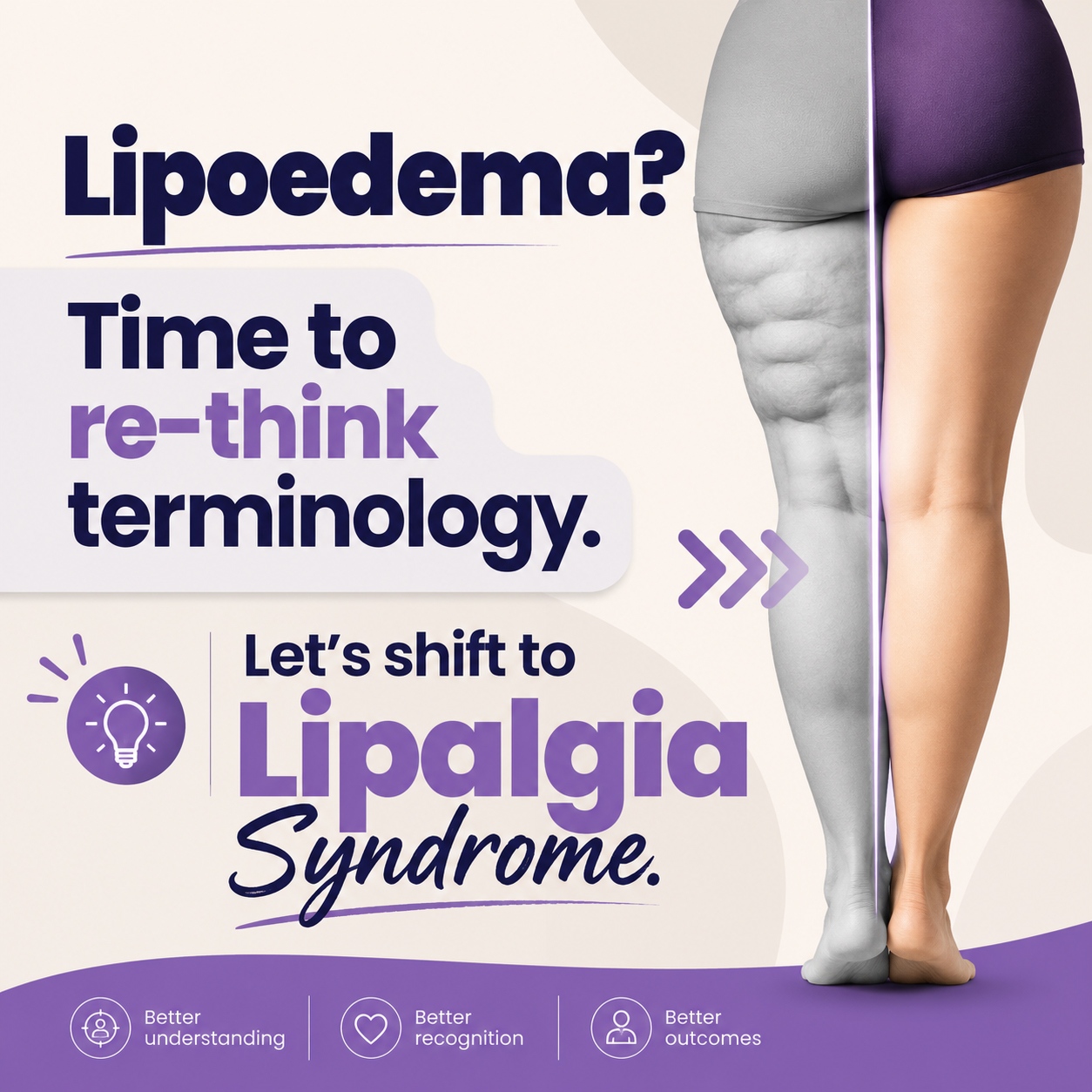
Lipalgia Syndrome is a name for a condition that most often, and more commonly, we all call Lipoedema. But why so? And why Lipalgia Syndrome would be more accurate than Lipoedema? My name is Giovanni, and I am a Myotherapy and Lymphoedema therapist who runs Melbourne Massage and Treatment in Coburg. Here at my clinic, I get to work often with clients who have been diagnosed with Lipoedema or clients who are suspicious of having Lipoedema. That said, it can happen that the client themself, are confusing one condition (Lipaglia Syndrome or Lipoedema) for something else, and that’s also because they see oedema in their limb, and associate that with having Lipoedema. But we now know that oedema is not a symptom of Lipoedema unless we are looking at Lipo-Lymphoedema, a really advanced stage of the syndrome, which is not as common as we think. Let’s break down the names: Lipoedema and Lipalgia Syndrome The term Lipoedema combines the Greek word lipo (fat) with oedema (swelling). Unfortunately, as mentioned above, this terminology can be misleading. This happens because by reading the name, we think we have to see an oedema in this presentation, where an oedema, actually, should not be. Because an oedema is caused by a dysfunctional lymphatic system, which is not what we look at when talking about Lipoedema. In fact, Lipoedema is actually a chronic, painful disorder of abnormal adipose (fat) tissue. This is why an increasing number of clinicians have suggested that the condition would be more accurately described as Lipalgia Syndrome, meaning Lip (fat) algia (pain), therefore, painful fat. Then, all this said, to clarify what’s going on with the lymphatic system, there are several investigations that look into the exact role of the lymphatic system in lipoedema, and by now, it is well established that lipoedema is a different condition from lymphoedema. This is because the lymphatic system is generally intact in the early and moderate stages of lipoedema, although secondary lymphatic overload can develop in advanced disease, leading to lipolymphoedema. This distinction is important because the diagnosis, because the treatment approach is different for lipoedema than for lipolymphoedema. Pain Is the Hallmark Symptom for Lipalgia Syndrome One symptom that can be used to mark the difference between Lipalgia Syndrome (or Lipoedema) and other conditions is pain. Patients commonly describe their legs, hips, buttocks or arms as: aching heavy tender to touch painful even with light pressure bruising easily feeling constantly sore without a clear injury In fact, unlike obesity, where enlarged fat tissue is usually painless, Lipalgia presents with diffuse, persistent pain throughout the affected tissues. If someone presents with some of the above symptoms and with a body that mimics the look of Lipoedema, but they don’t experience any pain, well, they don’t have Lipoedema. And again, that’s why we should call it Lipalgia Syndrome, because what we have to look for, is not oedema, but pain, as main symptom. That said, this pain often limits exercise tolerance and significantly affects quality of life. Current research consistently identifies pain as one of the defining characteristics that separate lipoedema from obesity and many other fat disorders. Therefore, from a clinical perspective, this symptom (pain) is essential to diagnose someone with Lipalgia Syndrome (Lipoedema). On the other hand, if a patient presents with enlarged legs or arms without pain, it is worth carefully considering whether the diagnosis is truly Lipalgia Syndrome (Lipoedema). Other conditions may be more likely, including: obesity with disproportionate fat distribution lipohypertrophy lymphoedema chronic venous disorders mixed presentations involving more than one condition Therefore, don’t try to self-diagnose with social media or a simple Google or AI search, as the reality of facts is way more complicated. Why the Name “Lipalgia” Makes More Sense The use and understanding of language influence how diseases are understood. In fact, the word lipoedema understandably directs attention towards swelling and fluid accumulation, when in fact the most disabling symptom for many patients is pain. That’s where the term Lipalgia shifts the focus towards what patients actually experience every day: chronic painful adipose tissue tenderness heaviness impaired movement reduced quality of life Although Lipalgia has not yet become the internationally accepted medical terminology, many clinicians believe it better reflects the clinical presentation and may help reduce confusion with lymphoedema. What Is Lipohypertrophy? One of the conditions that is often mistaken for Lipoedema is Lipohypertrophy, because both conditions involve a symmetrical increase in subcutaneous fat, particularly in the legs and sometimes the arms. The key difference is that Lipohypertrophy is generally not painful. So yes, those conditions are really similar, and the people with lipohypertrophy usually have enlarged limbs but do not experience the diffuse tenderness, aching, easy bruising and persistent discomfort that characterise Lipalgia. For this reason, recognising the presence or absence of pain is one of the most valuable aspects of the clinical assessment. And again, an accurate diagnosis is important because management strategies differ depending on the underlying condition. Assessment at Melbourne Massage and Treatment At Melbourne Massage and Treatment in Coburg, I provide comprehensive assessments (not diagnoses) for people experiencing leg or arm enlargement, chronic pain, lymphatic conditions and soft tissue disorders. What I refer to as assessment, and not diagnosis, is the fact that I don’t have the clinical possibility to diagnose anyone with anything, but I can point you in the direction of further investigations to get to understand what is happening to your body. Further investigation can involve talking to your GP about specific tests or referral to a specialist, who can assist you in understanding what your body is going through. Every assessment aims to distinguish between conditions such as Lipalgia (Lipoedema), Lipohypertrophy, obesity-related fat accumulation and lymphoedema so that treatment can be tailored to your individual presentation. Early recognition, education and appropriate management can significantly improve comfort, mobility and long-term outcomes. On my end, I can still offer MLD to overcome pain and where present oedema, and Fitness Class to help you and your body get stronger […]
Tag Archives: lipalgia

Blog
Lymphatic Walking: Let Me Tell You Why It Is Another Trend
Lymphatic Walking is another trend that you really don’t need to overthink. But let me [...]
Continue reading
30
Aug
Aug
Blog
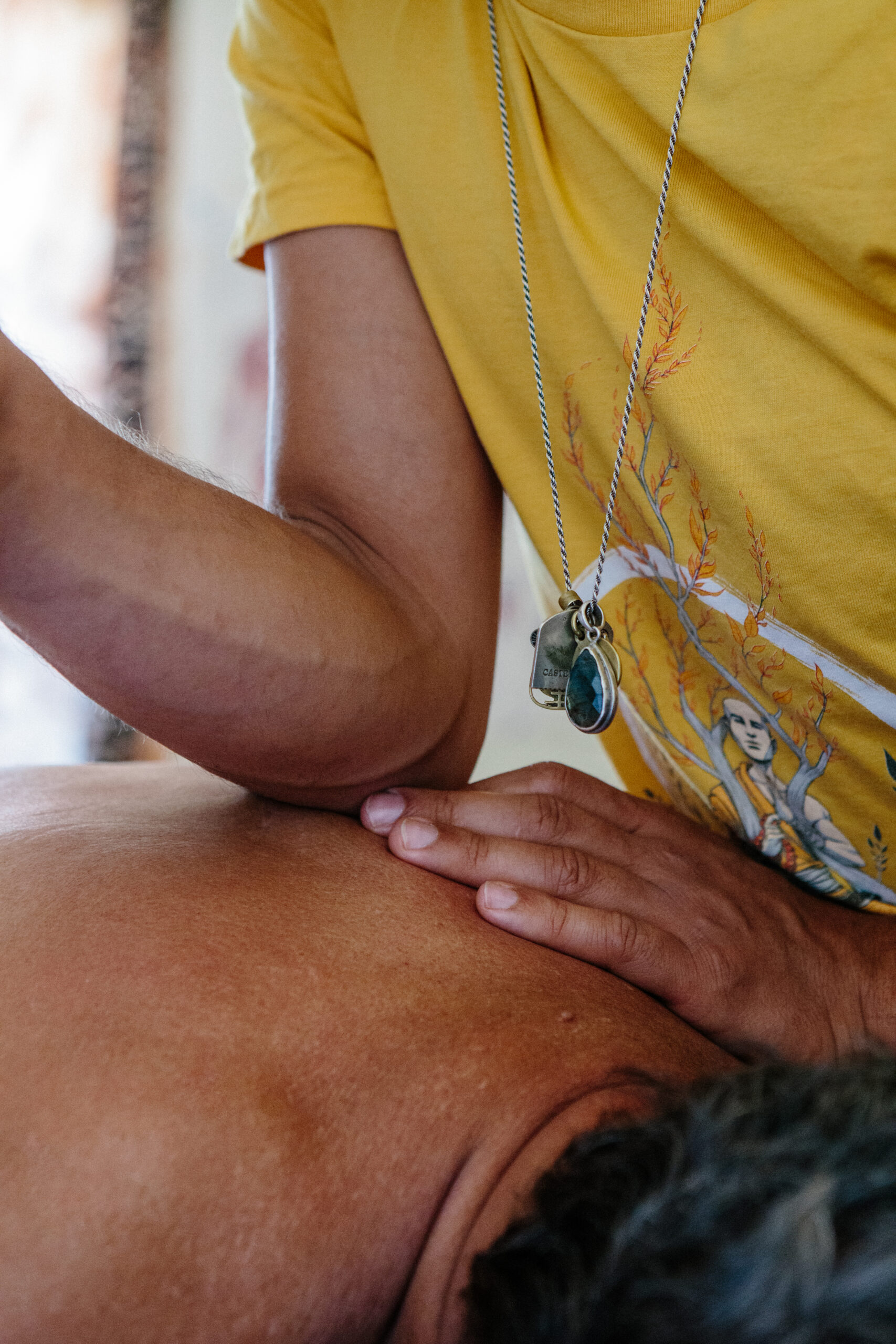
Shoulder Pain in Coburg: Myotherapy Can Help You
Shoulder pain is a common presentation I get to see and treat here at my [...]
Continue reading
24
Aug
Aug
Blog
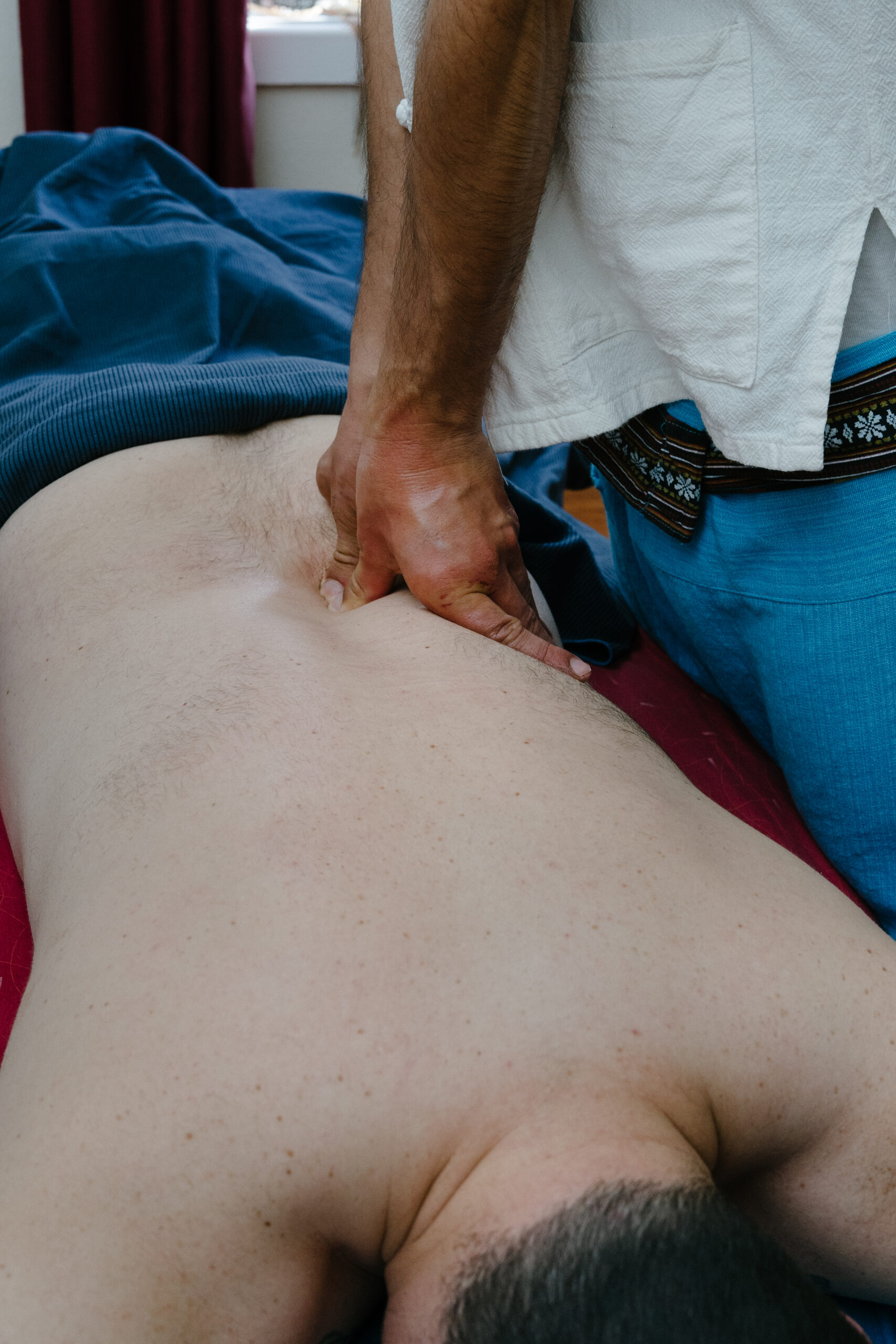
Lower Back Pain in Coburg: Causes, Symptoms and Treatment Options
Lower back pain is a leading cause of disability in Australia. That said, not everyone [...]
Continue reading
18
Aug
Aug

Blog
Myotherapy for Coburg’s Active Community
If you have been living in Coburg and the surrounding area, like the Merri Bek [...]
Continue reading
08
Aug
Aug
Blog
Myotherapy vs Remedial Massage in Coburg – Which Should You Choose?
If you live in Coburg or the surrounding area, you’ve probably come across both Myotherapy [...]
Continue reading
02
Aug
Aug