Tag Archives: MLD

Dry Needling

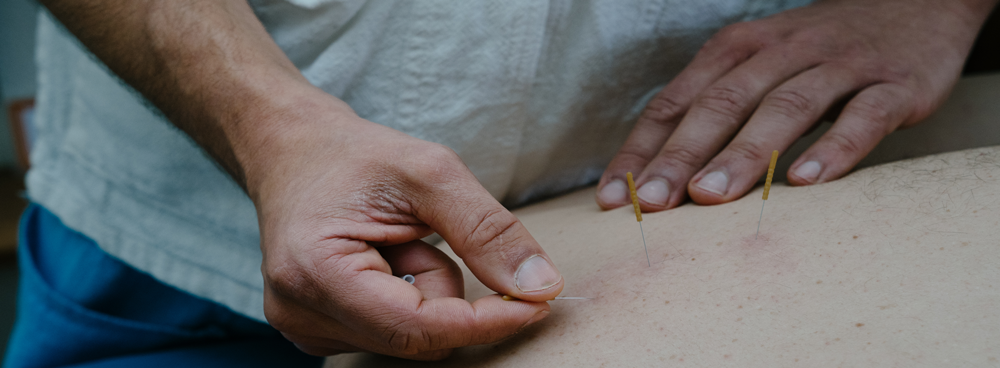
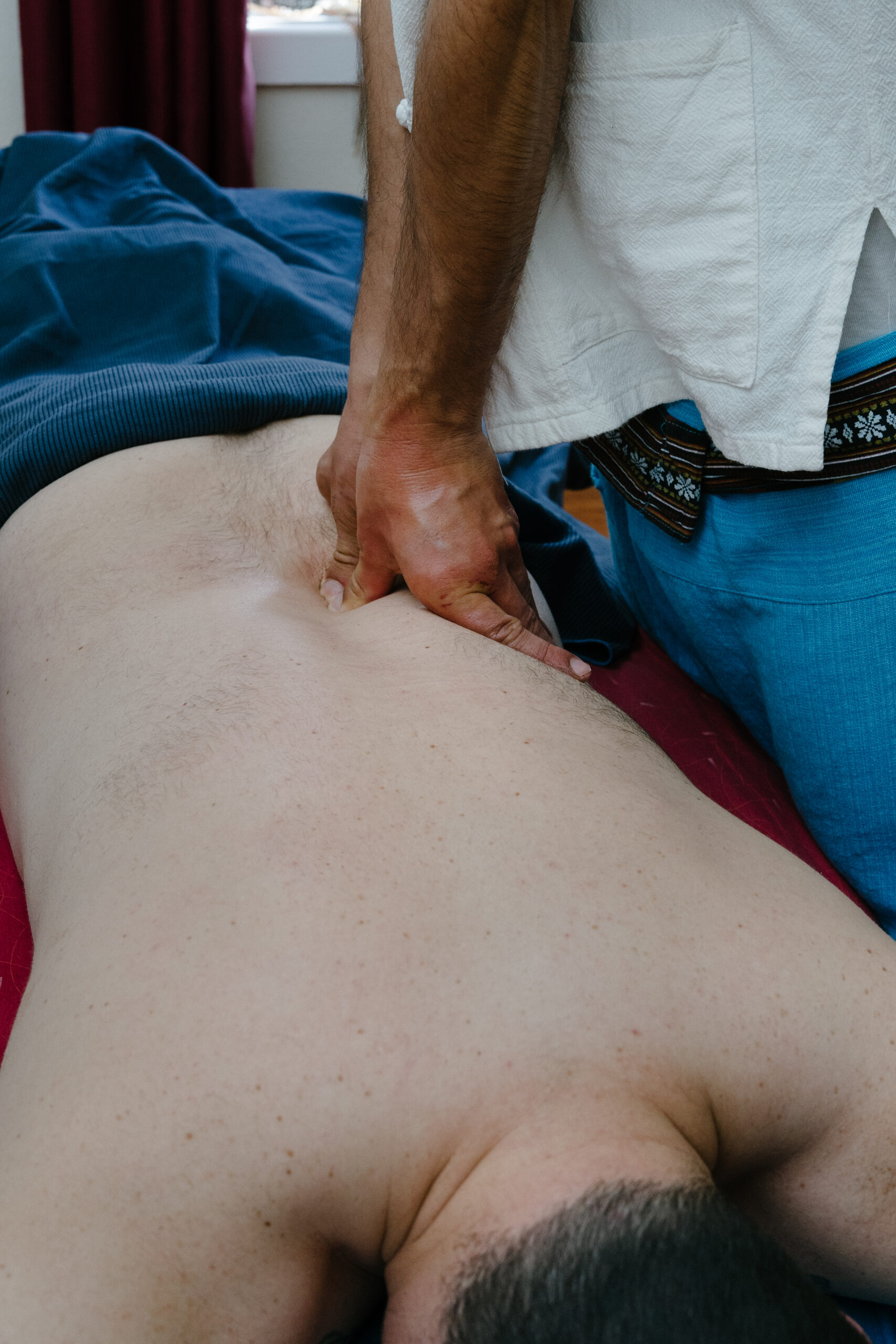
Dry needling session on the patient's back

Myofascial Dry Needling (MDN) treats sore muscles and trigger points. How does Dry Needling work? As discussed in another blog post, muscles are made of many individual fibres. As the fibre contract and stretches, this does give the muscle the ability to have strength and elasticity. Along with repetitive movements and lack of posture, the muscle fibres can accumulate tension that we generally call knots. Those “knots” are also known as trigger points. This is one of the many theories behind the formation of trigger points. Said so, a trigger point is a terminology used to describe a painful spot. And still, nowadays, there is no exact explanation for how trigger point forms and what exactly they are. But what we know for sure is that not everyone develops trigger points in the same spot. Now, to release the tension out of the trigger points, we can either apply external pressure, with the thumb or the elbow, in case of a Remedial Massage or even the knee or the heel of the foot with a Thai Massage, or we can break the fibres from within by using a needle. What a needle is like? The needles used in this practice have a diameter from 0.15 to 0.25mm, so really thin needles. Whereas the length can vary from 15mm to 90mm. Depending on the target muscle, the length of the needle is different. So, as we penetrate the muscle with the needle, we brake the fibre, and we recall an inflammatory response from the patient’s immune system. Which drives more blood and nutrients to the target area. As discussed further in this study published on PubMed, Dry Needling is effective for chronic non-specific neck pain 1. Is dry needling safe? Yes, it is, as long as the practitioner offering the service is qualified for it, and well knows the anatomy of the muscles. Said so, when you receive dry needling, there are a few things that you may want to consider. Firstly you better not have any metal allergy. Also, Dry Needling is not recommended if you have just done any strong physical activity or training, as the muscles would be in an acute inflammatory stage. In addition to this, other contraindications are: If the patient is on a blood thinner Diabetes type 1 The area is affected by Lymphedema The patient is unable to give the consent The patient would not be able to stay still as the needle is in the body Book now, your next Myotherapy session at Melbourne Massage and Treatment, Fitzroy North Clinic. How long the needle stays in the body? Depending on the area needing treatment, the needle may stay in the body for 3 to 10 minutes. And always based on the target muscle that needs to be treated would also depend on the type of treatment. Indeed, the needle could be placed in the muscle and left there to sit and create the physiological response needed, or it could even be partially extracted, moved around and placed back. This type of technique is called “peppering”. Peppering along a dry needling session allows the therapist to target other fibres around the muscle fibre area.     1. Cerezo-Téllez E, Torres-Lacomba M, Fuentes-Gallardo I, Perez-Muñoz M, Mayoral-Del-Moral O, Lluch-Girbés E, Prieto-Valiente L, Falla D. Effectiveness of dry needling for chronic nonspecific neck pain: a randomized, single-blinded, clinical trial. Pain. 2016 Sep;157(9):1905-1917. DOI: 10.1097/j.pain.0000000000000591. PMID: 27537209.  

Lymphedema Melbourne

Leg with Lymphedema

Lymphedema is a health condition that develops when the lymphatic system gets dysfunctional. Compared with lipoedema, Lymphoedema presents disproportional swelling in 1 limb per side. As stated above, what’s behind the swelling is a malfunctioning lymphatic system that leads to an increased amount of protein below the skin (lymph liquid). As already discussed in a previous post about MLD, the lymphatic system has the function of taking away the lymph liquid and pass it on to the bloodstream. Indeed, from the bloodstream, it will all get filtered from the organs such as kidneys and liver to be disposed of. The lymph liquid is mainly made of water, protein and dirt. How MLD works? The Manual Lymphatic Drainage technique stimulates the lymphatic system that can also be boosted by muscular movement. Indeed a 30-minute to 1-hour walk can speed up the Lymphatic System to double speed. This happens due to the capillary (pre-collector) of the lymphatic system, which constantly opens and closes to suck away the lymph. The faster the opening and closing of the doors of the capillary, the quicker the suctions would be. How may lymphedema develop? Where things can go wrong is when the lymphatic system stops working or doesn’t work strong enough in one or more than one area of the body. The reason why the LS stop working and cause lymphodema is as follow: Missing lymph nodes can happen after surgery for cancer removal Genetics missing lymph nodes as per genetic Parasites Surgery damages the pre-collector/collector or lymph nodes with invasive surgery. Radiation due to cancer treatment Are there risk factors? Older age Excess weight or obesity Rheumatoid or psoriatic arthritis When Lymohodema starts developing, an intervention of a professional carer is essential. Here is a link to a Manual Lymphatic Drainage therapist worldwide that can help you with that. Seeing a GP is also recommended. For intervention, I refer to MLD as a manual technique to boost the lymphatic system, compression bandaging and garments wear. The consequence of letting go of Lymphodema is quite severe. As the skin keeps swelling, it will stop receiving oxygen from the bloodstream sooner or later. As per result, the skin would start drying out, cracking, and possibly getting infected. Said so, the consequence can be even more severe and lead to Cancer too. MLD at Melbourne Massage and Treatment Regarding my training as an MLD therapist, I can’t treat clients with Lymphodema yet. My skills within the MLD technique are limited to working with a patient with an intact and fully functioning Lymphatic System. But don’t hesitate to contact me if you need more information about Lymphodema, as I can put you in touch with a therapist who can help.    

Lipoedema

Lipoedema is a condition that causes excess fat to accumulate under the skin, either in the lower or upper part of the body. Said so, it is a condition that affects mainly women. It manifests itself just after hormonal changes, such as puberty, post-pregnancy or in older age, after even major surgery. The condition does not affect the hands or feet. Regarding the symptoms and presentation, Lipoedema can be mistaken for lymphoedema. Even though those are different conditions, Lipoedema can lead to lymphedema. What is the cause of Lipoedema? Well, it is not known what can cause Lipoedema. As mentioned above, it manifests itself often when there is hormonal change, so hormones can play a role in it. What is known is that it runs in families, so it has a genetic component and, most of the time, affects women. Obesity is not a cause either, even though most of the people who suffer from Lipoedema suffer from obesity too. Lipoedema Symptoms are like: A fat build-up in the thighs, buttocks, calves, and occasionally in the upper arms. Feet or hands, unless the patient has chronic venous insufficiency or lymphoedema, do not swell. Pain. Walking ability can decrease as the condition worsen. Condition of Anxiety and or Depression can develop as the person feel an imbalance in their body appearance. Fat accumulation under the skin can block the Lymphatic System, causing Secondary or lipo-Lymphoedema if the Lipoedema is not looked after. What can be done if you suffer from Lipoedema? There are several approaches to the problem, depending on the severity of the case. The earlier the Lipoedema gets diagnosed, the better. For diagnosing Lipeedema, you may want to talk to your GP or visit a therapist from the Vodder Academy who has a LEVEL III certification. Here is a link to find a practitioner to help you with that. Regarding massage, there is not much that Remedial Massage, Myotherapy or Thai Massage can do. Specifying diet can help too, and you may want to talk to your GP about it. Also, surgery such as liposuction would help, even though those are better at the early stage. Specifically, manual therapy like MLD (Manual Lymphatic Drainage) can help. But MLD itself is not enough in most cases, especially if the Lipoedema did create a Lipo-Lymphodemia. Read more about MLD by following this Link. Indeed, in addition to MLD compressed bandaging and compressed garments wear are essentials. Those two practices can allow the work initiated by MLD therapy to be maintained and amplified.  

Barefoot shoes. It is just a trend?

Vivo barefoot wear

Barefoot shoes are now becoming more and more popular. One of the main reasons why this is happening, I believe is the spreading idea that having the feet, seated in a tight box all day, is not so beneficial. So, what can be beneficial about going around barefoot? Or having barefoot shoes? Well, the foot is made up of 20 muscles, and 30 ligaments. That’s a lot for such a small body portion. Now, in order to have those muscles working and the ligaments playing their function, to hold the joint together and allow the joint stability to be efficient, both those 2 groups of body connective fibres have to be stimulated. So, that’s where the tight box fails. Having rigid shoes on all day, with or without a high heel, is not supportive, it is actually numbing the muscles. Said so, it is true that shoes can protect the feet from damage. In certain environments, shoes, especially rigid protective shoes are mandatory, like in the construction industry or in a factory. But even through that, we don’t spend all day at work, isn’t it? Are you saying that barefoot wearing is for everyone? No, I am not saying that. There are specific conditions, that may not allow you to wear barefoot shoes. But, if you are in doubt about what’s the right thing to do, I would get in touch with a podiatrist, and he specific if you are in Melbourne I would contact Andy. I did that myself. My journey actually started in 2018 when I was in Thailand studying with Pichest. He always points out students about their feet and wrinkled toes. He would refer to shoes and Sox as cages for feet. In Thailand, there is no need for shoes, as is really hot, he would be barefoot or use flip-flops all day. ( I then realise that not even flip flop is a solution, anyway). Said so, once I left Chiang Mai back then I did decide to start using sandals all year round. Even though I have to say that occasionally in winter, I did wear closed shoes. The years did pass by and I did notice my pinky toes were not changing shape after all these years compared to the other 4 toes. The pinky toes were still seating quite close to the 4th toes and would not go out straight. Simultaneously, my Instagram account did start to come up more frequently with posts of barefoot shoes and barefoot sandals. From there then, I did realise that wearing sandals with a narrow front was not going to make much of a difference. Also, the sandals I was wearing, were quite rigid anyway. So that would basically not make much difference for my foot, I found out later. How did I get to wear barefoot shoes? That’s when I went to see Andy, in Feb ’22. Andy is a really carrying and smiling man. I like his approach to the question I was asking and took a quiet pragmatic approach to my feet/body presentation. After several assessments on the spot, I was told that wearing barefoot was not going to be a problem. And actually, another thing that I was told was that my left foot, which is flat compared to the right was not a problem either. And that was the main reason I went to see Andy actually. To find out how I could fix that flat foot. And with my surprise, I was told that flat foot is there because the body compensates for structural scoliosis. So If I was going to change my left foot shape, probably I would create an issue then in my back or hip. In conclusion, since Feb 22 I start wearing barefoot shoes. I did opt for Vivo barefoot. So far, can’t complain. I can see my feet changing shape, and even when I go for hikes and long walks I have no foot pain or discomfort. I don’t see myself going back to wearing conventional shoes any soon. And since then I start recommending to my client too about barefoot wearing. I always suggest them having a chat with Andy or a podiatrist who can see the potential of barefoot wearing, and for those who took up the change, so far, haven’t heard any complaints but only good stories. Another way to dig more about barefoot wear is also visiting SoleMechainc, a shoe shop down in Hampton, where you can find a broad range of barefoot wear and fantastic client service. In conclusion, if you are foot is in pain, massage therapy would still help. But as often happen, massage therapy by itself is not enough, so exercise, and change habits.  

Ice Pack

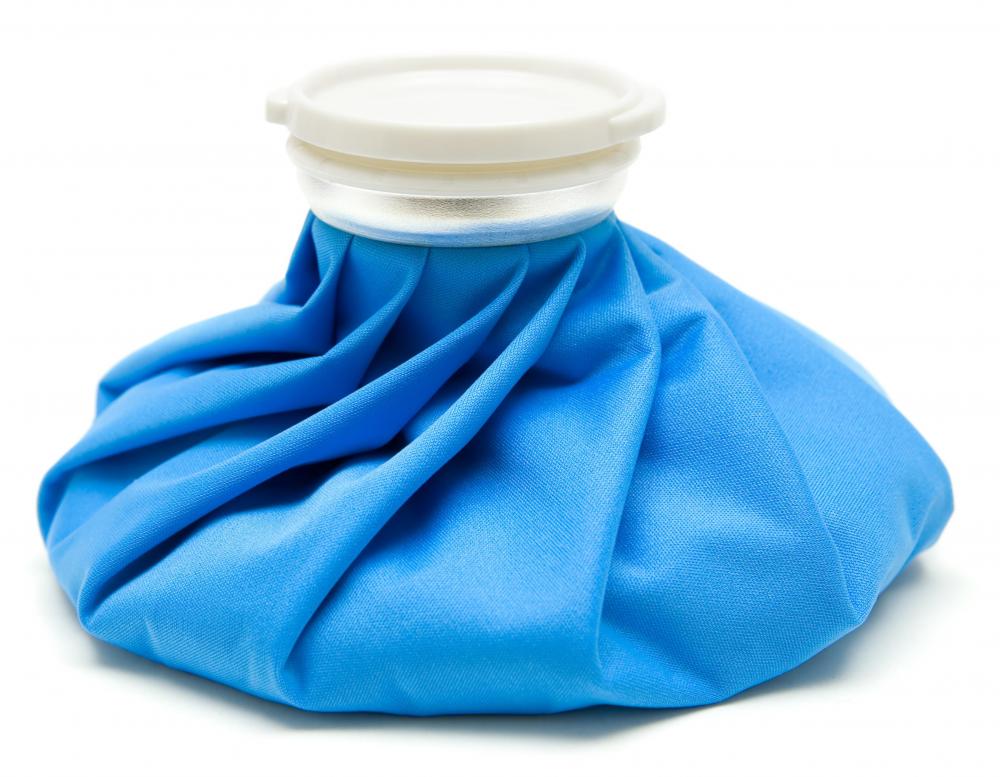
Ice pack

In a previous blog, we did talk about heat packs, now it is time to talk about the Ice Pack. Ice pack application, in the last few years, is a practice that got reviewed. What Ice Pack is about? An Ice pack, as the name says, is a cold (icy) bag. As better explained in this study an ice pack is something that can be applied to an acute injury, to prevent swelling and reduce pain, but it can’t be used for too long. As per the heat pack, an Ice Pack burn the skin, and that’s one reason why its usage has to be short (10 to 15mins at a time). In addition, extended exposure to icy temperatures, would reduce the blood flow around the injured tissue and can also damage nerves. Ice Pack usage recommendation: You have a new injury or aggravation of an existing condition, and the pain is above 7 out of 10. Where you want to minimize swelling to keep you mobile later. There are different types of Ice packs: Home-made one, ice from the freezer wrapped in a towel. Gel pack Ice Bag (as per the photo) Instant one – most of the time found in the first aid kit. Snap it and a chemical reaction would occur in the bag and freeze the bag. Those last ones are efficient as you can store them anywhere safely and use them as you need them. The cold lasts for about 20 minutes. Not to be used if they are broken. On the other hand, if you running out of ideas of what to use as a Cold pack, you can even use a bag of frozen food. Still would do the work. We have the ice bath and the cold show related to this topic. I did experience cold showers myself, most of the time not of my choice, but because of a limited supply of hot water, and I have to say that even on this topic, there are a series of debates on how that works and if it’s beneficial. So far, a cold shower, compared to a hot shower, is better for dry skin. This is because the heat of the water combined with soap can wash away the good oils of the skin. Then the benefit of an Ice bath can be more of a placebo effect. But again, I haven’t done much digging about myself, so I would stay out of any comment regarding it. Ice pack after a Massage? Well, as mentioned above, the usage of Ice Pack is suggested after an acute injury. So, either after a Remedial Massage or a Thai Massage, firstly there should be no acute injury, secondly, you want the blood flow along the worked area to stay active and not restricted. That’s why a heat pack would be more recommended. If you find this helpful information and need a massage, book your next session here.

Muscle Tear

Muscle Tear

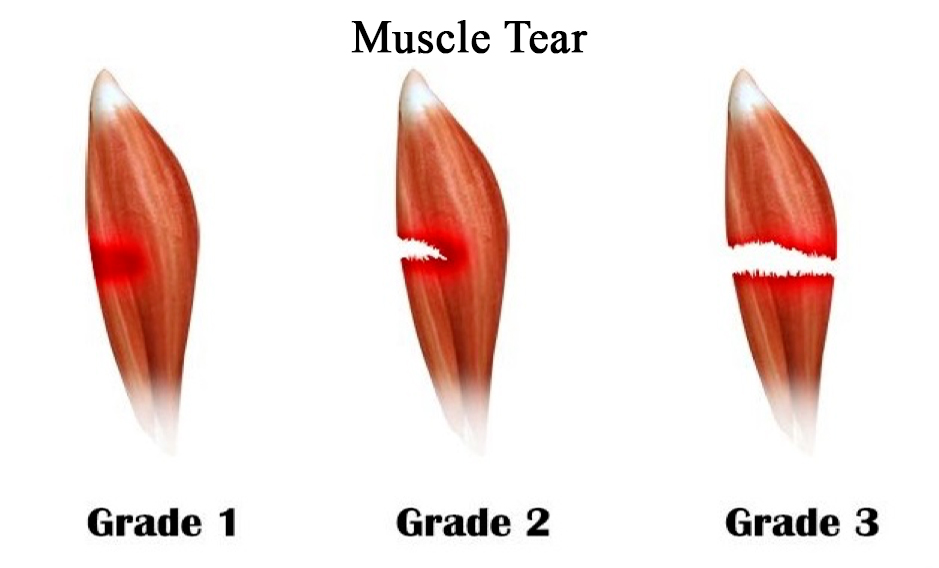
A muscle tear is an acute injury caused by a laceration of the muscle cells/fibres and or tendon to which the muscle is attached to. How can happen a muscle tear? A muscle tear happens when a muscle is weak and don’t activate at the right time. Weak muscles are common in repetitive movement or when a muscle overcompensates due to a fragile pattern.  For example, tearing a hamstring is expected when the Gluteal Firing pattern is incorrect. This type of injury is common in sports activities. Still, it can also happen within a home environment by lifting a box incorrectly or during garden activities. The three grades of muscle tear. Grade 1 muscle tear is the mildest one. As per this case, only a few muscle cells have been torn. Symptoms are like: mild pain,  moderate swelling, none or light bruising. In grade 2, a moderate amount of muscle cells have been damaged. Symptoms are like: Bruising is now more evident as per the swelling You must luckily hear a sound as the tear happens More severe pain, especially when trying to use that muscle. Grade 3 is the worst-case scenario. In grade 3 muscle tear, the muscle has fully torn.  Still, a pop or a sound would happen as the tear happens. On the opposite side of where the muscle did lacerate, you will notice a bulge as the muscle coiled up after tearing.  Weakness in using the limb where the muscle got torn. In case of a Grade 3 muscle tear, surgery is needed to reattach the muscle. How to treat a muscle tear? The immediate appliance of heat or cold packs is highly debated. A cold pack would numb the area and help with the pain symptoms. As mentioned in the “Ice Pack” blog post, that is actually recommended. On the other hand, a heat pack would help stimulate blood circulation in the affected area, reduce swelling, and boost recovery. It’s important to note that applying a heat pack too soon after an injury can actually make things worse. It’s best to wait until the acute phase has passed, which typically takes around 48 hours. At that point, heat therapy can be a helpful way to alleviate pain and promote healing. Regarding massage treatments, MLD can be the only technique used as soon as the tear happens. Indeed MLD would be highly recommended for boosting the recovery, especially in case of a tear in 3rd grade, where operation is needed. In case of a 3rd-grade muscle tear, the first thing to do is see a doctor. Other massage techniques, such as Myotherapy, Remedial Massage and Thai Massage, are still valuable for muscle tears. On the other hand, either Myotherapy, Remedial or Thai Massage can only be practised after 48 hours of rest are passed after the incidents. Indeed that 48 h is considered the acute phase of the muscle tear. How to prevent a muscle tear? More the body moves, the less the chance of injury.  Making sure to do simple exercises involving basic body movement can help in muscle tear prevention. but not only. Keeping the joint moving is another essential aspect of injury prevention. How can massage help? Along with a massage treatment, the area of focus will be the torn muscle and surrounding area. Initially, the technique used with a massage treatment, especially for the injured area, would be MFTT and passive movement/mobilisation.  That would help muscle recovery and facilitate joint mobility, reducing the muscle’s load. Going ahead with the treatments, techniques such as MET, a resisted muscle force technique, can be used. This would allow the muscle to gain elasticity. Book your next session by clicking here if you are suspicious of a muscle tear and need treatment.

Lymph Nodes

lymph node

Lymph nodes (or lymph glands) are small lumps of tissue containing white blood cells that fight infection. They are part of the body’s immune system and filter lymph fluid, composed of water and waste products from body tissues. Introduction to Lymph Nodes Lymph nodes are located in different body areas. On average, we have approx 600 LN. In the neck area only, we find 160 LN itself. LN can vary in size and go from 2 to 30 mm. Lymph Nodes are connected by vessels, better known as afferent and efferent vessels. The afferent vessels carry the lymph to the lymph node, and the efferent vessels take the lymph away from the lymph nodes. So, the lymph nodes are also connected directly to the blood system, veins, and arteria. What is a lymph node made of? Despite the structures that enter and leave the lymph node, these cleaning stations are made of: Connective tissue capsule Supporting strands of connective tissue inside Below the marginal sinus, there are clusters of lymphocytes lymphoid follicles Artery, vein and nerve As for the filtering station, the lymph node is essential to ensure that no bacteria, viruses or dirt can access the blood system. Where we find no lymph nodes in the brain. Indeed, the lymph fluid around this area gets drained by the Optic and Olfactory nerve. Following then the position of the lymph nodes, we can define the watershed. MLD and Lymph Nodes. Lymph Nodes can occasionally be swollen, which happens when the body fights an infection. In my practitioner experience, I often have to refer to the lymph node concept to introduce the client to MLD treatment. Not many clients know about this technique; they are more familiar with Myotherapy or Thai Massage and Remedial Massage. Said so, the client who tried MLD are all well impressed with its benefit. During an MLD session, what happens is that with a gentle stretch and recoil of the skin, I help your lymphatic system to work faster. Consequently, that’s how swollen area gets reduced. In pushing your lymphatic system to work harder, the lymph node would receive more liquid to process. On the other hand, knowing where the lymph nodes are, is essential to ensure we push the lymph liquid in the right direction. If you haven’t booked your appointment yet and wish to set a goal for MLD, please follow this link.

Calf Muscles

Calf muscles make up the lower posterior portion of the leg. Calf Muscles are: 2 are the calf muscles, the Gastrocnemius and Soleus. Below is a table with Gastrocnemius and Soleus’s Origin, Insertion and Action. Gastrocnemius Origin The posterior surface of the lateral and medial condyle of the femurs Insertion Calcaneus via calcaneus tendon Action Flex the knee Plantar flex the ankle Soleus Origin Soleal line; the proximal posterior surface of the tibia and posterior aspect of the head of the fibula Insertion Action Plantar flex the ankle So, due to their origins and insertions, we can clearly understand how the Gastrocnemius is involved in knee flexion and how the Soleus is not. The Gastrocnemius does across the knee, as it originates from the femur itself. On the other hand, the Soleus doesn’t cross the knee, so it doesn’t play any role at the knee level. This aspect is so important to differentiate what of these 2 muscles are involved in the restrictive movement at the ankle, and or in calf pain. Calf Muscles testing Firstly the patient is lying down in a supine position (face up)  doing active dorsiflexion. Secondly, we will ask the patient to lie in a prone position (face down), and we knee bend (passively), they would go in ankle dorsiflexion again. What happens there is when the knee is flexed passively, the Gastrocnemius is deactivated, and so the ankle dorsiflexion is happening by pulling the soleus only. Now, 2 are the case scenarios that could happen: Still a limited range of motion at ankle dorsiflexion with or without pain A better quality of ROM with a greater angle in dorsiflexion. In the first case, the tension muscles could still be both. In the second case, the Gastrocnemius is clearly the muscle limiting the ROM. For ankle ROM in dorsiflexion, we are looking for a minimum of 20° to up to 30°. It is not all about Muscle Pain. But can calf pain be related to something else and not just to muscle pain? The answer is YES. Calf muscle pain can be a RED FLEG for Deep Veins Thrombosis (DVT), especially after a flight. DVT Symptoms: Sharp pain; Heat at the touch; Soreness at the touch; Redness on the skin. In this case, you want to contact your GP immediately. Massages are absolute contraindications. In conclusion, for a full calf or muscle recovery, we want to look in too some exercises. Remedial Massage, Myotherapy, and Thai Massage are great ways to reduce pain and manage symptoms, but exercises are essential actually to heal a muscle. Indeed, when we talked about plantar fasciitis, those exercises are something that we can look at for calf strengthening.  

Headache and Massage

SCM trigger point referal pattern

When experiencing pain around the head, we talk about Headaches. Headache is a common condition, and for most cases, is not considered a serious illness. Migraine and headache. 4.9 million Australians experience migraine. Migraine is a specific type of headache, so consider that the number stated above is still a small figure. Headache and muscle. If you ever experience a headache, you may notice that the pain sensation does start from your cervical area. Or, by confronting yourself with who is around you, your headache pain pattern, is consistent, but it is different from the one of someone else. On the other hand, you may associate headaches to the result of a heavy drinking night, or of lack of water (which is why you get headaches after a heavy drinking night, by the way), but often headaches are there because of cervical muscle tightness. Wait, what? Yes, you did read right. How can we define then if the headaches come from muscle tension? So in order for this to happen, the muscle responsible for referring its pain up to the head must be tight or stretched out, and loaded with trigger points. As massage therapists, especially in the first consultation session, we would ask about headaches and if there are any, “where about do you feel the headache”? Indeed, the answer to this question is most luckily the giveaway to know which muscle is may responsible for your headaches. To confirm the suspicions, we would then assess your posture, looking for any muscular-skeletal unbalance, and then we would assess the Range of Motion (ROM). If the ROM show up to be limited on the muscle that we believe is responsible for the pain in the head, then most luckily we are halfway through the solution. I do say halfway through, a single massage session either Myotherapy, Remedial Massage, Thai Massage, or MLD is maybe not enough to release all the tension that is in needs to be alleviated to eradicate the headache. Said so, no journey starts, without doing the first step, isn’t it? When a headache is a Red Flag? For red flags, we refer to symptoms that may be present due to serious illness or condition. Some example includes clients who had a clinical history of stroke and or brain cancer, a recent car accident or recent head trauma, or blurred vision. If that’s the case, the next step is referring the client to a GP immediately for further investigation. What about the cervical muscle tension headaches type of presentation? As already mentioned in another blog post, the Occipital muscle can have headache type of pain in the lower section of the posterior side of the skull. If we then look into the area of the skull that seat above the ear, could be more tension from the Upper trap or Levator Scapulae. By keep moving more medially and above the head, Splenius cervis can refer to the medial superior side of the head and Splenius capitis to the middle top side of the head. Sternocleidomastoid, indeed, can refer to the frontal lobe of the skull. Now, all these muscles are sitting on the neck and throat and from above the shoulder. So, ensuring that those areas are free or not overloaded with tension can help in staying headache-free. Now, in this blog post, we are keeping the headache presentation type of pain to its simple aspects. On the other hand, the topic can be further discussed in person with Giovanni during your next massage appointment. Book now your next massage session, if you are trying to get to sort out your headache presentation. Other approaches to a headache-free life, out of massage therapy. There is a series of things that complimentary massage can help with to relieve headache pain. Exercises Keep yourself hydrated Good posture when seating and standing Good variety of food as diet intake Wearing glasses if needed. Meditation for stress management In conclusion, headache is a really common problem for all Australians, for both women and men. Don’t wait for your symptoms to get worse; you may not need to take medicine all the time if you have a headache, as the medicine will just numb the symptom but will not sort out the problem. If you are keen to learn more about where your headache may be coming from, book your next Massage Session today.

Exercises Plantar Fasciitis

In the previous post, we did look into plantar fasciitis and we only mention the Corrective Exercises for Plantar Fasciitis. Indeed, we did get to the conclusion that Myotherapy, Remedial Massage and Thai massage can help in reducing muscle tensions, for those muscles which take part in the foot’s unbalance, and that MLD can help in reducing the pain and reducing the inflammation within the plantar itself. What’s the role of the Corrective Exercises for Plantar Fasciitis? Exercises are a crucial step to take for a successful healing process. Corrective exercises for plantar fasciitis can be simply practised at home, without the aid of a personal trainer to follow you. In fact, corrective exercises are often simple movements, that require precision more than strength. Furthermore, is better to start slowly and gradually implement more difficult exercises and extra load. Indeed, the corrective exercises world is a step-by-step journey. If this post is talking to you, book your next massage session by clicking here. Corrective Exercises for Plantar Fasciitis: Foam rolling below the foot. Take a seat on a chair and start gently rolling the affected feet along on the foam roller. The bigger the foam roller, the gentler the exercises, due to lower pressure. If you have no foam roller, you can use a tennis ball too. The aim of these exercises is to gently self-massage the plantar of the feet and stimulates blood circulation within it. Plantar pressure with a towel. Always in a seated position, roll a towel on itself, and by holding it with both hands, put the towel under the foot. Start pulling the towel against the plantar of the feet Pull and hold for 15 to 30 secs about Drag the towel with the toes. Place a towel on the floor. The backside of the towel will be right below your toes Now gently, start grabbing the towel with your toes These exercises will reinforce the flexors muscles of the toes, in specific Flexor hallucis longus and Flexor digitorum longus, with the aim to improve the arch below the foot Single Calf Raise For this exercise, you will need a small stool or an Aerobic Step Kit Step with the front of the feet on the Areboic Step and start pushing up through the foot. For safety, you may wanna hold yourself to a wall with your hands You can start doing 1 foot at a time to increase the load. These exercises would create strength in the plantar flexor muscle of your foot. Along with the same muscles that do plantarflexion, there are the ones that do eversion and toes flexion too. In specific Perenous Longus, Perenous Brevis (eversion) and Flexor hallucis longus and Flexor digitorum longus (Toes flexion) If you suffer from plantar fasciitis because of an excess load of the body weight on the external side of the foot, these exercises would help you in recreating balance in the body load on the foot. Said so, those are some of the exercises that can be done. Few more are out there. If specific to your condition, you may want to do some exercises more than others. Most important is to have someone diagnose you with the specification of the condition and then suggest to you what exercises are the best. Plantar Fasciitis is a chronic condition, that with the right exercise and determination can be fixed. If you need help with it, don’t hesitate to book now your next session with Melbourne Massage and Treatment. And what about Orthotic Insole? The orthotic insole can be a quick-release type of approach for foot pain. On the other hand, orthotic insoles are most luckily the more common and misunderstood tool for foot pain. Yes, good to quickly reduce severe symptoms, but by itself is not going to fix the problem. Indeed, before spending hundreds of dollars on Orthodics, give a fair trial to exercises.


This will close in 0 seconds


This will close in 0 seconds


This will close in 0 seconds