Tag Archives: MLD

Patella Tracking Disorder

Knee Pain

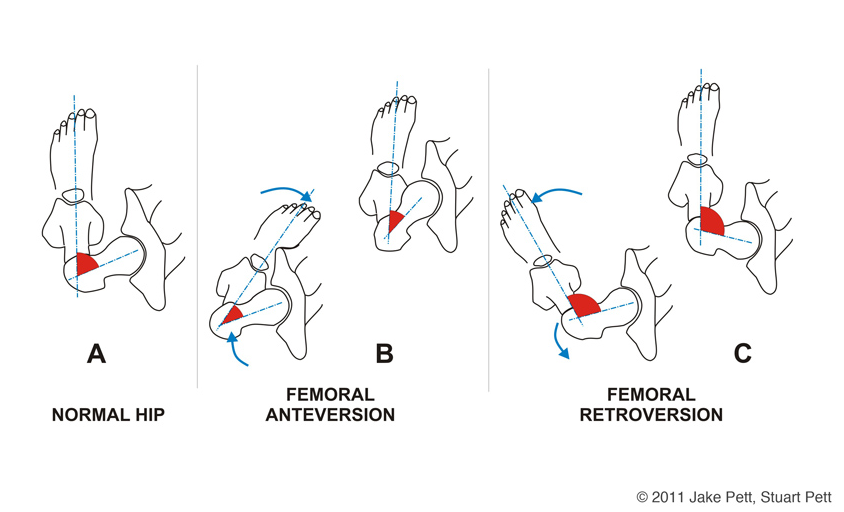
Patellar tracking disorder is a condition that occurs when the patella, also known as the kneecap, moves out of its original place when the leg straightens or bends. What causes Patella Tracking Disorder? In most cases, the kneecap shifts towards the outside of your leg, called “Lateral Patella tracking”. Occasionally in some cases, it may shift toward the medial side too. Why this shift happens due to the force applied to the kneecap itself. It was said that the knee joint is a hinge joint, which connects the tibia and fibula of your leg with the femur. The kneecap is held in its natural position by ligaments on the medial and lateral sides and by tendons on the top side. Below the patella is a cartilage layer that helps the patella glide along the femur’s groove. When the cartilage below the patella does wear out, it can create pain and discomfort in the knee. The misalignment of the patella results from tendons, muscles or ligaments that are either too tight or too loose. Lateral patella tracking VS Medial patella Tracking In the case of Lateral Patella Tracking, the Vastus Lateralist is over-developed compared to the Vastus Medialis or the IT Band (Iliotibial Band) pulling too much. Vastus L. can overtake Vastus M’s strengthening due to the muscle size. Indeed the V.L. is visibly bigger than the V. M. On the other hand, tension along Gluteus Max and or tensions in the TFL can play a role in the pulling of the IT band.   Are you in Pain, and you suspect to have a Patella Tracking disorder? Get in touch with Giovanni now. [contact-form][contact-field label=”Name” type=”name” required=”true” /][contact-field label=”Email” type=”email” required=”true” /][contact-field label=”Website” type=”url” /][contact-field label=”Message” type=”textarea” /][/contact-form] Risk factors for Patella Tracking Disorder Here is a list of reasons that can lead to Patella Tracking Disorder: Footwear Running Weakness in the quads muscle Unbalance of muscle between the inner and outer regions of your tight Sports that require excessive knee bending, jumping or squatting Improper form or techniques while working out or during sports activities Overweight Genetics (structural reasons) Incidents or trauma to the knees Malformation within the femur bond Damaged cartilage Symptoms Pain is the most symptom of Patella tracking disorder. The pain caused by this condition can occur during regular activity such as standing up, walking and or sitting down. Any knee movement can recreate the pain. In the case of arthritis, the pain can be more intense, and swelling is present at the knee joint. Treatment Options At Melbourne Massage and Treatment, the services available for Patella tracking are multiple. Depending on the severity of the condition, Myotherapy treatment and or MLD are the most recommended. Thanks to Dry Needling and/or Joint Mobilisation therapy, Myotherapy treatment can help rebalance the muscle forces surrounding the knee cap. On the other hand, MLD can help in reducing the inflammation and the swelling present eventually on the knee joint. What then Giovanni would look in, too, is also the mobility of ankles and hips. The correct mobility of these two joints would ensure that the knee is not compensating for the poor joint quality of movement, which can be part of why the patella tracking disorder is in the first place.  

Nervous System

nervous system components

The Nervous System (NS) controls the voluntary and automatic functions of the body. It is made up of: brain spinal cord nerves Subdivision of the Nervous System The nervous system, initially, can be divided into the Central Nervous system (CNS), which is made of the Brain and Spinal Cord and the Perhiperic Nervous System (PNS), which consists of nerves that connect the CNS to the rest of the body. In more detail, the PNS can be divided into Sensory Neurons and Motor Neurons, the Motor Neurons can be divided into Somatic Neurons and Autonomic Neurons, and finally, this last is divided into the Sympathetic and Parasympathetic Nervous Systems. The function of the Nervous System The nervous system can also be defined by its functionality. For this subdivision, we have three categories: Sensory Affarent function Integrative function Motor Efferent Function The afferent function is characterised by a signal that travels to the brain from the PNS. The integrative part analyses the sensory information, stores some aspects, and makes decisions regarding appropriate behaviours. The Motor does respond to the stimulus by initiating an action. The Nervous System is made of Neurons. Neurons carry messages to and from different parts of the body. To be functional, neurons need three components: Oxygen Stimulation Food Neurons can start within the brain and travel down to the spine or can begin with the peripheric portion of the body and travel to the spine and brain next. Either way, the information can travel in one direction only. For afferent neurons, the direction is from the peripheric body portion to the brain, and the efferent is from the CNS or Brain to the peripheric part. Synapses connect neurons. The Synapse is the space where information is exchanged between two neurons. For a signal to be transmitted along a neuron, a chemical reaction has to happen within the neuron cell. This chemical reaction is better known as Action Potential. Once an Action Potential is started, an electric signal, within the order of mV would be transmitted from the Neuron cell to the opposite end, called Axon Terminal. At The Axon Terminal, the neurotransmitter would be passed and sent to the next neuron, receiving those substances through the receptors on its cell membrane. This is just a simplification of how communication between two neurons happens. In reality, there are variations to this communication methodology, and not always does the communication succeed. The NS is responsible for the following: memory, learning and intelligence movement controls the organs’ functions: – heart beating – breathing – digestion – sweating the senses: – sight – hear – taste – touch – smell The Sympathetic and Para-Sympathetic NS. The  Autonomic NS controls the body parts we don’t have to think about it, like breathing, sweating or shivering, indeed the main organs. The SNS controls how we respond to emergencies. It makes our heart beat faster and causes the release of adrenaline. Where the parasympathetic nervous system prepares the body for rest (for example, when we go to sleep). The PSNS and the SNS work together to manage the body’s responses to our changing environment and needs. Massage and Nervous System As massage or manual therapy is a direct stimulus of the body, it plays a role in the response of the NS. What can happen is due to genetic factors, muscle tensions, and bulge disk nerves can get trapped along the way. Using the different testing approaches, such as Myotome and Dermatome, Giovanni can guide you through understanding where the nerve got entrapped or pinched. But this type of work is mainly for conditions where physically the nerve is involved in pour functionality. An example can be when someone has poor strength, on one hand, compared to the other, or when the sensitivity of a patch of skin is not so accurate. MLD and Nervous System Another technique, such as MLD (Manual Lymphatic Drainage), plays a role in the Parasympathetic Nervous System. An MLD treatment is profoundly relaxing, as it calms the nervous system, reduces pain and restores balance. This happens because of the mechanic repetitive movement used during the technique. There for, no pain has to be replicated during the treatment, or the SNS gets activated, as per pain response, and the body goes into “alarm” mode. Physical or mental pathologies can play a crucial role in the functionality of the nervous system, and techniques like MLD or Massage therapy generally can help in reducing symptoms and assisting in overcoming pain and body dysfunctions. Along the mental conditions, we find Anxiety or Depression too. In conclusion, any Massage Therapy or Manual Therapy, including Thai Massage, Remedial Massage, MLD and or Myotherapy, are great tools to release the tension in the body and improve the status of the nervous system. On the other hand, breathing, as per already disgust in the breathing wave blogs (Blog 1, Blog 2) plays a vital role in the well-being of the body, mind and nervous system. Feel stressed and need to release some tension? Book now your next massage at Melbourne Massage and Treatment.        

Back to Chiang Mai, Thailand back to Thai Massage Training

On the occasion of my 4th time in Chiang Mai, since 2018, I am dedicating this post to Thai Massage in Pichest Boonthumme Style. When and where did it all start? In March 2018, I started studying and practising Thai Massage. I came here to Chiang Mai, to see Pichest Boonthumme, after a friend’s recommendation. I was looking into finding someone, that could teach and share a massage technique, not only based on sequence and repetitive movement. As often happens, as long as you ask, what you are looking for will show up. And now, after 3 long years of the Covid pandemic and limitations on travelling, I am back in Chiang Mai. This is my first trip out of Australia since 2019, so it was an excellent way to celebrate the freedom of travelling, once again. Being back at Pichest Thai Massage School is always challenging. Even though I spent the last three years training for Remedial Massage, Myotherapy and MLD, when I came here, there was always something new to learn. Along with that new practice, there is always the Thai/Buddhist philosophy aspect of how to see things. I did really like the way Pichest, with his limited English, can explain the complex way life can present and shape, and how simple it is to learn how to deal with it. Just observe the breath. Well, no surprise, as this is the principle of Vipassana Meditation itself. That said, what most often happens is that people who come here to study with Pichest ask to learn how to breathe, even before they can receive a massage. Many people come here because they heard of how good Pichest is at giving massages. And they all come with the expectation to get fixed. And it is just hilarious to see how Pichest, every time, turn these people away from treatment and asks them to learn how to breathe. We are used to thinking of Thai Massage as a painful approach, a strong technique, and it is. But not because we are physically suffering means we are getting better. If we can’t deal with the pain if we stop breathing as we perceive that pain, we keep creating tension in the body and will not let the healing process happen. Breathing during a massage comes with a  series of benefits: helps the blood to be pushed around Oxygenation of the muscle tissues Improve relaxation It helps in dealing with the pain reproduced by the touch of a tense area Stimulates the Vagus Nerve, which controls the parasympathetic nervous system On the other hand, before we start doing deep work on the body, the patient does better take 5 minutes to practice breathing, and the first area to work would be around the posterior portion of the shoulder and the hip or Tibia area, to stimulates the blood flow within the body. In conclusion, Thai Massage as we know it in the West is a bit of a distortion of the real thing. Thai Massage, as with any deep tissue massage, can replicate pain, but the pain must be good, not sharp. The pain must help to release tensions and not increase them. And to be a Thai Massage therapist, you better know your anatomy well. Are you curious to find out what a traditional Thai Massage is like? Bookings are open for Traditional Thai Massage at Melbourne Massage and Treatment Fitzroy North studio.  

Frozen Shoulder

Normal and Frozen Shoulder

Frozen shoulder is also known as per the name “adhesive capsulitis”. A frozen shoulder as per the name is a shoulder that would barely move. Both signs and symptoms typically begin slowly and then get worse. Recovery time is subjective. Causes and Symptoms of frozen shoulder. Causes A common cause of a Frozen Shoulder is having to keep a shoulder still for an extended period, like after an accident. Even if it is not clear yet why there are also psychosomatic reasons why a shoulder can get frozen. Another reason why a shoulder could get to freeze is traumatic events, such as a high level of stress or a physical accident. On the physical level, what happen is that connective tissues that surround the shoulder joint, like a capsule, thickens and tightens around the shoulder joint, and by doing so, it does restrict the joint’s movement. Symptoms Frozen Shoulder symptoms developed in 3 different stages. The stage’s timing is subjective. Freezing stage Shoulder range of motion starts decreasing, and pain shows up/increases. Frozen stage The Shoulder would freeze up. The movement is minimal, even though it is less painful. Thawing stage In this stage, the range of motions are slowly coming back Pain can be worst at night. This may happen because of the sleeping position or because the sensory feeling is more acute at night than in the daytime when the body perceives more sensations. Suffering from Frozen Shoulder and need some help. Book now an MLD treatment at Melbourne Massage and Treatment. Risk factors for Frozen Shoulder Age and gender Women are more luckily to suffer from this condition. Also, age plays a crucial role in this type of pathology. People 40 and over are luckier indeed to develop F.S. Systemic diseases Here is a list of specific conditions that can increase the possibility of suffering from F.S.: Diabetes Overactive thyroid (hyperthyroidism) Underactive thyroid (hypothyroidism) Cardiovascular disease Parkinson’s disease Prevention There are not many preventive factors when it gets to F.S. This is because the main cause of F.S. is holding the shoulder back from doing movements, due to a previous injury, most of the time. What can help, and this is how Melbourne Massage and Treatment services come in handy is to do MLD sessions on the area surrounding the injury. How MLD can help by stimulating the lymphatic system work and boosting the recovery process. Also, MLD would help in reducing inflammation. Other massage technique such as Myotherapy or Remedial Massage and or Thai Massage, is not as effective for this type of condition. Another successful method that can help once Frozen Shoulder is already developed is by using Hydrodilatation. This methodology consists in injecting sterile water into the joint capsule to stretch the open space and bring the shoulder back to its ROM.
Arthritis

Arthritis can be described as the swelling and tenderness of one or more joints. Arthritis symptoms and types Symptoms include: joint pain stiffness reduce Range of Motion (ROM) Major Types: Osteoarthritis Rheumatoid-Arthritis Said so, Arthritis can be a consequence of another type of disease, like: Ankylosing spondylitis Gout Juvenile idiopathic Psoriatic A. Reactive A. Septic A. Thumb A. Those types of Arthritis manifest in different body areas and can display simultaneously. Symptoms can worsen with the ageing process. What is Osteoarthritis, and what causes it? We refer to osteoarthritis when the cartilage between the bonds that form a joint does wear out. Cartilage is a hard, slippery tissue that sits between 2 bonds, like the knee cap and femur, or between the bond of your fingers and toes. When this protective layer that keeps the two bonds separate does work out, the joint starts swelling due to an inflammatory process, and pain is consequently reproduced. The cause can be joint overloading due to chronic injuries or imbalance within the musculoskeletal system. For example, wearing high heels, or having a high foot arch, can lead to wear in the cartilage of the big toes. There is no cure for this type of arthritis, and pain management, through manual therapy and or medications is what so far can be done. What is Rheumatoid Arthritis, and what causes it? Rheumatoid A. is a disease type where the immune system attacks the joints. For rheumatoid arthritis, there are fewer known reasons why it can happen, but there are some factors that can play a role, such as: Family history Gender Obesity Joint injury Age Diagnoses To diagnose arthritis, you would have to see your GP and go for further investigations such as an X-ray, blood test or other medical investigations process. Massage and Treatment for Arthritis. For this type of condition, massage can be a useful therapeutic tool to reduce the pain sensation and manage the presentation. No massage technique can cure the presentation itself, but techniques like MLD are probably the most effective in pain management and symptom relief. Thanks to the direct stimulation of the Lymphatic System, MLD can inhibit the pain signal and relieve the person. As arthritis is often present in older people, we must check for any other condition or presentation that is an absolute contraindication to this type of treatment before commencing treatment. If this post is talking to you, and you need a massage, book your next session by clicking here.

Happy bunion’s story

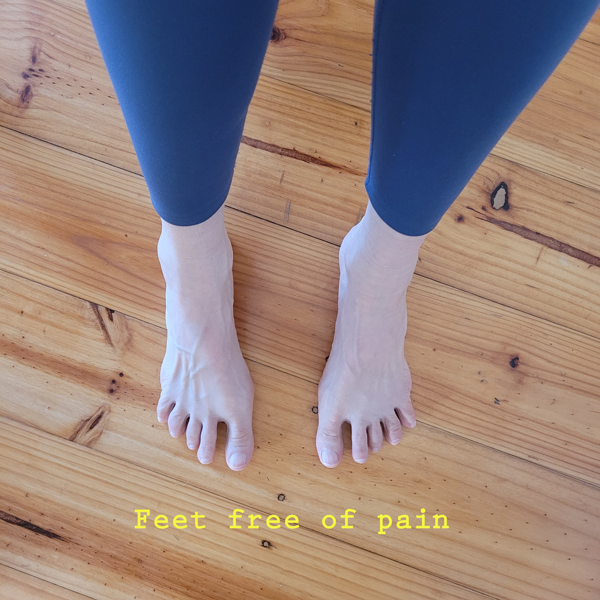
Feet pain free, no bunion

A bunion is a bond malformation at the base of the big toes. The leading causes for bunion are: foot stress high foot arch wearing high heels narrow shoes A bunion is often correlated to Osteoarthritis. Osteoarthritis is due to the cartilage degeneration that separates 2 bonds. In this case, the 2 bonds are at the base of the big toes. This result in pain at big toe extension and during walking. Bunion’s Symptoms Visible malformation, like a bump, on the side of the big toes joint; Sharp pain in the thumb; Difficulties in walking; Stiffness; The big toes point laterally towards the other toes Intervention About what to do for a bunion presentation is to get in touch with a podiatrist as soon as possible. Massage therapy is recommended too, but it is a limited tool for helping in fixing the issue. Along with Remedial Massage, Thai Massage, Myotherapy and MLD treatment, what can be done to alleviate the pain is to treat the surrounding structures, such as the plantar of the foot and the metatarsal area. So, can it alleviate bunion pain and or invert the condition? Yes, it is. Today’s blog post is called “Happy Bunion Story”. So, back in Dec. ’21, Steph start having foot pain, due to osteoarthritis. The reasons behind her conditions are: High foot arch Long hour standing up for work (she is an amazing Wedding and Fashion photographer) Wearing high heels (she used to do modelling) The combination of those resulted in a degeneration of big toes cartilage and a bunion forming. As Steph complained about pain in the big toes, I told her what possibly was happening there. Soon after, she visited her GP and got some X-Ray done, and the result was not much of a surprise. After finding out about her new condition, Steph consulted a podiatrist, who suggested starting a daily routine of exercises for her big toes. Resisted big toes flexion (with a rubber band) Wearing spacer in between the toes Toes abduction from a seated position. But this is not all. The podiatrist even told her to wear an insole in her shoes. Furthermore, she was recommended to buy specific shoes that “protect her foot”. I saw the shoes myself, and I can tell you they didn’t look good. They were thick, big, and didn’t look comfortable to wear. Another podiatrist opinion A few months passed, and I went to see Andy, a podiatrist promoting barefoot wear for my own flat feet condition. As I was talking to Andy about my feet, I couldn’t resist getting an opinion in regard to what Steph was going through. Andy, without much hesitation, suggested that she wear barefoot shoes and continue the exercises. Next, we went down to Sole Mechanic, in Hampton, a shoe shop specialising in barefoot wear. Beforehand we researched different brands and decided to give a goal to the barefoot shoes, “Vivo Barefoot”. Sole Mechanic Experience The experience at Sole Mechanic was a positive one. We booked an appointment for 2 of us, 1 hour all up, so the staff has enough time to guide you through what barefoot is about and the best option. We went through the ankle and toes Range Of Motion and barometric platform test and tried a couple of shoes each. Vivobarefoot, given its ethical approach to shoe wear, was since the start our choice, and so far, the best option we could go for. At this stage, we have a couple of shoes each from Vivo barefoot, one for everyday wear and one for hiking. Back to the “Happy Bunion Story” So, after all this time, Steph now enjoys walking pain-free. The bunion, thanks to the exercises and to Steph’s determination in practising them daily and the new shoes that have a wider shoe box, is reduced, as the Big Toe is now diverging towards the medial side (away from the other toes). Osteoarthritis is a condition that can’t be fixed. Still, when Steph occasionally feels pain we do an MLD session which can help reduce the inflammation symptoms and help in pain management. Said so, the pain is a rare thing and not a daily issue. Furthermore, Steph is not wearing the insole anymore. As suggested by the Sole Mechanic staff, removing the insole is a process that can be done step by step. So, since Feb ’22 when we bought the first pair of Vivobearfoot shoes, took her approximately 2 to 3 months to abandon the insole, and now it is about three months that she is not using it anymore. Hopefully, this post gives you some hope and insights into what’s happening with bunions. If you are in pain and need to reduce the inflammation response to the bunion, MLD may be best for you as a short-term solution. Otherwise, book an appointment with Andy to find out the best way to adjust the shape of your foot as much as possible.

Tennis Elbow

MLD on Tennis Elbow

Tennis elbow or even known as Lateral Epicondylitis, is a condition that occurs on the lateral side of the forearm, at the elbow’s high. A common cause is repetitive motions of the wrist and arm. Tennis Elbow refers to how common this condition can be in tennis players. Said so, Lateral Epicondylitis is a condition that can affect anyone. As per Golfer’s Elbow, the pain starts from the elbow area, in this case from the lateral side, and can irradiate down the arm to the wrist. Rest and counter medication can help relieve symptoms. In some cases, surgery is required. Tennis Elbow Symptoms The pain generated by the tennis elbow may radiate down the forearm along the lateral side (thumb side). In addition to the pain, you may experience weakness too. Here is a list of actions that may be difficult to do Shake hands or grip an object Turn a door handle Hold a cup of water Book now your next appointment to restore the mobility of your Tennis Elbow Causes Tennis Elbow As Lateral Epicondolytis is overuse and strain of muscle, it is caused by repeated contraction of the forearm muscles extensor. These repetitive stretches and movements can lead to tiny tears in the tendon tissue, creating inflammation and pain within the elbow area. Playing tennis with the pour technique often replicates this condition, especially using repeated backhand strokes. Many other common motions can cause tennis elbow. Here is an extended list: Using plumbing tools, which require strong grips Painting Using screwdrivers Food preparation, especially when the knife is not sharp Working in the office using a mouse for long hours Treatment Options At Melbourne Massage and Treatment, Giovanni offers a variety of options for treating Lateral Epicondylitis. MLD may be the most recommended per inflammation of tendons and muscles. Thanks to the light touch and repetitive movement, MLD stimulates the Lymphatic System directly, which takes care of the inflamed area. Combining Myotherapy, Remedial Massage or Thai Massage technique with MLD can help even release more tension along the arm and elbow. Tennis Elbow Exercises In addition to the massage technique offered at Melbourne Massage and Treatment, exercises placed as per usual a crucial role in recovery. Specifically, we can look in too eccentric exercises, which slow, lengthening muscle contractions. Here is a link to eccentric exercises for the Tennis Elbow. As you may notice in this video, the extension motion of the wrist is supported by the other hand. By doing so, the extensor muscle of the forearm that needs training is not working hard. So the actual strengthening happens in the wrist’s flexion when the extensor muscles are stretching under the extra pressure of the weight.

How MLD can help reducing Preeclampsia Swelling post-partum

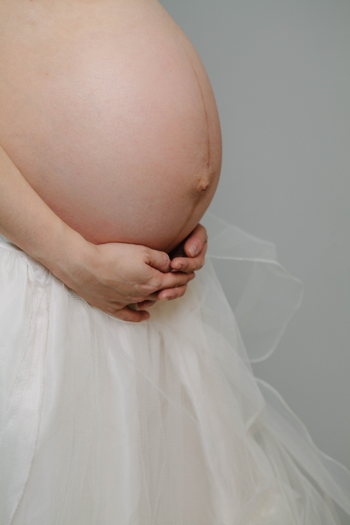
pregnant woman

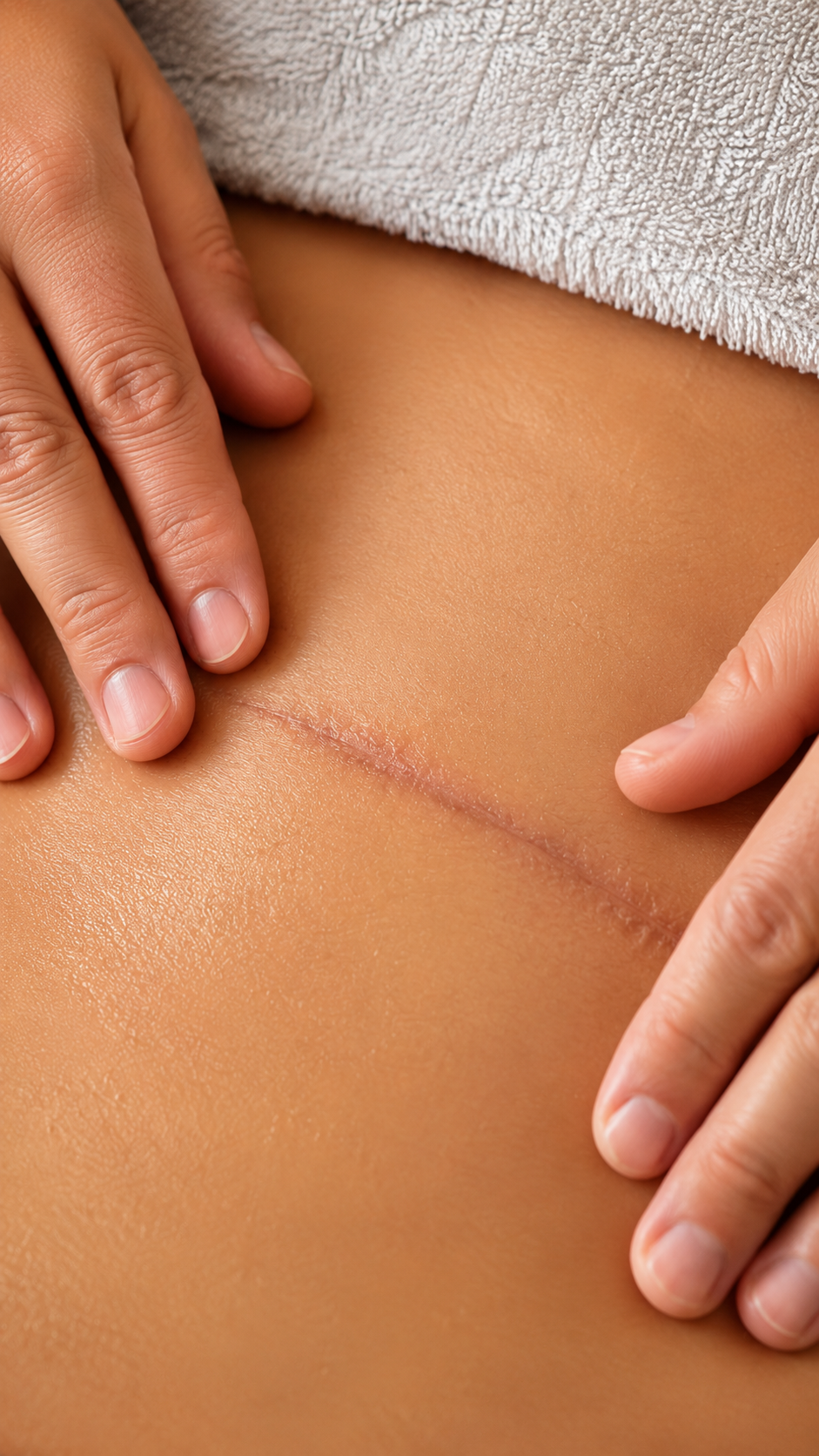
Preeclampsia is a condition that can affect pregnant women. Preeclampsia is a severe condition of pregnancy, most of the time characterised by: high blood pressure protein in the urine severe swelling Most women who suffer from preeclampsia are unaware of this condition, which is why continuous monitoring during pregnancy is so important. There is no cure for this condition, and the only step it can be taken to prevent the death of the mother the baby is to deliver the baby by opting for a C-section birth. What happens during preeclampsia? What does happen during preeclampsia is that the blood pressure increase to a dangerous level. The consequences can be catastrophic for both the mother and the baby. Indeed, the mother’s organs, such as the liver, kidney, heart and brain, are in great danger. The increase of protein in the urine also cand puts the kidney and liver in danger. How can MLD help with a preeclampsia presentation? In this case, MLD would not be applied to reduce preeclampsia. Still, it can be used when the baby is delivered, and there is a need to reduce the swelling postpartum that eventually would build up in the legs and abdominal area after the C-Section. On the other hand, MLD would also help scar healing by moving fluid away from the scar tissue and reducing the swelling around the scar itself. Said so, as you may already read in other blog posts about MLD, liver and kidney failure are absolute contraindications, and condition as high blood pressure too can be a partial contraindications. Indeed, before starting any treatment, the “good to go” from the doctor would be needed in this case. How would MLD be applied after the C-section? In regards to the type of approach needed in this case, the MLD session would start by: Working on the neck and terminus area Applied MLD on the abdominal area to clear off the Cisterna Chyli And finally, MLD along both leg A simple sequence would be used because a wound is still there when doing MLD on the legs. I would not recommend that the client lies in a side position, which could hurt the wound. So when should I come in for my first session? If the doctors reckon that your liver and kidney are functioning at 100% and your blood pressure has decreased since giving birth, you can start receiving MLD immediately. I already had a client, who had preeclampsia, and thanks to the suggestion of the nurses they book in their session just 10 days after the birth. After just one session, they realised how the swelling was reducing. Said so, it can take longer to reduce the swelling down to the desired level. What else can be done in combination with MLD? In combination with MLD, I am walking and staying active help. Also, lots of water is always highly recommended, especially after an MLD session. In conclusion, if you need an MLD treatment due to Preeclampsia or other body swellings, and you have no Liver or kidney conditions or DVT, MLD is the treatment that does for you. Then click here to book your next session. Or click here if you have any enquiries about MLD or Melbourne Massage and Treatment services.

Carpal Tunnel

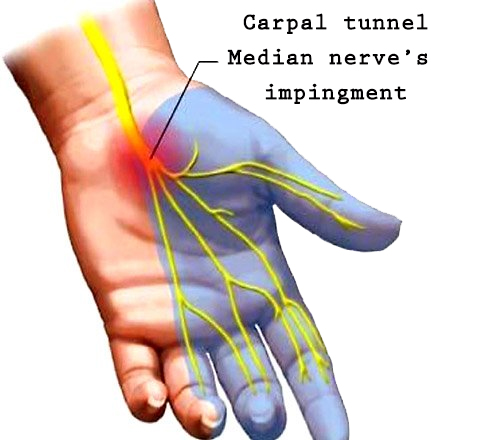
Carpal Tunnel median nerve impingmenet

The carpal tunnel is a narrow passageway in the wrist that opens into the hand. The median nerve runs through the carpal tunnel and gives feeling to the 2nd through the 4th finger (the medial half of it). Carpal tunnel is a condition that affects any gender, and the prevalent of people affected by this condition, are people who do repetitive movements with their hands and arm. Carpal tunnel Symptoms Numbness Pins and needles in the hand Pain, particularly at night Darting pains from the wrist Radiated or referred pain in the arm and shoulder Weakness of the hand The little finger and half of the ring finger are unaffected. Causes of Carpal Tunnel Presentation Occasionally there is no clear cause for Carpal Tunnel. Said so, sometimes there is a combination of factors such as: Arthritis – C.T. is a consequence of inflammation and swelling Pregnancy – During the pregnancy period, given the increase of hormones, the body tends to retain more fluid, which can compress the median nerve and replicate CT symptoms. Genetics – some people can have smaller carpal tunnel Overuse injury – as previously mentioned, repetitive movement and overload of the wrist can lead to CT syndrome Treatment options Along with different treatment options, massage is the first non-invasive approach someone can try for carpal tunnel. As soon as the symptoms show up, it would be wise to go and see a massage therapist. Techniques such as Remedial Massage, Myotherapy can easily address the problem and alleviate the pain. Depending on the presentation and the cause of the carpobual tunnel, even Applied MLD (manual lymphatic drainage) can be an ideal treatment option. Along the physical therapy, rest is highly recommended, and exercises, as often happen, play the main role. To prevent pain from wrist movement, a splint can help. Other treatment options. Surgery is a standard alternative option for Carpal Tunnel. It is a common intervention and can be done on both hands simultaneously. The patient can choose to go for local or general anaesthesia. Surgery for Carpal Tunnel involves a cut along the palm and the wrist. The surgeon then cuts the ligament to reduce pressure on the underlying median nerve. Once the skin gets stitched back, the ligaments heal themselves, and the new scar would not put so much pressure on the median nerve. Even though the surgery is easy, it can have some complications, like swelling and damage to the median or ulnar nerve. Also, if the ligament was not cut completely, it would still apply pressure on the Median Nerve, and a second surgery would be needed.      

Dry Needling

Dry needling session on the patient's back

Myofascial Dry Needling (MDN) treats sore muscles and trigger points. How does Dry Needling work? As discussed in another blog post, muscles are made of many individual fibres. As the fibre contract and stretches, this does give the muscle the ability to have strength and elasticity. Along with repetitive movements and lack of posture, the muscle fibres can accumulate tension that we generally call knots. Those “knots” are also known as trigger points. This is one of the many theories behind the formation of trigger points. Said so, a trigger point is a terminology used to describe a painful spot. And still, nowadays, there is no exact explanation for how trigger point forms and what exactly they are. But what we know for sure is that not everyone develops trigger points in the same spot. Now, to release the tension out of the trigger points, we can either apply external pressure, with the thumb or the elbow, in case of a Remedial Massage or even the knee or the heel of the foot with a Thai Massage, or we can break the fibres from within by using a needle. What a needle is like? The needles used in this practice have a diameter from 0.15 to 0.25mm, so really thin needles. Whereas the length can vary from 15mm to 90mm. Depending on the target muscle, the length of the needle is different. So, as we penetrate the muscle with the needle, we brake the fibre, and we recall an inflammatory response from the patient’s immune system. Which drives more blood and nutrients to the target area. As discussed further in this study published on PubMed, Dry Needling is effective for chronic non-specific neck pain 1. Is dry needling safe? Yes, it is, as long as the practitioner offering the service is qualified for it, and well knows the anatomy of the muscles. Said so, when you receive dry needling, there are a few things that you may want to consider. Firstly you better not have any metal allergy. Also, Dry Needling is not recommended if you have just done any strong physical activity or training, as the muscles would be in an acute inflammatory stage. In addition to this, other contraindications are: If the patient is on a blood thinner Diabetes type 1 The area is affected by Lymphedema The patient is unable to give the consent The patient would not be able to stay still as the needle is in the body Book now, your next Myotherapy session at Melbourne Massage and Treatment, Fitzroy North Clinic. How long the needle stays in the body? Depending on the area needing treatment, the needle may stay in the body for 3 to 10 minutes. And always based on the target muscle that needs to be treated would also depend on the type of treatment. Indeed, the needle could be placed in the muscle and left there to sit and create the physiological response needed, or it could even be partially extracted, moved around and placed back. This type of technique is called “peppering”. Peppering along a dry needling session allows the therapist to target other fibres around the muscle fibre area.     1. Cerezo-Téllez E, Torres-Lacomba M, Fuentes-Gallardo I, Perez-Muñoz M, Mayoral-Del-Moral O, Lluch-Girbés E, Prieto-Valiente L, Falla D. Effectiveness of dry needling for chronic nonspecific neck pain: a randomized, single-blinded, clinical trial. Pain. 2016 Sep;157(9):1905-1917. DOI: 10.1097/j.pain.0000000000000591. PMID: 27537209.  


This will close in 0 seconds


This will close in 0 seconds


This will close in 0 seconds