
Joint pain, a common ailment affecting many, can stem from various causes such as arthritis, injury, or even daily wear and tear. At Melbourne Massage and Treatment, we specialise in addressing these pains through targeted massage techniques. Here, we explore some of the most effective strategies: Remedial Massage: This technique focuses on the deeper layers of muscle tissue.Using gentle strokes and firm finger pressure on the tense areas, it seeks to alleviate the body’s chronic patterns of tension. Find out more about our services for Remedial Massage. Myotherapy: Myotherapy involves assessing and physically treating myofascial pain, injury, and dysfunction affecting movement and mobility. It is effective in treating joint pain caused by muscle or soft tissue problems. Discover the benefits of Myotherapy. Thai Massage: This ancient practice combines techniques like acupressure and assisted yoga postures to reduce joint pain and improve flexibility. Explore our Thai Massage offerings. Manual Lymphatic Drainage (MLD): MLD is a gentle massage technique that helps promote the natural drainage of the lymph, which carries waste products away from the tissues back toward the heart. It’s particularly beneficial for swelling-related joint pain. Read more about MLD. Thai Yoga: This unique blend of Thai Massage and Yoga helps in improving joint mobility and reducing stiffness. Thai Yoga details here. The Science Behind Massage and Joint Pain Relief Massage therapy not only provides relaxation but also has been scientifically proven to help in reducing joint pain and improving function. According to a study published in the Journal of General Internal Medicine, massage therapy can significantly reduce stiffness and pain, particularly in conditions like osteoarthritis. Understanding Joint Pain and the Role of Massage Joint pain can be a complex issue, often stemming from various factors like age, injury, or chronic conditions such as arthritis. Understanding the root cause of your joint pain is crucial in selecting the most effective massage strategy. At Melbourne Massage and Treatment, we begin with a thorough assessment to tailor a massage plan that addresses your specific needs. Tailored Massage Techniques for Different Joint Conditions Arthritis: For those suffering from arthritis, gentle massage techniques are employed to reduce pain and swelling. Techniques like Swedish massage and MLD can be particularly beneficial. Learn more about our approach to arthritis. Post-Injury Recovery: If your joint pain is due to an injury, techniques like remedial massage and myotherapy can be effective in promoting healing and reducing pain. These techniques help in breaking down scar tissue and improving circulation. Explore our injury recovery services. Chronic Joint Stiffness: For chronic stiffness, Thai Yoga and deep tissue massage offer an excellent way to enhance flexibility and reduce discomfort. These techniques combine stretching and targeted pressure to improve joint mobility. Sports-Related Joint Pain: Athletes often experience joint pain due to repetitive use and strain. Sports massage, a service we specialise in, is tailored to treat sports-related joint issues effectively. The Benefits of Regular Massage for Joint Health Regular massage therapy offers numerous benefits for those suffering from joint pain: Reduces Pain and Inflammation: Massage helps in reducing inflammation and pain in the joints, making daily activities more manageable. Improves Circulation: Enhanced blood flow ensures that nutrients reach the joints, aiding in healing and reducing stiffness. Increases Flexibility: Regular massage can improve the range of motion in your joints, reducing the risk of injury. Stress Relief: Stress can exacerbate joint pain. Massage is well renowned for its capacity to ease tension and encourage calmness. Complementary Therapies for Joint Pain In addition to massage, other therapies can complement your treatment plan: Exercise and Yoga: Gentle exercises and yoga can strengthen the muscles around the joints, providing better support and reducing pain. Heat and Cold Therapy: Applying heat or cold to the affected joints can provide immediate pain relief and reduce inflammation. Diet and Nutrition: A balanced diet rich in anti-inflammatory foods can help manage joint pain from within. Preparing for Your Massage Session To get the most out of your massage therapy for joint pain, consider the following tips: Communicate Your Pain: Be open about your pain levels and any discomfort during the session. This helps the therapist adjust their technique accordingly. Wear Comfortable Clothing: Loose-fitting clothing is ideal, especially if your session involves stretching or movement. Stay Hydrated: Water consumption both before and after a massage aids in the removal of toxins generated during the treatment. Aftercare: Maximising the Benefits of Your Massage Post-massage care is crucial in extending the benefits of your session: Rest: Allow your body some time to relax and recover after the massage. Stay Hydrated: Continue drinking water to help your body eliminate toxins. Follow-Up Exercises: Engage in any recommended stretches or exercises to maintain the benefits of your massage. Why Choose Melbourne Massage and Treatment for Joint Pain Relief At Melbourne Massage and Treatment, we pride ourselves on our holistic approach to treating joint pain. Our experienced therapists are skilled in various massage techniques, ensuring a personalised treatment plan that addresses your specific needs. We believe in not just treating the symptoms but also in empowering our clients with knowledge and practices to maintain joint health. The Journey to Pain-Free Living Starts Here Embarking on a journey to alleviate joint pain can be challenging, but with the right support and treatment, it is achievable. At Melbourne Massage and Treatment, we are dedicated to helping you achieve a pain-free life, enhancing your overall well-being and mobility. Our range of massage therapies, combined with a personalised approach, ensures that your path to recovery is as smooth and effective as possible. Remember, every step you take towards addressing your joint pain is a step towards a healthier, more comfortable life. We invite you to join us at Melbourne Massage and Treatment, where your journey to healing and rejuvenation begins. Book your appointment today and take the first step towards a life free from joint pain. Conclusion At Melbourne Massage and Treatment, we’re committed to providing personalised care to alleviate your joint pains. Our range of massage therapies is designed to target […]
Category Archives: Blog

Blog
Facet Joint Irritation and Muscle Weakness: What You Need To Know
In my experience as a Clinical Myotherapist at Melbourne Massage and Treatment Myotherapy and Lymphoedema [...]
Continue readingOct

Blog
Chronic Pain: What it is, and what can you do about it?
Pain is something that we all experience, and it can start after an injury, during [...]
Continue readingOct
Blog
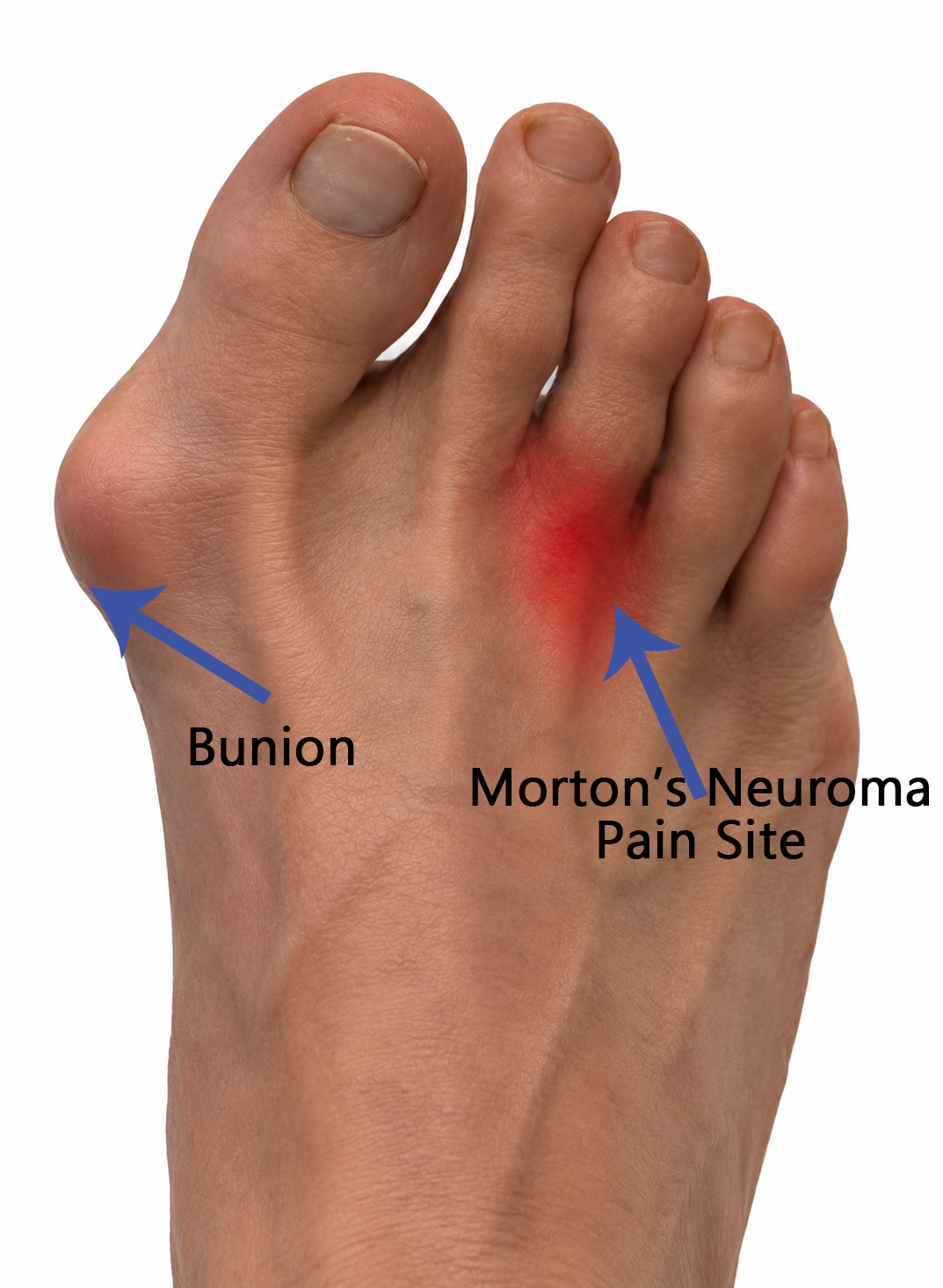
Bunion and Morton’s Neuroma: Can a Bunion Affect Neuroma Recovery?
While a bunion and a Morton’s neuroma are two different foot conditions, if they are [...]
Continue readingSep
Blog
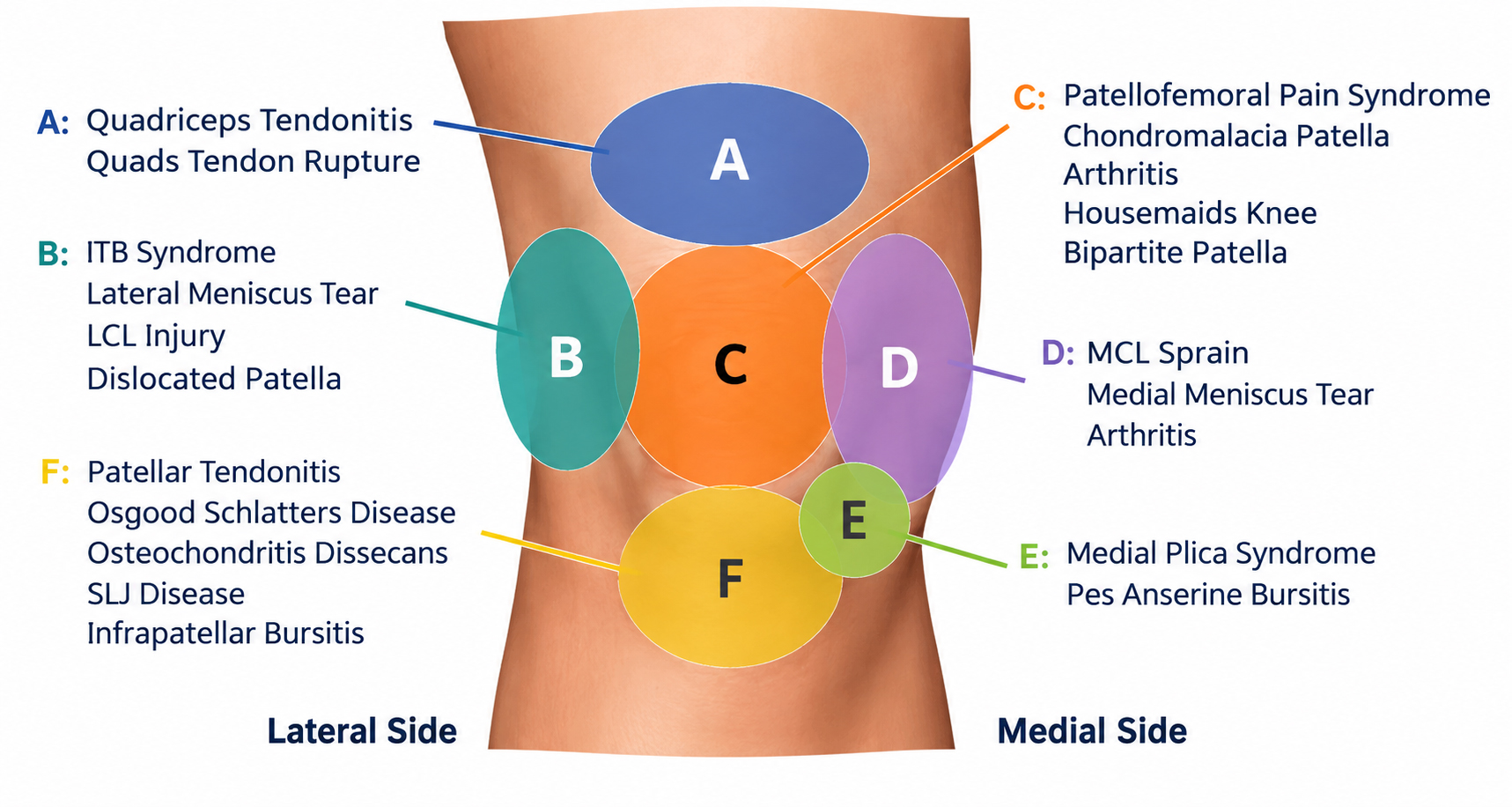
Knee Pain in Coburg
Knee pain is a common form of injury and can affect people of all ages [...]
Continue readingSep

Blog
Post-Surgery MLD Melbourne – Vodder MLD Therapist
Any form of surgery is an invasive procedure for the body to deal with, and [...]
Continue readingSep

Feb
Embark on a journey of tranquility and self-awareness with Melbourne Massage and Treatment. Our unique approach to massage therapy not only soothes your physical aches but also enhances your mental clarity and mindfulness. In today’s fast-paced world, finding a moment of peace can be a challenge. At Melbourne Massage and Treatment, we believe in the power of massage therapy to not only relieve physical tension but also to elevate your mental state, fostering a sense of mindfulness that resonates through every aspect of your life. The Essence of Mindfulness in Massage Mindfulness, the art of being fully present in the moment, is a skill that can transform your daily experiences. Our massage therapies are designed to guide you into this state of heightened awareness, allowing you to connect deeply with your inner self. Enhanced Awareness: Through our tailored massage sessions, you’ll become more attuned to your body’s needs and responses. Stress Reduction: As cited in Harvard Health, massage therapy is a proven method to reduce stress and anxiety, paving the way for mindfulness. Improved Mental Clarity: A relaxed body leads to a clear mind, setting the perfect stage for mindful thinking. Our Specialised Services At Melbourne Massage and Treatment, we offer a variety of services that cater to your unique needs. From Remedial Massage to Myotherapy, each therapy is a step towards a more mindful you. Discover the benefits of Thai Yoga and Manual Lymphatic Drainage (MLD), as you embark on this journey of self-discovery and wellness. Integrating Mindfulness into Everyday Life Our approach goes beyond the massage table. We believe in empowering you with techniques to incorporate mindfulness into your daily routine. The Melbourne Massage and Treatment Experience Our clients often report a profound sense of relaxation and mental clarity post-session. Giovanni, a qualified Myotherapist, combines Western and Eastern massage principles to deliver a massage experience that’s second to none. His expertise and passion for client-focused care are evident in every treatment. The Synergy of Mindfulness and Massage At Melbourne Massage and Treatment, we understand that the body and mind are intricately connected. Our massage therapies are not just physical treatments; they are holistic experiences that harmonise your mental and physical well-being. A Holistic Approach: Our treatments are more than just muscle manipulation. They are a blend of therapy and mindfulness practice, designed to align your body and mind. This holistic approach to wellness is supported by insights from Psychology Today, which highlights the profound impact of integrating physical and mental health practices for overall well-being. Personalised Sessions: Each session at Melbourne Massage and Treatment is tailored to your individual needs, ensuring a unique experience that addresses both physical discomfort and mental stress. The importance of such personalised care in massage therapy, as endorsed by leading health authorities like the Mayo Clinic, cannot be overstated. Their insights affirm that customised massage sessions play a crucial role in effectively managing stress and enhancing overall well-being. Mindful Techniques: We incorporate mindful breathing and relaxation techniques into our massages, enhancing the therapeutic effects and promoting mental clarity. The Power of Touch in Mindfulness Touch, a fundamental aspect of massage therapy, plays a crucial role in fostering mindfulness. The physical connection established during a massage can have profound effects on the mind. Enhanced Sensory Awareness: The gentle touch of a skilled therapist can heighten your sensory awareness, bringing you into the present moment. Emotional Release: Touch can also be a powerful tool for emotional release, helping to alleviate mental burdens and enhance emotional well-being. Creating a Mindful Environment Our treatment space at Melbourne Massage and Treatment is designed to be a sanctuary of tranquility. From the calming ambiance to the soothing music, every element is carefully chosen to enhance your mindfulness journey. Tranquil Ambiance: The serene environment of our treatment rooms sets the stage for a mindful experience. Soothing Sounds: Soft, rhythmic music and natural sounds play in the background, aiding in relaxation and mental focus. The Role of Aromatherapy Aromatherapy is another key component of our mindful massage experience. The use of essential oils can significantly boost the effectiveness of massage in promoting mindfulness. Stress Reduction: Certain scents, like lavender and chamomile, are known for their stress-relieving properties. Mood Enhancement: Aromas like citrus and peppermint can uplift your mood and enhance mental clarity. Mindful Movement: Beyond the Massage Table Our commitment to mindfulness extends beyond massage therapy. We offer guidance in mindful movement practices such as Thai Yoga, which can be a powerful tool for maintaining mindfulness in daily life. Body-Mind Connection: Practices like Thai Yoga strengthen the connection between body and mind, enhancing overall mindfulness. Stress Management: Regular participation in these classes can help manage stress and improve mental well-being. The Science Behind Mindfulness and Massage The benefits of combining massage therapy with mindfulness, as part of a comprehensive treatment plan, are backed by science. Research has shown that massage can significantly reduce cortisol levels, the body’s primary stress hormone, while increasing levels of serotonin and dopamine, neurotransmitters associated with happiness and relaxation. Reduced Cortisol Levels: Lowering cortisol through massage can alleviate stress and anxiety, promoting a more mindful state. Increased Serotonin and Dopamine: These neurotransmitters enhance feelings of well-being, crucial for a mindful approach to life. Client Experiences: Testimonials of Transformation Our clients often share stories of transformation, highlighting how our massage therapies have not only relieved their physical ailments but also brought a newfound sense of mindfulness into their lives. Real-Life Stories: From reduced anxiety to improved focus, our clients’ experiences underscore the power of our mindful massage approach. Personal Growth: Many clients report a greater sense of self-awareness and emotional balance after incorporating our therapies into their routine. Continuing Your Mindfulness Journey Our goal at Melbourne Massage and Treatment is to equip you with the tools and knowledge to continue your mindfulness journey outside our treatment rooms. We offer resources and advice on how to integrate mindfulness practices into your everyday life, many of which are detailed in our blog. Here, you’ll find a wealth of information […]
Jan
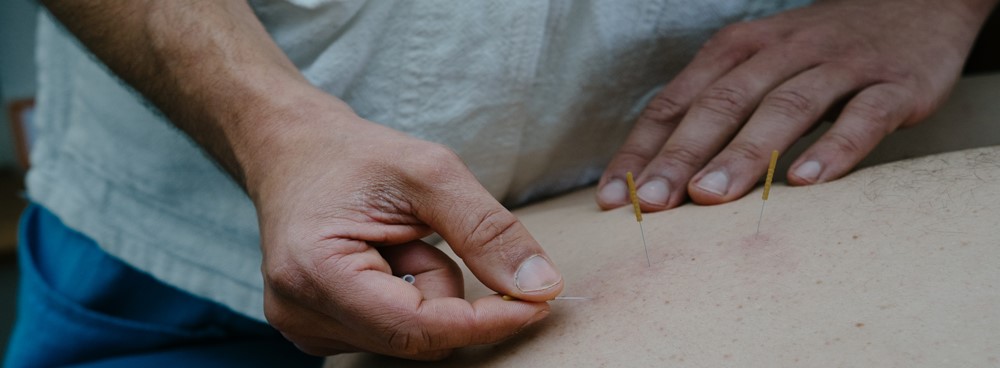
Chronic back pain can be a relentless and debilitating condition, significantly impacting daily life. At Melbourne Massage and Treatment, we recognise the profound effects of this ailment. Myotherapy, with its holistic approach, offers a beacon of hope for those suffering. This article delves into how Myotherapy can be a game-changer in managing and alleviating chronic back pain. Understanding Chronic Back Pain Chronic back pain is a persistent ailment that affects many individuals, significantly impacting their quality of life. It can be caused by various factors, including lack of movement, lifestyle, or underlying health conditions. To understand more about our approach and philosophy in treating such conditions, you can read about us and our dedicated team’s expertise in managing chronic back pain. The Myotherapy Difference Myotherapy is a form of physical therapy that focuses on the assessment, treatment, and rehabilitation of musculoskeletal pain and associated pathologies. Here’s how it stands out: Targeted Muscle Relief: Myotherapy involves techniques like massage, stretching, and dry needling, MET, mobilisation, targeting specific muscle groups and joints to relieve pain. Holistic Approach: It looks at the whole body, understanding that pain in one area can affect the entire musculoskeletal system. How Myotherapy Helps with Chronic Back Pain Pain Management: Myotherapy techniques help in reducing muscle tension, stiff joints and pain. Improving Mobility: Working on joints and tight muscles enhances the range of motion and flexibility. Correcting Postural Imbalances: It addresses the root cause of pain, often linked to a lack of strength and mobility. Myotherapy at Melbourne Massage and Treatment At Melbourne Massage and Treatment, our myotherapy sessions are tailored to individual needs, ensuring a comprehensive approach to managing back pain. Our services include: Personalised Treatment Plans: Each session is customised to address your specific pain points. Expert Care: Our qualified myotherapists use a combination of techniques for optimal results. The Science Behind Myotherapy Research supports the effectiveness of myotherapy in managing chronic pain. Studies, such as those found on PubMed, highlight the positive impact of massage therapy on chronic back pain. Incorporating Myotherapy into Your Wellness Routine Myotherapy can be a regular part of your health regimen. Regular sessions can help in maintaining muscle health and preventing the recurrence of pain. Delving Deeper into Myotherapy’s Techniques Myotherapy doesn’t just scratch the surface; it dives deep into the layers of muscle and connective tissue, addressing the complexities of chronic back pain. Here’s a closer look at the techniques used in Myotherapy and how they contribute to alleviating back pain: Trigger Point Therapy Targeting Knots: Myotherapy effectively identifies and treats trigger points – tight knots in muscles that cause and refer pain. Relief and Release: Applying pressure to these points helps release tension, offering relief from pain and discomfort. Dry Needling Pinpoint Precision: This technique involves inserting fine needles into specific points, targeting muscle knots and tight bands. Stimulating Healing: Dry needling stimulates blood flow and healing, reducing muscle tightness and pain. Massage Therapy Beyond Relaxation: While massage is known for its relaxing properties, in Myotherapy, it serves a therapeutic purpose. Discover the benefits of Massage Therapy on Enhanced Circulation: Massage improves blood circulation, helping to reduce muscle stiffness and enhancing tissue repair. Corrective Exercises Strengthen and Stabilise: Myotherapists often prescribe exercises to strengthen muscles and improve mobility. Long-term Benefits: These exercises ensure the benefits of Myotherapy extend beyond the treatment room, offering long-term pain management. The Role of Myotherapy in Holistic Health Myotherapy doesn’t operate in isolation. It’s part of a holistic approach to health, complementing other treatments and lifestyle changes. Here’s how it fits into the bigger picture: Complementary to Medical Treatments: Myotherapy can be an adjunct to medical treatments for back pain, enhancing outcomes. Lifestyle Integration: Advice on posture, ergonomics, and lifestyle modifications is often part of a myotherapy treatment plan. Understanding the Causes of Chronic Back Pain To effectively treat chronic back pain, understanding its root causes is crucial. Chronic pain is defined as a 6-month or more pain condition, indeed Myotherapy looks at various factors: Physical Triggers: These include lack of movement, injury, or repetitive strain. Lifestyle Factors: A sedentary lifestyle, stress, and poor ergonomic practices can contribute to chronic back pain. Underlying Medical Conditions: Conditions like arthritis or disc problems can also be at the heart of chronic back pain. The Myotherapy Experience at Melbourne Massage and Treatment When you visit Melbourne Massage and Treatment, you’re stepping into a world where your health and well-being are the top priorities. Here’s what to expect: Initial Assessment: Your myotherapy journey begins with a thorough assessment to understand your specific pain points and medical history. Tailored Treatment Plan: Based on the assessment, a personalised treatment plan is crafted, targeting your unique needs. Ongoing Support and Care: Our commitment to your health extends beyond the therapy sessions, with ongoing support and advice. The Impact of Myotherapy on Daily Life The benefits of Myotherapy extend into various aspects of daily life: Improved Mobility: Enhanced flexibility and range of motion make daily activities easier and more enjoyable. Reduced Pain and Discomfort: Regular myotherapy sessions can lead to a significant reduction in pain levels. Enhanced Well-being: The relief from pain and improved mobility contribute to an overall sense of well-being. Myotherapy: A Journey to Better Health Myotherapy is more than a treatment; it’s a journey towards a healthier, more active life. It’s about empowering individuals to take control of their pain and improve their quality of life. Empowerment Through Education: Understanding your body and how to care for it is a key component of Myotherapy. A Proactive Approach to Health: Myotherapy encourages a proactive stance towards managing health, rather than a reactive one. The Science and Research Supporting Myotherapy The efficacy of Myotherapy is backed by research and scientific studies. Resources like this study from Rusin et al. (2021) provide insights into the latest findings in pain management and the role of therapies like Myotherapy. Integrating Myotherapy into Your Wellness Regimen Incorporating Myotherapy into your regular wellness routine can have profound effects: Regular Sessions for Ongoing Relief: Consistent […]
Dec
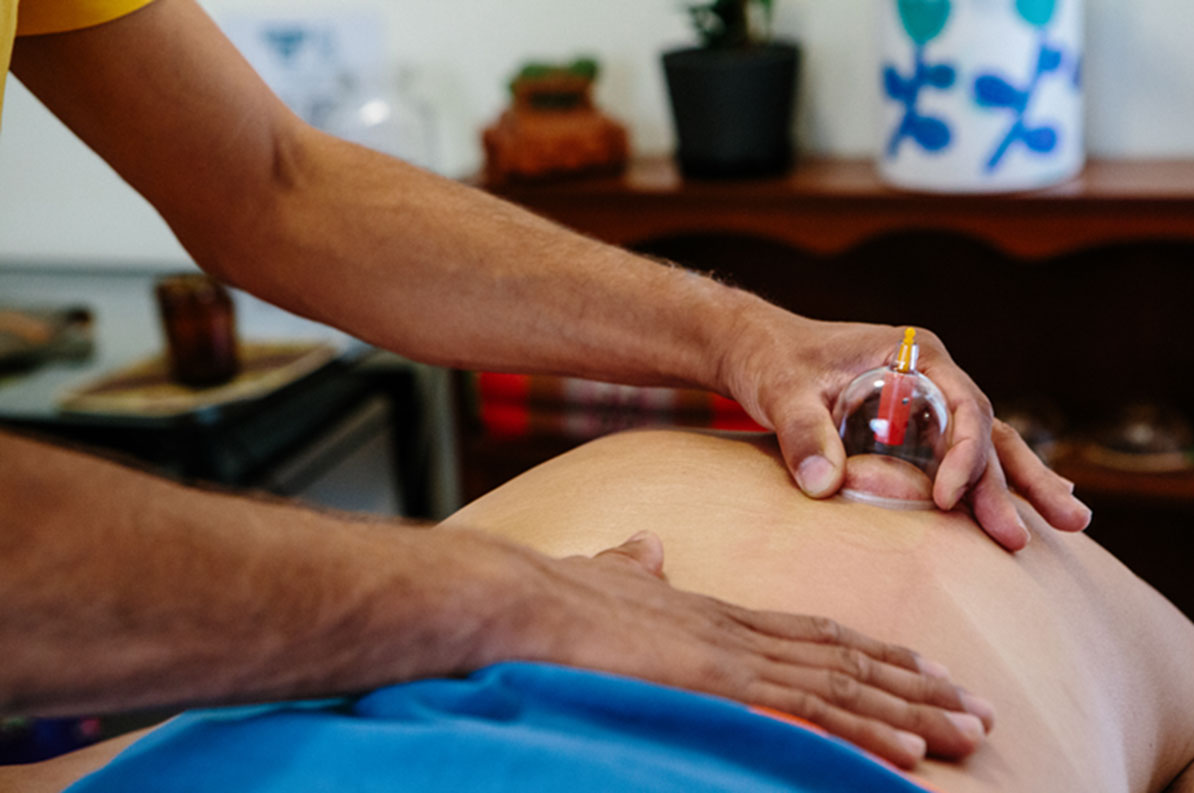
Remedial massage is often viewed merely as a method to unwind, but it’s much more than a mere relaxation technique. This therapeutic form of massage delves deep into the muscles, releasing tension and correcting imbalances caused by stress, physical activity, or posture issues. It’s not just about feeling good; it’s about fostering lasting physical improvements. At Melbourne Massage and Treatment, we believe that remedial massage offers far more than just a chance to relax. It’s a journey into rejuvenating your body, restoring balance, and enhancing your overall well-being. What is Remedial Massage? Remedial massage is a targeted form of therapy that addresses specific areas of tension, pain, or injury within the body. Therapists at Melbourne Massage and Treatment are skilled in identifying and treating the root causes of your discomfort, employing a variety of techniques to promote healing and recovery. The Benefits Beyond Relaxation Pain Relief: Remedial massage can alleviate chronic pain by targeting the underlying causes, such as muscle tension or imbalances. Improved Mobility: Regular sessions can enhance flexibility and range of motion, crucial for athletes and those with sedentary lifestyles. Stress Reduction: While relaxation is a given, the stress-reducing effects of remedial massage extend to lowering cortisol levels and improving mental well-being. Research published in the journal Frontiers in Psychology demonstrates that massage therapy can significantly reduce cortisol levels and contribute to reduced stress. Better Posture: Ongoing treatment can correct postural imbalances, reducing the strain on your body and preventing future issues. A Tailored Approach Every session at Melbourne Massage and Treatment is unique. Our therapists tailor their approach to your specific needs, ensuring the most effective treatment for your individual situation. From sports injuries to office-induced strain, we’ve got you covered. Our About Page offers more insights into the journey. The Melbourne Massage and Treatment Difference Our dedication to holistic, client-focused care sets us apart. We’re not just about providing a service; we’re about building a partnership in your health journey. Deep Dive into Remedial Massage Techniques Our therapists at Melbourne Massage and Treatment utilise an array of techniques, each with its own benefits: Deep Tissue Massage: Targets the deeper layers of muscle tissue, ideal for chronic pain and tightness. Myofascial Release: Focuses on releasing muscular shortness and tightness, offering relief from various conditions. Trigger Point Therapy: Aims to alleviate muscle knots that cause pain and discomfort in other parts of the body. Lymphatic Drainage: Enhances the body’s natural detoxification process, boosting immune function. These techniques are not just random choices; they’re carefully selected based on your personal health history, current condition, and therapeutic goals. Understanding The Science Behind The Therapy Research underpins the effectiveness of remedial massage. For instance, a study published in the Journal of Alternative and Complementary Medicine found that remedial massage significantly reduces pain in patients with chronic neck pain. Another research, as highlighted by the Mayo Clinic, indicates that massage therapy can improve circulation, contributing to better overall cardiovascular health. Personalised Care and Assessment At Melbourne Massage and Treatment, we believe in a holistic approach. Before beginning any treatment, our therapists conduct a thorough assessment to understand your needs. This may include discussing your medical history, lifestyle, and any specific concerns or goals you have. This initial conversation is key to tailoring the session to offer you the most benefit. Integrating Remedial Massage into Your Wellness Routine Incorporating remedial massage into your regular wellness routine can significantly improve your quality of life. Whether you’re dealing with chronic pain, recovering from an injury, or simply seeking to maintain good health, regular massage therapy can be a vital component of your overall health strategy. The Role of Remedial Massage in Managing Stress The mental health benefits of remedial massage are just as important as the physical ones. In today’s fast-paced world, stress is a common ailment. Remedial massage can be a powerful tool in managing stress, promoting relaxation, and improving sleep quality. This, in turn, can have a positive impact on your overall mental health. Research from the International Journal of Neuroscience has found that massage therapy can lead to significant reductions in levels of the stress hormone cortisol, by up to 31%. For Athletes: Performance and Recovery Athletes, both amateur and professional, can greatly benefit from remedial massage. Not only can it aid in recovery post-competition or training, but it can also be used proactively to enhance performance, improve flexibility, and reduce the risk of injury. Office Workers: Combatting The Sedentary Lifestyle The modern office lifestyle can lead to a range of musculoskeletal issues, particularly in the neck, back, and shoulders. Regular remedial massage can help alleviate these symptoms, correct postural issues, and prevent long-term problems. A report from the World Health Organization highlights that musculoskeletal disorders are among the most significant health problems for office workers, largely due to prolonged sitting and computer use. Remedial massage can play a key role in addressing these conditions. Aiding Recovery from Injuries If you’re recovering from an injury, remedial massage can play a crucial role in your rehabilitation. By improving circulation and flexibility, and reducing scar tissue, it can speed up the healing process and help you return to your normal activities more quickly. Beyond The Physical: The Emotional Connection Massage therapy is not just about the physical manipulation of muscles and tissues. There’s a profound emotional component to touch that can help in alleviating anxiety and depression, offering a sense of comfort and care that is essential for emotional well-being. Safety and Professionalism at Melbourne Massage and Treatment Your safety and comfort are our top priorities. All our therapists are professionally trained and adhere to the highest standards of practice. We ensure that every treatment is not only effective but also safe and aligned with the best industry practices. Maintaining Your Health Post-Massage Our commitment to your health extends beyond the massage session. We offer guidance on exercises, stretches, and lifestyle adjustments to help maintain the benefits of your treatment and prevent future issues. Visit our blog for more detailed information.. The Community We Serve […]

Dec
Headaches, a common ailment affecting numerous individuals, can range from mild discomfort to severe pain. While various treatments are available, massage therapy has emerged as a highly effective approach for relieving headache symptoms. In this comprehensive guide, we explore the nuances of massage therapy and its role in mitigating headache-related discomfort. At Melbourne Massage and Treatment, we understand the debilitating impact of headaches on your daily life. This article delves into the effectiveness of massage therapy as a potent remedy for alleviating headache symptoms. Understanding Headaches Headaches can be triggered by a myriad of factors, including stress, tension, and medical conditions. The pain experienced can vary in intensity and duration, making it essential to understand the underlying causes to tailor an effective treatment plan. Massage Therapy: A Holistic Approach Massage therapy is not just about relaxation; it’s a holistic treatment that addresses the root causes of headaches. By focusing on key areas such as the neck, shoulders, and scalp, massage therapy can reduce muscle tension, improve circulation, and promote overall wellbeing. Techniques That Make a Difference Swedish Massage: Ideal for stress-related headaches, this technique uses gentle strokes to soothe tense muscles. Deep Tissue Massage: Targets deeper muscle layers, beneficial for chronic headaches. Trigger Point Therapy: Focuses on specific pain points to alleviate tension headaches. The Science Behind Massage and Headaches Research has consistently shown the positive effects of massage therapy on headache symptoms. According to studies, regular massage sessions can significantly reduce the frequency and severity of headaches. According to studies, regular massage sessions can significantly reduce the frequency and severity of headaches. Integrating Massage into Your Lifestyle Incorporating massage therapy into your routine can be a game-changer for managing headaches. At Melbourne Massage and Treatment, we offer personalized sessions tailored to your specific needs. The Melbourne Massage and Treatment Difference Our team of expert therapists employs a variety of techniques to ensure the most effective treatment for your headaches. The Role of Regularity in Massage Therapy Understanding the importance of consistency in massage therapy is crucial. Regular sessions can lead to more significant and lasting relief from headache symptoms. This doesn’t mean daily appointments; even a bi-weekly or monthly schedule can make a substantial difference in managing headache severity and frequency. Tailoring Massage to Individual Needs Every individual experiences headaches differently, necessitating a personalized approach to massage therapy. Our therapists at Melbourne Massage and Treatment take into account your specific symptoms, headache patterns, and lifestyle factors to create a customised treatment plan. Key Considerations for Personalised Therapy Type of Headache: Tailoring techniques to target tension, migraine, or cluster headaches. Intensity and Frequency: Adjusting the massage approach based on the severity and regularity of your headaches. Personal Preferences: Incorporating your preferred pressure levels and focusing on specific areas of discomfort. Complementary Practices to Enhance Massage Benefits While massage therapy is effective on its own, combining it with other healthy practices can amplify its benefits. Consider incorporating these into your routine: Hydration: Keeping well-hydrated helps in reducing headache frequency and intensity. Stress Management: Practices like meditation or yoga can complement the stress-relieving benefits of massage. Regular Sleep Patterns: Adequate sleep is essential for headache prevention and overall health. Understanding the Limitations It’s important to recognise that massage therapy, while beneficial, is not a panacea. In some cases, headaches may require medical attention, especially if they are symptomatic of a more serious condition. Always consult with healthcare professionals for persistent or severe headaches. The Journey Towards a Headache-Free Life Embarking on a massage therapy journey can be a transformative experience. Many of our clients at Melbourne Massage and Treatment report not only a reduction in headache symptoms but also an overall improvement in their quality of life. Client Experiences Our clients’ stories speak volumes about the impact of our massage therapy services. Read their testimonials here to understand how we’ve helped others in their journey towards wellness. Integrating Massage Therapy into Your Healthcare Regimen We believe in a holistic approach to health at Melbourne Massage and Treatment. Incorporating massage therapy as a regular part of your healthcare regimen can lead to sustained improvement in not just headache relief but also in overall well-being. Navigating Insurance and Healthcare Plans Many health insurance plans now recognise the benefits of massage therapy. Check with your provider to understand coverage options and how you can incorporate massage therapy into your healthcare plan. Keeping Informed: The Latest in Massage Therapy Research Staying updated with the latest research in massage therapy ensures that our services remain at the forefront of effective headache treatments. We continually adapt and improve our techniques based on cutting-edge studies and findings. Educational Resources For those interested in learning more about the science behind massage therapy and its benefits for headache relief, we recommend exploring resources like Healthline and The Migraine Trust. The Path Forward with Melbourne Massage and Treatment At Melbourne Massage and Treatment, we are committed to helping you manage your headaches and improve your overall wellness. Our team of skilled therapists is here to guide you through each step, offering support, expertise, and personalised care. Enhancing Wellness Beyond Headache Relief While the primary focus of massage therapy at Melbourne Massage and Treatment is often on alleviating headache symptoms, its benefits extend far beyond. Regular massage sessions not only address the immediate discomfort of headaches but also contribute significantly to overall wellness. The Holistic Benefits of Massage Improved Sleep Quality: Massage therapy promotes relaxation, leading to better sleep patterns. Good sleep is crucial for health and plays a role in headache prevention. Stress Reduction: By lowering stress levels, massage therapy can prevent the onset of stress-related headaches and improve mental clarity. Increased Circulation: Improved blood flow from massage can aid in the efficient delivery of oxygen and nutrients to body tissues, enhancing overall health. Conclusion Massage therapy offers a natural, therapeutic approach to combating headaches. At Melbourne Massage and Treatment, we’re dedicated to providing tailored treatments to enhance your quality of life. To explore how massage therapy can benefit you, get […]

Oct
When it comes to enhancing our overall well-being, there’s an extraordinary activity that might be just the ticket. It’s a blend of the fluid movements of yoga and the holistic traditions of Thai massage. We’re talking about Thai Yoga. Right here at Melbourne Massage and Treatment, we offer this unique experience, combining therapeutic practices that promise a multitude of benefits. Let’s delve into the world of Thai Yoga and understand how it can be a game-changer for your health. Mind-Body Connection Thai Yoga is more than just a series of poses. It fosters a deep connection between the mind and body. As you progress through each session, you’ll notice a stronger bond forming between your thoughts and your physical movements, giving you a heightened awareness of yourself. Enhanced Flexibility Unlike traditional yoga, Thai Yoga integrates stretching exercises that specifically aim to improve your flexibility. Regular sessions can lead to improved posture and ease of movement. Stress Reduction Studies from the Australian Department of Health have highlighted the importance of stress reduction for overall health. Thai Yoga can be a vital tool in your stress-relief toolkit, promoting relaxation and mental clarity. Muscle Relaxation With its roots in Thai massage, this form of yoga ensures that your muscles are not only stretched but also massaged and relaxed. This dual approach ensures that tension is released, promoting better muscle health. Improved Blood Circulation The movements involved in Thai Yoga enhance blood flow. According to Better Health Channel, good circulation can lead to improved organ function and better skin health, among other benefits. A Deep Sense of Calm By the end of a session, many individuals report a profound sense of calm and tranquillity, echoing the findings of numerous studies linking yoga practices with mental well-being. Tailored to You Here at Melbourne Massage and Treatment, our Thai Yoga classes are tailored to suit individual needs. Whether you’re a beginner or an advanced practitioner, we ensure that you get the most out of every session. Joint Health and Mobility One of the lesser-known benefits of Thai Yoga is its positive impact on joint health. The controlled movements and stretches, combined with the massage techniques, work harmoniously to lubricate joints and increase their range of motion. This can be especially beneficial for those suffering from arthritis or other joint issues. Arthritis Australia even mentions the importance of regular movement for joint health. Holistic Wellness The traditions of Thai massage are deeply rooted in the concept of holistic wellness. It’s not just about the physical benefits; Thai Yoga also offers emotional and mental perks. The sequences performed in Thai Yoga not only balance the body but also the mind, aligning with the principles of holistic health championed by institutions like the National Wellness Institute of Australia. Detoxification Benefits Did you know that Thai Yoga can help detoxify your body? The combination of stretching and massage techniques can stimulate the lymphatic system, promoting the removal of toxins from the body. Coupled with our detox treatments, you can amplify these effects for a cleaner, healthier system. Cultural Experience Thai Yoga is not just a practice; it’s an immersion into Thai culture. The traditions, the philosophies, and even the sequences have rich historical significance. Engaging in Thai Yoga is like taking a cultural journey, understanding the Thai way of life and well-being. Personal Growth and Development It’s amazing how much personal growth can come from dedicating time to practices like Thai Yoga. As you journey through the poses and techniques, you’ll likely discover more about yourself — your strengths, your limits, and areas of your life that you can improve. Our personal development sessions can complement this growth, offering guidance and insights into your journey of self-discovery. Enhanced Sleep Quality Many of our students have reported better sleep after attending Thai Yoga sessions. The relaxation and stress-relief benefits of Thai Yoga naturally contribute to better sleep patterns. Improved sleep has a cascade of health benefits, as outlined by the Sleep Health Foundation. Community and Connections At Melbourne Massage and Treatment, one of the added benefits of joining our Thai Yoga classes is the sense of community. Our classes foster connections and friendships, adding a social aspect to the myriad of health benefits. Supports Weight Management While it may not be as rigorous as a high-intensity workout, Thai Yoga can support weight management. The consistent movement, combined with the muscle engagement required in the poses, can help burn calories and promote lean muscle growth. For those looking for a more intensive weight management plan, our weight management services can provide a comprehensive approach. Improves Digestion The twisting, turning, and stretching involved in Thai Yoga can have a positive effect on digestion. These movements massage internal organs, aiding in the digestion and absorption of food. Moreover, stress is known to cause digestive issues, so the stress-relief provided by Thai Yoga indirectly benefits digestion as well. Enhances Respiratory Function Deep breathing is an integral part of any yoga practice, and Thai Yoga is no exception. This focus on breath helps enhance respiratory function, leading to improved oxygenation of the body. This is particularly important in urban environments, where air quality can be compromised. Promotes Skin Health With improved blood circulation comes better skin health. The increased blood flow nourishes skin cells, promoting a radiant glow. Pair this with our skin treatments, and you’re on your way to achieving flawless skin. Conclusion The benefits of Thai Yoga are vast and varied. It’s not just an exercise; it’s a journey of self-discovery and wellness. So, if you’re looking to rejuvenate your mind, body, and spirit, it’s time to explore Thai Yoga classes with us. Get in touch with Melbourne Massage and Treatment today and embark on a transformative journey. Frequently Asked Questions: Q1: What exactly is Thai Yoga? Thai Yoga is a combination of yoga and Thai massage, focusing on stretching, movement, and therapeutic touch. Q2: How often should I attend Thai Yoga classes for optimal benefits? Ideally, attending 2-3 times a week can […]

Oct
Lymphatic drainage massage might sound like a mouthful, but it’s a technique with many fantastic benefits. At Melbourne Massage and Treatment, we know the magic it can work on the body. This article dives into its incredible perks, and how it could change your well-being for the better. Boosts Immunity Lymphatic drainage massage can supercharge our body’s natural defence mechanism. The lymph system works overtime to remove waste and toxins. Giving it a gentle nudge with a massage can help it work more effectively. Check out this report by the Australian Department of Health on improving general well-being. Reduces Swelling Ever suffered from swelling or water retention? This massage can help reduce these symptoms, making you feel lighter and more comfortable. Learn more about swelling from the Better Health Channel, an Australian government initiative. Enhances Skin Health A radiant skin isn’t just about what products you apply. A proper lymph flow can remove impurities and rejuvenate your skin, giving it a natural glow. Here’s a guide by Dermatology Australia discussing skin health. Promotes Relaxation Who doesn’t love to feel relaxed and rejuvenated? This massage technique doesn’t just benefit the body but also soothes the mind. Explore more relaxation techniques from the Australian Psychological Society. Supports Weight Loss Paired with a healthy lifestyle, lymphatic drainage massage can also support your weight loss journey by improving metabolism and eliminating waste. The Science Behind Lymphatic Drainage Massage When we think of massages, the first image that often comes to mind is a serene spa setting with calming music in the background. However, the lymphatic drainage massage goes beyond mere relaxation; it’s backed by solid science. The lymphatic system, comprising a network of and vessels, plays a pivotal role in our body’s defence. It acts as a filtering mechanism, ridding our body of toxins and waste. The Australian Medical Association states that the healthy functioning of our lymphatic system is crucial to our overall health. A lymphatic drainage massage uses gentle, rhythmic movements to stimulate the flow of lymph. The procedure can be likened to gently guiding rivers of life-giving fluid along their natural pathways, ensuring optimal functioning of the system. Lymphatic Drainage Massage for Athletes It’s not just those looking for relaxation or detoxification that can benefit from this massage. Athletes, both professional and amateur, can reap significant advantages. After intense training sessions or events, the body may retain fluids or develop minor swelling. By assisting the body in removing these excess fluids and accelerating the removal of waste products, the lymphatic drainage massage can significantly reduce recovery times. Many Australian sports teams, recognised by the Australian Institute of Sport, have incorporated these massages into their recovery protocols, attributing faster return-to-play times to this therapy. Aesthetic and Cosmetic Benefits Beyond health and athletic performance, lymphatic drainage massage offers aesthetic benefits too. Today’s world sees a growing trend in non-invasive treatments for beauty and well-being, with many Australians opting for natural solutions to look and feel their best. One such popular procedure is liposuction. Post-surgery, patients often experience swelling. The lymphatic drainage massage can be a valuable post-operative tool, as highlighted by the Australasian College of Cosmetic Surgery. By reducing swelling, pain, and the risk of complications, the massage facilitates smoother and faster recovery. Moreover, the increased lymph flow resulting from the massage can lead to brighter and more radiant skin, as the removal of toxins can help reduce puffiness and rejuvenate the skin’s appearance. Mind-Body Connection While we’ve delved into the physical benefits, it’s vital to acknowledge the mental and emotional perks of the lymphatic drainage massage. The Australian Psychological Society emphasises the importance of holistic well-being, where the mind and body are interconnected. The gentle touch and rhythmic movements during the massage can induce a deep state of relaxation, reducing stress and anxiety levels. This mental calmness has a ripple effect on the body, promoting better sleep, improved digestion, and an overall sense of well-being. Guidance and Training For those interested in learning more about the lymphatic system and the specific techniques used in its massage, several institutions in Australia offer courses. The Australian Traditional Medicine Society provides resources and training for holistic treatments, including the lymphatic drainage massage. Considerations Before Your Session While lymphatic drainage massage offers numerous benefits, it’s essential to approach it with some considerations: Consultation: Always have a chat with your therapist at Melbourne Massage and Treatment beforehand. They can offer guidance tailored to your individual needs. Hydration: Drinking water before and after the session can help in the effective elimination of toxins. Frequency: Depending on your goals (be it relaxation, recovery, or cosmetic benefits), the frequency of your sessions might vary. Health Conditions: If you have medical conditions, especially related to the heart or circulation, always consult a healthcare professional before booking a session. Expanding Horizons: Beyond the Traditional While the traditional lymphatic drainage massage continues to be popular, there’s a growing interest in combining it with modern technology. Machines and devices, approved by the Therapeutic Goods Administration (TGA) of Australia, are now available, offering an enhanced massage experience. These tools can provide a deeper and more consistent pressure, leading to potentially improved results. However, whether you opt for the manual massage or its technologically advanced counterpart, the underlying principle remains the same: guiding and stimulating the flow of lymph to promote better health, both inside and out. Embracing The Lymphatic Journey Australia’s rich tapestry of natural beauty, from its sprawling beaches to its lush hinterlands, is reminiscent of the intricate network of our lymphatic system. Just as we need to care for our environment, so too must we nurture our body’s natural systems. In a world that’s continually moving at a fast pace, pausing to embrace treatments like the lymphatic drainage massage is not just a luxury; it’s a necessity. The journey towards better health, enhanced physical appearance, and mental tranquillity awaits. So, why wait? Dive into the lymphatic experience and let the waves of relaxation wash over you. Conclusion With numerous benefits to […]

Oct
Choosing the right massage treatment is pivotal to address individual health concerns and relaxation needs. At Melbourne Massage and Treatment, we understand this necessity and endeavour to offer personalised services that cater to a diverse range of preferences. This article serves as a guide, aimed at simplifying the choice process for prospective clients, illustrating the benefits of various treatments and ensuring an enriching experience. Deciphering the Choices Massage treatments are varied, catering to different needs and preferences. It’s crucial to understand your requirements before opting for a service. Researching and opting for the most suitable treatment can result in enhanced wellbeing and revitalisation. 1. Remedial Massage Targets specific issues or areas of discomfort. Often recommended for individuals with chronic pain or tension. A systematic assessment and treatment of the muscles, tendons, ligaments, and connective tissues to assist in rehabilitation, pain, and injury management. 2. Deep Tissue Massage Addresses muscle pain and stiffness. Uses slow, deliberate strokes focusing on layers of muscles, tendons, or other tissues deep under your skin. 3. Sports Massage Beneficial for athletes. Focuses on areas of the body that are overused and stressed from repetitive and often aggressive movements. A Consultative Approach Identifying your health goals, lifestyle, and any underlying medical conditions is essential when choosing a massage treatment. A detailed consultation with the experts at Melbourne Massage and Treatment can provide insights and guide you to the right choice, ensuring optimal benefits. Always consider your comfort level, pain tolerance, and any specific areas that need attention. Research and References Informed decision-making is crucial. Referencing reliable sources like the Australian Government Department of Health and the National Health and Medical Research Council can provide credible information and insights into the most suitable massage treatments. Essential Considerations Type of Massage: From relaxation to therapeutic, determine what you seek from the massage. Therapist’s Expertise: Experienced therapists at Melbourne Massage and Treatment are skilled in diverse techniques to meet individual needs. Budget and Frequency: Determine the financial and time investment you are willing to make. Delving into Specific Needs Every individual is unique, bringing forth varied preferences, needs, and health conditions. Thus, a one-size-fits-all approach is not applicable in the realm of massage therapy. It’s crucial to consider individual requirements and desired outcomes when exploring massage treatments. Melbourne Massage and Treatment specialises in curating experiences that are as unique as you are, addressing your specific needs and concerns with utmost precision and care. Importance of Professional Advice Professional advice plays an indispensable role in ensuring that the chosen massage treatment aligns with your health goals and conditions. It allows for a tailored experience that is not only refreshing but also therapeutically beneficial. Our team of experienced therapists at Melbourne Massage and Treatment are equipped to provide informed suggestions, ensuring your massage experience is personalised, safe, and profoundly relaxing. Addressing Various Health Concerns Massage treatments are often sought for alleviating a range of health concerns, such as stress, muscle tension, pain, and fatigue. They can also offer remarkable benefits for those grappling with chronic conditions and those looking to enhance overall well-being. Remedial Massage Targets specific issues or areas of discomfort and is often recommended for individuals with chronic pain or tension. A systematic assessment and treatment of the muscles, tendons, ligaments, and connective tissues to assist in rehabilitation, pain, and injury management. Reflexology Applies pressure to specific points on the feet, hands, or ears, correlating to different body organs and systems, promoting health and balance. Aromatherapy Utilises essential oils to promote healing and a feeling of well-being and relaxation. The essential oils can be absorbed by the skin or inhaled. The Therapeutic Journey The journey of selecting the right massage treatment is intertwined with self-discovery. It is about exploring one’s needs, preferences, and health conditions. Every step, from consultation to the actual massage session, is a stride towards enhanced wellness and revitalisation. By delving into various treatments and embracing the therapeutic experiences they offer, individuals can unlock a world of relaxation and healing. The Harmony of Mind and Body A well-chosen massage treatment doesn’t only soothe the body but also the mind. It creates a harmonious balance, aiding in the alleviation of stress and anxiety. This harmony is pivotal in fostering a sense of holistic well-being and tranquillity. A symphony of the right techniques, expert hands, and serene environment can orchestrate an experience of rejuvenation and peace. Empowered Decision Making Information and awareness empower individuals to make informed decisions. By exploring and understanding the myriad of massage treatments available, and aligning them with individual needs and preferences, one can ensure an enriching and therapeutic experience. A visit to Australian Government’s HealthDirect provides credible information and advice on various health topics including massage treatments, ensuring you are well-informed and confident in your choices. Focused Well-being Approach At Melbourne Massage and Treatment, our approach is centred around the focused well-being of our clients. We consider every aspect, from individual health conditions to personal preferences, to curate a massage experience that is revitalising and enriching. It is our mission to facilitate a journey of wellness that is as unique and varied as our clientele, ensuring optimal satisfaction and health benefits. Remember, the journey to wellness is personal and profound. By aligning your choices with your needs and being open to exploring various treatments, you can embark on a transformative journey towards balanced well-being and rejuvenation, with Melbourne Massage and Treatment as your trusted companion. Conclusion Choosing the right massage treatment can significantly impact your overall wellness and quality of life. At Melbourne Massage and Treatment, we aim to facilitate this choice, offering expert advice and a range of treatments to cater to individual needs. Get in touch with us to explore the right treatment for you and embark on a journey towards enhanced wellbeing and rejuvenation. Frequently Asked Questions What is the most relaxing massage? Manual Lymphatic Drainage – MLD is often regarded as the most relaxing massage. How often should one get a massage? It depends on individual preferences, lifestyle, and […]
Sep
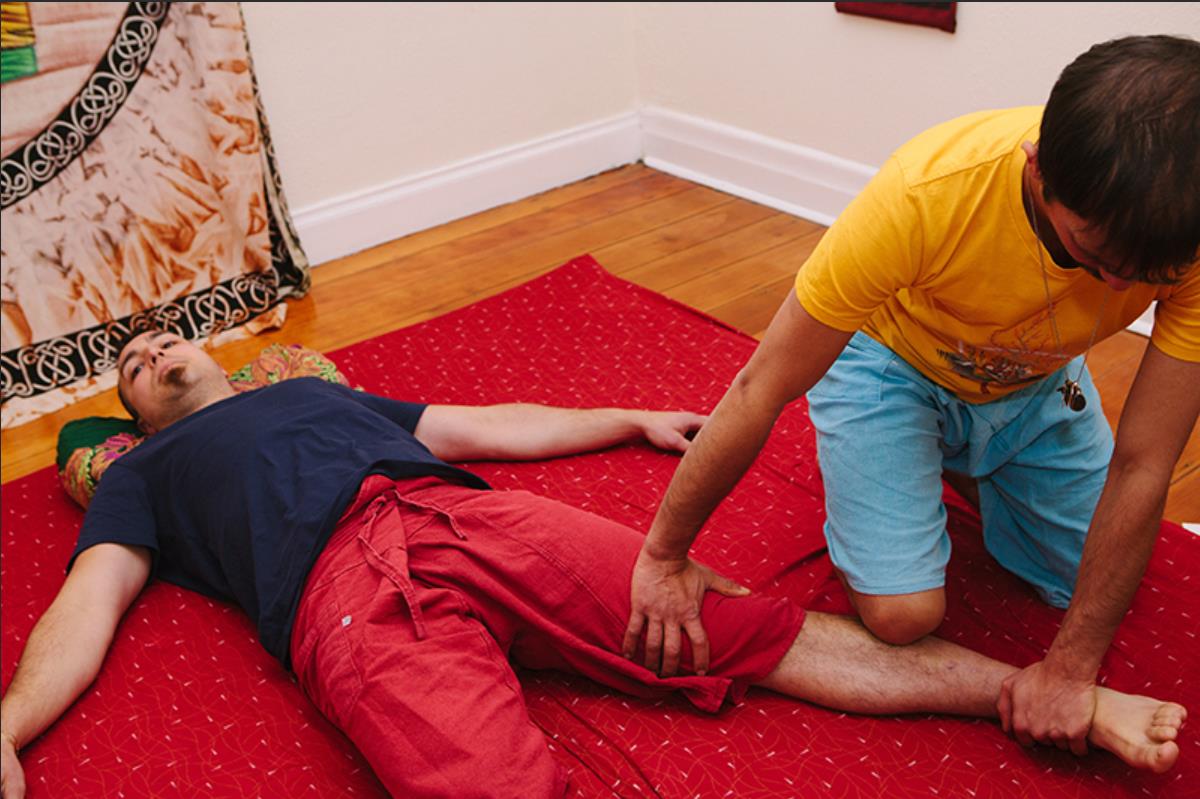
Are you ready to delve into the transformative world of Traditional Thai Massage? At Melbourne Massage and Treatment, we’re on a mission to bring the magic of this age-old therapy straight to you. Bursting with energy and a zest for rejuvenation, let us unravel the countless benefits this healing method holds for you. In this vibrant journey, we will unravel why Traditional Thai Massage is more than just a simple relaxation tool. What is Traditional Thai Massage? Traditional Thai Massage, a healing technique rooted in ancient Thai traditions, is more than just a simple massage. It is a holistic approach to well-being, harmonising the body and the mind. In this article, we will delve deep into its incredible benefits. We also invite you to explore the various treatment options available at our centre. Why Should You Try It? Physical Benefits: Improved Circulation: Picture your body as Melbourne’s roadways. Sometimes we get those annoying traffic jams. This massage helps “ease the traffic”, making everything flow better. Flexibility Boost: For all individuals engaged in athletic activities, undergoing Thai massage therapy can significantly enhance flexibility, thereby potentially improving performance and the execution of remarkable feats on the football field. Mental Perks: Stress Reduction: Studies from The Australian Government’s Department of Health suggest massage can significantly reduce stress. Mental Clarity: Just like clearing out an old storage room, this massage can help declutter the mind. Overall Wellness: Boosted Energy: Who needs five cups of coffee when you can get a natural increase in energy levels. Balanced Energy Lines: Thai massage aligns the body’s energy lines, creating a sense of balance. Remember to check out the treatments page for more awesome therapies on offer. The Technique: More Than Just Hands When you hear ‘massage’, the immediate image is hands pressing and kneading against a body. But Traditional Thai Massage uses much more. Therapists may use their elbows, knees, and even feet to apply varying pressures. Combine this with stretching, pulling, and rocking techniques, and it becomes a dynamic dance of energy and revitalisation. No wonder it’s often called “Thai Yoga Massage” The aim is to stretch muscles, open joints, and invigorate the flow of energy. After a session at Melbourne Massage and Treatment, you’re likely to leave feeling lighter, more agile, and in a pleasantly peaceful state of mind. The Integration with Modern Healthcare Gone are the days when massage was perceived as merely an indulgence. Today, Traditional Thai Massage is integrated into holistic health plans around the world, including Australia. Leading healthcare providers and even the Australian Physiotherapy Association recognise its therapeutic benefits. If you’re new to this world of Traditional Thai Massage, stepping into Melbally when dealing with muscle stiffness and mobility issues. Recognised by various health institutions, including the Australian Government’s Department of Health, it stands as a testament to the harmony of traditional wisdom and modern science. Considering the increasing interest in mental well-being, many psychologists recommend such holistic treatments as an adjunct to traditional therapy, citing its relaxation and mind-calming benefits. Sessions: What to Expect Melbourne Massage and Treatment might make you curious. Here’s a quick breakdown: Dress Code: Light, comfy clothing is the way to go. Think pyjamas or workout wear. Setting the Tone: Traditional Thai massages are generally on a mat on the floor rather than a raised table. This gives the therapist better leverage to perform stretches and manoeuvres. No Oils or Lotions: Unlike many other massages, Thai massage usually doesn’t involve oils or lotions. So, no greasy feeling post-session. Interactive Experience: It’s not a passive session. Be prepared for assisted stretches and being moved into various positions. Post-Massage: While there’s an immediate feeling of relaxation, the full benefits unfold over the next few days. Increased flexibility, improved sleep, and a clearer mind are just some of the perks to look forward to. Stress Reduction Traditional Thai Massage encourages relaxation, helping to reduce stress and its detrimental effects on the body and mind. As per the advice on the Mental Health website, regular relaxation can keep you in good health and upbeat spirits. Conclusion A Traditional Thai Massage is not just a massage; it’s a journey into a world of relaxation and revitalization, offering both physical and psychological benefits. It’s about holistic health, about merging the ancient and the modern for a revitalised self. Whether you’re a student swamped with assignments, a busy professional, or someone just looking to reconnect with themselves, this massage can be a transformative experience. We invite you to get in touch with our agency for a session that promises not just a massage, but a heavenly retreat right here in Melbourne. Frequently Asked Questions: Q1: What is a Traditional Thai Massage? A Traditional Thai Massage is a healing technique that involves stretching, pulling, and rocking techniques to relieve tension and enhance flexibility and range of motion. Q2: How does it differ from other massage techniques? Unlike other massage techniques, it does not involve oils or lotions. It is performed on a mat on the floor, with the client wearing comfortable clothes. Q3: What are the benefits of a Traditional Thai Massage? The benefits are vast, including muscle relaxation, improved flexibility, stress reduction, and better sleep patterns. Q4: Is it suitable for everyone? Most people can benefit, but always consult the therapists at Melbourne Massage and Treatment for personalised advice. Q5: Is there scientific backing for its benefits? Yes, Numerous studies, including those from Australian health authorities, recognise its benefits.

Jun
A surgery is an invasive procedure that involves cutting your skin open to intervene on your musculoskeletal system and or the organs. Surgeries are often a life-saving intervention, but even a life-changing intervention. Once you undergo surgery, your body will never be the same. MLD post-surgery can help stimulate your Lymphatic System, supporting your recovery from this type of intervention. The lymphatic system is a body system that collects, moves and cleans the excess water and substances, like bacteria, viruses, dirt, tattoos, ink and more, from below the skin and then passes it to the bloodstream. Lymphatic System and Surgery. 80% of the Lymphatic System sits below the skin, and 20% sits within the deep fascia. When going for surgery and the skin gets cut, the superficial layer of the lymphatic system gets interrupted and is damaged. Unless we intervene, the lymphatic system will have a hard time regenerating. Indeed, the lymphatic system can regenerate if stimulated. The stimulation of the lymphatic system happens through touch, like with MLD or through the movement of the body, like exercises, even as simple as muscle contraction. MLD Post-Surgery – How It Works? Before or after surgery, it is recommended to stay active. This would allow the different body systems to keep working and maintain their function at their best till the time of the surgery. On the other hand, being active post-surgery is not always an option. In fact, during the post-surgery period, being active in the area that got stitches can be a contraindication, as the stitches could break. A cast may be present in other cases, and the muscle near the surgery can’t be moved. That’s where MLD can help stimulate the lymphatic system. By doing so, we can guarantee the circulation of liquids in the body, which is essential for a great recovery. But not only that Reducing the swelling around the cutting area or below the area affected by the operation would guarantee a fast return to movement. This is because the less swelling, the easier it is to move the joint. But also, MLD comes with a deep relaxation effect, which would put you in a state of relaxation and would help you move more easily. So MLD, by boosting the lymphatic system, reduces the swelling and allows the body’s natural healing process. What to do if you have to go for surgery then? If you are up for surgery soon and you have no contraindication to MLD, what you can do to guarantee a faster recovery is, keep moving as much as you can, stay active, and book yourself in for a few MLD treatments just for the days before your surgery is due. That would help with the Lymphatic System recovery, as a more robust and healthier Lymphatic System would recover faster. And as the risk of infection and post-surgery is under control, and your blood pressure is within the acceptable range (this depends on what type of surgery you had), get moving as much as possible and come back for a few more sessions of MLD. MLD post-Surgery – Does It Work For Any Surgery? C-section (preeclampsia) bone fracture liposuction carpal tunnel knee reconstruction hip replacement day hospital intervention MLD Post-Surgery – What You Should Know As often happens with cancer surgery, lymph nodes get removed if they are contaminated by cancerous cells. After surgery, you may also be treated with chemotherapy or radiotherapy in the area affected by the surgery. Lymph node removal prevents the cancer cells from spreading throughout the rest of the body, so it is often an inevitable step in this type of intervention. The risk of developing lymph node removal, on the other hand, is represented by the development of Lymphoedema after a cancer surgery, which depends on many different factors, including lifestyle, genetics, radiation therapy and more. I dedicated a series of blogs to the Lymphoedema topic, which you can find here. On the other hand, If you are concerned about Lymphoedema presentation, get in touch now to discuss how Giovanni can assist you. Giovanni’s Training For MLD I trained for MLD on two separate occasions with the Vodder Academy, whose courses in Australia are offered by Moving Lymph. The first course I did was in 2021, and I trained to work on patients who had an intact lymphatic system. My training was already complete to work with patients who undergo surgery. It was then in 2024 that I took a course for Lymphoedema therapy. This second had a strong focus on conditions where the lymphatic system is interrupted. Either because of a congenital presentation (primary lymphoedema) or because of external intervention (secondary Lymphoedema). FAQ – MLD post-Surgery